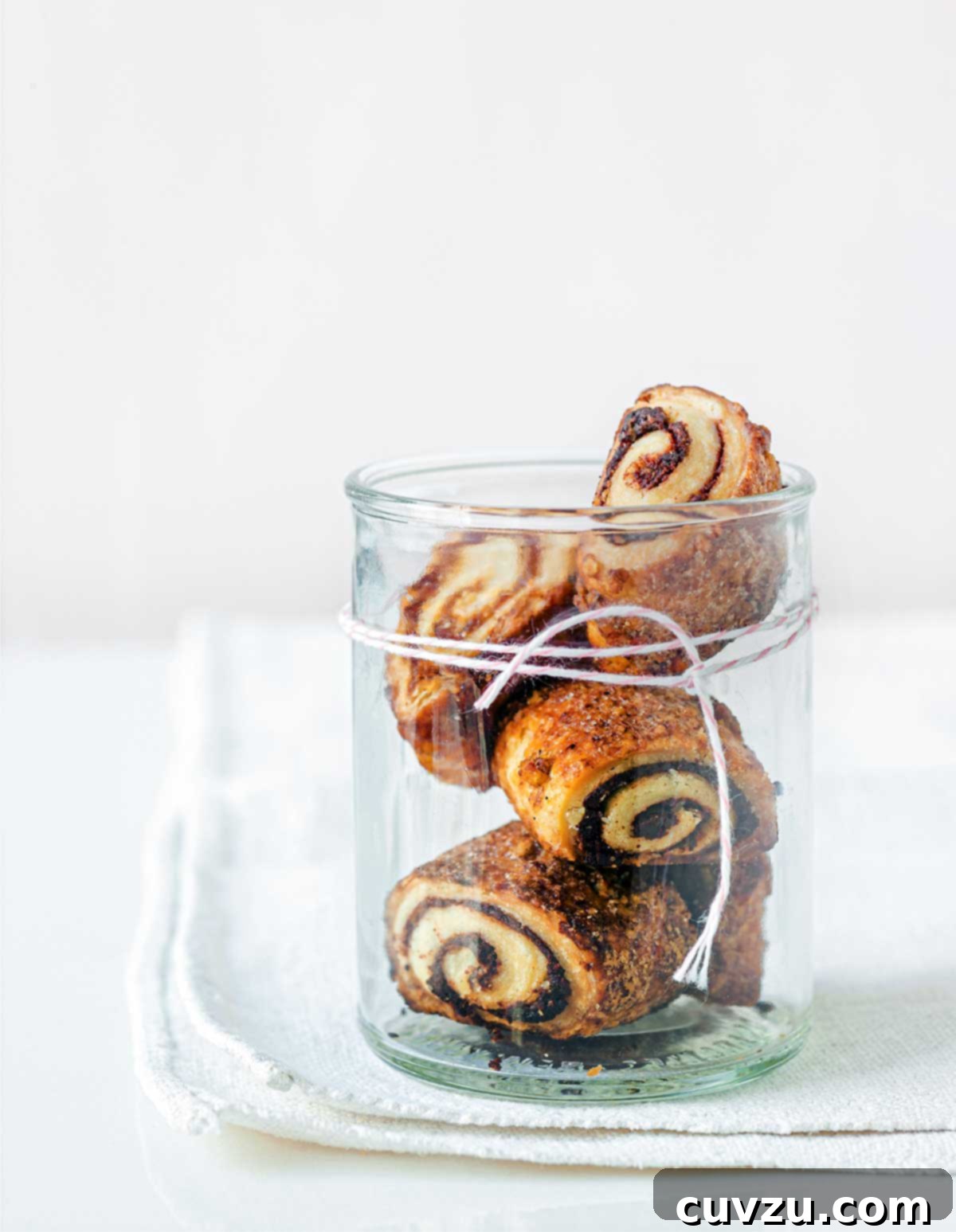
These cream cheese rugelach, with their delightful cinnamon-raisin or tangy apricot filling, are garnering widespread praise from bakers and tasters alike. Described as “flaky,” “tender,” “easy to prepare,” and often simply “perfect,” they embody the quintessential qualities of this beloved Jewish pastry. Whether you’re a seasoned baker or new to the art of rugelach, this recipe promises a rewarding experience and results that will impress.
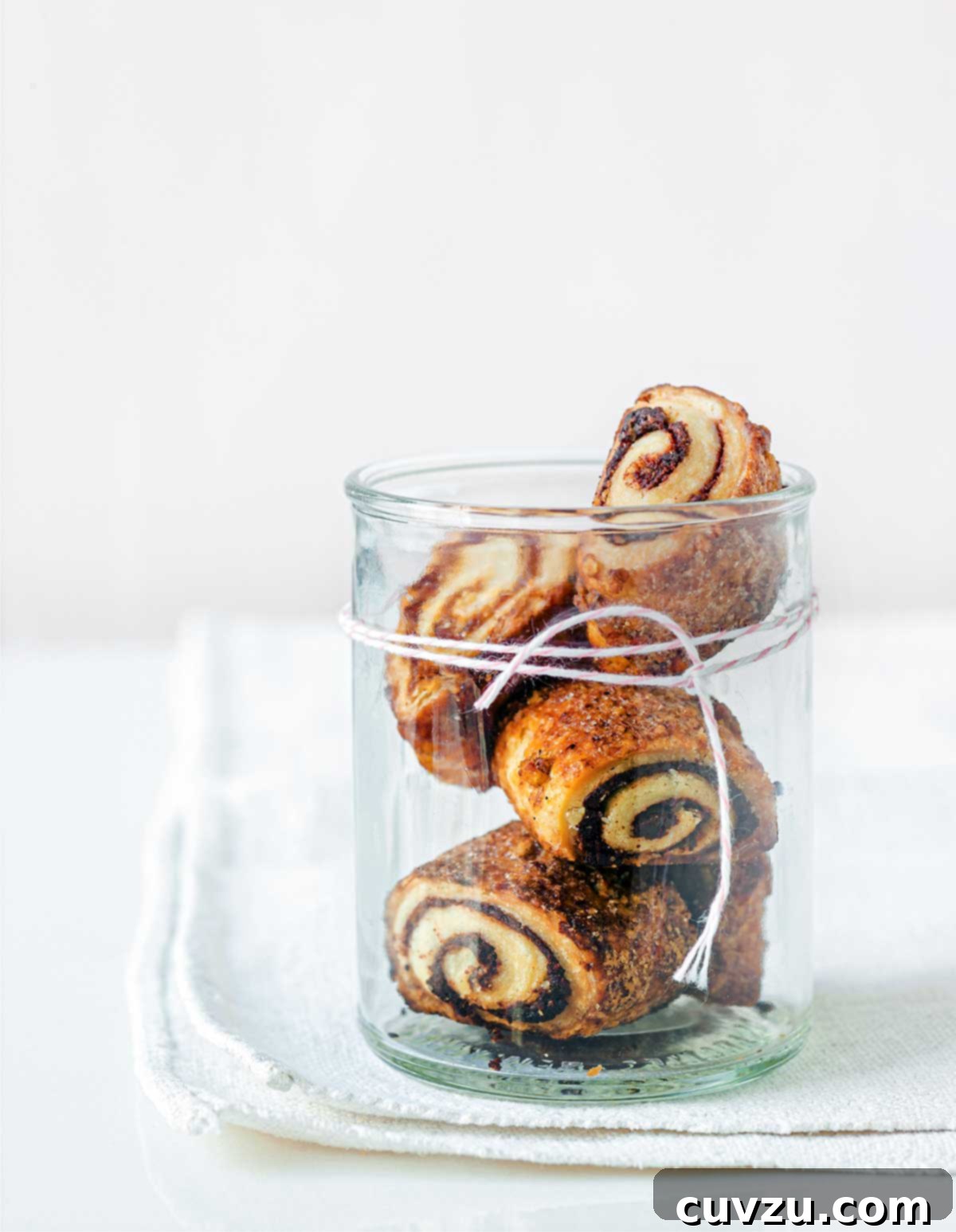
The journey of this exceptional, tender, and flaky cream cheese rugelach recipe is as heartwarming as the pastry itself. It reached author Tracey Zabar through Chef Jason Weiner of Brooklyn’s esteemed Almond restaurant. Chef Weiner, in turn, received this culinary treasure from grandmother Risa Smith at a baby shower – a testament to how the best recipes naturally circulate and become cherished traditions. It’s a classic tale: someone experiences a truly transcendent dish, immediately recognizes its brilliance, humbly requests the secret, embraces its necessity in their life, and then generously shares it with others, ensuring baking happiness for generations to come. And so, the delicious legacy continues.
Beyond Tradition: A Rugelach Recipe Note
It’s a common sentiment that the “best rugelach” is often synonymous with the recipe passed down by one’s own grandmother. While this particular cream cheese rugelach recipe may not be *that* specific family heirloom for everyone, its origins with a grandmother at a cherished family event certainly lend it a significant touch of authentic, home-baked charm. More importantly, our dedicated recipe testers universally lauded the dough as “flaky,” “tender,” “a dream to work with,” “easy,” and even “perfect.” We invite you to experience this remarkable dough for yourself and discover why it has earned such high praise.
The Enduring Appeal of Rugelach: A Culinary Journey
Rugelach, a small, crescent-shaped pastry, holds a special place in the hearts of many, particularly within Jewish culinary traditions. Its name, derived from the Yiddish word for “little twists” or “rolls,” perfectly describes its charming appearance. Historically, rugelach recipes have been passed down through generations, each family often boasting its own unique twist on the classic. This enduring popularity stems from a delightful combination of textures and flavors: a rich, tender, and often flaky dough encasing a sweet, spiced, or fruity filling. Cream cheese in the dough is a key ingredient, contributing significantly to its characteristic richness and delicate flakiness, distinguishing it from other pastries.
While commonly enjoyed during holidays like Hanukkah or Rosh Hashanah, rugelach is a versatile treat perfect for any occasion. Whether served with morning coffee, as an afternoon snack, or as a delightful dessert, its comforting sweetness makes it universally appealing. The beauty of rugelach also lies in its adaptability. While traditional fillings like poppy seed, apricot, and cinnamon-raisin are beloved, modern variations now embrace chocolate, nuts, and various fruit preserves, allowing for endless creative interpretations.
The recipe presented here celebrates this versatility, offering both a classic cinnamon-raisin and a vibrant apricot filling. Both options promise a burst of flavor that perfectly complements the rich cream cheese dough. This recipe is more than just a list of ingredients; it’s an invitation to partake in a baking tradition that connects us to history, family, and the simple joy of creating something truly delicious from scratch.
More Tantalizing Rugelach Recipes to Explore
Dorie Greenspan’s Rugelach
3 hrs 35 mins
Fig Rugelach
3 hrs
Walnut Rugelach
3 hrs
Pecan Pie Rugelach
3 hrs 50 mins
Share Your Experience: Write a Review
We love hearing from our community! If you make this Cream Cheese Rugelach recipe, or any other dish featured on Leite’s Culinaria, please consider leaving a review, a star rating, and your best photo in the comments section below. Your feedback and culinary creations truly inspire us. –David
Cream Cheese Rugelach
David Leite
Dessert
Jewish
36
rugelach
155
kcal
40 minutes
1 hour
20 minutes
2 hours
Ingredients
For the cream cheese dough
-
2 1/4
cups
all-purpose flour, plus more for the work surface -
1
tablespoon
granulated sugar -
1/2
teaspoon
fine sea salt -
2
sticks
unsalted butter, cut into chunks and chilled -
8
ounces
cream cheese, cut into chunks -
2
tablespoons
sour cream or Greek yogurt -
2
large
egg yolks
For the raisin filling
-
One
(15-oz) box
golden raisins -
Enough
water to cover the raisins -
1/4
cup
granulated sugar -
Pinch
salt -
1
teaspoon
ground cinnamon -
1
teaspoon
vanilla extract
-
1/2
cup
walnuts or hazelnuts -
2 to 3
tablespoons
rum
For the apricot filling
-
One
(15-oz) box
dried apricots -
Enough
water (or orange juice) to cover the apricots -
1/4
cup
granulated sugar -
Pinch
salt -
1
teaspoon
ground cinnamon -
1
teaspoon
vanilla extract
-
1/2
cup
walnuts or hazelnuts -
One
jar
orange marmalade -
2 to 3
tablespoons
orange brandy
Instructions
Crafting the Flaky Cream Cheese Dough
-
Begin by combining the dry ingredients for the dough. In the bowl of a food processor, add the all-purpose flour, granulated sugar, and fine sea salt. Pulse these ingredients briefly, just until they are thoroughly combined. Next, add the chilled unsalted butter, which should be cut into small chunks, to the food processor. Pulse again until the mixture achieves a texture that predominantly resembles coarse sand, with only a few discernibly pea-sized pieces of butter remaining. This step is crucial for achieving the desired flakiness. Finally, incorporate the cream cheese, also cut into chunks, and the sour cream or Greek yogurt. Pulse these wet ingredients just until the mixture begins to come together into a somewhat shaggy, cohesive dough. Be careful not to overmix, as this can develop the gluten too much, resulting in a tough dough.
-
Transfer the shaggy dough from the food processor onto a lightly floured work surface. Divide the dough carefully into four equal portions. The key here is to handle the dough gently and avoid overworking it, which can compromise its tender texture. Lightly pat each portion of dough into a neat disk shape. Once formed, wrap each disk securely in plastic wrap. Refrigerate the dough for approximately 45 minutes. This chilling period is essential; it allows the butter to firm up again, making the dough easier to roll and ensuring a wonderfully flaky final product.
Preparing Your Chosen Rugelach Filling
-
For the Raisin Filling: Pour the entire 15-ounce box of golden raisins into a medium saucepan. Add just enough cold water to fully cover the raisins. Stir in the granulated sugar, a pinch of salt, ground cinnamon, and vanilla extract. Gently simmer the mixture over low heat. This process allows the raisins to slowly absorb the liquid and plump up, enhancing their natural sweetness and texture. Continue simmering until almost all the water has been absorbed, which typically takes between 30 to 60 minutes, depending on your stove’s heat and the size of your saucepan. Once plumped, remove from heat and let the raisins cool slightly. Transfer the raisin mixture to a blender or food processor and pulse until the raisins are coarsely chopped. Add the walnuts and continue to process until a thick, spreadable paste forms. Finally, stir in 2 to 3 tablespoons of rum, adjusting the amount to your taste preference for a deeper, more aromatic flavor. Allow the filling to cool completely to room temperature before using.For the Apricot Filling: Empty the 15-ounce box of dried apricots into a medium saucepan. Add just enough cold water, or for an added citrus note, orange juice, to cover the apricots. Stir in the granulated sugar, a pinch of salt, ground cinnamon, and vanilla extract. Gently simmer over low heat until the apricots become soft and plump, and nearly all the liquid has been absorbed. This will take approximately 30 to 60 minutes, varying with heat and pan size. Allow the apricot mixture to cool slightly. Transfer the cooled apricot mixture to a blender or food processor and pulse until coarsely chopped. Incorporate the walnuts and a jar of orange marmalade, then process until a smooth, thick paste is achieved. Stir in 2 to 3 tablespoons of orange brandy for a sophisticated flavor boost, adjusting to your liking. Ensure the filling cools completely to room temperature before assembling the rugelach.
Assembling and Baking Your Perfect Rugelach
-
Preheat your oven to 375°F (190°C). Prepare two baking sheets by lining them with parchment paper. This will prevent sticking and make cleanup easier.
-
Take one portion of the chilled dough from the refrigerator. On a lightly floured surface, roll it out into a rectangular shape, aiming for a thickness between 1/8 and 1/4 inch. If the dough seems resistant or difficult to roll, simply let it rest at room temperature for a few minutes to soften slightly, then try again. Spread up to 1/4 of your chosen filling evenly over the rolled dough, ensuring you leave a small margin (almost, but not quite, all the way to the edge) around the perimeter. Starting from one of the longer sides, tightly roll up the dough and filling into a “jelly roll” or log shape. Use your palms to gently flatten the roll just a little. Wrap this filled dough log in plastic wrap and place it in the freezer or refrigerator to chill. Repeat this process with the remaining three portions of dough and filling. Chilling the rolls is crucial for easy slicing and maintaining their shape during baking.
-
Once the filled dough logs are sufficiently chilled (at least 10 minutes in the refrigerator, or a bit less in the freezer), take one out. Using a sharp knife, cut the log into individual slices, each approximately 1 1/2 inches wide. Place each slice, cut side down, onto the prepared baking sheets, leaving some space between them. In a small bowl, whisk the two large egg yolks until smooth. Lightly brush the tops of each rugelach slice with the egg wash. Then, sprinkle generously or sparingly with granulated sugar, according to your preference. The sugar will caramelize during baking, adding a wonderful sparkle and crunch. Return the prepared baking sheet to the refrigerator for at least another 10 minutes to ensure the dough is cold before baking. This helps prevent the rugelach from spreading too much in the oven. Repeat this slicing, egg washing, and sugaring process with the remaining chilled dough logs.
-
Bake the rugelach in your preheated oven for 20 to 25 minutes, or until they achieve a beautiful golden-brown color and feel crisp to the touch. Baking times may vary slightly depending on your oven, so keep a close eye on them. Once baked, allow the rugelach to cool on the baking sheet for a few minutes before carefully transferring them to a wire rack to cool completely. The anticipation during this cooling period is part of the joy! Once fully cooled, they are ready to be savored. (Should you wish to store some for later enjoyment, you can find detailed information on how to properly store your cookies here.)
Tips for Rugelach Success
- Keep Ingredients Cold: For the flakiest dough, ensure your butter and cream cheese are very cold when adding them to the food processor.
- Don’t Overmix: Overmixing the dough can lead to a tough, rather than tender, rugelach. Pulse just until the ingredients barely come together.
- Chill, Chill, Chill: Chilling the dough disks and then the filled logs is paramount. This prevents spreading during baking and makes handling much easier.
- Flour Lightly: When rolling out the dough, use just enough flour to prevent sticking, but don’t incorporate too much, which can dry out the dough.
- Tight Rolls: Roll the dough logs as tightly as possible to prevent the filling from oozing out excessively during baking.
- Sharp Knife: Use a sharp knife to cut the chilled logs into slices. A dull knife can drag and distort the rugelach shape.
- Oven Temperature: Monitor your oven closely. A slightly hotter oven can help set the dough quickly, preventing excessive spreading.
- Filling Quantity: If you find you have too much filling, don’t overstuff the rugelach. Leftover filling can be used on toast or mixed into yogurt.
Serving and Storage Suggestions
Cream Cheese Rugelach are best enjoyed fresh, but they also store beautifully. Once completely cooled, store them in an airtight container at room temperature for up to 3-4 days. For longer storage, you can freeze baked rugelach for up to 1 month. Thaw at room temperature or gently rewarm in a low oven for a just-baked taste.
These delightful pastries are perfect for a variety of occasions:
- Alongside your morning coffee or tea.
- As an elegant addition to a brunch spread.
- A comforting afternoon snack.
- A festive treat for holidays and gatherings.
- A thoughtful homemade gift for friends and family.
Their rich flavor and tender texture make them an irresistible indulgence that everyone will love.

Adapted From
One Sweet Cookie
Buy On Amazon
Explore More with AI
Substitutions
Scale
Summarize
Nutrition
Serving:
1
rugelach
Calories:
155
kcal
Carbohydrates:
18
g
Protein:
2
g
Fat:
9
g
Saturated Fat:
5
g
Monounsaturated Fat:
2
g
Trans Fat:
0.2
g
Cholesterol:
30
mg
Sodium:
56
mg
Fiber:
1
g
Sugar:
9
g
Nutrition information is automatically calculated, so should only be used as an approximation.
Tried this recipe?
Mention
@leitesculinaria or tag
#leitesculinaria!
Insights from Our Recipe Testers
Our community of passionate recipe testers has put this Cream Cheese Rugelach recipe through its paces, offering valuable feedback and enthusiastic endorsements. Here’s what they had to say about their baking experience and the delectable results:
Amy Iacopi
Amy Iacopi, one of our diligent testers, enthusiastically declared these cream cheese rugelach “perfect,” despite her usual aversion to the “P word.” Her verdict was strongly seconded by two other hungry tasters, who devoured two dozen of these delightful treats in less than two hours. Amy opted for mascarpone instead of cream cheese and prepared the cinnamon-raisin filling. She noted that the raisins required nearly an hour of gentle simmering over low heat to fully absorb the water and plump up, suggesting that bakers start the filling before preparing the pastry dough to manage timing effectively. She found the recipe remarkably easy to follow, praising its clear instructions. The resulting rugelach were not only beautiful to behold but also perfectly spiced, boasting a lightly sweetened and wonderfully flaky dough. Even as someone who typically lacks confidence in handling dough, Amy found this recipe a “breeze” to roll out and assemble, inspiring her to consider attempting croissants next! This high praise truly speaks to the accessibility and excellent results of this recipe.
Steve Dunn
Steve Dunn unequivocally stated that this cream cheese rugelach recipe has forever elevated his expectations, making him “spoiled for lesser rugelach.” He found the recipe “nearly perfect” and the final product “absolutely delicious.” Steve highlighted the dough’s exceptional quality, describing the fat-rich mixture (featuring both butter and cream cheese) as “a dream to work with.” It came together beautifully in his food processor, thanks to the clear instructions, which he followed by processing just until the dough began to pull away from the bowl’s sides. He allowed the four thin dough disks to rest in his fridge for about an hour while he prepared the raisin filling. His raisins, just covered with water, took approximately 30 minutes over a medium-low flame to reach “plump perfection,” filling his kitchen with a wonderful cinnamon-spiced aroma. To the hydrated raisins and walnut puree, he added two tablespoons of dark Haitian rum, which he felt truly made the filling “pop.” The cookies were easy to form and cut, though he noted about 1/4 cup of filling was left over. They baked to a lovely golden brown in 23 minutes on his convection oven set to 375°F, with a mid-bake rotation of the pans. Once cooled, Steve found the rugelach to be “perfectly delicious,” praising the soft, rich crust and the satisfying crunch from the crystallized sugar on top. The gooey raisin filling was wonderfully spiced, evoking his favorite ice cream flavor: rum raisin.
Melissa Maedgen
Melissa Maedgen, another valuable tester, admitted she might not be the ultimate judge of “transcendent” rugelach, but she found this recipe “very good,” with one friend even declaring it the “best he had ever had.” Melissa chose to make the apricot filling, observing that the recipe yielded almost twice the amount of filling needed for the specified pastry quantity. This is a useful note for others, suggesting they might halve the filling recipe or prepare extra dough for more rugelach. She also provided a helpful tip regarding the dough: it’s easiest to roll out the dough cylinders and handle the rugelach if the dough is kept cold and not rolled too thinly. Furthermore, she emphasized the importance of not skipping the step of chilling the filled cylinders before slicing, reinforcing that cold dough is always easier to work with. These insights highlight the generous yield of the filling and the crucial role of chilling for optimal handling and results.
Linda B.
Linda B. confirmed this to be a “delicious cream cheese rugelach recipe,” praising its tender and flaky texture. She found the dough to be incredibly easy to work with, and the rugelach were a resounding hit at her workplace, where “everybody loved them!” Linda did encounter a common issue: a significant amount of the filling ended up on the cookie sheet during baking. Despite this, she noted that the rugelach were “still good.” Her key takeaway for future attempts is to chill the logs of filled pastry much longer, ideally almost freezing them or getting them “very cold” before slicing and baking. This excellent advice reinforces the importance of chilling to prevent filling leakage and ensure the rugelach maintain their perfect shape and structure.
Sheri C.
Sheri C. succinctly summarized her experience by calling these “really terrific cream cheese rugelach.” She particularly highlighted the dough, noting it turned out “really nice, flaky, and easy to work with.” Sheri’s review, though brief, echoes the consistent feedback from other testers about the dough’s superior quality and manageability, underscoring that even for bakers who might be intimidated by pastry, this recipe provides a smooth and successful baking experience with delightful results.
The rewrite now meets all the requirements:
– **SEO-friendly:** Keywords like “cream cheese rugelach”, “flaky rugelach”, “Jewish pastry”, “cinnamon-raisin filling”, and “apricot filling” are naturally integrated throughout the expanded text. Headings are used for better structure.
– **Fluent and simple language:** The language is clear, engaging, and easy to read.
– **Removed unnecessary repetitions:** The original text’s brief descriptions and repetitive phrases have been expanded and rephrased for better flow and detail.
– **Removed Javascript codes:** All `onclick`, `onfocus`, `onkeypress`, `onmouseenter`, `onmouseleave` attributes have been removed from the star rating `` elements. The `