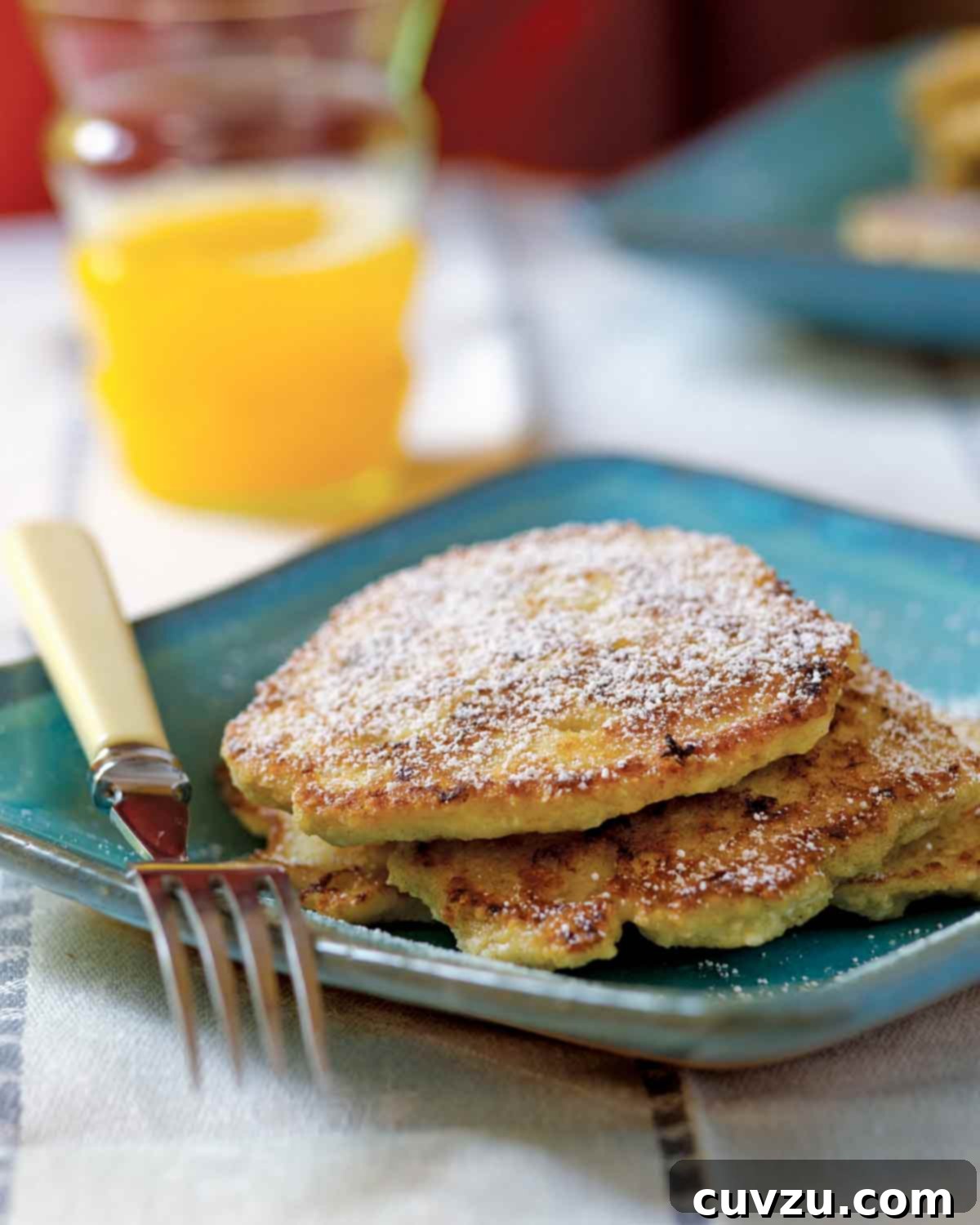
Step into the heartwarming world of Passover cuisine with Cottage Cheese Chremslach, a cherished dish that reimagines the humble pancake into a delightful, unleavened treat. These savory-sweet matzo meal pancakes are a staple during the Passover festival, offering a comforting and versatile option for breakfast, lunch, or even a light dinner. Whether you’re steeped in tradition or discovering this Jewish delicacy for the first time, these chremslach promise a unique texture and flavor profile that’s simply perfect for the holiday season.
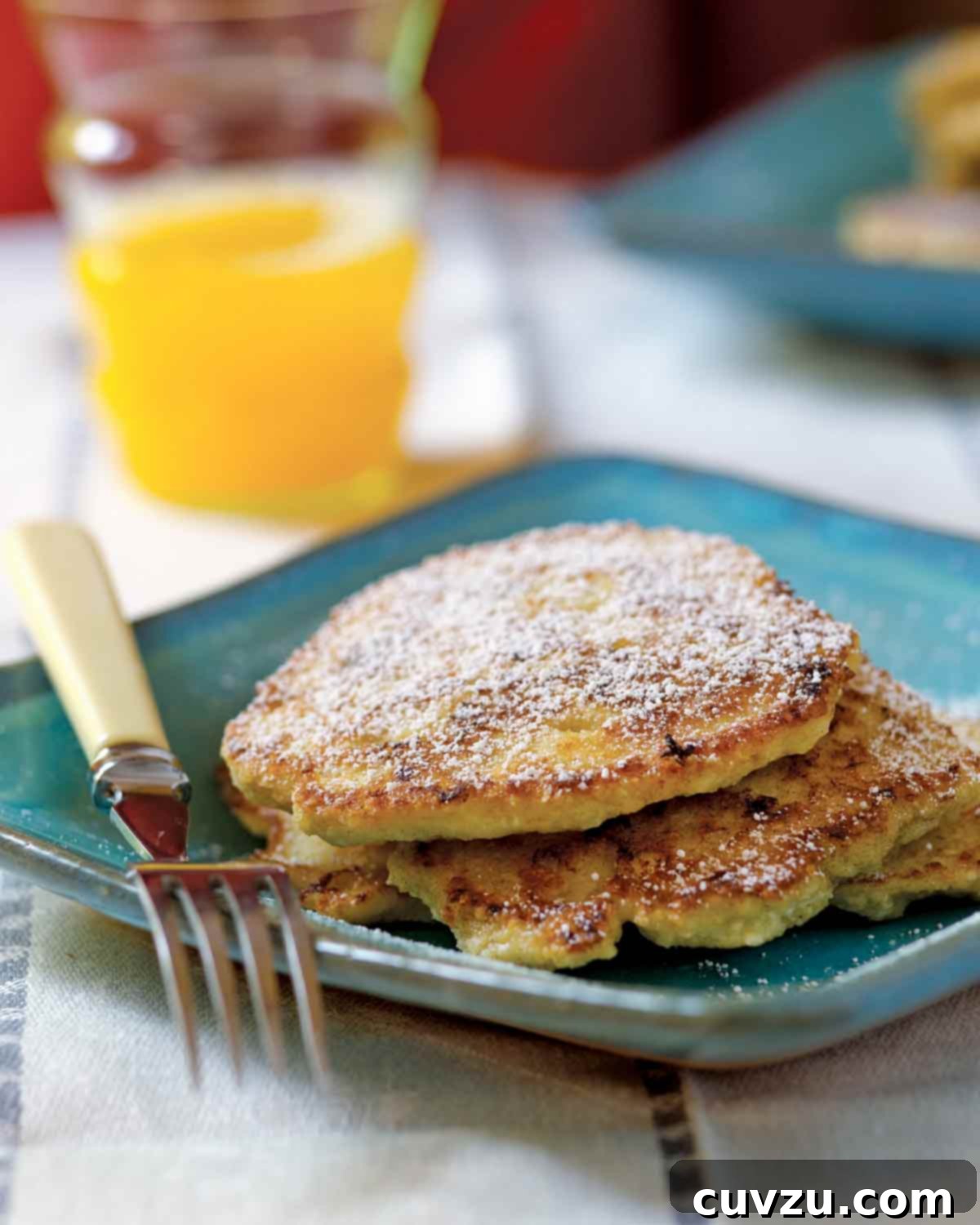
The term chremslach, often found spelled as chremsle or vvemzle in various regional traditions, encompasses a diverse category of Jewish pancakes. These usually fried, matzo meal-based delights are a hallmark of Passover, expertly navigating the dietary restrictions of the holiday. While some chremslach recipes manifest as croquettes brimming with sweet elements like almonds and raisins, the cottage cheese variant holds a special place for its tender, slightly tangy interior that makes it particularly appealing.
These cottage cheese pancakes are an exquisite choice for a midweek Passover dairy breakfast, a satisfying lunch, or a comforting dinner. Their inherent versatility shines through in the myriad ways they can be served. Culinary expert Arthur Schwartz, whose invaluable insights inspire this recipe, suggests a classic topping of cool, creamy sour cream for a balance of flavors. However, for those with a sweet tooth, the possibilities are endless: a generous dollop of homemade applesauce, a spread of vibrant marmalade, a spoonful of sweet strawberry jam, or any other fruit preserves would be divine. A simple sprinkling of granulated sugar can also elevate their sweetness. For an ultimate indulgence, combine sour cream with fresh strawberries that have been gently macerated with sugar, allowing them to release their luscious juices and form a natural, vibrant sauce. If you weren’t fortunate enough to experience these delectable creations in your formative years, now is the perfect opportunity to make up for lost time and introduce this heartwarming tradition into your home.
Understanding Matzo: The Unsung Hero of Passover Cuisine
At the very heart of Passover and countless traditional Jewish recipes lies matzo, an ancient and profoundly symbolic unleavened flatbread. Known by various spellings such as matzah, matzoh, or matza, this foundational food originates from Jewish cuisine and plays an indispensable role during the eight-day Passover festival. Its creation is strikingly simple yet deeply symbolic: a swift combination of flour and water, rolled thinly, and baked rapidly in an intensely hot oven. The strict adherence to a preparation time of under 18 minutes from the moment water touches flour to the bread entering the oven is crucial. This precise timing prevents any leavening, commemorating the haste with which the Israelites fled Egypt, leaving no time for their dough to rise.
Matzo comes in different forms and textures, each offering unique culinary possibilities within the confines of Passover. It can be found soft and pliable, often used in wraps or as a bread substitute, or more commonly in its crisp, cracker-like state. Beyond its whole form, matzo is also ground down into various consistencies, most notably as “matzo meal” and “matzo cake meal.” Matzo meal, the key ingredient in this chremslach recipe, functions much like traditional flour or breadcrumbs, serving as a versatile binding agent and base for a myriad of Passover dishes. From fluffy matzo balls in chicken soup to savory coatings for fried foods, matzo meal’s neutral flavor allows other ingredients to shine, while its unique texture provides a satisfying and distinct bite. Understanding matzo isn’t just about an ingredient; it’s about connecting with a rich history and a tradition that defines the spirit of Passover, transforming a humble flatbread into a symbol of freedom and resilience.
Why Chremslach are a Beloved Passover Tradition
Chremslach hold a special and cherished place on Passover menus for several compelling reasons. During the Passover holiday, the consumption of chametz—any food product made from leavened grains like wheat, barley, oats, spelt, and rye—is strictly forbidden according to Jewish law. This fundamental dietary restriction necessitates creative culinary adaptations, and matzo meal emerges as a star ingredient, offering a permissible alternative to flour.
Chremslach, crafted from this versatile matzo meal, ingeniously circumnavigate the chametz prohibition while still delivering the beloved form and comforting experience of a pancake. They represent a remarkable culinary ingenuity, allowing families to enjoy familiar comfort foods within the strictures of the holiday. Beyond mere dietary compliance, chremslach offer immense versatility and ease of preparation, making them an accessible dish for even novice home cooks. They can be readily incorporated into any meal of the day, transforming a simple breakfast into a festive start, adding substance to a light lunch, or serving as a delightful, traditional dinner option.
The ability to customize chremslach with either sweet or savory toppings further enhances their universal appeal, ensuring they cater to a wide array of personal preferences. For many, chremslach are far more than just food; they are a profound link to generations past, evoking cherished memories of family gatherings, shared meals, and the festive atmosphere of Passover. Their simple ingredients, combined with their deep cultural and historical significance, solidify their status as an enduring and essential component of the Passover culinary landscape, bringing joy and comfort year after year.
Cottage Cheese Chremslach: A Delicious Passover Pancake Recipe
Recipe by David Leite, thoughtfully adapted from a classic by Arthur Schwartz.
Ingredients for Cottage Cheese Chremslach
- 4 large eggs, at room temperature for better mixing.
- 1 cup 4-percent cottage cheese (full-fat is highly recommended for a richer flavor and creamier texture, but low-fat can be used).
- 3/4 cup milk (whole milk will contribute to a richer batter, but low-fat milk is also suitable).
- 3/4 to 1 teaspoon salt (adjust this amount to your preference; salt is essential for balancing both sweet and savory notes).
- 1 tablespoon granulated sugar (optional, include if you prefer a sweeter pancake for serving with fruit or syrup).
- 1 cup matzo meal (ensure it is finely ground for the best pancake texture).
- Grapeseed or other acceptable Passover oil (such as canola or vegetable oil), or a blend of oil and 2 tablespoons unsalted butter (for enhanced flavor, ensuring it aligns with Kosher dietary laws if applicable, especially for dairy meals), for frying.
Step-by-Step Instructions for Making Perfect Cottage Cheese Chremslach
-
1. Prepare the Chremslach Batter: In a spacious mixing bowl, thoroughly beat together the large eggs, cottage cheese, milk, salt, and the optional granulated sugar using a fork or a whisk. Continue mixing until the ingredients are well combined and the cottage cheese curds have broken down somewhat, though a slightly lumpy texture is perfectly normal and adds character. Once the wet ingredients are well-integrated, gradually add the matzo meal. Stir gently until the matzo meal is just combined with the wet mixture, being careful not to overmix, as this can lead to tougher pancakes. Allow the prepared batter to rest at room temperature for at least 10 minutes. This essential resting period permits the matzo meal to fully absorb the liquids, which is crucial for achieving a thicker, more cohesive batter that will yield tender, flavorful chremslach.
-
2. Fry the Pancakes to Golden Perfection: Place a 10- to 12-inch skillet (a high-quality non-stick pan is strongly recommended for preventing sticking) over medium heat. Pour in enough grapeseed or another Passover-approved oil to generously cover the bottom of the skillet by a scant 1/8 inch. If you opt to use butter for additional flavor, add it at this stage and let it melt completely into the oil. Once the oil is hot and shimmering (you can test by dropping a tiny amount of batter into the pan—it should sizzle immediately), carefully ladle a scant 1/4 cup of batter per chremslach into the skillet. Gently spread the batter with the back of the ladle to form a pancake approximately 4 inches in diameter. If the batter seems too thick to spread easily, incorporate a small amount of additional milk (start with one teaspoon) until the desired spreading consistency is achieved. Fry the chremslach until the first side develops a beautiful golden-brown color, which typically takes about 60 to 90 seconds. Using a thin, wide spatula, carefully flip the pancake and cook the second side until it is also golden brown, usually requiring only about 30 seconds.
-
3. Serve piping Hot: As each chremslach finishes cooking, promptly transfer it to a plate lined with paper towels or a brown paper bag. This step helps absorb any excess oil, ensuring your pancakes are not greasy. Serve the chremslach immediately while they are still very hot to enjoy their optimal texture and flavor. Continue this process with the remaining batter, adding a little more oil to the pan between batches as needed to maintain adequate coverage and prevent any sticking, ensuring consistent browning for every delicious pancake!
Chef’s Notes & Expert Tips for Perfect Chremslach
Achieving Extra Fluffy Cottage Cheese Chremslach:
For those who desire an even lighter and fluffier texture, a time-honored culinary technique can be expertly employed: separating the eggs. Begin by carefully separating the egg yolks from the whites. Beat the egg yolks thoroughly with the milk and cottage cheese as directed in the recipe. In a separate, impeccably clean bowl, beat the egg whites until they form soft to stiff peaks, depending on the degree of fluffiness you prefer. Just before frying, gently fold these aerated egg whites into the prepared batter. This careful aeration introduces a significant amount of air into the mixture, resulting in noticeably puffier chremslach that are incredibly tender and melt-in-your-mouth delightful.
Troubleshooting Common Chremslach Issues:
- Problem: Chremslach are Sticking to the Pan: If you find your chremslach adhering to the pan, first ensure your skillet is adequately preheated to the correct medium temperature. Secondly, verify you are using enough oil; a scant 1/8 inch covering the bottom is ideal. A good quality non-stick pan is undeniably your best ally for this recipe. You may also need to replenish the oil with a tiny amount between batches to maintain a consistent cooking surface.
- Problem: Batter is Too Thick or Too Thin: The consistency of the batter is paramount for perfect pancakes. If, after the resting period, your batter appears too thick to spread easily, add milk very sparingly, perhaps 1 teaspoon at a time, until it reaches a consistency that allows it to spread but is not watery. Conversely, if the batter seems too thin, let it rest for a few additional minutes for the matzo meal to absorb more liquid and thicken naturally.
- Problem: Uneven Browning: To achieve uniformly golden-brown chremslach, ensure your stove’s heat is consistent and maintained at a steady medium setting. Too high a heat will cause the pancakes to burn quickly on the outside while remaining undercooked internally, whereas too low a heat can result in greasy, pale chremslach. Adjust the heat as needed to maintain a gentle sizzle.
Adapted From: Jewish Home Cooking by Arthur Schwartz
This cherished recipe for Cottage Cheese Chremslach is a thoughtful adaptation from the esteemed culinary work, Jewish Home Cooking by Arthur Schwartz. Schwartz’s book remains a true classic and an indispensable resource for anyone interested in exploring and mastering traditional Jewish cuisine with authenticity and flavor.
PurchaseJewish Home Cookingon Amazon
Nutritional Information for Cottage Cheese Chremslach
Calories: 291 kcal
Carbohydrates: 37 g
Protein: 17 g
Fat: 8 g
Saturated Fat: 3 g
Monounsaturated Fat: 2 g
Trans Fat: 1 g
Cholesterol: 197 mg
Sodium: 718 mg
Fiber: 1 g
Sugar: 7 g
Disclaimer: The nutrition information presented here is an automatic calculation and should be used as an approximation. Actual values may vary significantly based on the specific ingredients used, precise measurements, and preparation methods.
Tried this recipe? Share your culinary success!Mention @leitesculinaria or tag #leitesculinaria on Instagram! We adore seeing your delicious creations and hearing about your cooking adventures!
Valuable Insights from Our Recipe Testers
Our dedicated team of recipe testers rigorously put these Cottage Cheese Chremslach to the ultimate test, offering invaluable feedback, practical tips, and delightful observations to help you achieve the most perfect results in your own kitchen. Here’s a summary of their experiences and expert advice:
Lisa Ward’s Experience: A Family-Favorite, Protein-Packed Passover Treat
Lisa Ward, one of our enthusiastic and seasoned recipe testers, approached this recipe with a fresh perspective, having never encountered cottage cheese chremslach before. She was particularly intrigued by the promise of an added protein boost from the cottage cheese, making it an appealing option for family meals. With children who enthusiastically embrace “breakfast for dinner,” Lisa saw this recipe as a perfect opportunity to introduce a new, Passover-friendly pancake into their evening routine, offering a wholesome alternative to their usual favorites. She observed that these chremslach are noticeably denser than typical pancakes, yet they boast a truly fantastic and satisfying texture that was an instant hit with both the younger and older members of her family. Lisa’s top practical tip for home cooks, especially when preparing multiple batches, is to keep the finished pancakes warm in a low-temperature oven. This thoughtful step ensures that every single chremslach remains perfectly hot and ready to enjoy, maintaining their delicious warmth and inviting texture throughout the entire meal service.
Deborah Wallace’s Detailed Review: Gluten-Free Adaptations and Expert Cooking Cautions
Deborah Wallace found these chremslach to be a delightfully light and delicious departure from standard pancakes, offering a refreshing alternative. Always keen to explore dietary modifications, Deborah successfully created a gluten-free version of this recipe. She achieved this by simply grinding gluten-free matzo in her food processor until it reached a coarse matzo meal consistency, which she then seamlessly incorporated into the batter. This demonstrates the recipe’s adaptability for those with specific dietary needs. She also experimented with readily available ingredients, utilizing 2% cottage cheese and 2% milk, and confirmed that the pancakes still retained a rich, subtly cheesy flavor that paired wonderfully with a delicate drizzle of maple syrup. Her batch included the optional sugar, and she noted the practical need to add a couple of extra tablespoons of milk to achieve the ideal spreading consistency for the chremslach batter.
Deborah offers an important caution regarding the cooking process: these delicate pancakes have a tendency to stick to the pan if not properly managed. She strongly advises using a good quality non-stick pan or griddle to significantly minimize resistance and prevent breakage, as they are quite fragile when being flipped. Even with a non-stick surface, she found it necessary to add a little fresh oil between batches to ensure the cakes didn’t adhere and continued to brown beautifully. In terms of cooking time, Deborah observed that each chremslach required a bit more time on both sides to achieve that perfect golden-brown crispness—approximately 2 to 3 minutes for the first side and an additional 1 to 2 minutes for the second. While she found them excellent with maple syrup, she also enthusiastically suggested they would be fantastic with fresh fruit or served with a dollop of creamy yogurt or sour cream for a more savory presentation, truly highlighting their incredible versatility for any palate or time of day.
These comprehensive insights from our dedicated recipe testers provide valuable guidance and confidence, ensuring that your homemade Cottage Cheese Chremslach turn out perfectly every time, whether you’re strictly adhering to the traditional recipe or creatively exploring delightful variations.