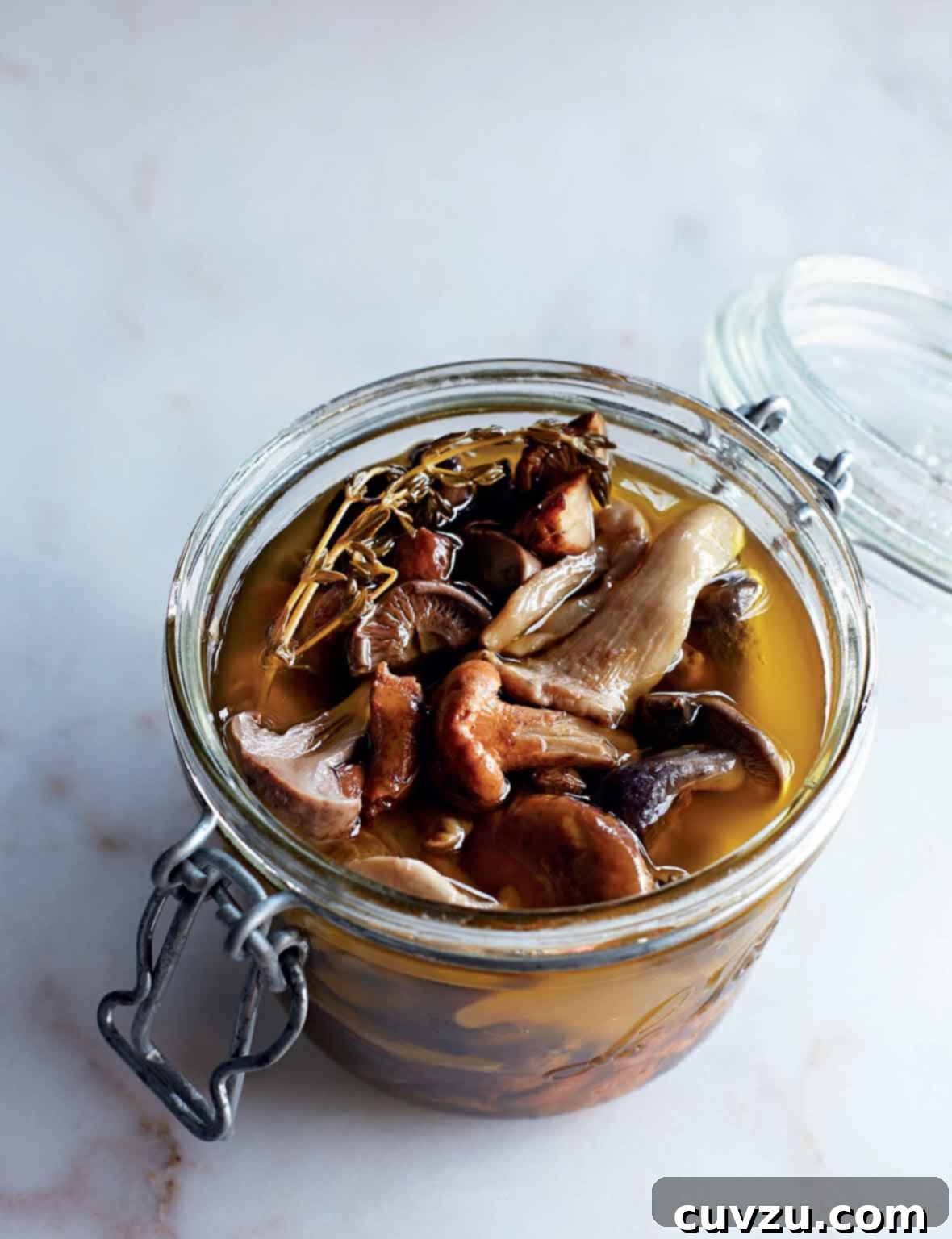
Pickled Wild Mushrooms: A European Culinary Delight for Your Pantry
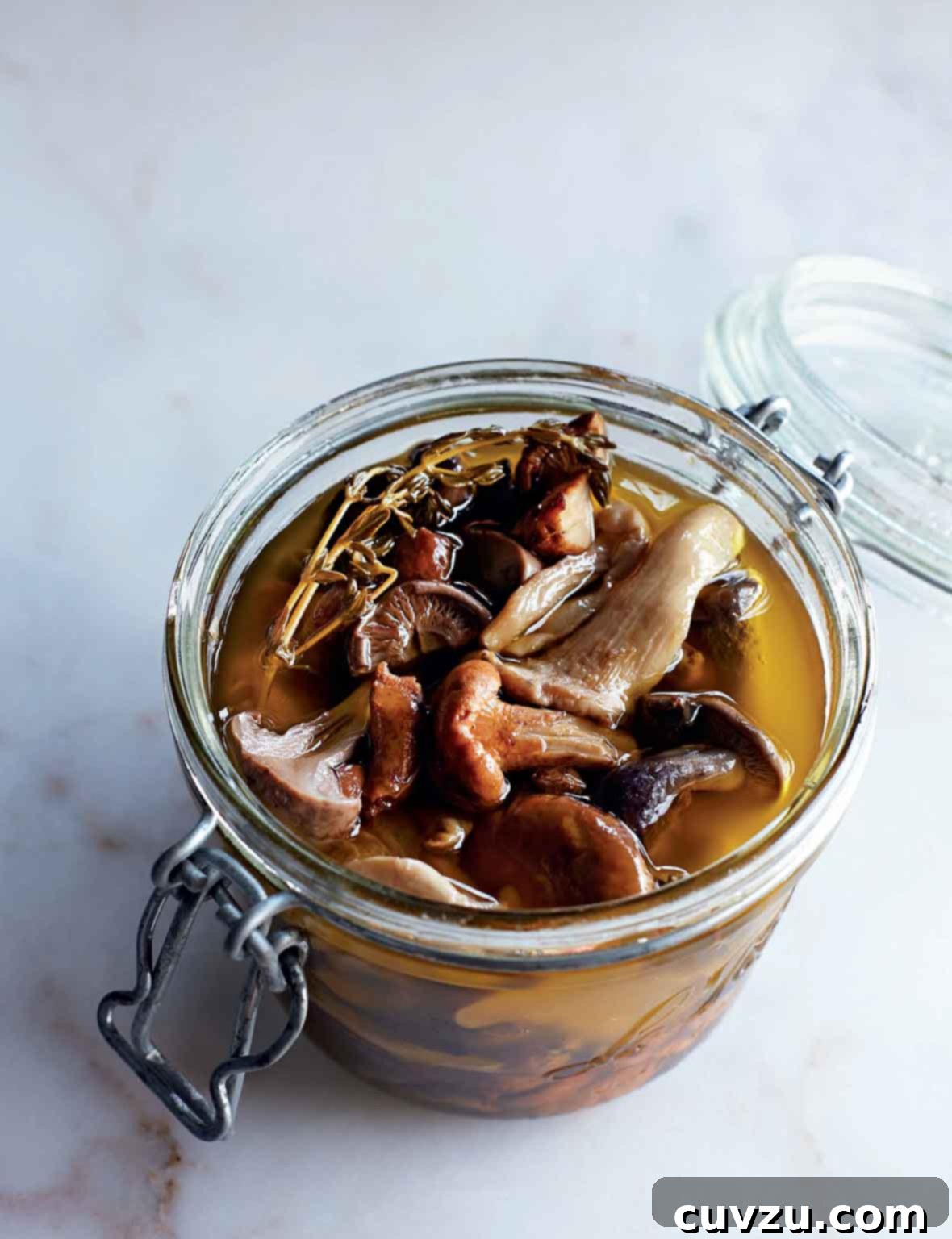
There’s a certain undeniable charm to pickled wild mushrooms, a culinary tradition deeply rooted in European heritage. It’s more than just a recipe; it’s an intelligent way to capture the peak flavors of the season, transforming humble fungi into an understated yet remarkably sophisticated delicacy. Effortlessly prepared and incredibly versatile, these pickled delights are a testament to simple ingredients yielding profound tastes.
Imagine the ease of reaching into your pantry for a jar of these glistening morsels, ready to elevate an impromptu gathering or a planned dinner party. Paired with olives and an assortment of charcuterie, they instantly transform an ordinary spread into something special, positioning you as the consummate host. But be warned: their tempting allure might make it hard to keep them hidden in the fridge for long!
The Art of Preserving Flavor: Why Pickle Mushrooms?
Pickling is an ancient and ingenious method of food preservation that extends far beyond just adding a tangy kick. When applied to mushrooms, it unlocks a depth of flavor and a unique texture that fresh mushrooms simply can’t offer. This process infuses the mushrooms with aromatic herbs, savory olive oil, and sharp red wine vinegar, creating a complex profile that evolves beautifully over time.
Beyond their delightful taste, pickled mushrooms offer immense convenience. They allow you to enjoy seasonal mushrooms long after their harvest, making them a pantry staple that’s always ready to impress. Whether you’re a seasoned home cook or new to the world of preserving, this recipe provides a straightforward path to creating a gourmet condiment that rivals any store-bought alternative. The magic lies in their simplicity and the transformation that occurs as the flavors meld, resulting in a savory, tangy, and subtly herbaceous bite perfect for a myriad of culinary applications.
Choosing Your Fungi: Best Mushrooms for Pickling
The success of your pickled mushrooms largely depends on the quality and type of fungi you choose. The key is to select firm, meaty mushrooms that can stand up to the pickling process without becoming mushy. While “wild” mushrooms evoke a sense of adventure and unique flavor, many cultivated varieties also perform exceptionally well.
Excellent choices for pickling include:
- Portobello: Their substantial caps and earthy flavor make them a robust choice.
- Oyster Mushrooms: These have a delicate, slightly sweet flavor and a tender texture when cooked.
- King Trumpet (King Oyster): Known for their thick, meaty stems, these are fantastic for slicing and pickling, offering a satisfying chew.
- Shiitake: With their distinct umami flavor, shiitakes add an oriental twist to the pickling brine.
- Cremini (Baby Bella): Readily available and versatile, creminis offer a classic mushroom flavor that absorbs the pickling liquid wonderfully.
- Chanterelles or Morels: If you’re lucky enough to find these highly prized wild varieties, they make for an exceptionally flavorful pickle.
When preparing your mushrooms, ensure they are clean. Gently brush off any dirt with a soft brush or a damp cloth. Avoid washing them under running water, as mushrooms tend to absorb moisture like sponges, which can dilute their flavor and affect their texture. If stems are firm and desirable, trim only the very ends; otherwise, remove them entirely and consider saving them for a flavorful vegetable broth.
Homemade Pickled Wild Mushrooms Recipe
This recipe, originally crafted by David Leite, offers a foolproof guide to creating perfectly pickled mushrooms that embody European culinary wisdom. With minimal effort, you’ll produce a jar of flavorful goodness that’s ready to impress.
Pickled Wild Mushrooms
Average Rating: 4.80 / 5 (based on 5 votes)
These pickled wild mushrooms are a wonderfully European tradition—easy to prepare, smart for seasonal preservation, and sophisticated in their simplicity.
Recipe by David Leite
Essential Equipment
- 1-pint (16–fluid ounce or 500-ml) canning jar and its lid
- Nonreactive saucepan
Ingredients You’ll Need
- 1/2 pound firm wild mushrooms*
- 1/2 cup extra-virgin olive oil
- 1/2 cup red wine vinegar
- 1/2 teaspoon whole black peppercorns
- 1/4 teaspoon coarse sea salt
- 4 fresh thyme sprigs
Step-by-Step Instructions for Perfect Pickled Mushrooms
- Prepare the Jar: Begin by thoroughly washing a 1-pint (500-ml) canning jar and its lid in hot, soapy water. Dry them completely to ensure no moisture remains, which can affect preservation.
- Prepare the Mushrooms: Inspect your mushrooms. If the stems are firm and meaty, simply trim off the very ends. For softer or less desirable stems, remove them entirely. You can save these trimmings for a flavorful vegetable broth. Slice the mushroom caps into uniform 1/4-inch (6-mm) slices, or cut them into quarters if they are small, ensuring even cooking.
- Simmer the Brine: In a nonreactive saucepan (stainless steel or enameled cast iron work best to prevent metallic flavors), combine 1/4 cup of the olive oil, 1/4 cup of the red wine vinegar, the whole black peppercorns, coarse sea salt, and fresh thyme sprigs. Bring this mixture to a rolling boil over medium-high heat. Allow it to boil vigorously for exactly 2 minutes to properly infuse the flavors and sterilize the liquid.
- Cook the Mushrooms: Carefully add the prepared mushrooms to the boiling brine. Reduce the heat to low and cook for precisely 2 minutes, turning the mushrooms constantly to ensure they are evenly coated and gently cooked. This quick cooking time helps them retain a pleasant texture.
- Jar and Cool: Using a ladle, carefully transfer the hot mushrooms and the simmering liquid into your prepared canning jar. Pour in the remaining 1/4 cup of olive oil and 1/4 cup of red wine vinegar. Cover the jar loosely with aluminum foil and let it cool completely to room temperature. Once cooled, remove the foil and seal the jar tightly with its lid.
- Refrigerate and Allow Flavors to Meld: Place the sealed jar in the refrigerator for at least 24 to 48 hours. This crucial resting period allows the flavors to fully meld and deepen, transforming the mushrooms into their pickled best. You may notice the olive oil solidifying slightly due to the cold; this is normal and will liquefy again at room temperature. These pickled wild mushrooms will keep beautifully in the refrigerator for up to 3 months.
- Serve: Before serving, remember to bring the jar to room temperature. These delectable mushrooms are perfect as an elegant hors d’oeuvre, served alongside cured meats, cheeses, and olives, or incorporated into various dishes.
Notes
*What You Need To Know About What Kind Of Wild Mushrooms You Can Pickle
Almost any firm, meaty wild mushroom is suitable for pickling. Excellent choices include Portobello, trumpet, oyster, cèpes (porcini), and morel mushrooms, all of which yield spectacularly flavorful pickles with a satisfying texture.
Tips for Success and Flavor Variations
While the basic recipe is wonderfully simple, a few tips can ensure perfection, and variations can tailor the flavor to your personal preference:
- Uniform Slicing: Slicing your mushrooms into uniform pieces, typically 1/4-inch thick, ensures they cook evenly and absorb the pickling liquid consistently.
- Non-Reactive Cookware: Always use a non-reactive pan (like stainless steel or enamel-coated cast iron) when working with acidic ingredients like vinegar to prevent any metallic taste or discoloration.
- Fresh Herbs: Don’t shy away from using fresh thyme, as it imparts a beautiful aroma and flavor that dried herbs can’t replicate. You can also experiment with rosemary or bay leaves.
- Garlic and Chili: For an extra layer of flavor and a hint of warmth, consider adding a few thinly sliced garlic cloves or a small dried chili pepper (like a chile de arbol) to the brine mixture.
- Vinegar Choice: While red wine vinegar offers a classic European profile, you can experiment with white wine vinegar for a lighter taste, or a splash of sherry vinegar for added complexity.
- Patience is Key: The 24 to 48-hour chilling period is essential. The flavors truly deepen and marry during this time, resulting in a much more balanced and delicious pickle.
Serving Suggestions for Your Pickled Treasures
The versatility of pickled wild mushrooms is one of their most appealing attributes. Here are just a few ways to enjoy your homemade batch:
- Elegant Appetizer: Arrange them on a platter with your favorite cheeses, cured meats, and crusty bread for a sophisticated charcuterie board.
- Salad Enhancer: Chop them and toss into green salads, grain bowls, or pasta salads for a burst of tangy, earthy flavor.
- Sandwich & Wrap Filler: Add a few slices to your sandwiches, wraps, or even burgers for an unexpected gourmet touch.
- Side Dish: Serve them alongside roasted chicken, grilled steak, or baked fish. They also pair wonderfully with steamed vegetables like green beans or asparagus.
- Pizza Topping: Elevate your homemade pizza by scattering pickled mushrooms over the top before baking. They are particularly fantastic on a white pizza.
- Scrambled Eggs or Omelets: Fold them into your morning scrambled eggs or omelets for a truly elevated breakfast.
- Rice or Grain Bowls: Use them to perk up a mild chicken or fish dish served with rice or quinoa.
Don’t forget to drizzle some of the flavorful pickling oil over your dishes; it’s liquid gold that carries all the wonderful essences of the mushrooms and herbs.
Storage and Longevity
Proper storage is crucial to ensure your pickled wild mushrooms remain delicious and safe to eat. Once prepared and sealed, they should always be stored in the refrigerator. While the recipe suggests they will keep for up to 3 months, their peak flavor and texture are often enjoyed within the first few weeks. Always use clean utensils when removing mushrooms from the jar to prevent contamination, and ensure the mushrooms remain submerged in the pickling liquid. If you notice any unusual smells, discoloration, or mold, it’s best to discard the batch.
Nutritional Information (Approximate)
Nutrition
Serving: 0.25 cup | Calories: 46 kcal | Carbohydrates: 3 g | Protein: 1 g | Fat: 4 g | Saturated Fat: 0.5 g | Monounsaturated Fat: 3 g | Sodium: 77 mg | Fiber: 1 g | Sugar: 1 g
Nutrition information is automatically calculated and should only be used as an approximation.
Adapted From
La Vie Rustic
Buy On Amazon
Tried this recipe? Mention @leitesculinaria or tag #leitesculinaria!
Recipe Testers’ Reviews
Chiyo Ueyama
This was my very first attempt at pickled mushrooms and I’m glad I tried. The mushrooms—I chose oyster and portobello mushrooms—are juicy with mild vinegar and fruity olive oil and the aroma of fresh thyme is lovely.
I initially thought my 3-quart saucepan with a bottom surface measuring 7 1/2 inches in diameter would be too big for the amount of ingredients, but it turned out to be just the right size. Any smaller and I would have had trouble turning and evenly heating the longer slices of mushrooms. After 2 minutes of cooking, the mushroom slices were somewhat wilted but still quite firm. What a relief it was to see all of them, with the liquid, just fit in the pint jar!
I tasted my mushrooms after 48 hours of pickling and they were delicious by themselves. The pickled wild mushrooms were also wonderful tossed with steamed fingerling potatoes and oil-cured olives and as an accompaniment to steak.
Mario Pileggi
The thought of canned pickled mushrooms at the grocery store makes me cringe when there are quick, easy, and infinitely better pickled mushrooms to be made with your own hands! This pickled wild mushrooms recipe is simple and lets the earthiness of the mushrooms shine through the welcome spike of vinegar and herbs.
While a variety of mushrooms can be used, I found that the meatier mushroom, as the recipe points out, hold up better to the pickling. This recipe can work as a nice base which can be tweaked to your liking with the addition of other herbs, garlic, black peppercorns, etc. I thinly sliced the Trumpet Royale mushrooms after pickling and served them with some shaved Parmigiano and arugula as a nice salad. These always work nicely with a white pizza to really kick it up.
Mary Joan L.
Pickled mushrooms—what an easy addition to a cheese plate. I used king trumpet mushrooms.
The recipe was easy to follow and the pickled mushrooms are nice to have in the fridge. The mushrooms were ready to eat in 24 hours.
A week later, the taste has mellowed a bit but is still yummy. Be sure your slices are in bite-size pieces as the mushrooms still have some tooth to them.
Irene Seales
This recipe is what I would term a good return on your effort—a brief prep time, a little planning ahead, and something you will have on hand to perk up an impromptu or planned tapas board. The time to trim, slice, and prepare these mushrooms is maybe 20 minutes, then remembering to do them a day ahead. When you spot some flavorful mushrooms in perfect shape, grab an extra package.
I chose a slightly chef-y assortment that were more interesting than cremini or white mushrooms but not too exotic: beech or Bunashimeji in both brown and white, king trumpets (in the oyster family) and some velvet poppini (which had little matte brown tops which spread out like straw mushrooms when cooked). I would like to have included some maitake, which are even more meaty (aka Hen of the woods) and will do when I see perfect ones. The mushrooms slump down to a perfect pint when you cook them, and the thyme is a nice flavoring.
I was a little short of plain red wine vinegar at the end, and used 2 tablespoons sherry vinegar for part of the last 1/4 cup (will use all sherry in future I think since the end result was a bit brighter than I expected). These took 90-plus minutes to cool while covered with the foil (which kept them warm for a while), then I closed the lid and refrigerated them, patiently waiting for the next day.
I used them on rice to perk up a mild chicken dish and added a couple to an appetizer plate. I will use up more of them tonight with tapas and pizza, drizzling some of this flavored oil that will be left over. I would increase the peppercorns to get a little more heat, or add a dried chile arbole. They will be used up pretty quickly, so I am considering a second batch asap, as these will never see the end of the week. The next batch may be all king trumpet or king oyster as those were my favorrite (although all were lovely).
Jen White
Definitely worth the wait. I wasn’t impressed with the flavor of these mushrooms after 24 hours. They seemed a little bland. However, I tasted them after 3 days and loved them! The flavors were stronger, more blended, and more impactful the more time they were given.
So far I’ve used them in scrambled eggs, in an easy chicken breast dinner dish, and as part of a sautéed zucchini side dish, and they really added quite a bit of rich, herbally, earthy flavor to everything, and now that they’ve pickled for a bit I enjoy them on their own.
I used a pre-sliced mix of oyster, portobello, and shiitake mushrooms. I definitely would as an accompaniment to an hors d’oeuvre or a main or side dish.
Elsa M. Jacobson
They are simple and sophisticated, and visually beautiful, so even a few of them on a platter or serving tray would enhance the look of a dish. I used a lovely mix mushrooms that included Shimeji, Trumpet Royale, Nameko, Black Poplar, and maitake (I know! I was not previously familiar with all of these exciting mushroom varieties, either!). Based on the photo, I didn’t slice all of my mushrooms into 1/4-inch-thick slices nor did I cut them all into quarters. I liked the look of the whole or closer to whole mushrooms in the photo, and I sought to replicate that look. I was successful with this, and my mushrooms were every bit as delectable looking as those in the photo.
I used a Palestinian olive oil that was seasoned with thyme, so my thyme flavor was amplified. They fit perfectly into my one pint jar.
These would be great with many cheeses, terrific with burgers, or alongside steamed vegetables, especially leafy greens or broccoli. We thought they would be nice as part of a Thanksgiving feast, somewhere adjacent to the cranberries and the stuffing.
If the morel season is as good as last year at the farmers markets, I will go ahead and pickle a batch. Conversely, and from both an accessibility and cost standpoint, I will also go ahead and make a batch with portobellos or creminis in the not-too-distant future.
Jenny Latreille
The recipe is super simple but gives a fantastic end result. The mushrooms are tender and have a lovely flavor. They were a big hit, especially the assorted mushroom version.
I let them sit for a full day before trying them. I then served them a few days later and they were even better. I let them come to room temperature and served them with warm baguette, soft black pepper cheese, and caramalized onions. I used a mixture of shiitake, oyster, and king mushrooms. I also made a second batch of just cremini mushrooms.