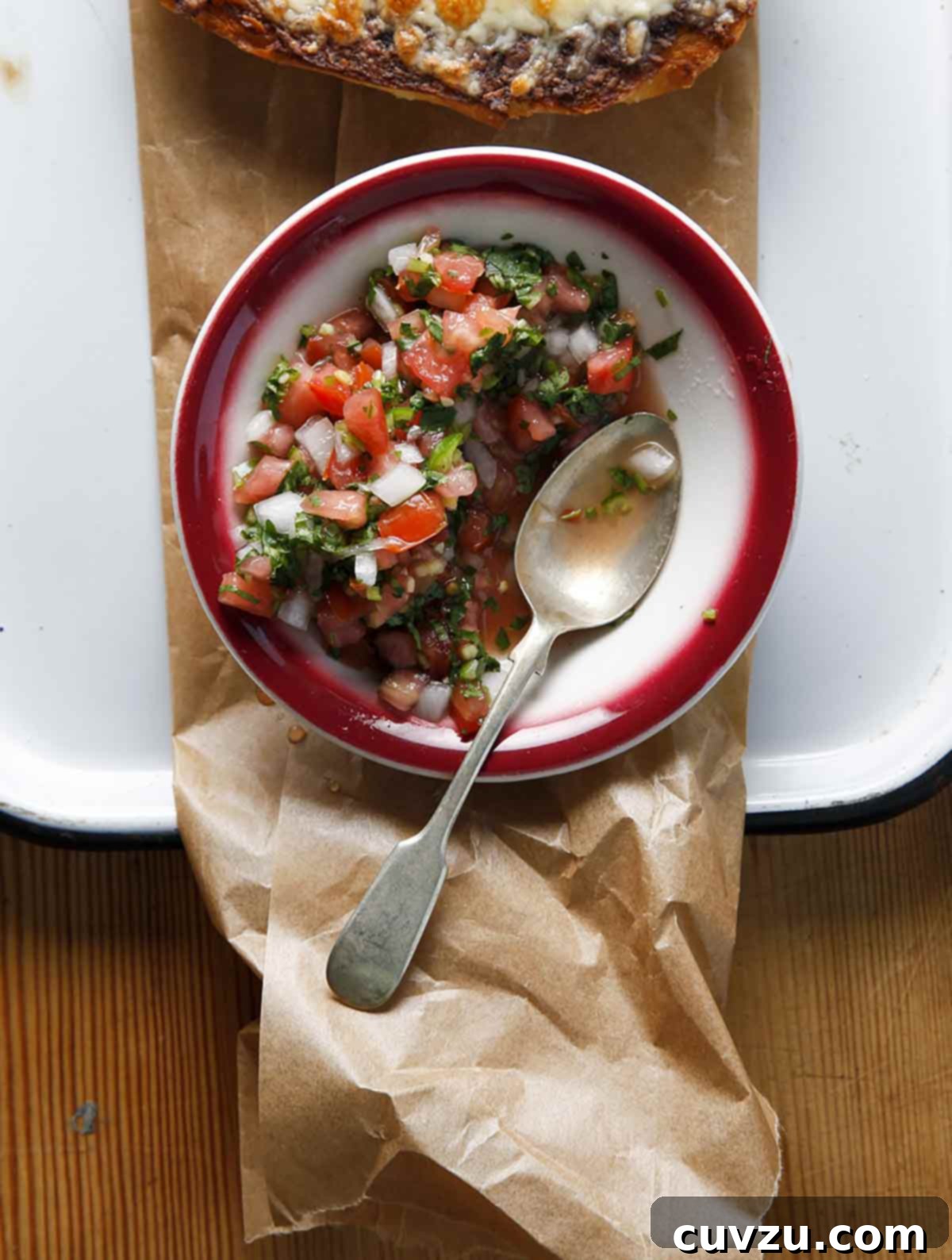
Pico de Gallo: The Quintessential Fresh Mexican Salsa Recipe
Pico de Gallo is more than just a fresh salsa; it’s a vibrant symphony of flavors and textures, a cornerstone of Mexican cuisine. Crafted from perfectly ripe tomatoes, crisp onion, aromatic cilantro, and a punch of citrus (traditionally lime, but here, a delightful twist with lemon!), it’s not only incredibly delicious but also a wonderfully healthy addition to almost any meal.
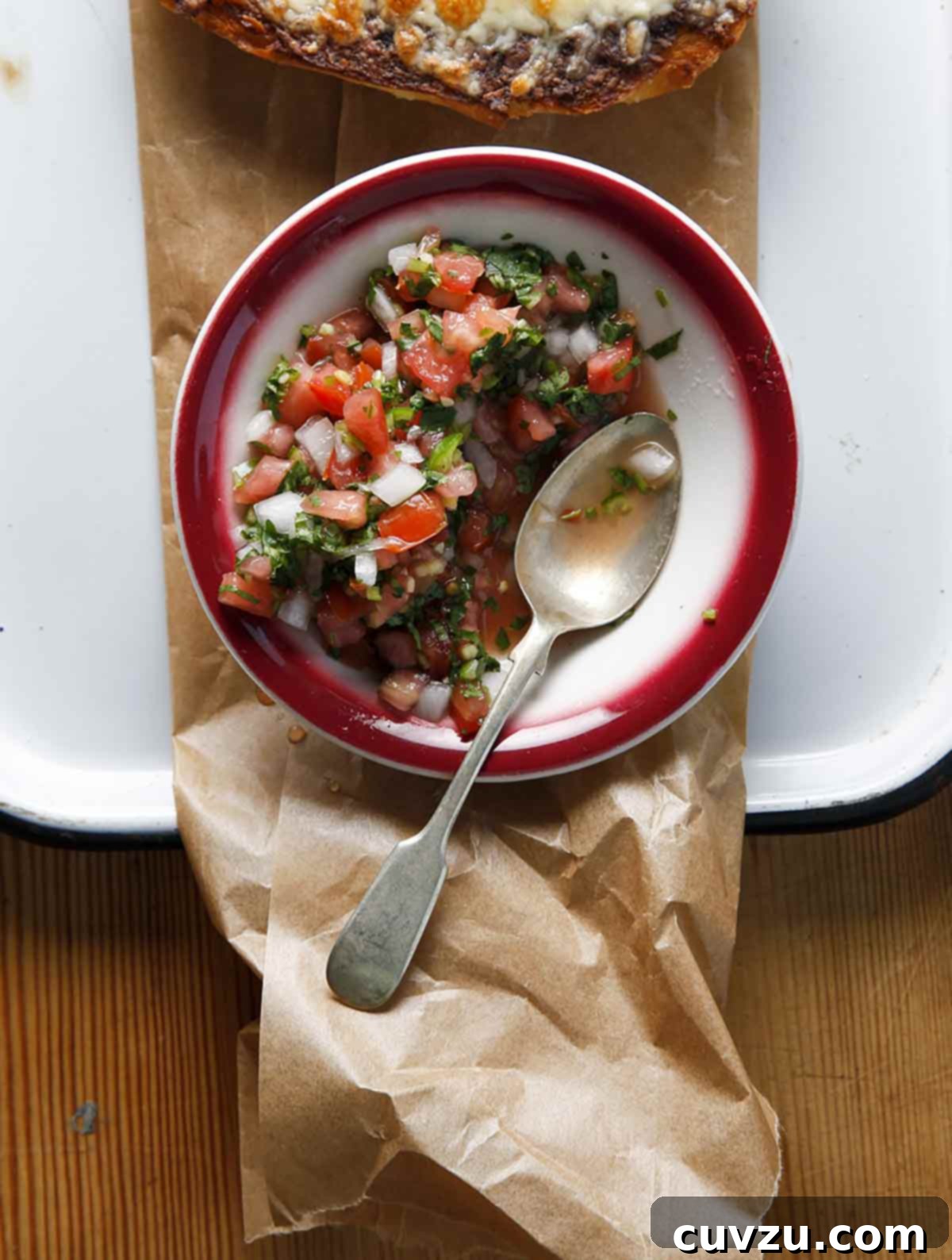
Known affectionately as salsa Mexicana, or sometimes “salsa fresca,” pico de gallo has effortlessly conquered tables across the U.S. and beyond. Its universal appeal is undeniable: a harmonious blend of raw, finely chopped ingredients that elevates any dish. The lively acidity, the subtle yet lip-tingling heat, and the satisfying crisp texture create an unforgettable culinary experience.
Our featured recipe offers a compelling variation on the classic, swapping traditional lime for lemon to stunning effect. As acclaimed chef Roberto Santibañez once mused, “Whenever I take a bite I have a heretical thought: This is so delicious that maybe we Mexicans should use only lemons!” While lime remains a beloved staple, the brightness of lemon introduces a fascinating new dimension to this beloved condiment.
Understanding Pico de Gallo: More Than Just Salsa
To truly appreciate pico de gallo, it’s worth delving into what makes it unique. Unlike many other salsas that are blended or cooked, pico de gallo is characterized by its chunky, uncooked texture. Each ingredient retains its distinct character, contributing to a medley of fresh tastes and satisfying crunch. This celebration of raw, vibrant produce is what gives it its irresistible appeal and healthy profile.
Historically, fresh salsas have been a part of Mexican culinary traditions for centuries, long before the arrival of European influences. The simplicity of chopping fresh vegetables and herbs together, enhanced by chili and citrus, speaks to a timeless approach to flavor. Pico de gallo, in its essence, embodies this tradition, bringing pure, unadulterated freshness to every bite.
The Health Benefits of Fresh Pico de Gallo
Beyond its incredible taste, pico de gallo is a nutritional powerhouse, making it an excellent choice for a healthy lifestyle. Each ingredient contributes significantly to its health benefits:
- Tomatoes: Rich in vitamins C and K, potassium, and folate. They are also an excellent source of lycopene, a powerful antioxidant linked to various health benefits, including heart health and cancer prevention.
- Onions: Packed with vitamins, minerals, and potent antioxidants like quercetin, onions can help reduce inflammation and support cardiovascular health.
- Cilantro: This aromatic herb is more than just a flavor enhancer. It’s high in vitamin K and antioxidants, and has been traditionally used for its potential digestive and detoxifying properties.
- Chiles (Serrano): Chiles contain capsaicin, the compound responsible for their heat, which has been studied for its pain-relieving, anti-inflammatory, and metabolism-boosting effects. They also provide vitamins A and C.
- Lemon/Lime: Both citrus fruits are superb sources of vitamin C, essential for immune function, skin health, and acting as an antioxidant.
Because pico de gallo is served fresh and raw, these nutrients are preserved, offering a wholesome and low-calorie condiment that adds zest and goodness without excess fat or processed ingredients. It’s naturally gluten-free, vegan, and dairy-free, making it suitable for a wide range of dietary preferences.
The Great Citrus Debate: Lemon vs. Lime in Pico de Gallo
While lime juice is the undisputed king of traditional Mexican cuisine, the subtle yet distinct flavor profile of lemon offers an intriguing departure that’s gaining popularity. Many recipe testers have found the lemon twist to be a refreshing change, introducing a brighter, sometimes sweeter acidity that can complement certain dishes exceptionally well.
- Lime: Offers a sharp, slightly floral, and robust acidity that is characteristic of classic Mexican flavors. It pairs beautifully with rich meats, strong cheeses, and complex spices.
- Lemon: Provides a lighter, more intensely tangy, and sometimes fruitier acidity. It can highlight the freshness of vegetables and herbs, and might be preferred for lighter dishes like grilled fish, chicken, or ceviche, where its zest can really shine without overpowering other flavors.
Ultimately, the choice between lemon and lime (or even a combination of both!) comes down to personal preference and the specific dish you’re pairing it with. Experimenting with both can unlock new culinary experiences and help you discover your favorite rendition of this versatile salsa.
Pico de Gallo FAQs
What does ‘pico de gallo’ mean?
The literal translation of ‘pico de gallo’ is “beak of the rooster” or “rooster’s beak.” The exact origin of this peculiar name is not definitively known, but several theories abound. One popular explanation suggests that the way the salsa was traditionally eaten – by pinching small amounts between the thumb and forefinger – resembled a rooster pecking. Another theory posits that the vibrant, multi-colored ingredients (red tomatoes, white onions, green cilantro, and chili) evoke the bright plumage of a rooster. Regardless of its etymological roots, the name adds a touch of rustic charm to this fresh condiment.
What is the difference between pico de gallo and salsa?
While pico de gallo is technically a type of salsa, there’s a key distinction that sets it apart: texture and consistency. Most salsas, particularly those labeled “salsa roja” or “salsa verde,” typically involve finely chopped, blended, or even pureed ingredients, often resulting in a saucier, more liquid consistency. They might also be cooked. Pico de gallo, on the other hand, is defined by its fresh, chunky texture. It consists of roughly chopped, uncooked fresh vegetables and herbs, with minimal liquid. This intentional coarseness ensures that each ingredient’s individual flavor and crunch are prominent, making it more of a condiment or fresh salad than a pourable sauce.
How long will pico de gallo keep in the fridge?
When made with the freshest ingredients and stored properly, homemade pico de gallo will generally keep for up to 3 to 5 days in the refrigerator. To maximize its freshness, store it in an airtight container. Over time, the tomatoes may release more liquid, making the salsa slightly watery, and the ingredients may lose some of their crispness. It’s best enjoyed within the first 2-3 days for optimal flavor and texture. If you notice any off-smells or signs of spoilage, it’s best to discard it.
Can I make pico de gallo ahead of time for a party?
Absolutely! In fact, letting pico de gallo sit for at least 30 minutes (or even a few hours) before serving allows the flavors to meld beautifully. This resting period enhances the overall taste profile as the ingredients exchange their essences. For best results, prepare it no more than 12-24 hours in advance. If preparing further in advance, you might want to hold off on adding all the salt until just before serving, as salt can draw out moisture from the tomatoes, making the salsa more watery over time.
What kind of tomatoes are best for pico de gallo?
The quality of your tomatoes is paramount for a truly outstanding pico de gallo. Ripe, firm, and flavorful tomatoes are key. Roma (plum) tomatoes are a popular choice because they have less water content and a meatier flesh, which helps maintain the salsa’s chunky texture. Other excellent options include grape or cherry tomatoes, especially when seasonal tomatoes are hard to find, as they often offer a more concentrated flavor. Always aim for tomatoes that are vibrant in color, feel heavy for their size, and yield slightly to gentle pressure.
How can I adjust the heat level in pico de gallo?
Adjusting the heat is simple and entirely up to your preference. Serrano chiles are known for their potent heat, and keeping the seeds in significantly increases the spiciness. To reduce the heat, you can:
- Remove all or most of the seeds and membranes from the Serrano chiles before chopping.
- Use fewer Serrano chiles.
- Substitute Serrano chiles with a milder alternative like jalapeños (also removing seeds and membranes for less heat).
- For an even milder flavor, you can use a small amount of bell pepper (red or green) for a hint of crunch and sweetness without any heat.
Conversely, if you love intense heat, feel free to add more Serrano chiles, or even a spicier variety like habanero (use with extreme caution!). Always taste and adjust as you go.
Pico de Gallo Recipe
This homemade pico de gallo, featuring diced tomatoes, onion, cilantro, fresh citrus (lemon or lime), and vibrant chiles, is a classic fresh salsa and a beloved Mexican and Tex-Mex staple. Perfect for dipping or topping!
David Leite
Pin Recipe
Condiments, Appetizer, Side
Mexican, Tex Mex
8 servings (approx. 2 cups)
10 kcal per serving
15 minutes
30 minutes
45 minutes
Ingredients
- 1 1/2 cups diced seeded tomatoes (about 2-3 medium Roma tomatoes)
- 1/3 cup finely chopped red onion (about 1/4 of a medium onion)
- Heaping 1/4 cup chopped fresh cilantro
- 2 teaspoons finely grated lime or lemon zest, or more to taste
- 1 1/2 to 2 tablespoons freshly squeezed lime or lemon juice, or more to taste
- 1 1/2 tablespoons finely chopped fresh Serrano chiles, including seeds, or more to taste (adjust to your heat preference)
- 1 1/2 teaspoons kosher salt, or more to taste
Instructions
-
Combine all the prepared ingredients in a large mixing bowl. Gently stir everything together until well combined.
-
Taste the pico de gallo and adjust the seasoning as needed. You may wish to add more chile for extra heat, additional citrus zest or juice for brightness, or more salt to enhance all the flavors.
-
For the best flavor, allow the salsa to sit at room temperature for at least 30 minutes before serving. This crucial step permits the flavors to meld and deepen. You can also prepare this salsa several hours in advance and refrigerate it, bringing it to room temperature before serving for optimal taste.

Adapted From
Tacos, Tortas, and Tamales
Buy On Amazon
Nutrition
Serving:
1 serving
Calories:
10 kcal
Carbohydrates:
2 g
Protein:
0.4 g
Fat:
0.1 g
Saturated Fat:
0.01 g
Monounsaturated Fat:
0.01 g
Sodium:
438 mg
Fiber:
1 g
Sugar:
1 g
Nutrition information is automatically calculated and should only be used as an approximation.
Tried this recipe?
Mention @leitesculinaria or tag #leitesculinaria!
What Should I Serve with Pico de Gallo? Versatile Pairings
The beauty of pico de gallo lies in its incredible versatility. It’s not just for tortilla chips! Its bright, fresh, and zesty profile makes it a perfect accompaniment to a vast array of dishes. Here are some ideas to inspire your culinary adventures:
Classic Mexican and Tex-Mex Pairings:
- Tacos, Burritos, and Fajitas: A generous spoon of pico de gallo adds essential freshness, acidity, and a touch of heat to any taco, burrito, or fajita creation, cutting through richer fillings.
- Nachos and Quesadillas: Elevate simple nachos or quesadillas from good to great with a vibrant topping of fresh salsa.
- Enchiladas and Tamales: Drizzle over your favorite enchiladas or serve alongside steaming tamales for an invigorating counterpoint.
- Molletes: The Mexican take on grilled cheese, molletes, truly shines when adorned with a spoonful of this tangy condiment.
- Chips and Dips: The most obvious, yet endlessly satisfying, way to enjoy pico de gallo is with a bowl of crispy tortilla chips.
Beyond Mexican Cuisine: Creative Applications:
- Eggs: Transform plain fried, scrambled, or poached eggs into a breakfast fiesta. It’s a game-changer for breakfast burritos or huevos rancheros.
- Grilled Meats and Fish: Its acidity and fresh flavors make it an ideal topping for grilled chicken, steak, pork chops, or any white fish (like grilled trout or cod), adding a burst of flavor and moisture.
- Baked Potatoes: Forget the butter and sour cream; load up a baked potato with pico de gallo for a light and flavorful side.
- Pot Roast and Stews: While unconventional, a dollop of pico de gallo can cut through the richness of hearty pot roasts and stews, providing a surprising and delightful contrast.
- Salads: Stir it into green salads or grain bowls for an instant flavor boost. It can even double as a light dressing.
- Avocado Toast: Upgrade your avocado toast with a layer of pico de gallo for added texture and zing.
- Burgers and Sandwiches: Use it as a fresh condiment instead of traditional ketchup or mustard to add a unique, zesty twist.
Don’t be afraid to experiment! Pico de gallo’s bright and adaptable nature means it can perk up almost anything, adding that desired touch of acidity, heat, and garden-fresh flavor.
Recipe Testers’ Reviews
Sofia Reino
This is a pretty straightforward pico de gallo recipe. I used limes instead of lemons. I was surprised that the amount of serrano chillies still made this pico de gallo pretty mild. If you like hot, and I mean REALLY hot spicy I would easily add 2 full tbsp of the chillies. I did miss the minced garlic in it. I truthfully prefer it with garlic. Adds more oomph.
Brenda Carleton
Fresh raw salsa is a staple in our household. In winter I only use Roma tomatoes, as they seem to have the best flavor. Though I make tons of salsa varieties, this one is a touch different due to the lemon zest and juice. Lime is usually my preference, so trying something else is admittedly a nice change. It seemed almost strange not using lime, but the results with the lemon were great. The Serrano chiles add the necessary heat and complete the picture. As I enjoy puckery acidity, I used 3 tablespoons of lemon juice total. The acid and heat were a great balance, so I did not find myself using additional seasoning apart from the additional lemon juice. Though not traditional, it would be fun trying this with fresh mint rather than the cilantro. We used this on tacos. My husband used it as a topping on turkey salad sandwiches and loved it! He has already requested it again, which is about the best compliment one could wish for when testing a recipe.
M.K. Morgan
This is so simple, very quick to make, and has quite a bite to it. My son, who spends a lot of time in Mexico, said it was too lemon-y for him. He tried it about an hour after it had been made. I tried it much later and liked it. The next day the leftover portion was very watery. I’m going to add chopped avocado to it–I think that will be yummy.
Melissa Maedgen
This is a pretty standard formula for pico de gallo, except for the unusual use of lemon zest and juice instead of lime. I found it to be a refreshing change, and the salsa was tasty. This variation might be useful for garnishing certain meats, fish, or ceviche, where the lemon could be a better match than the usual lime.
Pat Francis
This piquant salsa can be whipped up fairly quickly and put out with a bowl of tortilla chips or used as a condiment for a variety of foods. The lemon flavor is an interesting twist, though I think I personally still prefer lime in my salsa. I’d cut back a little on the juice next time, as this pico de gallo had a bit too much liquid. (Some of this may also be due to liquid drawn out by the generous amount of salt in the recipe. It didn’t taste salty, but I’d probably cut back on the amount of salt when making this again.)
I only included some of the seeds from the peppers, and this was still a pretty fiery salsa.
Joan Osborne
We love salsas and pico de gallo, especially homemade ones, and this one was no exception. I’d never tried making them with lemon zest and juice but always lime. The lemon was a nice surprise and quite tasty. We ate it with tortilla chips and it was delicious. I’ll happily make it with lemon juice and zest again. I used grape tomatoes since they seem to have the best flavor of any tomato this time of year.
Cindi Kruth
We liked the bright freshness of this salsa. I actually made both the lemon and a lime version. I’d never used zest in pico de gallo, but it’s a great idea, really adding to the citrus flavor without adding either liquid or harshness. The flavors were classic, great with tortilla chips and also with sautéed chicken.
Karen Lynch
The flavors are bright with a kick. A colorful blend, which is healthy and wakes up your palate. We served with fajitas and it disappeared quickly. I was hoping to have a little leftover for tomorrow’s breakfast eggs or to toss in a lunch salad. Using lemon was a different twist, as was using zest. I felt the salt could be reduced to about half.
Sita Krishnaswamy
This is a basic and delicious tomato salsa. I tossed all the ingredients together and refrigerated it for 12 hours before using it. Yummy! I’d like it a tad saucier, so I’ll add more chiles the next time around.
Kim M.
Lemon, lime, or lemon and lime, whatever citrus you decide to use in this fresh pico de gallo the bright flavors and pop of heat will make your mouth zing! Serve with chicken, fish, a baked potato, eggs, or a bowl of salty chips. YUM! Lemon was a nice twist and complement in this condiment. To accommodate my personal level of heat preference, I cut the Serrano chile amount in half. I was still able to feel the burn. Don’t forget to wear gloves when working with any chile and use caution to protect your eyes! My motherly lecture is finished. Go, enjoy!
Kate S.
A delicious pico de gallo recipe that couldn’t be easier! I must say I enjoyed the lemon flavor instead of the traditional lime, but I think some of each would put this over the top. Letting it sit in the refrigerator for a few hours is essential to allow the flavors to come together; the salt also draws out some of the water from the tomatoes so if you want a thicker salsa, you can pour out the accumulated liquid. (I actually love the super flavorful liquid, though!) Also, make sure to follow the recipe and keep the seeds in the chopped serrano—you can’t have pico de gallo without that slightly spicy kick!
Ayanna Fews
This was quick, simple and SO GOOD! I loved this version of pico de gallo. It was spicy, but not overly spicy, and I loved the lemon and lemon zest. I used the exact amounts of everything indicated in the recipe and thought that the flavors turned out very good. I admit that I ate it all myself. I usually try to share test recipes and get someone else’s opinion, but not this time! I didn’t eat it all in one sitting, but it definitely didn’t last very long. I tasted a little of the pico de gallo right after making it and do suggest at least trying to let the flavors meld for at least 30 minutes or so, its definitely worth the wait. This will be my go-to salsa from now on!
Marilee Johnson
This was a good, basic pico de gallo. I liked the lemon twist, and adding the zest really made a difference. The serrano peppers delivered a nice kick. I’d like a little less red onion, but everyone else liked it the way it was. I’ll make this again and try the lime version, which is the way I usually make it. I’ve just never used the zest. Great idea!
Natalie Reebel
I brought this to a game day bash and there was none left by halftime. It’s really nice to have a pico de gallo that can be tossed together in a flash. The Serrano is unusual and makes this recipe unique. I used lime instead of lemon and everyone loved it. My only suggestion would be to taste the pico after you add each 1/2 teaspoon salt. The given amount in the recipe may be too much for some people.
Kim Beaulieu
My hubby really enjoyed this recipe. He is a big tomato fan, so I figured this would be a great recipe to have him try. It has just the right amount of heat. The lemons were a hit. I also did a batch with lime and it went over equally as well. The taste definitely improves if you make it ahead.
Tips for Crafting the Perfect Pico de Gallo
While pico de gallo is simple to make, a few key tips can elevate your homemade version from good to absolutely fantastic:
- Quality Ingredients are King: Since pico de gallo is raw, the freshness and quality of each ingredient are paramount. Choose ripe, firm tomatoes, crisp onions, and vibrant cilantro. In-season produce will always yield the best flavor.
- Proper Chopping Technique: Consistency in dice size is important for both aesthetics and texture. Aim for small, even pieces for all ingredients so that you get a bit of everything in each bite. Avoid over-chopping, which can make the salsa watery.
- Seed Your Tomatoes: Removing the seeds and watery pulp from the tomatoes before dicing helps prevent your pico de gallo from becoming too watery. This ensures a chunkier, more appealing consistency.
- Balance the Heat: The heat level from Serrano chiles can vary. Always taste a tiny sliver of your chile before adding it. If you prefer a milder salsa, remove the seeds and membranes, or use fewer chiles. For more heat, keep some seeds or add an extra chile.
- Don’t Skip the Rest: Allowing the pico de gallo to rest for at least 30 minutes (or longer) is crucial. This time allows the flavors to meld and harmonize, creating a more complex and integrated taste.
- Taste and Adjust: Always taste your pico de gallo before serving and adjust the salt, citrus juice, and chile to your personal preference. A little extra salt or a squeeze more lemon/lime can make a huge difference.
- Wear Gloves for Chiles: When handling Serrano or other hot chiles, it’s highly recommended to wear gloves. The capsaicin can irritate your skin and can be extremely painful if it gets into your eyes.