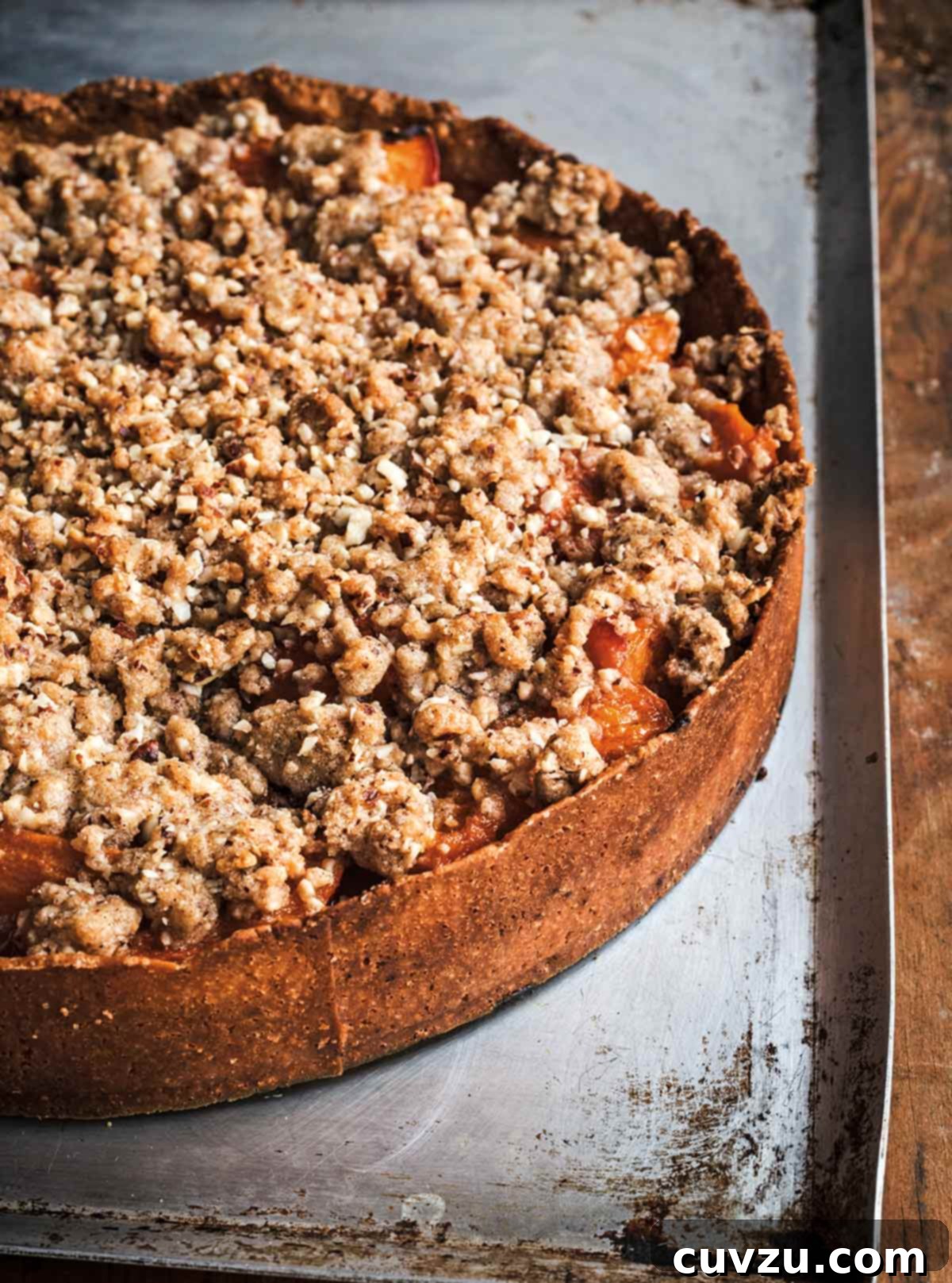
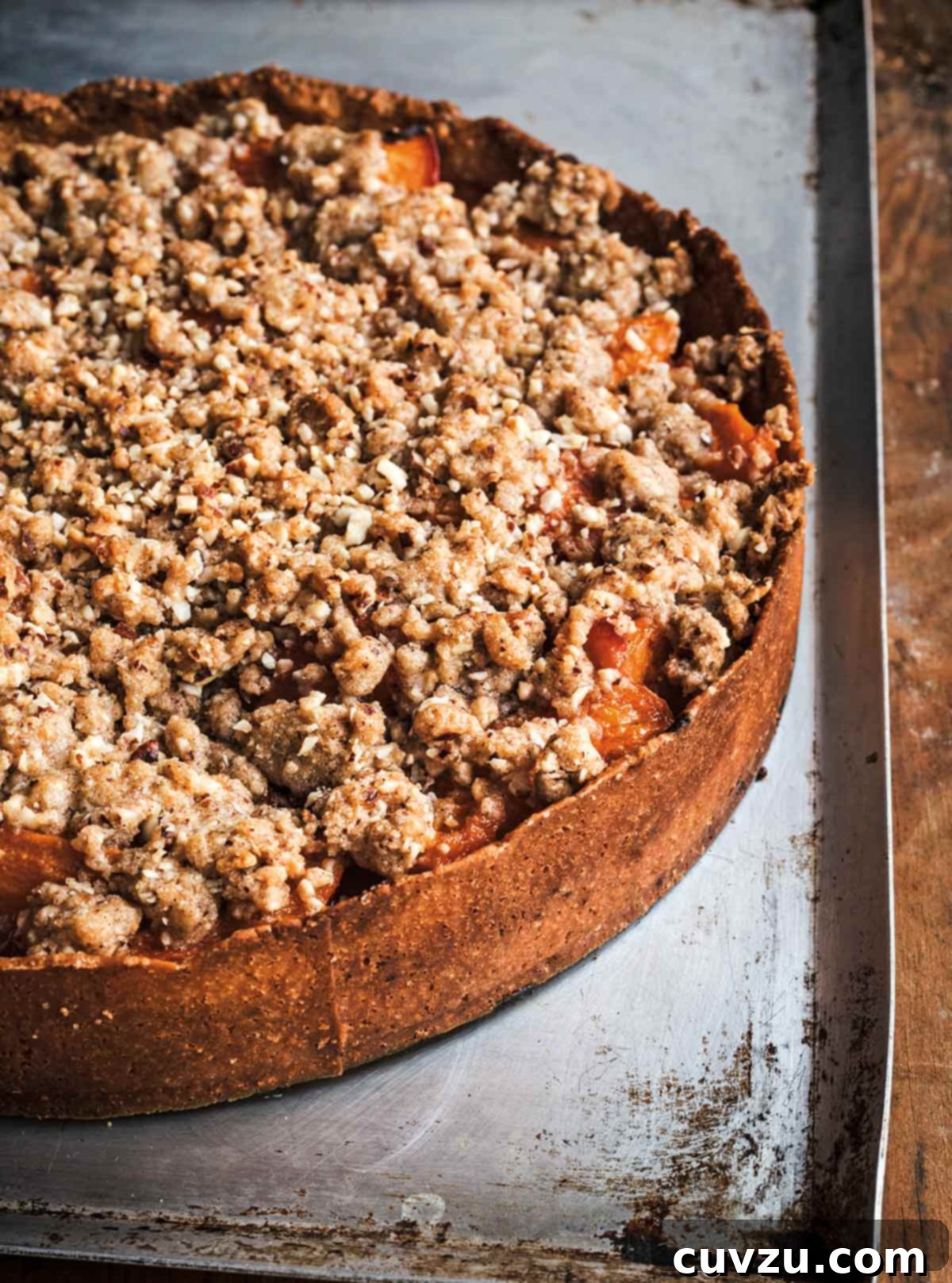
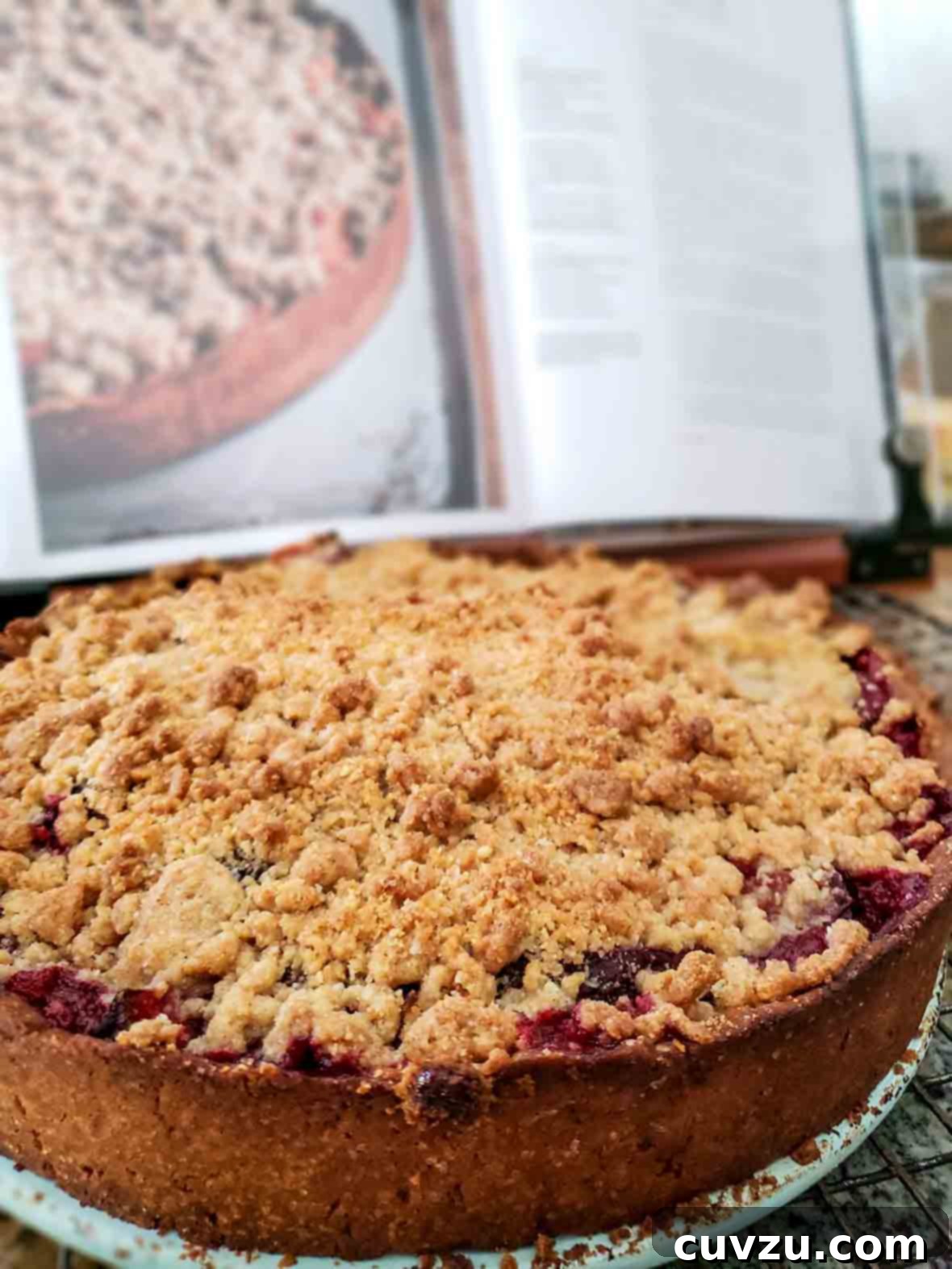
Dive into the quintessential taste of summer with this exquisite apricot dessert, a tart that effortlessly captures the essence of elegant, seasonal dining. This French-inspired creation perfectly marries the vibrant, sweet-tart flavor of fresh apricots with a rich, buttery pastry, a custardy filling, and a delightful, crunchy almond crumble topping. It’s a testament to how simple, quality ingredients—eggs, sugar, almonds, and a touch of cinnamon—can transform into an unforgettable culinary experience.
The French Influence on a Classic Summer Dessert
Among the many delights that home bakers can easily master, the “crumble” is a dessert that the French have gracefully adopted from the English, infusing it with their signature touch of sophistication. As an ardent home baker, I relish the opportunity to transform this concept into a stunning tart, especially when fresh, sun-kissed apricots from Provence flood the bustling markets of Paris each summer. My first encounter with fresh apricots, having only known their dried counterparts, dates back to my baking days in upstate New York in the 1980s. That initial revelation sparked a lifelong appreciation for this delicate fruit. To this day, I conscientiously select and prepare apricots with the care they deserve, ensuring this tart is a frequent centerpiece on my table. –David Lebovitz
David Lebovitz, a renowned authority on French patisserie and a beloved culinary writer, brings his expertise to this apricot tart recipe. His philosophy centers on celebrating seasonal ingredients and crafting desserts that are both accessible and profoundly satisfying. This tart embodies his approach, offering a comforting yet elegant dessert that highlights the natural beauty of apricots. The recipe reflects a deep understanding of flavor balance, ensuring that the fruit’s inherent tartness is complemented, not overpowered, by the supporting ingredients.
The allure of French baking often lies in its precision and its ability to elevate humble ingredients. While the crumble might have originated across the Channel, its adoption into French cuisine means it’s often presented with a refined elegance, such as encased in a perfectly crafted tart shell. This particular apricot tart, with its homemade pastry and rustic yet refined crumble topping, showcases the best of both worlds—the heartwarming comfort of a fruit crumble with the sophisticated presentation of a classic French tart.
Maximizing Freshness: How Long Will an Apricot Tart Last?
While David Lebovitz’s apricot tart is undeniably at its peak when served fresh, allowing you to savor its crisp crust and vibrant fruit flavors, any leftovers are still a treat. For optimal enjoyment, plan to serve this beautiful tart on the day it’s baked. However, should you find yourself with an extra slice (or several!), rest assured that your apricot tart will remain delicious for up to 3 more days when stored properly in the refrigerator. To preserve its quality, wrap the tart well in plastic wrap or aluminum foil, or place it in an airtight container. This helps prevent it from drying out and absorbing odors from other foods in the fridge.
When ready to enjoy a leftover piece, you can serve it chilled, at room temperature, or gently warmed. To reheat, a short spell in a moderate oven (around 300°F or 150°C) can help restore some crispness to the crust and topping. Be mindful that the fruit filling may release more juices over time, potentially softening the crust. Despite this, the exquisite flavors will persist, making those sneaky forkfuls a delightful indulgence until the last crumb is gone.
Apricot Tart
David Leite
Saved
- PIN
Dessert
French
8
to 10 servings
510
kcal
30 minutes
50 minutes
2 hours
30 minutes
Equipment
-
9- or 10-inch springform pan
-
Stand mixer with paddle attachment (or a large bowl and spatula)
-
Food processor (or pastry blender/hands for crumble)
-
Aluminum foil
-
Pie weights or dried beans
-
Wire rack
Ingredients
For the Pastry Crust
-
6
tablespoons (3 oz)
unsalted butter, chilled, plus more for the pan -
1/2
cup
granulated sugar -
2
large
egg yolks -
1 1/4
cups
all-purpose flour -
1/2
teaspoon
sea salt or kosher salt
For the Crumble Topping
-
3/4
cup
whole almonds -
1/2
cup
all-purpose flour -
1/3
cup
packed light brown sugar -
1/2
teaspoon
ground cinnamon -
1/2
teaspoon
fine sea salt or kosher salt -
6
tablespoons (3 oz)
unsalted butter, chilled and cubed
For the Apricot Tart Filling
-
2
pounds
ripe, fresh apricots, pitted and quartered -
3
tablespoons
granulated sugar -
1
tablespoon
cornstarch -
1
teaspoon
vanilla extract -
1/4
teaspoon
almond extract
Instructions
Make the Pastry Crust
-
Begin by placing the chilled unsalted butter into the bowl of a stand mixer, fitted with the paddle attachment. Allow it to sit for approximately 10 minutes at room temperature to soften ever so slightly, making it easier to work with.
-
Add the granulated sugar to the butter. Beat on medium speed until the mixture is lightened and no visible lumps of butter remain, which should take about 2 minutes. This creaming process incorporates air, creating a tender crust. Next, add the egg yolks and mix just until they are fully combined. Finally, incorporate the all-purpose flour and salt, mixing only until the dough comes together into a cohesive mass. Be careful not to overmix, as this can develop the gluten too much, leading to a tough crust. If you don’t have a stand mixer, you can easily make this dough by hand in a large bowl, using a sturdy spatula and a bit of elbow grease.
-
Lightly butter the bottom and sides of a 9- or 10-inch springform pan. Using the heel of your hand, evenly press the prepared dough into the bottom of the pan and gently work it about halfway up the sides. Strive for an even thickness across the bottom and up the sides to ensure consistent baking. While the bottom won’t be seen, an even base contributes to a uniformly baked tart. Place the pan with the pressed dough into the freezer for 30 minutes to firm up, which helps prevent shrinking during baking.
-
Preheat your oven to 375ºF (190ºC).
-
Line the chilled dough in the pan with aluminum foil, pressing it gently against the bottom and sides. Fill the foil-lined crust with a single layer of pie weights or dried beans. This “blind baking” step helps keep the crust from puffing up and ensures a crisp, evenly cooked base. Bake for 20 minutes. Carefully remove the foil and pie weights (or beans), then return the tart shell to the oven and bake for an additional 5 to 10 minutes, or until the crust turns a lovely golden brown. This second bake ensures the bottom is fully cooked and helps prevent a soggy crust later.
Make the Crumble Topping
-
In a food processor, combine the whole almonds, all-purpose flour, packed light brown sugar, ground cinnamon, and salt. Pulse the ingredients until the almonds are finely broken down into very small pieces, creating a coarse meal. Add the chilled, cubed unsalted butter to the mixture. Pulse just a few times until the mixture resembles coarse sand. Continue to pulse briefly, stopping as soon as the pieces of butter begin to clump together, forming pea-sized crumbles. Be careful not to overprocess, as you want distinct crumble pieces, not a paste. If you don’t have a food processor, you can achieve a similar result by finely chopping the almonds and then cutting in the butter with a pastry blender or your fingertips until the desired sandy, crumbly texture is reached. Cover the crumble topping and refrigerate it while you prepare the filling.
Make the Apricot Tart Filling
-
In a large bowl, gently mix the pitted and quartered ripe, fresh apricots with the granulated sugar, cornstarch, vanilla extract, and almond extract. The cornstarch will help absorb excess moisture from the apricots during baking, ensuring a perfectly set filling. It’s important to prepare the filling no more than a few minutes in advance of assembly, as the apricots will start to release their juices quickly once mixed with sugar, potentially making the filling too wet.
Assemble and Bake the Apricot Tart
-
Carefully transfer the apricot filling into the pre-baked tart shell, spreading it out evenly with a spatula to create a uniform layer. Next, generously strew the chilled crumble topping evenly over the apricots, ensuring good coverage across the entire tart. Bake the tart for approximately 50 minutes, or until the crumble topping is beautifully golden brown and the filling is bubbling slightly. The aroma filling your kitchen will be a delightful indication of its readiness. Once baked, remove the tart from the oven and let it cool on a wire rack for a few minutes. While still warm, run a thin knife carefully around the outside edge of the tart to help separate it from the springform pan. Allow it to rest for another 30 minutes to cool further, then gently remove the sides of the pan. The edges of the crust may appear quite dark, almost caramelized, but they should taste wonderful, not burned, offering a delightful contrast to the tart fruit. Serve the apricot tart warm or at room temperature, perhaps with a dollop of crème fraîche or a scoop of vanilla bean ice cream for an extra touch of indulgence.
Adapted From
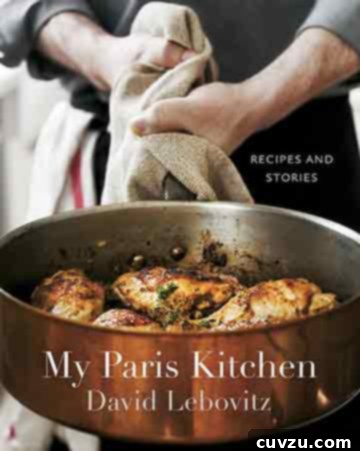
My Paris Kitchen, a collection of David Lebovitz’s favorite French recipes and stories from his Parisian life, offers a window into the delightful world of French home cooking and baking. This apricot tart is a shining example of the accessible yet sophisticated desserts found within its pages.
Buy On Amazon
Nutrition Facts (Approximate per Serving)
Serving:
1
portion
Calories:
510
kcal
Carbohydrates:
64
g
Protein:
8
g
Fat:
26
g
Saturated Fat:
12
g
Monounsaturated Fat:
10
g
Trans Fat:
1
g
Cholesterol:
94
mg
Sodium:
300
mg
Fiber:
5
g
Sugar:
37
g
Nutrition information is automatically calculated and should only be used as an approximation. Actual values may vary based on specific ingredients and preparation.
Tried this recipe?
Mention @leitesculinaria or tag #leitesculinaria!
Recipe Testers’ Reviews: Real Insights for Your Bake
Before you embark on your apricot tart baking adventure, delve into the valuable insights from our dedicated recipe testers. Their experiences offer practical tips and honest feedback, helping you achieve perfect results and navigate any potential challenges.
Elie Nassar
Elie Nassar praises this recipe for yielding an apricot tart with exceptional flavor and a delightful texture. He notes that the combination of apricots and a hint of almond extract provides an “almost exotic edge,” a sophisticated twist that elevates the traditional fruit tart. The filling, he highlights, finds its perfect match in the rich, buttery crust and the crumble, which contributes more butter, brown sugar, and almonds for a truly indulgent experience. Elie enjoyed serving it both with vanilla ice cream and lightly sweetened whipped cream, declaring it a dessert he would “make again in a heartbeat.”
However, Elie offers a crucial piece of constructive feedback regarding the pastry crust method. While delicious, he found the process of pressing the dough into a high-sided springform pan “needlessly tricky and fiddly.” He spent considerable time trying to achieve an even thickness and height. His strong recommendation for future attempts is to use a deep tart pan with a removable bottom, allowing for the dough to be chilled, rolled, and then neatly fitted into the pan. This simpler method, he suggests, would be much easier to manage and prevent tears in the delicate dough, a problem he encountered during the blind baking phase.
Regarding blind baking, Elie advises extreme diligence in pressing the aluminum foil as flat as possible against the dough, especially in the corners, to prevent wrinkles and tears when removing it. He also recommends removing the pie weights (or beans) first, and then carefully lifting the foil, rather than attempting to remove both at once. He managed to patch up a small tear with a reserved nugget of dough.
Despite these minor procedural hurdles, the tart held together beautifully once un-molded. Elie emphasizes that this tart is best enjoyed fresh. He found it delicious within an hour of coming out of the oven. However, by the next day, while the flavor remained excellent, the pastry and texture suffered from excessive liquid seeping from the juicy apricots. His verdict is to serve the tart within 4 to 6 hours for the very best results. The dark brown, almost caramelized edges, far from being burnt, were a highlight, complementing the juicy apricots and the subtle bitterness of the almond extract.
Driven by his desire for an easier crust method, Elie retested the recipe, swapping the springform pan for a regular tart pan with a removable bottom and rolling the dough instead of pressing it. This modification worked “superbly,” resulting in a tart that was just as flavorful and visually appealing. His only minor issue was a small “boil-over,” prompting a recommendation to place a baking sheet underneath the tart pan during baking to catch any potential drips.
Erin W.
Erin W. celebrates the often-underestimated apricot, noting that this French-inspired recipe gives it the attention it truly deserves. She commends the French approach for highlighting the apricot’s natural tartness, skillfully balancing it with the richness of butter and almonds, rather than succumbing to an “American urge to mix in sugar by the cupful.” The tart’s crust, she found, was substantial and held up well, making for an elegant presentation on the dessert plate. The “divine” crunchy topping played a dual role, both mellowing the apricots’ tartness and imparting a delightful nuttiness that rounded out the flavor profile.
A particular point of appreciation for Erin is the ease of preparing apricots compared to other stone fruits like peaches. The simple act of removing the pit is all that’s required—no tedious peeling necessary, which makes this recipe even more appealing for a quick summer bake. She opted to use slightly fewer apricots than the recipe called for, using about 1 1/3 pounds (7 apricots), and felt that the full 2 pounds might only be necessary for those with a significant “hankering for apricots.” The dough for the crust came together effortlessly, requiring only a minute in the mixing bowl before being ready to press into the pan. This yielded a pleasantly thick crust that maintained its structure beautifully when served.
Erin found the cooking times to be accurate, contributing to a smooth baking process. She considers this recipe “unique” and an ideal choice for anyone seeking an “elegant dessert that isn’t overly sweet.” However, she wisely notes that due to its sophisticated, less-sweet profile, its appeal might primarily resonate with adult palates. This tart promises a refined experience for those who appreciate the natural flavors of fruit balanced with rich, complementary components.
Linda Pacchiano
Linda Pacchiano confirms that if you prefer your tarts with a noticeable tang, this apricot tart recipe will be an absolute favorite. She likens the crust to a “perfectly baked buttery sable cookie,” highlighting its rich, shortbread-like quality. She observed that the crust develops a deep brown color after the two baking periods, but assures that it doesn’t burn, instead developing a lovely caramelized flavor. Linda stresses the importance of making both the bottom and the sides of the crust as even as possible. This attention to detail ensures uniform baking, preventing thin spots from overcooking while thicker areas cook through properly. She advises making the side crust almost as thick as the bottom crust to prevent it from becoming too fragile or overly crisp.
Linda encountered a slight variation during the dough preparation: after mixing the dough for the suggested 1 minute, it didn’t fully come together into a single mass. However, perceiving it to be well-mixed, she proceeded to press it into the pan, which ultimately worked out perfectly. This suggests that the dough may appear crumbly at first but will cohere under pressure. The baking time of 50 minutes for the assembled tart was found to be spot on. A critical tip from Linda is about the filling: as soon as the apricots are mixed with the sugar and other ingredients, they begin to exude their juices. Therefore, she strongly recommends immediate assembly of the tart after the filling is prepared to minimize excess moisture and maintain the integrity of the crust.
Final Thoughts on Crafting Your Perfect Apricot Tart
This apricot tart is more than just a recipe; it’s an invitation to savor the fleeting joys of summer, encapsulated in a single, magnificent dessert. Combining a rich, tender pastry crust, a bright and juicy apricot filling, and a crunchy, fragrant almond crumble, it offers a symphony of textures and flavors that is both comforting and sophisticated. Whether you follow David Lebovitz’s original instructions or incorporate the practical tips from our recipe testers, such as opting for a tart pan with a removable bottom or being extra vigilant during blind baking, you’re set to create a truly memorable treat.
The beauty of this tart lies in its ability to highlight the natural tartness and sweetness of fresh apricots, complemented by the warmth of cinnamon and the subtle nuttiness of almonds. It’s a dessert that feels special, yet remains surprisingly straightforward to make. Perfect for a leisurely weekend project or an elegant dinner party, this apricot tart is sure to impress. Don’t forget to serve it warm or at room temperature, perhaps with a dollop of crème fraîche or a scoop of your favorite vanilla ice cream, to fully appreciate its harmonious blend of flavors. Happy baking!