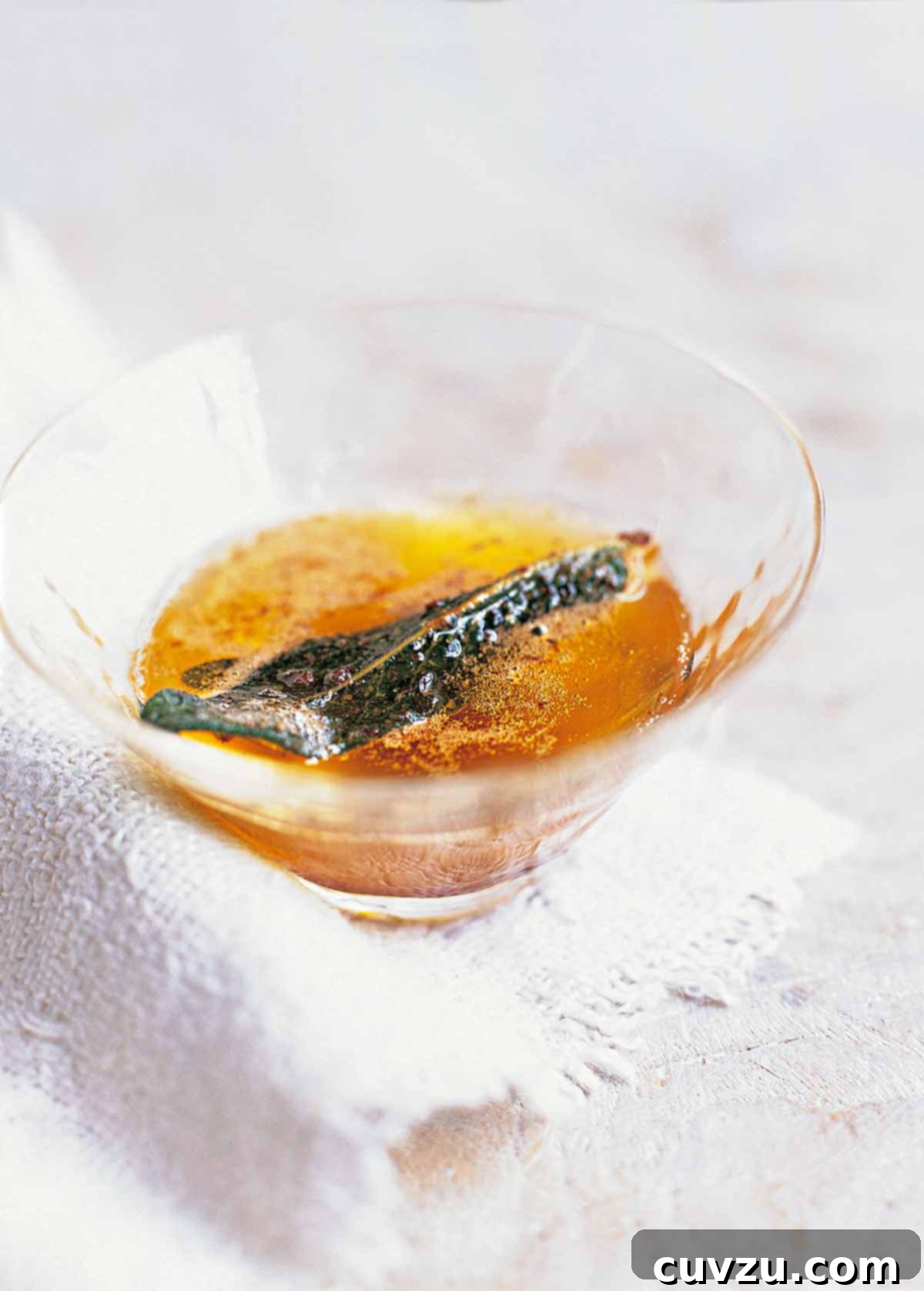
Imagine a sauce so simple, yet so profoundly flavorful, that it transforms ordinary dishes into culinary masterpieces. This is the magic of sage brown butter. With its nutty aroma, golden hue, and the earthy, herbaceous notes of fresh sage, it’s a versatile condiment that deserves a permanent spot in every home cook’s repertoire. Whether drizzled over fluffy mashed potatoes, tossed with delicate pasta, or enhancing the richness of roasted meats, this exquisite butter promises to elevate any meal it graces. Prepare to be astonished by how just three ingredients can create such a profound impact on your palate.
The Irresistible Allure of Brown Butter (Beurre Noisette)
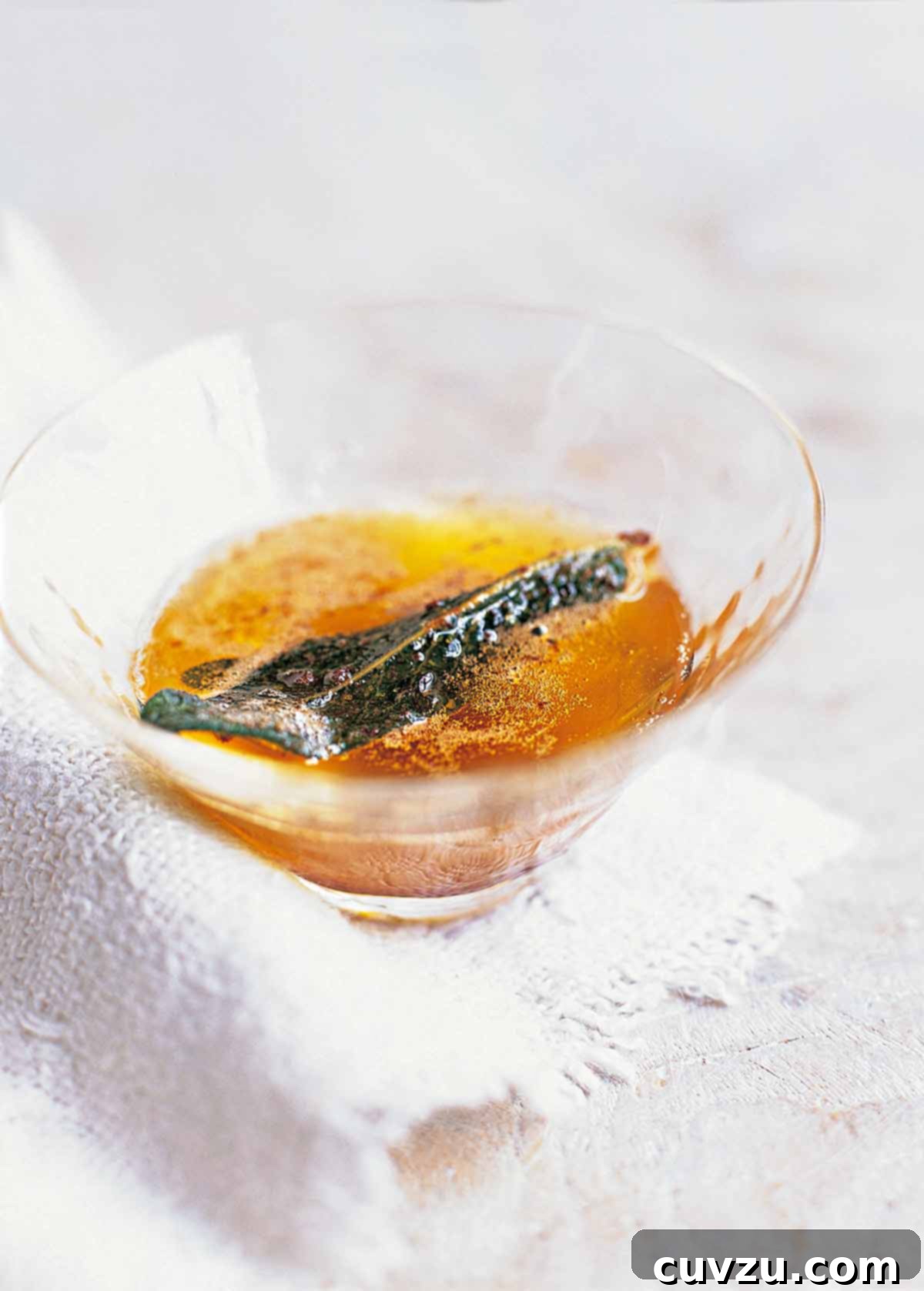
Before we dive into the delightful fusion with sage, let’s appreciate the star ingredient: brown butter. Known in French as beurre noisette, this liquid gold is created by gently cooking unsalted butter until its milk solids caramelize, turning a beautiful nutty brown and releasing an intoxicating aroma reminiscent of toasted hazelnuts. This transformation is a testament to the Maillard reaction, a chemical process responsible for the incredible flavors developed when food is cooked at high temperatures. The result is a complex, rich, and deeply savory flavor that stands in stark contrast to plain melted butter, adding an unparalleled depth to both sweet and savory applications.
Mastering brown butter is a foundational skill in gourmet cooking, yet it’s surprisingly simple to achieve. The key lies in watchful attention, as the butter transitions quickly from perfectly browned to burnt. Once you experience its transformative power, you’ll understand why it’s cherished by chefs and home cooks alike for its ability to add a layer of sophistication to even the simplest ingredients.
The Aromatic Charms of Fresh Sage
Sage, with its velvety leaves and pungent, earthy aroma, is one of the most beloved herbs in the culinary world. Its name, derived from the Latin “salvere,” meaning “to save,” reflects its historical use in medicine and traditional remedies. In cooking, sage is renowned for its ability to cut through rich flavors, making it an ideal companion for fatty meats, starchy vegetables, and creamy sauces. Its distinctive peppery, slightly minty, and pine-like notes bring warmth and depth to dishes, particularly those associated with autumn and winter. When gently infused into hot butter, sage not only releases its essential oils, imbuing the fat with its unique essence, but also becomes wonderfully crispy, offering a delightful textural contrast.
Choosing fresh sage leaves is paramount for this recipe. Their vibrant color and potent aroma ensure the best possible flavor extraction. While dried sage can be used in a pinch, it lacks the bright, fresh complexity that fresh leaves contribute, particularly when they crisp up in the warm butter.

Sage Brown Butter: An Essential Condiment
★
★
★
★
This incredibly versatile sage brown butter takes mere minutes to prepare with just three simple ingredients. Its rich, nutty flavor and herbaceous notes are astonishingly delicious, transforming everyday dishes into something extraordinary.
By David Leite
PIN
Print Recipe
Condiments, Sauce
American, European
4 servings
252 kcal
Less than 5 minutes
5 minutes
Ingredients
- 10 tablespoons unsalted butter (approx. 1 1/4 sticks)
- 12 fresh sage leaves, whole
- 2 teaspoons fresh lemon juice
Instructions
-
Prepare the Butter: Place the unsalted butter in a small, light-colored saucepan over medium heat. A light-colored pan allows you to easily monitor the color change of the butter solids, preventing burning.
-
Brown the Butter: Allow the butter to melt completely. It will begin to foam, then the milk solids will start to separate and sink to the bottom of the pan. Continue to cook, stirring occasionally, until these solids turn a beautiful golden brown and smell nutty, like toasted hazelnuts. This usually takes about 3-5 minutes. Watch carefully, as it can go from perfect to burnt very quickly.
-
Infuse with Sage: Immediately remove the saucepan from the heat once the butter has browned to your liking. Carefully add the whole sage leaves to the hot butter. They will sizzle and crisp up slightly, releasing their aromatic oils into the rich butter. Be cautious as the butter may sputter a little.
-
Add Lemon Juice: Pour in the fresh lemon juice. The acidity of the lemon juice brightens the rich butter, adds a touch of freshness, and also helps to stop the browning process. Gently tilt the pan to swirl the lemon juice and butter together, ensuring everything is well combined.
-
Serve or Store: Your sage brown butter is now ready! Drizzle it immediately over your favorite dishes or set it aside to cool slightly until needed. It’s incredibly simple to make, yet delivers an astonishing depth of flavor.

Adapted From
The Modern Vegetarian by Maria Elia
Buy On Amazon
Tips for Perfect Sage Brown Butter Every Time
- Use Unsalted Butter: Starting with unsalted butter gives you control over the final salt content of your dish. You can always add salt to taste later.
- Choose a Light-Colored Pan: This is crucial for observing the butter’s color change. Dark pans can obscure the browning process, making it difficult to judge doneness and increasing the risk of burning.
- Watch It Closely: Brown butter develops quickly. Stay by the stove and stir occasionally. Once you start smelling that nutty aroma and see the golden brown solids, remove it from the heat immediately.
- Don’t Overcrowd the Pan with Sage: While 12 leaves are perfect for this amount of butter, avoid adding too many more, as they can absorb too much butter or burn unevenly.
- The Power of Lemon: The fresh lemon juice is not just for flavor; it helps to halt the cooking process of the butter solids, preventing them from burning after removal from heat. It also adds a bright counterpoint to the richness of the butter and sage.
Serving Suggestions: Unlock Endless Culinary Possibilities
This sage brown butter is incredibly versatile and can elevate a wide array of dishes. Its robust flavor profile pairs beautifully with many ingredients, making it a go-to for adding a touch of gourmet elegance. Here are some of our favorite ways to incorporate this delectable condiment:
Potatoes, Glorious Potatoes!
As culinary expert Maria Elia beautifully states, “This butter is great added to mashed potatoes or stirred through crushed new potatoes with crème fraîche.” Indeed, potatoes are a natural canvas for sage brown butter. Imagine it:
- Mashed Potatoes: Stir it directly into your favorite mashed potato recipe for a nutty, herbaceous upgrade. The brown butter adds an incredible depth that plain butter simply can’t achieve.
- Crushed New Potatoes: Gently crush boiled new potatoes, then toss them with a generous helping of sage brown butter and a dollop of crème fraîche. The crispy sage leaves adhere to the potato skins, offering delightful texture.
- Roasted Potatoes: Drizzle over roasted potato wedges or cubes immediately after they come out of the oven for a final flourish of flavor.
- Gnocchi: Pan-fry homemade or store-bought gnocchi until golden, then toss with sage brown butter for a simple, elegant meal.
Pasta Perfection
Sage brown butter and pasta are a match made in culinary heaven. It’s particularly fantastic with:
- Butternut Ravioli: The sweetness of butternut squash in ravioli finds its perfect complement in the savory, nutty notes of the butter and earthy sage.
- Simple Pasta Dishes: Toss with freshly cooked tagliatelle or fettuccine, a sprinkle of Parmesan, and perhaps a touch of reserved pasta water for a quick, comforting meal.
- Tortellini or Agnolotti: Especially those filled with cheese or meat, benefit immensely from this rich, aromatic sauce.
Beyond Potatoes and Pasta: Savory Applications
Don’t limit yourself! This versatile sauce shines in many other contexts:
- Fish: A light drizzle over pan-seared white fish like cod, sole, or halibut adds a luxurious finish.
- Chicken & Poultry: Spoon it over roasted chicken breasts, turkey, or even pan-fried chicken thighs for an instant flavor boost. The sage notes complement poultry beautifully.
- Roasted Vegetables: Carrots, Brussels sprouts, asparagus, or green beans take on a whole new dimension when tossed with sage brown butter before or after roasting.
- Pork Dishes: Sage is a classic pairing with pork. Consider drizzling it over pan-seared pork chops or a roasted pork tenderloin.
- Eggs: A spoonful swirled into scrambled eggs or drizzled over a fried egg can elevate a simple breakfast.
Nutrition Information (Approximate per Serving)
Serving: 1 portion
Calories: 252 kcal
Carbohydrates: 1 g
Protein: 1 g
Fat: 28 g
Saturated Fat: 18 g
Monounsaturated Fat: 7 g
Trans Fat: 1 g
Cholesterol: 75 mg
Sodium: 4 mg
Fiber: 1 g
Sugar: 1 g
Nutrition information is automatically calculated, so should only be used as an approximation.
Tried this amazing recipe?
Share your culinary creations! Mention @leitesculinaria or tag #leitesculinaria on Instagram!
Insights from Our Recipe Testers
Kate S.
Kate emphasized the importance of balanced flavors, noting that adding aromatics like sage and lemon *after* the butter has browned ensures their delicate notes aren’t lost or burnt. She eloquently described it as a “classic base” and found it “divine” when mixed into mashed sweet potatoes, suggesting its versatility beyond traditional mashed potato applications. Her experience highlights how simple timing adjustments can significantly impact the final taste profile, making it perfect for autumnal dishes.
Sofia Reino
Sofia’s heartfelt review connected the recipe to cherished family traditions, recalling her grandmother’s technique of using herb leaves for scented butter. She expanded its use beyond mashed potatoes, highly recommending it on a “nice, juicy, grilled steak,” showcasing its adaptability with different proteins. Sofia also offered practical advice, suggesting that while freezing might slightly diminish its fresh aroma, it’s a valuable tip for “last-minute butter emergencies,” affirming its utility in a busy kitchen and encouraging experimentation with various herbs.
Dan Kraan
Dan enthusiastically described this butter as a “versatile” enhancer for “almost anything it touched.” He creatively paired it with roasted guinea hens, suggesting its potential to elevate game meats. Furthermore, he envisioned its use in pan sauces, adding a layer of sophisticated flavor to drippings. His charming remark about vegetables “singing your praises” when caressed by this “easy-to-prepare finisher” truly captures the spirit of how this simple condiment can transform a meal into a memorable dining experience.
Storage and Reheating
Once cooled, sage brown butter will solidify. You can store it in an airtight container in the refrigerator for up to 1-2 weeks. To reheat, gently warm it in a small saucepan over low heat until melted, or microwave in short bursts, stirring occasionally. The sage leaves will remain in the butter, providing flavor and visual appeal, and can be consumed or strained out, depending on preference. For longer storage, consider freezing it in ice cube trays; once frozen, transfer the cubes to a freezer-safe bag for up to 3 months. This way, you always have a portion ready to deploy when culinary inspiration strikes.
Sage brown butter is more than just a sauce; it’s a simple culinary technique that yields extraordinary results. With minimal effort and just a few ingredients, you can create a condiment that brings warmth, depth, and a touch of elegance to countless dishes. Experiment with it, savor its unique flavor, and let it inspire your cooking. Happy browning!