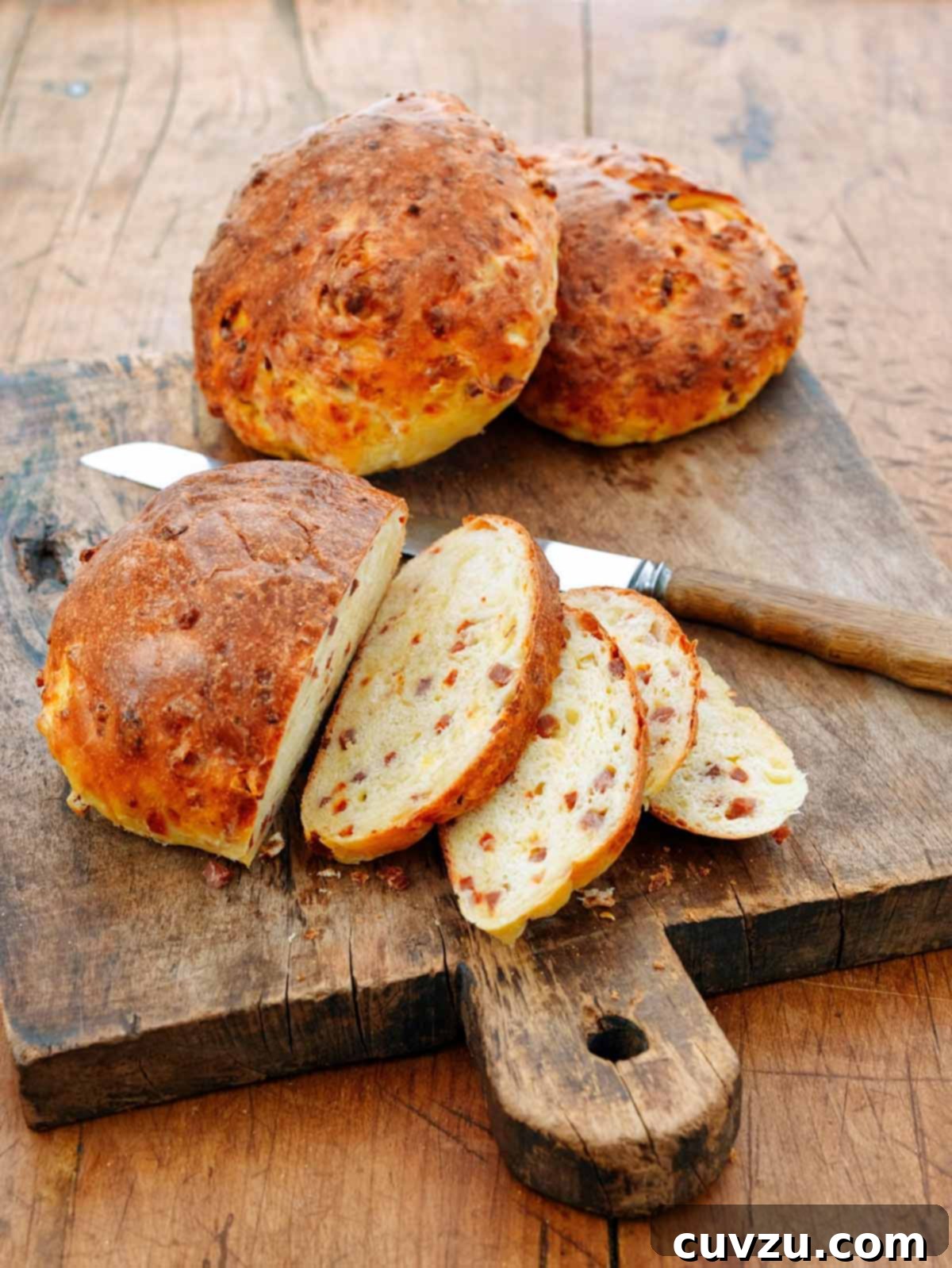
Authentic Portuguese Sausage, Ham, and Cheese Bread: A Hearty Traditional Recipe
Delight in the rich flavors of Portugal with these incredible sausage, ham, and cheese loaves, a traditional bread crafted with robust presunto, spicy chouriço, and savory sheep’s milk cheese. This recipe offers a deep dive into Portuguese culinary heritage, resulting in a hearty, flavorful bread that’s perfect for any occasion. While the recipe primarily focuses on loaves, the versatile dough can also be shaped into individual rolls, offering flexibility for your baking preferences.
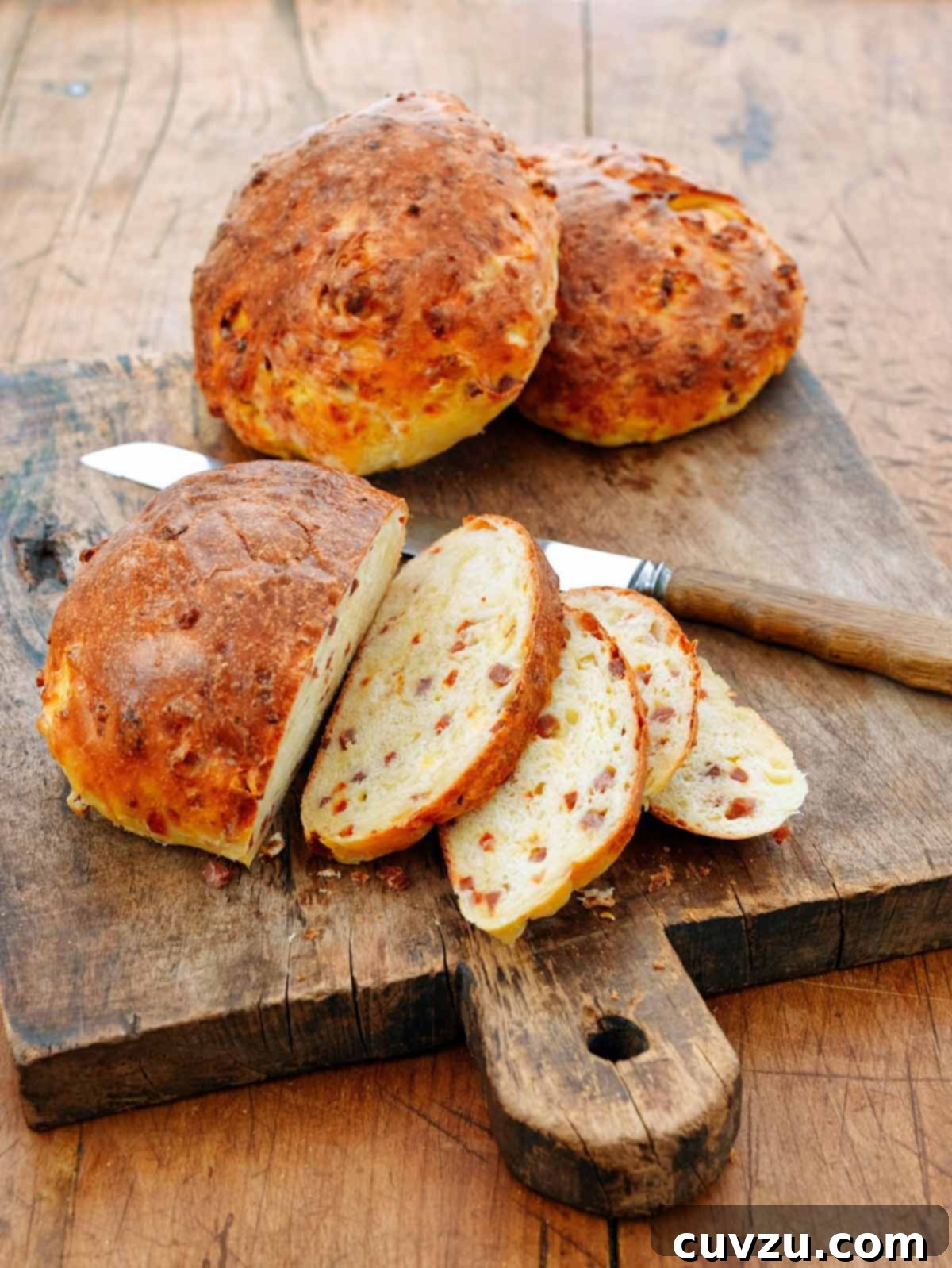
For me, growing up meant that every Saturday held a special ritual: my mother’s visit to the local Portuguese bakery, from which she’d return with a dozen chouriço rolls. These torpedo-shaped delights, generously stuffed with savory sausage, would invariably disappear by Monday, largely thanks to my enthusiastic appetite. To elevate this beloved childhood classic, I embarked on a journey to enrich the dough with the exquisite flavors of presunto and cheese, occasionally enhancing it further with sautéed onions and garlic for an extra layer of aroma and taste. Over time, I found that forming the rolls into elegant round loaves presented a more refined and appealing presence on the table, transforming a simple comfort food into a show-stopping centerpiece that still evokes those cherished childhood memories.
What is Presunto?
Presunto is Portugal’s answer to dry-cured ham, a culinary treasure deeply embedded in the country’s gastronomic identity. It shares a striking resemblance to Italy’s celebrated prosciutto and Spain’s revered Jamón, both in its preparation and its intensely savory, nuanced flavor. This artisanal ham is made from pork legs that are salted, air-dried, and aged for an extended period, allowing for the development of its distinctive aroma, tender texture, and complex taste profile. The curing process can last anywhere from several months to a few years, depending on the desired intensity and characteristics.
While presunto, prosciutto, and Jamón are all dry-cured hams, each boasts unique regional nuances influenced by pig breeds, feed, climate, and curing traditions. Presunto, often from indigenous Portuguese pig breeds, can exhibit a slightly sweeter or nuttier flavor compared to some Italian or Spanish varieties. When crafting this Portuguese bread, using authentic presunto truly elevates the experience, offering an unparalleled depth of flavor. However, if presunto is unavailable, good quality prosciutto or Jamón can serve as capable, albeit distinct, substitutes. Just be mindful of local culinary sensibilities if discussing substitutions with a Portuguese chef!
Understanding the role of presunto in Portuguese cuisine extends beyond just its flavor. It represents a tradition of food preservation and a staple ingredient found in many traditional dishes, from appetizers to main courses. Its presence in this bread not only adds a layer of rich, salty goodness but also connects the recipe to its authentic roots, offering a taste of Portugal’s culinary soul.
How to Make Portuguese Sausage, Ham & Cheese Rolls
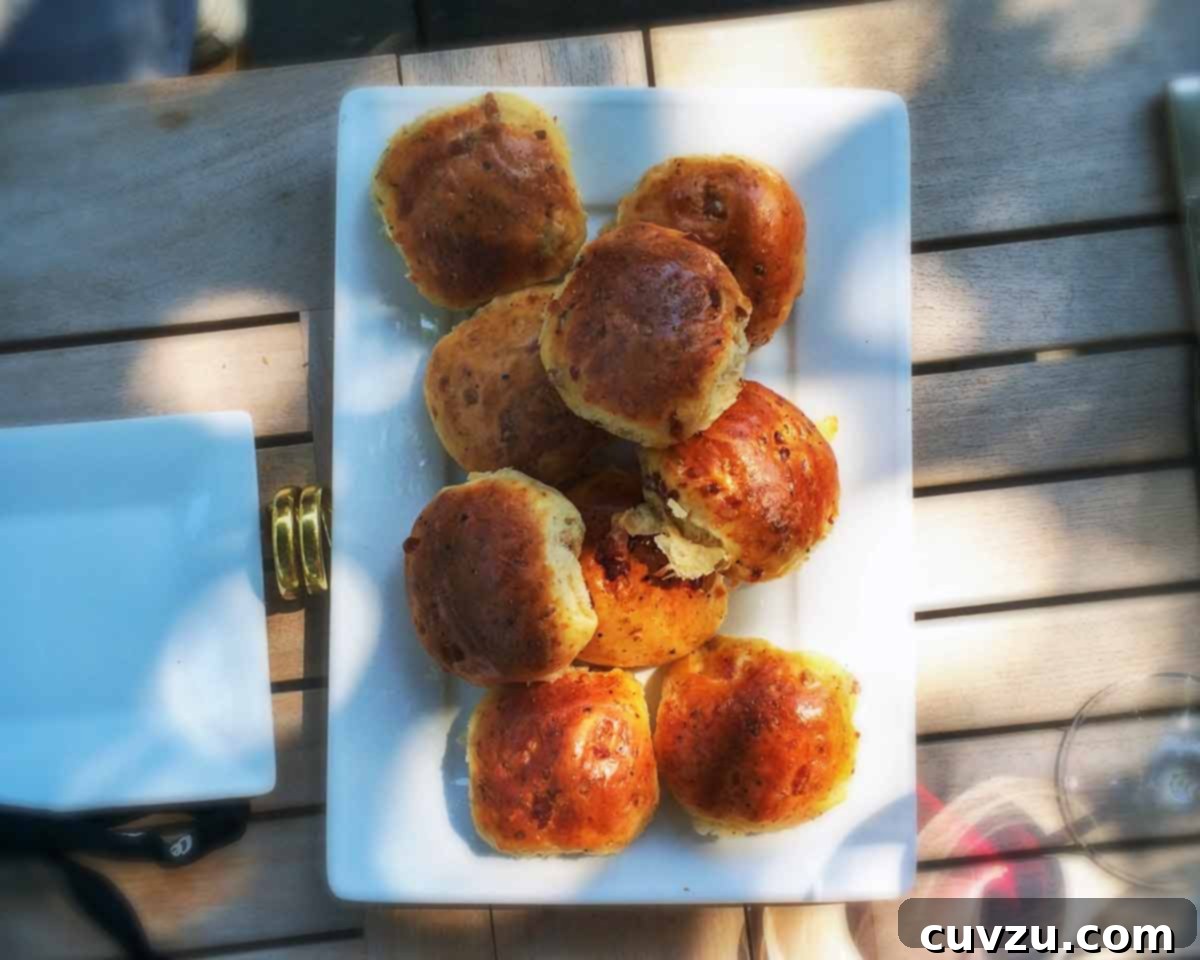
While these savory loaves make for a magnificent presentation, transforming this hearty Portuguese bread into individual rolls offers a delightful and equally delicious alternative. Rolls are perfect for grab-and-go snacks, lunchbox additions, or as part of a larger buffet spread. To adapt the recipe, after the initial rise, gently punch down the dough and divide it into smaller, uniform portions, approximately 2 1/8-ounce (60-gram) chunks. Shape each chunk into a smooth, tight ball. Arrange these rolls on your prepared baking sheet, ensuring adequate space for them to rise. Proceed with the recipe as directed for the second rise and baking, but be sure to adjust the cooking time. Individual rolls will bake much faster than larger loaves, typically requiring about 18 minutes, or until golden brown and cooked through.
The beauty of making rolls lies in their versatility. You can easily scale the recipe up or down depending on your needs, and they offer a perfect bite-sized experience of all the savory fillings. Whether you choose loaves or rolls, the robust flavors of presunto, chouriço, and cheese will shine through, making this Portuguese bread a memorable treat.

Portuguese Sausage, Ham, and Cheese Bread
These sausage, ham, and cheese loaves are a truly hearty and traditional Portuguese bread, made with authentic presunto, flavorful chouriço, and a rich, semi-firm sheep’s milk cheese. This versatile dough can also be easily shaped into delightful individual rolls, perfect for sharing or enjoying on your own.
By David Leite
- Course:
- Appetizers, Bread
- Cuisine:
- Portuguese
- Servings:
- 16 servings
- Calories:
- 226 kcal
- Prep Time:
- 45 minutes
- Cook Time:
- 2 hours 25 minutes
- Total Time:
- 3 hours 10 minutes
Ingredients
- One (1/4-ounce) package active dry yeast (2 1/4 teaspoons)
- 1 teaspoon granulated sugar
- 1 1/2 cups warm water (110°F | 43°C)
- 3 large eggs, at room temperature
- 1/4 cup olive oil, plus more for the bowl
- 5 cups all-purpose flour, spooned and leveled, plus up to 1/2 cup more if needed
- 1 1/4 teaspoons kosher salt
- Two (1/4-inch) thick slices presunto, serrano, or prosciutto, trimmed of excess fat and cut into 1/4-inch (6-mm) cubes
- 6 ounces chouriço, linguiça, or dry-cured smoked Spanish chorizo, cut into 1/4-inch (6-mm) cubes
- 1/2 pound semi-firm sheep’s milk cheese, such as Nisa, Roncal, or Manchego, coarsely shredded
- Coarse cornmeal, for dusting
Instructions
- In the bowl of a stand mixer fitted with a dough hook, dissolve the yeast and sugar in the warm water. Let stand until the liquid is foamy, 8 to 10 minutes.
- In a small bowl, whisk 2 of the eggs and add them to the yeast mixture along with the oil. Process on low speed until blended.
- Scoop in the flour and salt and mix on medium-low speed, scraping down the bowl once or twice, until a smooth, sticky ball forms, 7 to 10 minutes. Add up to 1/2 cup flour, a little at a time, if needed. It’s okay if it’s still a bit of a sticky, shaggy mess at this point.
- Dump the dough onto a lightly floured surface and knead a few times, adding more flour if needed, until supple, 3 to 5 minutes.
- Flatten the dough into a 12-inch (30-cm) disk, sprinkle with the presunto, chouriço, and cheese, and knead to distribute the pieces evenly. It will seem like a lot of work, but press on.
- Place the dough in a large, lightly oiled bowl, turn to coat, cover with plastic wrap, and let rise in a warm, draft-free spot until doubled in size, 1 to 1 1/4 hours.
- Line a rimmed baking sheet with parchment paper and sprinkle it with cornmeal. Lightly dust a work surface with flour, turn the dough out, and knead several times.
- Cut the dough into 4 equal portions and shape each portion into a ball. Transfer the balls to the baking sheet and let rise, covered with a towel, until double in size, 45 to 60 minutes.
- Meanwhile, crank up the oven to 425°F (218°C) and position a rack in the center of the oven.
- Whisk the remaining egg with 1 tablespoon of water and brush the loaves with the mixture. Bake until the loaves are deeply brown and sound hollow when thumped on the bottom, 25 to 30 minutes.
- Transfer to a wire rack to cool completely. The loaves will keep for up to 2 days when covered with plastic wrap and refrigerated. But you can’t beat them on the day they’re made.

Adapted From
The New Portuguese Table
Buy On Amazon
Nutrition
- Serving: 1 portion
- Calories: 226 kcal
- Carbohydrates: 25 g
- Protein: 8 g
- Fat: 10 g
- Saturated Fat: 4 g
- Monounsaturated Fat: 3 g
- Trans Fat: 1 g
- Cholesterol: 54 mg
- Sodium: 331 mg
- Fiber: 1 g
- Sugar: 1 g
Nutrition information is automatically calculated, so should only be used as an approximation.
The Heart of Portuguese Cuisine: Savory Bread Traditions
Portuguese bread-making is an art form, deeply rooted in tradition and community. Beyond the simple daily loaf, there’s a rich tapestry of savory breads that serve as comforting staples and festive treats. This particular sausage, ham, and cheese bread, known colloquially as “Pão com Chouriço, Presunto e Queijo” or variations thereof, is a testament to this tradition. It embodies the Portuguese love for combining robust cured meats and flavorful cheeses within a soft, yielding bread. These breads are more than just food; they are an experience, a connection to history, and a staple at family gatherings, festivals, and everyday tables across Portugal and among its diaspora.
The distinctive character of Portuguese savory breads often comes from their rustic charm, hearty ingredients, and the warmth they bring to any meal. This recipe, featuring a trio of iconic Portuguese ingredients, celebrates that spirit. The preparation, from kneading the dough to the aroma filling your kitchen as it bakes, is a journey into the heart of a culture that cherishes simple, wholesome, and deeply satisfying food.
Why You’ll Love This Portuguese Sausage & Cheese Bread
There are countless reasons why this Portuguese sausage, ham, and cheese bread is destined to become a beloved staple in your kitchen. Firstly, its flavor profile is exceptionally rich and satisfying. The smoky, slightly spicy notes of chouriço beautifully complement the salty, delicate richness of presunto, while the sheep’s milk cheese adds a tangy depth and creamy texture that melts perfectly into the bread. Every bite is an explosion of savory goodness, making it incredibly moreish.
Secondly, the texture is divine. You’ll achieve a bread with a wonderfully crisp, golden crust and a soft, airy interior, studded with generous chunks of meat and cheese. It’s substantial enough to be incredibly filling, yet light enough to enjoy multiple slices. Finally, its versatility is unmatched. This bread transcends meal categories; it’s ideal as a hearty breakfast alongside eggs, a robust accompaniment to soups and stews for dinner, a sophisticated appetizer for guests, or simply a satisfying snack any time of day. Its ability to serve multiple roles in your culinary repertoire makes it an invaluable recipe to master.
Choosing Your Ingredients: A Guide to Authentic Flavors
The success of this traditional Portuguese bread hinges on the quality and authenticity of its core ingredients. Thoughtful selection will elevate your bread from good to truly exceptional.
The Meats: Presunto and Chouriço
- Presunto: As discussed, presunto is a dry-cured ham from Portugal, similar to Italian prosciutto or Spanish Jamón. Opt for a good quality presunto for the most authentic flavor. If unavailable, prosciutto (especially Prosciutto di Parma) or Serrano ham are excellent alternatives, offering a comparable salty, savory depth.
- Chouriço: This is a key player, providing a distinctive smoky and often spicy kick. Portuguese chouriço is a firm, often smoked sausage, usually seasoned with paprika, garlic, and wine. Linguiça is a very similar Portuguese sausage, slightly milder and typically less smoky, making it a great interchangeable option. Dry-cured smoked Spanish chorizo can also be used, bringing its own unique paprika-rich flavor, but ensure it’s a dry-cured variety suitable for dicing and baking within the bread.
The Cheese: Sheep’s Milk Varieties
A semi-firm sheep’s milk cheese is traditionally used, contributing a wonderfully tangy and robust flavor that stands up to the rich meats. Options like:
- Nisa: A soft to semi-hard Portuguese sheep’s milk cheese, known for its buttery texture and tangy taste.
- Roncal: A firm, aromatic sheep’s milk cheese from Spain, offering a slightly piquant flavor.
- Manchego: A popular Spanish sheep’s milk cheese, readily available, with a firm texture and a mild, nutty, slightly tangy flavor that melts beautifully.
Shredding the cheese coarsely ensures it melts evenly throughout the dough, creating pockets of creamy goodness.
Flour and Yeast
- All-purpose flour: Spooned and leveled is crucial for accurate measurement. The recipe notes that you may need an extra 1/2 cup, and some testers found they needed even more. Pay attention to the dough’s consistency.
- Active dry yeast: Ensure your yeast is fresh and active. The warm water temperature (110°F | 43°C) is vital for proper activation; too hot will kill it, too cool won’t activate it sufficiently.
By carefully selecting these ingredients, you lay the foundation for a truly authentic and delicious Portuguese bread experience.
Mastering the Dough: Tips for Success
Working with yeast dough can seem intimidating, but with a few key tips, you’ll achieve perfect results every time. This recipe, while straightforward, benefits from attention to detail, especially during the mixing and kneading phases.
- Yeast Activation: The initial step of dissolving yeast and sugar in warm water is crucial. The water temperature of 110°F (43°C) is ideal—it should feel warm to the touch, not hot. If the mixture doesn’t become foamy after 8-10 minutes, your yeast might be old or the water temperature was off. Start again with fresh yeast.
- Dough Consistency: The recipe mentions the dough might be sticky and shaggy. This is normal. Resist the urge to add too much flour too early. A slightly sticky dough often yields a more tender bread. The instruction to add flour “a little at a time” is key. The dough should be smooth and elastic after the initial kneading, but still manageable.
- Incorporating Fillings: Integrating the presunto, chouriço, and cheese can indeed feel like a lot of work, as the recipe notes. Don’t be discouraged. Flattening the dough into a disk and sprinkling the ingredients evenly before kneading helps distribute them. The goal is even distribution without overworking the dough, which could make it tough. Gentle folding and pressing movements work best.
- Rising Environment: A warm, draft-free spot is essential for the dough to double in size during both rises. If your kitchen is cool, you can create a warm environment by placing the bowl in a slightly warmed (but turned off) oven or near a sunny window. Proper rising is vital for a light and airy texture.
- Shaping: When forming the loaves (or rolls), aim for tight, smooth balls. This tension helps the bread hold its shape and contributes to a good rise and crumb structure.
- Baking Temperature and Doneness: The high initial oven temperature of 425°F (218°C) helps create a beautiful, crisp crust. Bake until deeply brown; the “hollow sound when thumped on the bottom” is an excellent indicator of doneness. This means the interior is fully cooked and the bread has developed its full flavor.
Patience and observation are your best tools when baking. Enjoy the process, and soon you’ll be rewarded with a fantastic homemade Portuguese bread.
Recipe Testers’ Reviews
Our team of recipe testers enthusiastically embraced the challenge of making this Portuguese Sausage, Ham, and Cheese Bread, offering valuable insights into their experiences.

Gina M.
Gina shared her personal connection to the recipe, noting that both her grandmothers and mother made linguiça rolls, which immediately drew her to this bread. Despite her self-proclaimed “yeast-o-phobia,” she found the recipe surprisingly easy. She opted for easily accessible ingredients: linguiça, prosciutto, and Manchego cheese. Upon tasting a slice still warm from the oven, slathered with butter, Gina was impressed by the prominent smokiness of the linguiça and the delightful tanginess of the Manchego. She noted that her dough required an additional 1/2 cup of flour after coming out of the mixer to achieve the right consistency and found incorporating the meat and cheese into the 13-inch disk required significant effort. Her loaves baked for closer to 30 minutes. She enjoyed the bread with dinner and eagerly anticipated having it with eggs for breakfast, highlighting its versatility.

Jenny Howard
Jenny lauded the recipe for being easy to make, fun to eat, and incredibly generous in its yield and potential uses. She was particularly impressed by the “exceptionally good return on investment” of four hearty loaves from just 25 minutes of hands-on time. She followed the suggestion to add the maximum amount of flour, and although her dough initially didn’t form a perfect ball, she trusted the process, and indeed, the dough became even during hand-kneading. The rising and shaping stages progressed smoothly, and the loaves baked quickly, developing an even, golden crust. Jenny’s family enjoyed plump wedges of the bread with a spicy and piquant red sauce pasta dish, finding the bread’s richness to be a perfect complement. She envisioned it as an excellent base for sandwiches or tartines, perhaps topped with shrimp or a mayo-free egg salad or fresh summer tomatoes. Her practical tip: extra loaves freeze beautifully or can be shared with appreciative neighbors and friends.

Greg Crawford
Greg candidly described some early struggles with the dough but expressed immense satisfaction with the final product, declaring it “one of the tastiest breads I’ve ever had.” He confessed to wanting to keep eating it, despite its filling nature due to the two kinds of meat and cheese. His experience with the dough consistency mirrored others; he added about an extra cup of flour beyond the initial amount, yet it remained quite sticky. He found hand-kneading very challenging at this stage, requiring frequent flour dusting. Forming it into a 12-inch disc was difficult, and incorporating the meat and cheese was also tricky due to the stickiness. However, the second knead after the first rise proved much easier, and the rest of the recipe was a breeze. Greg was ultimately glad he persevered, as every bite was “filled with wonderful flavors of cheese, chorizo, and, in my case, serrano.” The baking process filled his home with a “wonderful aroma.” While good cooled, he highly recommended heating pieces for a 100% better experience. Though the recipe yields four loaves, Greg noted they don’t last long in his household! They enjoyed it plain, with chili, and alongside grilled chicken, showcasing its incredible versatility.
Serving Suggestions & Pairing
This Portuguese Sausage, Ham, and Cheese Bread is incredibly versatile and can be enjoyed in a multitude of ways. Its robust flavors make it suitable for various meals and occasions. For a truly authentic Portuguese experience, serve warm slices as a hearty breakfast alongside scrambled or fried eggs, perhaps with a side of strong coffee. It’s also an excellent companion to a bowl of traditional Portuguese soup, such as Caldo Verde, soaking up all the rich broths. For lunch or dinner, this bread shines as a side dish to roasted meats, grilled chicken, or a vibrant pasta salad. You can also transform it into impressive sandwiches, filling it with fresh greens, tomatoes, or even more sliced cured meats.
Consider serving it as an appetizer at your next gathering. Cut into smaller squares or wedges, it makes a fantastic finger food. Pair it with a simple green salad dressed with a vinaigrette to balance the richness, or offer a selection of olives and pickled vegetables. For beverages, a light-bodied Portuguese red wine, a crisp vinho verde, or a refreshing beer would complement its savory notes beautifully. On a cooler day, a mug of warm cider or a robust black tea would also be a perfect match.
Storing and Enjoying Later
While this Portuguese bread is undoubtedly at its best the day it’s baked, its generous yield means you might have leftovers – a delightful problem to have! To keep the loaves fresh for up to 2 days, allow them to cool completely before wrapping them tightly in plastic wrap and storing them in the refrigerator. Reheating in a toaster oven or a conventional oven at a low temperature will revive their crust and warm the fillings, bringing back some of that fresh-baked appeal.
For longer storage, this bread freezes exceptionally well. Once completely cooled, wrap each loaf tightly in plastic wrap, then encase it in aluminum foil or place it in a freezer-safe bag. It can be stored in the freezer for up to 2-3 months. To enjoy, simply thaw a frozen loaf at room temperature overnight or gently reheat it from frozen in a preheated oven until warmed through. The flavors and textures hold up remarkably well, allowing you to savor a taste of Portugal whenever the craving strikes.