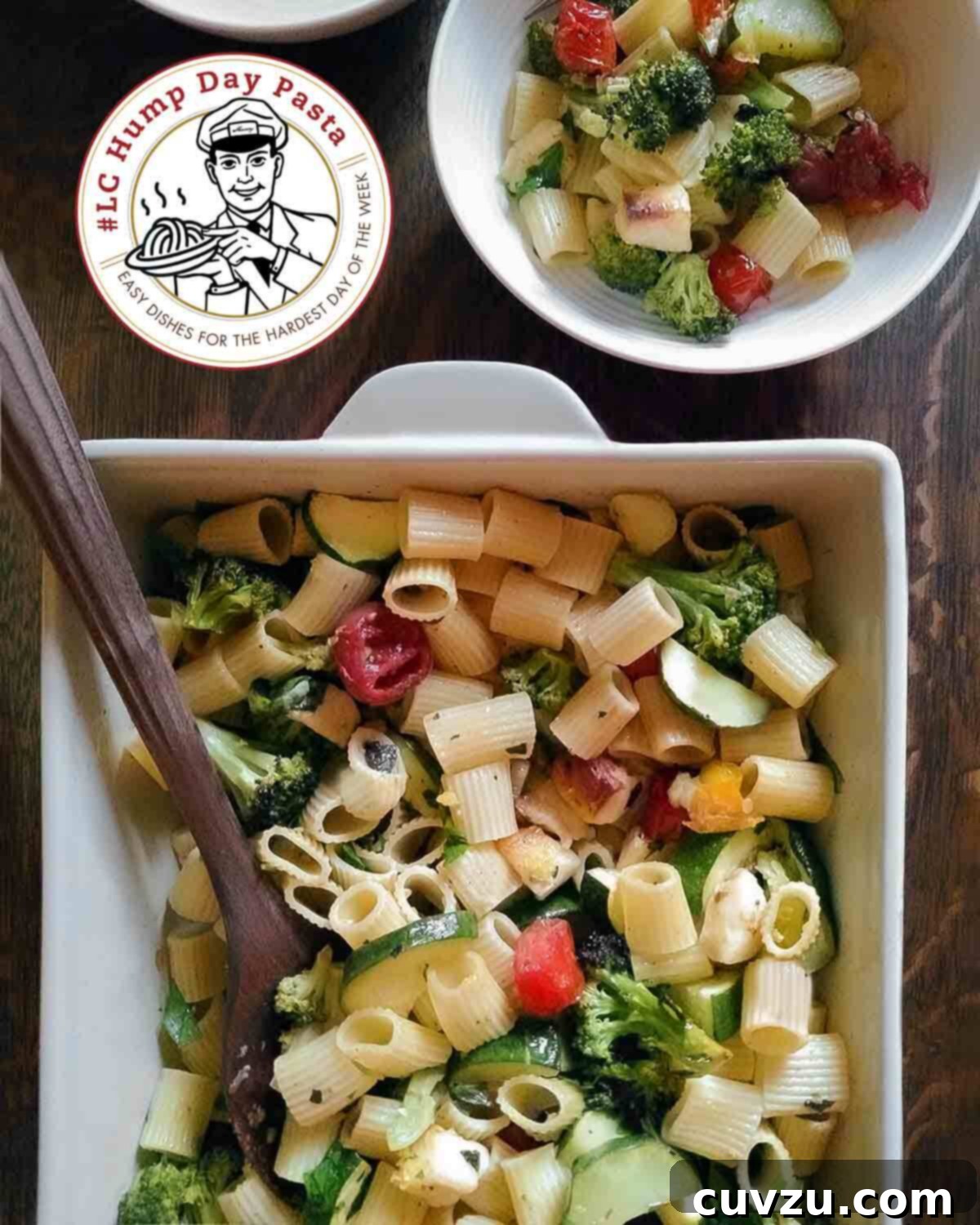
Unlock the vibrant flavors of summer with this incredibly easy and utterly delicious Roasted Summer Vegetable Pasta with Halloumi. This dish is a celebration of seasonal produce, combining tender pasta with perfectly caramelized vegetables and the unique, satisfying chew of salty halloumi cheese. It’s a weeknight hero that feels gourmet, designed to appeal to every palate at your table and adaptable to whatever fresh bounty you have on hand.
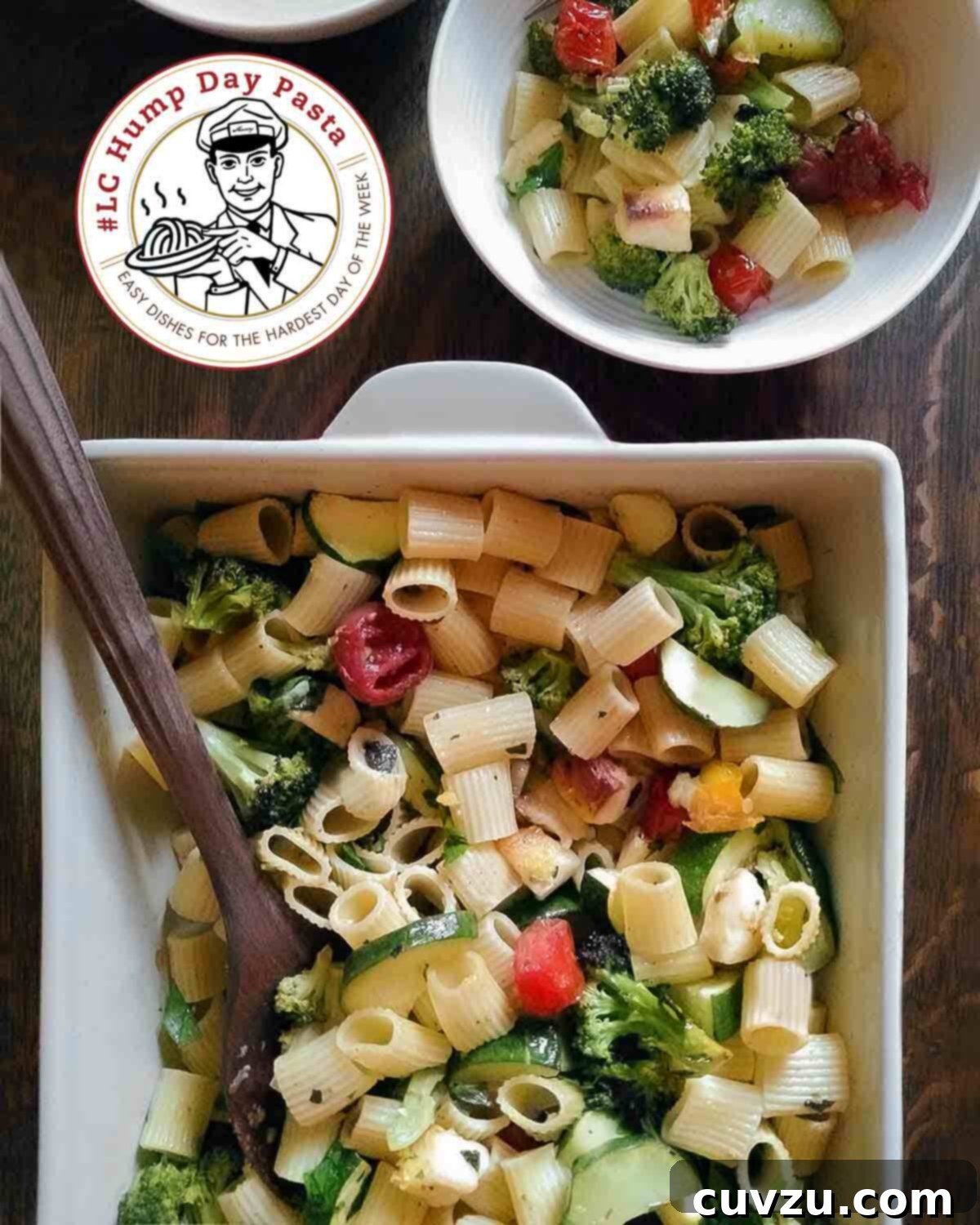
Created by LC recipe tester Olivia Bleitz | Personal collection, 2021
This recipe perfectly balances my love for a high vegetable-to-pasta ratio with the preferences of my dining companions. It’s infinitely riff-able, allowing you to load up your baking dish with all the colors and varieties you desire, while others can opt for a more pasta-heavy plate, taking only their favorite roasted vegetables. The magic ingredient here is halloumi – that delightfully squeaky, meaty, and salty Cypriot cheese – which elevates this vegetarian dish from merely healthy to wonderfully indulgent, ensuring it’s anything but “too virtuous.”
Why You’ll Love This Roasted Vegetable Pasta with Halloumi
This dish isn’t just a recipe; it’s a testament to how simple ingredients can come together to create something truly spectacular. Here are just a few reasons why this roasted vegetable pasta with halloumi will become a staple in your kitchen:
- Effortless Elegance: Despite its impressive appearance and rich flavors, this recipe requires minimal hands-on time. Most of the work is done by your oven, leaving you free to relax.
- Seasonal Showcase: It’s the perfect canvas for your farmer’s market haul. Whether you have an abundance of zucchini, cherry tomatoes, or broccoli, this dish allows their natural sweetness to shine.
- Uniquely Satisfying: The star, halloumi cheese, brings a textural and flavor dimension unmatched by other cheeses. Its crispy exterior and tender interior, combined with roasted vegetables and al dente pasta, create a symphony of textures and tastes.
- Highly Adaptable: Don’t have a specific vegetable? No problem! This recipe encourages substitution and creativity, making it a truly flexible meal.
- Wholesome and Hearty: Packed with nutritious vegetables and a good source of protein from the halloumi, it’s a meal that’s both healthy and deeply satisfying.
Common Questions About This Recipe
If you’ve never had halloumi, then prepare yourself for a truly delightful culinary experience. Originating from the eastern Mediterranean island of Cyprus, halloumi is a semi-hard, unripened brined cheese traditionally made from a mixture of sheep’s and goat’s milk, though cow’s milk variations are also available. What sets halloumi apart is its remarkably high melting point. Unlike most cheeses that melt into an oozing liquid when heated, halloumi maintains its shape, developing a beautiful golden-brown crust while becoming irresistibly soft and slightly “meaty” on the inside. This unique characteristic makes it perfect for grilling, frying, or roasting, offering a chewy, salty texture that’s incredibly satisfying.
When raw, halloumi can be quite rubbery and squeaky (hence its nickname, “squeaky cheese”). But once cooked, it transforms into a savory sensation with a wonderfully complex flavor profile that hints at its briny origins. It’s an excellent vegetarian protein source, providing a satisfying bite often missing in meat-free dishes. Think of it as a versatile blank canvas that readily absorbs accompanying flavors, making it a fantastic addition to a variety of meals.
If halloumi isn’t available, you can substitute it with other cheeses that also have high melting points and can hold their structure when heated. Good alternatives include queso fresco, feta (though it will soften more), cheese curds, or paneer. While these will offer a similar structural integrity, their flavor and texture profiles will differ slightly from genuine halloumi, so adjust your expectations accordingly.
Once you discover the magic of halloumi, you’ll want to incorporate it into many dishes! Beyond this amazing pasta, halloumi is incredibly versatile. We absolutely love frying it up into sesame halloumi fries for a crispy, salty snack or appetizer. It’s also fantastic tossed into a vibrant watermelon salad, where its salty chew beautifully complements the sweet fruit, or cubed and used in these marinated vegetable skewers for a delightful grilled meal. Consider adding slices to your morning breakfast alongside eggs and avocado, or layering it into sandwiches and wraps for an extra punch of flavor and texture. It can also be diced and added to vegetable stews or soups during the last few minutes of cooking for a unique, hearty element.
Write a Review
If you make this recipe, or any dish on LC, consider leaving a review, a star rating, and your best photo in the comments below. I love hearing from you.–David
Roasted Summer Vegetable Pasta with Halloumi
Olivia Bleitz
Saved
- PIN
Mains
American
4
servings
582
kcal
30 minutes
30 minutes
1 hour
Ingredients
-
8
ounces
halloumi cheese*
,
cut into 1/2- to 3/4-inch (12- to 18-mm) cubes -
1
pint (12 oz)
cherry tomatoes -
1
(12 oz)
broccoli crown -
1
(12 oz)
medium zucchini -
3
cloves
garlic -
2
tablespoons
olive oil,
plus more to serve -
1/2
teaspoon
salt,
plus more for the pasta water -
1/4
teaspoon
red pepper flakes (optional) -
12
ounces
short pasta,
such as fusilli or penne -
Zest and juice of one lemon,
preferably organic -
1/4
cup
chopped fresh parsley or fresh basil,
or a combination, for serving
Instructions
-
Preheat your oven to 400°F (200°C) to ensure it’s ready for roasting.
-
Begin by preparing your fresh vegetables. Halve any cherry tomatoes that are larger than a comfortable bite-size. Chop broccoli florets into uniform bite-sized pieces, aiming for no larger than 1 inch (25 mm) for even cooking. Cut the zucchini in half lengthwise, then slice each half into 1/2-inch (12 mm) thick half-moons. Finally, peel, lightly smash, and roughly chop your garlic cloves.
-
In a spacious large baking dish or a sturdy roasting pan, combine all the prepared vegetables and the cubed halloumi cheese. Drizzle generously with olive oil, then sprinkle with salt and red pepper flakes (if you’re adding a touch of heat). Toss all the ingredients thoroughly to ensure everything is evenly coated, then spread them out into a single, even layer for optimal roasting. Avoid overcrowding the pan; if necessary, use two pans to prevent steaming.
-
Roast the vegetables and halloumi in the preheated oven, tossing them gently once halfway through the cooking time. Continue roasting until the vegetables are tender-crisp and the halloumi and edges of the vegetables begin to achieve a beautiful golden-brown color, which typically takes 30 to 35 minutes.
-
While your vegetables and halloumi are roasting to perfection, bring a large pot of heavily salted water to a rolling boil. Add your chosen short pasta and cook according to the package directions until it’s al dente. Before draining, make sure to reserve about 1/2 cup of the starchy pasta water – this will be crucial for creating a silky sauce later. Drain the pasta well.
-
Carefully pour the drained pasta directly into the baking dish with the roasted vegetables and halloumi. Gradually add up to 1/2 cup of the reserved pasta cooking water, tossing all the ingredients together until the pasta and vegetables are beautifully glossy and lightly coated. The pasta water helps emulsify the olive oil and vegetable juices, creating a light, flavorful sauce.
-
Finally, stir in the fresh lemon zest and juice. This adds a burst of brightness that truly ties all the flavors together. Serve immediately, garnished generously with chopped fresh herbs (parsley, basil, or a combination) and a final drizzle of high-quality olive oil for an exquisite finish. Enjoy your flavorful and easy roasted summer vegetable pasta!
Notes
Tips for Perfect Roasting:
To achieve beautifully caramelized vegetables and halloumi, ensure your baking dish or roasting pan isn’t overcrowded. Giving the ingredients space allows them to roast rather than steam, resulting in those desirable golden-brown edges. If you have a large quantity of vegetables, consider using two pans.
Vegetable Variations:
This recipe is wonderfully forgiving and encourages creativity. Feel free to substitute the suggested vegetables with other seasonal favorites. Bell peppers, red onion wedges, asparagus, cherry tomatoes (even those from off-season can shine when roasted), or even finely chopped cauliflower florets would work beautifully. Adjust roasting times as needed for different vegetables.
Herb Harmony:
While parsley and basil are classic choices, don’t hesitate to experiment with other fresh herbs. Fresh dill or mint would lend a Mediterranean twist, especially complementing the halloumi. A touch of oregano could also enhance the savory notes of the dish.
Spice It Up:
If you prefer a spicier kick, feel free to increase the amount of red pepper flakes to suit your taste. You could also add a pinch of smoked paprika for a deeper, earthier flavor.

An LC Original
View More Original Recipes
Explore More with AI
Substitutions
Scale
Summarize
Nutrition
Serving:
1
serving
Calories:
582
kcal
Carbohydrates:
70
g
Protein:
25
g
Fat:
22
g
Saturated Fat:
11
g
Monounsaturated Fat:
9
g
Sodium:
994
mg
Fiber:
4
g
Sugar:
6
g
Nutrition information is automatically calculated, so should only be used as an approximation.
Tried this recipe?
Mention @leitesculinaria or tag #leitesculinaria!
Insights from Our Recipe Testers
Our team of dedicated recipe testers consistently praises this Roasted Summer Vegetable Pasta with Halloumi for its simplicity, versatility, and undeniable deliciousness. Their feedback highlights how truly adaptable this dish is, making it a perfect meal for any home cook looking to embrace fresh, seasonal ingredients.
Liz L.
Liz raves about this dish being a “simple and impressive side (or main) dish” that perfectly showcases summer vegetables. She found it almost “too easy” to bring together, highlighting how effortless it is to create a hearty serving of fresh summer vegetables and pasta all at once. For those unfamiliar with halloumi, Liz perfectly describes it as a “firm goat cheese that can hold up on the grill,” a testament to its unique texture. She even suggests pairing it beautifully with a rich steak au poivre, proving its versatility beyond a standalone vegetarian meal.
Deborah Wallace
Deborah emphasizes that some form of roasted vegetable pasta “should be on everyone’s go-to list for a quick and easy dish that can be on the table in just about an hour.” She appreciated the flexibility of using “whatever vegetables you have on hand,” making it a year-round option. The halloumi, she noted, adds a “nice salty, chewy texture” that stands out against mozzarella or Parmesan. Using cherry tomatoes, Japanese eggplant, and broccoli, she found the lemon juice and zest provided a “freshness and lightness” that truly elevated the combination.
While Deborah loved the dish, she humorously lamented the “vegetable shrinkage” after roasting, craving “more broccoli florets with their crispy tops and more tomatoes.” She also suggested personal tweaks, preferring to “exclude the basil” as it “competed with the lemon” and detracted from the dish’s brightness. For an added kick, she’d “add more red pepper flakes the next time.” Her reflections perfectly capture the spirit of this recipe’s adaptability, encouraging home cooks to “add vegetables…possibly including some peppers and red onions in the mix.” She served her pasta with a crisp Little Gem salad, finding no need for additional accompaniments.
Sasha Pravdic
Sasha praises the dish for being “vibrant and fresh,” easy to assemble, and highly versatile, allowing cooks to “take advantage of the summer bounty.” She utilized garden-fresh cherry tomatoes, broccolini, and zucchini, confirming that “the possibilities are endless” and the recipe provides “a lot of latitude.”
With a large volume of vegetables, Sasha cleverly opted for a “rimmed baking sheet to maximize caramelization and avoid steaming the vegetables,” a fantastic tip for anyone looking to achieve optimal roast. She particularly “loved the innovative addition of the salty and firm halloumi cheese,” noting how it “retained its shape yet browned beautifully.” This dish, she concludes, will “definitely be moving into my menu rotation!”
Chiyo Ueyama
Chiyo discovered a new favorite way to prepare halloumi through this recipe, having previously only pan-fried it. She observed how the cheese and vegetables “roasted beautifully together,” with the “golden-brown edges of the halloumi cubes looked so delicious nestled among juicy summer vegetables and tender but still firm broccoli.” The convenience of tossing everything “with pasta right in the baking dish” was a major plus, making dinner “ready for presentation in no time!” She loved the dish warm and even found that leftovers were “wonderful the next day cold,” transforming into a delightful pasta salad with “a little more olive oil and lemon juice.”
Chiyo experimented with herbs from her backyard, using “a combination of parsley, basil, and oregano (which I like with garlic),” and suggested that “fresh dill and mint would also be lovely,” drawing inspiration from halloumi’s Greek origins. She eagerly anticipates making it again when her garden tomatoes are ripe. For an easy summer dinner, she served it with store-bought flatbread but also wistfully mentioned the Zanzibar sesame bread from LC as a more ambitious pairing, concluding with a nod to “chilled rosé wine” as the perfect seasonal accompaniment.
Laura Hudeck
Laura, an avid gardener, found this recipe particularly appealing due to her “garden that is exploding with summer vegetables right now.” She personalized the dish using zucchini, yellow squash, red bell pepper, heirloom cherry tomatoes, garlic, and onion, demonstrating the recipe’s inherent flexibility. With her abundance of produce, she increased the roasting time by “10 minutes to get everything properly cooked” and noted that the resulting “quite a bit of liquid after roasting” meant she didn’t need much reserved pasta water. She finished her dish with freshly chopped parsley and basil.
She described the pasta as “light, fresh, and had a wonderful savory lemon flavor that worked well with the vegetables and herbs.” While she enjoyed the taste of halloumi, its high melting point meant it only “softened but did not liquify,” leading to some pieces clumping. For future iterations, she plans to use “good feta, adding it to the hot vegetables and pasta so that it melts and coats everything evenly.” Laura also suggested increasing the “red pepper flake as the 1/4 tsp was barely detectable” and hinted that “a little extra of each during preparation is needed” for salt and pepper. Her meal was served alongside grilled salmon and a cucumber and tomato salad, creating a balanced and delightful summer spread.
Customizing Your Roasted Vegetable Pasta
The beauty of this recipe lies in its adaptability. Here are more ideas to make it your own:
- Protein Power-Ups: For a non-vegetarian option, consider adding pre-cooked chicken sausage, shrimp (add during the last 10 minutes of roasting), or crumbled Italian sausage to the roasting pan. Lentils or chickpeas could also be roasted with the vegetables for an extra plant-based protein boost.
- Cheese Swaps: As mentioned, feta or paneer work well. For a creamier finish, a dollop of fresh ricotta or goat cheese stirred in at the end could be divine. For a truly indulgent experience, a sprinkle of freshly grated Parmesan or Pecorino Romano before serving adds a salty, umami depth.
- Spice Variations: Beyond red pepper flakes, experiment with a pinch of smoked paprika, dried oregano, or even a touch of za’atar for a Mediterranean flair. A dash of balsamic glaze after roasting can add a sweet-tart counterpoint.
- Seasonal Switches: In autumn, try butternut squash, Brussels sprouts, or mushrooms. In spring, asparagus, snap peas, and artichoke hearts would be lovely. The core technique of roasting and tossing with pasta remains the same!
- Add a Sauce: While the pasta water creates a light sauce, you could whisk in a spoonful of pesto or a creamy sun-dried tomato paste for a richer flavor profile.
Serving Suggestions for a Complete Meal
This roasted summer vegetable pasta with halloumi is robust enough to be a standalone meal, but it also pairs beautifully with a variety of accompaniments to create a more elaborate dinner:
- Fresh Green Salad: A simple mixed green salad with a light vinaigrette provides a refreshing contrast to the richness of the pasta. Deborah Wallace, one of our testers, suggests a Little Gem salad.
- Crusty Bread: A warm, crusty baguette or focaccia is perfect for soaking up any flavorful juices left on the plate. Chiyo Ueyama even recommends trying the Zanzibar sesame bread from Leite’s Culinaria.
- Grilled Protein: For those who desire a meat accompaniment, grilled chicken, salmon (as suggested by Laura Hudeck), or steak would complement the Mediterranean flavors of the pasta splendidly. Liz L. suggests a classic Steak au Poivre.
- Wine Pairing: A crisp, dry white wine like Sauvignon Blanc or Pinot Grigio, or a light-bodied rosé (as suggested by Chiyo), would beautifully enhance the fresh flavors of the vegetables and lemon.
Make Ahead and Storage Tips
This dish is best enjoyed fresh, but you can certainly prepare some components in advance or store leftovers:
- Prep Ahead: Chop all your vegetables and cube the halloumi up to a day in advance. Store them separately in airtight containers in the refrigerator. This cuts down on active cooking time significantly.
- Leftovers: Store any leftover pasta in an airtight container in the refrigerator for up to 3-4 days. The flavors tend to meld even more overnight.
- Reheating: Reheat gently in a skillet over medium heat with a splash of water or vegetable broth to prevent drying out. You can also warm individual portions in the microwave.
- Enjoy Cold: As Chiyo Ueyama discovered, this pasta salad is surprisingly delicious served cold the next day. A little extra drizzle of olive oil and a squeeze of fresh lemon juice can revive it beautifully, making it an excellent option for packed lunches.
Final Thoughts: A Summer Essential
This Roasted Summer Vegetable Pasta with Halloumi is more than just a recipe; it’s an invitation to savor the season’s finest flavors with minimal fuss. Its ease of preparation, combined with the versatility and the delightful texture of halloumi, makes it a truly essential dish for anyone looking to enjoy wholesome, delicious food. Whether you’re a seasoned cook or just starting your culinary journey, this recipe promises a satisfying meal that brings the warmth and vibrancy of summer to your table. So grab your freshest vegetables, roast them to perfection, and get ready to enjoy a pasta dish that’s sure to become a cherished favorite.