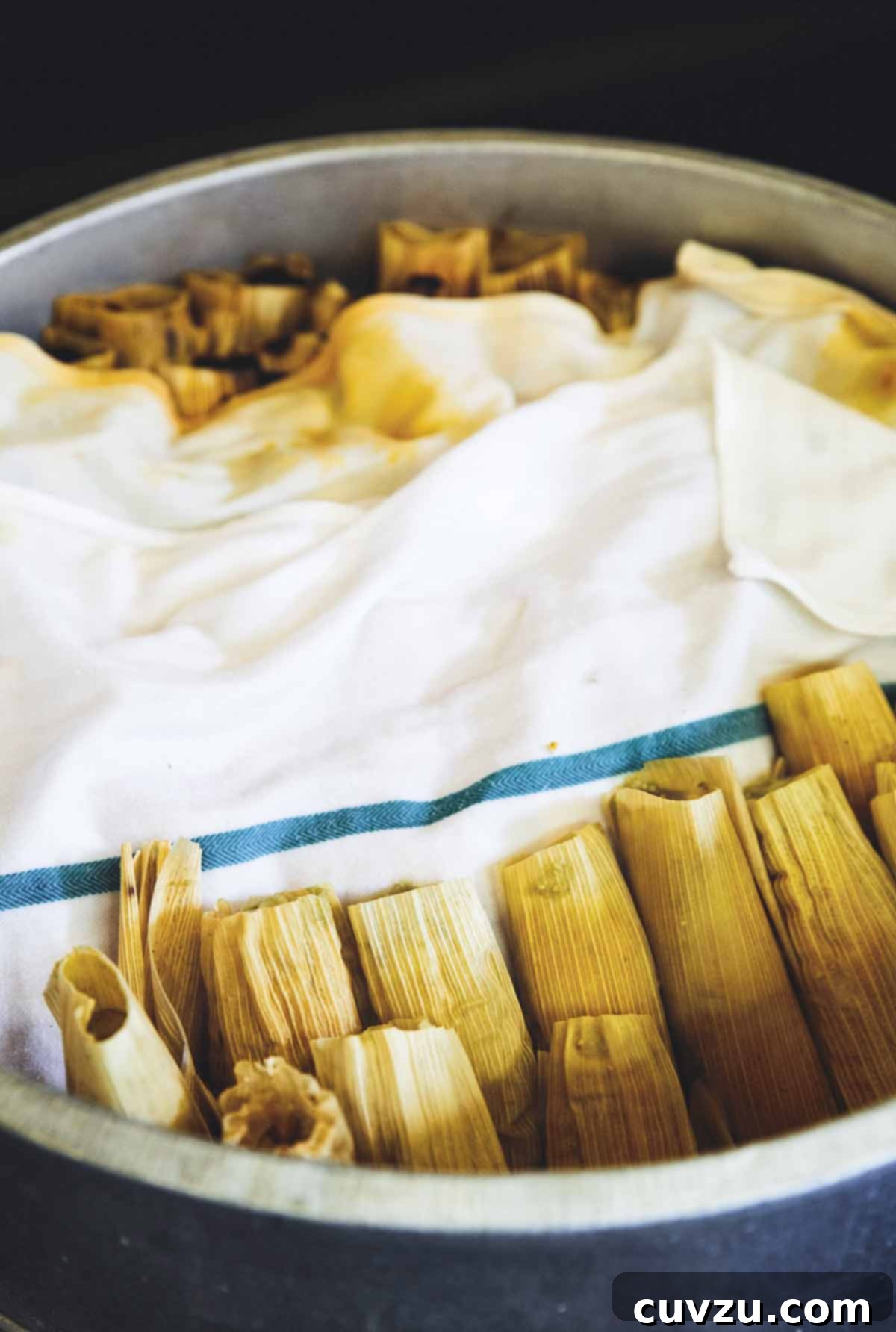
Embark on a culinary journey with these exceptional sweet potato tamales. They represent a delightful fusion of tradition and innovation, featuring a tender sweet potato masa that encases a rich, flavorful mole sauce. Each tamal is carefully steamed to perfection, promising a deeply satisfying experience that is truly worth every moment of preparation.
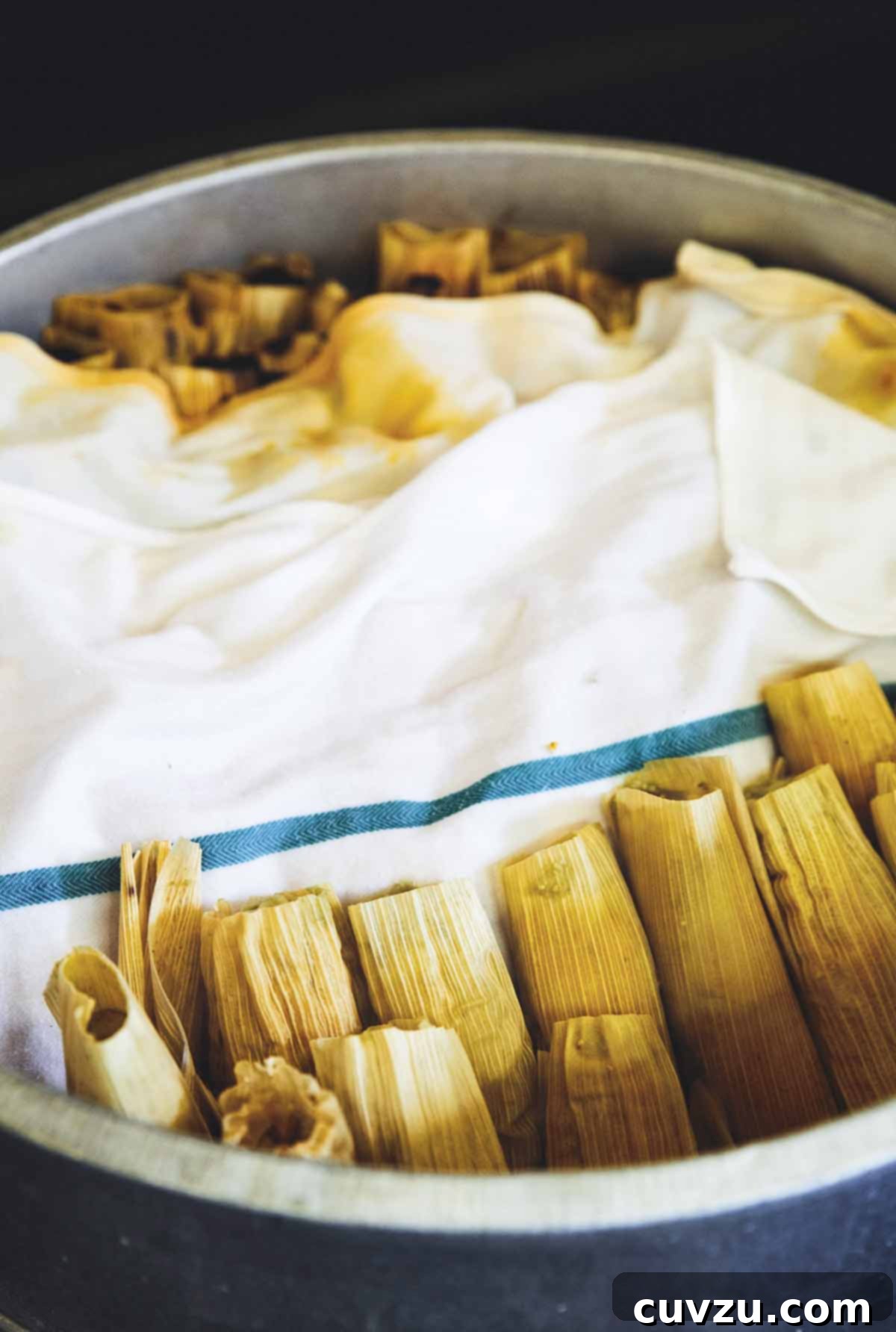
In the vibrant culinary landscape of Mexico, the tamal stands as a cornerstone of traditional cuisine, much like the versatile taco or any beloved antojito (Mexican street food). Its essence lies in its adaptability; the filling evolves with the seasons, regional preferences, and specific occasions. For a touch of autumnal warmth at our restaurant, sweet potato emerges as the perfect seasonal star, its inherent sweetness beautifully complementing the intricate, spicy-sweet notes of a well-crafted mole. To ensure a seamless cooking process, we highly recommend preparing the mole in advance, allowing its flavors to deepen and mature.
The creation of a truly exceptional mole is akin to a master artist blending colors, a delicate dance of ingredients meticulously combined to achieve a harmonious spectrum of flavors. This is precisely why the most revered moles are often characterized by their extensive list of components. Our featured recipe presents a exquisite mole amarillo, or “yellow mole,” which derives its captivating hue from a thoughtful interplay of dark and red chiles, the vibrant freshness of red tomatoes, and the subtle tang of green tomatillos. This recipe yields a generous quantity of mole, ensuring you’ll have ample leftovers. Imagine the convenience of having this rich, complex sauce readily available for those future cravings, whether to elevate grilled chicken, delicate fish, succulent pork, roasted vegetables, or classic enchiladas—no further spice blending required. This culinary masterpiece is brought to you by the acclaimed duo, Gonzalo Guzman and Stacy Adimando.
Understanding Masa and Masa Harina: A Key Distinction for Perfect Tamales
For those new to Mexican cooking, the terms “masa” and “masa harina” can sometimes cause confusion, yet understanding their difference is crucial for authentic results. Simply put, masa harina is a finely ground corn flour, specifically prepared from hominy (corn kernels treated with an alkaline solution, a process known as nixtamalization), which is then dried and ground. Masa, on the other hand, is the dough itself, formed when masa harina is rehydrated with water, and often enriched with fats like lard or butter. This pliable dough is the foundational ingredient for staples such as tortillas and tamales. It’s important to note that masa destined for tortillas typically has a finer grind than the masa traditionally sold for tamales, which benefits from a slightly coarser texture. Crucially, do not mistake masa harina for regular corn flour, as they are distinct products with different properties. For these sweet potato tamales, the authentic dough, masa, is indispensable. Trust us, it makes all the difference.
Sweet Potato Tamales
David Leite
PIN
Print Recipe
Ingredients
For the mole amarillo
- 5 medium dried guajillo chiles, stemmed and seeded
- 2 medium dried ancho chiles, stemmed and seeded
- 3 medium dried morita chiles, stemmed
- Boiling water
- 5 whole cloves
- 4 bay leaves
- 1 1/2 teaspoons cumin seeds
- 1 1/2 teaspoons ground dried pimiento (paprika)
- 1 1/2 teaspoons ground allspice
- 1 cup mild vegetable oil
- 1/2 medium white onion, chopped
- 2 cloves garlic, chopped
- 1/2 jalapeño, stemmed
- Kosher salt
- 1 cup diced canned tomatoes and their juices
- 10 medium (1 lb) tomatillos, husked and rinsed
- 1/2 cup raw unsalted pepitas (pumpkin seeds)
- 1/2 cup unsalted peanuts
- 1/2 cup store-bought or homemade masa* or masa prepared from store-bought masa harina, according to package directions
For the masa mixture
- 2 medium (1 lb) whole sweet potatoes, peeled, plus 6 cups 1/2-inch (12-mm) peeled and diced sweet potatoes (700 g)
- Olive oil
- 7 cups store-bought or homemade masa* or masa* prepared from store-bought masa harina according to package directions
- 6 sticks (24 oz) unsalted butter, softened
- 1 tablespoon kosher salt, plus more as needed
- 1 teaspoon baking powder
For the sweet potato filling
- 1 tablespoon olive oil
- 1/2 medium white onion, chopped
- 1 jalapeño, thinly sliced
- 1 clove garlic, chopped
- 2 cups mole amarillo
- Kosher salt
To assemble
- 20 large corn husksor 40 small ones
Instructions
Make the mole amarillo
-
Preheat your oven to 350°F (180°C), preparing it for the initial chile roasting.
-
Arrange all the dried chiles evenly on a rimmed baking sheet. Roast them for approximately 5 minutes until fragrant. Carefully remove the chiles from the oven, but leave the oven on for the next step. Transfer the roasted chiles to a medium heatproof bowl, cover them with boiling water, and allow them to rehydrate and soften for about 20 minutes.
-
On the same baking sheet, spread out the cloves, bay leaves, cumin seeds, pimiento (paprika), and allspice. Roast these spices, stirring them halfway through, until they become beautifully toasted and intensely aromatic, which should take 7 to 10 minutes.
-
In a medium pot, warm 1/4 cup of the vegetable oil over medium-high heat. Add the chopped onion, garlic, and stemmed jalapeño. Reduce the heat to medium, season with a pinch of salt, and sauté, stirring occasionally, until the vegetables are thoroughly softened and the onions are translucent, usually within 10 to 15 minutes.
-
Stir in the diced canned tomatoes along with their juices. Bring the mixture to a gentle simmer. Continue to cook, stirring occasionally, until the sauce thickens considerably and takes on a jam-like consistency, typically 25 to 30 minutes.
-
Transfer the cooked tomato-onion mixture to a blender. Add the roasted spices, fresh tomatillos, pepitas, peanuts, and the rehydrated chiles (remember to reserve the chile soaking water). Add a generous pinch of salt. Process the mixture, gradually adding some of the reserved soaking water, until it achieves a smooth, thick consistency.
-
In a large, clean pot, heat the remaining 3/4 cup of vegetable oil over medium-high heat until it shimmers. Turn off the heat and carefully add the blended mole mixture all at once (be cautious, as it will splatter). Bring the mixture to a boil, then reduce the heat to a gentle simmer. Cook uncovered, stirring occasionally, until the mole thickens beautifully, which will take approximately 2 hours. Taste and adjust the seasoning with more salt if needed. This rich mole can be cooled completely and stored in the refrigerator for up to 5 days, or frozen for longer preservation.
-
In a clean blender, combine the masa with about 1 cup of water. Blend until the mixture is exceptionally smooth, working in batches if your blender is small.
-
Slowly pour the blended masa mixture into the simmering mole. Allow it to cook for an additional 30 minutes, stirring occasionally, allowing the flavors to meld and the sauce to thicken further. Taste and adjust for salt one final time.
☞ TESTER TIP: This recipe yields more mole than required for the tamales, a happy bonus! Use any leftover mole to spoon over grilled or roasted meats, or incorporate it into a delicious burrito for a quick and flavorful meal.
Make the masa mixture
-
Preheat your oven to 350°F (180°C). Line a rimmed baking sheet with foil or parchment paper for easy cleanup.
-
Lightly rub the two whole sweet potatoes with olive oil, then wrap them together in a single sheet of foil. Place them on the prepared baking sheet and bake until they are incredibly soft and easily pierced, approximately 75 to 90 minutes. Around the halfway mark of the whole sweet potatoes’ baking time, add the diced sweet potatoes to the same baking sheet and roast them until they are tender-crisp (al dente), typically 20 to 40 minutes.
-
Once cooled enough to handle, peel and quarter the whole sweet potatoes. Transfer them to a food processor and puree until completely smooth, about 2 minutes. Set aside the roasted diced sweet potatoes; these will be used for the tamale filling.
-
In the bowl of a stand mixer fitted with the paddle attachment, combine 1 cup of the smooth sweet potato puree with half of the masa, half of the softened butter, half of the kosher salt, and half of the baking powder. Beat the mixture until all ingredients are thoroughly combined and lightened. While mixing by hand is possible, a stand mixer will yield a notably airier and more tender masa.
-
Transfer this first batch of masa mixture to a larger bowl. Repeat the process in the stand mixer with another 1 cup of the potato puree and the remaining masa, butter, salt, and baking powder. Once combined, incorporate this second batch with the first. Taste the masa mixture and adjust seasoning with additional salt as needed; it should taste well-seasoned on its own. Any leftover sweet potato purée can be reserved for another culinary creation.
Make the sweet potato filling
-
In a medium skillet, warm 1 tablespoon of olive oil over medium-high heat. Add the chopped onion, thinly sliced jalapeño, and minced garlic. Season with salt. Cook, stirring occasionally and reducing the heat if necessary to prevent browning, until the onions become soft and translucent, typically 5 to 10 minutes.
-
In a large mixing bowl, combine the sautéed onion mixture with the reserved roasted diced sweet potatoes and 2 cups of the prepared mole amarillo. Stir gently to combine all ingredients evenly. Taste the filling and add more salt as desired to balance the flavors.
Assemble the tamales
-
Begin by soaking the corn husks in a large bowl or a clean sink filled with very hot water for about 20 minutes, until they become pliable and soft. Remove them from the water; there’s no need to dry them. Lay one softened husk on a clean work surface with its curved side facing up and the narrower, pointed end facing towards you. If some husks are smaller, you can overlap two small husks slightly along their long edges to create a larger surface.
-
Using a spoon or your hands, spread a generous 1/4 cup of the sweet potato masa over the center of each corn husk. Make sure to leave a clear border of about 1 1/2 inches (4 cm) along the wide, flat end of the husk. Form the masa into an oval or round shape, approximately 3 inches (8 cm) across. Place about 3 tablespoons of the chunky sweet potato filling in a line down the center of the masa, then drizzle a little more mole sauce over the filling. Fold the long edges of the corn husk over the filling to enclose it, first one side, then the other. Finally, fold the pointy end of the husk up to create a neat packet, leaving the opposite, wider end of the tamal open. At this stage, the assembled tamales can be covered and refrigerated for up to 2 days, or frozen for longer storage. If steaming from frozen, add an extra 15 minutes to the steaming time.

-
Prepare a bamboo or metal steamer by filling the bottom with water to just below the steamer basket, then bring it to a boil over high heat.
-
Once the water is boiling, carefully arrange the tamales in the steamer basket. You can pile them horizontally or stand them upright with their open ends facing up, ensuring they fit snugly. Steam the tamales until the masa has firmed up completely and easily separates from the husk. This process can take anywhere from 60 to 120 minutes. Remember to replenish the boiling water in the steamer as needed. To check for doneness, gently open a husk and insert a toothpick into the masa; it should come out mostly clean.
-
Allow the steamed tamales to cool slightly for a few minutes before unwrapping and savoring their incredible flavors. This brief cooling period helps the masa set further.

Adapted From
Nopalito
Buy On Amazon
Nutrition
Nutrition information is automatically calculated, so should only be used as an approximation.
Recipe Testers’ Reviews: Real Feedback for Your Tamale Journey
C. Humphries
C. Humphries, one of our dedicated recipe testers, raves about these sweet potato tamales, describing them as “rich, earthy, and, yes, subtly sweet.” She notes that while the idea of making tamales from scratch might seem daunting, once all the components are prepared, the assembly process is surprisingly manageable—requiring patience more than intricate skill. “All you need is time,” she advises. The reward, she assures, is undeniable: “That first little corn husk-wrapped package will be your golden gift at the end of the day, and it is all worth the effort, I promise.” This feedback highlights the deep satisfaction that comes from creating this traditional dish, emphasizing that the time invested truly pays off in the delightful flavor and texture.
Deb Lynch
Deb Lynch found this recipe to produce “the most tender and delicious tamales” she had ever experienced. She particularly praised the masa, noting its “soft, buttery, and beautiful color from the addition of mashed sweet potato,” which gives these tamales their unique character. The filling, she added, achieved “just the right amount of spice from the mole and a bit of jalapeño,” creating a balanced and exciting flavor profile. The mole amarillo itself was lauded as a “luscious combination of chiles, tomatillos, and onions with warm spices that cook into a deeply flavored sauce.” Deb even suggested that “the sauce alone is worth making if you don’t want to tackle the tamales,” highlighting its versatility for use over grilled meats, chicken, seafood, or as a flavorful addition to burritos. She also offered practical advice regarding ingredient sourcing, finding the best prices for chiles, tomatillos, and corn husks at a local Latin American grocery store compared to online options. Given the extensive nature of the recipe, which yields a large batch, Deb highly recommends dividing the preparation into three manageable parts over 2 or 3 days. Her suggested schedule is: Day 1 for making the mole, Day 2 for preparing the masa and sweet potato filling, and Day 3 for the enjoyable assembly and steaming process. “Get your friends and family together to fill and wrap the tamales,” she encourages, transforming the final stage into a fun, communal activity.
Olivia G.
Olivia G. aptly described this recipe as the “definition of a ‘weekend project’.” After dedicating two days to its creation (mole on Day 1, tamales on Day 2), she admits to initially hoping they might just be “OK,” simply to avoid future weekend commitments. However, the delicious outcome swiftly made her “forget” the hours spent. She delighted in the “rich, warm, flavorful little packets of comfort,” confirming that the effort was indeed worthwhile. As a novice to both mole and tamales, Olivia found the undertaking substantial but felt “empowered by the excellent selection of ingredients at my local Mexican market” to embrace the challenge. She reassures aspiring cooks that despite the recipe’s length, it is “forgiving,” and minor imperfections in the mole’s texture or masa’s smoothness will not detract from the final result, as “it all melds together in its little pouch.” Olivia strongly echoes the recommendation to prepare the recipe over 2 or even 3 days, making the mole and filling in advance to allow for a focused assembly day. A significant bonus, she notes, is having “a freezer full of leftovers,” ensuring future enjoyment without immediate re-preparation. She shared a useful tip for masa preparation, using 4 cups (525g) of masa harina (Bob’s Red Mill) with 4 cups of boiling water, adjusting from an initial 3 cups to achieve the right pliable, soft, Play-Doh-like consistency. She advises covering the dough for 20 minutes to allow proper hydration. Olivia also stressed the importance of tasting and salting all components individually, ultimately finding her tamales needed “a little sprinkling of salt at the table.” She particularly enjoyed this mole amarillo’s “slightly lighter flavor” compared to a darker mole rojo she had previously made, suggesting it might be “more approachable” for those less accustomed to intense mole flavors. She eagerly anticipates using the leftover mole, perhaps for chicken tamales, showcasing its versatility.