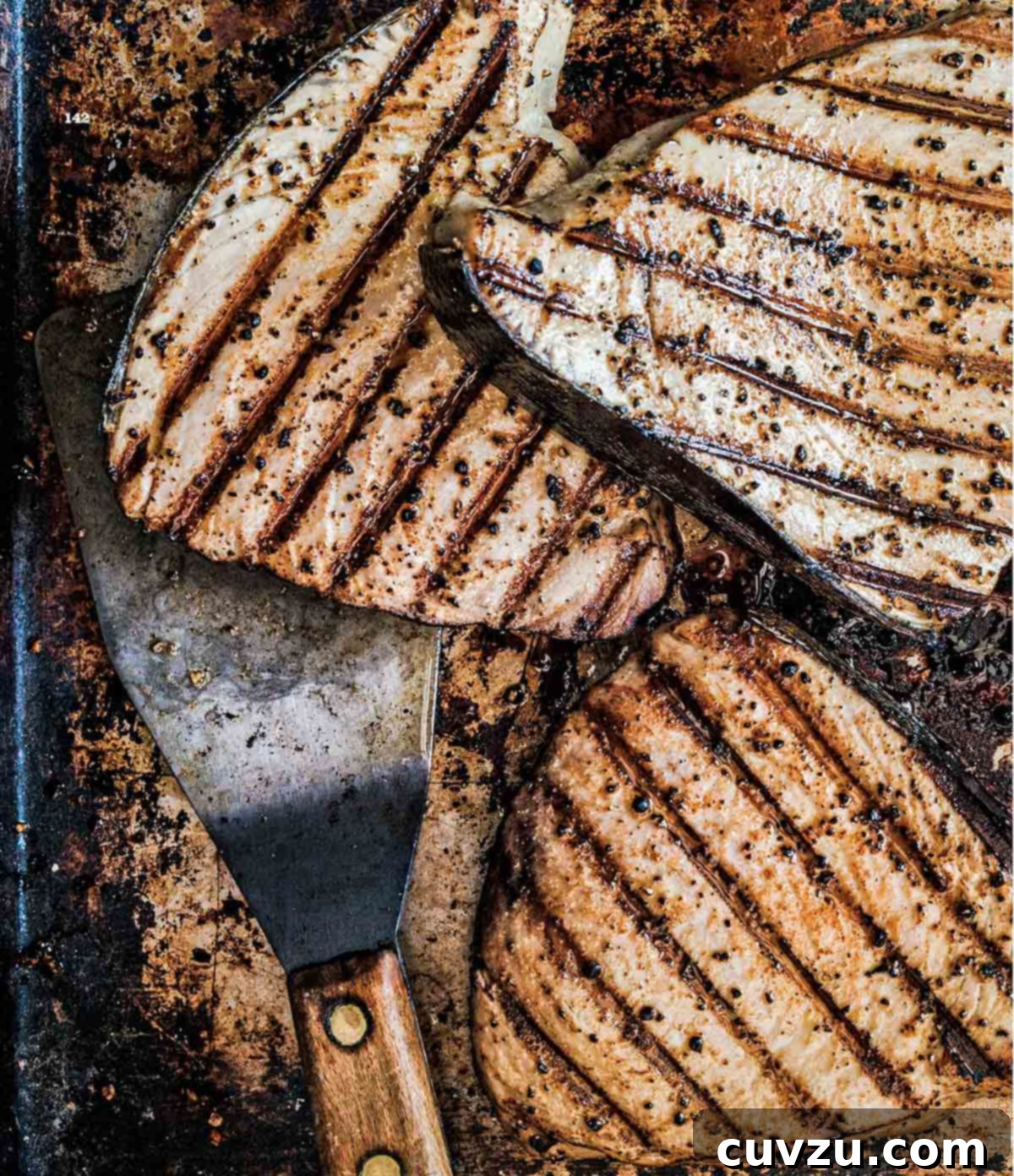
How to Grill Fish Perfectly Every Time: Your Ultimate Guide
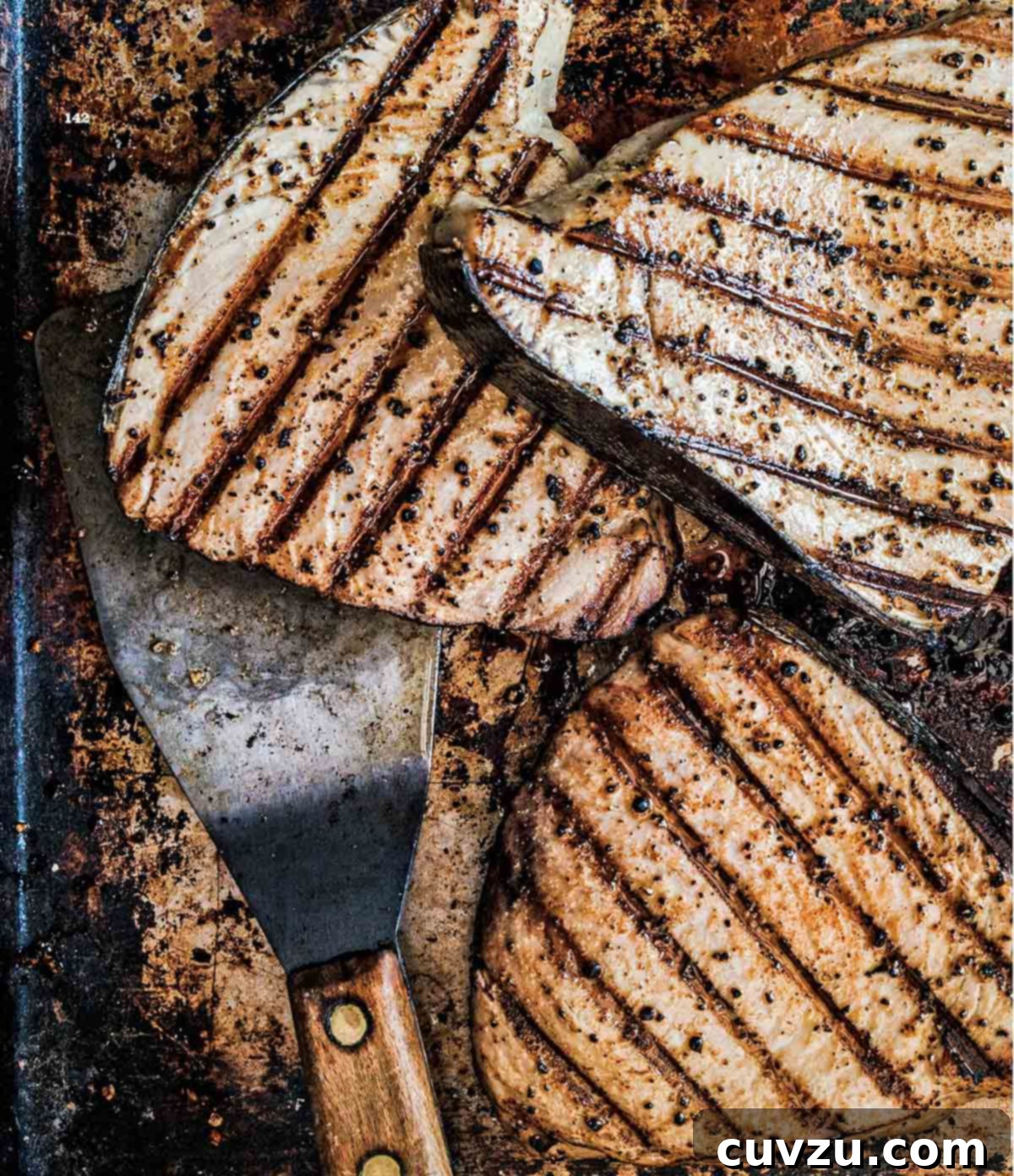
Are you ready to master the art of grilling fish, ensuring tender, flaky perfection with every bite? Whether you’re a grilling novice or a seasoned backyard chef, this comprehensive guide will walk you through the simple steps to achieve impeccably grilled fish. Forget complicated brines, elaborate marinades, or multi-day sauces. We believe that exceptional flavor doesn’t require immense effort, especially when it comes to the grill. Grilling should be spontaneous, easy, and above all, delicious.
Many of us are familiar with grilling burgers, hotdogs, steaks, or even vegetables. But fish, often perceived as delicate and challenging, deserves its place on the grates. While it does require a touch of finesse, the rewards are well worth it. This guide will demystify the process, turning you into a confident fish griller. Let’s reclaim the joy of simple, flavorful cooking al fresco!
Why Grill Fish? The Benefits of Bringing Seafood to the Heat
Grilling fish offers a multitude of advantages that make it a go-to cooking method for many. First and foremost, the unique flavor imparted by the grill is simply unmatched. The high heat creates a beautiful sear and a smoky char that enhances the natural taste of the fish, delivering a depth of flavor that baking or pan-frying often can’t replicate. It’s an experience that truly celebrates the freshness of seafood.
Beyond taste, grilling is an incredibly healthy way to cook. It typically requires minimal added fats, allowing the inherent goodness of the fish to shine. Many fish varieties are packed with lean protein, omega-3 fatty acids, and essential vitamins and minerals, making grilled fish an excellent choice for a nutritious meal. Furthermore, grilling is a remarkably quick cooking method, making it ideal for busy weeknights when you want a delicious, wholesome meal without spending hours in the kitchen.
Finally, there’s an undeniable charm to outdoor cooking. The sizzle of the fish on the grates, the aroma wafting through the air, and the social aspect of gathering around the grill create a memorable dining experience. It’s a return to the fundamentals of cooking, where fresh ingredients and direct heat combine to create something truly special.
Choosing the Best Fish for Grilling: Firmness, Flakiness, and Flavor
While almost any fish can technically be grilled, some varieties hold up to the direct heat of the grill much better than others. The key is often the fish’s firmness and fat content. Firmer, fleshier fish are less likely to fall apart on the grates, making them ideal for beginners and a safer bet for a successful grilling session.
For robust and easy-to-handle options, look for:
- Swordfish: Known for its meaty texture, swordfish steaks grill beautifully, developing a wonderful char without flaking apart.
- Salmon: A perennial favorite, salmon fillets (especially with the skin on) are rich in healthy fats, which keep them moist and prevent sticking. Its firm flesh makes it easy to flip.
- Tuna: Like swordfish, tuna steaks are very meaty and can be grilled to various degrees of doneness, from rare to well-done, much like a steak.
- Snapper: Whole snapper or thick fillets are excellent for grilling, offering a delicate yet firm white flesh that cooks up beautifully.
- Mahi-Mahi: This firm, sweet fish is another fantastic choice for the grill, retaining its integrity and flavor under high heat.
- Halibut: While slightly more delicate than swordfish or tuna, halibut fillets are firm enough to grill directly, especially if they are thick-cut.
- Bluefish: A strong-flavored, oily fish that stands up well to grilling, often preferred by those who enjoy a more pronounced “fishy” taste.
More delicate and flaky fish, such as cod, tilapia, or sole, can also be grilled successfully, but they require a bit more care. For these, grilling them skin-side down for most of the cooking time is crucial, as the skin acts as a natural barrier, preventing the flesh from sticking or breaking. Alternatively, using a fish basket or wrapping them in foil can offer extra protection. Remember, no matter what you’re grilling, if the fish seems “stuck” when you try to flip it, don’t force it! Proteins release naturally when they’re properly seared, meaning your spatula will slide underneath effortlessly when it’s ready.
Essential Tools for Grilling Fish Like a Pro
While you don’t need a professional kitchen setup to grill fantastic fish, a few key tools can make the process significantly easier and more enjoyable:
- Fish Spatula: This is arguably the most important tool. A good fish spatula is thin, flexible, and wide, allowing you to gently slide under delicate fillets without tearing them.
- Grill Brush: Keeping your grill grates clean is paramount to preventing fish from sticking. A sturdy grill brush will help you achieve those coveted non-stick surfaces.
- Fish Basket or Grill Grate Mat: For particularly delicate fish or smaller pieces, a grill basket provides excellent support, allowing you to flip the fish easily without direct contact with the grates. Grill mats also offer a non-stick surface and prevent small pieces from falling through.
- Tongs: Useful for arranging coals, adjusting grates, or handling other items on the grill.
- Instant-Read Thermometer: While not strictly necessary if you’re experienced, an instant-read thermometer can remove all guesswork, ensuring your fish is cooked to the perfect internal temperature (generally 145°F or 63°C).
- Oil and Seasonings: Olive oil, kosher salt, and freshly cracked black pepper are your basic allies for seasoning. Consider adding lemon, herbs, or spices for extra flavor.
Preparing Your Fish for Grilling: The Foundation of Flavor and Texture
Proper preparation is key to successful grilled fish. Even the best grilling technique won’t salvage poorly prepped fish. Here’s what you need to do:
- Pat Dry: Using paper towels, thoroughly pat your fish fillets or steaks dry on all sides. Excess moisture on the surface will steam the fish instead of searing it, preventing that beautiful crust from forming and making it more prone to sticking.
- Oil Generously: Lightly coat both sides of the fish with olive oil or another high-smoke-point oil (like avocado oil). This helps prevent sticking and promotes even browning.
- Season Simply and Effectively: A generous sprinkle of kosher salt and freshly cracked black pepper is often all you need to enhance the natural flavor of the fish. Don’t be shy with the salt; it brings out the best in seafood. For added zest, a squeeze of fresh lemon juice or a sprinkle of dried herbs like dill or parsley can be applied just before or after grilling.
- Bring to Room Temperature (Optional but Recommended): If time allows, let your fish sit at room temperature for about 15-20 minutes before grilling. This allows for more even cooking and can prevent the outside from overcooking before the inside is done.
How to Grill Fish: A Simple Recipe for Success
Want to know how to grill fish so it turns out perfectly every time? This simple technique is perfect for both beginners and experienced grill masters seeking foolproof results.
By David Leite
Ingredients
- 4 (6- to 8-ounce) fish fillets or steaks (of similar thickness), such as salmon, mahimahi, bluefish, or halibut
- 2 tablespoons olive oil
- Kosher salt and freshly cracked black pepper, to taste
Instructions
-
Set Up Your Two-Zone Fire: For charcoal grills, pile all the coals on one side of the grill, leaving the other side free of coals. This creates a direct heat zone and an indirect heat zone. Wait until the flames have died down, and all the coals are covered with gray ash. The temperature should be medium (you should be able to hold your hand 6 inches above the hot side for 4 to 5 seconds). For gas grills, preheat one side of the grill to medium-high heat and leave the other side off. This provides flexibility to move the fish if it’s cooking too quickly.
-
Prepare and Place the Fish: Rub the fish fillets thoroughly on both sides with olive oil, ensuring they are well-coated to prevent sticking. Sprinkle them generously with kosher salt and freshly cracked black pepper. If using a fish tray or basket, place the seasoned fillets within it. Carefully situate the fish directly over the coals (or the medium-high heat zone on a gas grill). Grill for 6 to 8 minutes on the first side. This initial sear is crucial for developing flavor and a non-stick surface.
-
Flip and Finish: With a wide, thin fish spatula, carefully flip the fillets. Cook until the fish is completely opaque throughout and flakes easily with a fork, approximately 3 to 8 minutes on the second side. The exact timing will vary based on the thickness of your fillets and the type of fish. To check for doneness, make a small incision in the thickest part of one fillet; the flesh should be uniformly opaque. If it’s not fully cooked, transfer the fish to the indirect heat side of the grill (the side without coals or the unheated side of a gas grill) and continue cooking until it reaches desired doneness.
-
Serve Immediately: Once the fish is perfectly cooked, use your spatula to transfer it to a warm serving platter or baking sheet. Serve at once, perhaps with a squeeze of fresh lemon, a sprinkle of fresh herbs, or a light sauce.

Adapted From
The Big-Flavor Grill
Buy On Amazon
Nutrition
Serving: 1 fillet or steak
Calories: 252 kcal
Protein: 40 g
Fat: 10 g
Saturated Fat: 2 g
Cholesterol: 99 mg
Sodium: 103 mg
Nutrition information is automatically calculated, so should only be used as an approximation.
Tried this recipe?
Mention @leitesculinaria or tag #leitesculinaria!
Expert Tips for Perfect Grilled Fish
- Clean and Oil Your Grates: This cannot be stressed enough. Clean grates are naturally less sticky. After cleaning, oil the hot grates just before placing the fish.
- Don’t Overcrowd the Grill: Give your fish space. Overcrowding lowers the grill temperature and can lead to uneven cooking and steaming instead of searing.
- Let the Fish Release: Patience is key. If the fish doesn’t easily release from the grates when you try to flip it, it’s not ready. Give it another minute or two.
- Consider Thickness: Thicker fillets will take longer to cook. Adjust your cooking times accordingly. For very thick pieces, you might start on direct heat for a good sear, then move to indirect heat to finish cooking through without burning the exterior.
- Skin On for Protection: If your fish has skin, leave it on. The skin protects the delicate flesh from direct heat, helps prevent sticking, and crisps up beautifully. Grill skin-side down for most of the cooking.
- Finish with Freshness: A squeeze of lemon juice, a sprinkle of fresh herbs like parsley or dill, or a drizzle of good quality olive oil after grilling can elevate the flavors significantly.
Serving Suggestions to Complement Your Grilled Fish
Grilled fish is incredibly versatile and pairs well with a variety of sides. Keep it simple to let the fish shine, or add complementary flavors for a more complex meal:
- Lemon Wedges: A timeless classic, fresh lemon brightens and enhances the fish’s flavor.
- Fresh Herbs: Chopped parsley, dill, or chives sprinkled over the cooked fish add a fresh aromatic touch.
- Light Sauces: A simple lemon-butter sauce, a fresh salsa (like a mango or tomato salsa), or a herbaceous chimichurri can provide a wonderful contrast.
- Grilled Vegetables: Asparagus, zucchini, bell peppers, or corn on the cob grilled alongside the fish make for a cohesive and healthy meal.
- Quinoa or Rice Pilaf: A light grain provides a balanced base for your grilled fish.
- Simple Salad: A fresh green salad with a vinaigrette dressing is always a refreshing accompaniment.
Recipe Testers’ Reviews
Linda M.
This recipe is super basic, but the possibilities are endless. I grilled wild Alaskan halibut that was delicious as prepared in this recipe. The grilled, salted, and peppered outside edge was my favorite part of the fillet. But it would be so easy to dress up any fish cooked this way with fruit salsa, tomato salsa, olive tapenade, or some other yummy topping.
The prep time was 3 minutes, and the total time (not including waiting for my charcoal to heat up) was 11 minutes. The fillets that I used were 1 inch thick. I only needed to cook them for 4 minutes per side, and I could have cut down the second side to about 3 minutes because I thought the fish was a tad overdone. I didn’t need a two-level fire because I never moved the fish away from the coals.
Helen Doberstein
How to grill fish is more of a technique than a recipe per se, but it’s as easy as could be. The total time for applying the oil, seasoning, and cooking was just under 20 minutes. A fast method for cooking fish.
We used cod—2 fillets were 1 inch thick, and 2 were 1 1/2 inches thick. We used a gas grill. The 2 inside burners were left off in case we needed them for indirect cooking. We cooked the 1-inch-thick fillets for 6 minutes per side and didn’t need to cook them any further. The 1 1/2-inch fillets were cooked for 8 minutes per side and didn’t need any further cooking. The results were tasty, and the fish was cooked until opaque through the middle. In fact, those fillets could have come off after 14 minutes, as they would have overcooked if not taken off when they were.
Linda Pacchiano
This is a very simple recipe. The how-to grill fish technique works as long as you use fish fillets with firm flesh. I used salmon the first time, which worked very well. The second time I used cod, which I placed in a lightly oiled grill basket. Cod is a pretty flaky fish and really needed the grill basket to hold it together.
I used a gas grill and placed the fillets over direct heat. The grill took about 15 minutes to get to the correct temperature. The hands-on time was about 10 minutes, and the grilling time was about 15 minutes for a total time of 25 minutes.