Homemade Red Wine Pasta: An Exquisite Culinary Journey
Embark on a unique culinary adventure with this captivating homemade red wine pasta recipe. This delightful dish transforms ordinary pasta dough into a vibrant, tender creation, substituting water with a rich red wine. The result is an eye-catching, deeply hued pasta that pairs exquisitely with robust, slow-braised ragus or other hearty sauces. Prepare to enchant your guests with its striking color and nuanced flavor, elevating any meal from simple to spectacular.
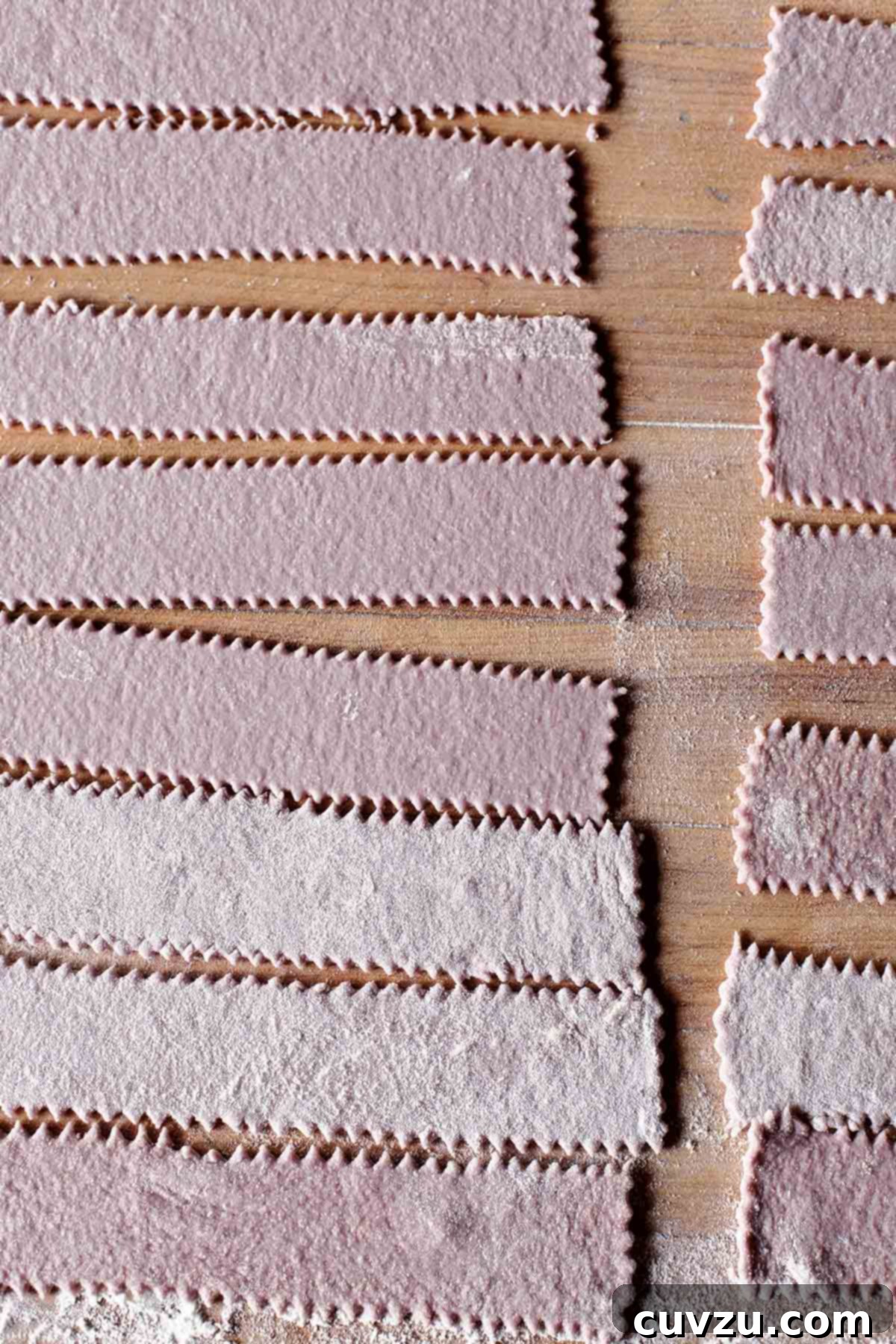
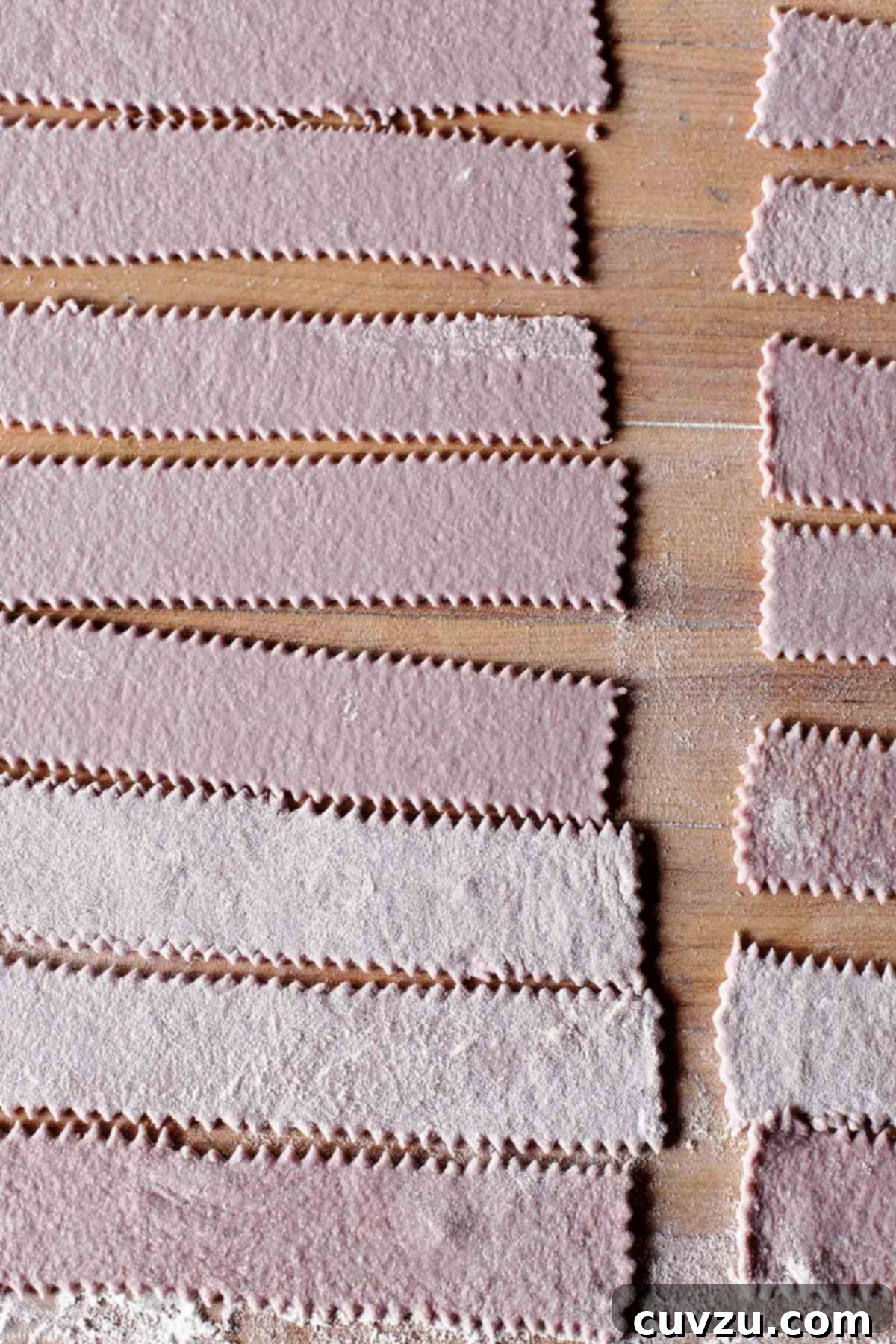
This recipe celebrates the ingenious twist of incorporating the beloved Italian beverage, red wine, directly into the pasta dough. Far from being a mere novelty, the wine imparts a subtle depth of flavor and a stunning, natural crimson hue that is simply irresistible. While its vibrant appearance might tempt you to admire it solely, this pasta is truly meant to be smothered in rich, savory sauces. We find it particularly exceptional when rolled into wide ribbons, known as pappardelle, as seen in the photograph above. This pasta shape is ideally suited to capture and hold the heartiness of a slow-cooked ragu, ensuring every bite is a symphony of textures and tastes. What’s even more delightful is how straightforward this seemingly sophisticated pasta is to prepare, proving that extraordinary results can often come from simple, thoughtful adjustments.
Understanding “00” Flour: The Secret to Silken Pasta
For any serious pasta maker, Italian “00” flour is an indispensable ingredient. While it may not be the cheapest option on the shelf, its unique qualities make it truly worth the investment. Often referred to as “Doppio Zero,” this flour is characterized by its exceptionally fine grind, resulting in a texture as smooth as silk. This fine milling process, combined with a slightly lower gluten content compared to standard all-purpose flour, is precisely what gives homemade pasta its desired tenderness and delicate chew.
Unlike bread flour, which boasts a high gluten content for elastic and chewy breads, 00 flour creates a pasta that is pliable and easy to work with, yet remarkably tender once cooked. The gluten that is present is incredibly soft, allowing the dough to be rolled very thin without tearing, and contributing to that melt-in-your-mouth quality that defines authentic Italian pasta. When seeking out this specialty flour, look for it in Italian delis, international markets, or the specialty baking aisle of larger grocery stores. Investing in 00 flour will undoubtedly elevate your pasta-making experience, delivering a superior texture that is hard to achieve with conventional flours.
The Magic of Red Wine in Your Pasta Dough
Incorporating red wine into pasta dough is a time-honored tradition in various Italian regions, particularly those renowned for their winemaking. The wine serves multiple purposes beyond just its distinctive color. As the pasta cooks, the alcohol evaporates, leaving behind subtle fruit notes, earthy undertones, and a faint acidity that beautifully complements a wide array of sauces. It’s an elegant way to infuse your pasta with an extra layer of complexity, making it a standout dish that guests will remember.
When choosing your red wine, opt for a dry variety that you enjoy drinking. A robust Cabernet Sauvignon, a fruity Merlot, or an earthy Sangiovese would all be excellent choices. Avoid overly sweet wines, as their sugars could negatively impact the dough’s texture and flavor balance. The natural tannins in red wine also play a role, contributing to the pasta’s structural integrity and preventing it from becoming overly soft during cooking. This innovative substitution not only delivers an unparalleled visual appeal but also imbues your pasta with a sophisticated flavor profile that truly sets it apart.
Homemade Red Wine Pasta
David Leite
Video: How to Make Homemade Pasta
For a visual guide on making homemade pasta, refer to the video below.
Ingredients
- 4 large eggs
- 2 tablespoons extra-virgin olive oil
- 2 cups dry red wine
- 8 cups 00 flour, plus more for dusting (refer to “What Is 00 Flour?” section for more details)
- Semolina flour, for dusting
- Salt, to taste
Instructions
-
Crack the eggs into a large liquid measuring cup and add approximately 2 tablespoons of extra-virgin olive oil. Pour enough dry red wine into the measuring cup until the total liquid volume reaches 2 1/2 cups (750 ml). Whisk these ingredients together thoroughly until well combined.
-
Create a well in the center of the 00 flour, which you’ve placed in a large bowl. Gradually pour the whisked red wine mixture into the well. Using your hands, gently work the liquid into the flour, incorporating it until the mixture begins to form a cohesive ball of dough.
-
Transfer the dough ball onto a clean, lightly floured work surface. Knead the dough vigorously for about 10 minutes, or until it becomes smooth, elastic, and springs back immediately when pressed lightly with a fingertip. This extensive kneading develops the gluten, crucial for tender pasta. Once kneaded, wrap the pasta dough tightly in plastic wrap and allow it to rest at room temperature for at least 30 minutes. This resting period is vital for relaxing the gluten, making the dough easier to roll.
-
To form pappardelle, as pictured, roll the pasta dough through a standard pasta machine, progressively thinning it until it reaches the number 4 setting. Lightly dust both sides of the pasta sheet with 00 flour and lay it on your work surface. Cut the sheet widthwise into sections approximately 8 inches long. Using either a fluted or straight pasta cutter, slice down the length of the pasta sheets to create noodles about 1 inch wide. Arrange the freshly cut noodles on a baking sheet generously dusted with semolina flour, ensuring they do not touch to prevent sticking. Alternatively, feel free to form the dough into any shape you desire, using your own experience or consulting a guide on pasta shaping techniques.
-
Bring a large pot of generously salted water to a rolling boil. Carefully add the fresh pasta to the boiling water and cook until it reaches the desired doneness. If you plan to toss the pasta in a skillet with sauce for a minute or two to finish cooking, aim for a slightly undercooked, “not quite al dente” stage (approximately 3 to 5 minutes). The pasta will continue to cook and absorb flavors in the sauce. If serving directly after draining, cook for an additional minute or so until it is perfectly al dente.
-
Once cooked, drain the pasta, reserving a small amount of the starchy cooking water. This reserved water can be used to loosen your sauce if it becomes too thick. Serve your homemade red wine pasta immediately, tossed with your chosen sauce, and garnish as desired.
Adapted From
Collards & Carbonara
Buy On Amazon
Nutrition Facts (Per Serving)
Calories: 571 kcal
Carbohydrates: 97 g
Protein: 16 g
Fat: 7 g
Saturated Fat: 1 g
Monounsaturated Fat: 4 g
Trans Fat: 0.01 g
Cholesterol: 93 mg
Sodium: 38 mg
Fiber: 3 g
Sugar: 0.4 g
Nutrition information is automatically calculated and should be used as an approximation only.
Tried this recipe?
Mention @leitesculinaria or tag #leitesculinaria!
Chef’s Notes & Expert Tips for Success
Creating perfect pasta dough requires a bit of practice and attention to detail. Here are some invaluable tips gathered from experienced chefs and recipe testers:
- The Importance of Kneading: Don’t underestimate the kneading step. The 10 minutes recommended are crucial for developing the gluten structure. A properly kneaded dough will be smooth, elastic, and spring back when poked. This elasticity is key to a tender, pliable pasta that won’t tear when rolled thin.
- Resting is Non-Negotiable: The 30-minute resting period allows the gluten to relax. Skipping this step will result in a tough, uncooperative dough that’s difficult to roll and shape. Think of it as giving the dough a brief meditation session!
- Rolling Thickness Matters: While many believe thinner is always better for pasta, our recipe testers (like Elie Nassar and Ralph Knauth) found that rolling the red wine pasta to a number 4 setting on a standard pasta machine (a medium thickness) worked exceptionally well. This slightly thicker noodle holds up beautifully to rich sauces and prevents it from breaking apart, especially if it’s going to simmer briefly in a skillet with your sauce.
- Dusting for Success: Always have extra 00 flour and semolina flour on hand. Dust your work surface, pasta sheets, and freshly cut noodles generously to prevent sticking. Semolina is particularly good for this as its coarser texture provides excellent anti-stick properties.
- Adjusting for Humidity: The amount of flour needed can vary slightly depending on the humidity in your kitchen. If your dough feels too sticky, add a little more flour, a tablespoon at a time, until it reaches the right consistency. If it’s too dry, a tiny bit more wine or water can be incorporated.
- Pairing with the Right Sauce: This red wine pasta shines brightest with robust, savory sauces. Think slow-braised beef ragu, lamb shoulder ragu, wild mushroom sauce, or a rich Bolognese. The pasta’s deep flavor and color make it a perfect canvas for such hearty companions.
Recipe Testers’ Reviews
Gene C.
The homemade red wine pasta was very good and, in fact, my tasters said it was awesome. I only used 1/4 of the red wine pasta recipe and saved the rest for another meal. (It can be kept in the fridge for a short time or frozen or just reduce the recipe.)
Natalie Reebel
The homemade pasta is a lovely, deep, lavender color. I only made half of the red wine pasta dough and it came together just as written without any problems. The pasta was easy to work with, but it did take 40 minutes to roll and cut half the dough recipe.
Elie Nassar
I was a bit skeptical at first about the instruction to roll the pasta to the #4 setting on your pasta machine. That’s a bit thicker than I normally roll pasta. But it really worked well. I served it with the oxtails braised in red wine, and the thick, soft noodles carried the sauce perfectly and retained a great texture.
Ralph Knauth
Usually you should roll out pasta as thinly as possible. Here the author recommends a medium thickness (#4 on your pasta machine). I first thought, that’s way too thick and the pasta will taste too chewy. But it works really well, especially since you cook the pasta in the sauce for a couple minutes and don’t want it to break apart. Besides, it’s very easy to roll out with the machine when you don’t make it too thin. Try to get the 00 flour. It really makes a difference in the pasta. If you can’t get it, mix some all-purpose flour with some cake flour to decrease the protein content.
Making Ahead and Storage
One of the beauties of homemade pasta is its versatility in terms of preparation and storage. While fresh pasta is always best enjoyed immediately, you can certainly prepare the red wine pasta ahead of time:
- Refrigerating Fresh Pasta: Once you’ve shaped your pasta, dust it generously with semolina flour and loosely coil it into nests or lay it flat on a semolina-dusted baking sheet. Cover it with plastic wrap or a clean kitchen towel and refrigerate for up to 24 hours. This allows the pasta to dry slightly, which can improve its texture when cooked.
- Freezing Fresh Pasta: For longer storage, fresh pasta freezes wonderfully. After shaping, arrange the noodles in a single layer on a semolina-dusted baking sheet and freeze until solid (about 30-60 minutes). Once firm, transfer the frozen pasta to an airtight freezer bag or container. This prevents the noodles from clumping together. Frozen pasta can be stored for up to 1 month. There’s no need to thaw frozen pasta before cooking; simply add it directly to boiling salted water, adding a few extra minutes to the cooking time.
- Storing the Dough: If you prefer to make the dough ahead, wrap the kneaded dough tightly in plastic wrap and refrigerate for up to 2 days. Allow it to come to room temperature for about 30 minutes before rolling and shaping.
Serving Suggestions and Wine Pairings
This red wine pasta is a dish designed for hearty elegance. Its robust flavor and striking color make it the star of any plate. Here are some ideal serving suggestions:
- Ragu Reinvented: As mentioned, wine-braised ragus are a match made in heaven. A slow-cooked beef, lamb, or wild boar ragu will cling beautifully to the wide pappardelle ribbons, creating a truly comforting and luxurious meal.
- Mushroom Magic: For a vegetarian option, a rich wild mushroom ragu or a creamy mushroom sauce would be equally delightful, allowing the earthy notes of the mushrooms to harmonize with the subtle wine flavor in the pasta.
- Simple yet Sophisticated: Sometimes, simplicity is key. A simple sauce of browned butter and sage, perhaps with a sprinkle of toasted walnuts or fresh Parmesan, would allow the pasta’s unique character to truly shine.
- Wine to Drink: To complement the red wine pasta, select a medium-bodied red wine. A Chianti, Merlot, or a light-bodied Zinfandel would be excellent choices, echoing the flavors within the pasta without overpowering them.
Making homemade red wine pasta is not just about cooking; it’s an experience. From the vibrant color of the dough to the subtle flavor it imparts, this recipe is a testament to how simple ingredients, elevated by a touch of creativity, can transform a meal. Gather your ingredients, roll up your sleeves, and prepare to create a truly memorable dish that will delight both your eyes and your palate.