
Açorda de Mariscos: The Ultimate Portuguese Bread Soup with Shrimp

Dive into the heart of Portuguese comfort food with this exquisite Portuguese bread soup with shrimp, affectionately known as Açorda de Mariscos. Far more than just a soup, this hearty and deeply flavorful dish is a complete meal, bringing together succulent shrimp, savory sausage, ripe tomatoes, sweet onions, and the unique texture of Portuguese cornbread. It’s a classic for a reason – a truly satiating experience that delights the senses and warms the soul.
Lisbon’s açorda, or bread soup, is made with fresh seafood—usually prawns (large shrimp)—and tends to have a risotto-like texture. Although city folk traditionally prefer the elegance of white bread, cornbread makes a particularly good seafood açorda, as the sweetness of the crumbled cornbread works well with crustaceans. –Elisabeth Luard
A Hearty Debate: Is Açorda Truly a Soup?
When you first encounter Açorda de Mariscos, you might find yourself pondering its classification. We certainly did! While named a “soup,” its substantial texture and rich composition often lead people to compare it more to a stew or even a unique, bread-based risotto. This dish defies simple categories, offering a unique culinary experience that transcends typical definitions.
Unlike thin, brothy soups, açorda is characterized by its density. Stale bread is soaked and then fully incorporated into a flavorful broth, creating a creamy, porridge-like consistency that is profoundly satisfying. This method, common in Portuguese cuisine, transforms humble ingredients into a luxurious, filling meal. The taste, the captivating aroma, the stunning appearance, and above all, its deeply satiating texture, consistently evoke a single, enthusiastic response: “Wowsa!” It’s a dish that demands attention and rewards with unparalleled flavor.
Historically, açorda originated as a peasant dish, a resourceful way to utilize stale bread and whatever ingredients were on hand, often fish or vegetables. Over centuries, it evolved, particularly in coastal regions like Lisbon, to embrace the bounty of the sea, with prawns and other seafood becoming prominent additions. This rich culinary heritage is a testament to Portuguese ingenuity and their ability to craft incredibly flavorful dishes from simple, honest ingredients.
Explore More Superb Shellfish Creations
Classic Spanish Paella
Total Time: 1 hr 45 mins
Rich Seafood Gumbo
Total Time: 5 hrs 15 mins
Savory Shrimp Paste
Total Time: 30 mins
Comforting Oyster Stew
Total Time: 20 mins
Share Your Culinary Journey: Write a Review
If you embark on the delightful journey of making this Portuguese bread soup, or any other cherished recipe from our collection, we’d be thrilled to hear about your experience! Please consider leaving a review, a star rating, and your most captivating photo in the comments section below. Your feedback and culinary creations inspire us all. –David

Authentic Portuguese Bread Soup with Shrimp (Açorda de Mariscos)
This incredible Portuguese bread soup with shrimp, or açorda de mariscos, is a truly satiating meal built upon the rich flavors of shrimp, savory sausage, sweet tomatoes, aromatic onions, and traditional Portuguese cornbread. A true taste of Portugal.
Recipe by David Leite
Mains
Portuguese
4 servings
909 kcal
30 minutes
1 hour
1 hour 30 minutes
Ingredients
For the bread, choose a good quality loaf that will absorb the rich flavors:
- 1 pound (about 1/2 loaf) dried-out broa (Portuguese cornbread), or any stale rustic loaf of bread
- 2 large onions or leeks, for a sweet aromatic base
- 2/3 cup olive oil, a staple in Portuguese cooking
- 4 pounds ripe tomatoes, providing the rich, acidic backbone
- 1 whole head garlic, separated into cloves and peeled, for pungent depth
- 1 teaspoon black peppercorns, freshly crushed for maximum flavor
- 1 teaspoon coriander seeds, freshly crushed to release their fragrant notes
- 1 teaspoon dried oregano, for earthy, Mediterranean undertones
- 1 pound raw jumbo shrimp, shelled or not, depending on your preference for ease of eating or added shell flavor
- 4 ounces chouriço or chorizo, roughly sliced (optional, but highly recommended for smoky depth)
- 1 tablespoon anchovy paste, or 2 to 3 canned anchovy fillets, crushed (optional, yet incredible for accentuating seafood notes)
- A small pat butter (optional, for added richness at the end)
- Plenty of freshly chopped cilantro leaves, for garnish and bright flavor
Instructions
-
Begin by preparing your bread: tear it into rustic, bite-sized pieces. Place these pieces into a large bowl and add enough lightly salted water to completely submerge them. Allow the bread to stand and soak at room temperature for a minimum of two hours. This crucial step ensures the bread fully softens and is ready to meld into the soup.
-
While the bread is soaking, turn your attention to the aromatics. Thinly slice your onions or leeks. In a large skillet, gently heat 1/3 cup of the olive oil over medium heat. Add the sliced onions or leeks and cook them slowly, stirring occasionally. The goal is to achieve a beautiful softened, golden state, which usually takes about 30 minutes. This caramelization will add a wonderful sweetness to the soup.
-
Simultaneously, roughly chop the ripe tomatoes. Transfer them to a large, roomy pot. Add the remaining olive oil and the peeled garlic cloves. Cook over medium heat, allowing the tomatoes to break down and reduce until their volume is roughly half of what you started with. This process concentrates their flavor, forming a rich tomato base.
-
Next, prepare your spices. Crush the black peppercorns and coriander seeds using a mortar and pestle, or a spice grinder. Add these freshly crushed spices to the cooking tomatoes in the pot, along with the dried oregano. Stir well to combine. For a smoother soup base, push the cooked tomato mixture through a strainer, returning the refined liquid to the pot. This step is optional but contributes to a more elegant texture.
-
Now, turn your attention back to the soaked bread. Use your hands to thoroughly squeeze out all excess water from the bread. Add this squeezed-out bread to the pot with the tomato base, along with 4 cups of cold water. Stir everything together. Bring the mixture to a gentle bubble and let it cook for another 20 minutes, stirring occasionally to prevent sticking and ensure the bread begins to amalgamate with the broth. Then, stir in the softened onions or leeks (including their cooking oil), the raw shrimp, the sliced chouriço (if you’re using it), and the anchovy paste or crushed anchovies (if desired – trust us, the anchovies truly deepen the seafood flavor without being overtly fishy).
-
Continue to cook the soup for an additional 20 minutes. During this time, the bread will fully meld into the broth, creating that distinctive, risotto-like consistency that defines açorda. The flavors will deepen and harmonize beautifully. Before serving, stir in a small pat of butter, if you desire an extra touch of richness. Finish this glorious dish with a liberal scattering of fresh, chopped cilantro leaves for a bright, aromatic flourish. Serve immediately and savor every hearty spoonful.
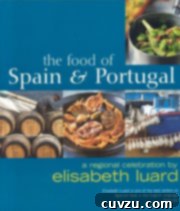
Adapted From
The Food of Spain and Portugal
Buy On Amazon
Nutrition Facts (Per Serving)
Serving: 1 portion
Calories: 909 kcal
Carbohydrates: 82 g
Protein: 38 g
Fat: 49 g
Saturated Fat: 9 g
Monounsaturated Fat: 27 g
Trans Fat: 1 g
Cholesterol: 164 mg
Sodium: 1749 mg
Fiber: 12 g
Sugar: 21 g
Nutrition information is automatically calculated and should be used as an approximation only. Actual values may vary.
Tried this recipe?
Mention @leitesculinaria or tag #leitesculinaria! We love seeing your culinary creations!
Insights from Our Culinary Panel: Recipe Testers’ Reviews
Jody Ann M.
In my quest for a truly hearty comfort dish, especially one suitable for a chilly evening, this Portuguese bread soup with shrimp, or Açorda de Mariscos, emerged as an absolute winner. It did not disappoint in the slightest! To further embrace the authenticity of this exquisite dish, I opted to bake my own traditional Portuguese cornbread, known as broa. This decision paid off immensely, not only enhancing the inherent flavors of the soup but also providing a robust structure that admirably held up against the liquid and the extended cooking time required.
The synergy of ingredients in this dish was remarkable. The subtly sautéed leeks, offering a gentle sweetness, intertwined beautifully with the slight smoky undertone from the optional chouriço. Crucially, the cornbread integrated flawlessly, achieving a smooth, non-grainy consistency—a common concern with some cornbread-based recipes. Adding the plump shrimp elevates this creation to a complete meal, delivering a fulfilling and deliciously savory experience. Each spoonful transported me back to comforting childhood memories of dipping crusty bread into my grandmother’s rich gravy. Without a doubt, this is a recipe I will revisit repeatedly and enthusiastically recommend to friends and family alike.