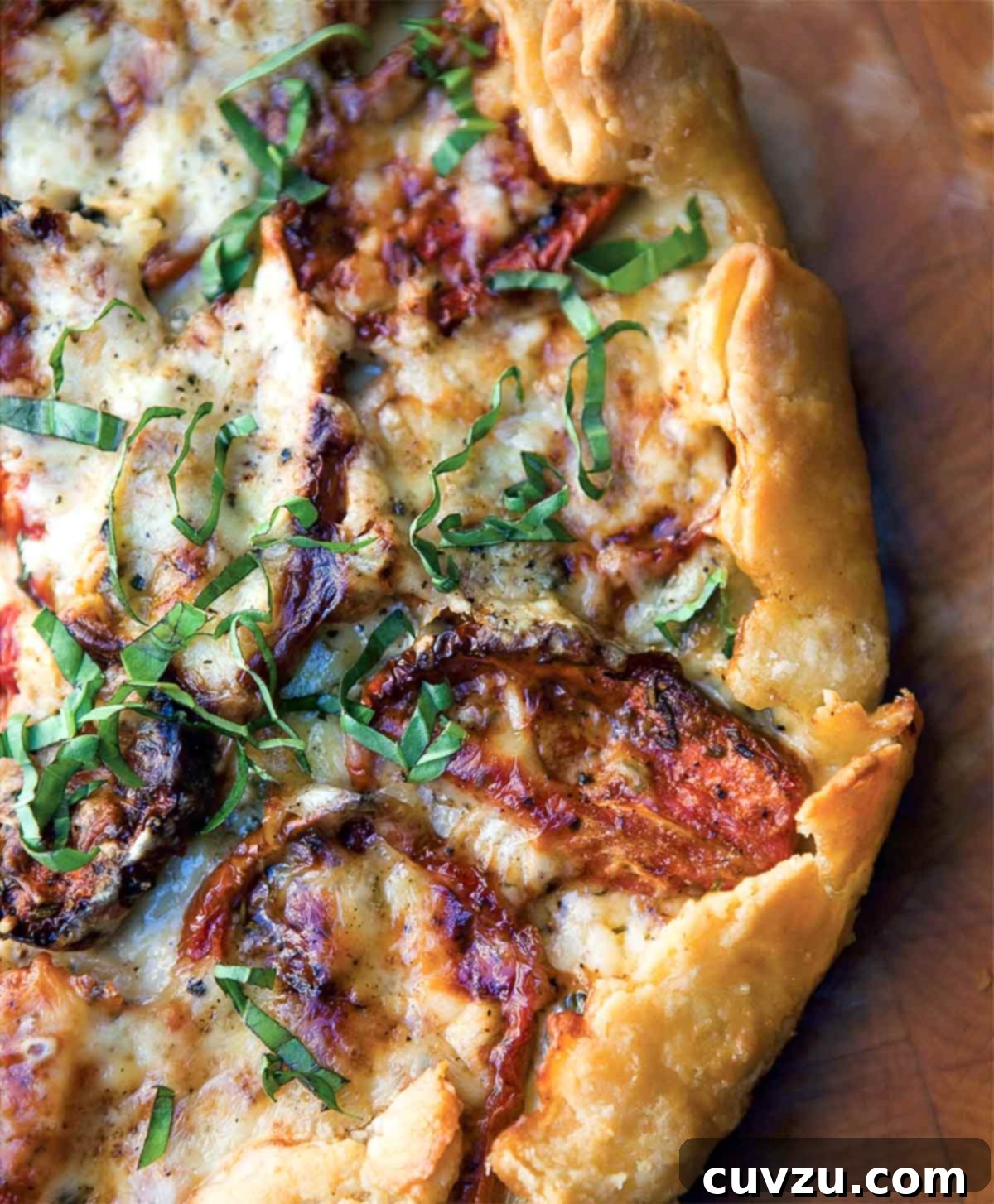
Prepare to be enchanted by the **Ultimate Roasted Tomato Tart with Cheddar and Basil**, a culinary masterpiece that perfectly encapsulates the vibrant flavors of summer. This isn’t just any tart; it’s a celebration of intensely concentrated, slow-roasted tomatoes, nestled within a golden, free-form pastry crust and elevated by the sharp tang of aged Cheddar and the aromatic freshness of basil. It’s a dish that promises to transform your dining experience, making every bite a memorable one. Ideal for a sophisticated appetizer or a delightful main course, this savory tart is a testament to simple ingredients prepared with thoughtful technique.
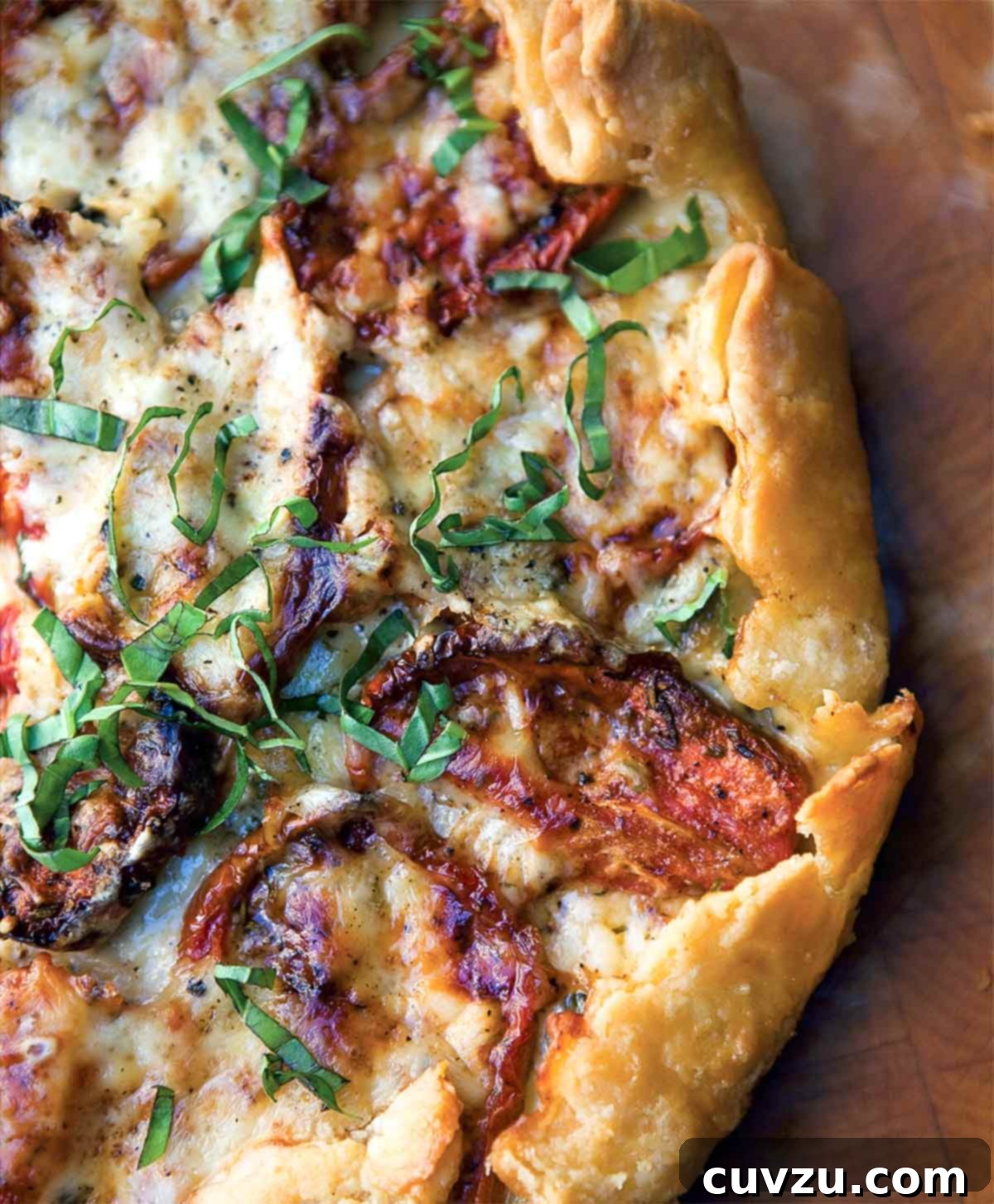
Why Slow-Roasting Tomatoes is the Secret to This Tart’s Success
The secret to this roasted tomato tart’s extraordinary flavor and perfect texture lies in a simple yet transformative technique: slow roasting. Any tomato variety, from the everyday plum or Roma tomatoes found at your local supermarket to the beautifully misshapen heirlooms from a farmers’ market, can be elevated to new heights with this method. Slow roasting these juicy orbs (or oblongs, depending on your choice) doesn’t just cook them; it meticulously concentrates their inherent sweetness while preserving their essential acidity, creating a profound depth of flavor that raw tomatoes simply cannot achieve.
Traditional tomato tarts often face a common pitfall: a soggy crust. Raw tomatoes release a significant amount of liquid during baking, turning an otherwise crisp pastry into a disappointing, wet mess. Our ingenious solution? Slow roasting them beforehand. This process gently draws out excess moisture over several hours, intensifying the tomatoes’ natural sugars and umami notes. The result is a richer, more robust tomato flavor that truly shines, ensuring your pastry remains wonderfully flaky and crisp. This careful preparation elevates the tart from a mere dish to a sublime culinary experience. Once you taste the difference, you’ll understand why this extra step, while requiring patience, is not just recommended, but absolutely essential for a truly outstanding, non-soggy tart. It’s a testament to the fact that sometimes, the best flavors take time.
What Our Community Says: A Glowing Testimonial
Don’t just take our word for it. Our community of home bakers and culinary enthusiasts consistently raves about this recipe. Here’s a glimpse of the enthusiasm:
“Oh my! This was so delicious! The roasted tomatoes were sweet and robust. The crust was to die for. I had no issue with the crust becoming soggy. It takes time to do this in a day, so plan ahead. But, it is so worth it!”
—Karen
Karen’s feedback perfectly captures the essence of this tart: a labor of love that rewards patience with unparalleled flavor and texture. The “to-die-for” crust and the “sweet and robust” roasted tomatoes are recurring themes among those who’ve tried it, reinforcing our belief that this recipe is a true standout.
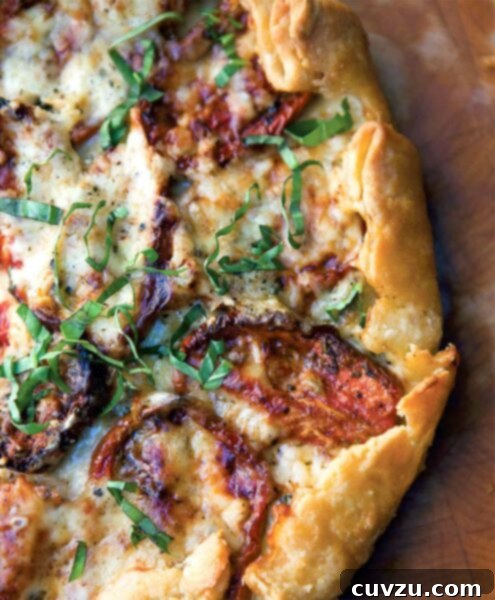
Roasted Tomato-Basil Tart: A Detailed Recipe Guide
This roasted tomato tart with Cheddar and basil is brimming with flavorful slow-roasted tomatoes that bear an intensely concentrated essence and melds it all with an easy free-form pastry crust, perfect for any season.
Recipe by David Leite
Print Recipe
Ingredients
For the Slow-Roasted Tomatoes (The Flavor Powerhouse)
- 2 pounds plum tomatoes, (or smallish heirloom tomatoes of any sort; choose firm, ripe tomatoes for the most concentrated flavor after roasting)
- 1/4 cup extra-virgin olive oil, (for drizzling over the tomatoes before roasting)
- 1 tablespoon finely chopped rosemary leaves, (fresh is highly recommended for its potent, earthy aroma that complements tomatoes beautifully)
- Salt and freshly ground black pepper, (to taste, for seasoning the tomatoes before and during roasting)
For the Flaky Tart Dough (The Perfect Foundation)
- 1 cup all-purpose flour, plus additional for dusting the work surface when rolling out the dough
- 1/4 teaspoon salt, (to enhance the flavor of the crust)
- 6 tablespoons (3 oz) unsalted butter, chilled and cut into small pieces; this is essential for achieving a wonderfully flaky and tender crust
- 4 to 5 tablespoons ice water, (use judiciously, adding just enough to bring the dough together without making it sticky or wet)
For Assembling the Tart (Layers of Flavor)
- 2 tablespoons extra-virgin olive oil, plus a bit more for drizzling over the assembled tart before baking
- 1 large yellow onion, thinly sliced; choose a sweet variety for the best flavor
- Salt and freshly ground black pepper, (to season the caramelized onions)
- 1/2 pound St. George* or medium-aged white Cheddar cheese, shredded; this provides a wonderful sharp and tangy counterpoint to the sweet tomatoes
- 1/2 cup chiffonade of basil leaves, (meaning cut into long, narrow strips; this technique ensures even distribution and releases maximum aroma)
- 2 tablespoons crème fraîche, (adds a subtle tang and richness to the onion mixture, enhancing its creaminess)
- 1 large egg mixed with 1 tablespoon whole milk, (this egg wash is brushed over the crust to create a beautiful golden-brown and slightly glossy finish)
Step-by-Step Instructions for Perfect Preparation
Phase 1: Crafting the Slow-Roasted Tomatoes
-
Begin by preheating your oven to a gentle 225°F (107°C). This low temperature is paramount for slowly dehydrating the tomatoes, which intensifies their natural sweetness and prevents them from becoming mushy during roasting.
-
Carefully cut each plum tomato in half crosswise. If you’re using larger plum tomatoes or any size heirloom tomatoes, thickly slice them crosswise into approximately 4 portions. Arrange these sliced tomatoes, cut side up, on a rimmed baking sheet. Drizzle them generously and evenly with the extra-virgin olive oil, then sprinkle with the finely chopped rosemary, and season lightly yet thoroughly with salt and freshly ground black pepper. Roast the tomatoes until their moisture is almost entirely removed, which typically takes between 4 to 6 hours, depending on the initial size and water content of your tomatoes. The goal is for the tomatoes to be dry but still soft and pliable to the touch; when you gently press a tomato with your finger, it should feel plump but yield no liquid. For sliced tomatoes, you might want to start checking for doneness as early as 2 hours to prevent them from becoming too leathery. Once perfectly roasted, remove them from the oven and allow them to cool completely. This slow roasting process is crucial for achieving that deeply concentrated, rich tomato essence without a soggy crust.
Phase 2: Preparing the Flaky Tart Dough
-
In a medium-sized mixing bowl, whisk together the all-purpose flour and salt until well combined. Scatter the small, thoroughly chilled pieces of unsalted butter evenly over the flour mixture. Using your fingertips, gently work the butter into the flour. The mixture should resemble a coarse meal with some pea-sized pieces of butter remaining. The key here is to avoid overworking the dough, as excessive handling can develop the gluten and lead to a tough, less flaky crust. Gradually drizzle 4 tablespoons of ice water over the flour and butter mixture. Use a fork to gently toss and stir the ingredients. Continue mixing just until the dough begins to come together in a cohesive clump. If the dough still appears too dry and crumbly, add the fifth tablespoon of ice water, one teaspoon at a time, until it forms a soft, workable ball. Remember, it’s better to err on the side of slightly dry than overly wet.
-
Once the dough has formed, gather it into a ball and lightly flatten it into a thick disk on a lightly floured work surface. Wrap the dough tightly in plastic wrap. Refrigerate the dough for at least 1 hour, or ideally up to 2 days. Chilling the dough is a vital step; it allows the gluten to relax, which makes the dough much easier to roll out without shrinking, and it solidifies the butter, which will create steam in the oven, contributing significantly to a tender and flaky crust. This step can easily be done a day in advance to streamline your baking process.
Phase 3: Assembling and Baking the Masterpiece
-
Adjust an oven rack to the lower third of your oven and preheat the oven to 375°F (190°C). Positioning the rack here ensures the tart’s bottom crust cooks thoroughly and crisps up beautifully, preventing any potential sogginess.
-
In a sauté pan, heat the 2 tablespoons of olive oil over low heat. Add the thinly sliced yellow onion and stir to coat evenly. Cover the pan and allow the onion to “sweat” over low heat for 10 to 15 minutes, or until it becomes very soft and translucent. It’s important not to let the onion brown at this stage if you desire a sweet, mellow base for your tart. However, if you prefer a deeper, more intensely flavored onion, you can uncover the pan and continue cooking them until they turn golden brown and caramelized. Once cooked to your preference, remove the pan from the heat, season the onions with a pinch of salt and pepper, and let them cool completely.
-
Line a baking sheet with parchment paper. On a lightly floured work surface, roll out the chilled tart dough into a round approximately 12 inches in diameter. Work quickly but gently to prevent the dough from warming too much, which can make it difficult to handle. Carefully transfer the rolled dough round to the prepared baking sheet with the parchment paper.
-
Generously layer half of the shredded Cheddar cheese over the dough round, ensuring you leave a clear 1-inch border uncovered around the entire edge of the dough. In a small bowl, combine the completely cooled onion mixture with the fragrant chiffonade of basil and the crème fraîche. Mix these ingredients thoroughly until well combined. Spread this savory onion and basil mixture evenly over the cheese layer on the tart dough. Next, artfully arrange the slow-roasted tomatoes over the onion mixture, ensuring they are distributed nicely. Finally, cover the tomatoes with the remaining shredded cheese. Season the entire tart lightly with a little more salt and freshly ground black pepper, and finish with a delicate drizzle of extra-virgin olive oil for added flavor and a beautiful sheen.
-
Now, create your beautiful free-form crust. Carefully fold the uncovered 1-inch edge of the dough inward onto itself, working your way around the perimeter and forming uniformly spaced pleats every few inches. This creates a stunning, rustic border that not only looks professional but also helps contain the delicious filling. In a small bowl, whisk together the large egg with 1 tablespoon of whole milk to create an egg wash. Gently brush this egg wash over the folded edge of the dough; this will give your crust a lovely golden-brown sheen and irresistible crispness as it bakes.
-
Transfer the baking sheet with the assembled tart to the preheated oven. Bake for approximately 30 to 40 minutes, or until the crust is a beautiful golden brown and the cheese is bubbly, melted, and slightly caramelized at the edges. Keep a close eye on it during the final minutes to prevent over-browning. Baking times can vary based on your oven, so trust your eyes and nose! Once baked to perfection, remove the tart from the oven and carefully slide it onto a wire rack. Allow it to cool until it’s warm or reaches room temperature before slicing and serving. This resting period allows the filling to set and makes for cleaner, more appealing slices. Enjoy this delightful tart as a standalone main course, a sophisticated appetizer, or a charming side dish.
Helpful Notes & Ingredient Spotlight
*What is St. George cheese? And what are good substitutes?
St. George cheese, proudly produced in northern California, is a semi-hard to hard cow’s milk cheese that shares similarities with Cheddar but is crafted in the traditional style of cheeses from the Azorean island of São Jorge. It boasts a firm yet buttery texture, offering intriguing spicy and tangy undertones that add a complex layer of flavor to dishes. If St. George cheese isn’t readily available in your area, don’t fret! Excellent substitutes that will still deliver a fantastic flavor profile include a good quality, sharp white Cheddar for its familiar tang and excellent melting properties. Alternatively, a Manchego cheese (a Spanish sheep’s milk cheese) offers a delightful nutty and slightly salty profile that pairs wonderfully with the sweetness of roasted tomatoes and the freshness of basil. Feel free to experiment with other medium-aged, flavorful cheeses that you enjoy and that melt well, such as Gruyère or even a smoked Gouda for an interesting twist.
Adapted From
Cooking My Way Back Home
Buy On Amazon
Nutrition Information (Approximate)
Calories: 385 kcal
Carbohydrates: 19 g
Protein: 11 g
Fat: 30 g
Saturated Fat: 14 g
Monounsaturated Fat: 13 g
Trans Fat: 1 g
Cholesterol: 78 mg
Sodium: 231 mg
Fiber: 2 g
Sugar: 4 g
Nutrition information is automatically calculated and should be used as an approximation. Actual values may vary based on ingredients and precise preparation methods.
Tried this recipe? Share your culinary creations!Mention @leitesculinaria or tag #leitesculinaria on Instagram! We love seeing your delicious results!
Insights from Our Esteemed Recipe Testers
At Leite’s Culinaria, we believe in perfecting every recipe through rigorous testing and invaluable feedback from our dedicated community. This ensures that each dish you create is nothing short of spectacular. Here’s what our expert recipe testers had to say about the Roasted Tomato Tart with Cheddar and Basil, including their valuable tips and observations:
Erin W.
Erin was thoroughly impressed, declaring this tart a definite “make again” recipe for its exquisite blend of late-summer tomatoes and high-quality white Cheddar. She found that even readily available grocery store plum tomatoes yielded incredible “smoky sweet goodness” after slow roasting, leading her to believe this tart could be a versatile, year-round delight. The tart dough proved to be exceptionally easy to work with, coming together quickly in her food processor and rolling out effortlessly to achieve a rustic, yet professional-looking crostata. Erin noted that her halved plum tomatoes remained quite moist even after 4 to 6 hours of roasting. Her insightful recommendation for future attempts includes cutting plum tomatoes into quarters instead of halves to facilitate better moisture removal and further reduce any risk of a soggy bottom. She also observed that 2 pounds of tomatoes felt quite generous for the tart’s size, suggesting that some layering or slight adjustment might be needed to fit all the delicious roasted tomatoes.
Lori Widmeyer
Lori, a long-time admirer of tomato pie, enthusiastically praised this recipe’s ingenious use of roasted tomatoes as a brilliant solution to the common problem of soggy crusts often encountered with raw tomatoes. She observed that the slow-roasted tomatoes developed a beautiful, dark, rich color with appealing brown edges, indicating a deep concentration of flavor. Lori’s strategic approach of preparing the tart dough, roasting the tomatoes, and sautéing the onions the day before made the final assembly remarkably easy, allowing her to host a wonderful dinner with friends without stress. She served the tart as a centerpiece alongside a fresh salad, marinated roast pork tenderloin, and rolls, highlighting its versatility and impressive presence on any dinner table.
Adrienne Lee
Adrienne found the tart to be both delicious and visually stunning, making it a perfect dish to showcase seasonal tomatoes. She highly appreciated the recipe’s flexibility, noting that it can be easily broken down into manageable, make-ahead steps over several days or tackled as a rewarding weekend cooking project. She specifically pointed out that the onions cooked faster than the recipe stated and could definitely be prepared a day ahead. Adrienne even suggested that allowing the onions to brown slightly (caramelize) would further enhance their flavor, especially for those who appreciate the deep sweetness of caramelized onions. The dough, too, benefits significantly from being made in advance. Adrienne used aged sharp white Cheddar, finding its robust taste perfectly harmonious with the other ingredients. Her tart baked to perfection in approximately 30 minutes, resulting in a delightfully thin and crisp crust.
Linda Pacchiano
Linda’s experience with this recipe was so positive that she made the tart twice, garnering rave reviews from her tasters on both occasions. Utilizing her own homegrown San Marzano-style tomatoes, she achieved an incredibly sweet, rich, and intense tomato flavor after slow roasting. She attributed the “perfectly tender and flaky” crust to mixing it by hand, contrasting this method favorably with the sometimes tougher results that can come from using a food processor for pastry dough. Her tomatoes roasted for exactly 4 hours, reaching a desirable texture that was quite dry yet still soft to the touch, closely resembling sun-dried tomatoes—a perfect consistency for the tart. Her tart finished baking in 40 minutes, further confirming the variability of bake times and the importance of monitoring your specific oven.
Kim Graham
Kim viewed the tart as a rewarding project, made easily manageable by breaking it into distinct parts. She was absolutely delighted with the beautiful outcome: a perfectly flaky pastry, intensely sweet roasted tomatoes, and a tangy Cheddar cheese that together created a harmonious flavor profile. Having made various tomato tarts throughout the summer season, this particular recipe emerged as her definitive favorite to date. She encountered a common challenge with tomato roasting times, finding her tomatoes still quite liquidy after the initial 4 hours, necessitating an additional 2 hours for a total of 6 hours in the oven. Her key takeaway for determining doneness was to observe that despite their plump appearance, no liquid seeped out when pressed, and they had significantly deepened in color. For the pastry dough, Kim found that only 4 tablespoons of ice water were needed, advising other home bakers to add water gradually, 2 tablespoons at a time, to avoid a “soggy mess.” Her husband’s enthusiastic admiration for the tart’s appearance before baking was a wonderful omen, and its flavor certainly lived up to expectations, making for a truly wonderful summer meal, especially when served with a simple green salad.
Chiyo Ueyama
Chiyo enthusiastically described this as a “very nice summer tart full of great flavors.” She highlighted the rich, concentrated taste of the slow-roasted tomatoes, which, combined with the sweet onion and creamy cheese, created a “juicy, gooey, and delicious topping.” Like several other testers, she found great success by preparing the crust, roasting tomatoes, and sautéing onions the day before. This strategic planning made the final assembly of the tart for dinner the following day an absolute “cinch,” proving the recipe’s excellent make-ahead potential. She even enjoyed a leftover piece cold from the fridge for lunch, confirming that the crust remained perfectly crisp without any sogginess whatsoever. Chiyo suggests this tart as a lovely and elegant idea for a summer’s-end picnic, especially for those fortunate enough to have an abundance of garden tomatoes.
Steve Dunn
As a longtime fan of tomato pie, Steve had high expectations for this more refined interpretation and was unequivocally not disappointed. He skillfully contrasted this tart’s approach to his mother’s traditional tomato pie, noting that the slow-roasted tomatoes in this recipe concentrate flavor beautifully, avoiding the dilution that can occur when using raw tomatoes and excessive mayonnaise. The subtle touch of crème fraîche and the sharp Cheddar provided a perfect salty and tangy counterpoint, while the gently cooked onion enhanced the tomatoes’ sweetness without overpowering them. The fresh basil’s “herbal kick” brought all the complex flavors into sharp focus, creating a truly memorable dish. Steve found the tart dough wonderful to work with but offered a practical suggestion: he recommends creating a slightly larger border than the specified 1 inch to better contain the generous filling, as his tart began to ooze slightly in a couple of spots during baking. He also found that his Roma tomatoes took about an hour longer than the recipe indicated to achieve the desired “supple, leatherlike consistency,” possibly due to their larger size. Finally, he advised home cooks to pay close attention towards the end of baking, as his tart was perfectly done in just over 40 minutes, with the cheese starting to caramelize beautifully. Serving it slightly warm, Steve and his family were thrilled with the “crisp, buttery crust, the bold umami sweetness of the roasted tomatoes, and the caramelized salty chew of the Cheddar,” ensuring this dish will be a cherished and recurring favorite during the waning weeks of their fabulous tomato season.
Linda B.
Linda described this tart as wonderfully flavorful and savory, making it perfectly suited for various culinary roles. She suggested it would be ideal as a sophisticated appetizer served with drinks before dinner, or as a satisfying main course when elegantly paired with a fresh purslane salad. For appetizer-sized servings, she offered a creative and practical tip: consider baking the tart in a long rectangular tart pan, which would allow for easy and uniform cutting into squares, perfect for entertaining. Additionally, she noted that the slow-roasted tomatoes themselves are so delicious and concentrated in flavor that they could easily be enjoyed on their own as a gourmet snack or side dish, highlighting their versatility beyond the tart.
Serving Suggestions & Perfect Pairings
This versatile Roasted Tomato Tart with Cheddar and Basil truly shines on various occasions, making it a flexible addition to your culinary repertoire. Serve it warm as a delightful and impressive appetizer, sliced into elegant smaller portions, perhaps alongside a crisp glass of white wine like Sauvignon Blanc or a light, dry rosé. The wine’s acidity will beautifully cut through the richness of the cheese and tomatoes. For a more substantial meal, it makes an excellent vegetarian main course. Pair it with a simple, fresh green salad dressed with a bright vinaigrette, allowing the tart’s rich and complex flavors to remain the undisputed star. Consider enhancing your salad with some toasted pine nuts or crumbled goat cheese for an extra layer of texture and tangy zest. This tart is also a fantastic addition to a leisurely brunch spread, a casual summer picnic, or even a sophisticated tea party. Its robust structure means it holds up wonderfully at room temperature and can even be enjoyed cold the next day, proving its enduring appeal and convenience. Its vibrant colors, rustic elegance, and irresistible aroma make it an absolute showstopper at any gathering, guaranteed to elicit compliments from your guests.
Tips for Success: Achieving Tart Perfection Every Time
- **Tomato Selection is Key:** While any tomato works for roasting, ripe, firm plum or Roma tomatoes are often ideal due to their naturally lower water content, which helps in efficient moisture removal. Heirloom tomatoes, with their beautiful variety of colors and nuanced flavors, will add an extra layer of gourmet appeal.
- **Embrace the Slow Roast:** The lengthy, gentle slow-roasting process is the heart of this recipe’s flavor. Be patient; the longer and slower the roast, the more intensely concentrated and profoundly sweet your tomatoes will become. This crucial step not only develops unparalleled flavor but is also your primary defense against a soggy crust.
- **Handle Dough with Care:** The secret to a perfectly flaky pastry lies in keeping your butter and ice water very cold. When combining ingredients and rolling out the dough, handle it as little as possible. Overworking the dough develops gluten, which can lead to a tough, less tender crust.
- **The Power of Chilling:** Do not skip the chilling step for the dough. Refrigeration not only makes the dough easier to roll out (preventing it from sticking or shrinking) but also allows the butter to solidify, creating pockets of steam during baking that yield an irresistibly tender and flaky texture.
- **Onion Caramelization (An Optional Enhancement):** While the recipe instructs to sweat the onions until translucent, don’t hesitate to take them further to a golden caramelization if you desire a deeper, sweeter, and more complex flavor profile. This slow cooking process draws out their natural sugars and works exceptionally well with the savory notes of the Cheddar and the concentrated tomatoes.
- **Customizing Your Cheese Choice:** While St. George or a sharp white Cheddar are highly recommended for their distinct tang and melt, feel free to experiment with other medium-aged cheeses that melt well and offer complementary flavors. Excellent alternatives include a nutty Gruyère, a robust Comté, or even a piquant Pecorino Romano for a bolder taste.
- **Visual Cues for Doneness:** When slow roasting tomatoes, look for a shriveled, concentrated appearance; gently press them to ensure no excess liquid is exuded. For the tart itself, a beautiful golden-brown crust and bubbling, slightly caramelized cheese are perfect indicators that it’s baked to perfection. Trust your senses – sight and smell are your best guides!
- **Make-Ahead Advantage:** Most components of this tart can be prepared in advance. The roasted tomatoes can be made up to 3-4 days ahead and stored in the refrigerator. The tart dough can be chilled for up to 2 days. The sautéed onions can also be prepared a day in advance. This allows for quick assembly on the day of serving, making it ideal for entertaining.