The Ultimate Homemade Concord Grape Jam: A Simple, Delicious Recipe
Discover the unmatched joy of crafting your own **Concord grape jam** – a simple yet profoundly satisfying recipe featuring only three core ingredients: fresh Concord grapes, sugar, and a touch of citrus. This easy-to-follow guide will help you create a vibrant, intensely flavored jam that far surpasses any store-bought alternative, promising delightful smiles with every spoonful. Forget the bland, overly sweet jellies; this homemade version bursts with authentic, rich grape flavor and a beautifully natural texture.
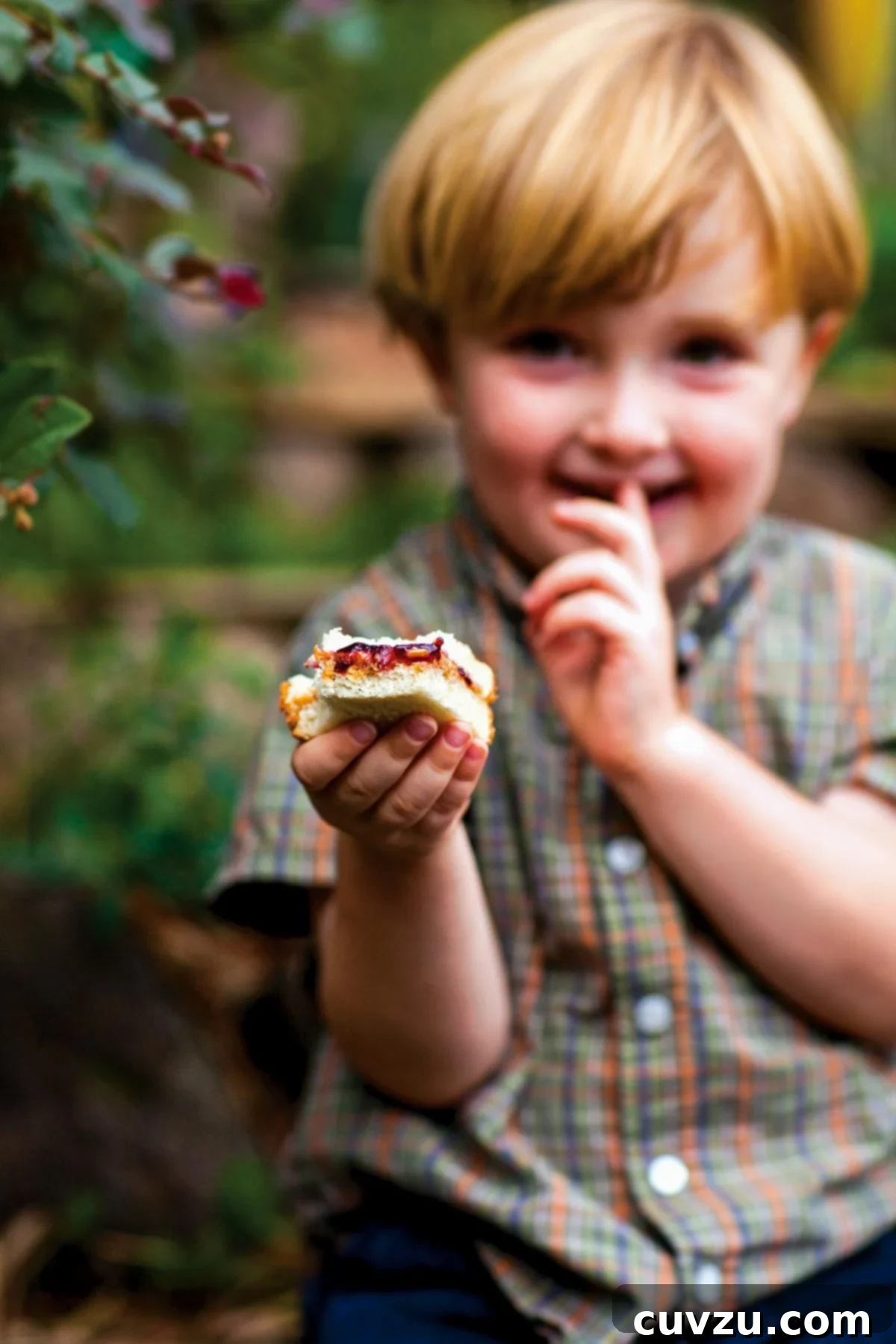
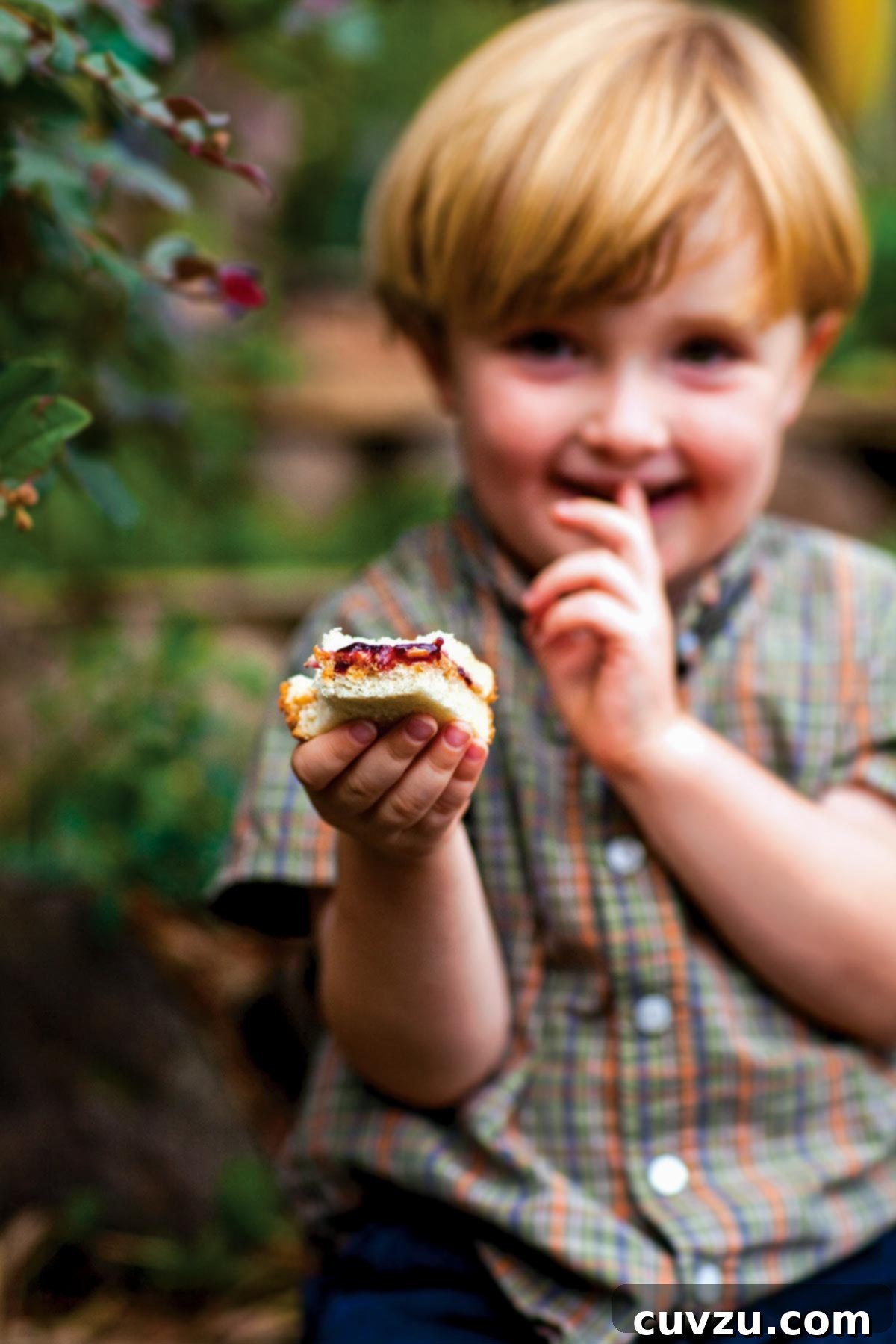
The image of that cherubic face, those pudgy hands eagerly offering a peanut butter and jelly sandwich, perfectly encapsulates why making your own Concord grape jam is such a rewarding endeavor. Beyond the sentimental appeal, the true magic lies in the unparalleled taste. This jam delivers an intense, authentically grape-forward flavor that is never overly sweet or cloying. It’s a rich, deep purple preserve that sings with the essence of fresh, ripe grapes, offering a taste experience that simply cannot be replicated by commercial varieties. Prepare to elevate your breakfast, toast, and especially your classic PB&J sandwiches to an entirely new level of deliciousness.
Why Choose Homemade Concord Grape Jam?
Making your own jam might seem daunting, but the rewards—in terms of flavor, satisfaction, and health—are immense. Here’s why homemade Concord grape jam stands head and shoulders above its store-bought counterparts:
- Unrivaled Flavor Depth: Commercial jams often rely on artificial flavors and excessive amounts of sugar to mask a lack of true fruit essence. Homemade jam, especially with peak-season Concord grapes, bursts with natural, concentrated fruit flavor. The nuanced sweet-tart notes of Concord grapes shine through, creating a truly memorable taste.
- Pure, Simple Ingredients: When you make jam at home, you have complete control over what goes into your jar. This recipe uses only fresh Concord grapes, granulated sugar, and natural citrus juices – no high-fructose corn syrup, artificial colors, or questionable preservatives. You get to savor the pure goodness of fruit.
- Cost-Effective Goodness: During the brief but bountiful Concord grape season (typically late summer to early fall), these grapes can be found at farmers’ markets and grocery stores at reasonable prices. Transforming a large batch of seasonal fruit into jam can be surprisingly economical, yielding many jars for a fraction of the cost of premium artisanal jams.
- A Rewarding Culinary Experience: There’s an undeniable satisfaction in the process of transforming raw ingredients into something beautiful and delicious. From carefully separating the grape pulp to watching the jam thicken to a perfect glossy sheen, each step is a connection to traditional culinary arts and a rewarding achievement.
- Perfect for Thoughtful Gifting: Homemade jam is not just a treat for your own pantry; it makes for a wonderfully personal and delicious gift. Beautifully bottled jars of Concord grape jam are ideal for holiday presents, hostess gifts, or a simple gesture of appreciation that shows you put care and effort into your creation.
- Extended Enjoyment of Seasonal Produce: Concord grapes have a short season. Making jam allows you to capture their fleeting freshness and enjoy their distinctive flavor long after the season has passed. It’s a delightful way to savor the taste of autumn throughout the year.
The Allure of Concord Grapes
Concord grapes are a unique American cultivar, cherished for their deep, inky purple color, distinctive “foxy” aroma, and rich, sweet-tart flavor. They are an exceptional choice for jam-making primarily due to their naturally high pectin content. Pectin is the natural gelling agent found in fruits that helps jam set into that wonderfully spreadable consistency, often eliminating the need for added commercial pectin in traditional recipes like this one. The short but vibrant season for Concord grapes, typically late summer to early fall, makes their arrival a cherished event for home cooks and jam enthusiasts alike. Capturing their fleeting essence in a jar of jam is a delightful way to extend the taste of autumn throughout the year, bringing a burst of summer sunshine to your winter mornings.

Classic Homemade Concord Grape Jam
★
★
★
★
Recipe by David Leite
📍PIN
Print Recipe
Equipment You’ll Need
-
Sterilized canning jars (approx. five 8-ounce jars) (See note below for detailed sterilization instructions)
-
Small nonreactive saucepan
-
Large heatproof bowl
-
Fine-mesh strainer or chinois
-
Heavy-bottomed 11- or 12-quart copper preserving pan or wide nonreactive pot (to prevent scorching and aid evaporation)
-
Heatproof rubber spatula (for stirring)
-
Stainless-steel spoon (for skimming foam)
-
Small saucer with 5 metal teaspoons (for jam testing)
Ingredients
US | Metric
-
4 pounds Concord grapes, stemmed -
2 1/2 pounds granulated sugar -
3 ounces (6 tablespoons) fresh lemon juice, strained -
Very finely grated zest of 1/2 an orange, orange part only, avoiding the bitter white pith -
1/2 ounce (1 tablespoon) fresh orange juice, strained
Step-by-Step Instructions
-
To prepare for testing the jam’s consistency later, place a small saucer with 5 metal teaspoons in your freezer.
-
Working carefully directly over a small nonreactive saucepan, use your fingers to gently squeeze the flesh from each Concord grape. Be meticulous to catch all the grape insides and juices in the pan. Set the empty grape skins aside in a separate large bowl.
Pro Tip for Squeezing Grapes: To minimize splashing and make the process more efficient, try to keep the stem end of the grape pointed downwards towards the inside of the pot as you squeeze. This technique often helps the skins slip off more easily and keeps the juices contained.
-
Bring the grape insides and collected juices to a gentle simmer over medium heat. Cover the saucepan and cook until the pulp is thoroughly softened, which should take approximately 3 to 5 minutes. Immediately, using a fine-mesh strainer or chinois placed over the bowl of reserved grape skins, force as much of the softened pulp as possible through the mesh. Discard any remaining seeds from the strainer.
-
Add the sieved grape pulp, granulated sugar, fresh lemon juice, orange zest, and orange juice to the bowl containing the grape skins. Stir all the ingredients together thoroughly until well combined. Transfer this entire mixture to an 11- or 12-quart copper preserving pan or a wide, heavy-bottomed nonreactive pot. Bring the mixture to a rapid, rolling boil over high heat.
-
Continue to cook the jam, stirring very frequently with a heatproof rubber spatula to prevent any scorching, especially as the jam thickens. If the jam starts to stick to the bottom of the pot, slightly lower the heat. The jam is approaching doneness when it acquires a noticeably glossier sheen and will have a thicker, more luxurious appearance than it did initially. This stage usually takes about 20 to 30 minutes of boiling.
-
After approximately 20 minutes of cooking, begin testing the jam for doneness. To perform the test, remove the jam from the heat and carefully transfer a small half-spoonful to one of your frozen metal teaspoons. Place the spoon back in the freezer for 3 to 4 minutes. Remove the spoon and gently feel the underside; it should be neither warm nor cold. If still warm, return it to the freezer for another moment. Tilt the spoon vertically to observe how quickly the jam runs; if it’s reluctant to run, and if it has thickened to a consistency that is spreadable, it is done. If it still runs quickly, return the jam to the heat, cook for another minute or two while stirring, and repeat the test. Continue this process as needed until the desired consistency is achieved.
-
Once the jam is ready, promptly skim any white foam that has accumulated on its surface using a clean stainless-steel spoon. Carefully ladle the hot jam into your sterilized jars. Process the jars according to the manufacturer’s instructions for canning, or follow the “Refrigerator Jam Safety” note below for quick storage. Properly sealed jars can be stashed at room temperature for several months, ensuring you have a taste of autumn throughout the year.
Important Notes & Essential Tips
Refrigerator Jam Safety & Jar Sterilization
For safe storage and enjoyment of your homemade jam, proper jar sterilization is crucial. Always use heatproof jars that have been thoroughly cleaned and sterilized. Here’s how to sterilize them:
- Wash jars and lids thoroughly in hot, soapy water.
- Rinse them well under running water.
- Option 1 (Dishwasher): Place the clean jars and lids through your dishwasher’s sanitize cycle.
- Option 2 (Boiling Water): Submerge the clean jars and lids completely in boiling water for 10 minutes.
- After sterilization, remove them carefully and allow them to air-dry completely on a clean rack or towel (do NOT towel-dry, as this can reintroduce bacteria).
Once your jars are sterilized and hot, fill them immediately with the hot jam, cap tightly, and refrigerate promptly, ensuring the temperature remains at or below 40°F (4°C). To maintain hygiene, always use clean utensils for serving – never double-dip! Refrigerator jam is best consumed within 2 weeks (or 7–10 days for lower-sugar variations). If any mold appears, discard the entire jar immediately; it is unsafe to taste or remove just the mold. For extended storage, you can freeze the jam for up to 3 months, ensuring you leave ½-inch headspace in each jar to allow for expansion during freezing. Always label and date your jars for easy tracking.
Tips for Perfect Jam Consistency and Flavor
- Select Ripe Grapes: The success of your jam starts with the fruit. Choose firm, fragrant Concord grapes that are deep purple in color. Ripe grapes offer the best flavor and natural pectin content, which is key to a good set.
- Don’t Skimp on Citrus: The lemon and orange juice/zest are not just for flavor; they provide essential acidity and additional pectin, both of which are critical for helping the jam set beautifully and balancing the sweetness.
- Use a Wide Pot: A wide preserving pan or pot is recommended because it allows for faster evaporation of excess liquid. This helps the jam thicken more quickly and efficiently, preserving its fresh fruit flavor and vibrant color by minimizing cooking time.
- Stir Constantly: As the jam cooks and thickens, it becomes more prone to sticking and scorching. Frequent, thorough stirring with a heatproof rubber spatula is essential to ensure even cooking and prevent the bottom from burning.
- Trust the Spoon Test: The frozen spoon test is a classic and highly reliable method for checking doneness. Don’t rush this step. It’s better to test a few times and cook a little longer than to end up with runny jam. Look for that reluctant, spreadable movement.
- Mind the Foam: While not all batches produce a lot of foam, skimming any white foam from the surface at the end will result in a clearer, more appealing jam.
Recipe Inspiration
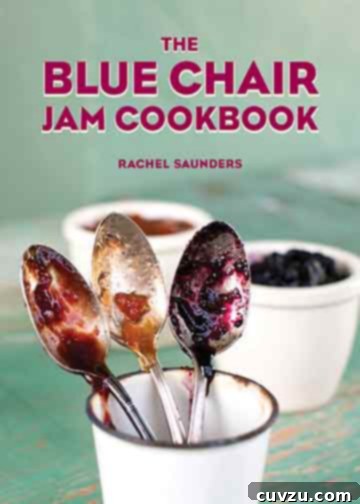
This delightful recipe is lovingly adapted from the acclaimed The Blue Chair Jam Cookbook, a treasured resource for jam enthusiasts.
Purchase on Amazon
Discover More Culinary Insights with AI Tools
Leverage modern technology to enhance your cooking experience:
Find Creative Ingredient Substitutions
Effortlessly Scale This Recipe to Your Needs
Summarize Recipe Details for Quick Reference
Nutrition Facts
Calories: 118 kcal
Carbohydrates: 31 g
Protein: 0.3 g
Fat: 0.1 g
Saturated Fat: 0.02 g
Monounsaturated Fat: 0.003 g
Sodium: 1 mg
Fiber: 0.3 g
Sugar: 30 g
Note: Nutrition information is automatically calculated and should be used as an approximation.
Tried this recipe? Share your creation!
Mention @leitesculinaria or tag #leitesculinaria on Instagram!
Insights from Our Dedicated Recipe Testers
Curious what others thought of this delightful Concord grape jam? Our dedicated recipe testers put it to the test, providing valuable feedback on the flavor, the preparation process, and their overall experience of crafting this classic preserve. Read on for their honest reviews and helpful tips.
Sofia Reino’s Sweet Success
Even while this Concord grape jam was still boiling, I could not stop licking the spoon. The end result? Ahhhh… delicious. Mind you, I’m more of a marmalade or good honey type of person, so I was really looking forward to seeing the reaction of all other family members. And everyone’s verdict was unanimous, from the 3-year-old toddler who had 3 slices of bread with the jam to the teens who decided to forego the bread to my husband, whose expression was “WOW! This tastes like the one we buy at the farmer’s markets but even better.”
It’s not overly sweet and has a nice, light, citrus taste. Be prepared to tire yourself from squeezing grape by grape. Actually, find a friend, partner, or kid to help you out as time will fly faster this way. I did notice that while squeezing if you try to keep the end that was attached to the vine down towards the inside of the pot, they will come out easier and the juices will not splash as much all over the place.
The rest of the execution is pretty easy and straightforward. It did take about 40 minutes though to reach the correct thickness, but that could be due to the fact that the Concord grapes I got this time were extremely juicy, so there may have been more liquid than usual. The spoon trick is perfect. I filled 5 eight-ounce jars.
I believe I will be doing this all over again and gift wrapping them nicely as Christmas presents!
Elsa M. Jacobson’s Nostalgic Delight
This Concord grape jam is full-flavored, rich, aromatic, thick, and nicely textured, with a regal, luxurious look in the pan and in the jar. The hint of citrus is a pleasant addition. The taste brought back memories of my mother’s and my grandmother’s Concord grape jam and Concord grape wine. Toss in a little memory of Mogen David wine as well! And what’s most wonderful is to fall in love with grape jam all over again! This is nothing like the ubiquitous little tasteless packets of grape jelly in diners or even Welch’s grape jelly.
The first challenge—finding Concord grapes—was surprisingly easy! I called Whole Foods and they had them. So did my local produce market, and so did my local Jewel (part of Albertsons). However, when I asked at my produce market about how long these grapes would be in season, I was told it’s a short season this year. If you miss the season this year, mark this recipe for next fall!
The next part, squeezing out the flesh from the skins, was fun and surprisingly easy: they popped right out! When my pot was boiling, I did need to turn it down a couple of times—just slightly each time. When I tested at the 20-minute mark, I left the pot boiling, and the jam tested done. Next time, I’ll either start testing at 15 minutes, or turn the heat off while performing the doneness test: it got a little beyond an easily spreadable consistency. My batch yielded no white foam needing to be skimmed off from the surface.
For holiday gift-giving, this recipe could easily be multiplied out to double or beyond, or, for quick home use, it could also be halved. It’s quick and easy enough to make a special batch for breakfast or brunch!