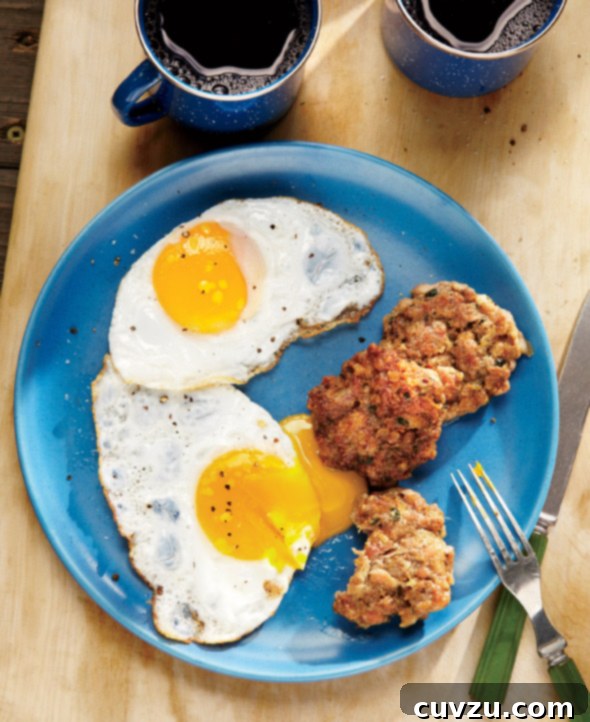
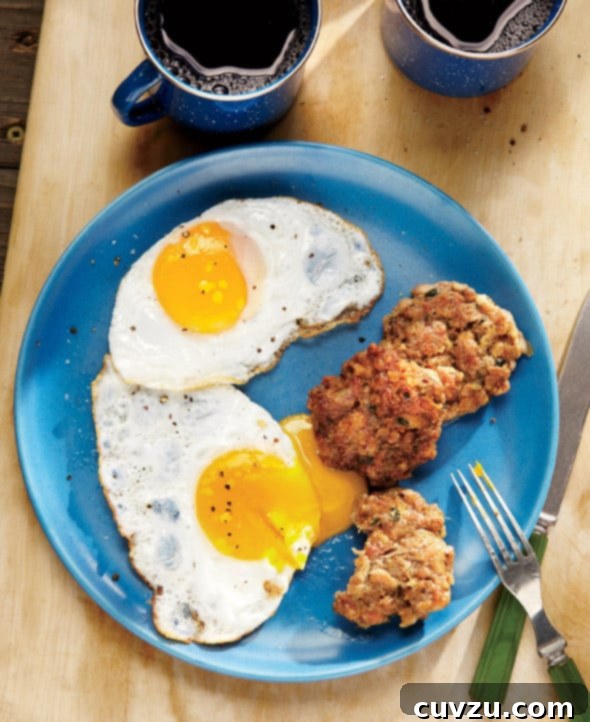
These irresistible breakfast sausage patties are a game-changer for your morning routine. Crafted with succulent pork butt, fresh parsley, aromatic ginger, earthy sage, and a carefully balanced blend of other herbs and spices, these homemade breakfast delights are bursting with flavor. Once you experience the unparalleled taste and quality of making your own sausage from scratch, you’ll wonder why you ever settled for store-bought varieties. Prepare to elevate your breakfast game to an entirely new level!
Beyond the simple act of preparing a meal, my Connecticut kitchen, transformed by a whirlwind 12-week renovation last year, stands as my ultimate sanctuary. It’s not about extravagant restaurant-grade appliances or flashy, high-tech gadgets. Instead, its serene gray-green walls and classic white cabinets create an atmosphere of calm and focus, a truly Zen space where the lightly patterned countertops serve as a blank canvas for culinary creativity.
Certainly, when my partner and I host gatherings or cook for ourselves, the kitchen buzzes with activity. Platters are laid out, ramekins for mise en place checkerboard the counters, and wine bottles may litter the space in delightful disarray. Yet, during the weekdays, when he’s immersed in the city life of NYC and I find myself alone in the quiet country, this kitchen transforms. It becomes my personal workshop, a crucible where true craft unfolds. This isn’t just about combining pre-made ingredients; it’s about the profound satisfaction of *making* ingredients from their most basic forms. From the smoky depths of Homemade Maple-Espresso Bacon to the zesty kick of these breakfast sausage patties, and the robust flavors of corned beef, pastrami, and duck prosciutto. I meticulously craft intense stocks and demi-glaces, whip up homemade ketchups, mustards, and vinegars, and even painstakingly prepare links of Portuguese chouriço—a sausage so authentic and flavorful that my Papa Leite, with tears in his eyes, once declared it as good as the ones he cherished from his childhood in the Azores. Indeed, even our compost seems to have an artisanal quality, a testament to the dedication to process and purity that defines this space.
“Why bother with all this effort?” A question I often imagine a friend asking, echoing in my mind.
My answer is multifaceted. I pursue this culinary journey because I am almost perpetually hungry—not just for food, but for the depth of flavor, the connection to tradition, and the genuine satisfaction that only homemade provisions can offer. I do it because there is no greater joy or purpose than gathering around a table with my beloved and our dearest friends, knowing that I am not merely filling their bellies but also nurturing and sustaining our invaluable friendships through the nourishment I provide. And perhaps most profoundly, I do it because the rhythmic, focused tasks of brining meat, carefully rinsing sausage casings, or slowly roasting bones have a magical way of silencing the relentless chaos within my own head. In these moments of pure culinary immersion, all worries dissipate.
This dedication isn’t entirely new. It harks back to my eighth-grade shop class at Joseph Case Junior High in Swansea, MA. The setting might be different—instead of chisels lining a wall, I now have an array of knives in a drawer; instead of a mini foundry outside, a modern smoker sits on my patio. But the essence remains. At 13, the tangible work of shop class offered a temporary reprieve from my burgeoning teenage angst, my feelings of being an outsider, and the bewildering terror of my surging hormones. Today, the creative process of cooking in my kitchen workshop still effectively beats back worries, though now they are concerns of a different nature: the mortgage, the undeniable march of time and aging, and the gentle wane of those very same hormones.
So, why undertake such elaborate culinary endeavors? “I do it because I can,” I declare aloud to Devil Cat, who weaves figure-eights around my legs, ever hopeful for a stray scrap. It is here, within the familiar and comforting embrace of my kitchen, that I feel an absolute and unshakeable certainty about myself, my skills, and my purpose.

Crafting the Perfect Homemade Breakfast Sausage Patties
Creating your own homemade breakfast sausage patties is an incredibly rewarding experience, offering a depth of flavor and freshness unmatched by anything you’ll find in a grocery store. This recipe emphasizes a few key principles to ensure truly exceptional results. One of the most critical aspects to bear in mind throughout the entire process is to maintain an exceptionally cold environment for all your ingredients and equipment. This might seem like an overly meticulous step, but it is fundamental to achieving the ideal texture and preventing the fat from rendering prematurely, which can lead to a greasy, crumbly sausage instead of a beautifully emulsified, juicy patty.
To start, I always make sure to scatter the pork butt (also commonly known as pork shoulder) and any additional fatback onto a parchment-lined baking sheet. This sheet then goes directly into the freezer the moment I even begin to contemplate making this recipe. I leave them there until the edges of the meat are not just cold, but visibly firm and almost crunchy. This pre-chilling prevents the fat from smearing during grinding and ensures a cleaner cut, resulting in a superior sausage texture. Furthermore, I extend this chilling protocol to my meat grinder’s essential components: the auger, blade, and grinding plate are all placed in the freezer to become thoroughly cold. If these parts warm up during use, the friction generated by the grinder can cause the fat in the meat to melt, leading to a squishy, undesirable consistency. Should you notice the meat starting to warm or become too soft while grinding, simply pause the process, return the remaining meat and grinder parts to the freezer until they are thoroughly chilled again, and then proceed. Patience in maintaining the cold chain is a virtue that pays off handsomely in the final product. –David Leite
The Essential Tool: Why a Meat Grinder is Non-Negotiable for Authentic Sausage
We understand completely. As you glance through this mouthwatering recipe, a flicker of annoyance might cross your mind, thinking, “Not everyone’s kitchen is equipped with a meat grinder!” And, you would be absolutely correct in that assessment. However, for this particular breakfast sausage recipe, a meat grinder isn’t merely a suggestion or a convenience; it is an absolute, undeniable NECESSITY. We felt it crucial to clarify this upfront, lest you be tempted to “Dexter-ify” this recipe—a playful nod to the compelling opening credits of the TV show, even with its captivating breakfast scene. While we appreciate creative kitchen hacks, we cannot guarantee anything close to the spectacular results of this sausage without the use of an actual meat grinder. The precise texture, the perfect incorporation of fat, and the even distribution of spices are all dependent on this specific tool. If you’re truly committed to experiencing the authentic flavor and texture of these homemade patties, our strongest recommendation is to invest in one. It opens up a world of culinary possibilities beyond just this recipe, and trust us, it’s a worthwhile addition to any serious home chef’s arsenal. And hey, while you’re at it, maybe catch up on an episode of Dexter for some extra kitchen inspiration – just not for grinding purposes!

Homemade Breakfast Sausage Patties
David Leite
- PIN
Print Recipe
Breakfast, Brunch
American, Global Inspired
24
servings
205
kcal
4
45
15
5
Equipment
-
Meat grinder
Essential for achieving the perfect texture and blend for these homemade sausage patties. Consider a stand mixer attachment if you don’t have a dedicated grinder.
-
Large bowl
For mixing ingredients and allowing flavors to meld.
-
Baking sheet and parchment paper
For chilling meat and forming patties.
-
Large skillet or cast-iron pan
For searing and cooking the patties to golden-brown perfection.
Ingredients
For best results, use high-quality, fresh ingredients. The freshness of your pork and herbs will significantly impact the final flavor of your breakfast sausage patties.
- 2 pounds very cold pork butt, cut into 1-inch (25-mm) cubes. Ensure it’s well-chilled for optimal grinding.
- 1 pound very cold fatback, skin removed, cut into 1-inch (25-mm) cubes. If fatback is unavailable, unrendered pork belly with skin removed can be a suitable substitute for flavor and fat content.
- 1/2 cup ice water. This helps keep the mixture cold and aids in emulsification.
- 1/4 cup chopped flat-leaf parsley leaves. Fresh parsley provides a bright, herbaceous note.
- 1 tablespoon kosher salt. Essential for seasoning and preservation.
- 1 tablespoon ground sage. The quintessential breakfast sausage flavor.
- 2 1/2 teaspoons ground black pepper. Freshly ground for maximum potency.
- 1 teaspoon ground coriander. Adds a subtle citrusy, floral note.
- 1/2 to 3/4 teaspoon red pepper flakes, (optional, adjust to your preferred level of heat)
- 1/2 teaspoon dried thyme. A classic savory herb for pork.
- 1/2 teaspoon ground nutmeg. Adds warmth and depth, complementing the other spices.
- 1/2 teaspoon ground ginger. For a subtle, peppery zing that brightens the overall flavor profile.
Instructions
Follow these steps carefully to ensure perfectly seasoned and textured breakfast sausage patties every time.
-
For the best possible texture and flavor distribution, you’ll want to grind the meat twice. This ensures a consistent, well-bound sausage. (Fans of Sweeney Todd might recall the sentiment, though with vastly different culinary intent!) Begin by running the very cold pork butt and fatback through the 1/4-inch plate of your meat grinder. This first pass provides a preliminary breakdown. For the second grind, if you, like us, prefer a finer, more tender sausage, pass all the meat through the 1/8-inch plate. If your preference leans towards a coarser, more rustic texture, then simply pass the meat through the 1/4-inch plate again instead. Remember, keeping everything extremely cold throughout this step is paramount.
-
Once ground, transfer the meat to a large bowl. Add the ice water, chopped parsley, kosher salt, ground sage, freshly ground black pepper, ground coriander, red pepper flakes (if you’re adding them for a spicy kick), dried thyme, ground nutmeg, and ground ginger. Now, don your gloves and work the mixture very thoroughly with your hands. The goal here is to ensure all the ingredients are completely blended and the mixture achieves a smooth, almost slightly sticky consistency. This intense mixing helps to emulsify the fat and protein, which is crucial for juicy, flavorful patties that hold their shape. To test the seasoning, pinch off a small piece of the mixture, sauté it in a hot pan until fully cooked, then take a nibble. This tasting step is vital! Adjust any of the spices as you see fit. (For instance, if you’re a ginger or sage enthusiast, don’t hesitate to add a little more to suit your taste.) Once satisfied, cover the sausage mixture tightly with plastic wrap and refrigerate it for at least 4 hours, or ideally, overnight. This resting period allows the flavors to truly meld and deepen, resulting in a much more harmonious and delicious final product.
-
After the chilling period, it’s time to form your breakfast sausage patties. Shape the mixture into uniform patties, each approximately 3 to 4 inches in diameter and about 1/2 inch thick. Aim for consistency to ensure even cooking. These patties are incredibly versatile: you can place them in a resealable plastic bag and refrigerate for up to 3 days for convenient breakfasts throughout the week, or freeze them for up to 2 months. To freeze, arrange them in a single layer on a parchment-lined baking sheet until solid (about 1-2 hours), then transfer to a freezer-safe bag or container, separating layers with parchment paper to prevent sticking. Thaw overnight in the refrigerator before cooking.
-
When ready to cook, heat a large skillet (cast iron works wonderfully for a great sear) over medium heat. Once hot, add a few breakfast sausage patties to the skillet at a time. It’s important not to crowd the pan, as this can lower the temperature and lead to steaming instead of searing, preventing a golden-brown crust. Sear the patties until they are beautifully browned and cooked through, which typically takes 5 to 7 minutes per side. The internal temperature should reach 160°F (71°C). Serve hot and enjoy the unparalleled taste of your homemade efforts!

An LC Original: Experience Authentic Flavor
This recipe for homemade breakfast sausage patties is an original creation from Leite’s Culinaria, developed with passion and tested for perfection. We believe in the power of making things from scratch, and this recipe embodies that philosophy. Discover more unique and tested recipes in our collection.
View More Original Recipes
Explore More with Culinary AI Tools
Enhance your cooking journey with our AI-powered assistants, designed to help you customize and adapt this recipe to your needs. From dietary considerations to ingredient swaps, these tools provide valuable insights.
Substitutions
Scale Recipe
Summarize Key Insights
Nutrition Information (per serving)
Serving:
1
patty
Calories:
205
kcal
Carbohydrates:
0.4
g
Protein:
8
g
Fat:
19
g
Saturated Fat:
7
g
Monounsaturated Fat:
9
g
Trans Fat:
0.01
g
Cholesterol:
33
mg
Sodium:
319
mg
Fiber:
0.2
g
Sugar:
0.02
g
Nutrition information is automatically calculated and provided for general guidance; it should only be used as an approximation. Individual results may vary based on exact ingredient quantities and preparation methods.
Tried this recipe?
Share your culinary creations with us! Mention @leitesculinaria or tag #leitesculinaria on Instagram to show off your homemade breakfast sausage patties!
Insights from Our Recipe Testers: The Verdict on Homemade Breakfast Sausage
At Leite’s Culinaria, we believe in rigorously testing our recipes to ensure they deliver exceptional results in home kitchens. Here’s what our dedicated recipe testers had to say about these incredible homemade breakfast sausage patties, offering their honest feedback and invaluable tips.
Jackie Gorman
Wow, this is truly wonderful breakfast sausage! It proved to be incredibly versatile—serving as a delightful nibble before dinner last night, a perfectly savory breakfast this morning with some fresh berries and melon, and an absolutely satisfying lunch paired with sunny-side up eggs and toasted sourdough. (Confession: I was making a batch of patties to freeze, and two just *happened* to find their way into the skillet for immediate enjoyment!) The sheer deliciousness made it impossible to resist.
I faced a small challenge in sourcing fatback, but thankfully, one of my local butchers was kind enough to set aside a pound of pork fat for me. Every place I initially called for fatback didn’t have it in stock but offered alternative suggestions or special orders. I’m sure I could have eventually found it, but I was eager to make the recipe without delay. I kept both the pork butt and the pork fat in the freezer a bit longer than the recipe suggested, and it proved to be no issue at all – perhaps even beneficial. My grinder’s auger, blade, and grinding plates were also thoroughly chilled in the freezer. Grinding the meat and fat was remarkably easy, and the mixture maintained its cold integrity beautifully, without any dreaded squishiness. I followed the recipe’s recommendation, using the 1/4-inch plate for the initial grind and then the 1/8-inch plate for a finer, more refined texture on the second pass. Mixing all the ingredients with my hands while wearing rubber gloves ensured a thorough and even blend. I then allowed the mixture to sit overnight in the refrigerator, truly letting those incredible flavors meld and deepen. I opted for 1/2 teaspoon of red pepper flakes, and when I sampled a small cooked piece after mixing, the heat was quite noticeable. However, by the next day, after the flavors had a chance to marry, the spiciness had mellowed beautifully into a perfectly balanced warmth. Next time, I might even experiment with 3/4 teaspoon for a slightly bolder kick, but honestly, the 1/2 teaspoon provided such a harmonious flavor profile that I might just stick with it. My advice? Start with 1/2 teaspoon and adjust to your palate from there.
For forming the patties, I found a 1/3-cup measure to be ideal, yielding a very pleasing size. My finished patties were about 3 inches in diameter and approximately 1/2 inch thick, perhaps just a tad thicker. I heated a well-seasoned cast-iron skillet until it was very hot, then added just a small amount of canola oil—enough to lightly coat the pan. I cooked the patties for 4 minutes on each side, and they developed a fabulously crisp, caramelized exterior, while the interior remained juicy with a superb texture. So, so delicious and truly satisfying!
It’s my goal to always have packages of homemade sausage in the freezer, ready to quickly defrost whenever a craving strikes. I can confidently say that these homemade breakfast sausage patties have now earned their permanent spot in my freezer rotation. This recipe is a keeper!
Larry Noak
This recipe truly yields a very good and traditional breakfast sausage. I took a slightly unconventional route by grinding many of my spices, including the black pepper, with a mortar and pestle. This technique created wonderful, chunky bursts of flavor that added an extra dimension to the sausage. I also intentionally kept my sausage coarsely ground, which is my personal preference and lent a satisfying, rustic texture to the patties. Embracing freshness, I microplaned fresh nutmeg and utilized a spice grinder for the parsley and ginger. While I would normally reach for dried spices in homemade sausage for convenience, having fresh ingredients on hand, I thought, “Why not?” And I was certainly not disappointed! The only dried herb I ended up using was sage—oddly enough, all I had available was rubbed sage, and it proved to be absolutely perfect, contributing its characteristic earthy aroma. Yes, I admit to enjoying three sunny-side-up eggs and a couple of these delicious sausage patties as a midnight snack. However, my absolute favorite way to savor them was tossing some generously sized patties on the grill right alongside some burgers. The verdict? Pigs 1, Cows 0! These patties are a phenomenal addition to any meal, not just breakfast.

The Unbeatable Benefits of Making Your Own Breakfast Sausage
Beyond the simple pleasure of a delicious meal, there are numerous advantages to crafting your own breakfast sausage patties right in your kitchen. First and foremost is complete control over ingredients. When you make sausage at home, you select the quality of the pork, ensuring it’s free from undesirable additives, excessive fillers, or questionable sourcing often found in commercial products. You dictate the fat-to-lean meat ratio, which directly impacts the juiciness and flavor. This level of transparency is invaluable for health-conscious individuals or those with specific dietary needs.
Secondly, homemade sausage offers unparalleled freshness and flavor customization. The spices you choose are fresh and vibrant, not stale powders that have lost their potency on a factory shelf. You can adjust the salt, heat from red pepper flakes, or the prominence of herbs like sage and ginger to perfectly match your family’s preferences. Want more heat? Add extra red pepper flakes. Prefer a sweeter profile? A touch of maple syrup or brown sugar can be incorporated. This ability to tailor the flavor profile is a luxury store-bought options simply cannot provide.
Lastly, there’s the profound satisfaction and cost-effectiveness. The act of creating something delicious from scratch is deeply gratifying. It connects you to culinary traditions and gives you a sense of accomplishment. Furthermore, while the initial investment in a meat grinder might seem significant, making your own sausage can often be more cost-effective in the long run, especially when buying pork in bulk. You’re paying for high-quality meat and spices, not for processing, packaging, and marketing overheads. Plus, having a freezer full of ready-to-cook, homemade breakfast sausage patties means healthy, flavorful meals are always within reach.
Storage and Serving Suggestions for Your Homemade Patties
How to Store Homemade Breakfast Sausage
- Refrigeration: Freshly made, uncooked sausage patties can be stored in an airtight container or a resealable plastic bag in the refrigerator for up to 3 days. This makes them perfect for meal prepping a few days in advance.
- Freezing (Uncooked): For longer storage, freeze the uncooked patties. Arrange them in a single layer on a parchment-lined baking sheet and freeze until solid (about 1-2 hours). Once frozen, transfer the patties to a freezer-safe bag or container, separating layers with parchment paper to prevent sticking. They will keep well for up to 2 months. Thaw overnight in the refrigerator before cooking.
- Freezing (Cooked): Cooked patties can also be frozen. Allow them to cool completely, then wrap individually in plastic wrap and place in a freezer-safe bag. They can be frozen for up to 1 month. Reheat gently in a skillet or microwave.
Serving Your Delicious Breakfast Sausage
These versatile homemade breakfast sausage patties are fantastic on their own, but truly shine when paired with other breakfast staples. Here are some serving ideas:
- Classic Breakfast Plate: Serve alongside scrambled or fried eggs, crispy hash browns, and a slice of buttered toast.
- Breakfast Sandwiches: Perfect for a hearty sandwich with a fried egg and cheese on an English muffin, bagel, or biscuit.
- Grits or Polenta: Crumbled sausage can be stirred into creamy grits or served alongside a fried patty.
- Breakfast Burritos or Tacos: Crumble the cooked sausage into your favorite breakfast burrito or taco fillings with eggs, cheese, and salsa.
- Maple Syrup Drizzle: For a delightful sweet and savory contrast, a light drizzle of maple syrup over your cooked patties is surprisingly delicious.
- Side Dish: Don’t limit them to breakfast! These patties make an excellent side to a lighter lunch or even a simple dinner.