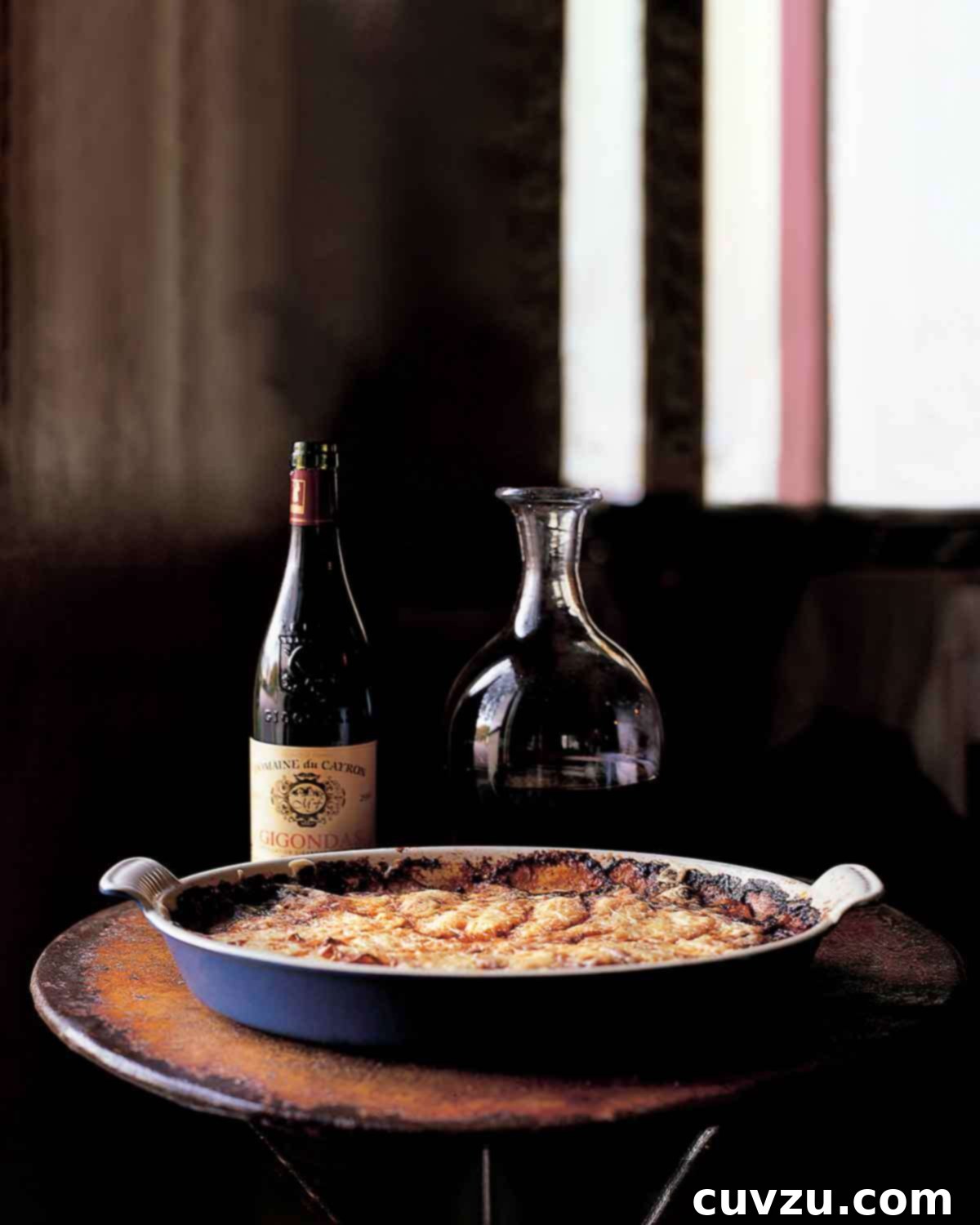
There are few dishes as universally comforting and deeply satisfying as an old-fashioned potato gratin. Whether you refer to it as “potatoes au gratin” or simply “gratin,” this classic dish stands as a testament to the power of simple ingredients transformed into something truly extraordinary. It’s a traditional, indulgent, yet surprisingly frugal way to warm the soul when the weather turns cold, making those chilly months something to truly appreciate.
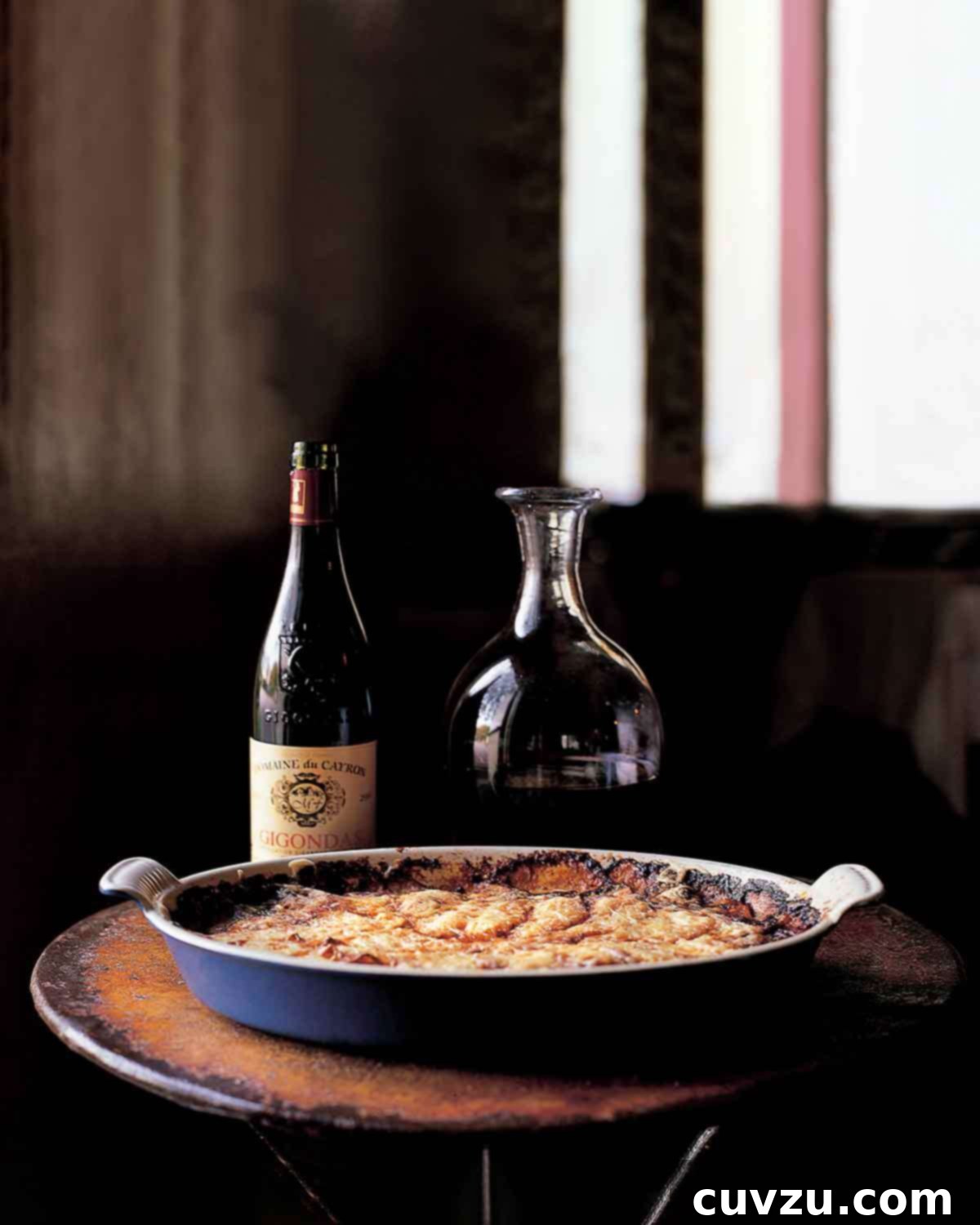
For some, a gratin might seem like a straightforward potato dish, but true connoisseurs understand that there’s an undeniable art to crafting the perfect gratin. It’s an indulgence born from precision, from the delicate dance of slicing potatoes to just the right thickness – ensuring they become perfectly tender, yet retain their shape. It’s about achieving the ideal proportion of rich heavy cream to savory cheese, creating a luscious sauce that permeates every layer. And perhaps most critically, it’s about the precise timing in the oven, allowing the surface to develop that irresistible, gloriously golden-brown crust. This meticulous approach is what elevates a simple side dish into a culinary masterpiece, truly embodying the spirit of an “old-fashioned potato gratin.” Experience this timeless classic for yourself and discover why it remains a cherished favorite.
The Subtle Art: Scalloped Potatoes vs. Potato Gratin
While often used interchangeably, scalloped potatoes and potato gratin are distinct, albeit equally delicious, members of the potato family. Both dishes celebrate potatoes and dairy in decadent fashion, but their preparations and typical flavor profiles differ significantly. Scalloped potatoes are traditionally made with thinly sliced potatoes baked in a rich, creamy sauce, often thickened with flour or cornstarch, and typically without cheese. The focus is purely on the creamy, savory potato layers. Potato gratin, on the other hand, elevates the indulgence with a prominent cheese component. It features sliced potatoes baked in cream or a Béchamel sauce, generously layered with cheese within and, crucially, blanketed with more cheese on top to form that signature golden crust. The choice of cheese is paramount, often featuring robust varieties like Gruyère, Comté, or Parmesan, which melt beautifully and add a depth of flavor that distinguishes it from its scalloped counterpart. We find both preparations utterly delightful, each offering a unique textural and flavor experience.
Old-Fashioned Potato Gratin: The Quintessential Comfort Dish
This old-fashioned potato gratin recipe, often called potatoes au gratin, is a traditional and indulgent dish that provides warmth and comfort during cold weather. It’s a timeless classic that brings joy to any table.
Recipe by: David Leite
Pin It
Course: Sides
Cuisine: American
Servings: 6 servings
Calories: 376 kcal
Prep Time: 25 minutes
Cook Time: 1 hour 20 minutes
Total Time: 1 hour 45 minutes
Ingredients
- 4 medium Russet potatoes (about 1 1/2 to 2 pounds total), chosen for their starchiness which helps absorb the cream and keeps the gratin from being watery.
- 1 large garlic clove, crushed and peeled. This will be used to infuse the baking dish with a subtle, aromatic flavor.
- 1 tablespoon (1/2 oz) unsalted butter, at room temperature. Butter adds richness and helps prevent sticking while enhancing the browning.
- Kosher salt and freshly ground white pepper, to season each layer and enhance the overall flavor. White pepper is often preferred in cream sauces to avoid black specks.
- 3 tablespoons freshly grated Comté cheese, (or substitute Gruyère or Asiago). Comté offers a nutty, slightly sweet flavor and excellent melting properties.
- 3 tablespoons freshly grated Parmigiano-Reggiano. This adds a salty, umami depth and contributes to the golden crust.
- 1 1/2 cups heavy cream. The star of the show, providing the luxurious richness and moist texture of the gratin.
Instructions
- Prepare Your Oven and Dish: Position an oven rack in the top third of your oven. Preheat the oven to 350° F (176° C). This ensures the gratin bakes evenly and develops a beautiful golden top.
- Prep the Potatoes: Carefully peel the Russet potatoes. Using a mandoline or a sharp knife, slice them crosswise to a consistent thickness of about 1/8 to 1/4 inch. The key here is uniformity; slices that are too thick will cook unevenly, while overly thin slices might become mushy. Immediately place the sliced potatoes in a bowl of cold water to prevent them from discoloring while you prepare the dish.
- Flavor the Gratin Dish: Take your crushed and peeled garlic clove and firmly rub it all over the bottom and sides of a 10-inch gratin dish. This imparts a delicate garlic aroma without being overpowering. Allow the garlicky juices to dry for a few minutes. Next, rub the bottom and sides of the dish thoroughly with the room-temperature unsalted butter. This layering of flavor and fat is crucial for both taste and preventing the potatoes from sticking.
- Assemble the Gratin Layers: Drain the potato slices thoroughly and pat them completely dry with a clean kitchen towel or paper towels. Excess moisture can lead to a watery gratin. Begin arranging a layer of potatoes in a slightly overlapping fashion, like a fanned deck of cards, across the bottom of the prepared gratin dish. Season this layer generously with kosher salt and freshly ground white pepper. Sprinkle a little of both the grated Comté (or substitute) and Parmigiano-Reggiano cheeses over the seasoned potatoes. Continue building layers in this manner – potatoes, salt, pepper, and cheese – until all the potatoes are used. You should aim for at least 3 distinct layers, finishing with a final layer of cheese. Finally, and with care, drizzle the heavy cream along the sides of the dish, allowing it to seep down through the potato layers without disturbing the delicate cheese topping.
- Bake to Golden Perfection: Place the assembled potato gratin, uncovered, into the preheated oven. Bake for 1 to 1 1/4 hours. The gratin is ready when the cream has been fully absorbed by the potatoes, they are fork-tender, and the top is beautifully crisp and golden brown. Keep an eye on the color during the last 15-20 minutes to prevent over-browning. If it starts to get too dark too quickly, you can loosely tent it with aluminum foil.
- Rest Before Serving: Once baked, remove the gratin from the oven and let it stand for at least 10 minutes before serving. This crucial resting period allows the gratin to set, making it easier to serve cleanly and ensuring the internal creaminess is perfect. It also prevents the hot cream from spilling out immediately upon cutting.
Expert Tips & Make-Ahead Advice
Pre-Preparation for Ease:
Planning ahead can make mealtime a breeze. The peeled and sliced potatoes can be submerged in cold water and left on the counter for a few hours without issue. For even greater convenience, you can assemble the entire gratin up to the point of baking, cover it tightly with plastic wrap or foil, and refrigerate it for anywhere from a few hours to overnight. Allow it to come to room temperature for about 30 minutes before baking, or add an extra 10-15 minutes to the baking time if baking directly from the fridge.
Choosing Your Potatoes:
Russet potatoes are highly recommended for this recipe due to their high starch content, which helps them absorb the cream beautifully and maintain a fluffy texture. Other waxy potatoes like Yukon Gold or Red Bliss can be used for a slightly firmer gratin, but they may not absorb the liquid as readily.
The Art of Slicing:
Consistency in slicing is paramount. A mandoline slicer is ideal for achieving uniform 1/8 to 1/4-inch thick slices, ensuring even cooking and a beautiful presentation. If using a knife, take your time to make each slice as even as possible.
Enhancing Flavor:
A small pinch of freshly grated nutmeg can be added to the cream or cheese layers for an authentic French touch, subtly enhancing the overall flavor profile. For an extra layer of savory depth, consider sprinkling a tablespoon of finely chopped fresh thyme or rosemary between the potato layers.
Perfect Golden Crust:
The top third oven rack placement is key for achieving that desirable golden-brown, crispy crust. If you notice the top browning too quickly, loosely cover the dish with aluminum foil for the remainder of the baking time.
Serving Suggestions:
Old-fashioned potato gratin is a versatile side dish that complements a wide array of main courses. It’s a classic pairing for roasted meats like beef tenderloin, roast chicken, or a holiday ham. Its rich, creamy profile also makes it an excellent accompaniment to pan-seared steaks or hearty vegetable mains. Serve it alongside a fresh green salad to balance the richness.
Storage and Reheating:
Leftover potato gratin can be stored in an airtight container in the refrigerator for up to 3-4 days. To reheat, cover loosely with foil and warm in a preheated oven at 300°F (150°C) until heated through, about 20-30 minutes. You can also microwave individual portions, though the crust may lose some of its crispness.
Adapted From

This timeless recipe is adapted from Frank Stitt’s Southern Table, a celebrated cookbook that beautifully marries classic techniques with Southern charm. His approach to humble ingredients, transformed into elegant dishes, continues to inspire.
Buy Frank Stitt’s Southern Table on Amazon
Nutrition Information
Serving: 1 portion
Calories: 376 kcal
Carbohydrates: 28 g
Protein: 7 g
Fat: 27 g
Saturated Fat: 17 g
Monounsaturated Fat: 8 g
Trans Fat: 1 g
Cholesterol: 97 mg
Sodium: 95 mg
Fiber: 2 g
Sugar: 1 g
Nutrition information is automatically calculated and should only be used as an approximation. Individual dietary needs may vary.
Tried this classic recipe? We’d love to see your creations!
Mention @leitesculinaria or tag #leitesculinaria on Instagram!
What Our Recipe Testers Thought
Our dedicated team of recipe testers puts every dish through its paces. Here’s what they had to say about this Old-Fashioned Potato Gratin:

Dan Kraan
This old-fashioned potato gratin truly delivers on its promise of classic comfort. It’s about as basic and straightforward as a gratin gets, yet the results are profoundly satisfying. The appearance is as appealing as the taste – a beautiful golden top with creamy, tender potatoes underneath. The preparation is surprisingly easy, and it sets up perfectly, providing just the right amount of cheesy goodness without being overwhelming.
It’s genuinely difficult to resist tasting this dish before it even leaves the kitchen, but I highly recommend exercising restraint to ensure your presentation of this attractive dish doesn’t suffer. A small tip I found useful to avoid any potential spillage during the layering process: you can add the heavy cream just before incorporating the salt, pepper, and the final sprinkle of cheese to the top layer. The four russets I used for my test weighed approximately 1 1/2 to 2 pounds in total, and this quantity fit my 10-inch gratin dish absolutely perfectly, creating a substantial and delightful side dish.

Karen Depp
What’s not to adore about this old-fashioned potato gratin recipe? It encompasses everything you could want in a comfort food: it’s incredibly easy to make, undeniably delicious, and simply beautiful to look at. There’s nothing complicated or overly fussy about this recipe, which makes it an absolute winner for both everyday family dinners and more elaborate gatherings like a dinner party or a festive holiday table.
You pop it into the oven, and about an hour later, out emerges culinary perfection—a wonderfully crisp, delectable cheese topping crowning beautifully creamy potato slices. What truly impressed me, and what I genuinely love about this particular recipe, is how the potato slices retain their integrity. They don’t devolve into mushy, indistinct potatoes; instead, they hold their shape, offering a delightful texture, and preserve their delicate potato taste, which perfectly complements the rich cream and savory cheese. This gratin is a testament to how classic recipes often remain the best.
For more insights and reviews from our testing kitchen, explore our complete collection of recipe tester reviews.