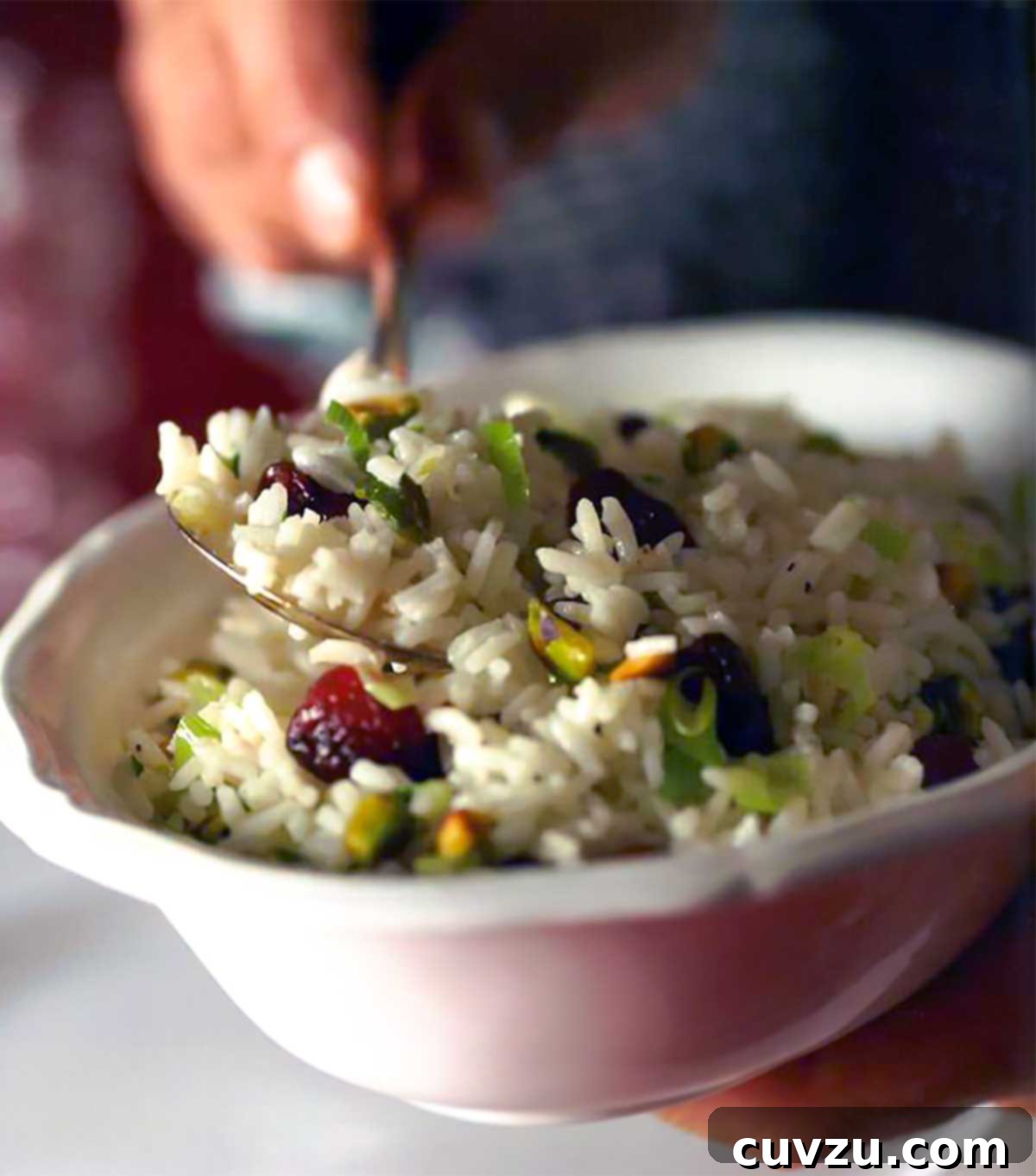
Rice Pilaf with Dried Cherries and Pistachios: An Elegant and Easy Side Dish
Discover how this simple yet sophisticated pilaf, brimming with sweet dried cherries and crunchy pistachios, can elevate any meal from a quick weeknight dinner to a festive holiday spread. Its delightful blend of flavors and textures makes it a truly versatile and irresistible side, promising to be a new favorite at your table.
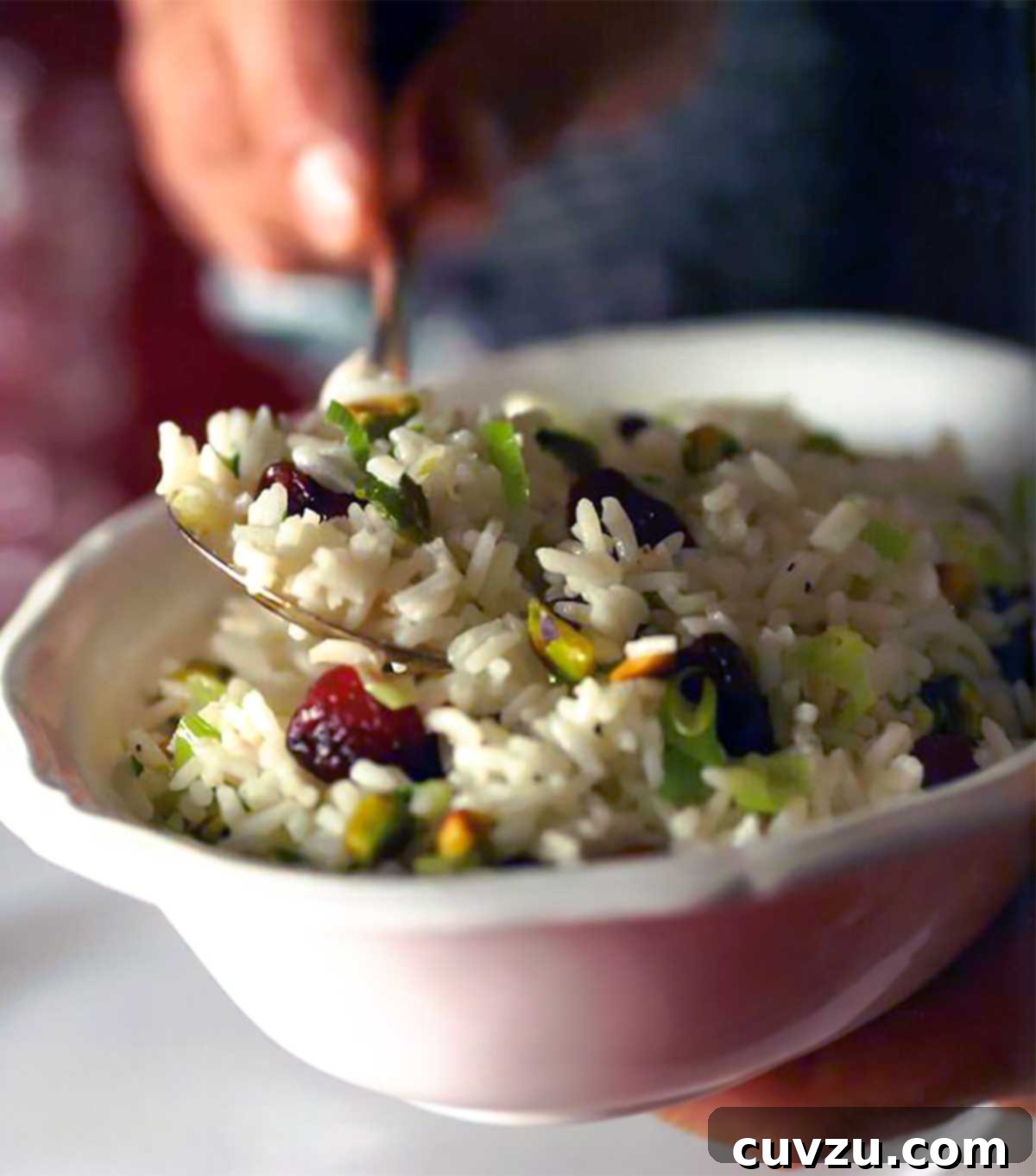
This exquisite rice pilaf, featuring the harmonious combination of dried cherries and pistachios, transcends being merely a side dish; it’s a culinary experience. It beautifully complements a wide array of main courses, particularly poultry. Imagine serving it alongside a succulent roast duck with caramelized shallots and garlic, or delicate Cornish hens paired with braised cabbage and apple. What makes this recipe truly brilliant is its adaptability – feel free to swap the cherries for dried cranberries or apricots, and the pistachios for almonds or pine nuts, as expertly suggested by culinary authority Diane Rossen Worthington. Each variation promises a unique yet equally delicious outcome, ensuring this dish remains a cherished staple in your culinary repertoire.
Why You’ll Adore This Cherry & Pistachio Rice Pilaf
In the quest for effortless yet impressive dishes, this rice pilaf stands out as a true gem. It’s remarkably quick to prepare, requiring only about 30 minutes from start to finish, making it an ideal candidate for those busy weeknights when you crave something special without the fuss. Beyond its speed, its vibrant colors and sophisticated flavor profile make it equally fitting for elegant entertaining, adding a touch of gourmet flair to your table. The blend of fluffy rice, chewy dried cherries, and crisp, buttery pistachios creates an irresistible medley of textures and tastes that will captivate your palate and leave your guests asking for the recipe. Its versatility and simple ingredients ensure it will become a go-to for any occasion.
The Art of Rice Pilaf: A Culinary Journey Through Grains
Rice pilaf is a culinary tradition with roots stretching across many cultures, from the Middle East to Central Asia and beyond. It’s far more than just simply boiled rice; a true pilaf involves a distinct cooking method that elevates the humble grain into a dish of remarkable flavor and texture. The process typically begins by sautéing the rice grains in oil or butter before adding liquid. This crucial step, often referred to as toasting, helps to seal the outer surface of each grain, preventing stickiness and infusing it with a deeper, nuttier flavor. This thoughtful preparation contributes to the fluffy, separate, and distinct texture that is the hallmark of a well-made pilaf. By carefully following the traditional pilaf method, you’re not just cooking rice; you’re engaging in a historical culinary art that transforms simple ingredients into a dish that’s rich in heritage and bursting with nuanced flavors, making it a far superior and more satisfying experience than plain boiled rice.
Ingredient Spotlight: Crafting the Perfect Pilaf
Each component of this cherry and pistachio rice pilaf plays a vital role in its overall deliciousness and textural harmony. Understanding these elements will help you appreciate the simplicity and genius of the recipe, and even inspire your own creative variations, making you a more confident and intuitive cook.
- Long Grain Rice: The foundation of our pilaf. Long grain rice varieties, such as Basmati or Jasmine, are consistently preferred for their ability to remain separate and fluffy when cooked, preventing a mushy or gummy texture. Rinsing the rice thoroughly under cold water before cooking is often recommended to remove excess surface starch, further contributing to a distinct, non-sticky result, crucial for a perfect pilaf.
- Unsalted Raw Pistachios: These vibrant green nuts are not just beautiful; they offer a delightful crunch and a subtly sweet, buttery flavor that complements the other ingredients wonderfully. Toasting them briefly at the beginning of the recipe enhances their nutty aroma and deepens their taste, providing a wonderful textural contrast to the soft rice and chewy cherries. Beyond their culinary appeal, pistachios are also packed with healthy fats, protein, and dietary fiber.
- Unsweetened Dried Pitted Cherries: The true star of the show, these dried cherries introduce a burst of tartness beautifully balanced by their natural sweetness. Their chewy texture adds an exciting and unexpected dimension to the pilaf, creating a delightful interplay with the fluffy rice and crunchy pistachios. Beyond their delicious flavor, dried cherries are known for their rich antioxidant properties, adding a healthy boost to your meal.
- Olive Oil: The healthy cooking fat of choice, olive oil lends a delicate fruitiness and is essential for toasting the rice and gently sautéing the aromatics. Its healthy monounsaturated fats also contribute positively to the dish’s nutritional value and overall mouthfeel.
- Scallions (Green Onions): Providing a mild, fresh onion flavor and a subtle touch of vibrant green, scallions are gently sautéed to soften and release their aromatic compounds, forming a foundational savory base for the pilaf. The chopped green parts also serve as an attractive and flavorful garnish at the end.
- Hot Water or Broth: While hot water works perfectly well for cooking the rice, using vegetable broth, homemade chicken stock, or even good quality canned chicken broth will significantly deepen the umami and overall richness of your pilaf. This adds layers of savory flavor that plain water cannot provide, resulting in a more complex and satisfying dish.
- Fresh Flat-Leaf Parsley: Stirred in at the very end, fresh parsley adds a vibrant burst of color and a clean, herbaceous counterpoint to the sweetness of the cherries and the richness of the nuts. Its fresh flavor brightens the entire dish, making it look and taste even more appealing.
Rice Pilaf with Dried Cherries and Pistachios
This vibrant rice pilaf brings together fluffy grains with the tart sweetness of dried cherries and the delightful crunch of pistachios. A quick-to-make side that’s perfect for weeknights yet elegant enough for special occasions, offering a beautiful blend of flavors and textures.
Recipe by David Leite, inspired by Diane Rossen Worthington
Course: Sides
Cuisine: American
Servings: 4 to 6 servings
Calories: 395 kcal (per serving)
Prep Time: 15 minutes
Cook Time: 15 minutes
Total Time: 30 minutes
Ingredients
- 1/4 cup unsalted raw pistachios
- 2 tablespoons olive oil
- 3 scallions, white and light green parts only, thinly sliced
- 1 1/2 cups long grain rice
- 1/4 cup unsweetened dried pitted cherries
- 3 cups hot water, vegetable broth, homemade chicken stock, or canned chicken broth
- Salt and freshly ground black pepper, to taste
- 2 tablespoons finely chopped flat-leaf parsley leaves
Instructions
-
Toast the Pistachios: Heat a small skillet over medium-low heat. Add the pistachios and toss gently for 2 to 3 minutes, or until they begin to brown lightly and become fragrant. Keep a close eye on them to prevent burning, as nuts can toast quickly. Remove the toasted pistachios to a small bowl and set aside to cool.
-
Sauté the Aromatics: In a medium saucepan or Dutch oven with a tight-fitting lid, heat the olive oil over medium heat. Add the thinly sliced scallions (using only the white and light green parts) and sauté for about 2 minutes, stirring occasionally, until they soften and release their mild, oniony aroma. Be careful not to let them brown, as this can impart a bitter flavor.
-
Toast the Rice: Increase the heat to high. Add the long grain rice to the saucepan and sauté for approximately 3 minutes, stirring constantly. This crucial step, known as toasting the rice, helps each grain get coated in oil, which prevents them from sticking together and contributes significantly to a wonderfully fluffy texture. The rice grains should turn lightly golden and develop a pleasant, nutty aroma.
-
Combine and Simmer: Stir in the dried cherries with the toasted rice, ensuring they are well distributed among the grains. Reduce the heat to medium, then carefully add the hot water or broth. Stir gently with a fork to combine all ingredients, making sure the rice is evenly submerged in the liquid. Bring the mixture to a rapid, rolling boil.
-
Cook to Perfection: As soon as the liquid boils, immediately cover the saucepan tightly with its lid. Reduce the heat to the lowest setting possible. Let the rice simmer undisturbed for about 20 minutes, or until all the liquid has been fully absorbed and the rice grains are tender and perfectly fluffy. It’s essential to resist the urge to lift the lid during this cooking period, as the trapped steam is vital for even and proper cooking.
-
Finish and Serve: Once cooked, remove the saucepan from the heat and let it rest, still covered, for an additional 5-10 minutes. This resting period allows the steam to redistribute and further fluff the rice, ensuring perfect separation of grains. Season the pilaf generously with salt and freshly ground black pepper to taste. Gently fluff the rice with a fork, then carefully stir in the finely chopped fresh flat-leaf parsley leaves and the reserved toasted pistachios. Taste and adjust seasonings as needed before serving. This pilaf is best enjoyed warm and immediately to appreciate its full spectrum of flavors and textures.
Recipe Notes & Advanced Preparation
Can I make rice pilaf ahead of time?
Yes, this rice pilaf can be prepared in advance, making it a convenient option for meal planning, holiday gatherings, or entertaining. You can cook the pilaf up to 2 hours ahead of your serving time and keep it at room temperature, covered. For reheating, gently warm the pilaf to maintain its delicate texture. The original method suggests using the top of a double boiler over medium heat for about 10 minutes, which helps maintain its moisture and fluffiness without drying it out. Alternatively, you can reheat it in a microwave with a splash of water or broth, stirring occasionally until heated through. Always ensure it’s heated to a safe internal temperature before serving. For longer storage, refrigerate promptly in an airtight container for up to 3-4 days.
Adapted From

Buy On Amazon
Serving Suggestions: What to Pair with Your Pilaf
This versatile rice pilaf is a fantastic accompaniment to a variety of dishes, adding a touch of sophistication and vibrant flavor to any meal. While it shines brightly alongside roasted poultry like duck legs, Cornish hens, or a classic roast chicken, don’t limit its culinary potential. Consider pairing it with succulent grilled lamb chops, pan-seared pork tenderloin, or even a simple baked white fish for a lighter yet incredibly flavorful meal. For a vegetarian feast, it would be magnificent next to roasted root vegetables, a hearty lentil stew, a vibrant vegetable tagine, or even grilled halloumi. Its unique sweet and savory profile also makes it a delightful addition to holiday menus, offering a refreshing and colorful alternative to traditional stuffings or plain rice side dishes.
Expert Tips for the Perfect Pilaf Every Time
Achieving a consistently fluffy and flavorful rice pilaf is simple with these expert tips, transforming your cooking experience and the final dish:
- Rinse Your Rice Thoroughly: For truly non-sticky, separate grains, always take the time to rinse your long-grain rice under cold running water until the water runs completely clear. This crucial step removes excess surface starch that can lead to a gummy or clumpy texture.
- Toast the Grains Well: Never skip the step of sautéing the dry rice in oil before adding liquid. This “toasting” process helps to seal the outer surface of each grain, allowing it to absorb liquid without becoming mushy, and simultaneously imparts a wonderful, deep nutty flavor to the finished pilaf.
- Hot Liquid is Key: Always add hot water or broth to the toasted rice. Using hot liquid prevents the cooking process from stalling, which can toughen the rice grains, and ensures more even and efficient cooking.
- Resist the Urge to Peek: Once the lid is on, leave it alone! Lifting the lid allows precious steam to escape, which can drastically affect the cooking time, the internal temperature, and ultimately the final fluffy texture of your rice. Trust the process.
- Allow for Resting Time: After the rice has finished cooking, remove the saucepan from the heat and let it rest, still covered, for an additional 5-10 minutes. This vital resting period allows the grains to steam further and absorb any remaining moisture, resulting in perfectly fluffy, separate, and tender rice.
- Fluff with a Fork, Not a Spoon: Always fluff cooked pilaf gently with a fork, rather than a spoon or spatula. A fork helps to aerate and separate the grains without crushing them, maintaining that desirable light and fluffy texture.
Customization & Variations: Make It Your Own Unique Pilaf
One of the true joys of this rice pilaf recipe is its incredible adaptability, allowing you to tailor it to your personal preferences, dietary needs, or what you have available in your pantry. Feel free to experiment with different nuts and dried fruits to create your own signature version:
- Alternative Dried Fruits: Instead of dried cherries, consider using dried cranberries for a more tart and festive flavor, golden raisins for a sweeter profile, or chopped dried apricots for a taste of the Mediterranean. Mixed dried berries can also create a beautiful and complex flavor profile.
- Different Nuts: Almonds (sliced or slivered), pine nuts, crunchy pecans, or even earthy walnuts can be fantastic alternatives to pistachios. Each nut offers a distinct flavor and texture, so choose one that complements your meal. Always ensure they are lightly toasted for the best results and enhanced flavor.
- Aromatic Spices: For an extra layer of warmth and complexity, consider adding a pinch of ground cinnamon, a hint of fragrant cardamom, or a few luxurious threads of saffron along with the liquid. These spices beautifully complement the sweetness of the dried fruits.
- Fresh Herbs: While parsley offers a classic and clean freshness, a touch of finely chopped fresh mint or cilantro stirred in at the end could introduce an interesting and bright herbal note, especially if you are serving the pilaf with Middle Eastern or North African-inspired meals.
- Add Vegetables: For a heartier pilaf or to incorporate more vegetables, consider sautéing finely diced carrots, celery, or small cubes of bell peppers with the scallions at the beginning of the cooking process.
- A Hint of Citrus: A little lemon or orange zest, stirred into the finished pilaf just before serving, can brighten all the flavors considerably, adding a zesty finish.
Nutrition Information
Serving Size: 1 serving
Calories: 395 kcal
Carbohydrates: 65 g
Protein: 8 g
Fat: 11 g
Saturated Fat: 2 g
Monounsaturated Fat: 7 g
Sodium: 653 mg
Fiber: 3 g
Sugar: 5 g
Please note: Nutrition information provided is an automatic calculation and should be used as an approximation. Actual values may vary based on specific ingredients used, brands, and preparation methods.
What Our Recipe Testers Had to Say
Our dedicated team of recipe testers put this Cherry and Pistachio Rice Pilaf to the test, and their feedback consistently highlights its versatility, ease of preparation, and undeniable deliciousness. Their insights offer valuable tips and attest to the recipe’s success:
Elsa enthusiastically lauded the pilaf for its incredible adaptability, emphasizing that it extended “way, way beyond a side for poultry.” She masterfully incorporated it as a vibrant side dish for a grand Middle Eastern dinner feast, noting its potential with various substitutions. Apricots, she suggested, would certainly have worked well, and swapping almonds, pine nuts, or even walnuts for pistachios would also have yielded “terrifically well” results. She even pondered a Thanksgiving adaptation, recommending dried cranberries and perhaps pecans for a festive twist. Elsa particularly praised the unique cooking technique—sautéing the scallions in oil, then the rice, and finally adding the cherries before cooking—for creating a “super-flavorful pilaf” and declared the method “well worth keeping to adapt to other grain dishes.” Opting for hot water over stock, she felt the dish had “flavor aplenty already” and was proven right. The fresh parsley, plucked straight from her garden, not only added a delightful green freshness to the taste but also visually enhanced the dish. She pointed out its festive appearance with red fruit and green parsley around Christmas, though it looked perfectly appealing year-round. Despite not quite managing to serve it immediately, her pilaf remained “delicious and beautifully presentable,” and was “universally enjoyed” by her diners, with “no leftovers” to speak of, confirming the generous 4-6 serving estimate. The meal she prepared alongside this pilaf included other delightful dishes such as Turkish baked eggplant with chile, feta, and mint, Jerusalem salad, warm lentil salad, and sweet tea.
Anna enthusiastically highlighted the “pilaf method” as her absolute favorite way to cook rice, praising how “sautéing the rice and aromatics in oil first gives added flavor and helps keep the cooked rice fluffy and not at all sticky.” She offered a strong recommendation to “highly use stock in place of water” in this particular recipe, emphasizing that it “truly adds so much flavor to the overall dish.” (She personally opted for low-sodium chicken stock.) Anna commended the recipe’s “great combination of flavors,” noting the delightful balance between the “tart yet sweet dried cherries and the buttery toasty taste of the pistachios.” She also cleverly pointed out that if one were considering serving this during the holidays, the vibrant color combination of red cherries and green pistachios “couldn’t be more perfect.” She found the side dish to be “simple yet elegant,” and she paired it beautifully with pan-seared panko salmon and some sautéed kale with fennel, illustrating its versatility. As for the recipe itself, Anna confirmed that it “does serve 4-6 people nicely,” and the estimated hands-on time of 15 minutes, plus the overall total time of 30 minutes, was “just about right.” She noted that her rice specifically needed 22 minutes over low heat/covered to absorb all of the stock, offering a helpful insight for other cooks. Anna also provided a crucial tip: “I would check your pistachios in Step 1 at about 1 minute just to be sure they aren’t burning,” as nuts can toast very quickly. For those seeking an extra touch of richness, she recommended stirring in a tablespoon of unsalted butter into the warm rice just before serving.
Tried this recipe?
We’d love to see your creations! Mention @leitesculinaria or tag #leitesculinaria on Instagram to share your culinary success with our community!
Conclusion: Your New Favorite Side Dish Awaits
Whether you’re hosting a grand holiday feast or simply seeking a delightful accompaniment for a casual weeknight meal, this rice pilaf with dried cherries and pistachios is a recipe you’ll find yourself returning to again and again. Its simplicity belies its profound flavor and elegant presentation, making it a truly exceptional dish that effortlessly elevates any spread. From its quick preparation time to its customizable ingredients, this pilaf is designed for both convenience and culinary pleasure. So, gather your ingredients, follow these straightforward steps, and prepare to impress yourself and your loved ones with a side dish that’s anything but ordinary. Happy cooking, and enjoy the delicious journey!