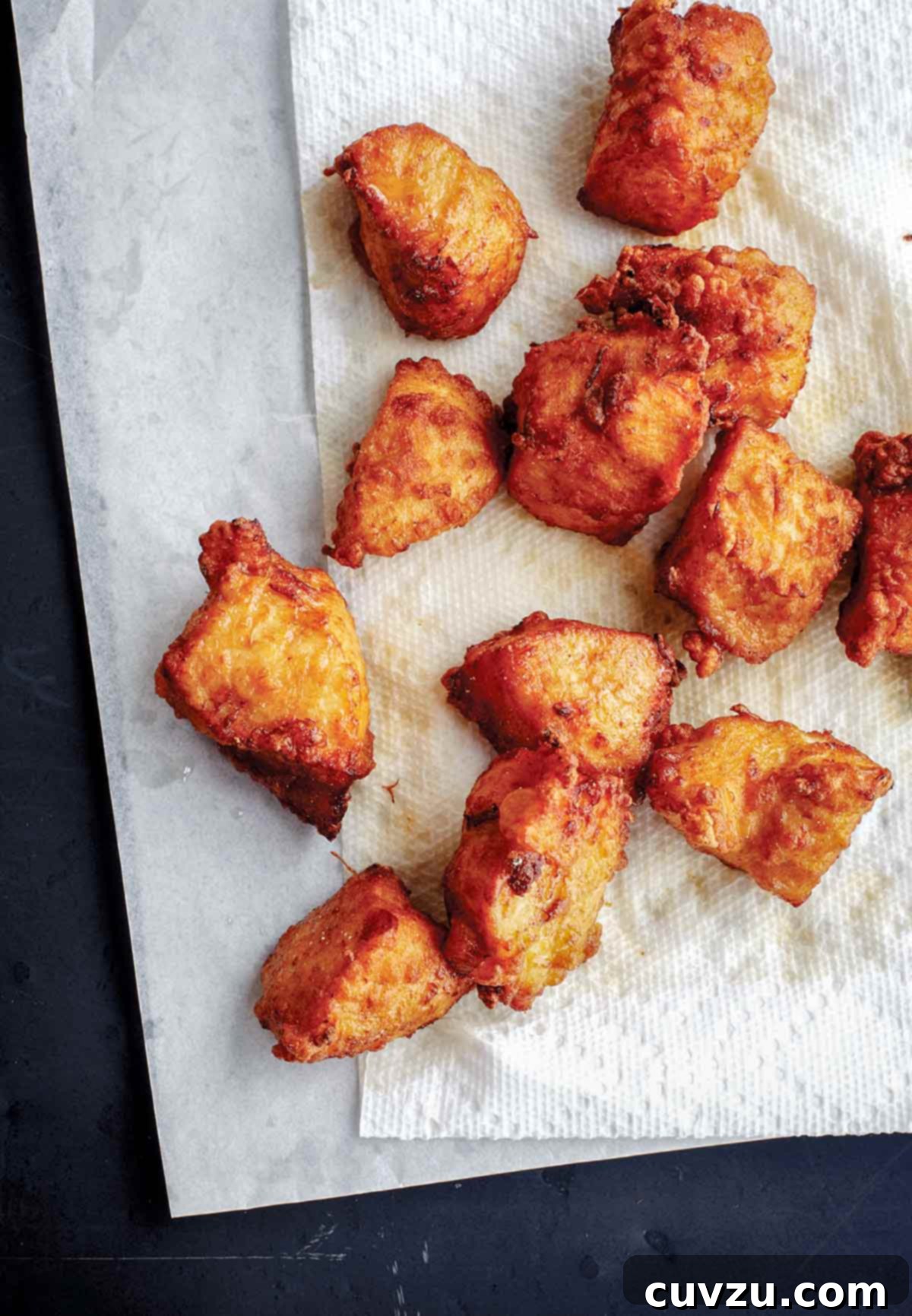
Chicken Karaage, also known as Japanese fried chicken, stands as a beloved culinary icon, celebrated for its uniquely crispy exterior and incredibly tender, juicy interior. This exquisite dish is a testament to the art of Japanese home cooking, achieving its irresistible texture through a meticulous process involving marination in soy sauce and sake, a delicate coating of egg white and potato starch, and a crucial double-frying technique. The result is a golden-brown masterpiece that delivers a blissful crunch with every bite, revealing succulent chicken bursting with flavor. Far from just a simple appetizer, Chicken Karaage is a versatile delight, perfect as a snack, a main course, or a delectable addition to any bento box, captivating palates across the globe.
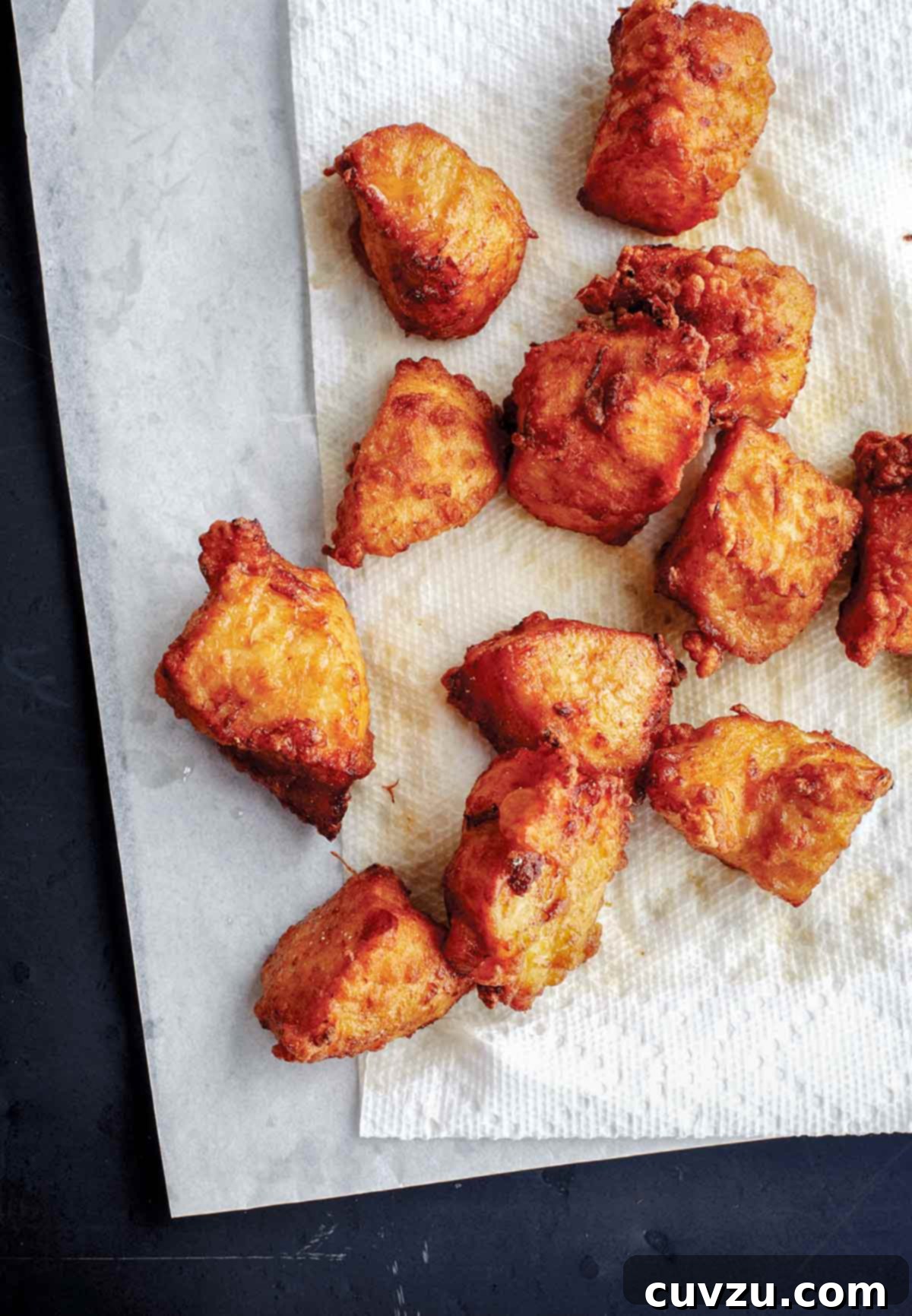
The secret to Karaage’s signature crunch lies in the careful selection of ingredients and precise cooking methodology. As noted by culinary experts Michael Romano and Karen Stabiner, the use of potato starch is pivotal in achieving that requisite crispness. Potato starch, often found in the baking or specialty food sections of most supermarkets, provides a lighter, finer coating compared to traditional flour, contributing to a more delicate and shatteringly crisp texture. Boneless pieces of chicken, ideally dark meat for maximum juiciness, are first steeped in a savory marinade. They are then lightly coated in a mixture of egg white and potato starch, ensuring an even, thin layer that will transform during frying. The magic truly unfolds with the double-frying process: an initial fry at a lower temperature thoroughly cooks the chicken, followed by a second, higher-temperature fry that perfects the golden-brown crust, locking in moisture and delivering that unparalleled crunch that defines authentic Karaage.
Chicken Karaage | Japanese Fried Chicken
David Leite
Mains, Appetizer, Snack
Japanese
6 to 8 servings
402 kcal (per serving, approximate)
35 minutes
35 minutes
1 hour 40 minutes (plus marinating time)
Equipment
-
Deep-fry or candy or instant-read thermometer
A reliable thermometer is essential for maintaining precise oil temperatures, which is critical for the success of double-frying Karaage. It ensures the chicken cooks perfectly without burning and achieves maximum crispness.
-
Wok or heavy, deep-sided pot
A sturdy pot helps regulate oil temperature and provides sufficient depth for safe deep-frying.
-
Slotted spoon or spider skimmer
For safely transferring chicken in and out of hot oil.
-
Wire rack set over a baking sheet
To drain excess oil and keep the fried chicken crisp while you work in batches.
Ingredients
- 3 tablespoons grated garlic cloves (from about 8 cloves)
- 4 teaspoons grated ginger root
- 1/2 cup soy sauce (or substitute gluten-free tamari), preferably low-sodium
- 1/4 cup sake (Japanese rice wine)
- 2 tablespoons granulated sugar
- 2 teaspoons salt
- 1 teaspoon freshly ground black pepper
- 3 pounds boneless, skinless chicken, preferably dark meat (thighs are ideal for juiciness), cut into 1 1/2-inch (4-cm) pieces
- 3 large egg whites, lightly beaten
- 3/4 cup potato starch*
- Vegetable oil for deep-frying (e.g., canola, grapeseed, or peanut oil)
Instructions
-
1. Marinate the Chicken: In a large bowl, suitable for holding all the chicken pieces, combine the grated garlic, grated ginger, soy sauce, sake, granulated sugar, salt, and black pepper. Stir this mixture well until the sugar completely dissolves, creating a potent marinade. Add the cut chicken pieces to this bowl and toss thoroughly to ensure every piece is evenly coated. Cover the bowl and refrigerate for at least 30 minutes to allow the flavors to penetrate the chicken, or for up to 2 hours for a deeper infusion.
-
2. Bring to Room Temperature: Approximately 30 minutes before you plan to begin frying, remove the marinated chicken from the refrigerator. Let it sit at room temperature. This step is crucial for ensuring the chicken cooks more evenly and prevents the oil temperature from dropping too drastically when the cold chicken is added.
-
3. Coat the Chicken: Drain the chicken from its marinade, discarding any excess liquid. Return the chicken to the now-empty bowl. Add the lightly beaten egg whites and stir, turning the chicken pieces until they are all well-coated. Next, add the potato starch. Mix thoroughly until each piece of chicken is uniformly covered in a thin layer of the starch, which will be key to achieving that signature crisp crust.
-
4. First Fry (Cook Through): Pour about 2 inches of vegetable oil into a wok or a heavy, deep-sided pot. Heat the oil over medium heat until it reaches a precise temperature of 325°F (163°C), as verified by your deep-fry, candy, or instant-read thermometer. Carefully fry the chicken in small batches, ensuring not to overcrowd the pan. Overcrowding will cause the oil temperature to drop too low, leading to greasy chicken. Fry each batch just until the chicken is cooked through on the inside and has developed a light golden-brown hue on the outside, which usually takes about 4 minutes. Remove the chicken with a slotted spoon or spider skimmer and transfer it to a plate lined with paper towels or a brown paper bag to drain excess oil. At this stage, the chicken will look done but won’t be incredibly crisp—this is perfectly normal. Allow the oil temperature to return to 325°F (163°C) before frying subsequent batches.
-
5. Second Fry (Crisp Perfection): Once all the chicken has undergone its first fry, increase the heat underneath the oil until it reaches 375°F (190°C). Return the chicken to the hot oil in batches, using your slotted spoon. Fry for a second time until the chicken achieves a deep golden-brown color and becomes wonderfully crisp, typically taking only 1 to 2 minutes per batch. This higher temperature flash-fries the exterior, creating an unbeatable crunch. Drain the freshly double-fried Karaage on clean paper towels to remove any remaining oil. Serve immediately while still hot to enjoy its optimal crispness and succulence.
Recipe Notes & Expert Tips
*Is potato starch better than flour for fried chicken?
While you can certainly deep-fry food without any coating, like bare chicken wings, it’s that starchy batter that truly elevates fried dishes. A good starchy coating offers several significant benefits: it minimizes moisture loss by frying quickly and sealing in the chicken’s natural juices, it allows for more gentle cooking of the interior due to the protective crust, and it provides an undeniable, satisfying mouthfeel. When comparing wheat flour to potato starch for Karaage, both can achieve crispiness due to their molecular structure. However, potato starch is considerably finer, much like cornstarch, which enables it to create a thinner, more delicate coating. A thinner coating translates directly to a crispier and more refined texture, making potato starch the preferred choice for authentic, melt-in-your-mouth Japanese fried chicken. If potato starch is unavailable, cornstarch is an excellent alternative, also providing a light, crisp finish.
Tips for Perfect Karaage:
- Chicken Cut: While breast meat can be used, boneless, skinless chicken thighs are highly recommended. They remain incredibly juicy and tender even after double-frying, preventing the dryness often associated with breast meat. Cut them into consistent 1 to 1.5-inch pieces for even cooking.
- Marinade Time: Don’t skimp on the marinating time. Even 30 minutes makes a difference, but letting it sit for up to 2 hours infuses the chicken with deeper, more complex flavors.
- Oil Temperature is Key: Invest in a good deep-fry thermometer. Maintaining the precise oil temperatures (325°F for the first fry, 375°F for the second) is the single most important factor for achieving perfectly cooked, non-greasy, and ultra-crispy Karaage.
- Don’t Overcrowd the Pot: Frying in small batches is crucial. Overloading the pot will drastically lower the oil’s temperature, leading to soggy, oily chicken rather than crisp, golden pieces. Patience is a virtue here.
- The Power of Double-Frying: The first fry cooks the chicken through gently. The second fry, at a higher temperature, rapidly crisps the exterior and drives off any remaining surface moisture, creating that enviable crunch. It’s a quick burst, so be ready to remove the chicken promptly.
- Draining: Always drain fried chicken on a wire rack set over a baking sheet, not directly on paper towels. This allows air circulation around the chicken, preventing steam buildup that can lead to sogginess.
Serving Suggestions:
Karaage is delicious on its own, but it truly shines with a few accompaniments. A squeeze of fresh lemon juice brightens the rich flavor. It’s also excellent with a side of Kewpie mayonnaise (Japanese mayo), a simple dipping sauce (like a blend of soy sauce, rice vinegar, and a touch of sesame oil), or a spicy chili-garlic sauce. For a complete meal, serve it with steamed rice and a simple green salad.

Adapted From
Family Table: Favorite Recipes from the Chefs of Union Square Cafe and Union Square Tokyo
Buy On Amazon
Nutrition Facts
Serving: 1 serving
Calories: 402 kcal
Carbohydrates: 25 g
Protein: 25 g
Fat: 21 g
Saturated Fat: 9 g
Monounsaturated Fat: 7 g
Trans Fat: 1 g
Cholesterol: 82 mg
Sodium: 824 mg
Fiber: 2 g
Sugar: 5 g
Nutrition information is automatically calculated and should be used as an approximation. Actual values may vary based on ingredients and preparation methods.
Tried this recipe?
Share your culinary creations! Mention @leitesculinaria or tag #leitesculinaria on Instagram. We love seeing your delicious results!
Recipe Testers’ Reviews: Real Feedback for Perfect Karaage
Our dedicated recipe testers put this Chicken Karaage recipe to the test, offering invaluable insights and confirming its deliciousness. Their experiences highlight the key techniques and nuances that make this Japanese fried chicken truly exceptional.
Carrie S.
Carrie S. describes this recipe as a close replica of the amazing karaage chicken she enjoyed at her favorite sushi restaurant as a child. She enthusiastically notes how the bite-sized pieces are “packed with flavor” and possess an “awesome crunchy outside.” Despite rarely deep-frying, Carrie found the process less intimidating, concluding that “it really is worth the effort to marinate the chicken and to take the extra time to fry it twice.”
Her key recommendations include using chicken thighs over breast meat to ensure the chicken stays juicy and avoids overcooking. She also strongly advises using low-sodium soy sauce, or reducing the amount of salt if using regular soy sauce, as her experience with low-sodium soy and kosher salt yielded perfectly seasoned results. Carrie confirmed the accuracy of the first fry timing for 1.5-inch pieces, noting smaller pieces cooked faster (around 3 minutes). She also offers a crucial observation: the chicken will darken during the first fry due to the soy marinade, so it’s important to monitor it to prevent over-darkening before the second fry. Lastly, she emphasizes the importance of not overcrowding the pan, though she found that any clumps that formed were easily separated after the initial fry.
Melissa Maedgen
Melissa Maedgen found the two-step frying method “worked beautifully” for these boneless chicken pieces. She appreciated the marinade for imparting a “well-seasoned with a slight Asian flavor” that was subtle yet effective in the final dish. Melissa confirmed that the frying times and temperatures provided in the recipe were appropriate and accurate. She reinforced the necessity of the second fry, explaining that while the chicken is cooked through after the first fry, the coating’s texture is “too soft.” The higher temperature second fry is what truly “crisps it,” resulting in an end product that is “crunchy on the outside and tender on the inside.”
Melissa’s testing also highlighted the critical aspects of oil management: “It’s important not to crowd the pan, and to give the oil time to come back up to temperature between batches.” She noted her experience required 1 to 2 minutes for the oil to reheat between batches. Her strongest advice is to “really important to keep monitoring the temperature, otherwise, the oil will have a tendency to be cooler with each successive batch, and your results will be sub-par.” She also suggested pairing the Karaage with a dipping sauce, recommending a Burmese chile-garlic sauce but emphasizing the flexibility to choose a sauce that complements the subtle Asian flavors, even suggesting a Western-style option.
Jo Ann Brown
Jo Ann Brown, a self-proclaimed “Korean fried chicken aficionado,” was highly impressed with this recipe, declaring it “pretty great and comes dangerously close to what I have come to understand is Korean fried chicken.” She delves into the technical differences, explaining that the potato starch coating and the crucial “par frying” (the first fry) set this style apart from typical American fried chicken. She highlights that the thin coating of this Karaage style means the second fry is essential to deal with the moisture that makes the crust “super active” in the oil.
Jo Ann elaborates on the purpose of each fry: “The first fry is to cook the meat until just done and get the crust a deep golden brown, the second fry is to flash evaporate the moisture from the surface of the crust and turn the coating to a beautiful, ultra-deep garnet brown that encases the meat.” She praises this method as “Genius, huh?” A key piece of advice from her is to be mindful of chicken piece size. For the recommended times and temperatures, she suggests cutting the meat a bit smaller, around 1 inch thick, to ensure the meat cooks through without burning the delicate coating. Her final recommendation for an ultimate experience: serving the Karaage with a super spicy and garlicky sauce, balanced with “sweet and sour pickled daikon to cool the embers. K-heaven.”
Steve Dunn
Steve Dunn opens his review with a resounding “OMG!” emphasizing its seriousness, as he’s not one to use such expressions lightly. He was drawn to the recipe seeking a crispy fried chicken experience without the cumbersome “dip-dredge-dip-dredge” method of traditional American fried chicken. The Asian marinade and the use of boneless, skinless dark meat were immediate appeals, as they align with his family’s preferences.
Initially, Steve had reservations about the “unorthodox” method of coating the chicken—simply dumping egg whites and potato starch with the chicken in a bowl. However, this skepticism quickly turned into admiration. He states the recipe not only delivered a “lip-smacking, crispy chicken feast” but also “taught me a brilliant new approach to deep frying. Huzzah!” Using his Le Creuset dutch oven, Steve meticulously followed the recipe’s instructions. He observed that after the initial fry, the chicken appeared “a beautiful mahogany brown, and perfectly cooked through and tender,” leading him to be “tempted not to proceed with the second fry.” However, he realized the “skin” was not yet crisp.
The second fry at the higher temperature addressed this perfectly, though Steve cautions that it “lasted 30 to 45 seconds at most.” He advises vigilance during this stage, warning that “any more would have darkened the coating to the point of being overdone,” and to be “prepared to pull the pieces from the oil pretty quickly.” Ultimately, Steve concludes that everyone at his table “raved about the crunch of the crust and the well seasoned, wonderfully tender chicken inside.” This recipe, he affirms, “will become a staple in our house and a template for future experimentation with different meats and marinades for sure.”
These detailed reviews from our expert recipe testers confirm the exceptional quality and achievable results of this Chicken Karaage recipe. Their collective experiences and valuable tips ensure you can create perfect, crispy Japanese fried chicken right in your own kitchen.