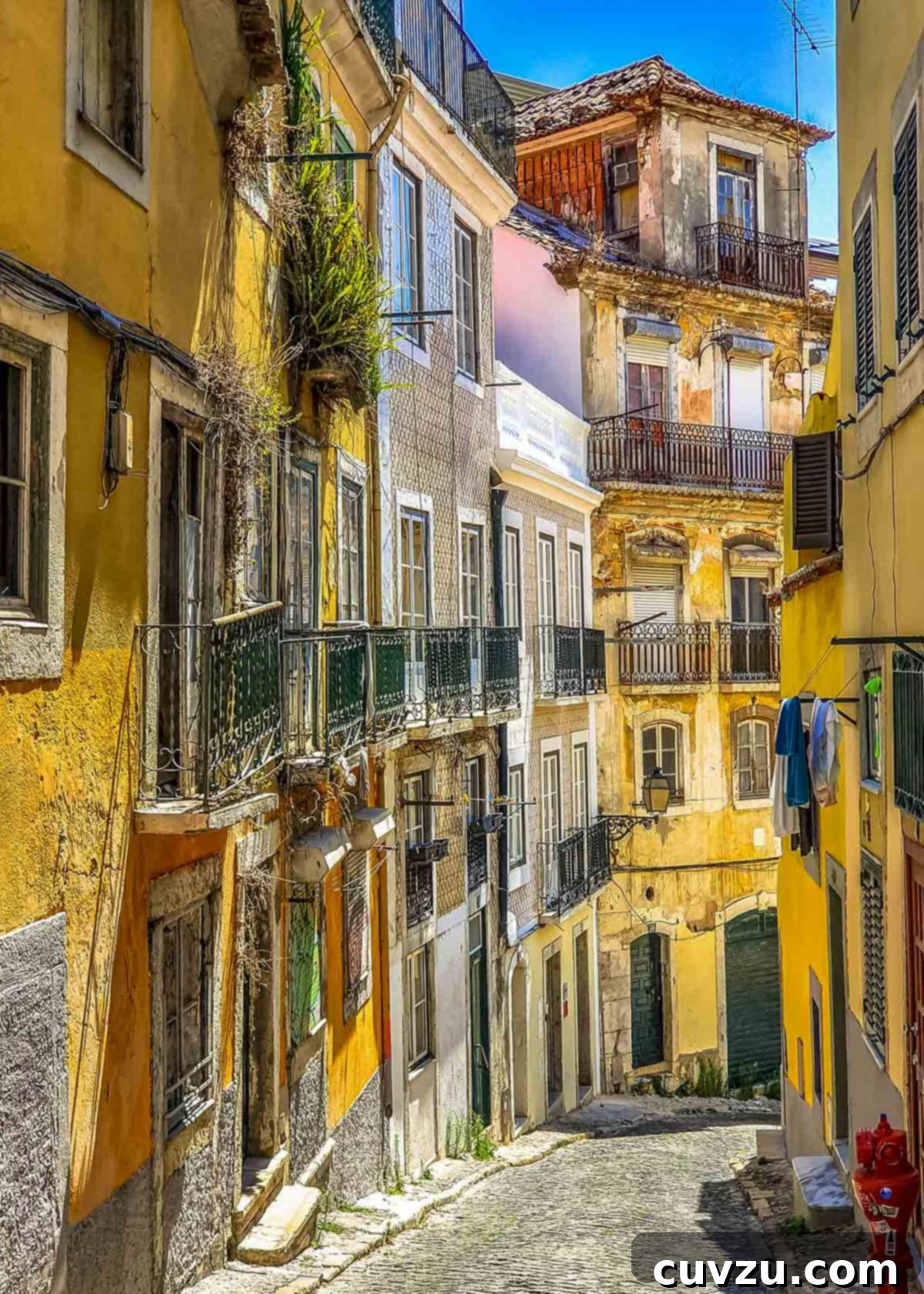
My first journey to Lisbon was far more than a mere visit; it resonated as a profound homecoming, a reclaiming of heritage. Join me as I recount a vibrant immersion into Portugal’s captivating capital, where ancient history gracefully intertwines with a dynamic modern spirit, and every corner whispers tales of a rich culinary soul. Prepare to discover the authentic flavors, time-honored traditions, and the undeniable charm that makes Lisbon feel like a cherished home.
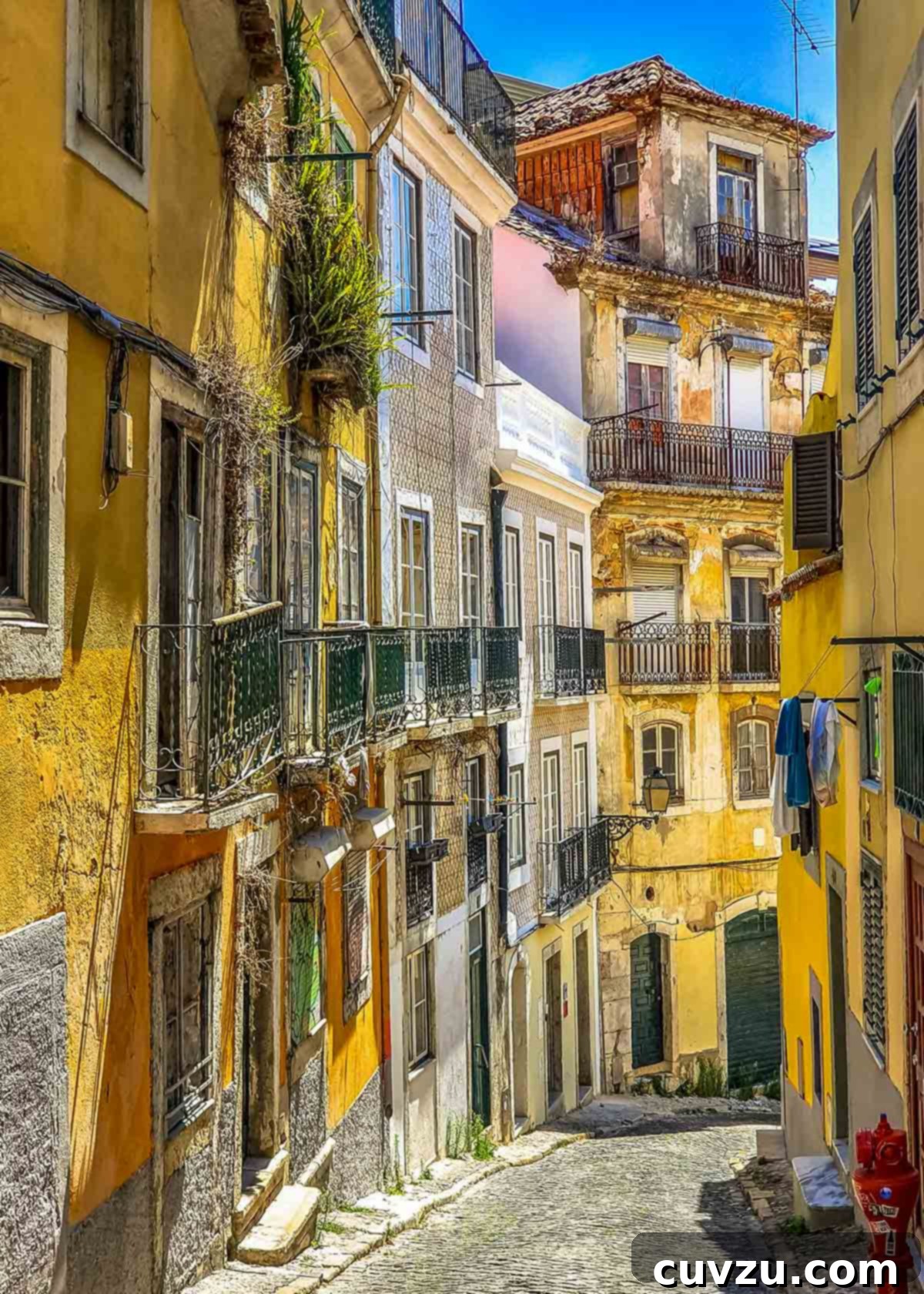
I settled into the plush backseat of a compact Mercedes taxi, the city’s energy already palpable outside the windows. The driver, a deeply tanned man with a quick, warm smile, met my gaze in the rearview mirror. “American, yes?” he inquired, his accent thick with the melody of Portugal. I had been in Lisbon for barely twenty minutes, and already, the moment I had anticipated, the words I had meticulously rehearsed throughout the transatlantic flight, were at hand.
“No sir, I’m Portuguese,” I replied, the words of my newly acquired language emerging slowly, deliberately, a testament to years of longing and effort. I went on to explain that my father was a Portuguese citizen at the time of my birth, a fact that legally entitled me to dual citizenship. After two years of navigating convoluted phone calls and bureaucratic labyrinths, often relying on my fledgling “Portglish”—a charmingly pidgin blend of Portuguese and English—I had finally received my coveted passport. This trip marked not just a visit, but my very first official entry into Lisbon as a recognized daughter of Portugal.
“Congratulations!” he exclaimed, his smile widening even further. “Then you must permit me to show you your new capital city.” Who was I to refuse such a heartfelt welcome?
The Portuguese are renowned for their spirited and adept driving, and my driver certainly upheld his countrymen’s reputation with pride and panache. We careened down the grand Avenida da Liberdade, Lisbon’s elegant response to Paris’s Champs-Élysées. This magnificent boulevard is gracefully lined with high-end boutiques, the majestic neoclassical Tivoli theater, and the historic offices of Diário de Notícias, one of Lisbon’s oldest and most respected newspapers. Our journey then hurtled around the gracefully expansive Rossio Square, a true heart of the city, its cobblestones intricately paved in a mesmerizing wave pattern that has earned it the playful nickname “Rolling Motion Square.” The square teemed with a vibrant array of shops, traditional tabacarias, and lively outdoor restaurants and cafés, including the venerable Café Nicola, a historic haunt favored by Lisbon’s literati for generations.
To our right, the iconic Elevador de Santa Justa soared into view. This breathtaking Neo-Gothic funicular, an architectural marvel built at the dawn of the 20th century by an apprentice of Alexandre Gustave Eiffel, was ostensibly designed to ferry Lisboetas from Baixa, the lower, bustling grid of the city, to the elevated Bairro Alto district above. Yet, gazing upon its delicate wrought-iron filigree and its imposing 150-foot height, one couldn’t help but suspect it was also a magnificent folly, a bold declaration to the world of the sophistication and artistic flair held within this once-overlooked corner of the European continent. As the taxi finally pulled up to my hotel, the distinguished Lapa Palace, it was already abundantly clear that Lisbon was a charming city, meticulously mending its tattered historical edges and revealing a captivating blend of enduring grace and renewed vitality.
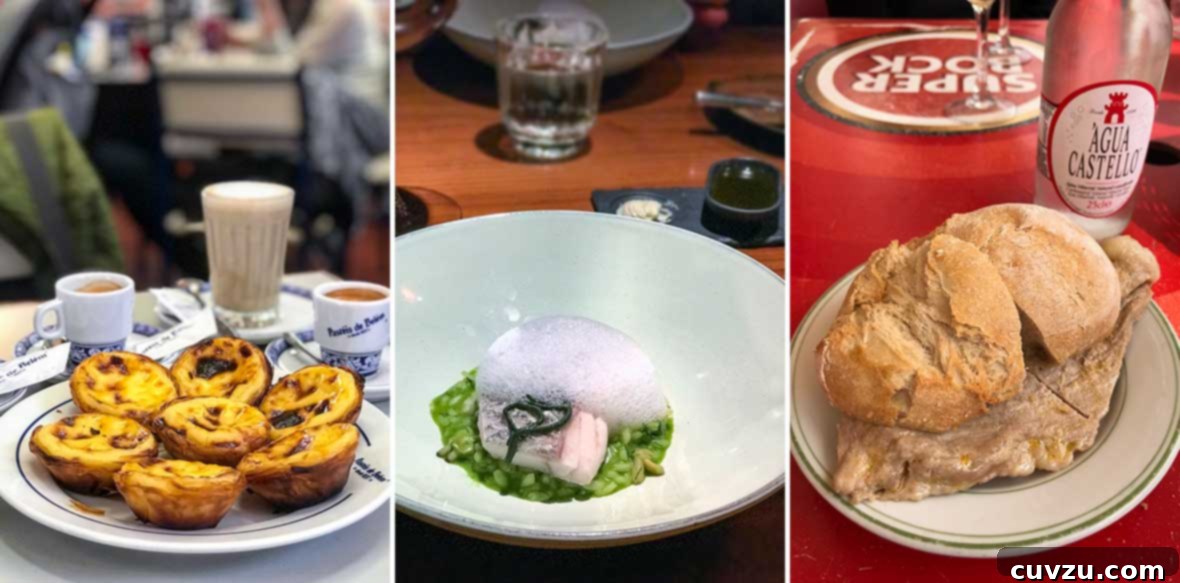
During the glorious days of the Age of Discovery, Lisbon stood as a preeminent global leader, largely thanks to groundbreaking Portuguese innovations in navigation and seafaring. However, this golden era eventually waned, as the city was eventually overshadowed and outmaneuvered by larger, more powerful European capitals that grew exponentially wealthy by exploiting the very trade routes Portugal had courageously blazed, stretching from the shores of Brazil all the way to distant Macao. Yet, since Portugal’s integral accession to the European Economic Community in 1986, the city has experienced a remarkable renaissance. A significant influx of trade, cultural exchange, and much-needed financial investment has breathed new life into its ancient bones. Consequently, ornate façades across the city are undergoing meticulous restoration, yet the colorful, mottled patina of centuries of peeling paint—what I affectionately term the “divine decrepitude”—has, thankfully, been preserved, adding an irreplaceable layer of historical character and charm.
Much like the Eternal City of Rome, Lisbon gracefully unfurls its myriad neighborhoods across a picturesque landscape of seven hills, each offering unique perspectives and distinct atmospheres. Driven by a desire to uncover the quintessential Lisbon—its soul, its flavors, and its rich cultural tapestry—I immediately placed Bairro Alto, the vibrant epicentre of dining and nightlife, and Alfama, the city’s most ancient and historically significant district, at the very top of my must-explore list. These two areas, contrasting yet complementary, promised a true immersion into the heart of Portuguese life.
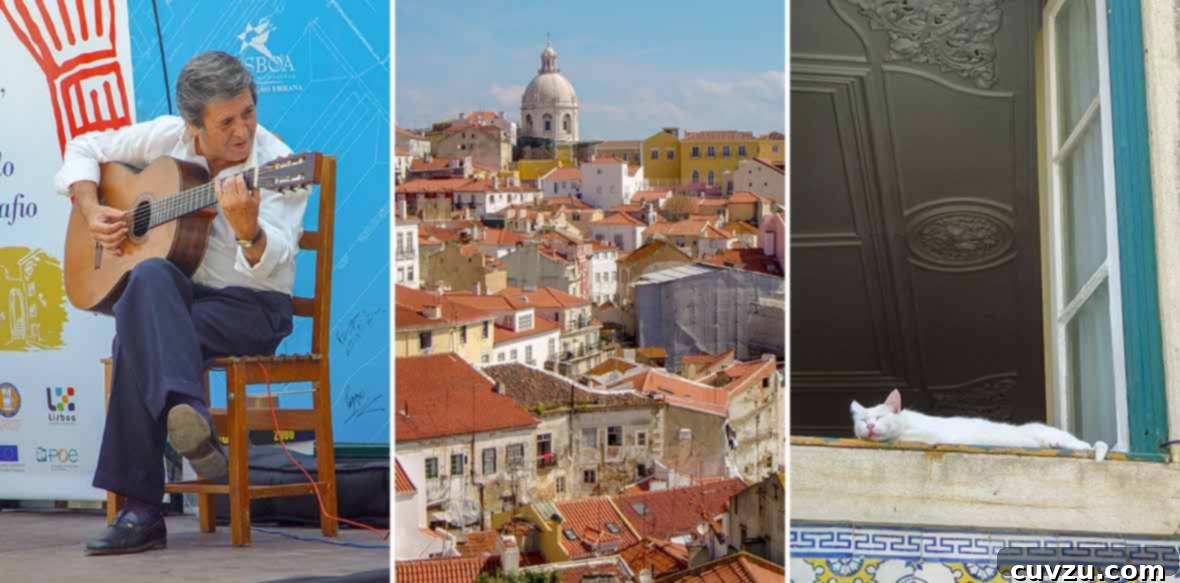
“For many Lisboetas, Alfama is truly the soul of the city,” explained João, a spry, elderly gentleman I encountered during his morning constitutional, which he wryly described as “giving the wife some air.” He spotted me grappling with a cumbersome map on the steps of the venerable Sé Cathedral and, with genuine warmth, offered to be my impromptu guide. As we meandered through Alfama’s intricate labyrinth of streets, many of which are now solely reserved for pedestrian traffic, João passionately detailed what makes this district so extraordinarily special: its miraculous survival of the catastrophic earthquake of 1755. While the majority of Lisbon, ravaged by tremors, devastating fires, and a colossal tsunami, was meticulously rebuilt with grand boulevards and spacious plazas, Alfama steadfastly retained its charmingly jumbled, old-world character, a collection of brightly colored buildings piled precariously high atop each other. “It’s a vivid glimpse into our rich, dark past,” he smiled wistfully, gesturing to the timeless architecture around us.
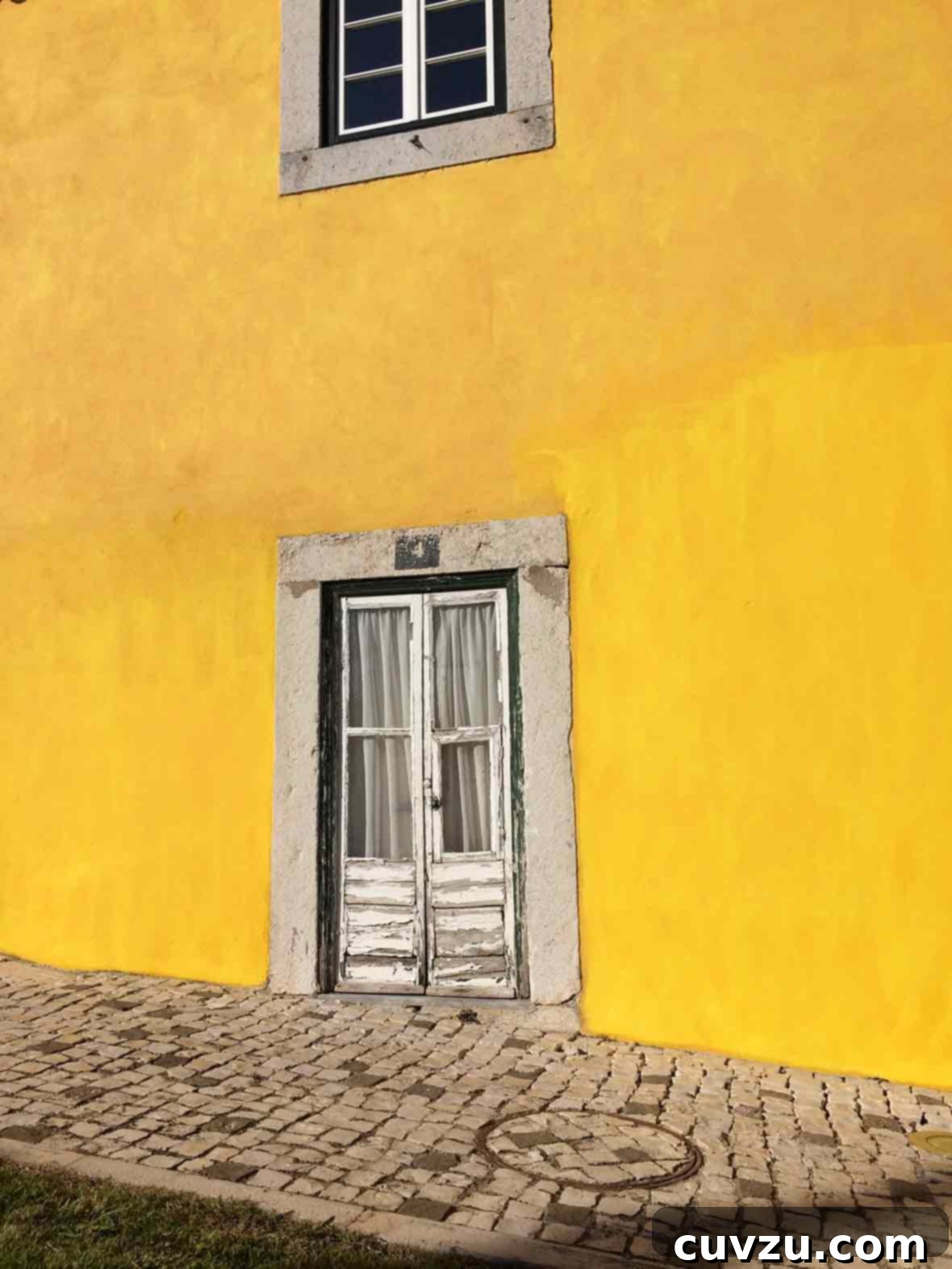
As we delved deeper into Alfama, a truly immersive sensory experience unfolded around me. I felt as though I had stepped beneath an immense, vibrant circus tent, for strung everywhere, crisscrossing the narrow alleys from building to building, were countless lines of freshly laundered clothes, flapping like a multitude of colorful flags in the gentle breeze. Further into the district’s ancient heart, the streets suddenly tightened into incredibly narrow alleys, which then gave way to dark, intriguing passageways, many culminating in a tumble of stone stairs that unexpectedly deposited us into hidden courtyards. These serene, shared spaces were bordered by the surrounding homes, creating pockets of intimate community life. With the day already warming considerably, stout women with broad, friendly faces sat comfortably on their thresholds, engaged in lively chatter, their voices echoing softly. Children, full of boundless energy, zigzagged back and forth through the courtyards, their games a delightful tumult of joyful shouts and laughter, painting a vivid picture of everyday life in this timeless neighborhood.
As noon struck, so did a keen hunger. João, after graciously guiding me through the charming labyrinth, bid me farewell to return to his “well-aerated wife,” leaving me to seek out the culinary delights of Lisbon. I promptly headed towards the restaurant he had enthusiastically recommended, eager to experience the local gastronomy.
Restaurante Faz Figura, an establishment renowned for its exquisite Portuguese cuisine and breathtaking views, has for 29 years held a commanding sway over the lower, more accessible portion of Alfama. My table, perfectly situated on the expansive covered terrace, afforded me an unparalleled, panoramic view of the majestic Tagus River as it sparkled under the midday sun. It was the ideal setting to savor a meal that promised to be as memorable as the view itself.
At the insistence of the genial owner, José Fernandes, my culinary journey began with a cold, marinated octopus salad. The very notion initially gave me pause, conjuring childhood memories of less-than-appetizing purple octopus stews foisted upon me by a well-meaning but culinarily misguided aunt. However, as José confidently placed the plate before me, any trepidation instantly dissipated. The dish presented exquisite slivers of pristine white fish, delicate and enticing, a world away from my childhood recollections. The flavors were remarkably clean and bright, invigorated by a delightful sting of excellent Portuguese vinegar, showcasing a freshness and balance that was utterly captivating. This was followed by perfectly seared skate and tender shoulder of roasted kid. Both main courses were served alongside generous mountains of tender sautéed couves, a verdant Galician kale, accompanied by aromatic roasted garlic and perfectly cooked potatoes. Each dish was a testament to the simplicity and quality of traditional Portuguese ingredients, prepared with masterful skill and heartfelt passion.
Fortified and thoroughly pleased by my delicious lunch, I decided to embark on a quintessential Lisbon experience: tackling the ascent to Castelo de São Jorge. This imposing, one-time Moorish castle majestically crowns the Alfama district, its ancient ramparts standing as a silent sentinel over the city. Upon reaching the fortress, the reward was immediate and breathtaking. The castle walls open up onto the most spectacular panoramic view of Lisbon imaginable. From this elevated vantage point, the city’s hilly disposition is easily appreciated, a sprawling tapestry of architectural wonders. This view, I quickly discovered, is best taken in during the morning hours, when the gentle sun bathes the vivid red-clay roofs in a warm glow and brilliantly illuminates the stark white façades below, creating a scene of unparalleled beauty.
The reverse, and equally arresting, view of Lisbon can be savored from the opposite side of the city, at the Miradouro de São Pedro de Alcântara. This picturesque park, perched precariously on the edge of the Bairro Alto, offers a stunning perspective, particularly as dusk begins to settle. As the sun dips below the horizon, the very same rooftops that glowed red in the morning light transform into a rich, burnt sienna, and the city’s buildings come alive with a mesmerizing brilho dourado—a golden glow that suffuses the entire landscape. Sitting there, savoring rustic peasant bread generously smeared with Queijo da Serra, a delightfully soft and creamy local cheese, and watching the castle’s ancient lights begin to sputter to life, felt like a profoundly civilized and authentic way to usher in a Portuguese evening. An evening which, as I was soon to discover, begins late, unfolds with spirited conversations and laughter, and often joyfully concludes at the first hint of dawn.
The following afternoon, eager for more urban exploration, I hopped onto one of Lisbon’s iconic eléctricos—the brightly colored trams that clatter charmingly along the city’s ancient streets, seemingly impervious to slow-moving seniors and casually padding dogs. I disembarked at Chiado, at the base of Bairro Alto, and immediately sought out the legendary A Brasileira, an exquisite Art Nouveau café situated on the tony Rua Garrett. There, amidst the elegant interiors, I inadvertently earned the admiration of my waitress by effortlessly polishing off half a dozen pastéis de nata. These dense, creamy custard tarts, with their perfectly caramelized tops and flaky pastry, have been a local obsession and a culinary emblem for more than 150 years, and it was easy to understand why.
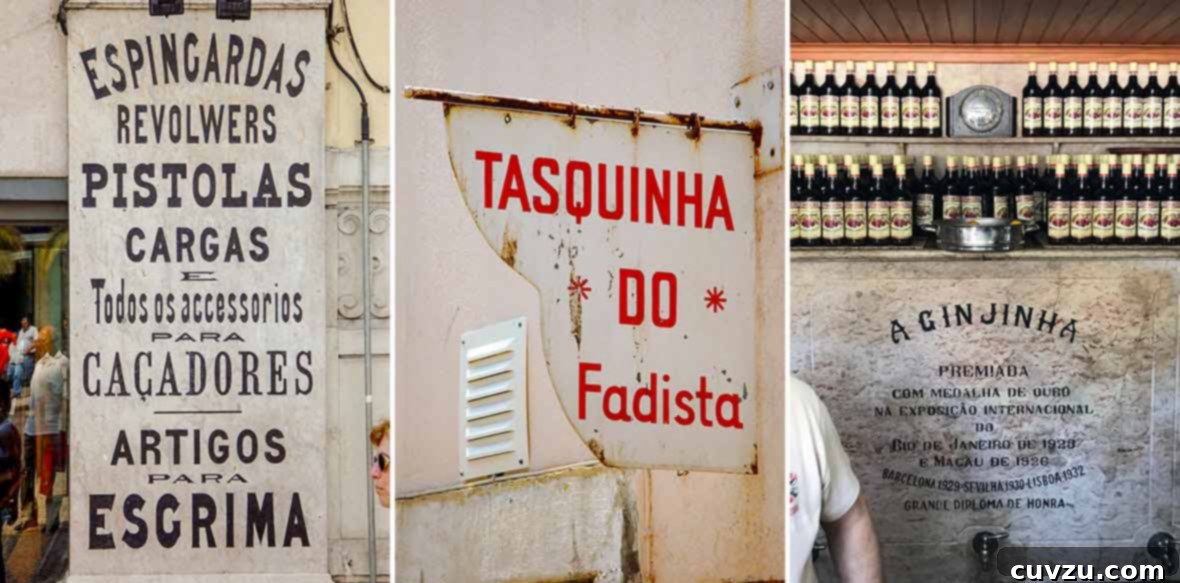
Later, as I began my ascent up the winding cobblestone streets of Bairro Alto, a peculiar silence settled around me, making me feel as if I had stumbled onto the set of a low-budget sci-fi flick. I searched the historic streets, usually bustling with life, but found no one. Peering into several tascas, the tiny, family-run eateries that are the heart of Portuguese dining, all I saw were ghostly, flickering televisions, casting an eerie glow on empty tables. The vibrant energy I expected seemed to have vanished without a trace, leaving me wondering where everyone had disappeared to.
Then, with a sudden, resounding bang, the silence was shattered. I looked up to see a robust woman throw open her vibrant green shutters, wedging herself comfortably into the window frame, her presence immediately filling the space with a palpable energy.
“Olá!” she hollered, her voice carrying across the narrow street. Moments later, another distinct bang echoed. Directly across the street, no wider than fifteen feet, a second woman, equally well-fed and exuberant, flung open her own window. She leaned out, her gaze locking with her neighbor’s, and the two immediately launched into a lively, rapid-fire conversation, their voices intertwining in a quintessential Lisbon street chorus.
“Excuse me,” I called up, my voice cutting through their animated chatter. “Where is everyone?”
They paused, exchanging a knowing glance, a shared smile dancing on their lips. “Come back tonight,” the first woman finally instructed, her tone hinting at a secret waiting to be unveiled.
Precisely twelve hours later, the transformation of Bairro Alto was nothing short of miraculous. The once-deserted street was now utterly choked with a vibrant throng of people, tables spilling out from every doorway, and chairs jostling for space under a canopy of twinkling lights. I navigated my way through a lively crosshatch of cobbled streets, where the most extraordinary array of characters converged: Goths mingled with Gapsters, and grungers rubbed shoulders with chic urbanites—a veritable United Nations of fashion statements, economic classes, and romantic agendas. The entire district pulsed with the youthful, electric charge reminiscent of New York’s East Village in the 1980s, yet with an unmistakable, watchful maternal presence. For every vampiric 19-year-old artfully trying to squeeze into a Day-Glo vodka bar, there was a black-clad, ancient woman, rosary beads clutched in hand and grocery bags dangling, sidling gracefully into her front door, a mere six feet away, embodying the timeless essence of Lisbon’s interwoven generations.
The district was now chockablock with an astonishing number of restaurants that seemed to have sprouted from nowhere, their aromas mingling enticingly in the night air. I was determined to taste as much of my newly embraced heritage as possible, embarking on a culinary quest through the heart of Portuguese tradition and innovation.
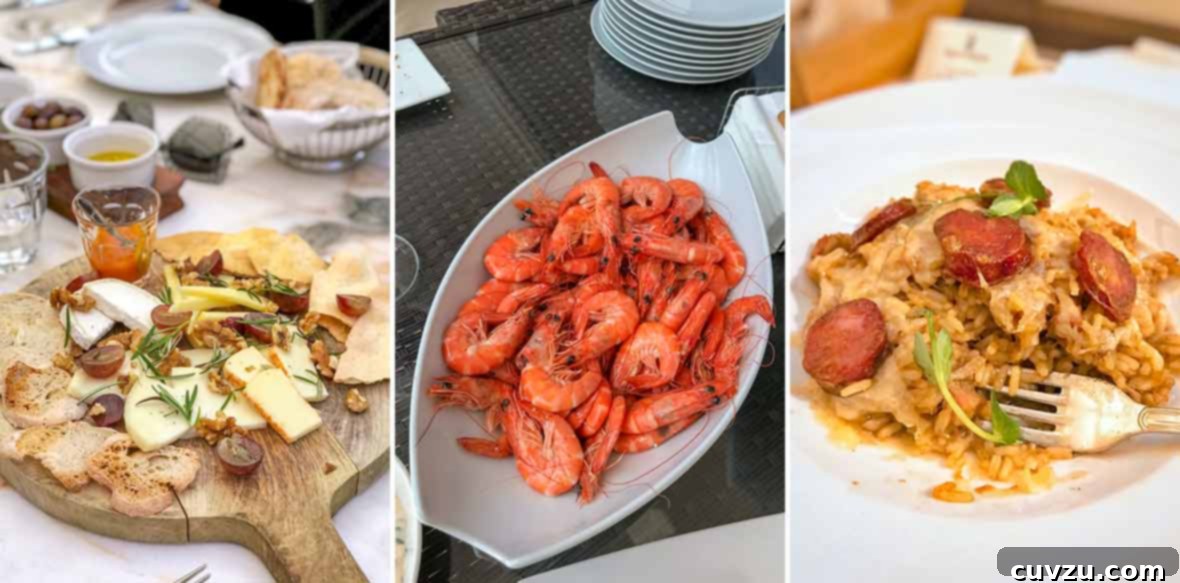
My first stop was Pap’Açôrda, a distinguished establishment known for its massive Murano chandeliers and a chic crowd of model-artist-authors. This renowned restaurant excels in serving updated regional classics, with its most famous dish being its namesake: açôrda, a hearty, flavorful bread soup, generously swollen with a rich broth and, in this particular iteration, studded with succulent seafood. I was equally delighted by the peixinhos da horta, literally translating to “little fish from the garden.” These are, quite simply, green beans delicately battered and deep-fried to crispy perfection. They earn their whimsical name from their slender, fish-like shape. Indeed, when the waiter presented a bowl, they resembled a tantalizing tangle of freshly fried, miniature fish. A word of caution: while the food is undeniably exquisite, the waiters’ demeanor can be distinctly characterful, bordering on the condescending. However, the sublime cuisine makes it an experience well worth enduring.
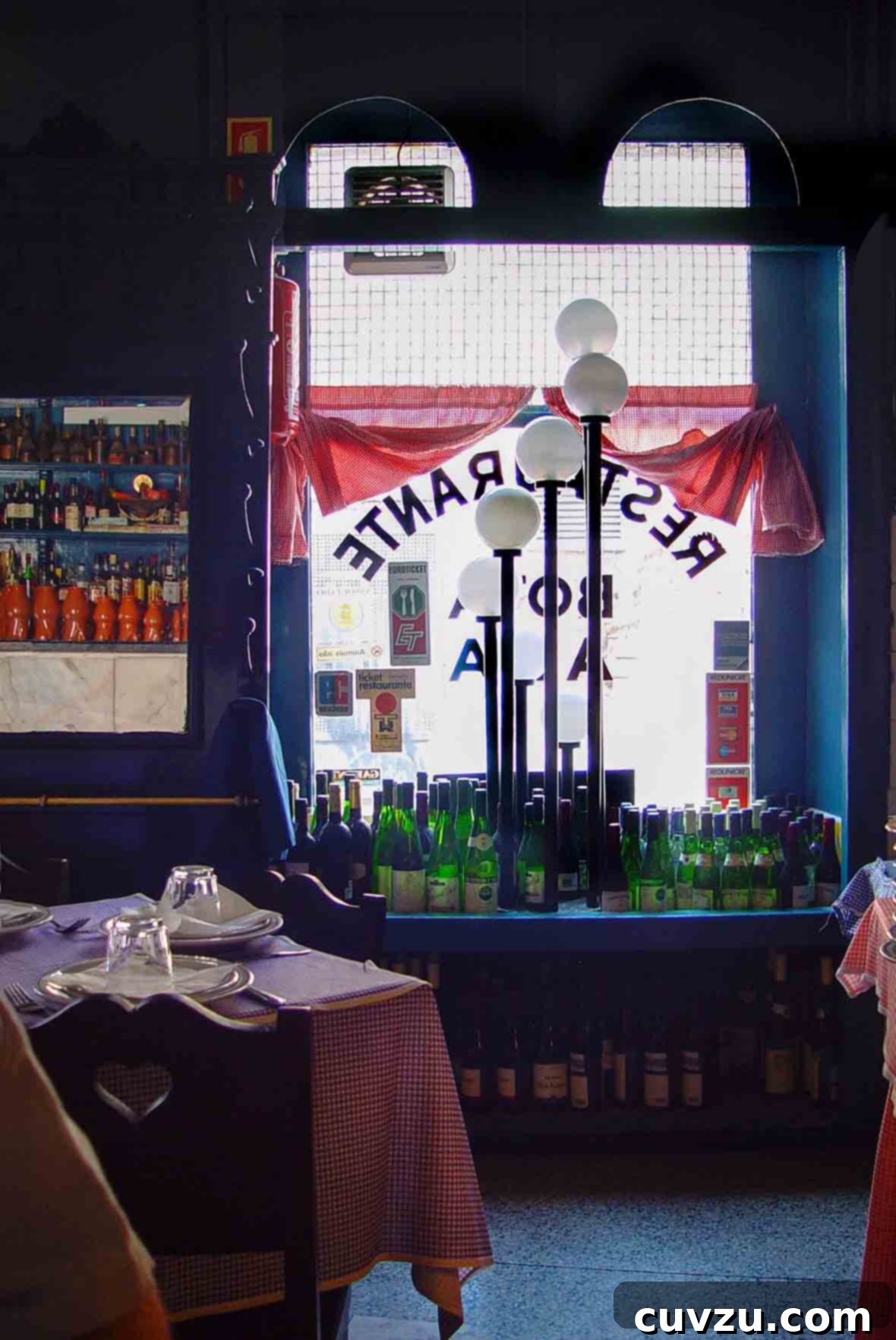
Just around the corner, I discovered Bota Alta, which, in my opinion, stands as one of the finest spots for genuinely classic and authentic Portuguese cuisine. Its high-voltage blue interior was atmospherically dark and mysteriously inviting, hinting at the traditional culinary treasures within. After explaining to Paulo Cassiano, a charming waiter and nephew to the owner Antonio Cassiano, that this was my inaugural visit to Bota Alta, he immediately suggested the iconic bacalhau à Brás—salted codfish scrambled with eggs and tossed with crispy matchstick potatoes. Having prepared this very dish countless times back home, I scanned the menu, seeking something a little more exotic, a culinary adventure beyond my familiar repertoire. I eventually settled on a fish I couldn’t quite pronounce and Paulo, with a shrug, couldn’t precisely translate. He nodded reassuringly and returned several minutes later with a dish that, to my surprise, looked suspiciously like bacalhau à Brás.
“If you don’t like it,” he promised, a twinkle in his eye, “I’ll bring you whatever you desire.” Charmed by his good-natured insistence, I dug in, and with the first bite, I understood completely. The clouds of soft, perfectly scrambled eggs, encasing tender bits of salted cod and delightfully crispy matchstick potatoes, were utterly addictive—a harmonious blend of textures and flavors that redefined my understanding of the dish.
“Well?” Paulo asked, his anticipation palpable as he hovered nearby.
“I’m sorry,” I began, feigning disappointment, “but there’s something else I’d like.” He looked visibly crestfallen, his shoulders slumping, until I quickly added, “The recipe.” His face immediately blustered with relief, a wide grin spreading across it, and he promptly yelled something boisterous back to the kitchen. As of that memorable day, my own cherished *bacalhau à Brás* recipe was officially, and happily, retired.
Having embarked on a culinary journey that spanned from the earliest days of the Portuguese empire to the cusp of the 21st century, my final night in Lisbon called for a taste of cutting-edge, contemporary cuisine. The city’s old docks, once bustling industrial hubs, have been brilliantly revitalized, now outfitted with a vibrant array of new restaurants and glittery discos, marking a stylish transition into modern Lisbon. As I stepped out of the taxi, I felt the magnetic pull of Lux, Lisbon’s most famous nightspot, its pulsating music an irresistible siren call. Yet, I deliberately headed instead for the wildly popular restaurant Bica do Sapato, an establishment partly owned by the renowned actor John Malkovich, known for its sophisticated atmosphere and innovative menu.
The restaurant’s retro-modern dining room was a marvel of design. With its soaring ceilings, sleek white tulip chairs, and captivating hanging flying-saucer lights, the aesthetic could easily make even Eero Saarinen’s iconic TWA terminal envious. I settled comfortably at a table positioned along the placid Tagus, where I had a magnificent view of the Ponte 25 de Abril, Lisbon’s impressive suspension bridge, an unmistakable doppelgänger of San Francisco’s legendary Golden Gate Bridge. The ambiance was sophisticated, the setting sublime, preparing me for a meal that promised to be as innovative as the surroundings.
“It’s a good thing the Inquisition has long since blown over,” I quipped to Alan, my dining companion, as I scanned the menu, which was, by all traditional standards, positively heretical. All the beloved, traditional Portuguese ingredients were prominently featured—codfish, rich olive oil, succulent pork, comforting potatoes, plump shrimp, and savory clams. Yet, none of the dishes presented were even vaguely familiar in their preparation or presentation. Chef Fausto Airoldi was clearly pushing the boundaries of Portuguese gastronomy.
A perfect illustration of this innovative spirit was my starter: Chef Fausto Airoldi’s use of fresh cod—a remarkably unusual choice for a country where salted cod reigns supreme—to create a tartare. This in itself was a truly audacious move in Portugal. The delicate tartare rested artfully on a bed of finely diced vegetables and was crowned with a grape-sized scoop of olive oil sorbet, an utterly unthinkable concept in traditional Portuguese cooking, yet, to my immense delight, it was also utterly delicious. The surprising textures and harmoniously balanced flavors were a testament to the chef’s culinary brilliance.
The surprises continued with the pato à Brás. For this dish, Chef Airoldi took succulent duck breast, traditionally served over piles of rice in Portuguese cuisine, and masterfully applied the egg-and-potato treatment typically reserved for salted codfish, much like the unforgettable *bacalhau à Brás* I had savored at Bota Alta. To this innovative interpretation, he added a delicate tomato confit and perfectly steamed grelos, a leafy green similar to Italian broccoli rabe, ensuring a complex yet balanced flavor profile. It was a bold reinterpretation, yet deeply rooted in Portuguese comfort food.
“How is this bold approach going over with the locals?” I inquired of Airoldi, genuinely curious. “This isn’t exactly my mamma’s cooking, is it?”
He laughed, a warm, knowing sound. “The Portuguese are wonderfully stubborn,” he admitted with a shrug. “They will happily travel twenty kilometers for a perfectly classic, traditional meal, but they might not cross the avenue for something entirely new. But,” he added, a glimmer of optimism in his eyes, “it is changing, slowly but surely.”
“So why do you keep trying to innovate?” I pressed, intrigued by his dedication.
He smiled, a mischievous twinkle in his gaze. “Because I am part Portuguese and part Italian,” he explained, “and that, my friend, means I am twice as stubborn as anyone else.” His passion for both heritage and innovation was evident in every dish.
After dinner, Alan and I walked slowly back along the revitalized docks, the Tagus River shimmering softly beside us. I paused, looking up at the city, which now gleamed and sparkled in the warm night air. It was once my father’s capital, a distant dream of heritage. But now, through an act of familial generosity that spans centuries, Lisbon had been gracefully and wholeheartedly turned over to me, its vibrant pulse beating in harmony with my own.
Recipes
Bacalhau à Brás: Salt Cod with Eggs and Potatoes
Peixinhos da Horta: Portuguese Deep-Fried Green Beans