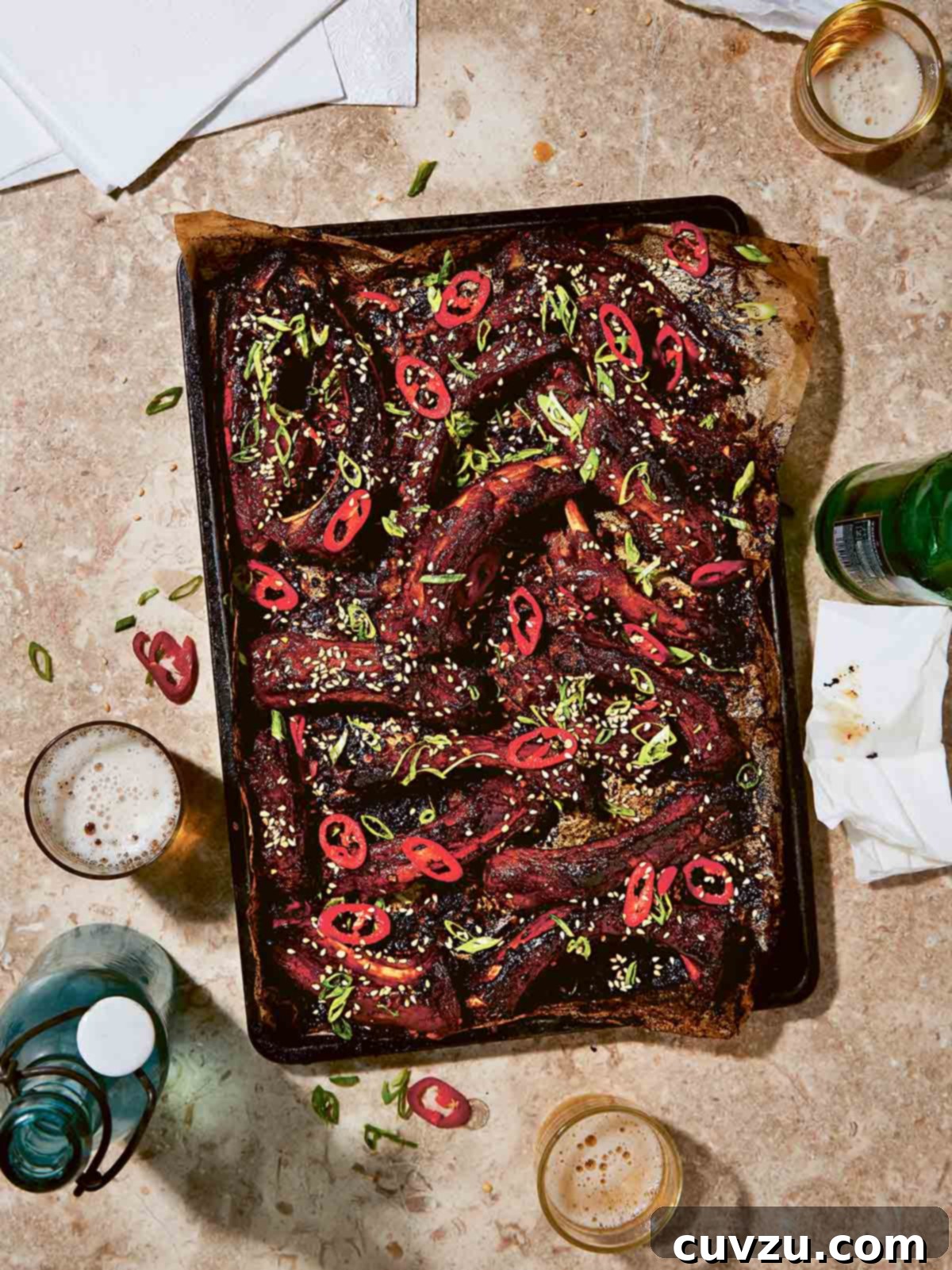
Prepare to tantalize your taste buds with these extraordinary Asian Sticky Ribs – a culinary masterpiece that combines sweet, sticky, and spicy flavors with the irresistible essence of authentic Chinese barbecue. What makes this recipe truly stand out is its remarkable ease of preparation: these succulent ribs are entirely oven-baked, liberating you from the constant attention typically demanded by grilling. Imagine fall-off-the-bone tenderness enveloped in a glorious, glistening glaze, all achievable right in your own kitchen.
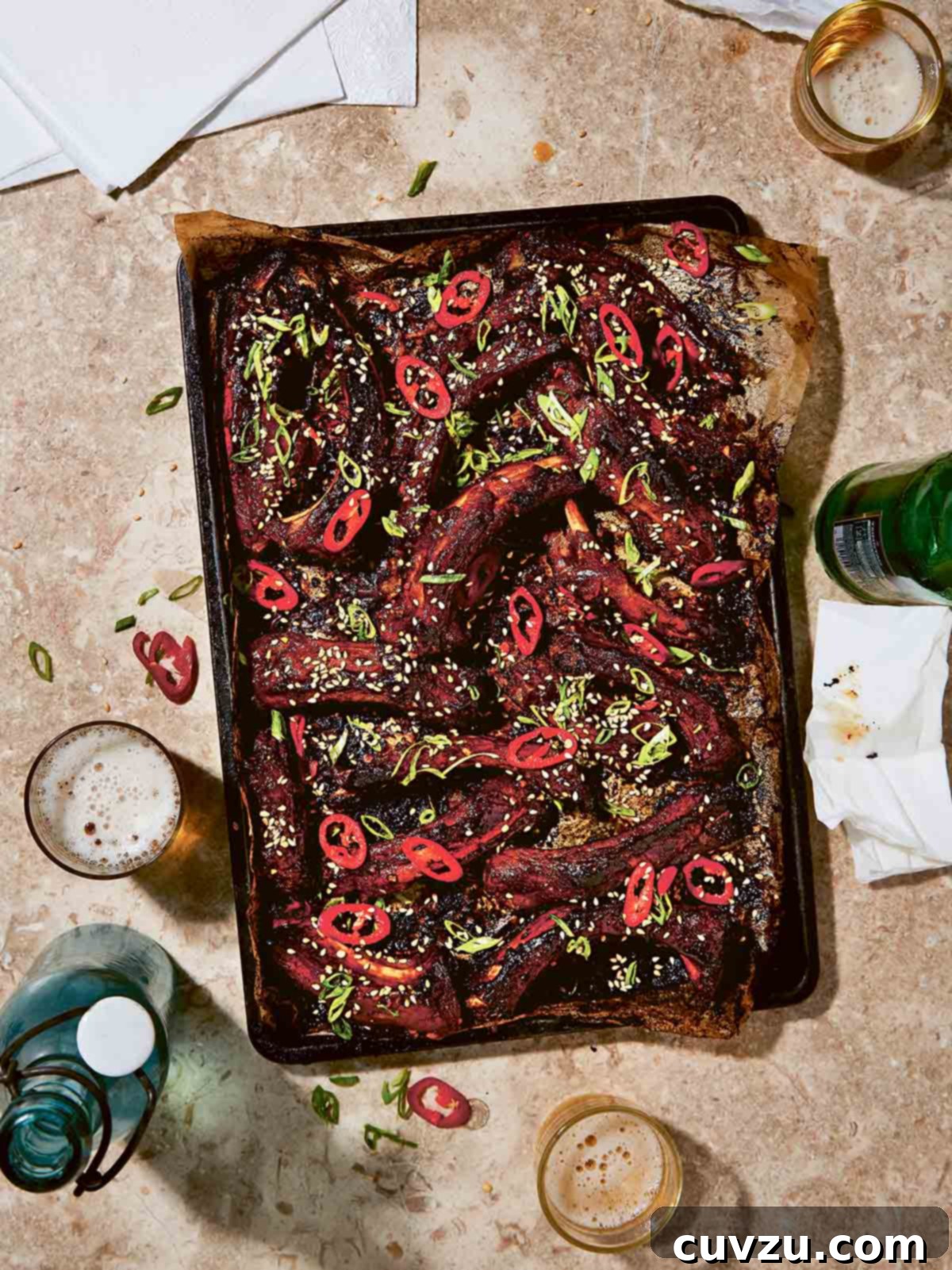
This beloved recipe is a testament to simple yet profound flavors, adapted from Mandy Yin’s family kitchen. It transforms ordinary pork ribs into an unforgettable dining experience, largely thanks to the rich and versatile hoisin sauce at its heart. Unlike many complex Asian dishes, these ribs are super easy to put together, requiring minimal hands-on time once they’re in the oven. You can simply set them to roast and return later to a house filled with an intoxicating aroma and a meal that tastes like it came from a high-end Chinese restaurant. If you’re a devoted fan of Char Siu – the classic Chinese BBQ pork – you will undoubtedly adore this oven-baked rendition of barbecue. It strikes a perfect balance: sweet, but never cloyingly so, with just the right kick of spice and that wonderfully addictive stickiness that makes every bite a pure delight.
The beauty of these oven-baked sticky ribs lies in their ability to deliver authentic Chinese barbecue flavor without the need for specialized equipment or outdoor grilling. This makes them a perfect choice for any time of year, allowing you to enjoy that smoky, caramelized goodness regardless of the weather. The secret to their incredible texture is a two-step roasting process, ensuring the meat becomes incredibly tender while the exterior develops a deeply flavorful, sticky crust. Every rib is coated in a vibrant marinade, promising an explosion of savory, sweet, and tangy notes with a hint of spice.
Crafting these amazing ribs begins with a powerful marinade, a blend of fresh aromatics like ginger and garlic, coupled with foundational Asian ingredients such as hoisin sauce, soy sauce, and Shaoxing rice wine. Hoisin sauce, often dubbed “Chinese barbecue sauce,” brings its characteristic sweet and savory notes, providing the quintessential sticky glaze. Shaoxing wine, a staple in Chinese cooking, adds a crucial layer of depth and complexity, tenderizing the meat and infusing it with its unique aroma. The addition of chili powder and white pepper introduces a gentle warmth that perfectly complements the sweetness, while sesame oil adds a nutty, aromatic finish. This carefully balanced marinade penetrates the pork overnight, ensuring every fiber of meat is bursting with flavor.
When it comes to selecting the perfect ribs, baby back ribs or side ribs are ideal for this recipe, offering a great meat-to-bone ratio and cooking up incredibly tender. A key step for the best texture is removing the silverskin membrane from the underside of the ribs. This thin, tough membrane can prevent the marinade from fully penetrating the meat and can make the ribs chewy. With a simple technique using a small knife and a paper towel, it’s easily peeled away, allowing your ribs to achieve that desired fall-off-the-bone tenderness. The preparation is straightforward: combine the marinade ingredients, coat the ribs, and let time work its magic in the refrigerator. The cooking process is equally forgiving, requiring minimal intervention as the oven transforms them into culinary perfection.
These Asian sticky ribs are more than just a meal; they’re an experience. They’re perfect for a casual weeknight dinner, a weekend gathering, or even a special occasion. The vibrant garnishes of fresh scallions, thinly sliced red chilies, and toasted sesame seeds not only add a burst of color but also provide fresh, contrasting textures and flavors that elevate the dish. Serve them family-style on a large platter, allowing everyone to dive in and enjoy the finger-licking goodness. The effortless preparation and unforgettable taste make this Asian sticky ribs recipe a true crowd-pleaser that you’ll want to revisit again and again.
Asian Sticky Ribs FAQs
We strongly advise against substituting rice vinegar for Shaoxing wine. While both are fermented rice products, they possess distinct flavor profiles and culinary roles. Shaoxing wine, a seasoned rice wine, offers a complex, savory, and slightly sweet depth essential for authentic Chinese flavors, contributing significantly to the marinade’s richness and the ribs’ tender texture. Rice vinegar, on the other hand, is much more acidic and lacks the nuanced flavor notes of Shaoxing wine. Using it would drastically alter the taste of the marinade and the final dish. If Shaoxing wine is unavailable, your best alternatives are dry sherry or Mirin (Japanese sweet rice wine), both of which offer a similar depth of flavor, though Mirin is sweeter so you might adjust other sugar levels slightly.
Don’t worry, you probably already have a mild vegetable oil in your kitchen! The term “mild vegetable oil” refers to cooking oils that have a neutral flavor profile, meaning they won’t impart any distinct taste to your dish. This allows the natural flavors of the ribs and marinade to shine through without interference. Common examples of mild vegetable oils that work perfectly in this recipe include standard vegetable oil, canola oil, grapeseed oil, sunflower oil, and corn oil. Olive oil, particularly extra virgin, is generally not considered mild due to its strong flavor and lower smoke point, making it less suitable for this particular application.
Properly storing ginger root can extend its freshness significantly. You can wrap leftover fresh ginger root tightly in a paper towel and then place it in a resealable plastic bag or airtight container in your refrigerator’s crisper drawer. Stored this way, it can stay fresh for several weeks, often close to two months! For longer storage, freezing is an excellent option. You can freeze ginger either peeled or unpeeled. Break it into small knobs, wrap each piece individually in plastic wrap, and then store them in a freezer-safe bag for up to 6 months. Another convenient method is to mince or grate your ginger, then freeze it in ice cube trays with a little water or oil. Once frozen solid, transfer the cubes to an airtight container and return them to the freezer; they’ll be good for about three months, ready to be dropped straight into your cooking.
The membrane, also known as the silverskin, is a thin, translucent layer found on the underside (bone side) of a rack of ribs. Removing it is crucial for achieving truly tender, fall-off-the-bone ribs, as it prevents the meat from becoming tough and allows marinades and rubs to penetrate more effectively. While some butchers might remove it for you, it’s a simple task to do at home. To remove the membrane, start by using the tip of a small, sharp knife or a butter knife to gently loosen a corner of the membrane from one of the bones. Once you have a small flap lifted, grab it firmly with a paper towel – the paper towel provides grip, making it easier to hold the slippery membrane. Slowly but firmly pull the membrane off the entire rack. It should come off in one long piece. If it tears, simply repeat the process from where it left off.
These flavorful Asian sticky ribs pair beautifully with a variety of side dishes that balance their richness and stickiness. Our recipe testers unanimously loved serving them with fluffy white rice, which is perfect for soaking up the delicious sauce. Steamed or stir-fried vegetables like bok choy, broccoli, or snap peas provide a fresh, healthy contrast. For something more substantial, an Asian-inspired coleslaw offers a refreshing crunch and tangy flavor that cuts through the sweetness of the ribs. Baked beans, especially those with a touch of sweetness and spice, can also be a surprisingly good accompaniment. For a heartier meal, consider serving them alongside noodles, such as the San Francisco-Style Vietnamese Garlic Noodles mentioned by one of our testers, for a truly satisfying feast.
Absolutely! These Asian sticky ribs are an ideal make-ahead meal, perfect for entertaining or busy weeknights. The most critical “ahead-of-time” step is the marination. The ribs should marinate overnight for optimal flavor penetration and tenderness, but they can comfortably sit in the marinade for up to 24 hours in the refrigerator. Once cooked, leftover ribs can be stored in an airtight container in the refrigerator for 3-4 days. To reheat, gently warm them in an oven at 300°F (150°C) until heated through, or microwave them, though the oven method will help maintain their texture and sticky glaze better.
For this Asian Sticky Ribs recipe, both baby back ribs (also known as loin ribs) and spare ribs (or side ribs) are excellent choices. Baby back ribs are cut from the top of the rib cage, near the backbone, and are shorter, leaner, and more curved. They cook relatively quickly and yield very tender, flavorful meat. Spare ribs, conversely, are cut from the belly side of the pig, below the baby backs. They are flatter, longer, and have more meat between the bones, with a higher fat content that results in incredibly juicy and flavorful results. Both types will work wonderfully, offering that signature sticky, savory goodness. The cooking times might vary slightly depending on the thickness and type of ribs you choose, so always cook until they are tender and easily pull away from the bone.
Achieving that desirable sticky and caramelized glaze is key to these Asian Sticky Ribs. It primarily comes down to two factors: the sugar content in the marinade (from hoisin sauce and granulated sugar) and the basting process during the final stage of cooking. The marinade itself, rich in hoisin, naturally caramelizes as it cooks at higher temperatures. Basting the ribs with the remaining marinade halfway through the cooking process ensures an even coating and builds up those delicious layers of flavor and stickiness. The initial roasting at 375°F (190°C) allows the ribs to cook through and start developing color, while the subsequent 30 minutes at a slightly lower 325°F (170°C) with the second basting encourages further caramelization without burning, resulting in that perfectly glossy, irresistible finish.
Asian Sticky Ribs
David Leite
Mains
Chinese
2
servings
1270
kcal
20
minutes
1
hour
15
minutes
1
day
Ingredients
For the marinade
- One (2-inch) piece of fresh ginger, peeled and finely chopped
- 4 garlic cloves, finely chopped
- 1/4 cup hoisin sauce
- 1/4 teaspoon chili powder
- 1 tablespoon low sodium soy sauce
- 1 teaspoon granulated sugar
- 1/8 teaspoon freshly ground white pepper
- 1/4 teaspoon kosher salt
- 1 teaspoon oyster sauce
- 1 tablespoon Shaoxing rice wine
- 1 tablespoon sesame oil
- 2 pounds 4 ounces pork back or side ribs, silver skin removed
For the ribs
- 1 tablespoon mild vegetable oil
- 3 scallions, finely chopped, to garnish
- 1 red chile, thinly sliced, to garnish
- 2 tablespoons sesame seeds, toasted in a dry pan until fragrant, to garnish
Instructions
Marinate the ribs
-
In a large bowl, thoroughly mix all of the marinade ingredients together until well combined. Place the prepared ribs on a rimmed baking sheet. Pour half of the flavorful marinade evenly over the ribs, ensuring they are well coated. Cover the baking sheet tightly with plastic wrap or foil and refrigerate the ribs to marinate overnight, allowing the flavors to deeply penetrate the meat.
Cook the ribs
-
The next day, preheat your oven to 375°F (190°C). This ensures the oven is at the correct temperature for even cooking.
-
Line a rimmed sheet pan with aluminum foil for easier cleanup. Lay the marinated ribs on the foil-lined pan with the meat side facing up. Lightly baste the ribs with 1 tablespoon of mild vegetable oil. Roast in the preheated oven for 45 minutes, allowing them to begin to tenderize and develop color.
-
After 45 minutes, carefully remove the ribs from the oven. Reduce the oven temperature to 325°F (170°C). Baste the ribs generously with the remaining half of the marinade, ensuring an even coat over all the ribs. Return them to the oven and continue to cook for an additional 30 minutes. This lower temperature and second basting will help to create that perfect sticky, caramelized glaze.
-
Once cooked, remove the ribs from the oven. For optimum tenderness and juiciness, allow them to rest uncovered for 10 minutes before slicing. This resting period helps the juices redistribute throughout the meat. Slice the ribs into individual portions or larger slabs, as desired. Arrange them on a large serving platter, or for a rustic presentation, you can even serve them directly from the baking sheet.
-
Finish by garnishing the ribs generously with finely chopped scallions, thinly sliced red chile for a pop of color and subtle heat, and fragrant toasted sesame seeds. Now, prepare to devour these incredibly delicious and satisfying Asian Sticky Ribs!
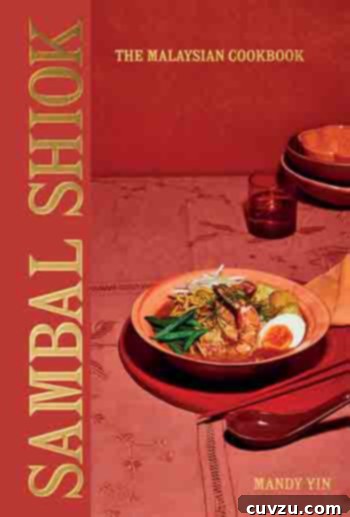
Adapted From
Sambal Shiok
Buy On Amazon
Nutrition
Serving:
1
portion
Calories:
1270
kcal
Carbohydrates:
27
g
Protein:
59
g
Fat:
101
g
Saturated Fat:
29
g
Monounsaturated Fat:
39
g
Trans Fat:
1
g
Cholesterol:
281
mg
Sodium:
1514
mg
Fiber:
3
g
Sugar:
13
g
Nutrition information is automatically calculated, so should only be used as an approximation.
Tried this recipe? Mention @leitesculinaria or tag #leitesculinaria!
Recipe Testers’ Reviews: Real Feedback for Real Cooks

Jeanne Smith
“This is an easy, delicious way to prepare ribs. I marinated the ribs in a large piece of foil, so when it was time to roast them, I just had to open the foil, place the packet on the baking pan and put it in the oven. I think the marinade would be helped by a couple tablespoons of Sriracha, depending on your taste. I served the sticky ribs with Sriracha on the side along with steamed rice.”
Jeanne’s clever trick of marinating in foil not only saves on cleanup but also suggests how adaptable this recipe is to making it even simpler. Her recommendation for adding Sriracha highlights the ability to customize the spice level, ensuring these ribs can be tailored to any palate.

Elizabeth Thompson
“I was drawn to this Asian sticky ribs recipe because the combination of flavors – spicy, sweet, salty, sticky – sounded delicious. It also looked like a fairly easy Asian recipe to try if one does not have a ton of experience or confidence with the flavors and ingredients. Overall, the instructions were accurate, easy to follow, and straightforward. I had most of the ingredients on hand, and what I didn’t have was easy to find at my local grocery store. Planning ahead is important so that you can properly marinate the ribs overnight, the cooking itself is easy and fast, and you can serve on the same baking sheet they roasted on – BONUS! The marinade was delicious and I would even advocate for doubling it so that you have extra saucy goodness. I served the ribs with Jasmine rice, homemade kimchi, and a cold bock beer – which was a perfect combination. The flavor was exactly what I expected based on the description and would definitely make these ribs again!”
Elizabeth’s experience underscores the recipe’s accessibility for cooks of all skill levels, praising its straightforward instructions and the ease of sourcing ingredients. Her suggestion to double the marinade is a brilliant tip for those who love extra sauce, enhancing the “sticky” factor. The serving combination of Jasmine rice, kimchi, and bock beer paints a vivid picture of a perfectly balanced and delightful meal.

Jackie Gorman
“These Asian sticky pork ribs are simple to throw together, using ingredients that are easily found in most supermarkets. Even hoisin sauce, which may by some, be considered the most “exotic” ingredient on the list, shows up on the Asian aisle of most stores. It’s something that I always have in our refrigerator, and I find a lot of uses for it. Buying hoisin sauce to make this recipe, can lead you to many other dishes that you will enjoy making and eating. These sticky Asian ribs are really delicious. I made ours with baby back pork ribs. As far as side dishes are concerned, I made Chinese garlic noodles and a marinated cucumber and tomato salad. Everything went wonderfully together.”
Jackie highlights the convenience of readily available ingredients, particularly hoisin sauce, reassuring home cooks that this “exotic” staple is now a supermarket standard. Her enthusiasm for how hoisin sauce can open doors to other culinary adventures is inspiring. Her choice of baby back ribs with Chinese garlic noodles and a marinated cucumber and tomato salad further illustrates the versatility of these ribs and how they integrate into a complete Asian-inspired feast.

Barbara Hinde
“May I give these ribs an 11/10? They are mouthwatering, sticky, sweet, slightly spicy, perfectly tender and easy to make. Most of the time is hands-off (marinated for a little over 24 hours). We served these with baked beans with pickled jalapeño and an Asian-y slaw with lots of cilantro and ginger.”
Barbara’s enthusiastic 11/10 rating speaks volumes about the irresistible appeal of these ribs. Her description perfectly captures their ideal balance of flavors and textures: mouthwatering, sticky, sweet, and perfectly tender. She emphasizes the “hands-off” nature of the cooking, a boon for busy cooks, and provides creative side dish ideas like baked beans with pickled jalapeño and an Asian-inspired slaw, showcasing how well these ribs adapt to diverse pairings.

Daniela Trapani
“These sticky ribs were so tasty and so easy! Total winner!! This is an ideal weeknight dinner because it is so hands-off. I served them alongside some white sticky rice and steamed green beans. We were licking our fingers! Will definitely be making this again.”
Daniela echoes the sentiment of ease and deliciousness, declaring the recipe a “total winner.” Her testimonial highlights its suitability as an “ideal weeknight dinner” due to its minimal active cooking time. The simple yet classic pairing with white sticky rice and steamed green beans confirms that sometimes, the best accompaniments let the star of the show — these sticky, flavorful ribs — truly shine.