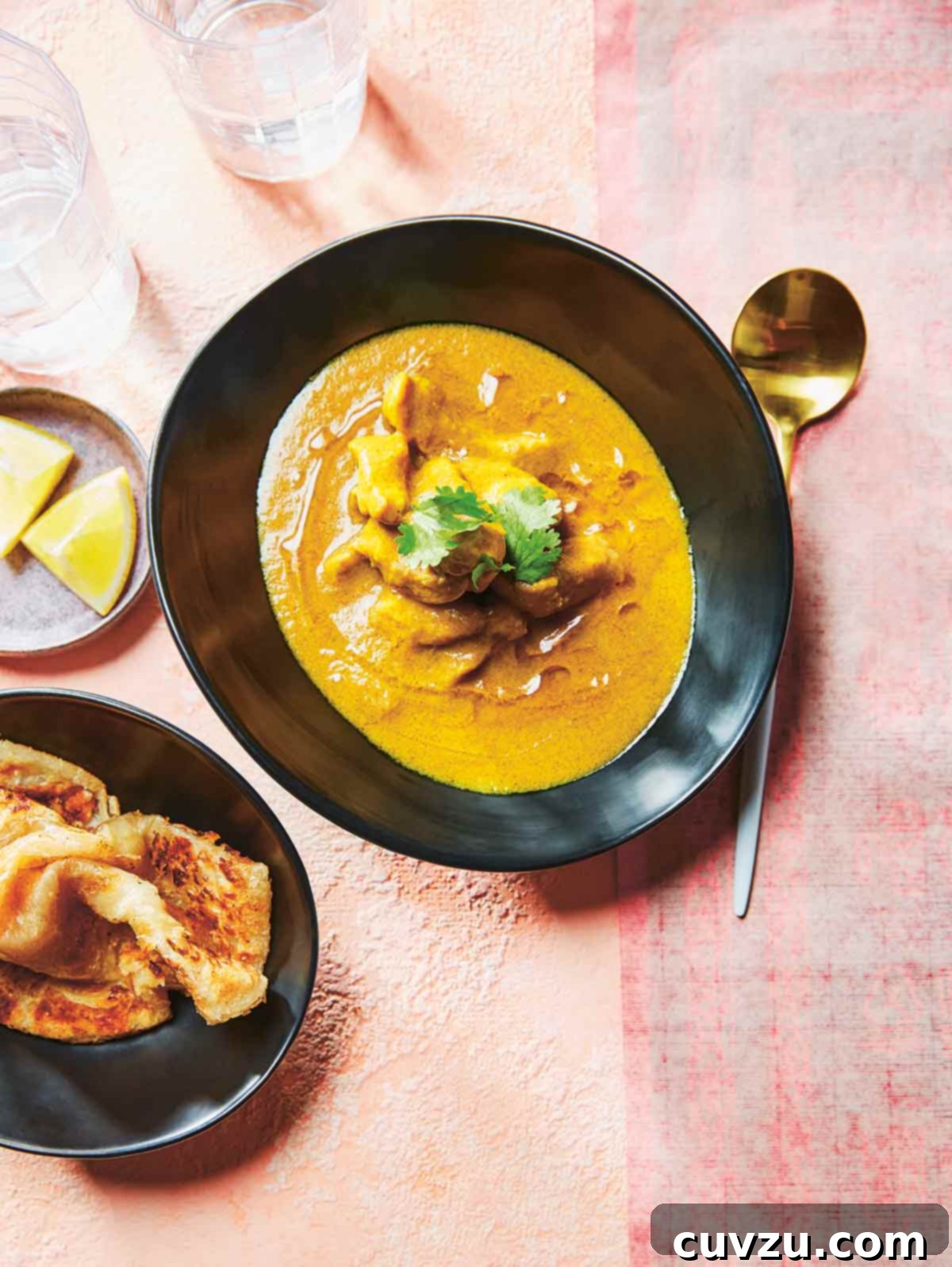
Macanese Portuguese-Inspired Chicken Curry offers a captivating journey for your taste buds, beautifully weaving together the rich culinary traditions of Macau. This uniquely savory curry stands out with its intricate layering of flavors, featuring aromatic fish sauce, creamy coconut milk, vibrant turmeric, and smoky paprika. Designed to be profoundly flavorful yet gently spiced, it promises a comforting and satisfying experience for all palates. For those who crave an extra kick, a dash of chili oil can easily elevate the heat, making this a versatile dish beloved by everyone.
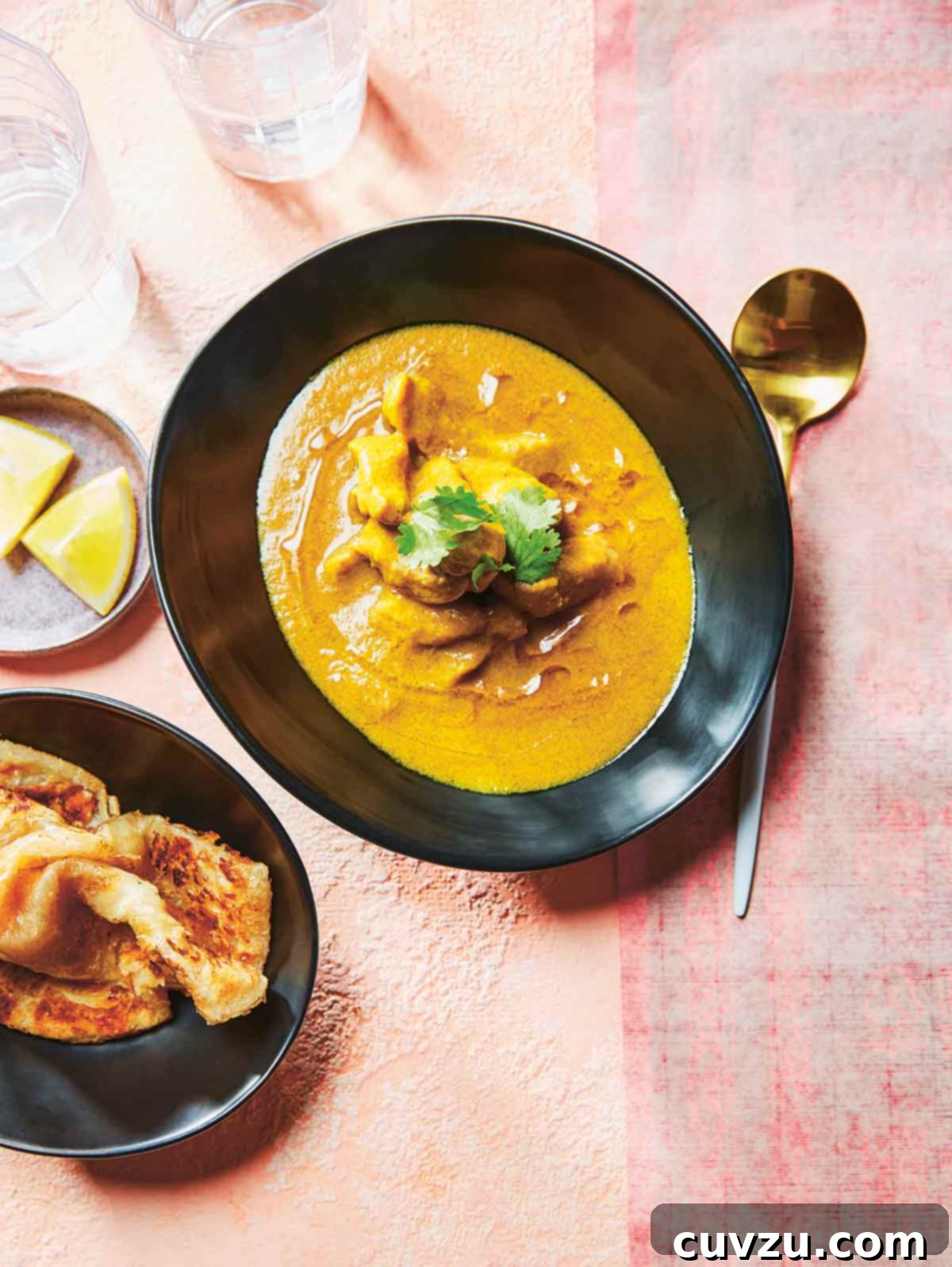
The creation of unique, fusion dishes often stems from the blending of cultures within immigrant households. As Trevor Lui aptly puts it, “As immigrant kids, we had different things in our pantries. And when you’re left at home alone, you start to play around with some of these ingredients inside traditional dishes that you may not have if you’re not from an immigrant household. And I think a lot of that sings in what we see in restaurants today. A lot of influences and inspirations in certain dishes chefs cook are based on this fused culture of being a child of immigrant background melded with the culture of being North American.” This sentiment perfectly encapsulates the spirit of Macanese cuisine, where Portuguese and Chinese culinary heritage intertwine to create something truly exceptional. This chicken curry is a testament to such innovation, born from diverse pantries and the adventurous spirit of home cooks.
Discovering Macanese Cuisine: A Culinary Journey Through History
Macau, a small but historically significant peninsula located on the South China Sea coast, boasts a fascinating heritage as a former Portuguese colony. For over 400 years, this vibrant city served as a crucial trading post, connecting East and West. This unique history has given rise to Macanese cuisine, a captivating blend of Southern Chinese and Portuguese culinary traditions, further enriched with aromatic influences from Africa, India, and Southeast Asia due to its extensive trade routes. It’s a true culinary melting pot where diverse flavors harmoniously converge, resulting in dishes that are both comforting and exotic, robust yet elegantly refined.
Our Macanese Portuguese-Inspired Chicken Curry is a prime example of this incredible fusion, embodying centuries of cultural exchange. It takes the familiar, heartwarming concept of a traditional curry and infuses it with distinctive ingredients and cooking methods that reflect Macau’s diverse past. Imagine the rich, savory depth characteristic of slow-cooked Portuguese stews, beautifully combined with the aromatic spices, creamy textures, and umami intensity found in the finest Asian curries. This dish isn’t just a meal; it’s a flavorful journey through history, inviting you to explore the complex layers of Macanese culinary identity with every bite.
Unlike many intensely spicy curries found across Asia, this Macanese version deliberately prioritizes a harmonious balance of flavors over overwhelming heat. The luscious sweetness of full-fat coconut milk gently mellows any subtle spice, while premium fish sauce provides an essential umami depth that is both savory and delicately salty, a true backbone to the dish. Golden turmeric lends its earthy notes and a beautiful, inviting hue, and high-quality paprika contributes a mild, smoky sweetness, creating a complex yet approachable flavor profile that appeals to a wide range of palates. It’s a hearty, soul-satisfying meal that leaves a lasting impression without overwhelming your senses, making it a perfect introduction to Macanese flavors.
Chicken Curry FAQs: Your Questions Answered
If you or your guests prefer a more intense level of heat in your curry, there are several effective ways to adjust the spice profile to your liking. During the cooking process, specifically when you add the other dry spices (like turmeric and paprika) or during the simmering stage, you can directly incorporate more powdered chili peppers. Traditional choices include Kashmiri peppers, which offer a vibrant color along with their heat, or a pinch more cayenne pepper for a straightforward fiery kick. For those who enjoy the texture and immediate punch of fresh chilies, finely sliced bird’s eye chilies or even a habanero (use with caution!) can be added. If you’re serving a mixed crowd where some prefer mild and others crave extreme heat, it’s often best to offer heat enhancers at the table. Provide a small bowl of high-quality chili oil, extra fresh sliced peppers, or a shaker of ground cayenne pepper. This thoughtful approach allows each person to customize their dish to their desired spice level, ensuring everyone enjoys the meal exactly how they like it without compromise.
Yes, you can absolutely freeze leftover curry, even when it contains coconut milk. It’s a convenient way to extend the shelf life of your delicious creation. While coconut milk on its own has a tendency to separate when frozen and can become slightly grainy or watery in texture upon thawing, when it’s part of a rich and complex curry like this Macanese chicken dish, the other ingredients—such as the chicken, finely cooked onions, and various spices—often help to emulsify and stabilize the coconut milk, preventing significant separation. Therefore, while the thawed curry might still exhibit a slight textural difference or minor graininess compared to its freshly made state, it remains perfectly safe and incredibly delicious to eat. To restore its optimal consistency, gently reheat the curry over low heat, stirring frequently. If it appears too thin, you can simmer it uncovered for a few extra minutes to allow it to thicken slightly. A quick whisk during reheating can also help re-emulsify any separated liquids, bringing back its creamy texture. This dish often tastes even better the next day, making it an excellent candidate for meal prepping and freezing.
While chicken thighs are traditionally favored in many curry recipes, including this authentic Macanese version, due to their rich, robust flavor, inherently tender texture, and often more economical price point, chicken breasts can certainly be used as a substitute if that’s what you have on hand or simply prefer. Dark meat (thighs) tends to be much more forgiving during longer cooking times, remaining moist and flavorful even with extended simmering, whereas white meat (breasts) can dry out and become tough if overcooked. If you opt for chicken breasts, consider cutting them into slightly larger pieces or adding them a little later in the cooking process to help them retain moisture and reduce the risk of becoming dry. Be particularly mindful that white meat generally cooks faster than dark meat, so adjust your cooking times accordingly, especially if you decide to use a combination of both chicken pieces. For optimal results and flavor, especially in a slow-simmered dish like curry, bone-in, skin-on thighs, even if trimmed, can add another layer of depth, though boneless, skinless are convenient. Ultimately, the beauty of home cooking is the flexibility to adapt recipes to your preferences, so feel free to use any combination of chicken pieces your heart desires. Just ensure all chicken is cooked through to a safe internal temperature.
This richly flavored Macanese Portuguese Chicken Curry pairs wonderfully with a variety of simple yet complementary sides that are perfect for soaking up its thick, aromatic sauce. Steamed white rice is always a classic and highly recommended choice, offering a neutral base that truly highlights the curry’s complex and nuanced flavors. For those who enjoy bread, warm, soft, and buttery naan is an absolutely excellent option, ideal for scooping up every last drop of the delicious sauce. Other delightful choices include fluffy couscous, a crusty Portuguese-style bread, or even a side of roasted or boiled potatoes, which would subtly nod to the Portuguese influence in the dish. Don’t forget the garnishes! Freshly chopped cilantro adds a bright, herbaceous aroma and flavor, while lime or lemon wedges provide a crucial zesty contrast that cuts through the richness, elevating the entire dining experience. A simple green salad or sautéed vegetables could also offer a refreshing counterpoint to the hearty curry.
Macanese Portuguese-Inspired Chicken Curry: The Authentic Recipe
Recipe by David Leite
Print Recipe
Ingredients
- 1 pound boneless skinless chicken thighs, trimmed of excess fat and cut into bite-size pieces. Chicken thighs are highly recommended for their rich flavor and ability to remain moist during simmering, though chicken breast can be used if preferred.
- 1 tablespoon sweet paprika. Opt for a high-quality sweet paprika for its vibrant color, subtle sweetness, and mild, fruity flavor, which are essential to the dish’s profile.
- 1 teaspoon table salt, plus more as needed to taste. Always season to your preference.
- 1/2 teaspoon ground turmeric. This vital spice provides the curry’s signature warm, golden hue and distinctive earthy notes.
- 1/3 cup canola oil. Or any other neutral-flavored cooking oil of your choice.
- 3 cups (18 ounces) finely chopped onions. Finely chopping ensures they virtually melt into the sauce, creating a smooth, rich base.
- 5 cloves garlic, finely chopped or minced, for aromatic depth.
- One (13 1/2-ounce) can full-fat coconut milk. Using full-fat coconut milk is crucial for achieving a truly rich, creamy, and luxurious sauce texture.
- 1 1/2 tablespoons fish sauce, plus extra to taste. A high-quality fish sauce adds unparalleled umami depth without tasting overtly fishy.
- 1 1/2 cups water. Or use chicken broth for an even richer, more complex flavor foundation.
- 1 teaspoon curry powder (such as Madras). Madras curry powder is recommended for its balanced, aromatic flavor profile.
- 1/2 teaspoon cayenne pepper. Adjust this amount according to your preferred level of heat; add less for mild, more for spicy.
- 1 tablespoon chile oil, for garnish and an optional extra layer of warmth and flavor.
- 1/2 cup (2 oz) chopped fresh cilantro, for garnish and a burst of fresh, herbaceous aroma.
- Steamed rice or buttery naan, essential for serving alongside and soaking up the rich curry sauce.
- 1 lime or lemon, cut into wedges, for garnish and a bright, zesty finish.
Instructions for Preparing Your Macanese Portuguese Chicken Curry
-
In a medium bowl, combine your perfectly cut, bite-sized chicken pieces with the sweet paprika, table salt, and ground turmeric. Use your hands to thoroughly mix these ingredients, ensuring each piece of chicken is evenly coated. This initial marinating step is crucial for infusing the chicken with the foundational layers of flavor that define this curry. Allow the chicken to marinate at room temperature while you prepare the remaining ingredients, or for an even deeper, more profound flavor, cover the bowl and refrigerate for up to 8 hours. The longer the marination, the more robust and tender your chicken will be.
-
Heat the canola oil in a large, heavy-bottomed saucepan or a Dutch oven over medium-high heat. Once the oil is shimmering and hot, add the finely chopped onions. Immediately reduce the heat to medium-low and sauté the onions, stirring frequently, until they become beautifully translucent, soft, and sweet, which should take approximately 10 minutes. Next, add the minced garlic and continue to cook for about 5 minutes more, or until the onions are fully cooked through and glistening with the oil, imparting a sweet and fragrant aroma throughout your kitchen. This slow caramelization of the aromatics is key to building a rich and complex flavor base for your curry.
-
Increase the heat slightly to medium. Add the marinated chicken to the saucepan with the softened onions and garlic. Sauté the chicken for 4 to 5 minutes, stirring periodically to ensure it browns lightly on all sides. It doesn’t need to be fully cooked through at this stage; the goal is to develop a beautiful golden-brown color and build a deeper flavor on the exterior of the chicken pieces.
-
Pour in the full-fat coconut milk. Increase the heat back to medium-high and bring the mixture to a gentle simmer, just shy of a full boil. Let it simmer, stirring occasionally, for about 5 minutes until the sauce begins to thicken slightly and reduces. The rich coconut milk will contribute a luxurious creaminess and sweet undertone, essential to the Macanese curry’s signature texture.
-
Next, stir in the fish sauce and water (or chicken broth) and bring the entire mixture back to a robust boil. Do not be concerned if the broth thins out a bit at this stage; this is a natural part of the cooking process as the chicken continues to release its natural juices and the added liquids integrate into the sauce.
-
Reduce the heat to medium-low and allow the curry to simmer gently, uncovered. Stir occasionally to prevent any sticking to the bottom of the pan and to ensure even cooking and flavor distribution. Continue simmering for approximately 50 minutes, or until the curry has significantly thickened to your desired consistency and the flavors have deeply developed and melded together beautifully. You might notice small droplets of paprika-red oil rising to the surface; this is a natural and desirable sign of a well-cooked and flavorful curry, indicating that the fats have rendered and infused the sauce. This long, slow simmer is absolutely key to achieving a truly rich, complex, and satisfying flavor profile.
-
Stir in the curry powder and cayenne pepper. Continue to simmer for an additional 15 minutes, allowing these potent spices to fully infuse the dish and contribute their aromatic depth. Once this final simmering is complete, remove the saucepan from the heat and let it stand undisturbed for at least 20 minutes. This resting period is crucial, as it allows the flavors to further develop and deepen as the dish cools slightly, enhancing its overall taste and aroma considerably. Many curries, including this one, taste even better after a short rest or when reheated the next day.
-
Before serving, taste the curry and adjust the seasoning as needed with additional salt or fish sauce to achieve your perfect balance of savory, sweet, and umami. Drizzle a tablespoon of chili oil over the top for an extra layer of flavor and a touch of customizable heat, then sprinkle generously with fresh chopped cilantro for a burst of vibrant color and herbaceous freshness. Serve this exquisite Macanese Portuguese Chicken Curry hot with fluffy steamed rice or warm, buttery naan bread, accompanied by fresh wedges of lime or lemon for a bright, zesty counterpoint. Enjoy this rich and comforting fusion masterpiece!

Adapted From
This exceptional recipe is proudly adapted from The Double Happiness Cookbook: Stories and Recipes from a Chinese-Canadian Kitchen by Trevor Lui. This highly acclaimed cookbook offers a delightful exploration of Chinese-Canadian cuisine, sharing heartfelt personal stories and innovative recipes that reflect a rich and dynamic cultural heritage. It’s a culinary treasure that invites you to experience the beauty of fusion cooking.
Buy On Amazon
Nutrition Information (Estimated)
Calories: 787 kcal
Carbohydrates: 24 g
Protein: 36 g
Fat: 64 g
Saturated Fat: 28 g
Monounsaturated Fat: 23 g
Trans Fat: 1 g
Cholesterol: 144 mg
Sodium: 1666 mg
Fiber: 5 g
Sugar: 8 g
Nutrition information is automatically calculated and should only be used as an approximation. Individual results may vary significantly based on exact ingredients used and specific preparation methods.
Tried this exquisite recipe?
Share your culinary creation on Instagram! We love seeing your delicious results. Mention @leitesculinaria or tag your post with #leitesculinaria!
Insights from Our Recipe Testers: What They Loved About This Macanese Chicken Curry
Our panel of discerning recipe testers put this Macanese Portuguese-Inspired Chicken Curry to the test, and the verdict is overwhelmingly positive! They raved about its “absolute FLAVOR BOMB” status and its “well-balanced flavor,” proving that a truly impactful curry doesn’t always need excessive heat to be profoundly delicious. This unique dish consistently earned high praise for its rich, complex profile and comforting nature. Here’s a summary of their experiences, valuable tips, and what made this curry a standout:
Callie M.
Callie M. found this rich and creamy Macanese Portuguese chicken curry surprisingly straightforward to assemble, noting with pleasure that many of the necessary ingredients were already staples in her well-stocked kitchen, qualifying it as a true “pantry recipe.” She particularly highlighted how the finely chopped onions virtually “melt into the sauce,” contributing significantly to its luxurious, smooth texture without leaving any chunky pieces. Given its inherent richness and the traditional absence of substantial vegetables within the curry itself, Callie wisely suggested serving it as part of a larger, balanced meal with complementary sides. She chose to pair it with flavorful leftover sesame eggplant and perfectly steamed rice, finding the mild eggplant to be an excellent and refreshing counterpoint to the deep flavors of the curry. A practical and important tip from Callie for home cooks: the sauce becomes quite thick during the final simmering stages, so frequent stirring is strongly advised to prevent it from sticking to the bottom of the pan and ensure even cooking.
Deb Lynch
For Deb Lynch, this recipe offered an intriguing and delightful foray into Macanese savory flavors, moving beyond her prior experience solely with the famous egg tarts. She praised the recipe’s clear, straightforward instructions and its ease of understanding, making it accessible even for those new to this cuisine. Deb shared her specific ingredient choices, opting for a high-quality sweet Hungarian paprika, her absolute favorite Red Boat fish sauce, a lighter coconut milk for a slightly less heavy finish, and her own homemade hungyou chili oil, which she keeps on hand in the refrigerator. To streamline her prep, she cleverly used a food processor to finely mince her three onions by pulsing with the steel blade, then quickly tossed in the garlic for a final few pulses. Deb was particularly impressed by the generous amount of rich curry sauce produced, deeming it “perfect for serving over a big bowl of steamed rice or soaking up with naan.” The fresh cilantro garnish and a generous squeeze of lime, along with a small drizzle of chili oil, provided the ideal balance of freshness and customizable heat for her palate. Her helpful tweak for future cooks is to consider using four chicken thighs instead of three, noting the natural variability in thigh sizes and ensuring a more substantial chicken-to-sauce ratio. She also echoed a common sentiment among the testers: the dish truly improves significantly overnight, allowing the complex flavors to meld and deepen further.
Jess Bender
Jess Bender enthusiastically declared this Macanese Portuguese Chicken Curry an “absolute FLAVOR BOMB,” a statement that came as no surprise to her given the powerful and thoughtfully combined ingredients, especially the pungent interplay of cayenne and curry powders, coupled with the distinctive punch of fish sauce. She found that the existing levels of heat and earthiness were perfectly balanced, requiring no further elevation. Her personal touch of using smoky paprika, rather than sweet, added an “extra complexity that’s hard to resist,” illustrating how subtle ingredient variations can enhance the dish. Jess’s only minor critique, a common desire for such an irresistibly delicious creation, was wishing the recipe yielded more than its stated two servings, especially considering the investment of time required to cook it. This desire for more speaks volumes about the dish’s appeal. She also expressed keen curiosity about how a longer marination period, perhaps even overnight, might further enhance the flavors, suggesting a future re-make – always a true sign of a winning recipe that keeps you coming back for more!
Jenny Latreille
Jenny Latreille thoroughly enjoyed this Macanese Portuguese chicken curry, praising its “really well-balanced flavor” and fresh taste. She made a deliberate choice to use sweet paprika, having read that smoked paprika was not suggested for this particular recipe and wishing to avoid any spicy variants, which contributed to its approachable mildness. Jenny found that an overnight marination significantly enhanced the chicken’s flavor absorption, making it “incredibly good” and deeply infused with the aromatic spices. Her batch comfortably yielded three generous servings, which she served with a delightful coconut rice, adding another layer of creamy flavor. Like many stews and curries, Jenny also observed that the dish was “much more delicious the next day,” a common characteristic where flavors have additional time to meld and deepen over time. This makes it an ideal make-ahead meal, perfect for entertaining guests or simply enjoying a flavorful, fuss-free dinner on a busy weeknight.