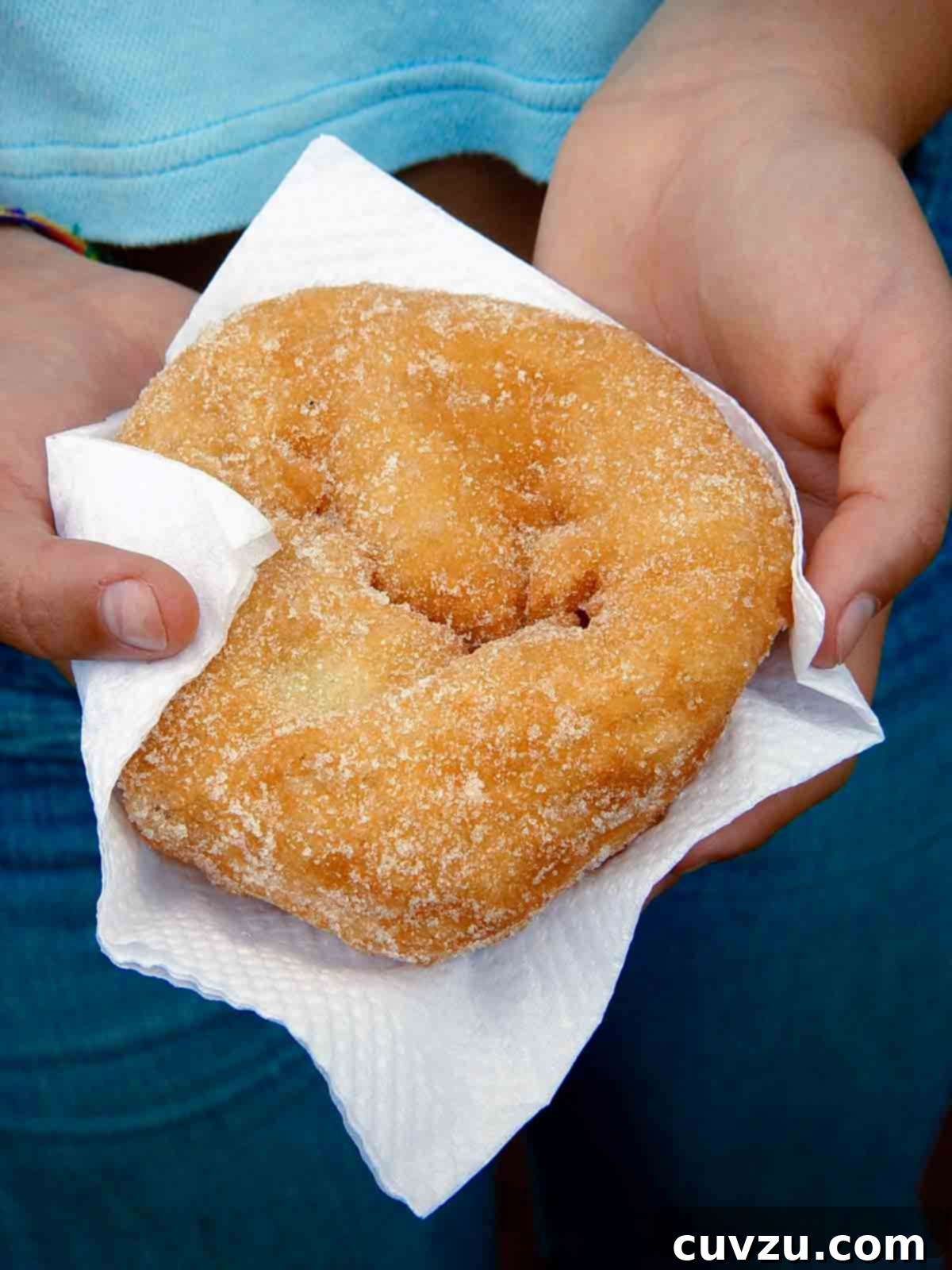
Malassadas: Portuguese Doughnuts – A Timeless Azorean Delight
Step into a world of culinary tradition with Malassadas, the quintessential Portuguese doughnuts that capture the heart of Azorean heritage. These delightful pastries are more than just fried dough; they are golden, yeast-leavened triangles, lovingly coated in a sweet embrace of sugar and cinnamon, best savored warm. Each bite offers a taste of history, a whisper of old-world charm, and an irresistible sweetness that has delighted generations.
A Journey Through Flavor and Memory: The Story of Malassadas
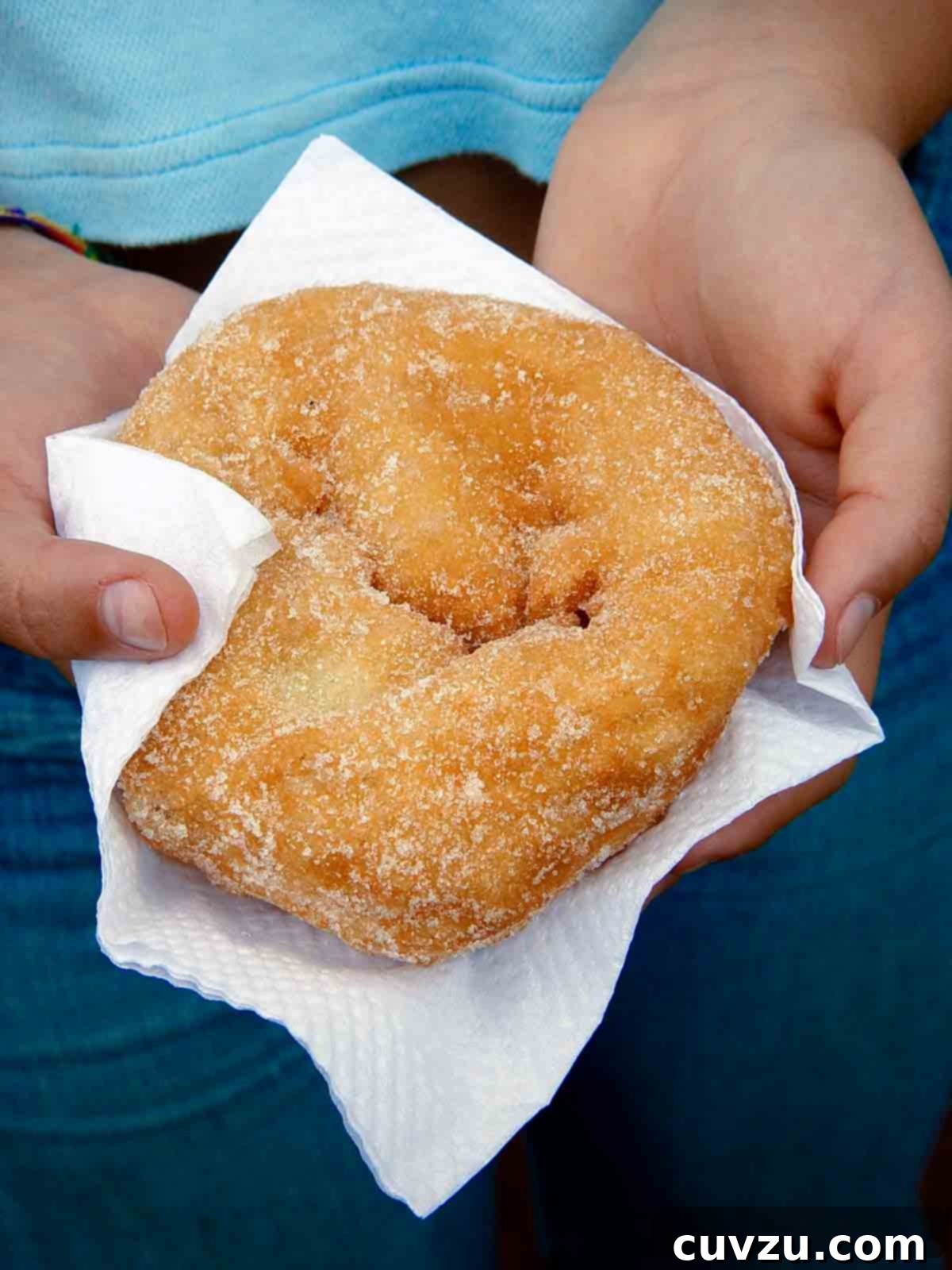
For many, malassadas are not merely a dessert but a cherished connection to family and heritage. The recipe shared here, a heartfelt adaptation of one passed down through generations in the Azores, evokes a flood of precious memories. Imagine a Friday night sleepover at grandma’s house, waking up on Saturday to the comforting aroma of these doughnuts being prepared. Hot out of the cinnamon-sugar bowl, they were, and still are, the only way to truly experience their magic.
In the enchanting islands of the Azores, the craft of malassada making is steeped in tradition. Some cooks, echoing the practices of yesteryear, artfully stretch the dough over their knees until it reaches the impressive size of a lunch plate. Others skillfully work the dough in their hands, coaxing it into shape with practiced ease. This particular recipe has been thoughtfully scaled down for modern kitchens, making these delightful treats easier to handle while retaining their authentic flavor and texture. It’s a journey back to childhood, a taste of home, meticulously preserved and shared.
These Portuguese doughnuts hold a special place in cultural festivities, particularly during Carnival, or Fat Tuesday (Terça-feira Gorda), which precedes Lent. Traditionally, malassadas were made to use up all the fat and sugar in the house before the fasting period of Lent began. This historical context imbues each malassada with a sense of celebration and abundance, making them a perfect indulgence for any occasion. Their popularity has spread far beyond the Azores, finding enthusiastic homes in places like Hawaii, where they are a beloved local delicacy, and Brazil, where they are enjoyed in various forms. This global reach testifies to the universal appeal of a perfectly fried, sugar-dusted treat.
Malassadas | Portuguese Doughnuts
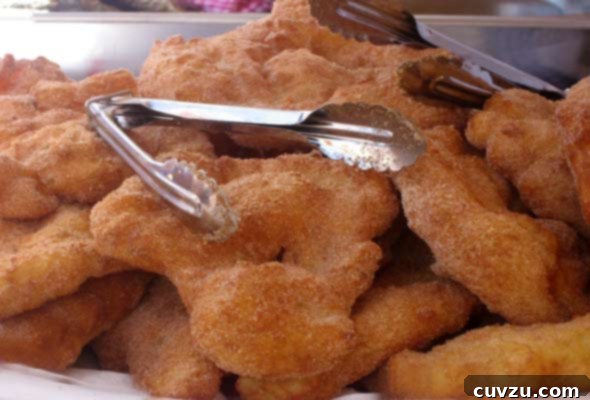
These malassadas, or Portuguese doughnuts, are an irresistible dessert made with fried dough that’s coated in cinnamon sugar. They’re a treat that harkens back to cherished childhood memories and brings the warmth of Portuguese tradition to your table.
Author: David Leite
Dessert
Portuguese
24 malassadas
131 kcal
25 minutes
20 minutes
4 hours
4 hours 45 minutes
Equipment
- Deep-fry, candy, or instant-read thermometer
Ingredients
For the doughnuts | malassadas
- 1/2 cup whole milk
- 2 tablespoons unsalted butter, plus more for the bowl
- 3/4 teaspoon kosher salt
- 1 package active dry yeast (2 1/4 teaspoons or 1/4 ounce)
- 1/3 cup plus 1 teaspoon granulated sugar
- 2 tablespoons warm water, 110°F (43°C)
- 3 large eggs
- 3 1/2 cups all-purpose flour, plus more for the work surface
- Nonstick cooking spray
- Vegetable oil, for frying
For the cinnamon sugar
- 1 cup granulated sugar
- 1/2 teaspoon ground cinnamon
Instructions
Make the doughnuts | malassadas
- Heat the milk, butter, and salt in a medium saucepan over medium-high heat, stirring frequently, until it just begins to steam and form bubbles around the edges, about 5 minutes. Remove from the heat and let cool until lukewarm.
- Meanwhile, in a small bowl, dissolve the yeast and 1 teaspoon sugar in the warm water. Let stand until foamy, about 10 minutes.
- In the bowl of a stand mixer fitted with the paddle attachment or with a hand mixer in a large bowl, beat the remaining 1/3 cup sugar and the eggs on medium-high until thick and luscious looking, about 5 minutes.
- Switch to the dough hook, add the milk mixture, the yeast mixture, and the flour, and mix on low speed until a soft dough forms, about 7 minutes, adding more flour if needed. The dough should be just slightly tacky but not sticky.
- Turn the dough onto a lightly floured work surface, shape into a ball, and place in a lightly buttered large bowl. Cover with plastic wrap and let rise in a warm, draft-free spot until double in size, about 2 hours.
- Lightly coat a 13-by-18-inch rimmed baking sheet with cooking spray and turn the dough onto the pan. Press and poke it with your fingers, much like making focaccia, to help stretch it until it’s about 1/2 inch thick. Lightly coat the top of the dough with cooking spray, loosely cover the pan with plastic wrap, and let the dough rest at room temperature until double in size, 1 to 1 1/2 hours.
Make the cinnamon sugar
- Mix together the sugar and cinnamon in a shallow bowl.
Fry the doughnuts | malassadas
- Fill a medium saucepan with 3 inches of oil and heat over medium-high heat until it reaches 350°F (177°C) on a deep-fry or candy or instant-read thermometer. Monitor the heat to keep a steady temperature.
- Using scissors or your hands, cut or pull a 2-to-3-inch piece of dough from the baking sheet and stretch it into a 4-to-5-inch circle, then lower it into the oil and fry, turning frequently, just until golden brown on both sides and cooked through, 45 seconds to 1 1/2 minutes, depending on the size. Drain the doughnut on paper towels for 30 seconds and then toss in the cinnamon sugar. Repeat with the remaining dough. Devour warm.

Adapted From
The New Portuguese Table
Buy On Amazon
Nutrition
Calories: 131 kcal
Carbohydrates: 25 g
Protein: 3 g
Fat: 2 g
Saturated Fat: 1 g
Monounsaturated Fat: 1 g
Trans Fat: 0.04 g
Cholesterol: 26 mg
Sodium: 84 mg
Fiber: 1 g
Sugar: 11 g
Nutrition information is automatically calculated, so should only be used as an approximation.
Tips for Perfect Malassadas Every Time
Achieving the perfect malassada requires attention to a few key details. Firstly, the quality of your ingredients matters. Using fresh, active yeast and good quality butter will significantly impact the flavor and texture of your doughnuts. Secondly, dough consistency is crucial. The dough should be soft and slightly tacky, but never overly sticky. If it’s too wet, add a little more flour, a tablespoon at a time, until it reaches the right consistency. Over-flouring can lead to dry, dense doughnuts, so be mindful.
The rising process is another critical step. Ensure your dough rises in a warm, draft-free environment. Patience during the two rises will result in an airy, tender crumb. Don’t rush it! The second rise on the baking sheet helps develop the characteristic light texture. Finally, oil temperature is paramount for frying. Maintaining a steady 350°F (177°C) is essential. If the oil is too cool, the malassadas will absorb too much oil and become greasy. If it’s too hot, they will brown too quickly on the outside, leaving the inside raw. A good deep-fry thermometer is your best friend here. Fry in small batches to avoid overcrowding the pan, which can drop the oil temperature and lead to uneven cooking.
For an extra touch of flavor, consider experimenting with the cinnamon-sugar coating. While the classic ratio is excellent, you can adjust the cinnamon to your preference. Some prefer a bolder cinnamon flavor, while others like it subtle. You can also try adding a pinch of nutmeg or cardamom for a different aromatic profile. Once fried and coated, malassadas are best enjoyed warm, straight from the pan. The contrast between the crispy exterior and the soft, fluffy interior is truly magical when fresh.
Tried this recipe?
Mention @leitesculinaria or tag #leitesculinaria!
Recipe Testers’ Reviews
Dawn English
I think I have a love for Portuguese desserts because I seem to try my hand at a different Portuguese recipe every Valentine’s Day. This year, I made these malassadas, and they did not disappoint!
The dough came together exactly as the instructions say. My dough was tacky to the touch. I made a mistake with the first rise and only let it go 1 1/4 hours…ooops! I guess I was overly anxious to get these in my tummy and I miscalculated the 2-hour rise. Regardless of that fact, my dough did continue to double on the second rise and these were a cinch to fry and coat with sugar. I bet if I let the first rise complete the full 2 hours, my malassadas would have been slightly more puffy and airy, but these were still really delicious and enjoyed by the family.
I used olive oil to fry these and they weren’t oily at all. I coated a half batch with plain sugar and a half batch with cinnamon sugar. They were both great.
I plan on making these again. Thanks to David for sharing his childhood recipe!