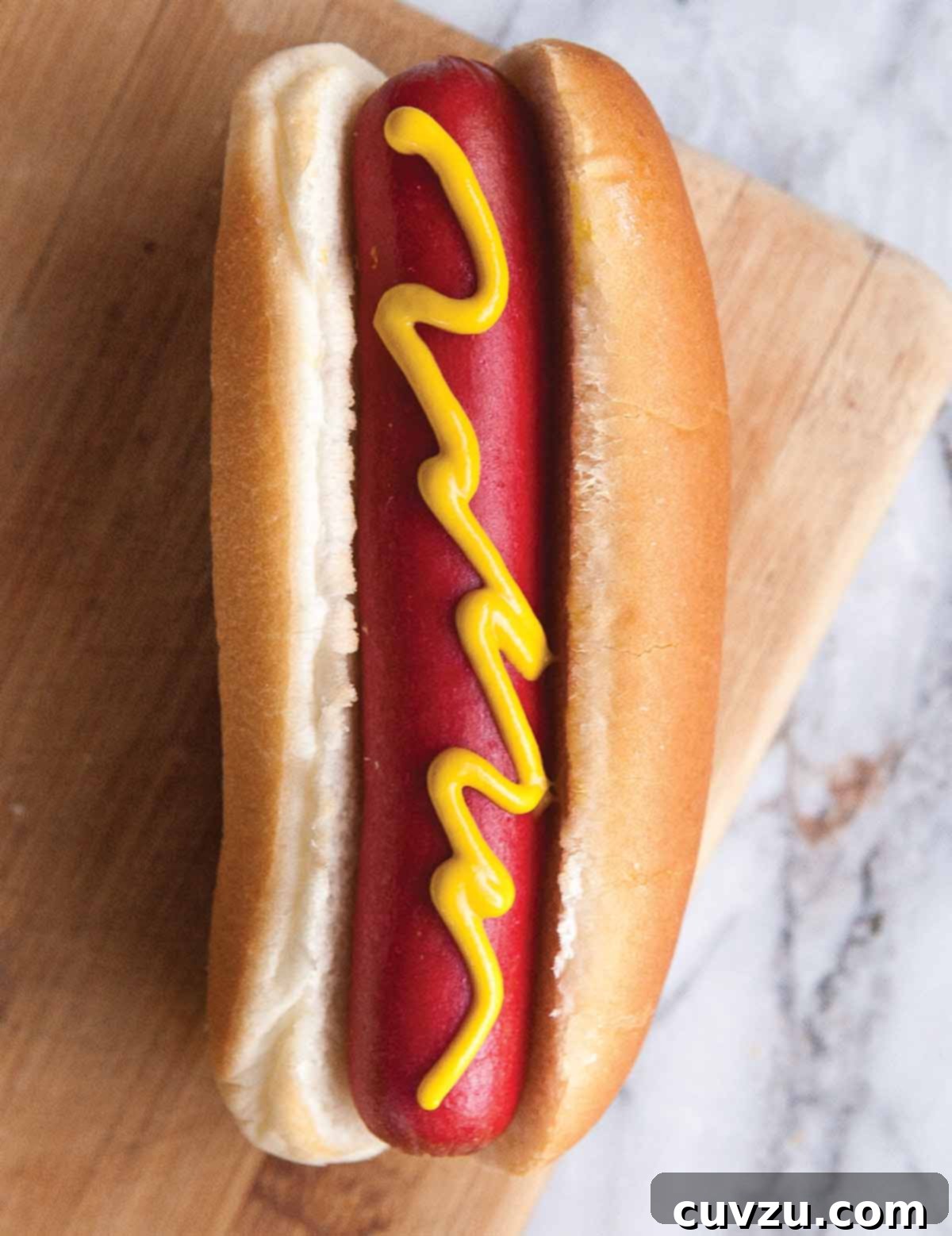
The Ultimate Guide to Cooking the Perfect Hot Dog: Methods, Tips, and More
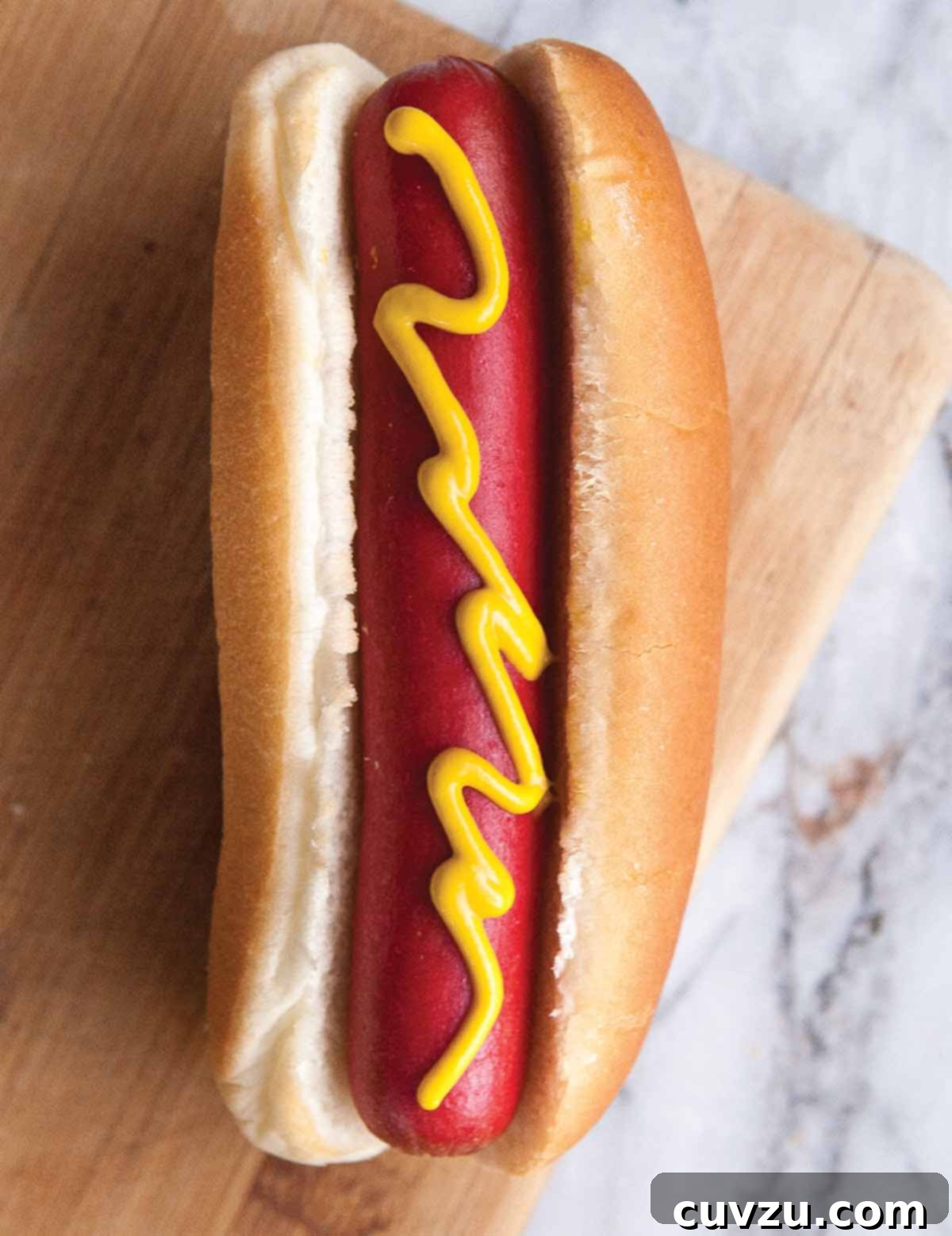
Few foods evoke such universal joy and nostalgia as the humble hot dog. A culinary icon, it’s a staple at backyard barbecues, sporting events, and cozy campfires alike. But what truly elevates a good hot dog to a truly perfect one? It’s not just about the quality of the frankfurter, though that certainly plays a role. The secret lies in the cooking method. Each preparation technique imparts a distinct character, from the satisfying, crunchy snap of a fire-charred dog to the succulent, juicy bite of a perfectly simmered frank.
This comprehensive guide is your essential resource for mastering the art of hot dog preparation. We’ll delve into the nuances of roasting, grilling, simmering, microwaving, and even the rustic charm of cooking over an open campfire. Our aim is to equip you with all the knowledge and tips you need to consistently create a delicious, memorable hot dog experience, no matter your preferred method or the occasion. Get ready to transform your hot dog game and impress everyone with your newfound expertise.
Crafting the Ideal Hot Dog Experience
A truly exceptional hot dog is a symphony of flavors and textures, a perfect interplay between the frankfurter, its bun, and the chosen condiments. Understanding each component is key to achieving hot dog bliss. Let’s explore the elements that contribute to an unforgettable bite.
Choosing Your Frankfurter: Natural Casing vs. Skinless
The type of hot dog you select is foundational to the final outcome. Natural casing hot dogs, typically encased in lamb or sheep intestine, are prized by many for their characteristic “snap” when bitten. This firm yet tender casing provides a delightful textural contrast and crisps beautifully under dry heat. They also tend to retain their juices exceptionally well. Skinless hot dogs, on the other hand, offer a uniformly soft texture and are generally easier to chew, appealing to those who prefer a less resistant bite.
Beyond the casing, consider the meat blend. All-beef hot dogs are a popular choice, renowned for their rich, robust flavor. Blends of beef and pork offer a slightly different taste profile, often with a smoother texture. Always prioritize high-quality frankfurters from trusted brands for the best flavor and texture. Uncured varieties, often made with pasture-raised meats, are also gaining popularity for their quality and taste.
The Unsung Hero: The Hot Dog Bun
Often overlooked, the bun plays a critical supporting role. A superior hot dog bun should be soft yet sturdy enough to hold its contents without disintegrating. Freshness is paramount. Many connoisseurs advocate for a lightly toasted bun, which adds a subtle crunch and a hint of warmth, enhancing the overall eating experience. Toasting also creates a slight barrier, preventing the bun from becoming soggy from the hot dog’s juices and condiments.
Different bun styles cater to different preferences. Top-split buns, famously known as New England-style or “lobster roll” buns, are cut across the top and are ideal for holding an array of toppings, minimizing spills and making for a cleaner eating experience. Side-split (or American-style) buns are more common and versatile, readily available in most grocery stores. Regardless of the style, a well-chosen and properly prepared bun is essential for a truly cohesive hot dog creation.
The Finishing Touches: Condiments and Creative Toppings
The hot dog is a canvas, and condiments are your palette. From traditional yellow mustard to an explosion of gourmet toppings, the possibilities are endless. The right condiments don’t just add flavor; they add personality and complete the hot dog experience. Common choices include:
- Classic Yellow Mustard: Tangy and slightly spicy, it’s the quintessential hot dog accompaniment.
- Sweet Pickle Relish: Adds a delightful sweet-sour counterpoint.
- Ketchup: A favorite, especially among younger palates, offering a sweet and savory note.
- Chopped Onions: Raw, grilled, or caramelized, they bring a sharp or sweet crunch.
- Sauerkraut: Fermented cabbage offers a tangy, briny flavor and a satisfying texture.
- Chili and Cheese: A hearty, indulgent combination perfect for a satisfying meal.
- Sport Peppers: For those who love a spicy kick and a vinegary tang.
- Celery Salt: A subtle yet essential spice for many regional hot dog styles, adding a hint of savory freshness.
Don’t hesitate to experiment with unique combinations to discover your personal perfect topping. The beauty of the hot dog lies in its versatility and adaptability to countless flavor profiles.
Mastering Hot Dog Cooking Methods: A Comprehensive Guide
The cooking method you choose dramatically impacts the hot dog’s texture, juiciness, and flavor. We’ve compiled the most popular and effective methods, ordered from the quickest to the most involved, so you can easily select the best approach for any situation. Achieving an internal temperature of 160°F (71°C) is key for safety and optimal enjoyment, regardless of the method.
1. The Microwave Method: Unbeatable Speed for Instant Gratification
For sheer speed and convenience, nothing beats the microwave. While it won’t yield the crispy char of grilling, it’s an indispensable method for a quick snack or when time is extremely limited. With a few simple tricks, you can achieve a hot, plump, and surprisingly palatable hot dog that satisfies your craving in a flash.
How to Microwave a Hot Dog for Quick Results:
- Wrap for Success: The most crucial step for microwave hot dogs is to wrap each frankfurter tightly in a dry paper towel. This absorbs excess moisture during cooking, preventing the hot dog from becoming rubbery or, worse, bursting open. Ensure the ends of the paper towel are tucked securely underneath the dog.
- Microwave with Care: Place the wrapped hot dog on a microwave-safe plate. Cook on 80 percent power for 30 to 45 seconds for a single hot dog. Using a slightly lower power setting helps to heat the hot dog more evenly and reduces the risk of splitting the casing. For multiple hot dogs, arrange them in a single layer and increase the cooking time incrementally (e.g., 60-90 seconds for two).
- Check and Serve: Carefully remove the hot dog, unwrap it, and ensure it’s heated through. If not, microwave for an additional 10-15 seconds. Place it in a warmed bun and add your desired condiments immediately.
Expert Tip: This method works particularly well for skinless hot dogs. While natural casing dogs can be microwaved, they won’t develop the desirable snap. Embrace the microwave for what it is: the ultimate express lane to hot dog satisfaction.
2. Simmering: For the Plumpest, Juiciest Hot Dogs
Simmering is a gentle, forgiving method that guarantees a uniformly heated, exceptionally juicy hot dog with a tender bite. Unlike a vigorous boil, which can toughen the casing or cause it to split, simmering coaxes the hot dog to plump up beautifully, retaining all its savory moisture. This technique is often preferred for hot dogs that will be generously topped with chili, cheese, or other saucy additions, as it ensures they remain succulent and receptive to additional flavors.
How to Simmer Hot Dogs to Perfection:
- Prepare the Simmering Liquid: In a saucepan large enough to comfortably hold your hot dogs, add water (or even a mixture of water and beer or broth for added flavor) until it will cover the hot dogs. Bring the liquid to a gentle simmer over medium-high heat. You should see small, lazy bubbles forming at the bottom of the pan, but no rolling boil.
- Add Hot Dogs Gently: Carefully place the hot dogs into the simmering liquid. Avoid overcrowding the pan, as this can lower the water temperature too much and lead to uneven cooking.
- Simmer to Temperature: Allow the hot dogs to simmer for 8 to 10 minutes, or until they reach an internal temperature of 160°F (71°C). The gentle heat ensures they are thoroughly warmed without losing their tender texture.
- Holding for a Crowd: If you’re preparing hot dogs for a gathering, you can turn off the heat once they’re cooked and leave them in the warm water. As long as the water temperature remains above 160°F (71°C), the hot dogs will stay hot and juicy for a considerable period without overcooking.
Expert Tip: For an alternative simmering technique, bring the water to a full boil, add the hot dogs, then immediately turn off the heat. Cover the pot and let the hot dogs sit in the hot water for 5 to 7 minutes. This achieves similar plump, juicy results with minimal fuss.
3. Roasting in the Oven: The Crowd-Pleaser Method
When hosting a large party or simply needing to cook multiple hot dogs with minimal effort, roasting in the oven is an unparalleled solution. This worry-free method delivers evenly cooked hot dogs with a pleasingly browned exterior, freeing you from constant grill duty and ensuring everyone gets a hot dog at the ideal temperature. It’s particularly effective for large batches, offering consistency and convenience.
How to Roast Hot Dogs for a Gathering:
- Preheat Your Oven: Begin by preheating your oven to 350°F (177°C). This moderate temperature ensures thorough heating without excessive scorching.
- Prepare the Baking Sheet: Line a rimmed baking sheet with parchment paper. This simple step is crucial for preventing sticking and makes cleanup a breeze, especially after cooking multiple hot dogs.
- Arrange for Even Cooking: Place the hot dogs in a single layer on the prepared baking sheet. Ensure there’s a small space between each hot dog to allow for even heat circulation and browning.
- Roast to Perfection: Roast the hot dogs for 10 to 20 minutes. The exact timing will depend on the thickness of your hot dogs and your oven’s specific calibration. The goal is for them to be heated through to an internal temperature of 160°F (71°C) and to develop a light browning on the outside, which adds texture and flavor.
- Keeping Warm for Service: For serving large groups, transfer the roasted hot dogs to a pre-warmed slow cooker set to its “warm” setting. Alternatively, you can keep them in the oven with the temperature lowered to about 170°F (77°C) until ready to serve. Both methods effectively maintain their heat and juiciness without allowing them to dry out or overcook.
Expert Tip: Roasting offers a uniform cooking environment, making it superior to grilling when preparing a significant quantity of hot dogs. It’s an excellent way to get that gentle crisp on natural casing hot dogs without the intense char.
4. Open Flame (Campfire & Fire Pit): The Quintessential Outdoor Experience
Cooking hot dogs over an open flame is more than just a method; it’s an event. It conjures images of starry nights, crackling fires, and shared laughter, delivering a uniquely charred, wonderfully crisp skin and a piping hot, smoky interior. This method is the ultimate expression of rustic outdoor cooking, imbuing the frankfurter with an incomparable flavor profile.
How to Cook Hot Dogs Over an Open Flame:
- Build Your Fire: Prepare a steady, medium-heat fire. The ideal stage for cooking hot dogs is when the roaring flames have settled slightly, and you have a good bed of glowing embers with smaller, consistent flames. This provides more even heat and reduces the likelihood of charring one side too quickly.
- Choose Your Tool Wisely: Long-handled tongs are excellent for precise rotation and control. However, for the true campfire experience, long-handled skewers (either metal or sturdy, food-safe wooden sticks) are iconic. Ensure your chosen tool is long enough to keep your hands a safe distance from the heat and flames.
- Roast with Rotation: Hold the hot dog a few inches above the tops of the flames, or closer to the hot embers. The key to even cooking and charring is constant and slow rotation. Continue cooking for 2 to 5 minutes, depending on the intensity of your fire, until the skin is visibly charred and crisp, and the interior is thoroughly heated.
- Prioritize Safety: Always be vigilant around open flames, especially with children. Ensure proper supervision and maintain a safe distance from the fire. Have water or a fire extinguisher nearby as a precaution.
Expert Tip: The slight smokiness absorbed from the fire adds an unparalleled depth of flavor. Don’t be afraid of a little char; it contributes to the unique taste and texture of a campfire hot dog.
5. Grilling and Broiling: The Signature Crispy Snap
For many hot dog aficionados, grilling is the gold standard. The direct dry heat of a grill (or broiler) creates an irresistible crispy exterior and distinct char marks, particularly on natural casing hot dogs, which develop that coveted “snap.” If outdoor grilling isn’t an option, broiling offers a fantastic indoor alternative, leveraging top-down heat to achieve remarkably similar results.
How to Grill Hot Dogs for That Perfect Snap:
- Gas Grill Preparation: Preheat your gas grill to its hottest setting for at least 30 minutes with the lid closed. This ensures the grates are intensely hot, crucial for optimal searing and grill marks. Just before placing the hot dogs, reduce the heat to medium (approximately 400°F/205°C). Grill the hot dogs for 3 to 4 minutes per side, rotating them to ensure even charring and heating through.
- Charcoal Grill Preparation: Prepare your charcoal briquettes for 30 to 45 minutes, allowing them to ash over completely. Spread the hot coals evenly across the bottom of the grill for direct heat. Place the hot dogs directly over the heat and grill for 3 to 4 minutes per side, rotating regularly until they achieve that signature charred, crisp skin.
- Toasting the Buns: For an elevated experience, lightly toast your hot dog buns on the cooler section of the grill during the last minute or two of cooking. This adds a delightful warmth and texture.
How to Broil Hot Dogs Indoors:
- Preheat Your Broiler: Position an oven rack 4 to 6 inches from the broiler element and preheat the broiler to its high setting.
- Prepare the Broiler Pan: Place the hot dogs on a broiler-safe rack set over a baking sheet (to catch any drips).
- Broil with Vigilance: Broil for 3 to 4 minutes per side, rotating them halfway through cooking. Keep a close eye on the hot dogs, as broilers cook very quickly and can char them intensely. Broil until they are nicely browned, charred, and crisp to your preference.
Expert Tip: To prevent sticking and enhance browning, you can lightly brush your hot dogs with a neutral cooking oil (like canola or vegetable oil) before grilling or broiling. For an even cook and to allow more surface area for condiments, some prefer to make shallow diagonal cuts along the length of the hot dog before grilling, often called “butterflying” or “scoring.”
Beyond the Basics: Elevating Your Hot Dog Experience
Perfect Pairings: Complementary Sides and Drinks
A truly great hot dog meal is often accompanied by classic, comforting sides. Consider serving your perfectly cooked hot dogs with creamy potato salad, crisp coleslaw, hearty baked beans, sweet corn on the cob, or a refreshing green salad. To complete the culinary ensemble, pair your hot dogs with a cold, crisp local beer, a pitcher of homemade lemonade, or your favorite classic soda pop.
Creative Condiment Combinations: Unleash Your Inner Chef
While classic mustard and relish are always a winning combination, the world of hot dog toppings is vast and exciting. Don’t be afraid to venture beyond the traditional and explore innovative flavor profiles:
- Chicago-Style: A vibrant medley of yellow mustard, chopped white onions, bright green sweet pickle relish, a dill pickle spear, tomato slices or wedges, pickled sport peppers, and a dash of celery salt.
- Chili Cheese Dog: A hearty combination of savory chili and a generous blanket of shredded cheddar cheese or a creamy cheese sauce.
- Sauerkraut and Spicy Mustard: A tangy, robust, and slightly piquant pairing that offers a satisfying contrast to the richness of the hot dog.
- Mexican Street Corn Style: Slather your hot dog with mayonnaise, sprinkle with cotija cheese, fresh cilantro, and a squeeze of lime juice for a vibrant, zesty twist.
- Bacon-Wrapped: For an extra layer of savory indulgence, wrap your hot dog in a strip of bacon before cooking (especially suitable for grilling or roasting) to achieve a crispy, smoky crunch.
- Relish Variations: Experiment with different types of relish, from sweet onion to spicy jalapeño, to add diverse flavors.
- Kimchi Topping: For an adventurous palate, fermented kimchi offers a spicy, tangy, and umami-rich topping.
Recipe Testers’ Reviews: Real-World Experiences and Insights
Our dedicated team of recipe testers put these hot dog cooking methods through their paces, offering invaluable firsthand insights and personal favorites. Here’s a summary of their delicious discoveries:
Recipe Testers’ Reviews
Larry Noak
Larry tested all five cooking methods over two days, appreciating how each produced a distinct hot dog. He was surprised by the microwave, finding the hot dogs unexploded and tasty. The open flame, using a gas range for a nostalgic touch, created a wonderfully charred and slightly “sweaty” dog reminiscent of a green egg. Grilling provided a perfect standard hot dog. Simmering was deemed the least memorable unless dogs were heavily topped. His favorite discovery was oven roasting, which he found nearly as good as grilling, delivering great browning, texture, and flavor, with the added benefit of easily preparing multiple hot dogs at once.
Helen Doberstein
Helen’s family adored the grilling method for its charred exterior and thoroughly cooked interior. The open flame method, evoking cherished camping memories, was also a hit, though she advised using long sticks or special campfire forks for safety. Simmering emerged as her and her husband’s top choice, ensuring a juicy hot dog with a desirable skin snap, emphasizing a gentle simmer. The microwave method, a quick after-school favorite for the kids, worked perfectly when hot dogs were properly wrapped in paper towels. Roasting was serviceable but felt less necessary unless other items were being cooked simultaneously. Helen strongly recommended top-open (lobster roll) buns for their ease of loading.
Robert Castagna
Robert found that both the microwave and simmering methods produced good, flavorful results. While the oven technique yielded a very tasty hot dog, the open flame method was the most memorable for him, due to the nostalgic food memories it brought back from his childhood. He chose Hebrew National All Beef hot dogs for his recipe testing.
M.K. Morgan
M.K. Morgan’s husband eagerly tested hot dogs from different brands using various methods. They compared an Applegate hot dog (simmered), a Karl Ehmer hot dog (gas grilled), and a Swiss Pork Store hot dog (pan-grilled). They concluded that the pan-grilled hot dog offered the best taste, but agreed it would have been even better on a gas grill for a superior snap, as it was not skinless. They looked forward to grilling their remaining hot dogs.
Jackie Gorman
Jackie shared her preference for high-quality, uncured hot dogs made from pasture-raised beef. She particularly praised the grilling method, which resulted in a coppery-crisp exterior and a satisfying snap when bitten. She enjoyed her grilled hot dogs with spicy mustard, locally made sauerkraut, and a refreshing cold local beer, describing it as a truly great lunch.
Robert McCune
Robert favored both the open flame and grilling methods for their ability to produce a crisp exterior and a hot interior. He found that long skewers with wooden handles were more manageable than tongs over an open flame, helping to retain the hot dog’s juices. When grilling, he experimented with both whole hot dogs and those split lengthwise (butterfly cut). His family decidedly preferred the butterfly cut, noting it provided a larger crisp surface area and more space for generous applications of ketchup or mustard.
Nutritional Information (Approximate per Serving)
Nutrition information is automatically calculated, so should only be used as an approximation.
- Serving: 1 hot dog with bun
- Calories: 229 kcal
- Carbohydrates: 30 g
- Protein: 9 g
- Fat: 8 g
- Saturated Fat: 3 g
- Cholesterol: 20 mg
- Sodium: 520 mg
- Fiber: 1 g
- Sugar: 3 g
Conclusion: Your Hot Dog, Your Masterpiece
Ultimately, the “best” way to cook a hot dog is a highly personal decision, influenced by your palate, the occasion, and the tools at hand. Whether you prioritize the lightning-fast speed of a microwave, the succulent juiciness of a simmered frank, the effortless convenience of oven roasting for a crowd, the nostalgic charm of an open flame, or the classic, irresistible snap of a grilled dog, there is a perfect method waiting for every hot dog enthusiast.
We encourage you to experiment with these diverse techniques, explore different hot dog varieties and bun types, and unleash your creativity with an array of condiments. Each attempt is an opportunity to discover new favorites and refine your personal hot dog masterpiece. Armed with this comprehensive guide, you are now fully equipped to tackle any hot dog challenge with confidence and savor every single, delicious bite!