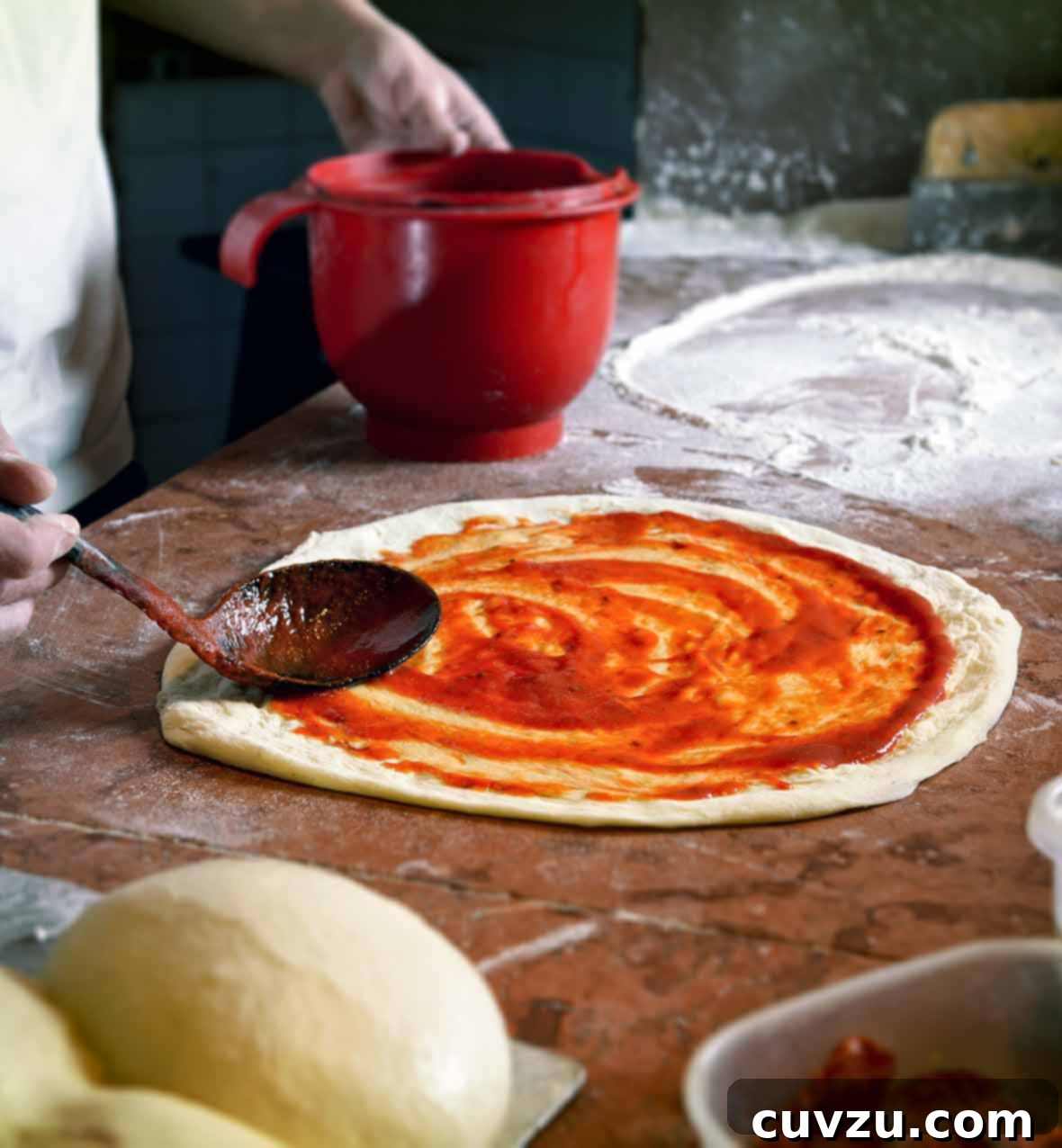
Forget bland, store-bought jars and elevate your homemade pizza game with a sauce that’s astonishingly easy, budget-friendly, and delivers a depth of flavor that tastes anything but simple. This recipe isn’t just a keeper; it’s a revelation. Every person who has had the pleasure of spreading this silken, aromatic sauce over their pizza dough and sliding it into a hot oven has raved about its uncommon deliciousness. Get ready to transform your pizza nights forever with this quick and effortless culinary gem.
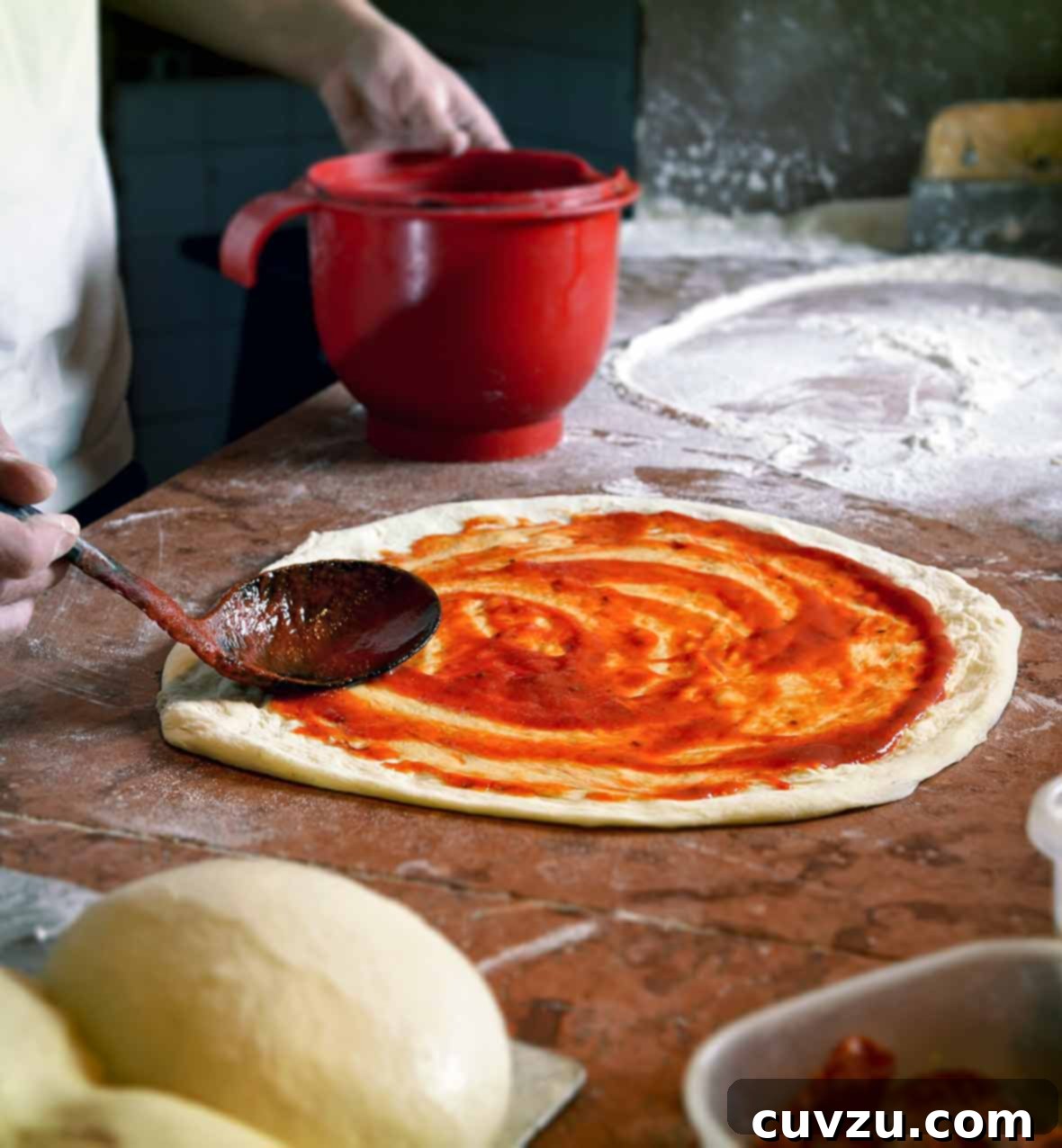
Who would have thought that a homemade pizza sauce could be so velvety smooth, so straightforward to prepare, and so utterly satisfying that you’d want to toss out every other jarred sauce or recipe? Yet, this is precisely the experience everyone describes after trying this recipe. Its nuanced flavor profile complements any pizza creation, from the most basic margherita to complex gourmet combinations. Don’t just take our word for it – taste the remarkable difference for yourself. As acclaimed culinary expert David Leite attests, this sauce is a game-changer for your culinary repertoire.
Why Homemade Pizza Sauce Is Always Better: A Fresh Perspective
Choosing to make your pizza sauce from scratch is one of the easiest and most impactful decisions you can make to elevate your pizza. Beyond the sheer satisfaction of creating something delicious with your own hands, homemade sauce offers undeniable advantages over its store-bought counterparts. For starters, you have complete control over the ingredients. This means no hidden sugars, excessive sodium, or artificial preservatives often found in commercial sauces. You’re also able to customize the flavor profile to your exact liking – prefer more garlic? Add it! A touch more spice? Go for it! This flexibility allows for a truly personalized culinary experience, ensuring your pizza always hits the right notes for your palate.
The freshness of quality canned tomatoes combined with aromatic herbs and savory garlic creates a vibrant, authentic taste that simply can’t be replicated in a jar that’s been sitting on a shelf. The difference in taste, aroma, and overall quality is immediately noticeable. Furthermore, this recipe proves that “homemade” doesn’t have to mean “time-consuming.” In just about 15 minutes of active prep and cook time, you can have a gourmet-quality sauce ready to grace your crust, proving that superior flavor doesn’t require a significant time investment. It’s an investment in flavor that pays off immensely, making every pizza night a special occasion.
The Secret to an Unforgettable Simple Pizza Sauce: Quality Ingredients & Technique
The magic of this simple pizza sauce lies in its carefully chosen, high-quality ingredients and straightforward preparation. Unlike many cooked sauces that simmer for hours to develop flavor, this recipe embraces the fresh, bright essence of tomatoes with just a brief sauté of garlic to deepen its flavor profile. The foundation of any great pizza sauce begins with the tomatoes. For an authentic and truly delicious result, we highly recommend opting for good quality crushed tomatoes, ideally imported Italian San Marzano tomatoes if available. Their balanced sweetness, vibrant color, and low acidity are unparalleled and directly translate to the superior taste of your final sauce.
Freshly minced garlic, gently warmed in olive oil, is another critical component. This initial step releases the garlic’s pungent, sweet aroma, infusing the oil with a foundational layer of savory flavor without overpowering the delicate tomatoes. It’s essential to be careful not to scorch the garlic, as this will introduce an unwelcome bitterness. The delicate balance of dried herbs—basil, oregano, and thyme—adds classic Italian character, evoking the comforting flavors of a traditional pizzeria. These herbs, when gently rehydrated in the sauce, contribute a warm, aromatic depth that is fundamental to pizza’s signature taste. Finally, a crucial, often overlooked ingredient: red wine vinegar. Just a splash is enough to brighten the entire sauce, adding a subtle tang that makes all the other flavors “pop” without making the sauce taste overtly vinegary. It’s this precise combination and minimal cooking that allows the natural sweetness of the tomatoes to shine, creating a sauce that tastes wonderfully complex with minimal effort.
What are the Best Toppings for Pizza? Endless Possibilities!
While this tomato pizza sauce is so exceptionally flavorful it can be enjoyed simply as a plain pizza marinara, its versatility truly shines when paired with your favorite toppings. The beauty of homemade pizza lies in the endless possibilities for customization, allowing you to cater to every taste and dietary preference. For a classic, vibrant taste, fresh basil leaves, torn or chopped just before serving, add a burst of peppery sweetness and a pop of color. Olives, whether briny Kalamata or mild black olives, introduce a salty counterpoint that beautifully complements the sweet tomatoes.
Sautéed bell peppers, sweet or spicy, offer a delightful textural crunch and earthy flavor. And of course, no pizza is complete without cheese – fresh, soft mozzarella melts beautifully, providing that quintessential stretchy, creamy layer. Beyond these staples, consider grilled vegetables like zucchini and eggplant for a healthier option, caramelized onions for a touch of savory sweetness, spicy Italian sausage for a kick, or thinly sliced pepperoni for a traditional favorite. For the adventurous, exotic additions like prosciutto and arugula added after baking offer sophisticated flavors. The robust yet balanced flavor of this simple pizza sauce acts as the perfect canvas, allowing any topping combination you dream of to truly shine. We could list countless more options, but the thought of crafting our own customized pizza with this incredible sauce is too tempting to resist!
Simple Pizza Sauce
★★★★★
Recipe by David Leite
Save Recipe
PIN IT
Print Recipe
Mains, Sauce
Italian
11
(1/4 cup) servings | 2 3/4 cups
59
kcal
15
3
20
Ingredients
- 1/4 cup olive oil
- 5 cloves garlic, minced
- One (15-ounce) can crushed tomatoes, undrained
- 1 teaspoon dried basil
- 3/4 teaspoon dried oregano
- 1/4 teaspoon dried thyme
- 1/4 teaspoon freshly ground pepper
- 1/3 cup cold water
- 1 1/2 to 2 tablespoons red wine vinegar
- Salt, to taste
Instructions
-
In a small skillet or saucepan, warm the olive oil over medium heat. Add the minced garlic and cook, stirring frequently, for 1 to 2 minutes until it becomes wonderfully fragrant. It’s crucial not to let the garlic scorch or brown too much, as this will impart a bitter taste to your otherwise lovely sauce. A gentle sizzle and aromatic release are what you’re aiming for to build a flavorful base.
-
Carefully transfer the sautéed garlic and its infused oil to a nonreactive bowl (such as glass, ceramic, or stainless steel to prevent any metallic flavors). Stir in the entire can of crushed tomatoes along with their juices, the dried basil, dried oregano, dried thyme, freshly ground pepper, cold water, and 1 1/2 tablespoons of the red wine vinegar. Combine all ingredients thoroughly, ensuring the herbs are well distributed.
-
Now comes the critical tasting and seasoning step to perfect your sauce. Canned tomatoes can vary significantly in their salt content, so begin by adding just a pinch of salt to the sauce. Taste, then gradually add more salt until the flavor is perfectly balanced to your preference. Similarly, when adjusting with the red wine vinegar, add sparingly – just enough to make the overall flavors sparkle and bright, but not so much that the sauce tastes noticeably tangy or sour. The goal is a harmonious blend where the vinegar enhances, rather than dominates, the tomato’s natural sweetness and the savory notes of the garlic and herbs.
-
Your simple pizza sauce is now ready to use! You can slather it onto your pizza dough immediately for instant gratification. For maximum flavor development, or for convenience later, it can also be covered and refrigerated in an airtight container for up to 1 week. This makes it an excellent candidate for meal prep, ensuring quick and delicious pizza nights throughout the week without extra hassle.

Adapted From
Pizza: And Other Savory Pies
Buy On Amazon
Explore More with AI
Please note: The following links utilize AI tools for suggestions. While these suggestions are informed by careful research, the modified recipes have not been personally tested by David Leite or his team. Results may vary.
Substitutions
Scale Recipe
Summarize Insights
Nutrition
Serving:
1 portion
Calories:
59 kcal
Carbohydrates:
3 g
Protein:
1 g
Fat:
5 g
Saturated Fat:
1 g
Monounsaturated Fat:
4 g
Sodium:
132 mg
Fiber:
1 g
Sugar:
2 g
Nutrition information is automatically calculated, so should only be used as an approximation.
Tried this recipe?
Mention @leitesculinaria or tag #leitesculinaria!
Tips for the Ultimate Homemade Pizza Experience
Crafting the perfect pizza goes beyond just a superb sauce. While this simple pizza sauce provides an exceptional foundation, a few expert tips can ensure your entire homemade pizza experience is nothing short of spectacular, elevating your culinary efforts to pizzeria-quality levels:
- Choose Your Dough Wisely: The crust is the foundation, and its quality significantly impacts the final result. Whether you prefer a thin and crispy New York style, a chewy Neapolitan, or a thick Detroit-style deep dish, starting with a good quality pizza dough is essential. You can make your own from scratch (which is rewarding!), buy fresh dough from your local bakery, or even use quality pre-made crusts for a quicker meal without compromising too much on taste.
- Preheat Your Oven (and Stone or Steel!): High heat is absolutely key for a truly great pizza. Preheat your oven to its highest possible setting (usually 450-500°F or 230-260°C) with a pizza stone or steel inside for at least 30-60 minutes. This creates an incredibly hot, consistent cooking surface that mimics a traditional pizza oven, resulting in a perfectly crispy crust with delightful charring.
- Don’t Over-Sauce or Over-Top: While this sauce is undeniably delicious, resist the urge to ladle on too much. A thin, even layer of sauce allows the other flavors to shine, prevents a soggy crust, and ensures even cooking. The same goes for toppings; less is often more. Overloading your pizza can lead to an imbalance of flavors, uneven baking, and a difficult-to-handle, heavy pie. Aim for balance.
- Quality Cheese Matters: For classic pizzas, fresh mozzarella (often available in water-packed balls) is unparalleled. Its moisture content and melt characteristics are ideal for that iconic stretchy, creamy texture. However, don’t be afraid to experiment with other cheeses like provolone for a sharper taste, fontina for a nutty richness, or even a sprinkle of aged Parmesan or Pecororino Romano for added depth and saltiness. A blend often yields the best results!
- Fresh Herbs at the End: For delicate, fresh herbs like basil, arugula, or oregano sprigs, add them after the pizza comes out of the oven. The residual heat will warm them just enough to release their vibrant aromatics and fresh flavor without cooking them down to a wilted, dull mess. This preserves their bright color and pungent taste.
Storing Your Homemade Pizza Sauce: Meal Prep Made Easy
One of the many advantages of making this simple pizza sauce at home is its excellent storability, allowing you to have a delicious base for pizza ready at a moment’s notice. This convenience makes homemade pizza a feasible weeknight dinner option, even for busy schedules. After preparing the sauce, allow it to cool completely to room temperature. This is important to prevent condensation and ensure food safety. Transfer the cooled sauce to an airtight container and store it in the refrigerator for up to 1 week. Its flavors may even deepen slightly after a day or two, making it an excellent make-ahead component for your pizza nights.
For longer preservation, this versatile sauce freezes beautifully. To make future pizza preparations even easier, divide it into individual portions (e.g., 1/2-cup measurements, perfect for a single pizza) in freezer-safe bags or containers. Label and date them for best practice. It can be stored in the freezer for up to 3 months without significant loss of quality. When you’re ready to use it, simply thaw it in the refrigerator overnight or gently warm it from frozen on the stovetop over low heat, stirring occasionally. This simple storage method makes impromptu pizza nights incredibly easy and convenient, ensuring you always have a superior sauce on hand.
Recipe Testers’ Reviews: Real Feedback on a Simple Favorite
The true test of any recipe is in the kitchen of real home cooks, and our dedicated recipe testers put this simple pizza sauce through its paces. Their invaluable feedback, offering both enthusiastic endorsements and practical tips, confirms what we already suspected: this sauce is a genuine winner that consistently impresses!
Jackie Gorman
Jackie Gorman was astounded by the sheer simplicity and incredible depth of flavor of this sauce, particularly noting how delicious it was despite being largely uncooked. She emphasized the critical importance of using top-quality canned crushed tomatoes for the best results, a sentiment we wholeheartedly agree with as it truly forms the backbone of the sauce. Jackie also shared a personal tweak that highlights the recipe’s adaptability: she opted to omit the water after tasting the sauce, preferring a more intense, full-on tomato flavor. Her review is a testament to the sauce’s versatility, as she not only used it for pizza but also found it to be a fantastic dressing for meatballs made a couple of days later, proving its worth beyond just pizza night. “I could eat this sauce on its own with a spoon,” she declared, and indeed, she did!
Anna Scott
Anna Scott echoed the sentiment of simplicity, highlighting how this quick-and-easy sauce is bursting with flavor thanks to the fragrant combination of dried herbs, the tasty sautéed garlic, and the brightening touch of red wine vinegar. She particularly appreciated its health benefits compared to many store-bought alternatives, which often contain excessive sugar, sodium, and unnecessary preservatives. Anna successfully paired the sauce with whole wheat pizza dough and created a delicious topping combination of hot Italian sausage, fennel, radicchio, and fresh mozzarella cheese. A practical note from Anna: she found 1/4 cup of olive oil to be slightly excessive, suggesting that 2 to 3 tablespoons of extra virgin olive oil might be sufficient. She observed that the full amount didn’t completely combine with the tomato sauce, signaling that a touch less oil could be ideal for some preferences. She also noted that the recipe yields a generous 2 1/2 cups of sauce, plenty for one large pizza and enough to freeze the rest for future pizza nights, emphasizing its convenience.
Lindsey Shiroma
Lindsey Shiroma, who typically prefers a more robustly flavored sauce over authentic minimalist versions, found this recipe to be exactly what she was looking for – flavorful and satisfying with very minimal effort. She agreed with Anna regarding the olive oil quantity, noting that while it doesn’t fully incorporate, the rich, garlic-infused flavor derived from the process more than compensates for any aesthetic concerns. Lindsey also suggested omitting the water if you prefer a thicker sauce, as she found it made her batch a bit too thin. This is an excellent tip for those who like a denser sauce, or if your tomatoes are already quite watery. An interesting observation from Lindsey was the difficulty in consistently finding a 15-ounce can of crushed tomatoes, often only encountering larger 28-ounce cans. This highlights a common kitchen reality where adjusting quantities for available ingredients is sometimes necessary. Despite these minor adjustments, she wholeheartedly endorsed the sauce’s deliciousness on pizza and expressed excitement about using it on her “no-fail method” (naan, sauce, cheese), reminding us that delicious homemade pizza can take many convenient forms.