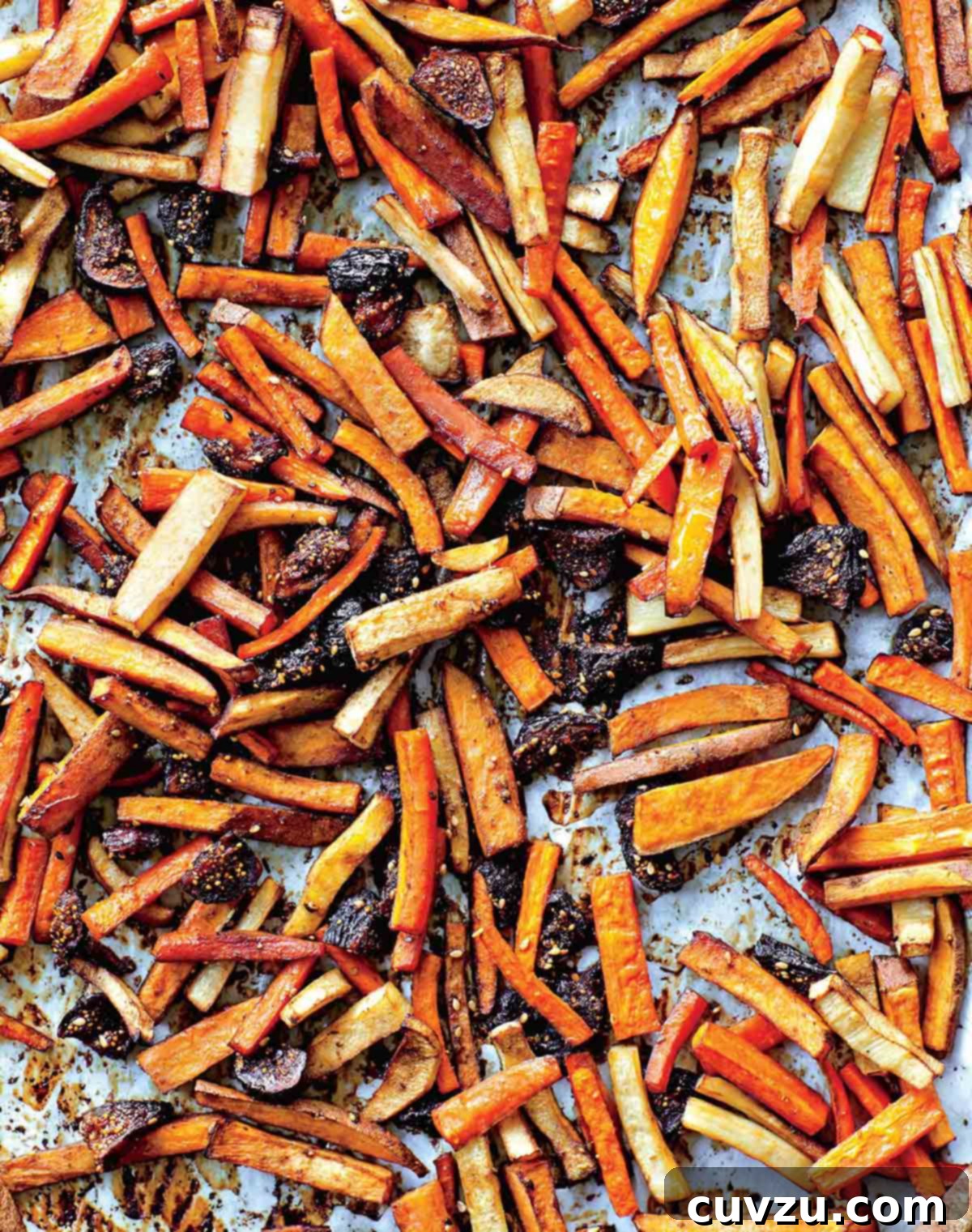
Roasted Tzimmes stands as a beloved sweet and savory side dish, reimagined for the modern palate. This version masterfully blends classic root vegetables like carrots, sweet potatoes, and parsnips with the sophisticated sweetness of dried figs and a tangy hint of balsamic vinegar. Eschewing the traditional honey, we opt for molasses, which imparts a deeper, more complex sweetness that is less overpowering. The addition of aromatic za’atar introduces a vibrant Middle-Eastern flourish, elevating this comforting dish to new culinary heights.
The Evolution of Tzimmes: A Modern Twist on a Classic
Forget the overly sweet, often mushy carrot dishes that might linger in your childhood memories of holiday buffets. While sweet carrots are indelibly linked with Jewish holidays such as Rosh Hashanah and Hanukkah, we believe this cherished tradition deserved a contemporary update. Our goal was to honor the spirit of tzimmes while introducing a fresher, more balanced flavor and texture. By roasting the vegetables, we unlock their natural sugars, allowing them to caramelize beautifully without the need for excessive added sweeteners. We’ve also replaced the usual prunes and pineapples with elegant dried figs, adding a refined chewiness and depth to every bite. This isn’t just a recipe; it’s a culinary journey that bridges generations, offering a sophisticated interpretation of a time-honored favorite.
This refined Roasted Tzimmes offers an exquisite blend of textures and tastes. The inherent sweetness of the root vegetables is intensified through roasting, creating tender, caramelized morsels. Molasses, with its nuanced flavor profile, provides a gentle sweetness that complements rather than overwhelms the natural goodness of the vegetables. The balsamic vinegar introduces a subtle tang, cutting through the sweetness and adding brightness, while the za’atar—a fragrant blend of herbs and spices—infuses the entire dish with an exotic, earthy aroma. The dried figs, plumped by orange juice, become succulent pockets of concentrated sweetness, making each spoonful an adventure for your taste buds. This dish is designed to be a standout side, impressive enough for special occasions yet simple enough to prepare for a weeknight meal.
Roasted Tzimmes FAQs
Tzimmes is a traditional Ashkenazi Jewish stew or casserole, often made with carrots, sweet potatoes, and dried fruits like prunes, sometimes with meat. It’s typically sweetened with honey or sugar and slow-cooked. The name “tzimmes” in Yiddish can also mean “a big fuss,” perhaps referring to the effort involved in its preparation for special occasions.
Absolutely! Preparing this dish for a crowd is made easier by its make-ahead versatility. You can complete all the chopping and slicing of vegetables and figs the day before. For maximum convenience, you can even roast the entire dish a day in advance and gently reheat it before serving. Reheating in the oven at a moderate temperature (around 300-325°F or 150-160°C) until warmed through will help maintain its texture and flavor.
Tzimmes is wonderfully adaptable! While carrots are a standard, you can easily incorporate other root vegetables such as butternut squash, rutabaga, or even beets. For dried fruits, feel free to experiment with apricots, raisins, or cranberries if figs aren’t available or preferred. Spices like cinnamon, nutmeg, or a hint of ginger can also add different dimensions. For sweeteners, maple syrup can be substituted for molasses, offering a slightly different, yet equally delightful, sweetness. Some traditional recipes even include stew meat, though this version remains vegetarian-friendly. The key is to balance the sweet and savory elements to your liking.
Roasted Tzimmes is a perfect accompaniment for Jewish holidays like Rosh Hashanah, where sweet foods symbolize hopes for a sweet new year, and Hanukkah. Its vibrant colors and comforting flavors also make it an excellent side dish for Thanksgiving, Christmas, or any festive autumn or winter gathering. It pairs beautifully with roasted chicken, beef brisket, or even as a hearty vegetarian main course alongside grains.
Za’atar is a popular Middle Eastern spice blend, typically consisting of dried thyme, oregano, marjoram, toasted sesame seeds, and sumac. Sumac gives it a distinctive tangy, lemony flavor. Its earthy, herbaceous, and slightly tart notes provide a fantastic counterpoint to the sweetness of the roasted vegetables and figs in this tzimmes. It transforms the dish, offering a unique “East meets West” flavor profile that sets it apart from more traditional versions, adding a fresh and intriguing dimension.
Roasted Tzimmes
David Leite
Sides
Jewish
6 to 8 servings
183 kcal
25 minutes
35 minutes
1 hour
Ingredients
- 8 dried figs, cut into eighths
- 1/4 cup fresh orange juice (from 1 medium orange)
- 3/4 pound carrots (about 4), peeled and cut into 1-inch cubes or 1 1/2-inch long sticks
- 3/4 pound sweet potatoes (1 medium), cut into 1-inch cubes or 1 1/2-inch-long sticks
- 1/2 pound parsnips, peeled and cut into 1-inch cubes or 1 1/2-inch long sticks
- 3 tablespoons extra-virgin olive oil
- 1 tablespoon balsamic vinegar
- 1 tablespoon molasses (you can substitute maple syrup)
- 2 teaspoons za’atar
- 1 teaspoon kosher salt
- Freshly ground black pepper, to taste
Instructions
-
In a large bowl, combine the cut dried figs and fresh orange juice. Allow them to soak for at least 20 minutes, or up to 1 hour, to rehydrate the figs and infuse them with citrus flavor.
-
Preheat your oven to 425°F (218°C). Line a large, rimmed baking sheet with parchment paper to prevent sticking and aid in easy cleanup.
-
Drain the soaked figs, making sure to reserve the orange juice. Add the prepared carrots, sweet potatoes, and parsnips to the bowl with the figs. Drizzle generously with olive oil, balsamic vinegar, and molasses. Sprinkle in the za’atar, kosher salt, and freshly ground black pepper. Toss all the ingredients thoroughly to ensure the vegetables and figs are evenly coated with the seasonings and liquids.
-
Spread the seasoned vegetable and fig mixture in a single layer on the prepared baking sheet. Roast in the preheated oven, tossing occasionally to ensure even cooking and caramelization. Continue roasting for 25 to 40 minutes, or until the vegetables are tender-crisp and begin to show appealing golden-brown caramelized edges. Once done, remove from the oven, sprinkle 3 tablespoons of the reserved orange juice over the hot vegetables, and toss again. Taste and adjust seasoning with additional salt or pepper if desired before serving warm.
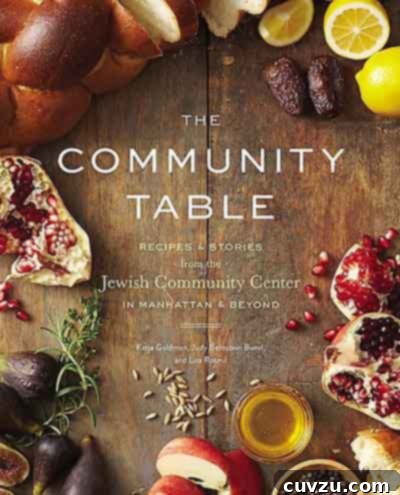
Adapted From
The Community Table
Buy On Amazon
Nutrition
Calories: 183 kcal
Carbohydrates: 29 g
Protein: 2 g
Fat: 7 g
Saturated Fat: 1 g
Monounsaturated Fat: 5 g
Sodium: 464 mg
Fiber: 5 g
Sugar: 11 g
Nutrition information is automatically calculated, so should only be used as an approximation.
Tried this recipe?
Mention @leitesculinaria or tag #leitesculinaria!
Recipe Testers’ Reviews
Our recipe testers put this modern Roasted Tzimmes recipe to the test, offering their honest feedback and invaluable insights. Read on to see what they loved and their tips for perfecting this festive side dish!

Melissa Maedgen
This tweaked version of tzimmes is truly a winner. The molasses-based sweetness is deep and nuanced, a welcome change from traditional honey-heavy recipes. Roasting brings out the natural sugars in the carrots, sweet potatoes, and parsnips, which are then perfectly balanced by the tang of balsamic vinegar and fresh orange juice. The addition of figs offers an appealing earthiness compared to raisins, and the za’atar is a brilliant touch, grounding the dish with a Middle Eastern flair. I found roasting for 35 minutes was ideal to prevent the figs from becoming too dry, while still achieving beautifully caramelized vegetables. This recipe comfortably serves 6.

Suzanne Fortier
I’ve historically avoided tzimmes due to its often mushy and overly sweet nature, but this recipe completely changed my perspective. It’s the “anti-tzimmes” in the best possible way! By starting with high-sugar vegetables like carrots, parsnips, and sweet potatoes, and enhancing them with rich figs and a touch of molasses (I used maple syrup as a substitute with excellent results), this dish creates a harmonious explosion of flavors. The za’atar adds a fantastic zest that truly livens things up. My vegetables were perfectly roasted in 30 minutes, though some figs got a bit too crisp. I recommend monitoring closely, especially if your oven runs hot, or considering a slightly lower temperature for more leeway.

Angie Zoobkoff
This roasted tzimmes recipe delivers a truly terrific side dish. I particularly appreciated the subtle sweetness, beautifully enhanced by the spice blend. The preparation was straightforward; the vegetables were ready for roasting by the time the dried figs had finished soaking. Following the recipe yielded a lovely, light caramelization on the vegetables, which took the full 40 minutes to cook without any scorching. This generous recipe easily served 4 adults and 2 children, with ample leftovers, making it a great option for family meals or entertaining.

Adrienne Lee
Despite the initial peeling and cutting, this roasted tzimmes recipe is surprisingly easy and incredibly flavorful. Most of the heavy lifting is done by the oven, allowing the flavors to meld and deepen beautifully. The combination of ingredients is well-balanced, and the za’atar is used to great effect, adding an exotic depth. A crucial tip: the cooking time will significantly depend on the thickness of your root vegetable pieces, so ensure they are cut uniformly for even roasting.

Anna Scott
What a truly fabulous recipe for roasted tzimmes! Having recently acquired some fresh za’atar, I was eager to incorporate it into a unique side dish, and this recipe did not disappoint. The combination of flavors is nothing short of extraordinary. While roasting root vegetables with za’atar alone would be delicious, the addition of gooey molasses, tangy balsamic, and the inherent sweetness of figs creates an irresistible blend. The dried figs complement the dish wonderfully; I’ll definitely add more next time. My vegetables were perfectly tender and caramelized at just 25 minutes. This recipe is a fantastic way to utilize za’atar and has earned a permanent spot in my recipe collection!

Anya L.
This dish is incredibly versatile, serving equally well as an everyday side or as a show-stopping highlight for a Hanukkah celebration. It truly embodies a delightful fusion of Eastern and Western flavors. The preparation is straightforward, and the aroma filling the kitchen during roasting is simply amazing – even the kids couldn’t resist sneaking carrots! This Roasted Tzimmes is definitely on my menu for all future Hanukkah parties.
Tips for Achieving Perfect Roasted Tzimmes
- Uniform Cutting: For even cooking and consistent texture, ensure all your root vegetables are cut into roughly the same size and shape. This prevents smaller pieces from burning while larger ones remain undercooked.
- Don’t Crowd the Pan: Give your vegetables space! If the baking sheet is too crowded, the vegetables will steam instead of roast, preventing that desirable caramelization. Use two baking sheets if necessary.
- Parchment Paper is Key: Lining your baking sheet with parchment paper is highly recommended. It prevents sticking, especially with the molasses and caramelized sugars, and makes cleanup significantly easier.
- Toss Occasionally: Stirring the vegetables every 10-15 minutes during roasting ensures all sides get exposed to the heat, promoting even browning and caramelization.
- Monitor the Figs: Dried figs can become too dry or even scorch if roasted for too long, especially if cut small. Keep an eye on them and adjust roasting time as needed, or consider adding them slightly later in the cooking process if you prefer them softer.
- Season to Taste: The final splash of reserved orange juice brightens the dish. Always taste before serving and adjust salt and pepper as needed. A pinch of flaky sea salt at the end can also enhance the flavors.
Why This Modern Tzimmes Will Become Your New Favorite
This Roasted Tzimmes isn’t just an updated recipe; it’s a testament to how traditional dishes can evolve while retaining their soulful essence. We’ve thoughtfully engineered this version to address common criticisms of classic tzimmes, transforming it into a vibrant, flavorful, and perfectly textured side dish. The roasting process, a cornerstone of its success, naturally sweetens the vegetables, giving them a delightful tenderness and caramelized crust that cannot be achieved through stewing. The molasses provides a richer, more complex sweetness that avoids the cloying nature sometimes associated with honey. Za’atar, the star spice, introduces an exotic depth and bright herbal notes, creating a unique profile that is both comforting and excitingly different. Furthermore, using elegant dried figs instead of prunes or pineapple elevates the dish, adding a sophisticated chew and natural sweetness. Whether you are seeking a standout dish for your holiday table, a healthy yet satisfying side for family dinner, or simply a new way to enjoy root vegetables, this modern Roasted Tzimmes promises to be a delightful culinary experience that you’ll want to revisit again and again.