
Protect Your Hands: A Comprehensive Guide to Peeling Sweet Potatoes Safely
Peeling sweet potatoes is a common kitchen task, but for some, it can lead to uncomfortable skin irritation. While it might seem like a minor inconvenience, it’s a genuine concern for many home cooks. The “Never Cook Naked Guys” are here to offer practical solutions, ensuring you can enjoy these delightful tubers without any skin woes. Dive in to discover effective strategies for a comfortable and safe sweet potato preparation experience.
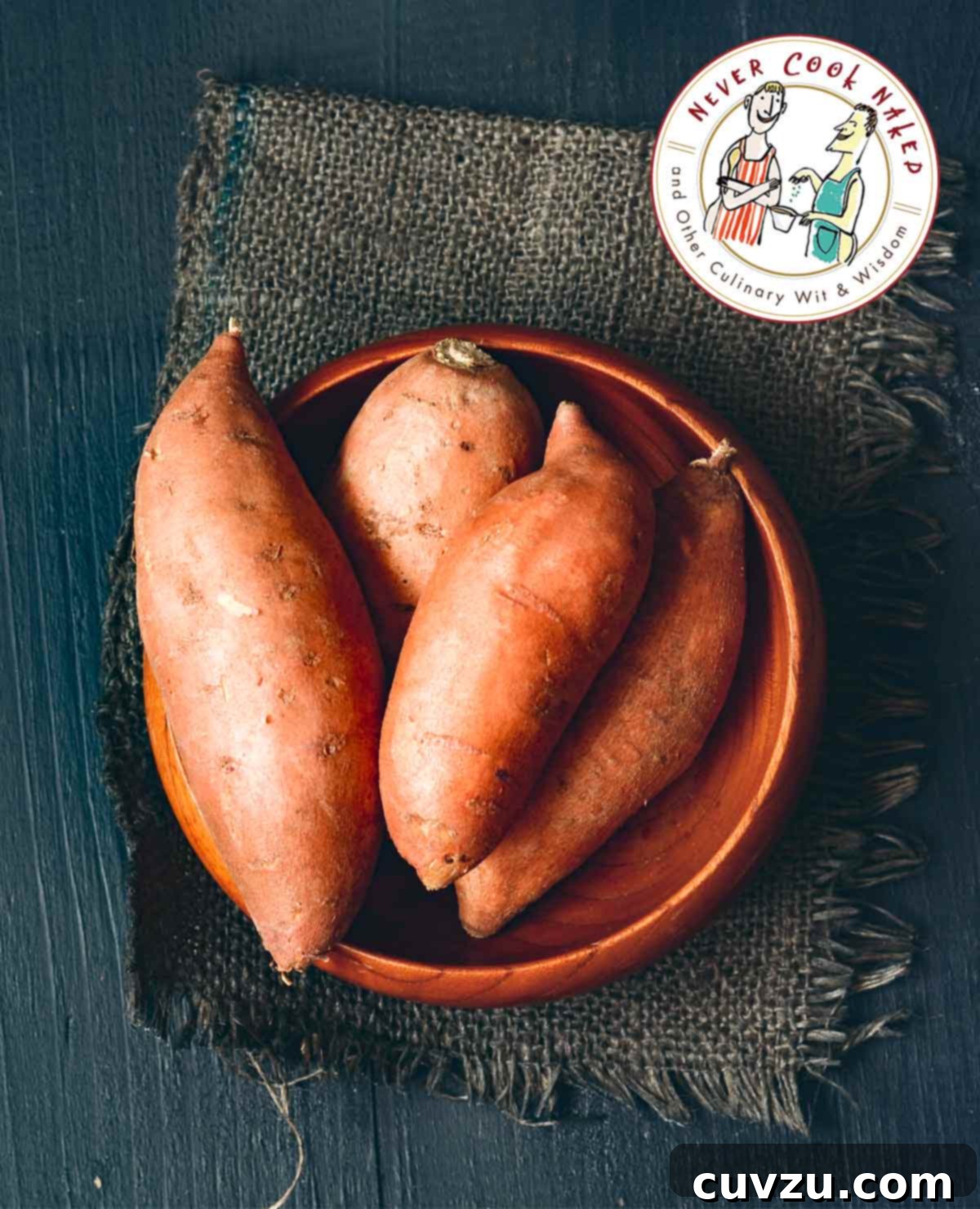
Dear Never Cook Naked Guys: I’ve noticed an odd reaction on my skin—almost like it’s about to peel—whenever I’m peeling sweet potatoes or yams. Interestingly, this doesn’t happen with regular potatoes. Do you have any insights or advice?—Unsightly Hands
Dear Unsightly Hands: It’s wonderful news that you’re seeking a solution rather than giving up on sweet potatoes entirely! These vibrant orange tubers are not only delicious but also packed with nutrients, making them a staple in many kitchens, especially around holidays like Thanksgiving. It would be a shame to miss out on their culinary versatility due to a minor, yet bothersome, skin reaction. Your guests (and your hands!) will certainly thank you for finding a comfortable way to prepare them.
Your experience is more common than you might think, and thankfully, it’s usually not a sign of a serious allergic reaction to eating sweet potatoes. Instead, what you’re likely experiencing is a topical irritant contact dermatitis. This reaction occurs when your skin comes into contact with specific compounds present on the surface or in the sap of sweet potatoes. These can include proteins, naturally occurring calcium oxalate crystals, or even residues from molds and pesticides. Unlike internal food allergies, topical irritation is localized to the skin and can be easily prevented with the right approach.
Understanding Sweet Potato Skin Irritation: The Science Behind the Sensitivity
To effectively prevent skin irritation, it’s helpful to understand its root causes. Sweet potatoes contain compounds that can be mild irritants to sensitive skin. Unlike regular potatoes, which have a different chemical composition and rarely cause similar topical reactions, sweet potatoes belong to the morning glory family and produce a milky sap when cut or peeled. This sap contains substances that, upon contact, can cause dryness, itchiness, or a sensation akin to peeling on the skin. This isn’t usually an allergy that affects your internal system when consumed, but rather a localized reaction on the skin’s surface, particularly for those with a predisposition to skin sensitivities.
Several factors inherent to sweet potatoes can contribute to this irritation:
- Calcium Oxalates: These are microscopic, needle-like crystals found in many plants, including sweet potatoes. When released from the plant cells during peeling or cutting, these crystals can cause mechanical irritation to the skin, leading to a prickling or itchy sensation.
- Latex-like Sap: The sticky, milky liquid released when the potato is cut or peeled contains proteins and other compounds. For some individuals, these compounds can act as irritants or even mild allergens upon direct skin contact, triggering a mild inflammatory response.
- Pesticide Residues: While sweet potatoes are typically washed before sale, residual chemicals on the skin of conventionally grown tubers, if not thoroughly cleaned, could potentially contribute to skin sensitivity in susceptible individuals.
- Surface Molds or Bacteria: Though less common, microscopic molds or bacteria present on the potato’s skin could also trigger a mild reaction in very sensitive individuals. Proper washing usually mitigates this risk.
The good news is that these reactions are typically superficial, temporary, and can be easily managed with a few simple precautions. There’s absolutely no need to banish sweet potatoes from your diet or your kitchen!
Effective Strategies to Protect Your Hands While Peeling Sweet Potatoes
You have several straightforward and highly effective methods at your disposal to ensure your hands remain smooth and comfortable throughout your sweet potato preparation. Choose the approach that best integrates into your cooking routine and personal preference:
1. The Essential Protective Barrier: Wearing Gloves
This is arguably the most straightforward and effective solution. Wearing protective gloves creates a physical barrier between your skin and the irritating compounds found on sweet potatoes. This simple act can completely eliminate contact dermatitis and make your peeling experience much more pleasant and worry-free. It’s a small investment in comfort that pays off significantly.
- Types of Gloves to Consider:
- Latex Gloves: Widely available and offer excellent dexterity, allowing you to grip the potato and peeler with precision. However, it’s crucial to be mindful if you or anyone in your household has a latex allergy; in such cases, avoid them entirely.
- Nitrile Gloves: An excellent and popular alternative to latex, especially for those with allergies. They are durable, puncture-resistant, and offer similar tactile sensitivity to latex, making them ideal for kitchen tasks.
- Rubber or Dishwashing Gloves: Thicker and more durable, these can be reused multiple times, making them an environmentally friendly option. They might offer slightly less dexterity than thinner gloves but provide robust protection and are readily available. Ensure they are clean and dedicated specifically for food preparation to avoid cross-contamination.
- Best Practice for Use: Always put on your gloves before handling sweet potatoes, including during the initial thorough wash. Make sure they fit snugly but comfortably, allowing for a full range of motion and good grip. After peeling and any subsequent handling, simply remove the gloves and wash your hands as usual. Consider wearing them throughout the entire preparation process if you are particularly sensitive, as cut surfaces will continue to exude sap.
Using gloves is a minimal effort for maximum protection, ensuring your hands stay smooth and free from irritation.
2. Rethinking the Peeling Process: Peeling Sweet Potatoes After Cooking
Did you know you don’t always have to peel sweet potatoes when they’re raw? Peeling them after they’ve been cooked can drastically reduce the need for direct contact with the raw skin and its irritants. The skin often softens significantly during cooking, making it much easier to remove, sometimes even without a peeler.
- Boiling Method: Boil sweet potatoes whole in their skins until they are tender when pierced with a fork. Once cool enough to handle, the skin will often slip right off with minimal effort, or you can easily scrape it away with a spoon or your gloved hands. This method is perfect if you plan to mash or puree the sweet potatoes.
- Baking or Roasting Method: Bake or roast sweet potatoes in their skins until they are fully cooked through. After they cool sufficiently, the skin can be effortlessly peeled away. For many dishes, especially those involving roasting, the cooked skin can even be left on and enjoyed for its added texture and nutrients.
- Microwaving for Speed: For a quicker approach, pierce sweet potatoes several times with a fork and microwave them until they are tender. Let them cool slightly, and you’ll find the skin becomes much more pliable and easier to remove.
This method not only protects your hands by minimizing exposure to raw irritants but can also be more efficient for certain recipes, such as mashed sweet potatoes, purees, or soups, where a smooth texture is desired.
3. Embrace the Skin: Eating Sweet Potatoes Unpeeled
For many recipes, peeling sweet potatoes is entirely optional! The skin of sweet potatoes is not only edible but also contains valuable nutrients, including dietary fiber, antioxidants, and various vitamins. Choosing to leave the skin on is a fantastic way to bypass the peeling irritation entirely and boost the nutritional value of your meal. The key to this method is thorough cleaning.
- Thorough Washing is Paramount: Before cooking, scrub the sweet potatoes vigorously under cool running water using a stiff vegetable brush. This meticulous cleaning helps remove any soil, surface contaminants, and potential pesticide residues, making the skin safe and pleasant to consume.
- Versatile Preparation: Once thoroughly cleaned, you can confidently slice, dice, or roast sweet potatoes with their skins on. They are excellent in dishes like roasted sweet potato wedges, homemade sweet potato fries, or even added to hearty stews and casseroles. The skin adds a delightful rustic texture and an extra layer of flavor that many find appealing.
This approach eliminates the peeling problem entirely, saving you time and enhancing both the flavor and nutritional profile of your meal. It’s a win-win for convenience and health!
4. Pre-Preparation Protocols: Diligent Washing and Handling
Regardless of whether you ultimately choose to peel your sweet potatoes or enjoy them skin-on, proper pre-preparation is crucial for minimizing potential irritation. Always give your sweet potatoes a thorough scrub under cool running water before any cutting or peeling takes place. This washes away loose dirt, potential molds, and some pesticide residues that could contribute to skin irritation. A good quality vegetable brush is an invaluable tool for this step, ensuring a clean surface from the start.
Beyond Peeling: Maintaining Kitchen Hygiene and Etiquette
While protecting your hands during sweet potato prep is paramount, general kitchen hygiene and good table manners contribute significantly to an overall pleasant and safe dining experience. And speaking of pleasant dining, here’s a little food for thought from your Never Cook Naked Guys: it’s always best to keep one degree of separation from those delectable vegetables at the table, even seemingly informal finger foods like roasted sweet potato wedges. Use appropriate silverware!
There’s a subtle elegance in using utensils that elevates the dining experience for everyone involved. After all, you’ve meticulously prepared a wonderful meal; presenting and consuming it with grace adds to the enjoyment and shows respect for the effort put into the dish. Consider the impression you’re setting for your guests, especially those impressionable children you’ve so carefully raised. Teaching them proper table etiquette, even with seemingly casual dishes, instills habits of respect and refinement that extend far beyond the dinner table, contributing to their overall social development.
Furthermore, maintaining a clean workspace, washing hands frequently (even when using gloves, it’s good practice to wash hands before and after handling food), and using dedicated tools for different tasks are all pillars of good kitchen practice. These habits not only prevent cross-contamination and ensure food safety but also contribute to a more organized, efficient, and stress-free cooking environment. A clean kitchen is a happy kitchen!
Enjoying Sweet Potatoes Without the Worry
Sweet potatoes are true culinary powerhouses, offering a wealth of flavor and an abundance of health benefits. They are notably rich in beta-carotene (the compound responsible for their vibrant orange hue), Vitamin C, potassium, and dietary fiber. From savory sweet potato fries, hearty stews, and comforting casseroles to delightful sweet pies and smooth purees, their culinary versatility knows no bounds. By implementing these simple, yet highly effective, protective measures, you can continue to enjoy integrating sweet potatoes into your meals without the unpleasant side effects of skin irritation.
Whether you opt for protective gloves for direct handling, choose to peel your sweet potatoes after they’ve been cooked, or decide to embrace their nutrient-rich skin for an unpeeled preparation, the ultimate goal is to make your time in the kitchen enjoyable, comfortable, and safe. Don’t let a minor skin reaction deter you from exploring the delicious and healthful potential of sweet potatoes! Cook with confidence and enjoy every bite.
Our very clever, very clothed Never Cook Naked columnists are always at your disposal. They’re ready to troubleshoot everything from perplexing table etiquette to the trickiest cooking techniques, and yes, even provide advice on proper cooking attire (though we recommend clothes!). Have a culinary query or kitchen conundrum that’s been nagging you? Don’t hesitate to ask us your question in a comment below! We love hearing from our readers and providing practical, sometimes humorous, solutions to make your cooking life easier and more enjoyable.
Originally published October 28, 2021, this article has been thoroughly updated and significantly expanded to provide enhanced guidance and improved readability for our valued readers.