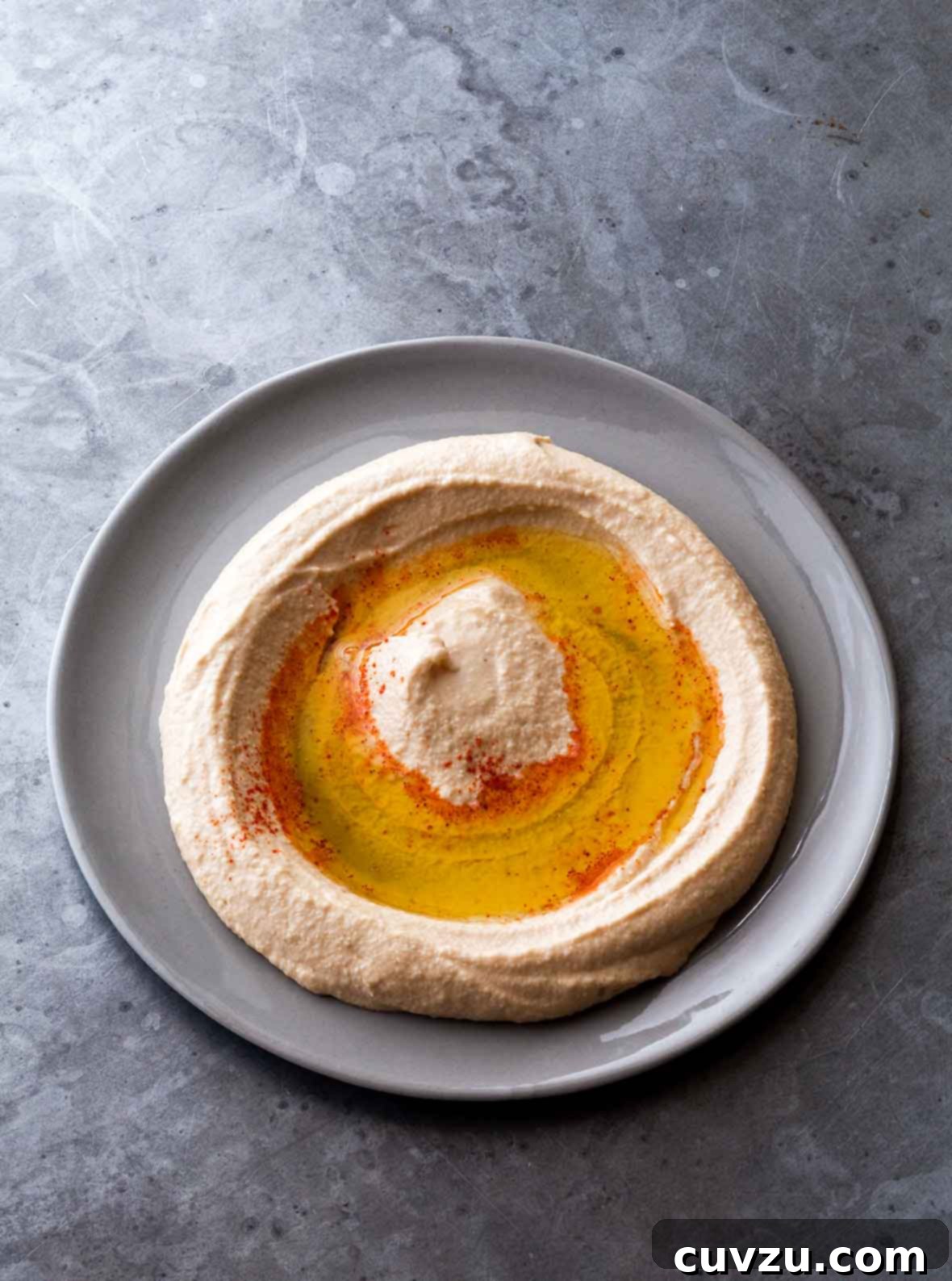
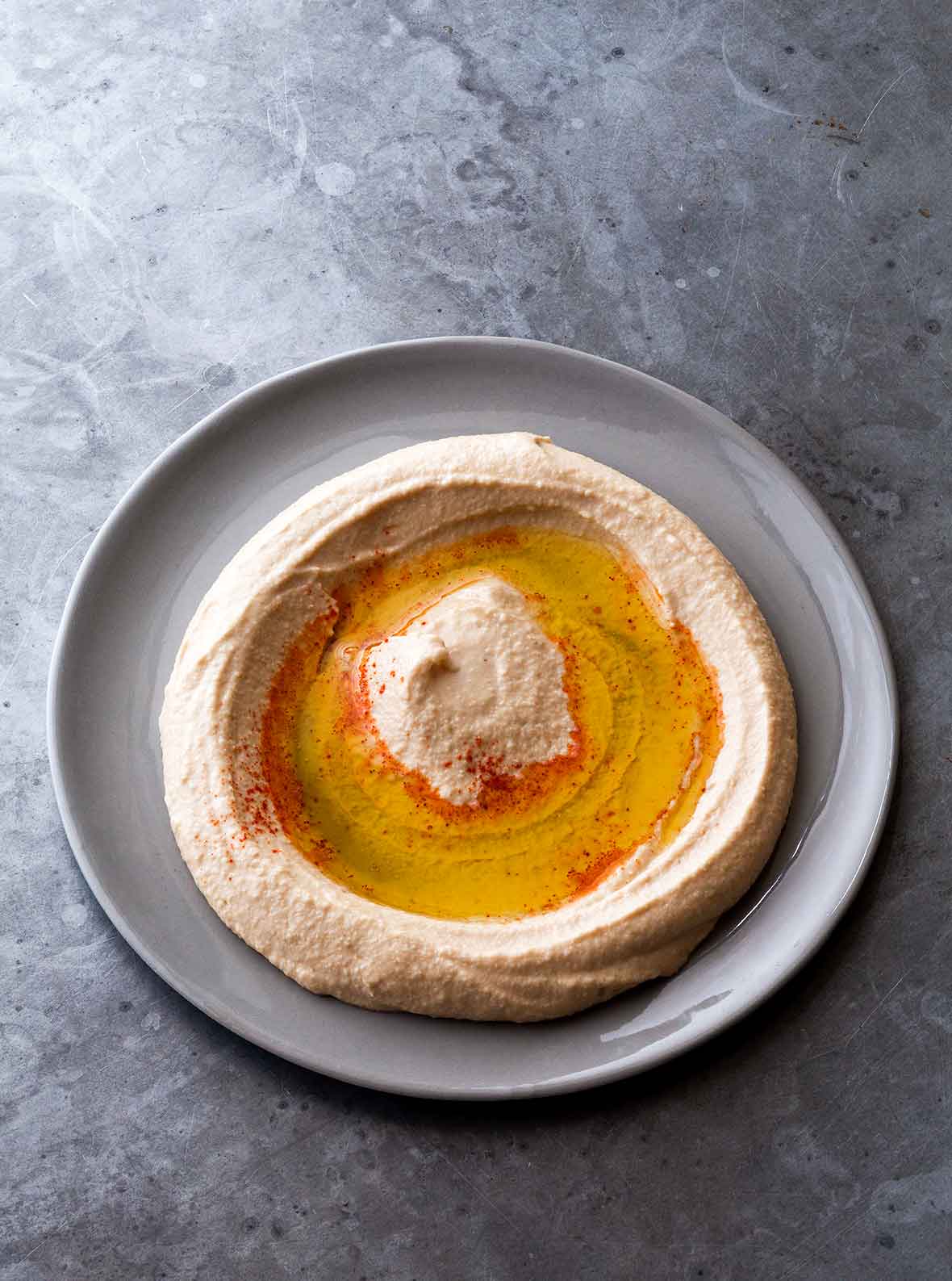
Homemade hummus is more than just a dip; it’s a creamy, flavorful revelation that transforms simple ingredients into an extraordinary culinary experience. By blending wholesome chickpeas (garbanzo beans) with zesty lemon juice, rich tahini, fragrant olive oil, pungent garlic, and earthy cumin, you can create a velvety smooth spread in your own kitchen. A final flourish of additional olive oil and a sprinkle of vibrant paprika elevates it from delicious to absolutely divine. This isn’t merely a recipe; it’s your gateway to crafting the best hummus you’ve ever tasted.
Embracing the Authenticity of Hummus
Let’s take a moment to discuss hummus, specifically the often-misunderstood perception many in America hold. While there’s certainly no harm in enjoying hummus enhanced with red bell peppers, black beans, or even unique flavorings like Cool Ranch Dorito (yes, it exists!), it’s crucial to understand the essence of traditional Middle Eastern hummus. At its heart, authentic hummus is remarkably simple, understated, and possesses a subtle, elegant beauty. It’s not about extravagant additions or culinary fireworks; it’s about perfecting the harmony of a few core ingredients.
This particular recipe, originating from Einat Admony, the renowned founder of Manhattan’s incredibly popular falafel bar Taïm, captures that authentic spirit perfectly. While she affectionately refers to it as “my hubby’s hummus,” we are so captivated by its unparalleled creaminess and balanced flavor that we’ve affectionately dubbed it “hubba hubba hummus.” It truly is that exceptional – a testament to how simplicity, when executed flawlessly, can yield the most profound flavors.
Why Homemade Hummus is a Culinary Game Changer
Beyond its traditional roots, choosing to make hummus at home offers numerous compelling advantages. Firstly, the unparalleled freshness of homemade hummus is a game-changer. Store-bought versions, while convenient, often contain preservatives and lack the vibrant, nuanced flavors achievable with freshly prepared ingredients. When you make hummus yourself, you control every element, ensuring the highest quality and the freshest taste.
Secondly, homemade hummus is incredibly cost-effective. Dried chickpeas, or even canned ones, are remarkably affordable, making this a budget-friendly option for a healthy and satisfying snack or meal component. Moreover, the process is surprisingly straightforward, especially with the aid of a food processor, transforming humble chickpeas into a luxuriously smooth dip in minutes. It’s also a fantastic source of plant-based protein and dietary fiber, making it a healthy choice for anyone looking to incorporate more nutritious options into their diet. The satisfaction of creating something so delicious and wholesome from scratch is an added bonus that elevates your cooking experience.
The Ultimate Creamy Homemade Hummus
Recipe by David Leite
Appetizer, Dip, Snack
Middle Eastern, Mediterranean
32 servings (approx. 4 cups)
51 kcal
10
50
1
Ingredients
- 1 1/2 cups dried chickpeas (garbanzo beans), or three 14 1/2-ounce (415-g) cans chickpeas
- 1 3/4 teaspoons baking soda, (divided, if using dried chickpeas)
- 1 large garlic clove, finely chopped or grated (adjust to taste for more garlic punch)
- 3 tablespoons tahini, (a high-quality brand like White Dove is recommended for best creaminess)
- Generous 1 1/2 to 2 tablespoons fresh lemon juice (start with less and add more to preference)
- 2 tablespoons mild-flavored olive oil (for blending, plus more for drizzling)
- 3/4 teaspoon kosher salt, or more to taste
- 1/4 teaspoon ground cumin
- Pinch freshly ground black pepper
- 1/8 teaspoon sweet Hungarian paprika, for garnish
Instructions
-
For dried chickpeas: Place the dried chickpeas in a large bowl and add 3/4 teaspoon of baking soda. Cover generously with cold water and let them soak overnight at room temperature. The next day, drain the chickpeas thoroughly and transfer them to a large pot. Add fresh water to cover the chickpeas by at least an inch, along with the remaining 1 teaspoon of baking soda. Bring the water to a boil, then reduce heat and simmer until the chickpeas are exceptionally tender and easily mashable, typically 30 to 45 minutes. Cooking time can vary significantly based on the age and size of the chickpeas, so start checking for doneness after 10-15 minutes. During cooking, skim off any floating skins or foam for a smoother hummus. Once tender, drain the chickpeas, reserving 1 cup of the cooking liquid, and let the chickpeas cool completely.
-
For canned chickpeas: Drain and rinse the chickpeas thoroughly under cold water to remove excess sodium. Proceed to the next step.
-
In a food processor, combine the drained chickpeas, chopped garlic, tahini, lemon juice, 1 1/2 tablespoons of olive oil, kosher salt, ground cumin, and freshly ground black pepper. If using dried chickpeas, add the reserved 1 cup of cooking liquid. If using canned chickpeas, add 1 cup of cold water. Process the mixture, scraping down the sides as needed, until it becomes completely smooth and creamy. This may take a few minutes. Adjust consistency by adding a tablespoon or two more of reserved liquid or cold water if the hummus is too thick. Taste and adjust seasonings, adding more salt, lemon juice, or cumin as desired. Transfer the hummus to a serving plate or shallow bowl. For enhanced flavor, cover and refrigerate for at least an hour or up to a day, allowing the flavors to meld.
-
Just before serving, drizzle the remaining 1/2 tablespoon of olive oil over the hummus and sprinkle generously with sweet Hungarian paprika for a beautiful presentation and a hint of smoky sweetness. Serve chilled or at room temperature.
Adapted From
Balaboosta: Bold Mediterranean Recipes to Feed the People You Love
Buy On Amazon
Nutrition
Serving:
2 tablespoons
Calories:
51 kcal
Carbohydrates:
6 g
Protein:
2 g
Fat:
2 g
Saturated Fat:
0.3 g
Monounsaturated Fat:
1 g
Sodium:
117 mg
Fiber:
2 g
Sugar:
1 g
Nutrition information is automatically calculated, so should only be used as an approximation.
Tried this recipe?
Mention @leitesculinaria or tag #leitesculinaria!
Insights from Our Recipe Testers
Our dedicated team of recipe testers put this homemade hummus recipe to the ultimate test, and the feedback was overwhelmingly positive. From its silky-smooth consistency to its perfectly balanced flavors, this recipe consistently impressed, often leading to personal revelations about the superiority of homemade over store-bought. Here’s what they had to say:
Karen Depp
Karen found this recipe to be “absolutely divine,” describing the result as “wonderfully silken, smooth, delicate, subtle, fantastic hummus” with perfectly proportioned spices. She recommended using a bit more lemon for an extra “pop” of citrus and confirmed that using the full cup of reserved cooking liquid from dried chickpeas yielded a perfect consistency. She’s now brainstorming countless ways to enjoy it beyond the usual pita and veggies.
Sandy Hill
Sandy declared this version an “irresistible winner.” She increased the lemon juice to 2 1/2 tablespoons to suit her preference for a tangier flavor and noted that refrigerating it for a day further blended the flavors. Her serving suggestion included toasting sesame seeds and topping the hummus before drizzling with olive oil, making it a perfect accompaniment for game day.
Robert Castagna
Robert praised the “splendid consistency” and the well-balanced flavors of this hummus. He even suggested innovative uses, enjoying it as a healthy alternative to mayonnaise and as a versatile condiment.
Sue Epstein
From Israel, where delicious store-bought hummus is readily available, Sue was so impressed that she vowed to make her own from now on. She used dried chickpeas and found the recipe “perfect,” only making a slight adjustment by leaving her hummus a little chunky, which is her family’s preference. While thrilled with the immediate result, she noted the beautiful texture slightly diminished on the second day, suggesting it’s best enjoyed fresh.
Elizabeth and Lena Alvarez
Despite not having a food processor, Elizabeth and Lena successfully created “goooood hummus” using just a potato masher, highlighting the recipe’s accessibility. They, too, added more lemon juice after the initial tasting, underscoring the recipe’s flexibility to personal preference, and appreciated the fresh garlic kick.
Susan Bingaman
Susan found this recipe “really good and really easy.” She particularly liked its versatility, noting it was flavorful enough on its own but also welcoming to mix-ins like finely chopped roasted red peppers or olives. She even skipped chopping garlic, tossing whole cloves into the food processor. Susan preferred the hummus at room temperature and found it kept well in the fridge, sneaking it into sandwiches.
Ellen Fuss
Ellen embarked on a homemade hummus journey with dried chickpeas and baking soda, confirming a “definite yes” to the improved flavor and creaminess over canned chickpeas. She found the baking soda made the beans tender and creamy. While initially delighted, Ellen observed that the hummus lost some of its creaminess and vibrant flavor after 24 hours in the fridge. She suggested adding more spices and even a touch of cayenne pepper upon reheating or re-blending to revive the flavors and texture, emphasizing that the “super creamy, smooth texture is best appreciated right after it’s prepared.”
Michelle P.
Michelle celebrated the ease and affordability of this homemade recipe, especially when using canned chickpeas. She slightly increased the cumin and garlic after tasting to suit her preference, achieving a “perfect consistency.” Her 19-month-old even enjoyed it with a spoon, demonstrating its family-friendly appeal. Michelle garnished hers with pine nuts and chopped tomatoes for a delightful appetizer.
Dan Kraan
Dan found the chickpeas to be “perfect and velvety in texture,” though the initial flavor was a “little tame.” He highlighted the critical role of olive oil, recommending a peppery, leafy-green variety over a rich, buttery one to avoid masking other flavors. To achieve a “whole flavor” extravaganza, he strongly advised adding an extra 1/2 tablespoon each of lemon juice and tahini, and 1/4 teaspoon each of ground cumin and salt. These adjustments, he noted, transformed the hummus from “okay” to “hey, this is good stuff!”
Elevate Your Hummus Experience: Tips and Serving Ideas
Once you’ve mastered this classic homemade hummus, a world of culinary possibilities opens up. To achieve the absolute creamiest texture, many chefs recommend peeling the skins off the chickpeas after cooking, although this is an optional step. Incorporating a few ice cubes or a splash of ice-cold water during blending can also contribute to a lighter, airier consistency. Always opt for a high-quality tahini; its flavor significantly impacts the final taste of your hummus.
Serving hummus is an art in itself. While traditionally enjoyed with warm pita bread or fresh crudités like carrot sticks, cucumber slices, and bell pepper strips, its versatility extends much further. Consider spreading it generously on sandwiches and wraps as a healthy alternative to mayonnaise, or use it as a base for vibrant grain bowls topped with roasted vegetables and lean protein. For an elegant touch, garnish your hummus with a medley of ingredients: toasted pine nuts, a dusting of sumac or za’atar, chopped fresh parsley or cilantro, or even a spoonful of spicy harissa. You can also easily create flavor variations by blending in roasted red peppers, sun-dried tomatoes, fresh spinach, or avocado. A touch of cayenne pepper or a sprinkle of chili flakes can add a delightful kick. Whether it’s a casual snack or a sophisticated appetizer, homemade hummus is a delightful and healthy addition to any table.
Final Thoughts on Your Homemade Hummus Journey
There’s an undeniable magic in creating something as simple, yet profoundly satisfying, as homemade hummus. This recipe offers not just a guide but an invitation to explore the authentic flavors of Middle Eastern cuisine right in your own kitchen. The superior taste, creamy texture, and fresh ingredients make it a worthwhile endeavor that will undoubtedly become a staple in your culinary repertoire. We encourage you to try this recipe, experiment with it, and make it your own. Don’t forget to share your creations with us! Mention @leitesculinaria or tag #leitesculinaria on Instagram to show us your delicious results!