Mastering Perfect Scrambled Eggs: Achieve Fluffy or Creamy Perfection
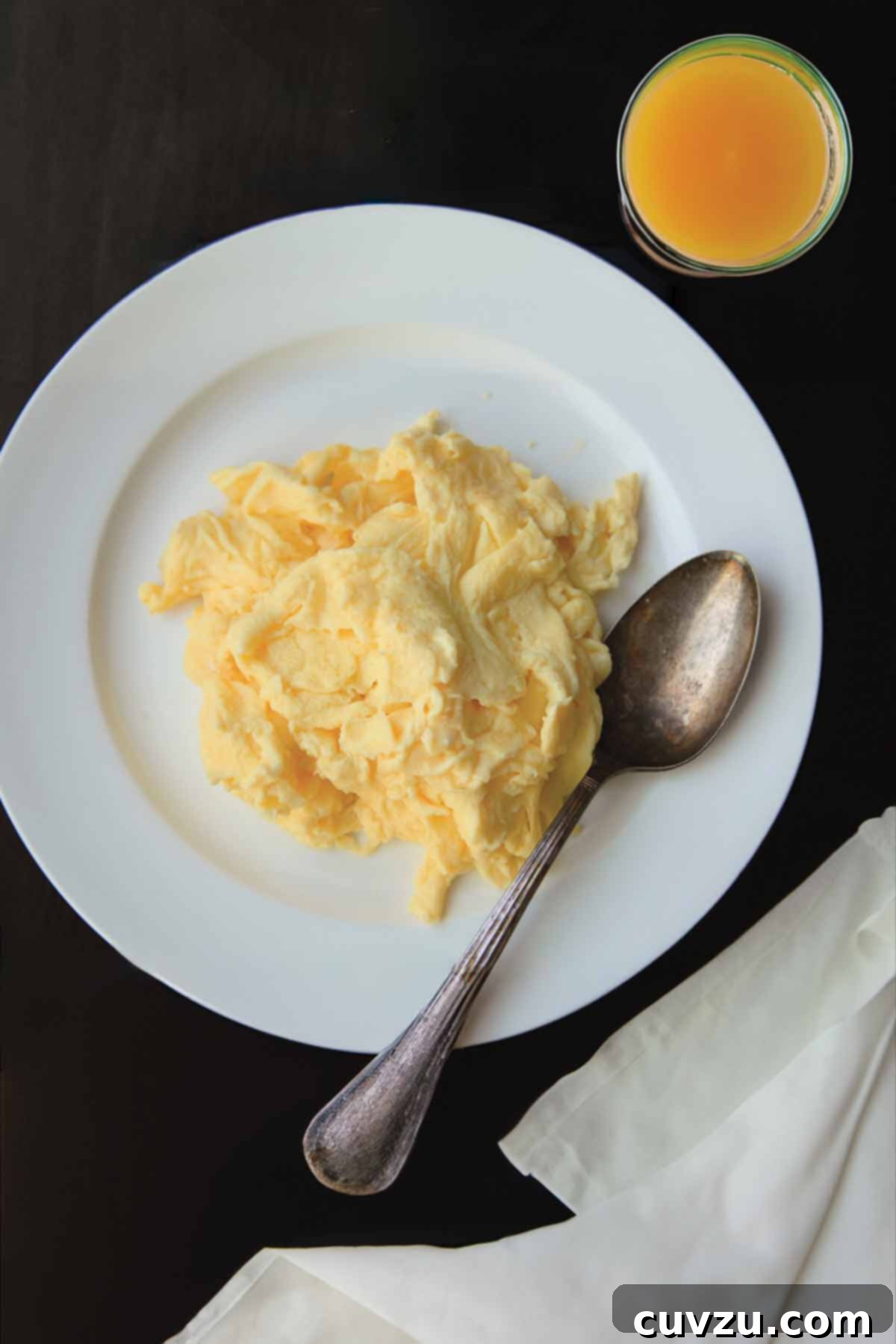
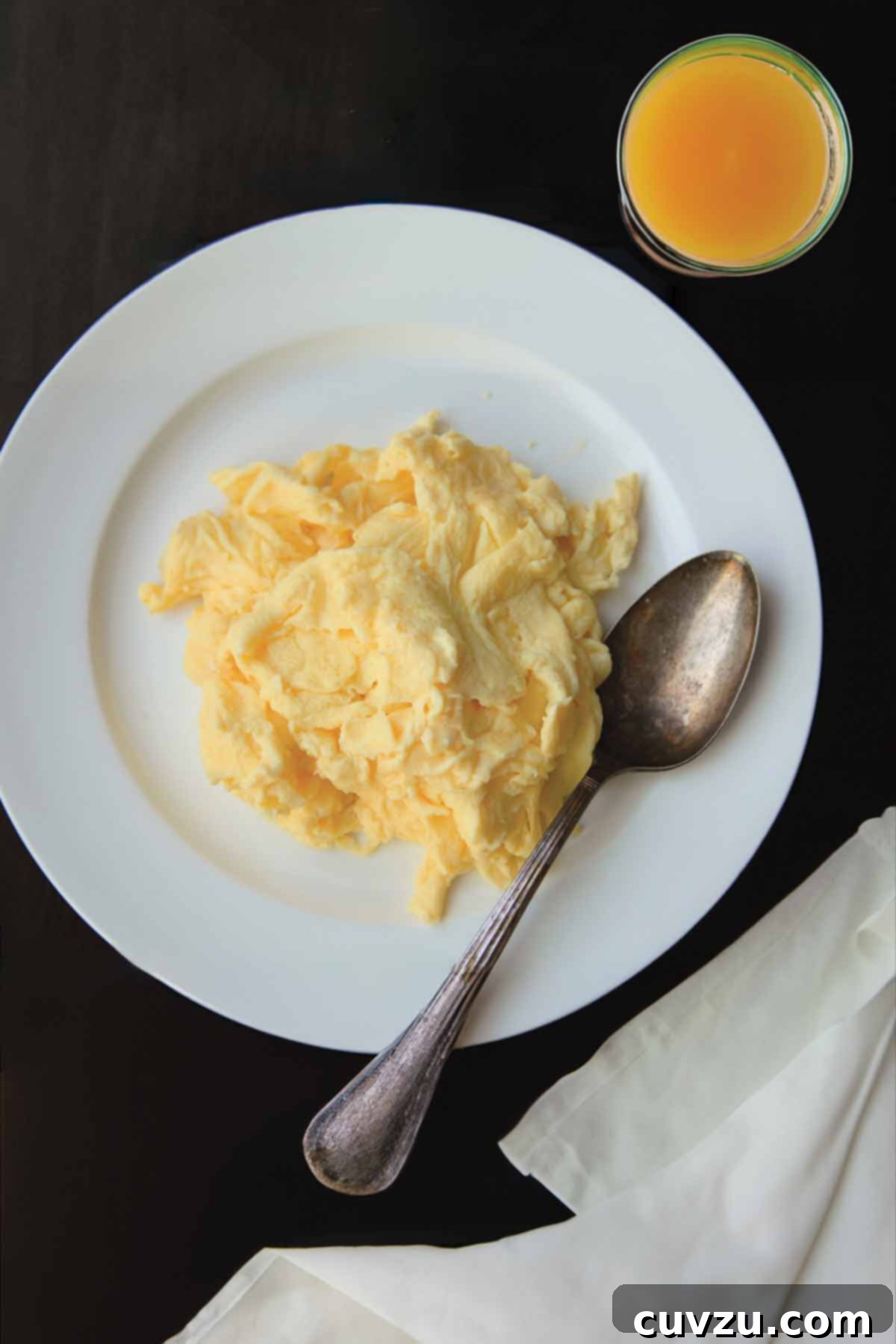
The culinary world often finds itself at a delightful crossroads when it comes to crafting the quintessential scrambled egg. On one side stand enthusiasts who champion rich, dense, and luxuriously creamy curds, a preference I deeply share. On the opposing side are those, like my wife, who yearn for light, relatively dry, and exceptionally fluffy scrambled eggs. This delightful divergence in preference can lead to interesting kitchen experiments! In the spirit of domestic harmony and culinary exploration, I embarked on a mission to demystify the art of making truly perfect scrambled eggs that cater to both palates, focusing particularly on achieving that coveted light and fluffy texture.
The Science of Scrambled Eggs: Protein Coagulation and Air
At its heart, cooking flawless scrambled eggs is a fascinating exercise in controlling the coagulation of egg proteins. Unlike a simple fried egg where the white and yolk proteins mostly set independently, scrambled eggs involve mixing these proteins together before cooking. This blending provides a unique opportunity to introduce additional ingredients and manipulate the eggs’ structure as they cook. For my initial tests, I deliberately kept things simple, using only plain eggs to precisely observe the impact of stirring, folding, and other mechanical actions. A touch of butter in the pan was the sole addition, purely for non-stick purposes.
Several critical insights quickly emerged. The fundamental difference between dense, creamy scrambled eggs and light, fluffy ones primarily hinges on the amount of air or steam incorporated and retained within the egg structure. As beaten eggs are gently heated in a skillet, the proteins begin to solidify. Concurrently, the moisture naturally present within the eggs starts to evaporate, generating pockets of steam. If you stir or agitate the eggs vigorously, these delicate pockets of steam and air are ruptured and expelled, resulting in a denser, more compact texture. Therefore, to achieve the lightest, fluffiest scrambled eggs, the key strategy is to minimize aggressive movement. Instead, employ gentle folding and turning, just enough to ensure even cooking, allowing the eggs to form distinct, large, golden, and tender curds.
The Crucial Role of Heat in Scrambled Egg Texture
Beyond technique, the level of heat applied during cooking also significantly influences the final texture. When eggs are cooked over very low heat, even with gentle folding, they tend not to become particularly fluffy. This is because insufficient thermal energy is present in the pan to vigorously form water vapor or expand trapped air bubbles. Consequently, for truly fluffy scrambled eggs, a relatively higher heat setting is required. However, caution is paramount: allowing the pan to become excessively hot risks overcooking the eggs or, worse, browning them, which detracts from their delicate appearance and flavor. The goal is a medium-high heat that encourages steam production without scorching the delicate egg proteins.
Understanding Additives: Water, Milk, Cream, and Butter
Many home cooks wonder about the effect of common additives like water, milk, or cream on scrambled eggs. These ingredients play two primary roles in influencing the final outcome. Firstly, they introduce additional water into the egg mixture. More water equates to more vaporization during cooking, which in turn leads to fluffier eggs. The steam created expands, creating a lighter, more airy texture. Secondly, dairy ingredients such as milk and cream contribute fat. This fat acts as an impediment, subtly interfering with the formation of tight bonds between egg proteins. The result is a more tender, less rubbery curd, contributing to a superior mouthfeel.
Additive Breakdown: Effects on Texture and Flavor
| ADDITION | EFFECT ON TEXTURE AND FLAVOR | HOW IT WORKS |
|---|---|---|
| Nothing | Eggs cook faster but can be tougher with less tenderness. | Without extra moisture or fat, proteins bond more tightly and quickly. |
| Water | Increased fluffiness, potentially diluted flavor profile. | Extra water significantly boosts vaporization, creating more internal steam. |
| Milk | Enhances both fluffiness and tenderness, a balanced choice. | Milk is primarily water, aiding vaporization, and its fat content hinders protein bonding. |
| Cream | Less fluffy than milk, but exceptionally rich, almost cheesy texture. | The higher fat content substantially reduces protein bonding, leading to a very tender, luxurious mouthfeel. |
| Cold Butter (stirred in at end) | Results in ultra-creamy and dense scrambled eggs. | Cold butter cools the eggs, slowing coagulation and adding rich fat. |
Crafting Your Perfect Fluffy Scrambled Eggs: The Method
Armed with these insights and meticulous testing, my pursuit of light and fluffy scrambled eggs yielded consistently excellent results. The refined method incorporates a few crucial steps: always whisk in a bit of milk along with the eggs, utilize relatively high heat to promote steam, keep stirring and folding to a minimum to preserve air pockets, and critically, remove the eggs from the hot pan *before* they are fully set. This last point is vital because even off the heat, residual warmth in the pan and the eggs themselves will continue to cook them, causing moisture to evaporate further and proteins to tighten. Removing them when slightly undercooked ensures they reach the plate perfectly done, with a soft, moist, and airy finish.
What Our Recipe Testers are Saying About This Perfect Scrambled Eggs Recipe
The feedback from our recipe testers confirms the success of this method for achieving truly perfect scrambled eggs. Comments range from “Light, fluffy, slightly moist, perfect scrambled eggs” to “Some of the best scrambled eggs that I have ever made!” and “The lightest, fluffiest eggs.” Many lauded the method for working “perfectly” and yielding “very nice” results. It’s clear that the dedicated efforts, championed by culinary expert J. Kenji López-Alt, have certainly not been in vain.
Perfect Scrambled Eggs
David Leite
Breakfast
American
4
servings
200
kcal
5 minutes
20 minutes
25 minutes
Ingredients
- 8 large eggs
- 3/4 teaspoon kosher salt
- 3 tablespoons whole milk
- 2 tablespoons unsalted butter
Instructions
-
Combine the eggs, salt, and milk in a medium bowl and whisk until the mixture is homogeneous and frothy, about 1 minute. Let rest at room temperature for at least 15 minutes. The eggs may darken in color significantly. While resting is recommended for optimal texture, many busy cooks find that skipping this step still yields terrific results, especially on rushed mornings.
-
Melt the butter in a 10-inch nonstick skillet, carbon-steel skillet, or cast-iron skillet over medium-high heat, swirling the pan as it melts to coat it evenly. Ensure the butter is fully melted and shimmering but not browned.
-
Add the egg mixture to the pan. Allow the eggs to sit undisturbed for a moment until the edges and bottom begin to firm up slightly. You might need to reduce the heat to medium at this point to prevent any browning. Using a silicone spatula, gently scrape the pan as the eggs solidify. Continue to cook, using a gentle scraping and folding motion, until the eggs have formed solid, moist curds and no visible liquid egg remains, typically about 2 minutes. The eggs should still appear slightly underdone in the pan. Do not worry; the residual heat will continue to cook them to perfection even after you transfer them from the heat to a plate. Serve immediately to enjoy their optimal texture.
Notes
Cooking For Two Variation
To prepare perfect scrambled eggs for two, simply halve all the ingredients listed above. Utilize a smaller, 6- to 7-inch skillet and follow the cooking instructions precisely as detailed in the main recipe.
Adapted From
The Food Lab: Better Home Cooking Through Science
Buy On Amazon
Explore More with AI
Substitutions
Scale Recipe
Summarize
Nutrition
Calories: 200 kcal
Carbohydrates: 1 g
Protein: 13 g
Fat: 16 g
Saturated Fat: 7 g
Monounsaturated Fat: 5 g
Trans Fat: 1 g
Cholesterol: 388 mg
Sodium: 584 mg
Sugar: 1 g
Nutrition information is automatically calculated, so should only be used as an approximation.
Tried this recipe?
Mention @leitesculinaria or tag #leitesculinaria!
Recipe Testers’ Reviews
Linda B.
These scrambled eggs were truly light, fluffy, and perfectly moist – an ideal breakfast or light dinner option. The recipe itself is wonderfully simple and delivers on its promise of excellent results. I didn’t observe any significant darkening of the eggs after the resting period, but the texture was undeniable. This method is a keeper!
Dawn English
This perfect scrambled eggs recipe serves as an excellent guide for creating basic, flavorful, light, and fluffy scrambled eggs. I scaled the recipe down by a third, using three extra-large eggs, and was able to whip up breakfast in no time. Since my eggs were already near room temperature, I opted to skip the recommended 15-minute resting time. To be honest, with a busy breakfast schedule in our household, I don’t see that step being very realistic to incorporate regularly. Despite that, the eggs still turned out wonderfully.
Robert McCune
I always believed my scrambled eggs were the best, leaning towards a creamier style. That was until I tried this method for perfect scrambled eggs! I diligently whisked the eggs for a full minute, a step I now consider crucial for their impressive lightness and fluffiness. My eggs were at room temperature before whisking, and I did let them rest for the recommended 15 minutes afterward. I only observed a very slight darkening. I believe that waiting to initiate the scraping and folding technique is key to developing those distinct, moist curds. I consciously reduced the temperature to medium to avoid browning. Serving them immediately was essential to prevent further cooking. These were genuinely some of the finest scrambled eggs I’ve ever prepared. Everyone who tasted them raved!
Sofia Reino
Despite its simplicity, this recipe truly lives up to its name, delivering perfect scrambled eggs every time. This method mirrors a technique I’ve employed for years to achieve thoroughly cooked eggs that remain wonderfully fluffy without becoming dry. For me, the most critical part of the recipe is indeed the 1-minute whisking, which ensures their lovely, airy texture. Regarding the color change, it does occur, but it’s a subtle shift that most wouldn’t even notice. The cooking instructions are spot-on, as is the timing. I strongly advise against cooking longer than the suggested 2 minutes, as the eggs will continue to cook off the heat, increasing the risk of dryness. If you crave consistently perfect scrambled eggs, this is undeniably the recipe to follow.
Irene Seales
I tested the “Cooking For Two” variation of these perfect scrambled eggs, which is simply a half recipe, and it scales very easily. I would consider using slightly lower heat next time, perhaps closer to medium. I appreciated how cleanly the eggs released from my Calphalon nonstick skillet. The flavor was excellent, and the eggs had a noticeably fluffy and light texture. The eggs did darken, and the frothy bubbles subsided during the resting period after whisking. Typically, I would re-whisk eggs before pouring them into the pan, but since this recipe didn’t specify that, I followed the instructions precisely. I suspect the darkening and the subsequent good behavior in the pan are more related to the salting and its effect on proteins than just the amount of air—this is the most compelling food science explanation I’ve encountered. While many believe they know how to scramble eggs, a structured, simple method like this is incredibly helpful for consistent, superior results. My only reservation was the reliance on a nonstick pan, which many are phasing out of their kitchens. The seasoning and texture were truly pleasant. It’s important to closely monitor the temperature, as it varies significantly between pans and burners; I found medium-high a bit too warm, leading to a touch more browning than desired for ideal scrambled eggs.
Jackie Gorman
I thought I already had an excellent technique for making fluffy scrambled eggs. However, I was genuinely curious to see what impact a couple of specific changes would make. I anticipated that whisking for about 1 minute would create frothy eggs, and it certainly did. I also wanted to observe if the eggs would significantly darken in color after resting, and indeed, they did. These two steps—thorough whisking followed by a rest—marked the key differences between my old method and how I will now consistently prepare my scrambled eggs. (Previously, I whisked my eggs but poured them into the pan almost immediately.) What a profound difference these two seemingly minor steps make in the final product! These were the lightest, fluffiest eggs I have ever made, surpassing the quality of even the best restaurant scrambled eggs I’ve enjoyed as part of a chilaquiles platter. I’ve always wondered how they achieved such light and fluffy eggs, and this method seems to be the secret: whisk them well, then let them sit. I experimented with this recipe a few times, trying different variations. I discovered that adding shredded cheese when the eggs were still very wet in the skillet and then incorporating it as I scraped the eggs was a perfect way to infuse cheese flavor without overcooking the eggs while waiting for the cheese to melt. I also successfully adapted this method to create a fantastic pan of migas. In terms of simplicity and exceptional results, when it comes to the world of scrambled eggs, this recipe truly stands out as the best.