Crispy Leftover Mashed Potato Cakes: The Ultimate Guide to Reinventing Your Leftovers
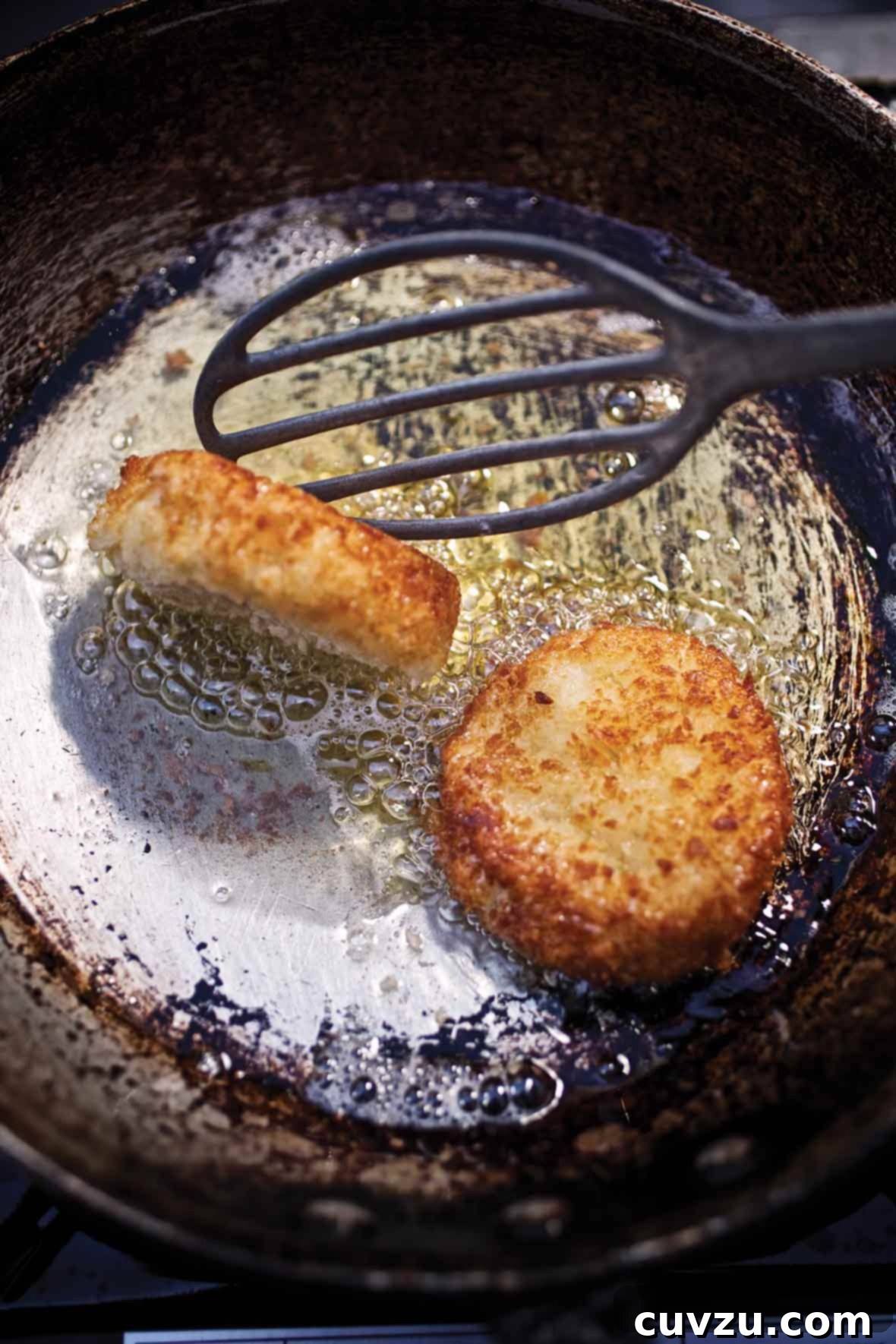
Post-holiday blues? Not when you have a fridge full of delicious leftovers! And nothing brings joy quite like transforming those creamy, dreamy mashed potatoes into something entirely new and exciting. Enter Leftover Mashed Potato Cakes: a culinary revelation that turns a humble side dish into a crispy, golden, and utterly satisfying sensation. Imagine a perfectly seasoned patty, crisp on the outside and wonderfully creamy on the inside, pan-fried to golden perfection. This isn’t just a recipe; it’s a celebration of resourcefulness and flavor.
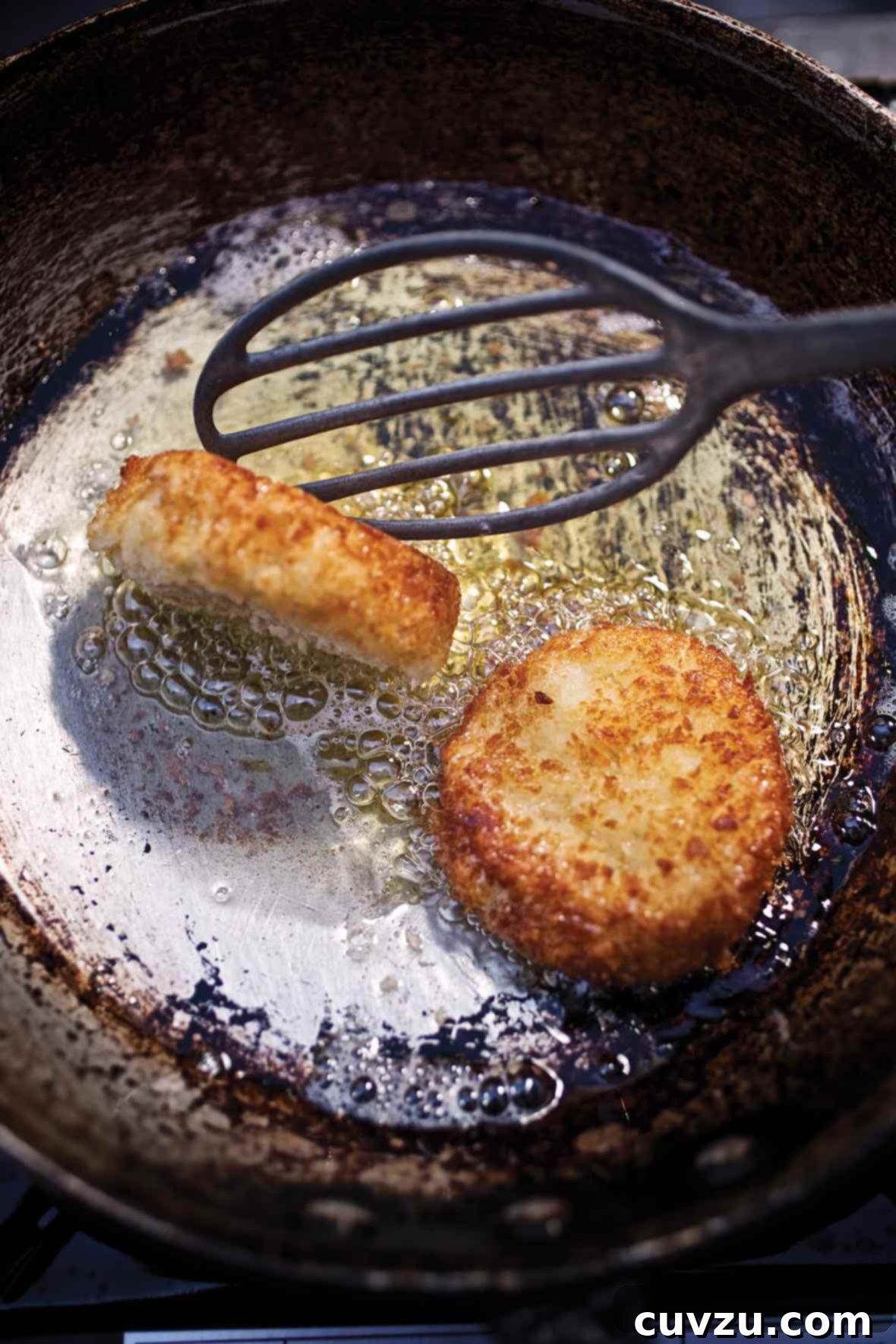
These delightful potato cakes are so much more than just a way to clear out the fridge. They’re an experience in themselves, offering a delightful contrast of textures that will have everyone reaching for seconds. In fact, they’re so good, you might just find yourself strategically leaving extra mashed potatoes at dinner, just so you can whip up a batch of these beauties the next day. (An unprecedented act, we know!)
And if you’re looking to elevate your potato cakes with a hearty protein boost, consider trying our ground lamb and potato patties for another delicious twist on the classic.
Why You’ll Fall in Love with These Crispy Mashed Potato Cakes
There’s something inherently comforting and deeply satisfying about a perfectly made potato cake. This recipe takes that feeling and amplifies it, making it an absolute must-try for any home cook. Here’s why these leftover mashed potato cakes will quickly become a cherished part of your culinary repertoire:
- Unbeatable Texture: The star of the show is undoubtedly the incredible texture. Each bite delivers a satisfying crunch from the golden panko coating, giving way to a warm, fluffy, and creamy interior. It’s a harmonious blend that tantalizes the taste buds.
- The Ultimate Leftover Revival: Say goodbye to food waste! This recipe is a brilliant, delicious, and incredibly simple solution for transforming your day-old mashed potatoes into an entirely new dish. It’s perfect after a big holiday meal like Thanksgiving or Christmas, but equally useful any time you have extra mashed potatoes on hand.
- Surprisingly Easy to Make: Don’t be intimidated by the crispy exterior; these potato cakes are remarkably straightforward to prepare. With a simple breading station and quick pan-frying, you’ll have a gourmet-worthy side dish or snack on the table in minutes.
- Versatile & Adaptable: These potato cakes are incredibly flexible. Serve them as a delectable side dish, a hearty snack, a light lunch, or even as a unique appetizer. They pair wonderfully with a variety of mains and can be customized with different seasonings and additions.
- Family-Friendly Favorite: From toddlers to grandparents, everyone loves a good potato cake. Their appealing texture and familiar flavor make them a guaranteed hit at any meal, ensuring clean plates and happy smiles all around.
- Cost-Effective Cooking: Utilizing leftovers not only reduces waste but also saves you money. This recipe allows you to stretch your ingredients further, turning what might have been discarded into another delightful meal.
The Secret to Perfection: Why Cold Mashed Potatoes Are Key
While it might be tempting to use freshly made mashed potatoes, the real magic of these crispy cakes lies in using cold, leftover mashed potatoes. This isn’t just a suggestion; it’s a fundamental aspect that guarantees success. Here’s why:
- Improved Firmness: As mashed potatoes cool, the starches firm up. This change in consistency is crucial for shaping the potatoes into neat, stable pucks or patties. Freshly made mashed potatoes are often too soft and loose, making them difficult to handle and prone to falling apart during frying.
- Enhanced Texture: The chilled and firmed potatoes hold their shape better during the breading process and frying, which contributes significantly to the desired crispy exterior and creamy interior. They don’t absorb as much oil and maintain their structural integrity.
- Prevents Over-Absorption of Oil: Cold potatoes are less likely to soak up excessive oil during frying. This results in potato cakes that are perfectly crispy and golden, rather than greasy and heavy.
- Better Seasoning Integration: Often, leftover mashed potatoes have already had a chance for their seasonings to meld and deepen overnight, contributing to a more flavorful final product.
So, resist the urge to use warm potatoes. Plan ahead and embrace the cold for the best possible outcome!
Leftover Mashed Potato Cakes
David Leite
Ingredients
- 2 cups cold leftover mashed potatoes, well-seasoned (crucially, do not use freshly made mashed potatoes as they will not hold their shape)
- 2 large eggs
- 1/4 cup milk
- All-purpose flour (for dredging)
- 1 1/2 cups panko breadcrumbs (for extra crispiness)
- 2 to 2 1/2 cups mild vegetable oil, for frying (e.g., canola, sunflower, or grapeseed oil)
Instructions
-
Begin by shaping your cold mashed potatoes. Form them into uniform puck-shaped cakes, aiming for approximately 1 inch (25 mm) thick and 2 inches (5 cm) in diameter. Each cake should be roughly 2 ounces (55 g) for even cooking. Uniformity is key for consistent results.
-
In a small, shallow bowl, prepare your egg wash. Lightly whisk the 2 large eggs together with the 1/4 cup of milk until well combined. This mixture will help the breadcrumbs adhere beautifully.
-
Set up a breading assembly line. You’ll need three separate shallow bowls or dishes: one with all-purpose flour, one with the egg wash, and one with the panko breadcrumbs. Take one mashed potato cake at a time. First, gently coat it thoroughly in the flour, shaking off any excess. Next, dip it completely into the egg wash, allowing any extra to drip off. Finally, dredge it generously in the panko breadcrumbs, pressing lightly to ensure a full, even coating. Repeat with all remaining potato cakes.
-
Heat the oil: In a medium-sized skillet or frying pan, add enough mild vegetable oil to achieve a depth of at least 1/2 inch (12 mm). Place the skillet over medium-high heat. Warm the oil until it reaches 350°F (180°C) as measured with an instant-read thermometer. This precise temperature is crucial for achieving a crispy crust without making the cakes greasy.
-
Carefully add the prepared potato cakes to the hot oil. Work in batches if necessary to avoid crowding the skillet; overcrowding can lower the oil temperature and result in less crispy cakes. Cook each side until it is beautifully golden-brown and heated through, which typically takes about 1 minute per side.
-
Once cooked, use a slotted spatula or tongs to carefully transfer the crispy mashed potato cakes from the skillet to a plate lined with paper towels. This allows any excess oil to drain off, keeping them perfectly crisp. Serve them immediately while they are still warm and at their peak deliciousness.

Adapted From
Jon Bonnell’s Waters
Buy On Amazon
Explore More with AI
Substitutions
Scale Recipe
Summarize
Nutrition
Serving: 1 cake
Calories: 119 kcal
Carbohydrates: 21 g
Protein: 5 g
Fat: 2 g
Saturated Fat: 1 g
Monounsaturated Fat: 1 g
Trans Fat: 1 g
Cholesterol: 47 mg
Sodium: 119 mg
Fiber: 1 g
Sugar: 2 g
Nutrition information is automatically calculated and should only be used as an approximation. Actual values may vary based on ingredients and preparation methods.
Tried this recipe?
Mention @leitesculinaria or tag #leitesculinaria! We love to see your creations!
Expert Tips for Flawless Crispy Mashed Potato Cakes
Achieving potato cake perfection is simpler than you think with a few key considerations. Follow these expert tips to ensure your leftover mashed potato cakes are always golden, crispy, and utterly delicious:
- Embrace the Chill: We can’t stress this enough – cold mashed potatoes are non-negotiable. They are firmer, easier to shape, and less likely to fall apart in the hot oil. If your potatoes are still warm, refrigerate them for at least an hour, or even overnight.
- Seasoning is Supreme: The flavor of your finished potato cakes largely depends on the seasoning of your initial mashed potatoes. Taste your cold mashed potatoes before shaping. If they taste bland, stir in a pinch of salt, a grind of black pepper, a touch of garlic powder, or a sprinkle of fresh chives.
- Master the Oil Temperature: The oil must be hot enough (350°F / 180°C) to create that irresistible crust without soaking the cakes in oil. Too cool, and your cakes will be greasy; too hot, and they’ll burn before heating through. Use an instant-read thermometer for accuracy.
- Don’t Crowd the Pan: Frying in batches is essential. Overcrowding the skillet will drop the oil temperature significantly, leading to soggy rather than crispy potato cakes. Give each cake enough space to sizzle and brown evenly.
- Pat Dry for Crispiness: Always transfer the fried cakes to a plate lined with paper towels immediately after removing them from the oil. This step helps absorb any surface oil, preserving that desired crispiness.
- Uniformity Matters: Try to make your potato cakes similar in size and thickness. This ensures they cook evenly and are ready at the same time.
- Consider Your Flour: While all-purpose flour is standard, gluten-free alternatives like rice flour or a gluten-free all-purpose blend work beautifully, as noted by one of our recipe testers.
- Panko for the Win: Panko breadcrumbs are highly recommended over standard breadcrumbs because their flaky texture creates a lighter, airier, and significantly crisper coating.
Serving Suggestions & Delicious Pairings
Once you’ve mastered these golden, crispy delights, the possibilities for serving them are endless. Here are some ideas to inspire your next meal:
- Classic Side Dish: Serve them alongside roasted chicken, pan-seared fish, a juicy steak, or any main course that needs a comforting, starchy accompaniment.
- Brunch Star: Pair them with scrambled eggs, crispy bacon, sausage, or even smoked salmon for a decadent weekend brunch.
- Appetizer Perfection: Offer them as bite-sized appetizers at your next gathering. They’re excellent dipped in sour cream, applesauce, or a tangy aioli.
- Lunchtime Treat: Enjoy them warm with a fresh green salad for a satisfying and easy lunch.
- Dipping Delights:
- Traditional: Ketchup, a dollop of sour cream or Greek yogurt, or even leftover gravy from your holiday meal.
- Spicy: Sriracha mayo, a chili garlic sauce, or a spicy homemade aioli.
- Creamy: Ranch dressing, dill dip, or a chive-infused sour cream.
- Elevated Experience: Garnish with fresh chopped chives, green onions, or a sprinkle of flaky sea salt just before serving to enhance both flavor and presentation.
Creative Variations to Try
The beauty of leftover mashed potato cakes is their versatility. Don’t hesitate to experiment with different additions and flavor profiles to suit your taste or what you have on hand!
- Cheesy Potato Cakes: Stir shredded cheddar, Gruyère, or Parmesan cheese directly into your mashed potato mixture before shaping. The cheese will melt inside, creating pockets of gooey goodness.
- Herbaceous Infusion: Fold in finely chopped fresh herbs like chives, parsley, dill, or rosemary into the mashed potatoes. This adds a burst of fresh flavor.
- Spicy Kick: For those who love a bit of heat, mix in a pinch of cayenne pepper, red pepper flakes, or a dash of your favorite hot sauce into the potato mixture.
- Protein Power-Up: Incorporate cooked and finely diced ham, crispy bacon bits, shredded cooked chicken, or even crumbled sausage into the mashed potatoes. This turns them into a more substantial meal. (Revisiting the idea from earlier, our ground lamb and potato patties are a fantastic example of this!)
- Vegetable Medley: Finely chop and sauté some onions, bell peppers, carrots, or spinach, then mix them into the mashed potatoes for added nutrients and flavor.
- Garlic & Onion Boost: Sauté minced garlic or finely chopped shallots until fragrant, then mix into the mashed potatoes.
- Different Coatings: While panko is supreme for crispiness, you can experiment with cornflake crumbs for a different texture, or even crushed crispy fried onions for an extra savory crunch.
What Our Recipe Testers Thought: Real Reviews
We believe in tried-and-true recipes, which is why our dedicated recipe testers put every dish through its paces. Here’s what they had to say about these delightful Leftover Mashed Potato Cakes:
Melissa Maedgen
Melissa highlighted the sheer brilliance of finding creative ways to utilize leftovers, noting that this recipe elevates mashed potatoes to a new level—making them arguably better than their initial form. She confirmed that the original seasoning of the mashed potatoes seamlessly carries over to the cakes. Whether they were Peruvian-inspired with aji pepper paste, or simply seasoned with chives, salt, and pepper, the potato cakes turned out wonderfully flavorful.
She emphasized the importance of starting with cold, refrigerated mashed potatoes and shaping them into 2-ounce patties. Melissa found that at the recommended oil temperature of 350°F (180°C), the cakes cooked quickly, achieving a perfect crisp and warming through in about a minute per side. A valuable insight from Melissa for those with dietary restrictions: she successfully used rice flour and homemade breadcrumbs from gluten-free bread as substitutes, with no compromise on the outcome. This demonstrates the recipe’s adaptability.
Melissa did offer a helpful note regarding the oil heating time, observing that it took her over 15 minutes to bring the oil up to the target temperature, which could be a point of adjustment for home cooks. She also clarified that while the amount of oil needed depends on the skillet size, a 1/2-inch depth is sufficient for 1-inch thick cakes, and you might need less oil than initially thought, depending on your pan. This practical advice ensures readers can approach the recipe with confidence.
Adrienne Lee
Adrienne likened these leftover mashed potato cakes to “croquettes or Pommes Dauphines,” highlighting their deep-fried, ball-like nature and confirming their great flavor and ease of preparation. Her review underscored a critical point: the success of the potato cakes is intrinsically linked to the quality of your original mashed potatoes.
She noted that her mashed potatoes were “well-seasoned and buttered” the day before, leading to the excellent outcome of the potato cakes. Adrienne’s most significant recommendation is a simple yet profound one: ensure you genuinely enjoy your mashed potatoes by themselves before proceeding with this recipe. This ensures a delicious foundation for your crispy cakes, confirming that a good starting product leads to a great finished dish.
Frequently Asked Questions (FAQs) About Mashed Potato Cakes
Got questions about making the perfect batch of crispy potato cakes? We’ve got answers!
- Can I use freshly made mashed potatoes for this recipe?
While tempting, we strongly advise against it. Freshly made mashed potatoes are too soft and moist to hold their shape during the breading and frying process. Cold, day-old mashed potatoes are essential because their starches have firmed up, making them much easier to work with and ensuring they become wonderfully crispy without falling apart. - How do I ensure my mashed potato cakes are extra crispy?
Several factors contribute to ultimate crispiness: 1) Using cold mashed potatoes, 2) A thorough three-step breading process (flour, egg wash, panko), 3) Maintaining the correct oil temperature (350°F / 180°C), and 4) Not overcrowding the pan, which keeps the oil temperature stable. Using panko breadcrumbs specifically is also key due to their light, airy texture. - Can I bake these potato cakes instead of frying them?
Yes, you can! For a healthier alternative, bake them. Preheat your oven to 400°F (200°C). Lightly spray the breaded cakes with cooking oil or brush with a little melted butter, then bake for 15-20 minutes, flipping halfway, until golden brown and heated through. While they won’t be quite as crispy as pan-fried, they will still be delicious. - How long do leftover mashed potato cakes last?
Once cooked, these potato cakes can be stored in an airtight container in the refrigerator for up to 3-4 days. For best results, reheat them in a skillet, air fryer, or oven to regain some of their crispiness. - Can I freeze mashed potato cakes?
Absolutely! You can freeze them either before or after frying. If freezing raw, place the breaded patties on a baking sheet and freeze until solid, then transfer to a freezer-safe bag for up to 1-2 months. Cook from frozen, adding a few minutes to the frying time. If freezing cooked, allow them to cool completely, then freeze in a single layer before transferring to a freezer bag. Reheat in an oven or air fryer. - What kind of oil should I use for frying?
Choose a mild vegetable oil with a high smoke point, such as canola, sunflower, grapeseed, or peanut oil. These oils will not impart a strong flavor to your potato cakes and can withstand the necessary frying temperature.
Conclusion: Turn Leftovers into Culinary Gold
Leftover mashed potato cakes are more than just a recipe; they are a testament to how simple ingredients, given a little care and attention, can be transformed into something truly spectacular. From their irresistibly crispy exterior to their comforting, creamy interior, these pan-fried potato patties offer a delightful way to enjoy your mashed potatoes all over again, often with even more enthusiasm than the first time!
Whether you’re looking for a clever way to manage post-holiday food abundance, a quick and satisfying side dish, or a comforting snack for the family, this recipe delivers. With minimal effort and maximum flavor, you’ll be creating culinary gold from what might have been discarded. So next time you have mashed potato leftovers, don’t let them go to waste. Grab your skillet, embrace the simple process, and prepare to devour some of the most delicious potato cakes you’ve ever tasted.
Happy cooking, and enjoy every crispy bite!