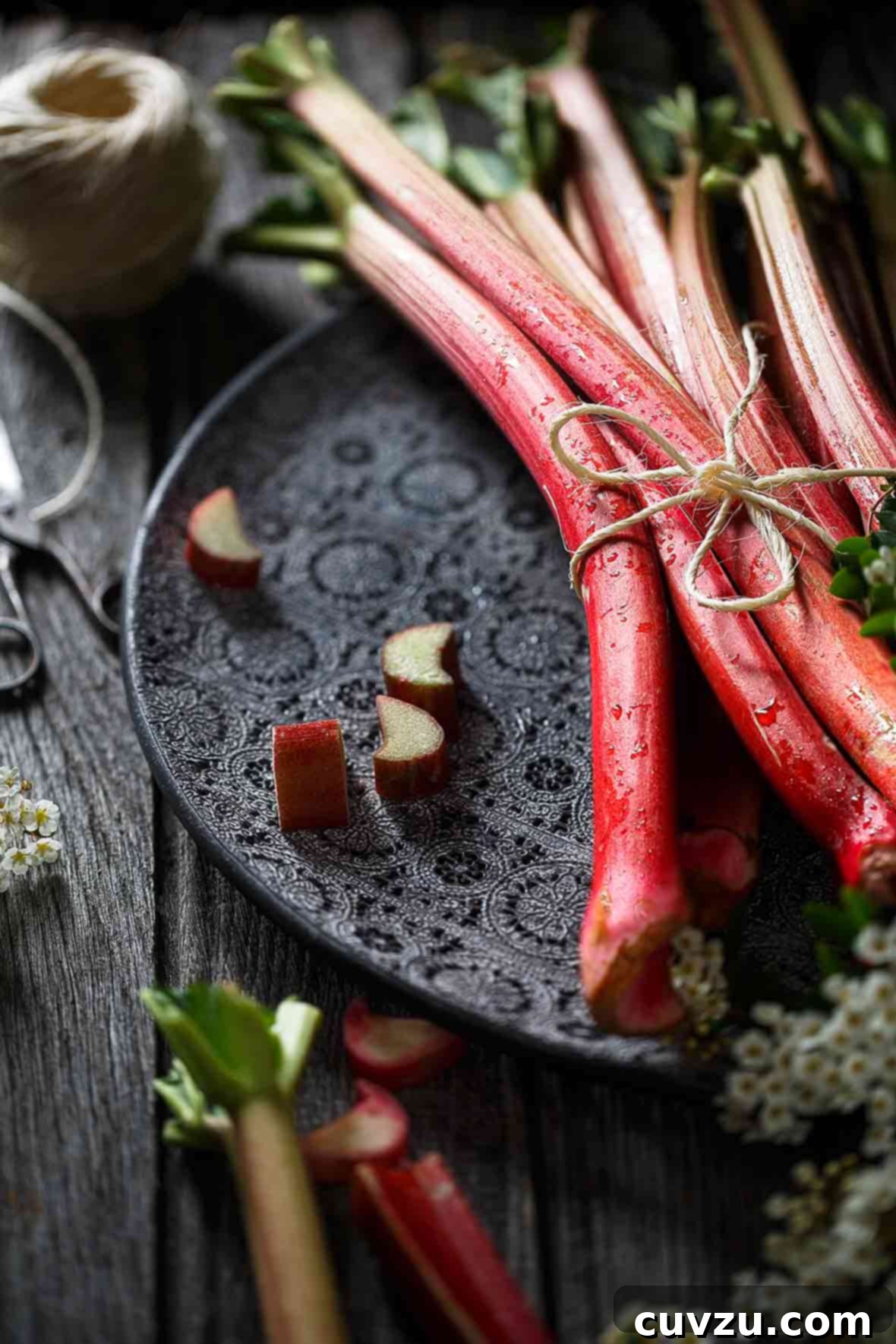
Mastering Rhubarb: Your Comprehensive Guide to Buying, Storing, Freezing, and Cooking This Spring Delight
As spring awakens, so does the season of rhubarb, a truly distinctive plant revered for its vibrant stalks and unmistakably tart flavor. Whether you’re an avid home baker, a culinary adventurer, or simply someone who appreciates seasonal produce, rhubarb offers a unique profile that enhances a myriad of dishes, from classic pies and compotes to innovative sauces and refreshing cocktails. Its puckery sourness, often balanced with sweetness, creates a delightful contrast that is hard to replicate. This extensive guide is your ultimate resource, providing everything you need to know to select the finest rhubarb, store it effectively, freeze it for year-round enjoyment, and transform it into delectable creations. Prepare to embrace the versatility of this quintessential spring ingredient and ensure you always have its vibrant taste at your fingertips.
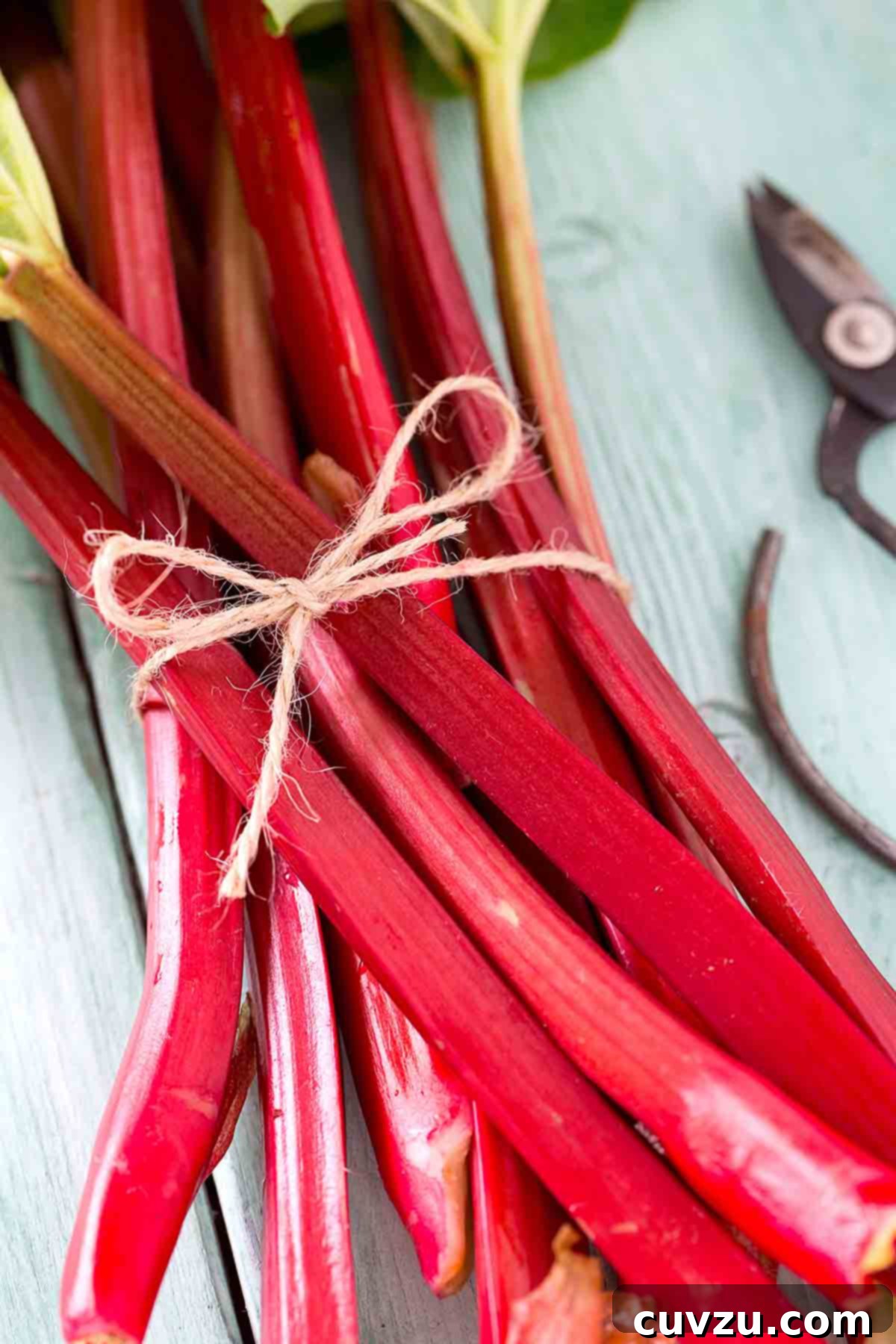
When is Rhubarb Season, and Why It Matters?
Understanding the seasonality of rhubarb is key to enjoying it at its freshest and most flavorful. The prime season for field-grown rhubarb, which boasts a more robust flavor, typically runs from February to June. During this period, especially from April through June, rhubarb reaches its peak abundance, offering plump, crisp stalks ideal for all your culinary endeavors. While hothouse rhubarb can, in theory, be found year-round, its availability is often limited to specialized markets or grocery stores, and it generally offers a milder flavor and paler color compared to its outdoor-grown counterpart. By October, the freezer aisle is often the only place you’ll reliably find rhubarb outside of its natural growing season.
Embracing seasonal produce like rhubarb not only guarantees superior taste and nutritional value but also supports local farmers and sustainable practices. When you buy rhubarb in season, you’re getting the best of what nature has to offer—stalks bursting with their signature sweet-tart essence. Keep an eye out at your local farmers’ markets during spring; that’s where you’ll often find the most vibrant, field-grown rhubarb, sometimes still with its leaves attached (which, as we’ll discuss, should be removed promptly).
Rhubarb: A Vegetable or a Fruit? The Great Culinary Debate
Despite its common use in desserts alongside berries and other fruits, the iconic ruby-stalked plant known as rhubarb (Rheum rhabarbarum) is botanically classified as a vegetable. Yes, you read that correctly! From a botanical perspective, rhubarb is unequivocally a vegetable because it is derived from the stem (petiole) of the plant, which consists of roots, stems, and leaves. It proudly holds its place as a member of the Polygonaceae family, more commonly known as the buckwheat family.
However, the culinary world often perceives rhubarb differently, and this led to “The Great Rhubarb Controversy” in 1947. A pivotal New York customs court ruling legally declared rhubarb a fruit. What sparked this reclassification wasn’t botanical accuracy but rather a pragmatic economic consideration: money. The ruling stated that since Americans predominantly cooked and consumed rhubarb like a fruit (in pies, jams, and other sweet preparations), it should be classified as such for customs purposes. This reclassification significantly impacted import taxes; if rhubarb remained a vegetable, imports from Canada would face a 50% tariff, whereas classifying it as a fruit reduced the tax to 35%. This historical decision highlights the intriguing intersection of botany, culture, and commerce, solidifying rhubarb’s dual identity in our kitchens and legal documents.
The Critical Warning: Rhubarb Leaves Are Toxic
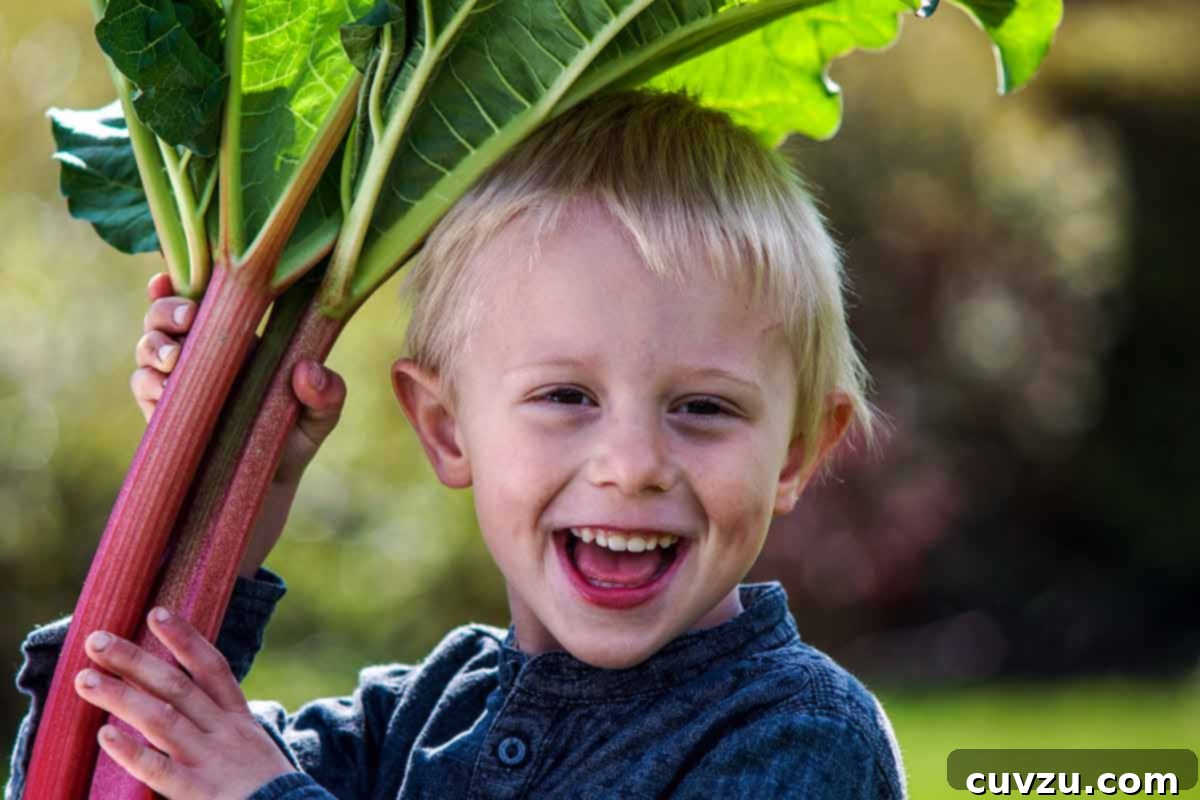
While rhubarb stalks are a delightful culinary ingredient, it is absolutely crucial to understand that rhubarb leaves are toxic. These large, impressive fan-shaped leaves contain dangerously high levels of oxalic acid, a compound that can cause severe, irreversible kidney damage and, in extreme cases, even be fatal. While an average-sized adult would need to consume approximately 10 pounds of the leaves to reach a lethal dose, even a small amount can induce significant sickness, including nausea, vomiting, abdominal pain, and burning sensations in the mouth and throat. The risk is particularly high for children and pets, who are more susceptible to smaller quantities.
It is imperative to remove and dispose of rhubarb leaves immediately upon purchase or harvest. Do not consume them, and ensure they are kept out of reach of curious children and pets like dogs and cats, for whom the leaves are equally toxic. An important practical note: when at the market, exercise caution to avoid confusing rhubarb stalks with red Swiss chard. Although they share some visual similarities, especially in color, Swiss chard leaves are edible, while rhubarb leaves are not. Always double-check the label and the overall appearance to distinguish between these two plants safely.
How to Select the Best Rhubarb for Your Recipes
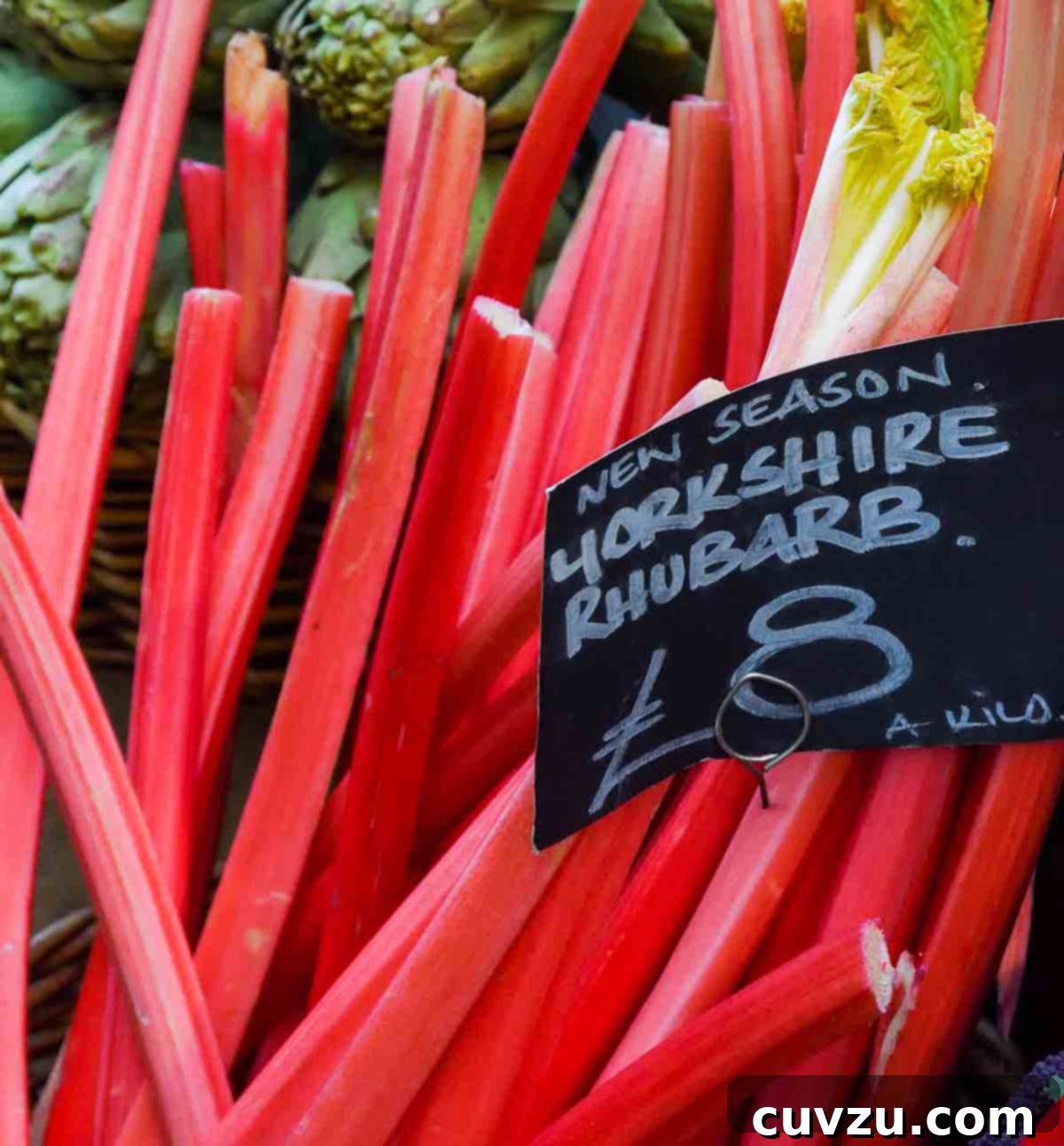
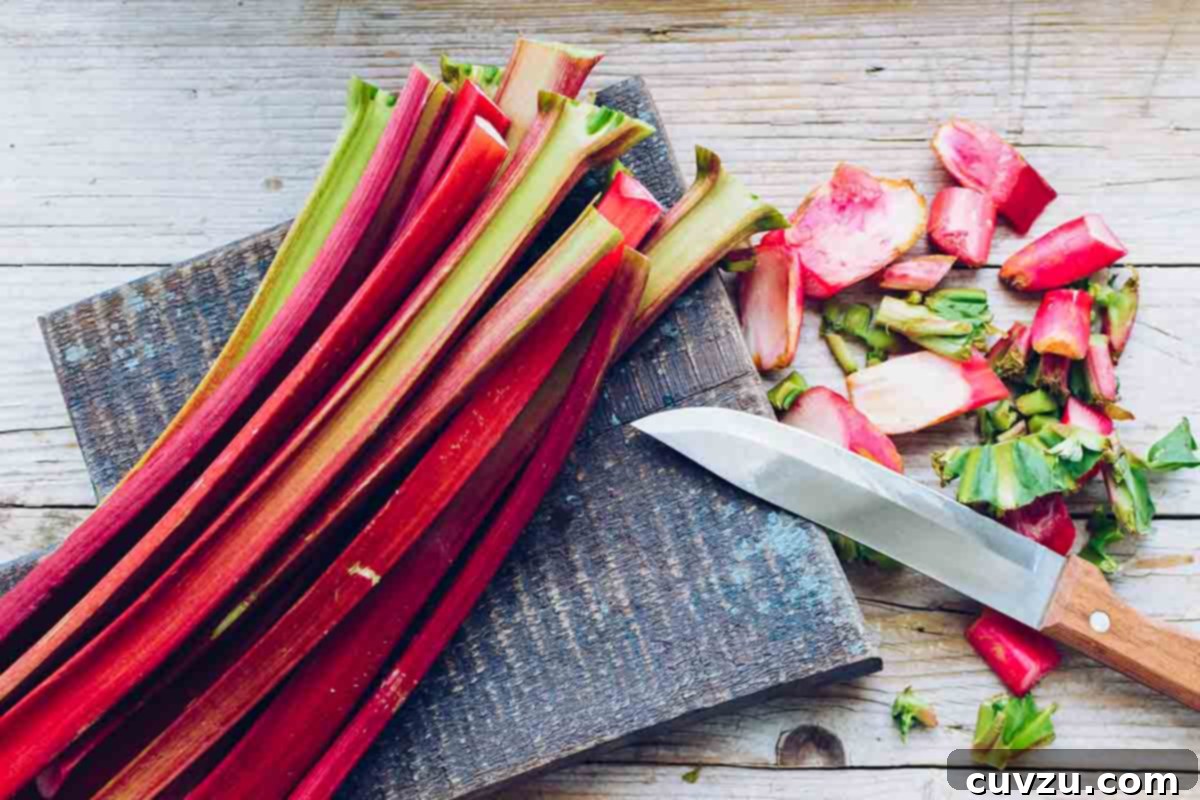
Choosing the right rhubarb is the first step to a delicious dish. Rhubarb stalks generally fall into two distinct categories based on their growing environment: hothouse-grown and field-grown. Hothouse rhubarb, typically found in most supermarkets, features pale-pink to pale-red stalks and often yellowish-green leaves (if present). It tends to have a milder, less intensely puckery flavor, making it a good choice for those who prefer a more subdued tartness.
Field-grown rhubarb, on the other hand, is usually characterized by its deep ruby-red stalks and vibrant green leaves. This variety typically offers a more robust and pronounced sour flavor, which is highly prized by many chefs and home cooks. When selecting either type, prioritize stalks that are tender yet remarkably firm and crisp, showing no signs of wilting or limpness. Avoid any stalks that feel soft or mushy, as these indicate age and reduced quality.
It’s also worth noting the occasional presence of green stalks. Some rhubarb cultivars are naturally more green than pink or red, regardless of their growing method. Surprisingly, these green-hued stalks can sometimes be sweeter than their blushing counterparts, proving that color isn’t always an indicator of tartness. Don’t shy away from green rhubarb if it feels firm and fresh.
☞ TESTER TIP: If the visual appeal of a recipe, such as a jam, compote, or pie, relies heavily on a beautiful pink or red hue, opt for deeply red-stemmed rhubarb. If red-stemmed varieties are unavailable or out of season, you can still achieve a vibrant color by pairing rhubarb with other red fruits like strawberries, raspberries, or cherries, which naturally enhance the dish’s visual appeal and flavor profile.
How to Store Rhubarb to Maintain Freshness
Proper storage is essential to prolong the freshness and crispness of your rhubarb stalks. The very first step, if your rhubarb comes with leaves, is to immediately cut them off and discard them. As previously discussed (see “The Critical Warning”), rhubarb leaves are toxic and should never be consumed. They are, however, safe to add to your compost bin, returning their nutrients to the earth.
Once the leaves are removed, you have a few excellent options for storing the edible stalks. For short-term storage, wrap the rhubarb stalks tightly in plastic wrap or, for a more eco-friendly alternative, place them in reusable airtight storage bags. Store them in the crisper drawer of your refrigerator, where they can remain fresh and crisp for up to 3 weeks. The key is to protect them from air exposure and dehydration, which can cause them to become limp and rubbery. For optimal flavor and texture, aim to use your fresh rhubarb within a week of purchase.
How to Freeze Rhubarb for Year-Round Enjoyment
If you find yourself craving the unique sweet-tart flavor of rhubarb long after its season has passed, freezing is an excellent solution. It’s a simple process that preserves rhubarb’s quality, allowing you to enjoy it in your favorite dishes throughout the year. Here’s a step-by-step guide to freezing rhubarb effectively:
- Prepare the Stalks: Begin by thoroughly washing the rhubarb stalks under cool running water to remove any dirt or debris. Pat them completely dry with a clean kitchen towel. Ensuring they are dry is important to prevent ice crystals from forming excessively during freezing.
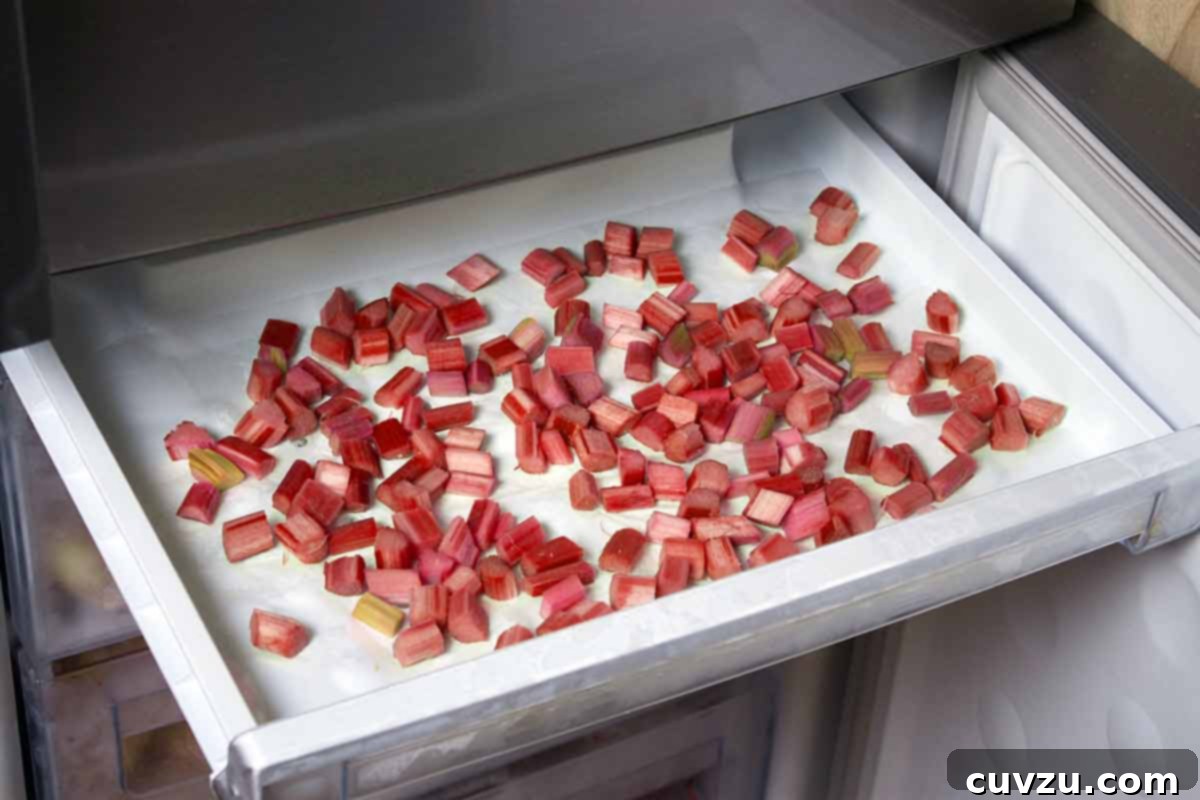
- Trim and Cut: Trim off both ends of the stalks – the very top where the leaves were (even if already removed) and the bottom fibrous end. Then, cut the stalks into uniform 1-inch pieces. This size is versatile for most recipes and ensures even freezing and thawing.
- Flash Freeze Individually: This crucial step prevents the rhubarb pieces from clumping together into one solid block. Arrange the cut rhubarb pieces in a single layer on baking sheets lined with parchment paper. Place the baking sheets in the freezer for 2 to 4 hours, or until the pieces are completely frozen solid.
- Package and Store: Once flash-frozen, transfer the individual rhubarb pieces from the baking sheets into freezer-safe bags or airtight containers. Squeeze out as much air as possible from the bags to prevent freezer burn. Label the bags with the date and quantity (if desired) and return them to the freezer. Frozen rhubarb can be stored for up to one year, allowing you to savor its taste whenever inspiration strikes.
When you’re ready to use frozen rhubarb, most recipes (especially those for pies, crumbles, or sauces) don’t require thawing. You can often add the frozen pieces directly to your preparation, though you might need to adjust cooking times slightly to account for the frozen state.
Now Comes the Best Part: Cooking with Rhubarb!
With your fresh or frozen rhubarb ready, it’s time to unleash its culinary potential. Rhubarb’s distinctive tartness makes it an incredibly versatile ingredient, pairing beautifully with a wide array of flavors. It harmonizes wonderfully with sweet berries like strawberries and raspberries, warm spices such as ginger and cinnamon, and bright citrus notes from lemon and orange. The addition of sugar is almost always necessary to balance its intense sourness, transforming it into a delightful sweet-tart experience.
Beyond traditional pies and crumbles, rhubarb excels in jams, compotes, sauces, and even savory applications (though less common, it can add a pleasant tang to glazes for pork or poultry). Its vibrant color and unique flavor also make it a fantastic addition to beverages, from infused vodkas to refreshing cocktails and mocktails.
We have a treasure trove of rhubarb recipes that take full advantage of this seasonal delight. Below, we’ve highlighted some of our absolute favorites, guaranteed to inspire your next kitchen adventure:
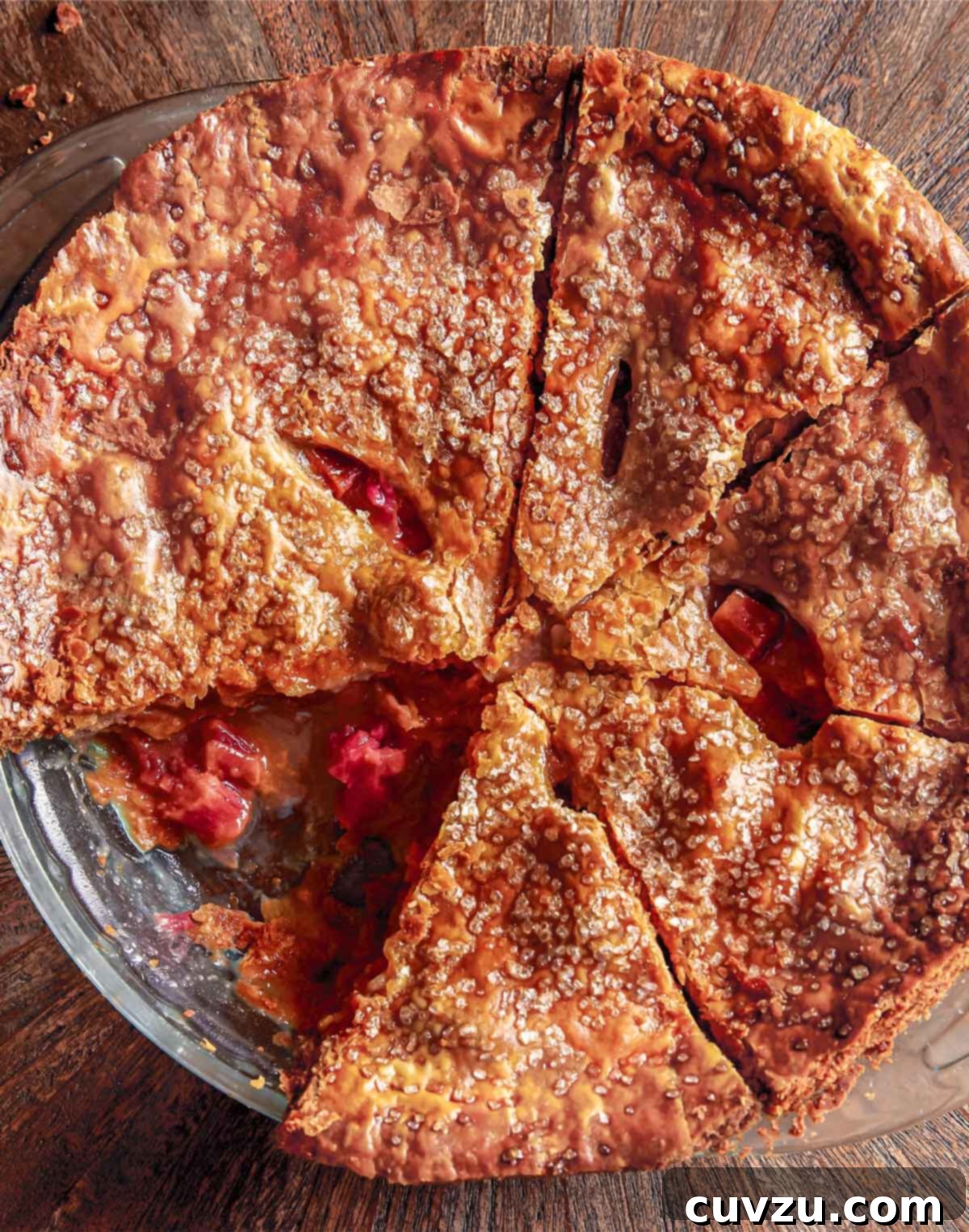
Rhubarb Brown Sugar Pie
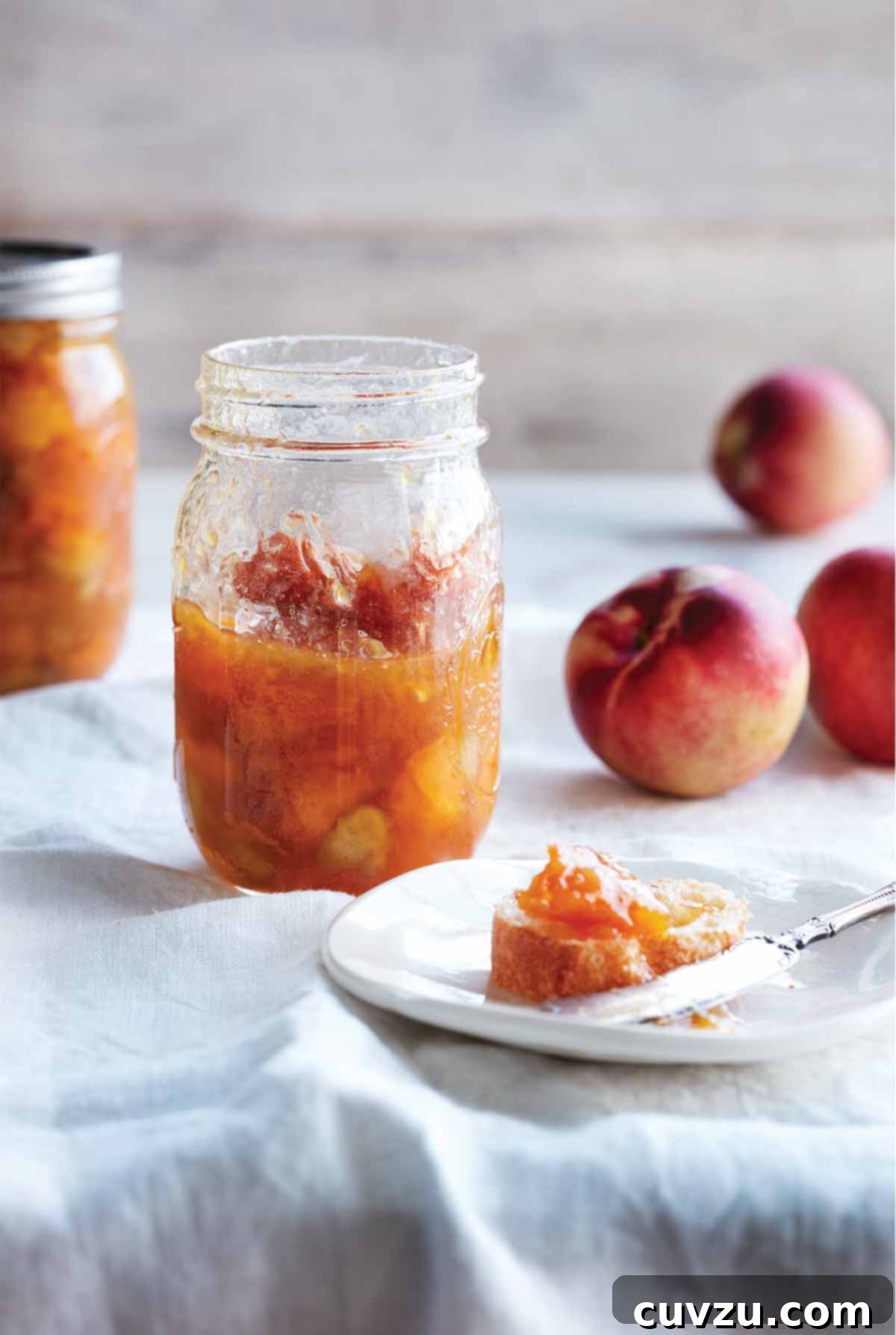
Peach and Rhubarb Jam
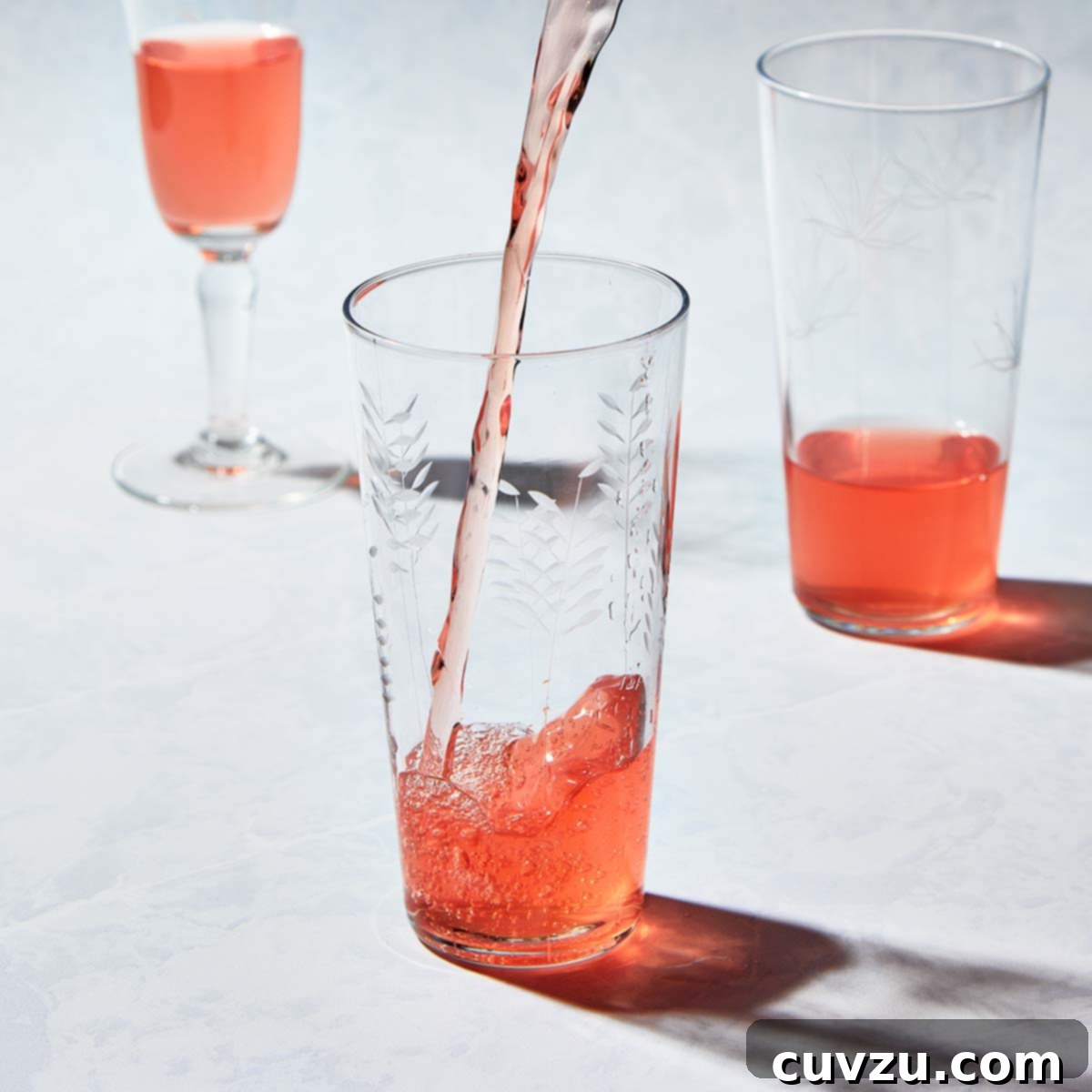
Rhubarb Vodka
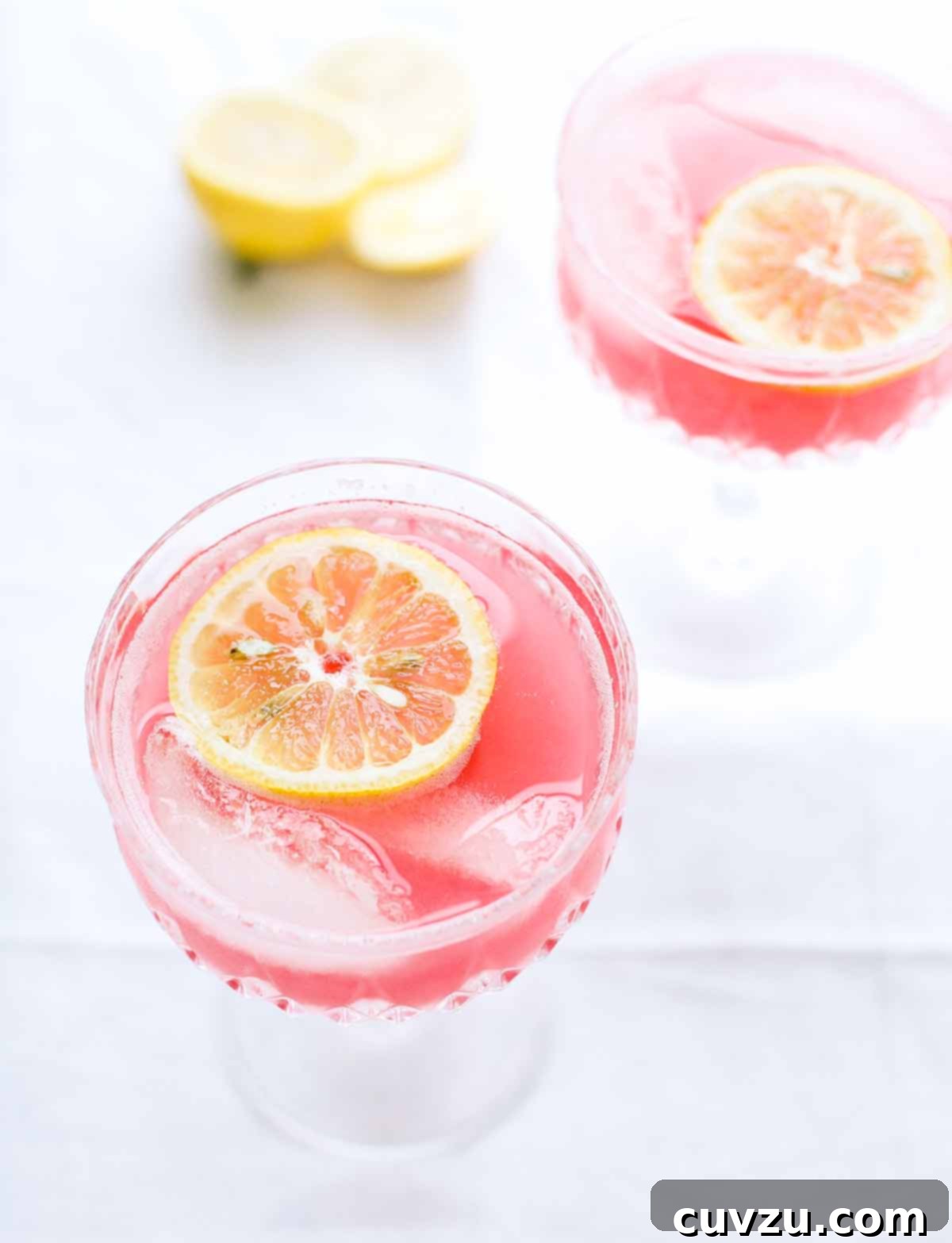
Rhubarb Sour
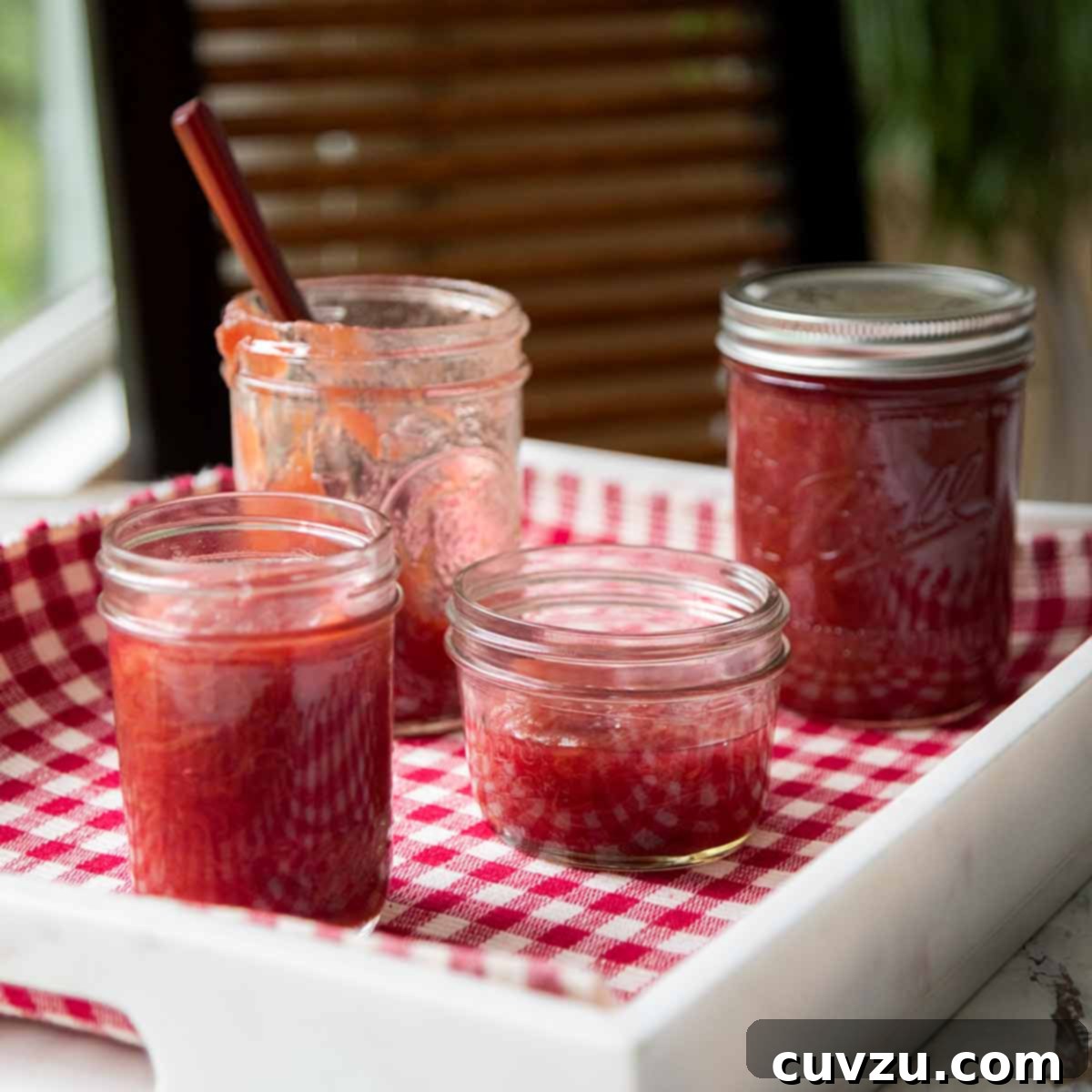
Easy Rhubarb Jam
Craving even more innovative rhubarb dishes and delightful treats? We’ve got you covered! Explore our extensive collection of rhubarb dessert recipes to further expand your culinary repertoire and make the most of this exceptional ingredient.
Rhubarb, with its striking appearance and unmistakable flavor, is more than just a seasonal vegetable (or fruit, depending on who you ask!). It’s an invitation to explore unique taste sensations and create memorable dishes. By following this guide, you can confidently buy, safely handle, expertly store, and creatively cook with rhubarb, ensuring its vibrant presence in your kitchen throughout the year. So go ahead, embrace the tart charm of rhubarb and let your culinary imagination flourish!