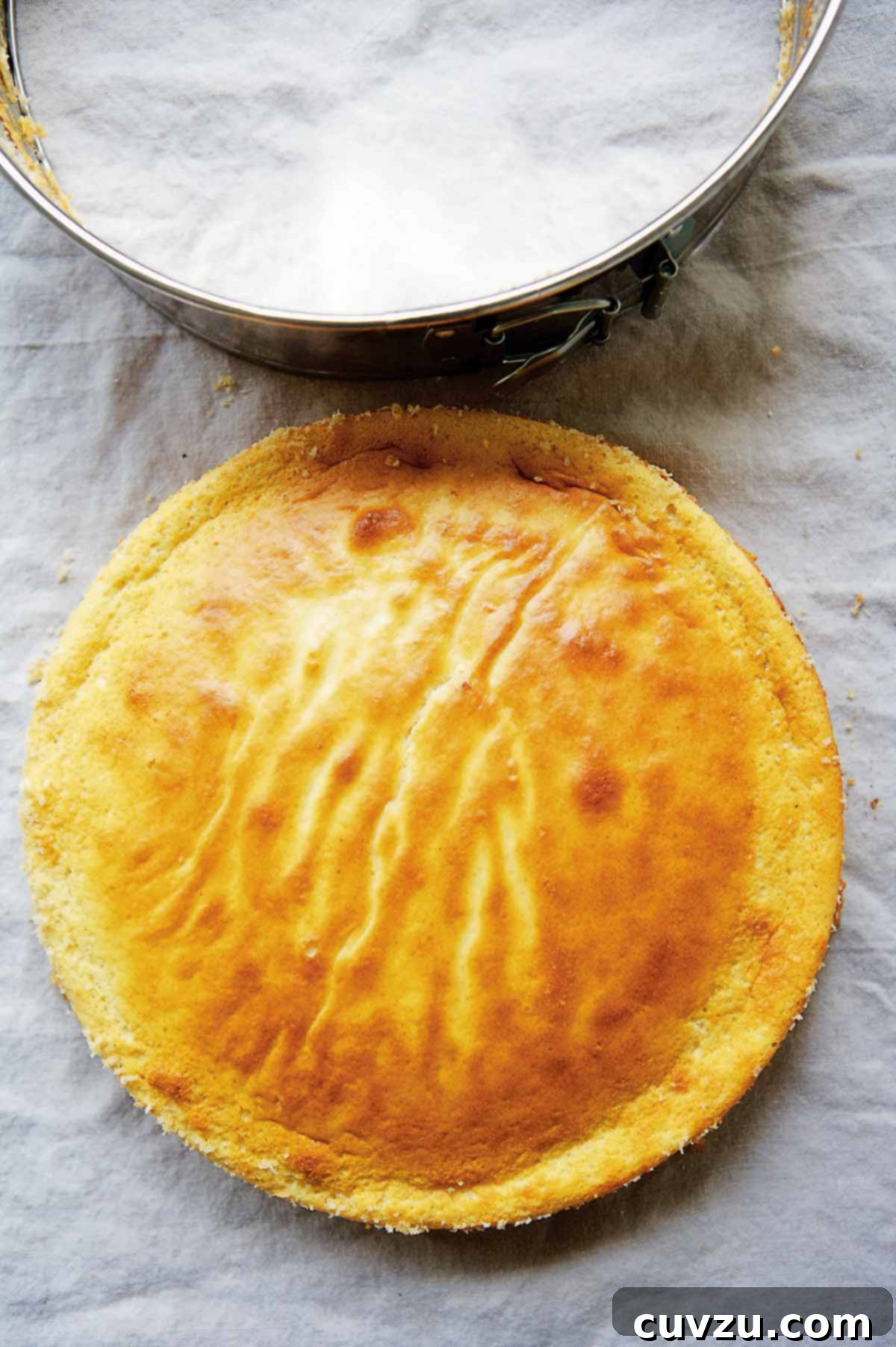
Authentic Ricotta Cheesecake from Rome’s Jewish Quarter: A Deliciously Light Italian Dessert
Step into the charming, cobblestone streets of Rome’s Jewish Quarter (Ghetto Ebraico) and you’ll find a culinary gem that stands apart: the Ricotta Cheesecake. This classic Italian dessert is a testament to centuries of rich cultural exchange and culinary evolution. Far from its denser American cousins, this Roman delight offers a refreshingly lighter, more pudding-like consistency, subtly perfumed with lemon, and boasting an undeniable charm that captivates with every spoonful. It’s not just a cheesecake; it’s a taste of history, a whisper of tradition, and an incredibly lovable treat in its own right.
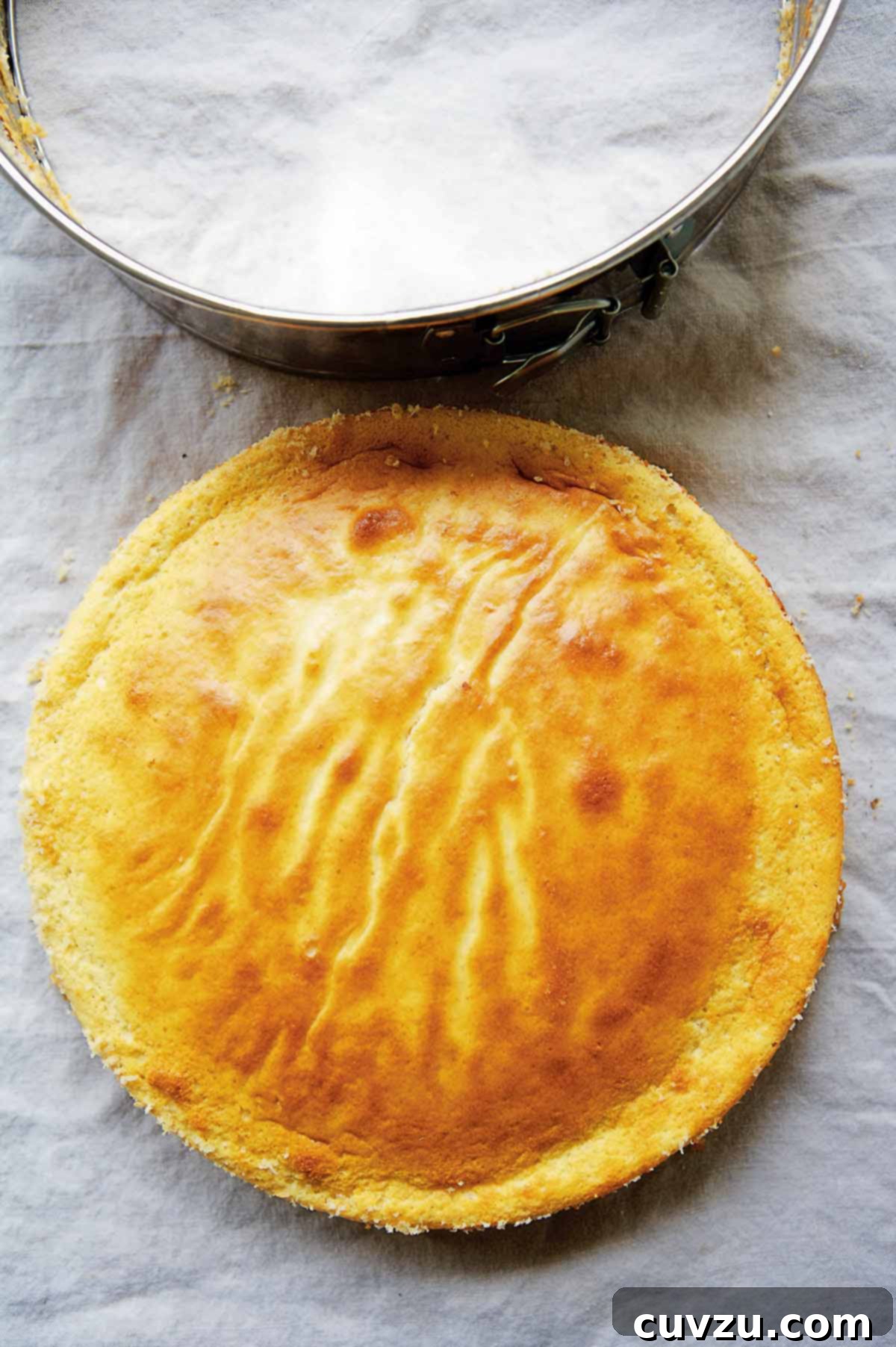
Often referred to as a budino di ricotta (ricotta pudding), this tender dessert has a fascinating origin story. Food historian Clifford Wright notes that the traditions of making and cooking with ricotta were brought to Rome by Sicilian Jews who were expelled from Sicily in the fifteenth century. A precursor to this very recipe traveled with them, evolving over time within Rome’s vibrant Jewish community. Today, you can still discover this authentic dessert in its purest form within the Jewish Quarter—typically crafted with just eggs, sugar, homemade ricotta, and cinnamon. Our rendition elevates this simplicity by carefully separating the eggs and gently folding in the beaten whites, a technique that imparts an even more delicate and airy texture, making each slice a truly ethereal experience. While this exquisite, pudding-like cheesecake might surprise you with its lightness and a tendency to develop charming cracks during baking or cooling, consider these imperfections part of its homemade allure and authentic character.
Ricotta vs. Cream Cheese: Understanding the Key Distinctions for Your Cheesecake
When it comes to cheesecakes, the type of cheese used is paramount to the final texture and flavor profile. Many mistakenly equate ricotta cheese with cream cheese, or assume they can be interchanged. However, understanding their fundamental differences is crucial, especially for a recipe like this Roman Ricotta Cheesecake.
The primary distinction lies in their composition, particularly their fat content. Ricotta cheese, whose name literally means “recooked” in Italian, is traditionally made from the whey leftover from producing other cheeses, although it can also be made directly from whole milk curdled with a small amount of acid, like vinegar or lemon juice. This process yields a fresh, soft, slightly grainy cheese that is lower in fat and lighter in texture. Its subtle flavor allows other ingredients, like lemon and cinnamon, to truly shine.
Cream cheese, on the other hand, is a fresh, soft, unripened cheese made from milk and cream, which gives it a significantly higher fat content. This results in a much denser, smoother, and richer consistency, typical of classic New York-style cheesecakes. While undeniably delicious in its own right, cream cheese imparts a tangier, heavier mouthfeel.
Attempting to substitute cream cheese for ricotta in this Roman recipe would drastically alter the desired outcome. This cheesecake is meticulously designed to leverage ricotta’s inherent lightness and slightly crumbly, yet tender, consistency. It’s what gives this dessert its signature “pudding-like” quality, a delicate airiness that could never be achieved with the heavier, denser properties of cream cheese. For an authentic Roman Ricotta Cheesecake experience, embracing true ricotta is not just a recommendation—it’s essential.
Ricotta Cheesecake from Rome’s Jewish Quarter: The Authentic Recipe
Recipe by David Leite
Dessert
Italian, Jewish
8
slices
229
kcal
20 minutes
40 minutes
1 hour
Ingredients
Gathering the right ingredients is the first step to crafting this extraordinary Roman Ricotta Cheesecake. For the best results, we highly recommend using fresh, whole milk ricotta, ideally homemade, as its quality significantly impacts the final texture and flavor of your dessert.
- 1 tablespoon (1/2 oz) butter
- 1/4 cup fine fresh bread crumbs
- 5 large eggs, separated
- 3/4 cup granulated sugar
- 3 tablespoons cake flour
- 1 teaspoon salt
- 1/2 teaspoon ground cinnamon
- 2 cups fresh whole milk ricotta, preferably homemade
- 1/4 cup Grand Marnier (or other orange liqueur)
- 1 lemon, preferably organic, zested
Instructions
Follow these detailed steps to create a show-stopping Ricotta Cheesecake that perfectly balances tradition with an unforgettable light texture.
-
Prepare your pan: Preheat your oven to 350ºF (176ºC). Take 1 tablespoon of butter and generously coat the bottom and sides of a 9-inch springform pan. This creates a non-stick surface. Then, dust the buttered pan evenly with the fine fresh bread crumbs, tilting and rotating the pan to ensure the crumbs adhere well to both the bottom and sides. This crumb layer provides a subtle texture and prevents sticking.
-
Cream the base: In a large mixing bowl, combine the egg yolks with the granulated sugar, cake flour, salt, and ground cinnamon. Using an electric mixer set to medium-high speed, beat these ingredients together until the mixture is light, pale, and creamy. This should take approximately 5 minutes, ensuring the sugar is well dissolved and the base is aerated.
-
Prepare the ricotta mixture: In a food processor, combine the fresh whole milk ricotta, Grand Marnier (or your chosen orange liqueur), and the lemon zest. Pulse or whir these ingredients until the mixture is completely smooth and lump-free. The goal is a velvety consistency, which will contribute to the cheesecake’s delicate texture.
-
Combine wet ingredients: Using a rubber spatula, carefully fold the smooth ricotta mixture into the egg yolk mixture. Continue folding until the batter is thoroughly combined and homogenous. Be gentle but ensure no streaks of yolk mixture remain.
-
Whip the egg whites: In a separate, very clean bowl, beat the reserved egg whites. You can use a whisk for a good arm workout or an electric mixer fitted with a whisk attachment for ease. Beat until the whites become frothy. At this point, add a small squeeze of fresh lemon juice – this helps to stabilize the egg whites. Continue beating until the whites form stiff peaks, meaning they hold their shape when the whisk is lifted, but are not dry or crumbly. Be careful not to overbeat.
-
Fold in the whites: This is a critical step for the cheesecake’s airy texture. Gently fold about one-third of the beaten egg whites into the main batter to lighten it. Then, carefully fold in the remaining whites in two separate batches. Use a light, lifting motion with your rubber spatula to incorporate the whites without deflating the air. Overmixing will cause the batter to lose its lightness, so work quickly and gently until just combined.
-
Bake to golden perfection: Pour the delicate ricotta batter into your prepared springform pan. Place it carefully in the preheated oven. Bake for 40 to 50 minutes, or until the cheesecake is beautifully golden brown on top and feels firm to the touch when gently pressed in the center. If you notice the top browning too quickly to your liking, loosely cover the cheesecake with aluminum foil for the remainder of the baking time.
-
Cool and serve: Once baked, remove the cheesecake from the oven and immediately place the pan on a wire rack to cool completely. Don’t be alarmed if the cheesecake sinks slightly in the center or develops cracks as it cools; this is a characteristic of its light, delicate structure and part of its homemade charm. This Roman Ricotta Cheesecake is best enjoyed warm or at room temperature, where its nuanced flavors are most pronounced. While leftovers can be stored in the refrigerator, note that the chill might slightly mute its delicate flavors. Bring it back to room temperature before serving for the best experience.
Serving Suggestions and Expert Tips
To truly savor the authentic taste of this Roman Ricotta Cheesecake, serving it warm or at room temperature is highly recommended. The subtle notes of lemon and cinnamon, along with the rich creaminess of the ricotta, are best appreciated when the cheesecake isn’t chilled. While delightful on its own, a simple accompaniment can elevate the experience.
- Fruit Preserves: A dollop of warm apricot, peach, or fig preserves adds a lovely fruity tang and a touch of sweetness that complements the cheesecake beautifully.
- Fresh Berries: A sprinkle of fresh seasonal berries like raspberries or blueberries provides a burst of freshness and color.
- Light Cream: A spoonful of crème fraîche or a light, unsweetened whipped cream can add an extra layer of indulgence without overpowering the delicate flavors.
- Coffee or Liqueur: Serve alongside a strong espresso, a glass of Vin Santo, or even a small sip of Amaretto for a truly Italian dessert experience.
Tips for Cheesecake Perfection:
- Quality Ricotta is Key: Invest in high-quality whole milk ricotta, or better yet, make your own. The fresh, less watery consistency is crucial for the cheesecake’s texture.
- Gentle Folding: When incorporating the egg whites, be as gentle as possible. The air in the whites is what gives this cheesecake its signature lightness.
- Don’t Overbake: The cheesecake should be firm but still have a slight jiggle in the very center when removed from the oven. It will continue to set as it cools.
- Embrace the Cracks: Unlike denser cheesecakes where cracks are seen as flaws, in this delicate Roman version, they are a charming sign of its authentic, homemade character.
Adapted From
Canal House Cooking Vol., No. 7: La Dolce Vita
Buy On Amazon
Nutrition Facts (Approximate)
Serving:
1
slice
Calories:
229
kcal
Carbohydrates:
32
g
Protein:
10
g
Fat:
5
g
Saturated Fat:
2
g
Monounsaturated Fat:
2
g
Trans Fat:
1
g
Cholesterol:
130
mg
Sodium:
426
mg
Fiber:
1
g
Sugar:
24
g
Nutrition information is automatically calculated and should be used as an approximation. Individual results may vary.
Tried this exquisite recipe? We’d love to hear about your experience! Share your creations and connect with us on social media.
Mention @leitesculinaria or tag #leitesculinaria!
What Our Recipe Testers Say: Unanimous Praise for Roman Ricotta Cheesecake
Our dedicated team of recipe testers enthusiastically embraced this Roman Ricotta Cheesecake, consistently highlighting its unique characteristics and delightful flavor. Across the board, they found this dessert to be a refreshing departure from conventional cheesecakes, praising its remarkable lightness and distinct pudding-like texture.
Anna Scott’s Revelation: A Delicious and Unique Experience
Anna Scott described her experience as “so much better than I expected,” confirming the description of it being more of a “pudding cake.” She was particularly impressed by the consistency of the ricotta mixture and the harmonious blend of cinnamon and citrus flavors, even loving the batter before it was baked. Anna noted that her cheesecake took about 50 minutes to bake, recommending covering it with foil if it browns too quickly. She used store-bought ricotta but expressed eagerness to try it with homemade, a testament to its appeal. For Anna, this recipe was a delicious new take on an old classic.
Sita Krishnaswamy’s Decadent Twist: Amaretto and Apricot Bliss
Sita Krishnaswamy hailed it as “the most amazing, pudding-like cheesecake I’ve ever made.” She innovatively substituted Grand Marnier with amaretto, finding it worked exceptionally well with the lemon zest. Sita served her light cheesecake with warm apricot preserves and vanilla ice cream, creating a truly decadent experience. She affirmed that “the recipe works as written,” underscoring its reliability.
Lisa O.’s Light Indulgence: Perfect After a Rich Dinner
Lisa O. appreciated this cheesecake as a “lovely light version of traditional cheesecake or even ricotta cheesecake,” finding it perfectly suited for serving after a rich dinner of braised short ribs without leaving anyone feeling “overstuffed.” She explicitly praised the recipe for working “just as written, no surprises,” and was grateful for the note about the cake sinking and cracking during cooling, which prevented any panic. While acknowledging it might not be the “prettiest cake ever,” its positive reception by all who ate it, especially with a dollop of peach preserves and crème fraîche, spoke volumes about its taste.
Deb Russell’s Personal Preference: A Vanilla Exploration
Deb Russell was excited to make the cheesecake, noting its ease of preparation. While she found it “very delicious,” she personally felt the cinnamon might be optional and expressed a desire to try it again with vanilla essence instead. This highlights the recipe’s adaptability for personal taste, even within its traditional framework. Deb looked forward to seeing how fresh it stayed, an implicit compliment to its delightful immediate taste.
Overall, our testers lauded this Roman Ricotta Cheesecake for its delightful lightness, unique pudding-like texture, and beautiful flavor combinations. It proved to be an easy-to-follow recipe that yielded consistently delicious results, adaptable to minor personal touches, and perfect for any occasion where a lighter, yet utterly satisfying, dessert is desired.