Easy Rosé Sangria: Your Ultimate Summer Sipper
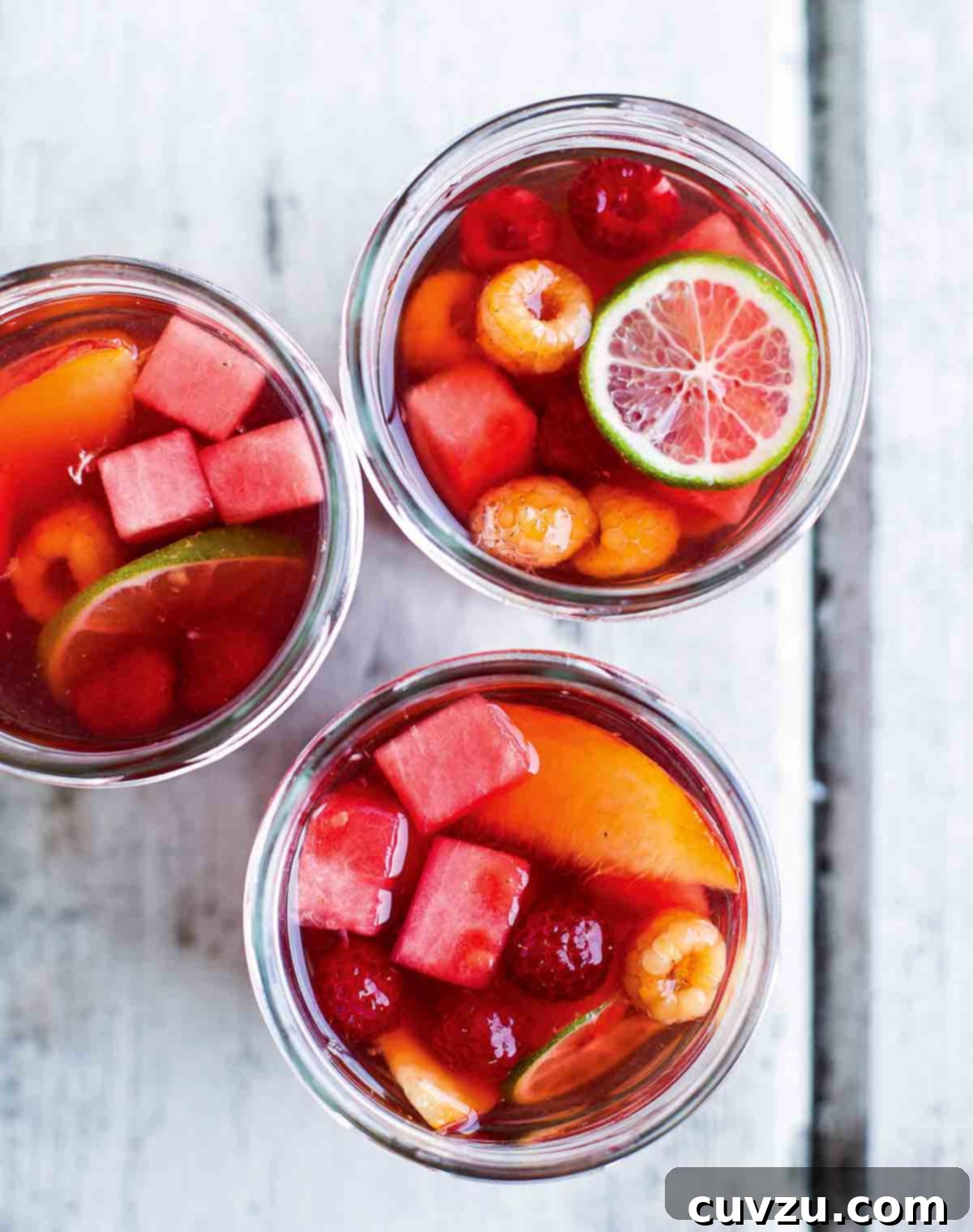
Embrace the sun-drenched days with this incredibly **easy rosé sangria** recipe, a truly captivating cocktail designed to be the star of any summer gathering. Forget the heavy, traditional red sangrias; this light and bright pink-hued libation perfectly captures the essence of summer. It’s crafted using the season’s most delicious bounty, featuring succulent watermelon, ripe raspberries, and juicy peaches, all harmoniously blended with a crisp, dry rosé wine and a touch of elegant Grand Marnier. This spirited and utterly refreshing drink is versatile enough for bustling parties, intimate porch swings, or simply unwinding after a long, warm day.
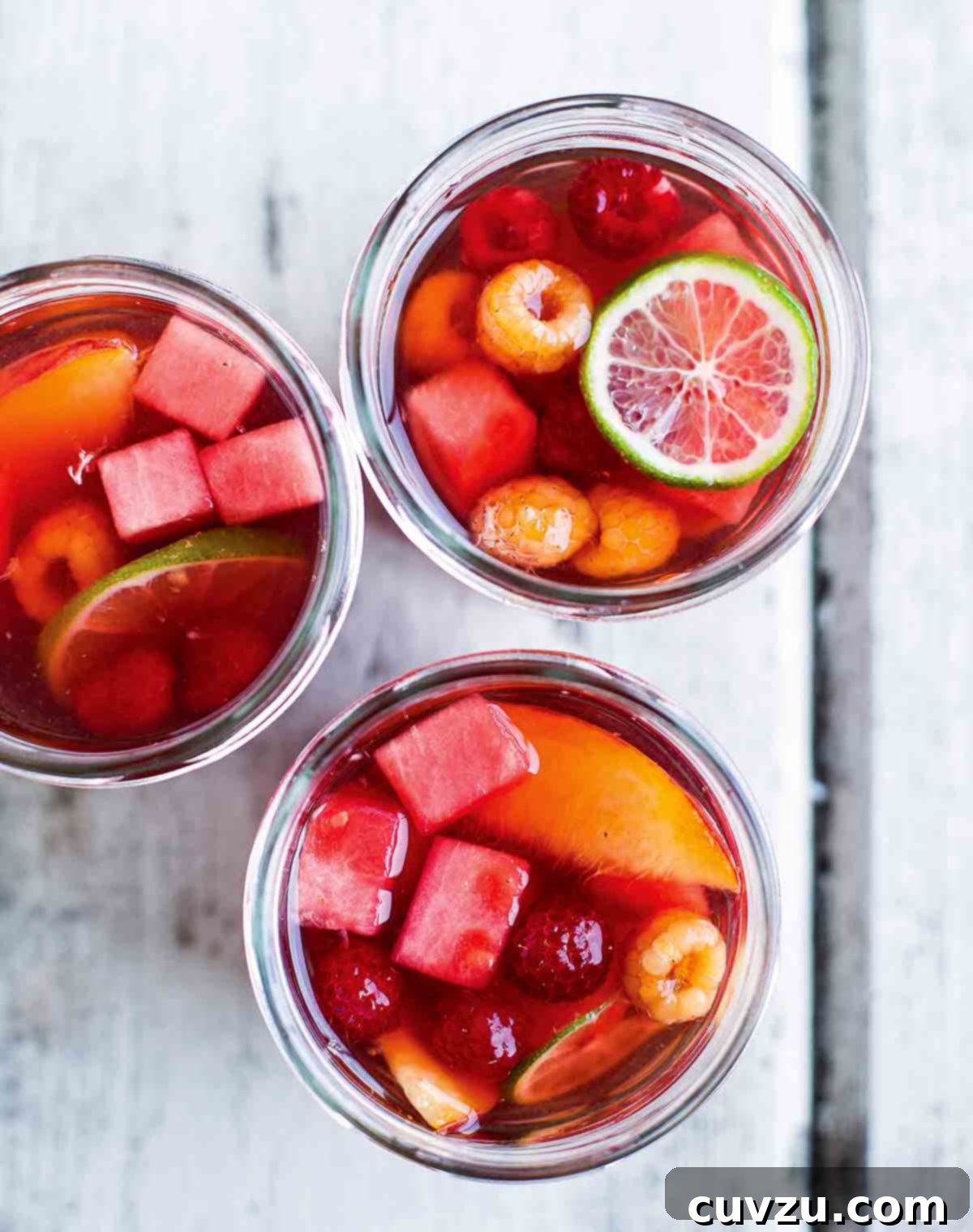
While many sangria recipes rely on the classic combination of apples and oranges, our rosé sangria introduces a delightful and distinctly summery twist. We thoughtfully swap these more common fruits for a vibrant mix of seasonal treasures. Imagine the sweet burst of juicy watermelon, the delicate tartness of golden and red raspberries, and the tender sweetness of ripe peaches. This innovative blend infuses the pink-hued drink with an unparalleled freshness and a lighter, more aromatic flavor profile that truly sings of summer.
When it comes to sweetening cold beverages like sangria, the choice of sweetener can significantly impact the final texture and flavor. For this rosé sangria, we prefer using agave nectar due to its lighter consistency and ability to blend seamlessly into cold liquids without crystallizing. Its neutral flavor profile allows the natural fruit and wine notes to shine through. However, if you have honey readily available, it makes an excellent substitute, imparting a slightly richer, floral undertone that complements the fruit beautifully. For those seeking an even simpler option, a homemade simple syrup can also be used. While it might slightly reduce the nuanced complexity that agave or honey offers, it remains a perfectly acceptable alternative, and honestly, you’ll find no complaints about the delicious outcome.
Rosé Sangria FAQs: Expert Tips for a Perfect Batch
Selecting perfectly ripe peaches is crucial for the ultimate sangria experience. Color is a primary indicator: always look for bright, vibrantly colored fruits without any dull spots or wrinkles. While the sweet fragrance of fresh peaches is alluring, it can sometimes be misleading. For the most accurate test, gently squeeze the peach at its tip and around the stem area. A slight give indicates a perfectly ripe peach, ready to impart its succulent sweetness to your drink. Once you’ve chosen your flawless peaches, transport them home carefully and store them at room temperature, stem side down, to preserve their freshness. For a deeper dive into peach ripeness, explore our comprehensive guide on how to tell if a peach is perfectly ripe.
Agave nectar, often marketed as “nectar” for its perceived health benefits, is essentially agave syrup. This natural sweetener is derived from the blue agave plant, the very same plant famously used to produce tequila. It has a lower glycemic index than traditional sugar and boasts a thinner consistency, making it an ideal choice for cold beverages like sangria. Unlike honey or granulated sugar, agave nectar dissolves quickly and completely in cool liquids, ensuring an evenly sweetened drink without any grainy texture. Its mild, almost neutral flavor allows the vibrant notes of the rosé wine and fresh fruits to truly shine through, enhancing rather than overpowering them.
Absolutely! One of the joys of making sangria is its adaptability. While our recipe highlights watermelon and raspberries for their exceptional summery appeal, feel free to get creative with other seasonal fruits. Nothing elevates a sophisticated rosé sangria quite like a personalized medley of summer’s finest. We are particularly fond of stone fruits, which add wonderful depth and texture. Next time you prepare this recipe, consider tossing in some pitted and halved cherries, or perhaps some thinly sliced plums, alongside the recommended fruits. Other fantastic options include thinly sliced strawberries, segments of grapefruit or oranges (despite the swap, a touch can be lovely), or even a few blueberries for an added pop of color and flavor. The key is to use fresh, ripe fruit that complements the delicate notes of the rosé.
For an outstanding rosé sangria, a crisp, dry rosé is highly recommended. Look for wines from regions like Provence, often labeled “Côte de Provence,” which are renowned for their light body, subtle fruitiness, and refreshing acidity. Spanish rosados (rosés) or a dry California rosé also make excellent choices. Avoid overly sweet rosés, as the added fruit and sweetener in the sangria will already contribute plenty of sweetness. A dry rosé provides a balanced foundation, allowing the fruit and liqueur to create a harmonious, not cloyingly sweet, flavor profile. Its crispness enhances the refreshing quality of the drink, making it truly thirst-quenching on a hot day.
To allow the flavors to meld beautifully and ensure a perfectly chilled drink, refrigerate your rosé sangria for a minimum of 3 to 4 hours. This chilling period is crucial for the fruit to infuse its essence into the wine and liqueur. However, it’s important not to exceed this timeframe by too much, especially with delicate fruits like raspberries and watermelon, as they can become overly soft or mushy if left steeping for more than 4-6 hours. If you plan to prepare it further in advance, you can combine the wine, liqueur, and sweetener, then add the more robust fruits like peaches and limes. Save the delicate berries and watermelon to add about an hour or two before serving for optimal texture and freshness. This ensures your sangria is always at its peak, both in flavor and presentation.
Rosé Sangria
David Leite
Drinks
American
4
to 6 servings
274
kcal
15 minutes
4 hours
4 hours
15 minutes
Ingredients
-
One (26-ounce) bottle crisp, dry rosé -
3 tablespoons orange liqueur, such as Curaçao, triple sec, or Grand Marnier -
3 tablespoons agave nectar or honey, or more to taste -
1 cup raspberries, preferably a mix of golden and red -
1 cup cubed watermelon -
1/2 peach or nectarine, unpeeled but with fuzz wiped off, thinly sliced or chopped -
6 thin slices lime -
Ice, for serving
Instructions
-
In a large, attractive pitcher, carefully combine the crisp rosé wine, the vibrant orange liqueur (Curaçao, triple sec, or Grand Marnier), and your chosen sweetener (agave nectar or honey). Gently stir the mixture until the sweetener is fully dissolved and incorporated into the liquids.
-
Next, add the fresh fruits: the plump raspberries (a mix of golden and red adds visual appeal), the sweet cubed watermelon, the thinly sliced or chopped peach/nectarine, and the delicate lime slices. Stir gently once more to ensure the fruits are evenly distributed throughout the liquid.
-
Refrigerate the sangria until it is thoroughly chilled, a process that typically takes 3 to 4 hours. This chilling time is essential for the flavors to meld beautifully and for the fruit to infuse its essence into the wine. Avoid chilling for much longer than 4-6 hours, as prolonged steeping can cause the more delicate fruits, particularly the raspberries and watermelon, to become soggy.
-
Serve the elegant rosé sangria cold, ideally over fresh ice to maintain its refreshing temperature. Garnish each glass with extra fruit slices or a sprig of mint for an added touch of sophistication. Encourage your guests to enjoy the fruit-infused wine as well as the delicious, wine-soaked fruit at the bottom of their glasses.

Adapted From
Vibrant Food
Buy On Amazon
Nutrition
Calories: 274 kcal
Carbohydrates: 29 g
Protein: 1 g
Fat: 0.4 g
Saturated Fat: 0.03 g
Monounsaturated Fat: 0.1 g
Sodium: 14 mg
Fiber: 3 g
Sugar: 22 g
Nutrition information is automatically calculated and should be used as an approximation only. Individual results may vary based on exact ingredients and preparation methods.
Tried this recipe?
Mention @leitesculinaria or tag #leitesculinaria!
Insights from Our Recipe Testers’ Reviews
Our team of dedicated recipe testers put this easy rosé sangria through its paces, offering valuable feedback and creative suggestions. Across the board, the reviews highlighted the drink’s delicious flavor, beautiful presentation, and its refreshing quality, making it a perfect contender for any summer occasion. Here’s a deeper look into their experiences and expert tips:
Linda Pacchiano
Linda Pacchiano found this rosé sangria recipe to be exceptionally delicious and visually appealing, noting how beautifully the peaches, watermelon cubes, raspberries, and lime slices floated within the drink. She particularly enjoyed the fresh mix of fruits as a delightful departure from the traditional apples and oranges. While the recipe worked perfectly as written, Linda suggested that the types and amounts of fruit could be easily adjusted to personal preference. To enhance the eating experience, she wisely cut the watermelon and peaches into ¾-inch dice, ensuring they were roughly the same size as the raspberries and easy to scoop with a spoon, making the fruit an integral part of each sip.
Denise Grace
Having explored numerous sangria variations, Denise Grace was intrigued by this rosé version, especially noting the innovative inclusion of Grand Marnier and watermelon. She emphasized the importance of presentation, artfully layering the fruit in a beautiful pitcher and refraining from stirring until just before serving. This approach created a stunning visual effect, with the vibrant lime slices contrasting strikingly against the sangria’s lovely hue. Denise praised the drink as “really tasty and refreshing,” proclaiming it “the perfect drink for our 4th of July cookout,” underscoring its suitability for festive summer celebrations.
Ellen Fuss
Ellen Fuss found this rosé sangria to be a remarkably quick and easy recipe, ideal for a spontaneous summertime beverage, especially when an open bottle of rosé is on hand. She opted for triple sec and added a bit more agave nectar to suit her preference for a sweeter sangria. Ellen meticulously cut the watermelon and peaches into small ¼-inch cubes, leaving the red raspberries whole. She highlighted a clever tip: freezing small fruit cubes within ice cubes for a beautiful presentation. Though she couldn’t wait the full 3 to 4 hours for chilling due to eagerness, she believed the flavors would only deepen and improve with proper infusion time. Ellen confidently added this “very respectable sangria recipe” to her collection.
Robert McCune
Robert McCune appreciated that this sangria avoided the common pitfalls of being overly citrusy or made with a heavy red wine. He used a quality Spanish rosé, Grand Marnier, and local honey, noting that agave would have blended more easily. He prepared ½-inch watermelon cubes and sliced peaches, enjoying the visual contrast of the different fruit shapes. Robert emphasized the recipe’s ease, taking him only about 15 minutes to assemble before chilling. He deemed it a “very refreshing drink for a hot evening” and particularly liked that it wasn’t excessively sweet. For future batches, he considered adding a splash of sparkling water for effervescence.
Irene Seales
Irene Seales hailed this as a “very pretty and sophisticated rosé sangria,” an excellent alternative to Crémant. She used a dry Côte de Provence rosé (Domaine De La Fouquette 2013 Cuvée Rosée d’Aurore), red raspberries, ½-inch watermelon cubes, honey, and Bols triple sec. Irene offered a practical tip for using honey: warm it slightly and dissolve it with the orange liqueur and a small amount of wine before adding the rest of the wine and fruit. While acknowledging that Grand Marnier or Curaçao might offer more complexity, she was content with Bols. Her deliberate choice of a dry rosé alleviated any concerns about excessive sweetness, resulting in a lovely, floral beverage, which she attributed to the combination of limes, honey, and peaches. She noted that the thinly sliced peaches softened beautifully after 4 hours, and advised against leaving limes in for too long to avoid overpowering the drink. For leftovers (though unlikely), she suggested straining the fruit before refrigerating and adding fresh fruit the next day. Irene recommended serving in small tumblers with demitasse spoons for guests to enjoy the delightful wine-soaked fruit. She found the watermelon to be a crucial part of the flavor palette and deemed raspberries irreplaceable for their beauty and taste. She pondered using yellow watermelon if golden raspberries were unavailable, envisioning a stunning presentation for her next party tray.
Anna Scott
Anna Scott found this gorgeous rosé sangria recipe to be ideal for her July 4th weekend cookout. She expressed surprise at how well a dry rosé worked as a sangria base, praising its exceptional flavor combinations and appealing appearance. Anna opted for a crisp California rosé, triple sec, and local honey, which lent a welcome subtle sweetness. She used red raspberries, 1 cup of ½-inch cubed watermelon, and a thinly sliced nectarine in place of a peach. While the recipe suggested serving over ice, Anna found the sangria perfectly chilled straight from the pitcher and preferred to avoid diluting the drink with ice. She concluded it was a “quick and very tasty sangria recipe that we all really enjoyed,” highlighting its universal appeal.
Sue Davis
Sue Davis prepared the rosé sangria exactly as written and found it to be a nice, refreshing summer drink. However, she noted that the delicate raspberries and watermelon became slightly mushy after the recommended 4-hour chilling period. To improve the experience, Sue offered several insightful augmentations: 1) A quick raspberry puree added with the other liquids would enhance flavor and color. 2) Adding watermelon (½-inch cubes) and raspberries just 15 minutes before serving would preserve their texture. 3) Cutting peaches into ½-inch cubes instead of slices would make them easier to enjoy. 4) She suggested considering additional fruits like blueberries, cubed pineapple, and kiwi for more variety. 5) For a unique twist, halved kumquats could replace lime slices, offering a different citrus note.
Lindsy G.
Lindsy G. often faces the delightful dilemma of choosing between red and white sangria, making this rosé recipe a welcome compromise. While those craving a heavier drink might stick to traditional red, Lindsy, a fan of both, found this rosé version to be a lovely middle ground. She particularly favored the fruit selection over more common options, appreciating both the flavor it imparted and the fruit itself for eating. She noted that other high-season fruits could easily be substituted. Lindsy felt the amount of fruit was sufficient but suggested that for a fruitier presence, some fruit could be puréed beforehand or steeped longer. Due to eager testers, her batch only chilled for an hour in the freezer. Though “more than drinkable,” she acknowledged that maximum chilling time would undoubtedly enhance the fruit flavor and lower the temperature. She also praised the rosé for making a “sightly presentation, even more than your standard sangria,” and planned to try a sparkling rosé next time for added effervescence.
Overall, our testers enthusiastically recommend this easy rosé sangria as a vibrant, refreshing, and incredibly customizable summer drink. Its beautiful color, balanced sweetness, and medley of fresh fruits make it a standout choice for any occasion. Whether you stick to the original recipe or experiment with your favorite seasonal produce and liqueurs, this sangria promises to be a delightful addition to your entertaining repertoire. So, uncork a bottle of dry rosé, gather your freshest summer fruits, and get ready to create a memorable pitcher of pink perfection!