11 Essential Rosh Hashanah Recipes for a Sweet New Year
As the High Holy Days approach, families worldwide prepare to celebrate Rosh Hashanah, the Jewish New Year. This revered holiday, often observed with heartfelt prayers and meaningful gatherings, is also a time for joyous feasting, symbolizing hopes for a sweet and prosperous year ahead. Food plays a central role, with many dishes steeped in tradition and rich symbolism, designed to bring blessings and good fortune. From succulent main courses to delightful desserts, the Rosh Hashanah table is a vibrant spread of flavors and heritage. We’ve curated 11 essential Rosh Hashanah recipes that promise to elevate your celebrations, offering a blend of traditional favorites and contemporary twists. Get ready to impress your guests and fill your home with the delicious aromas of the season. Shanah Tovah!
Our Top 11 Rosh Hashanah Recipe Picks
Dive into our handpicked collection of recipes, perfect for your Rosh Hashanah feast. Each dish has been chosen for its traditional significance, delectable taste, and ability to bring warmth and joy to your table. These culinary delights are sure to make your Jewish New Year truly special.
Honey Glazed Chicken with Garlic Confit
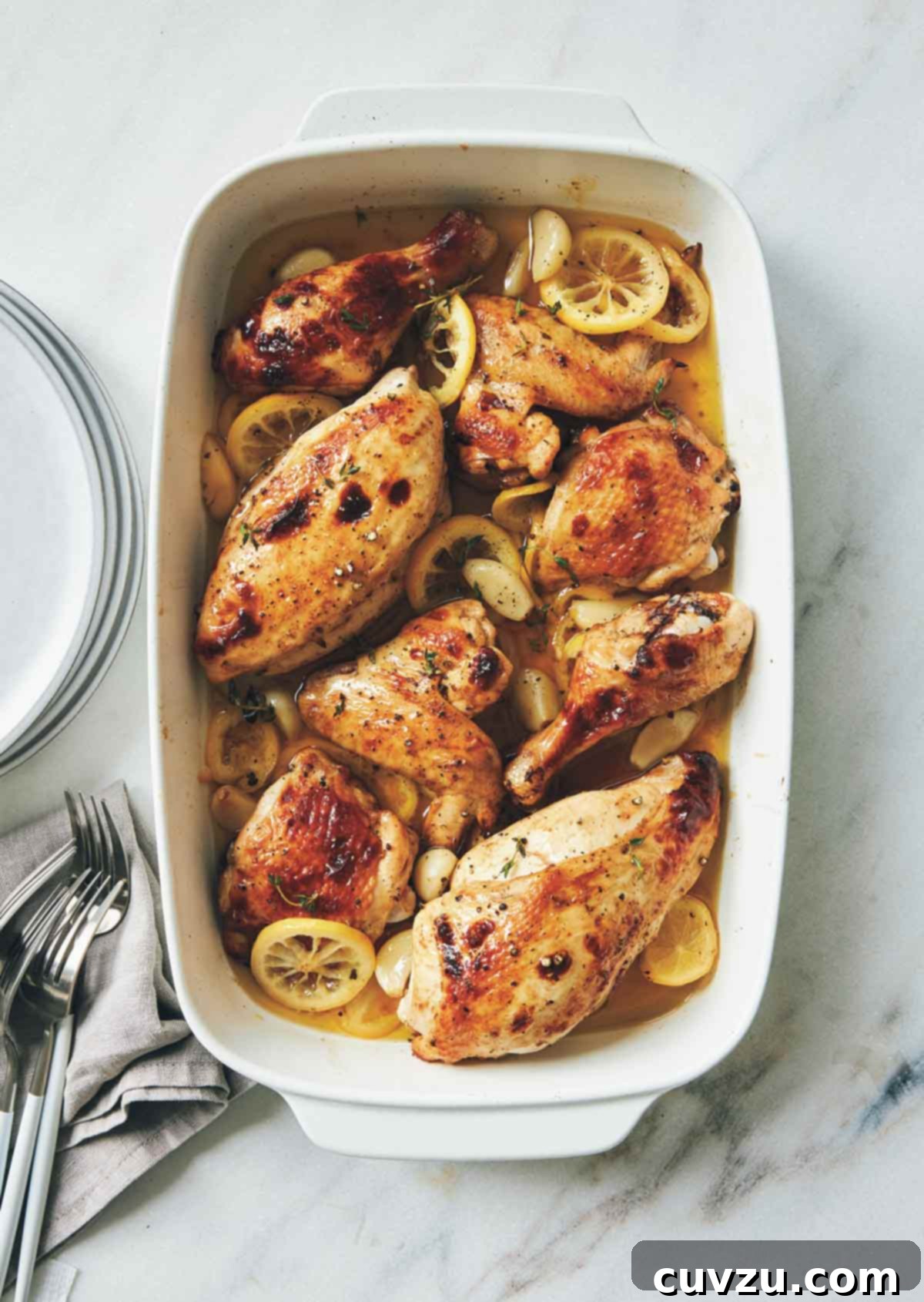
This exquisite honey-glazed chicken is a fantastic centerpiece for any Rosh Hashanah meal. Made with tender chicken pieces generously basted in a luscious honey and balsamic vinegar glaze, then roasted to perfection with fragrant garlic confit and bright lemon slices. It’s a remarkably simple yet elegant dish, perfect for entertaining or making any special occasion feel extraordinary. The sweet notes of honey perfectly embody the holiday’s wish for a sweet new year, making it a must-have on your celebratory menu. Serve it hot, allowing the aromatic garlic and tangy lemon to complement the rich, sweet chicken.
Braised Brisket with Red Wine and Honey
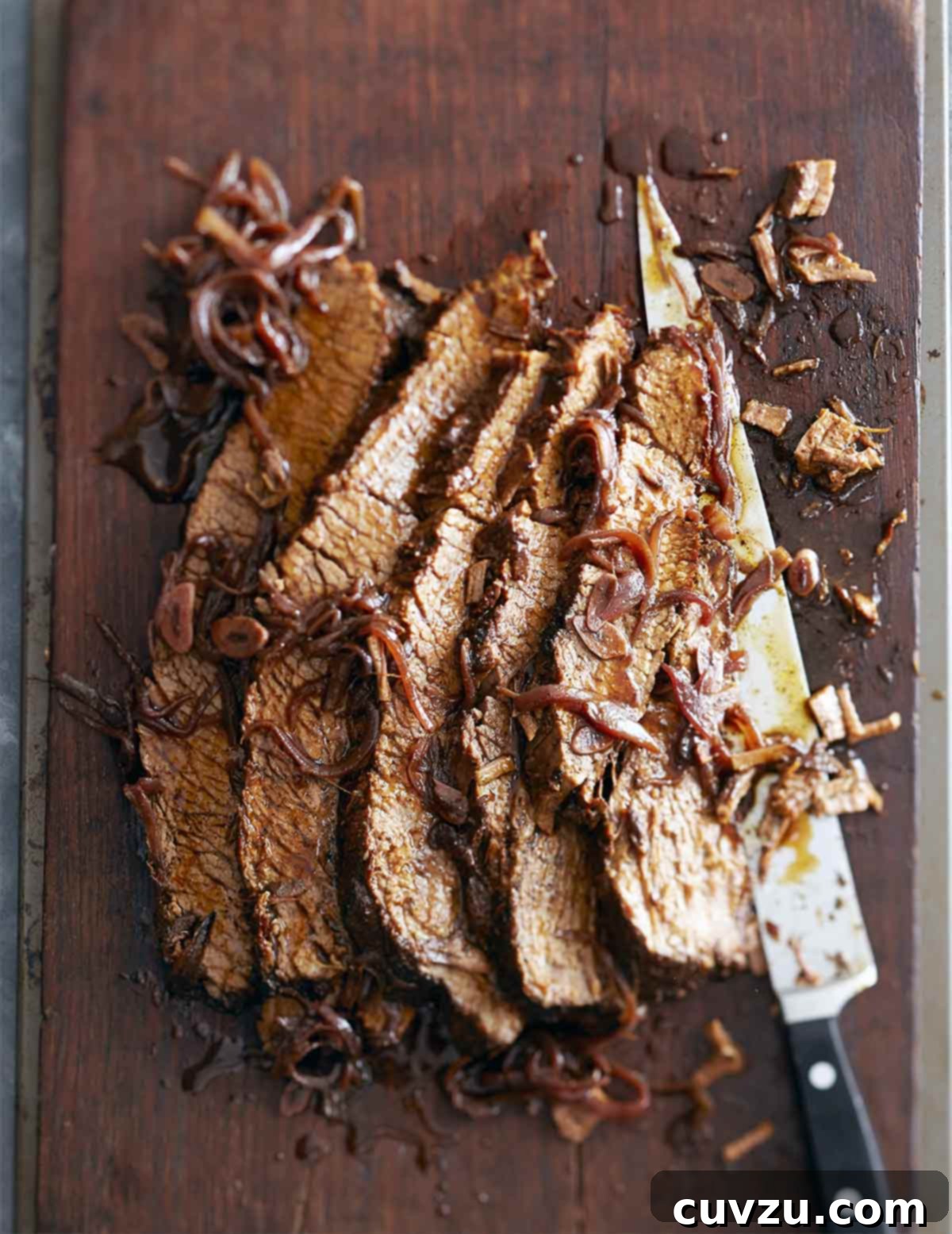
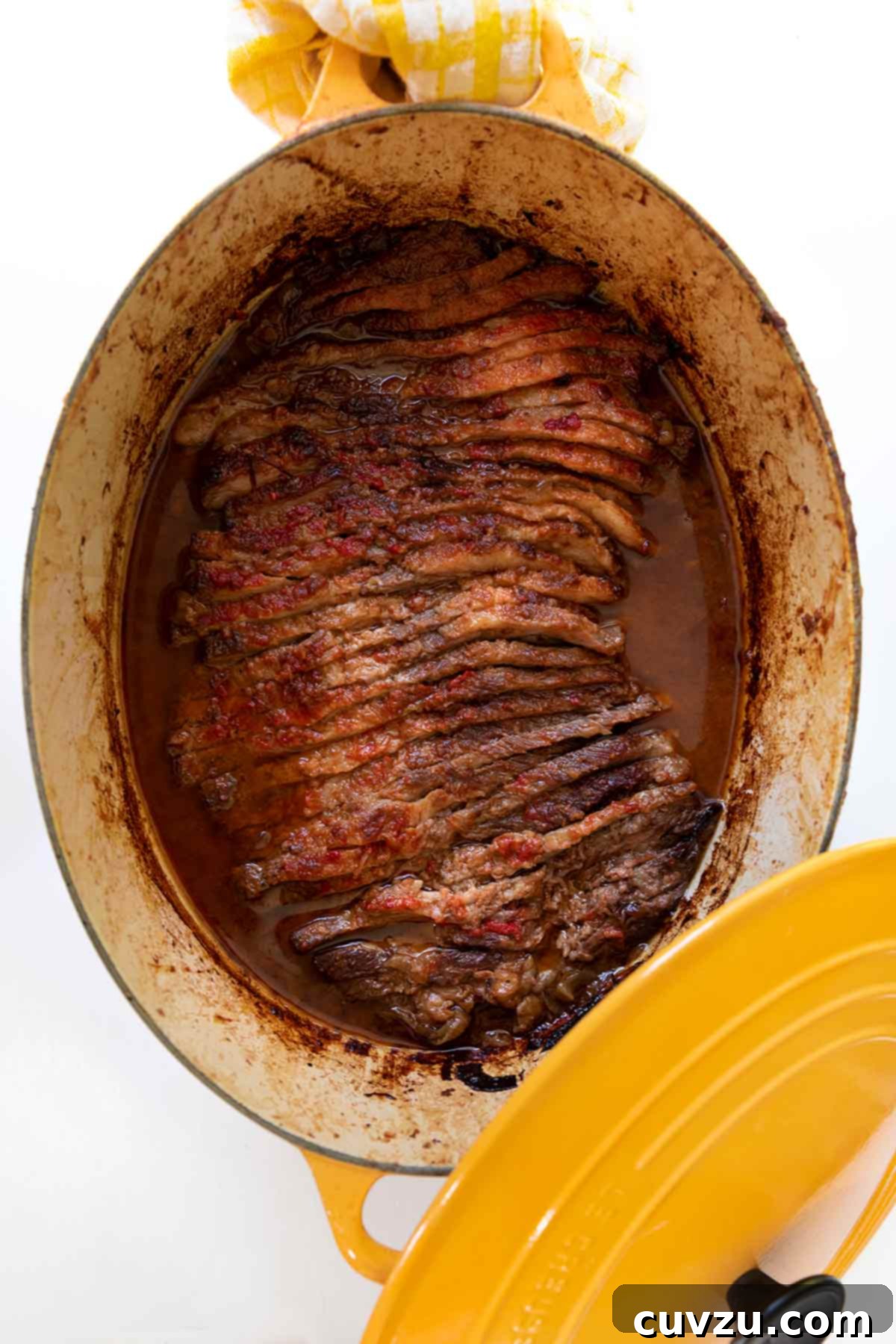
A true showstopper for your Rosh Hashanah table, this braised brisket with red wine and honey is nothing short of sublime. It boasts a beautiful balance of sweet and tangy flavors, yielding meat that is fall-apart tender and incredibly rich. Designed to feed a crowd, this substantial cut of beef ensures everyone gets a generous, satisfying portion. Its deep flavors and comforting nature make it an ideal dish for festive gatherings, symbolizing abundance and warmth for the year to come. The slow braising process guarantees maximum flavor and tenderness, making it a dish that will be remembered long after the meal is over.
I made this braised brisket today for our family Seder, and it was delicious. At serving time, we passed the reheated broth over the sliced brisket, which was delicious.
Easiest brisket I’ve ever made. My new go-to recipe. Thanks!!
beth s.
Pomegranate Roasted Beets with Goat Cheese
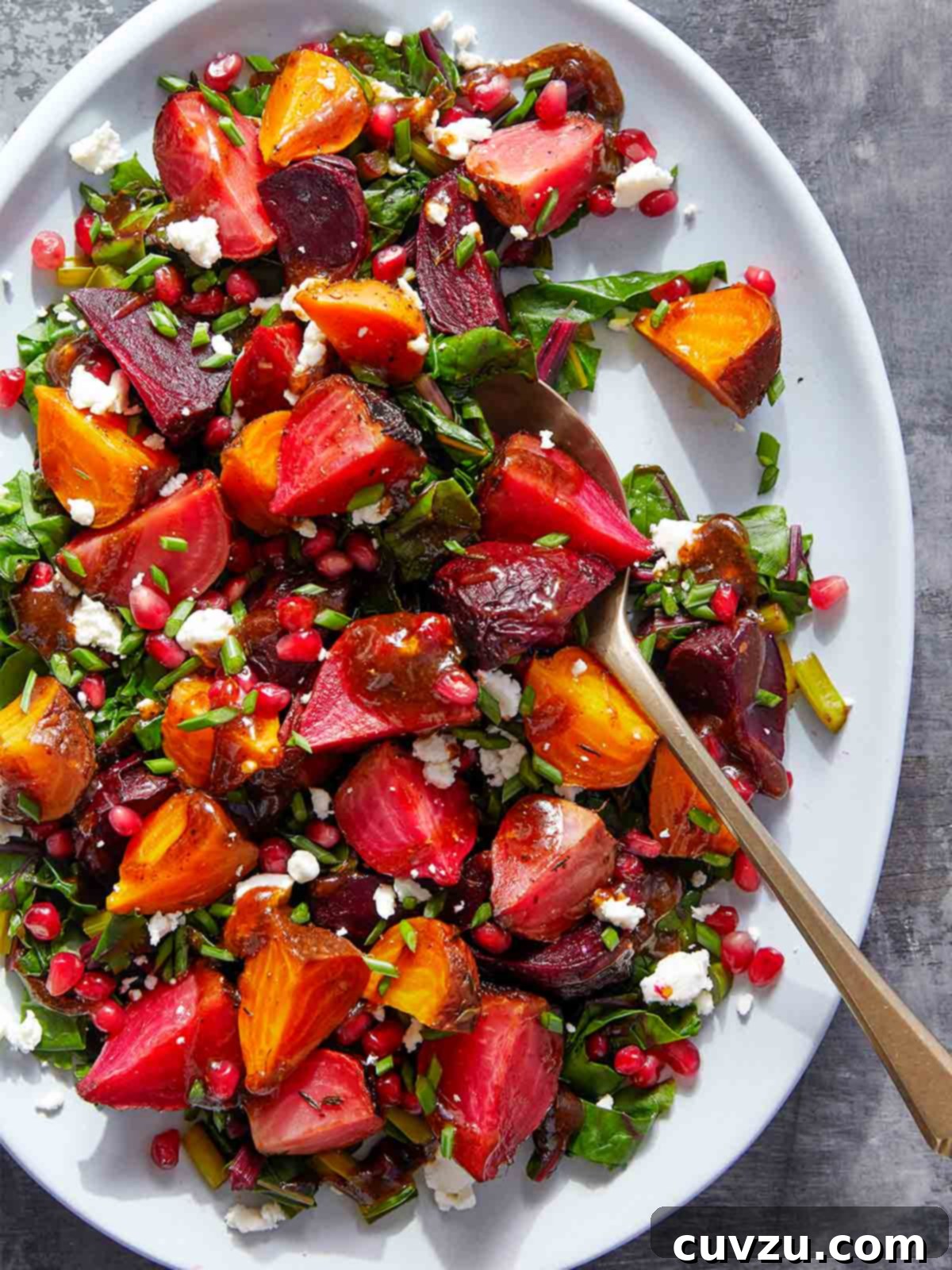
Add a vibrant splash of color and fresh flavor to your Rosh Hashanah spread with these pomegranate roasted beets. This salad is beautifully balanced with the earthy sweetness of beets, the tangy creaminess of goat cheese, and the bright burst of pomegranate seeds – a symbolic fruit for the holiday. Serving it on a bed of lightly steamed beet greens not only adds a wonderful textural contrast but also ensures you utilize every nutritious part of the vegetable. It’s a visually stunning and delightfully healthy side dish that truly shines on the holiday table, offering a refreshing counterpoint to richer main dishes.
Potato Latkes with Apple-Date Chutney

While often associated with Hanukkah, potato latkes can be a fantastic addition to your Rosh Hashanah menu, especially when paired with a sweet accompaniment. These traditional potato latkes are prepared to perfection: blissfully crisp on the outside and wonderfully tender inside. What truly sets this recipe apart is the accompanying sweet apple-date chutney, a delightful twist on the usual applesauce. A pinch of ground cinnamon added to the sour cream provides a festive lilt, making these latkes a memorable and delicious offering for your holiday gathering. They’re a beloved comfort food that brings joy with every bite, representing warmth and the celebration of blessings.
Potato latkes are a very subjective dish–everyone has their secret ingredient or step to make them come out crispy and yet soft on the inside. This recipe gets it all right.
It’s the first time I’ve used a recipe, and just like all the other recipes I’ve tried on this website–it’s a keeper. I plan on making these and two other latke recipes from this site for my holiday get-together–who doesn’t like a party where everything is fried. Yum!
marilyn
Goat Cheese with Honey
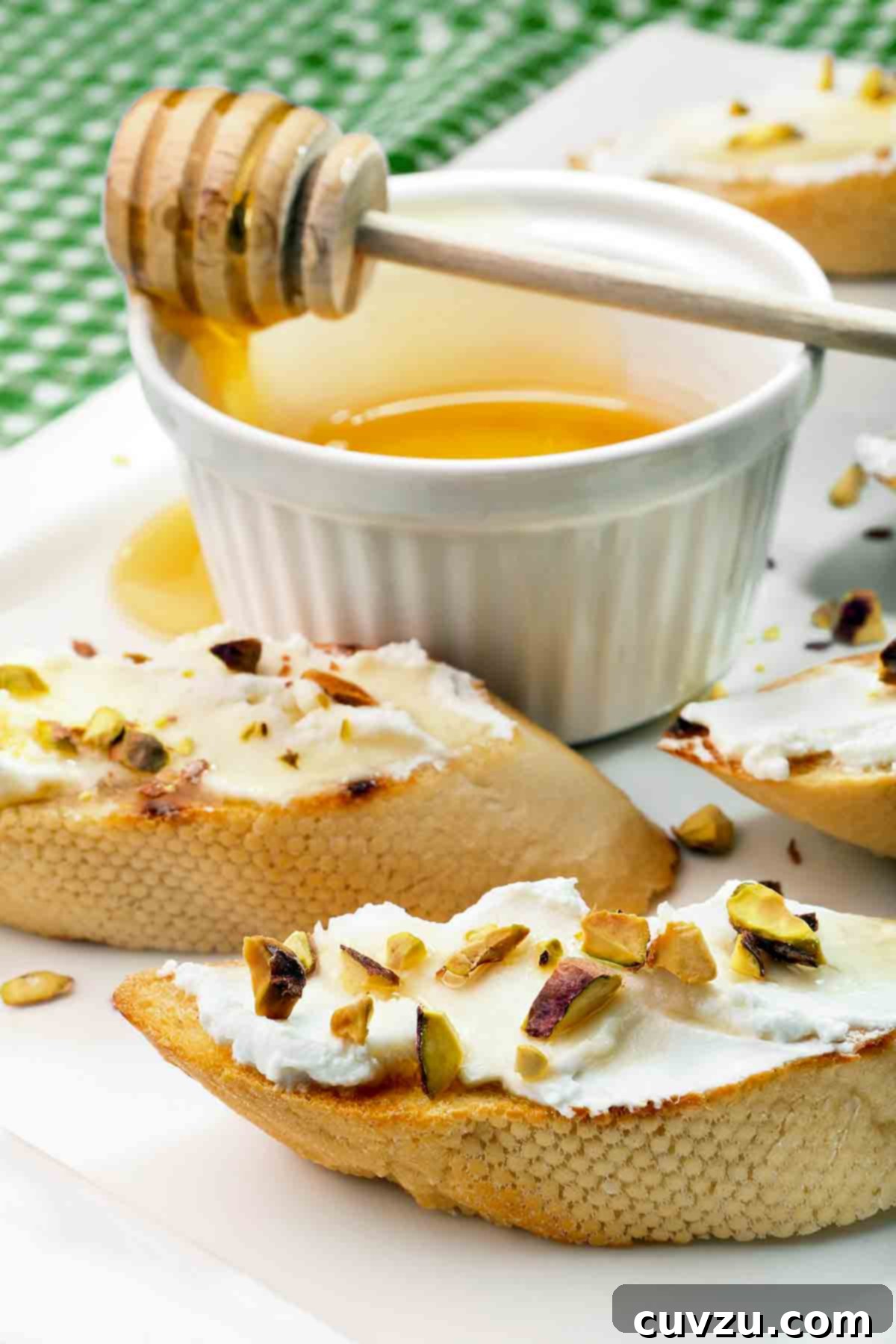
For a light, sophisticated, and symbolic dessert or appetizer, consider this simple yet stunning goat cheese with honey. A beautifully made, straightforward dish can be a truly lovely ending to a celebratory meal, especially during Rosh Hashanah, where honey symbolizes a sweet year. Seek out some exquisite local goat cheese from your farmer’s market, and pair it with a generous drizzle of equally local honey. Serve with toasted baguette slices or fresh fruit for an elegant touch that’s both effortless and impressive. The combination of creamy, tangy goat cheese and sweet honey creates a delightful flavor profile that’s perfect for the occasion.
Apple Jelly
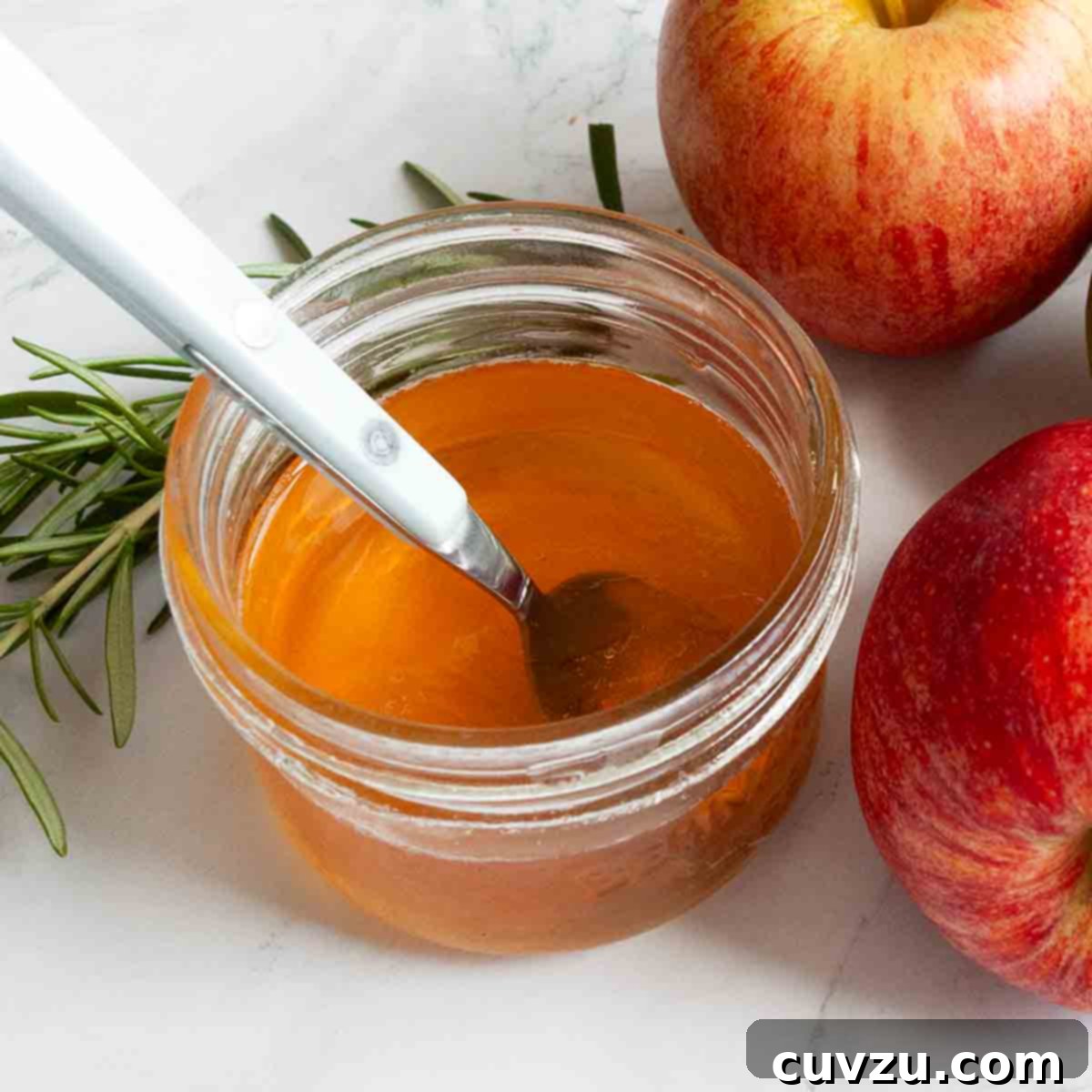
This versatile apple jelly offers a wonderful way to incorporate the traditional Rosh Hashanah apple into your meal in a unique format. Infused with the sweetness of honey, the aromatic earthiness of rosemary, and a bright tanginess from lemon juice, this jelly is exceptionally balanced. It performs beautifully whether spread on warm challah, served alongside savory roasted meats, or even as a unique topping for cheeses. Its complex yet comforting flavors make it a thoughtful addition to any holiday table, symbolizing both sweetness and growth. A homemade jelly adds a touch of artisanal charm to your festive spread.
A beautiful apple jelly recipe with precise instructions. I doubled the recipe, and it came out perfect.
sumeet
Roast Chicken with Sweet Potatoes and Dates
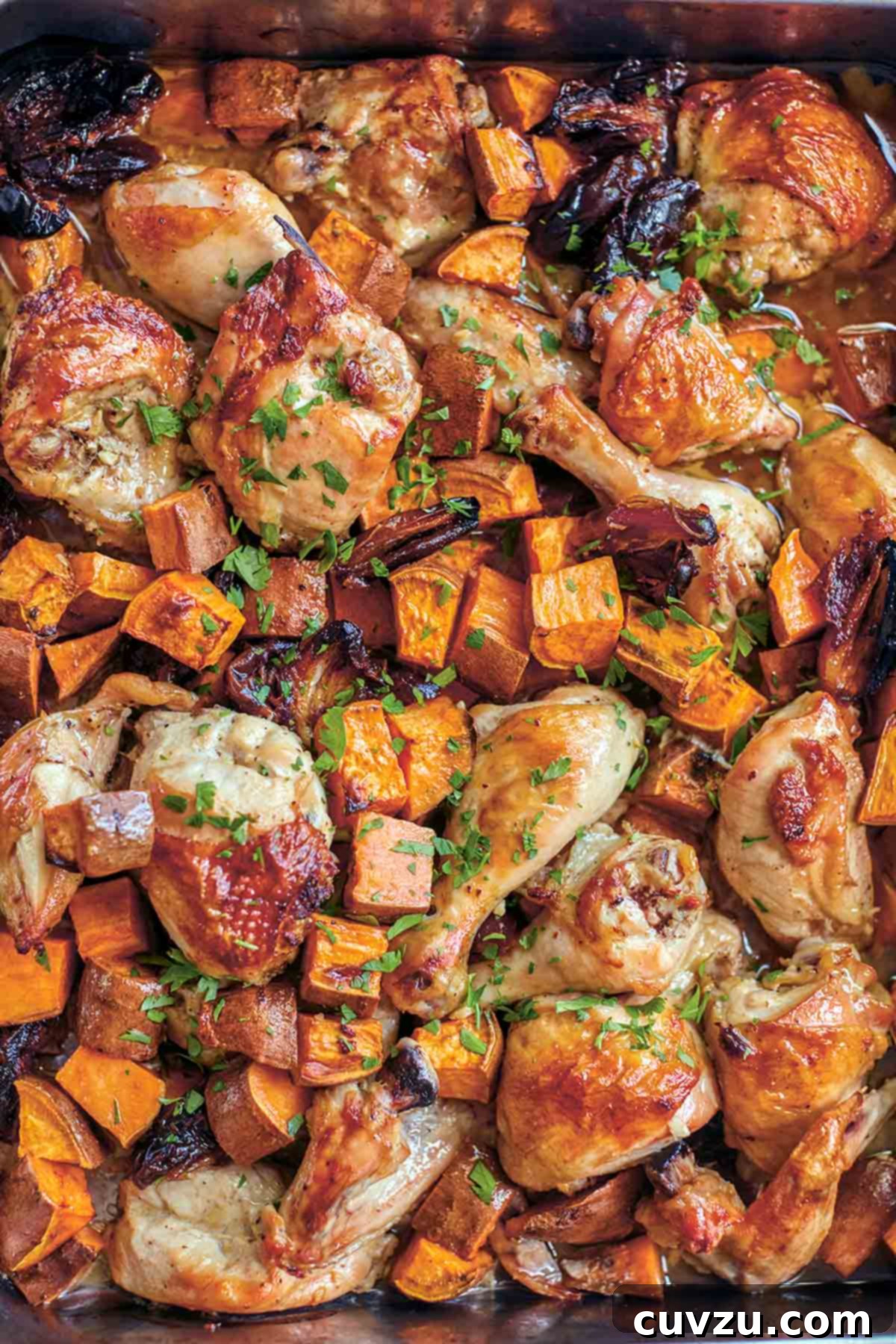
This flavorful roast chicken dish perfectly combines savory and sweet, making it ideal for Rosh Hashanah. Tender chicken pieces are roasted alongside chunks of sweet potato and succulent dates, creating a harmonious blend of textures and tastes. While truly worthy of a special holiday like Rosh Hashanah, it’s also wonderfully suited for a more casual gathering or a comforting Sunday supper. The dates add a natural sweetness, echoing the holiday’s theme of a sweet beginning to the new year, while the sweet potatoes provide a hearty, vibrant side. It’s a satisfying one-pan meal that simplifies holiday cooking without sacrificing flavor.
Challah
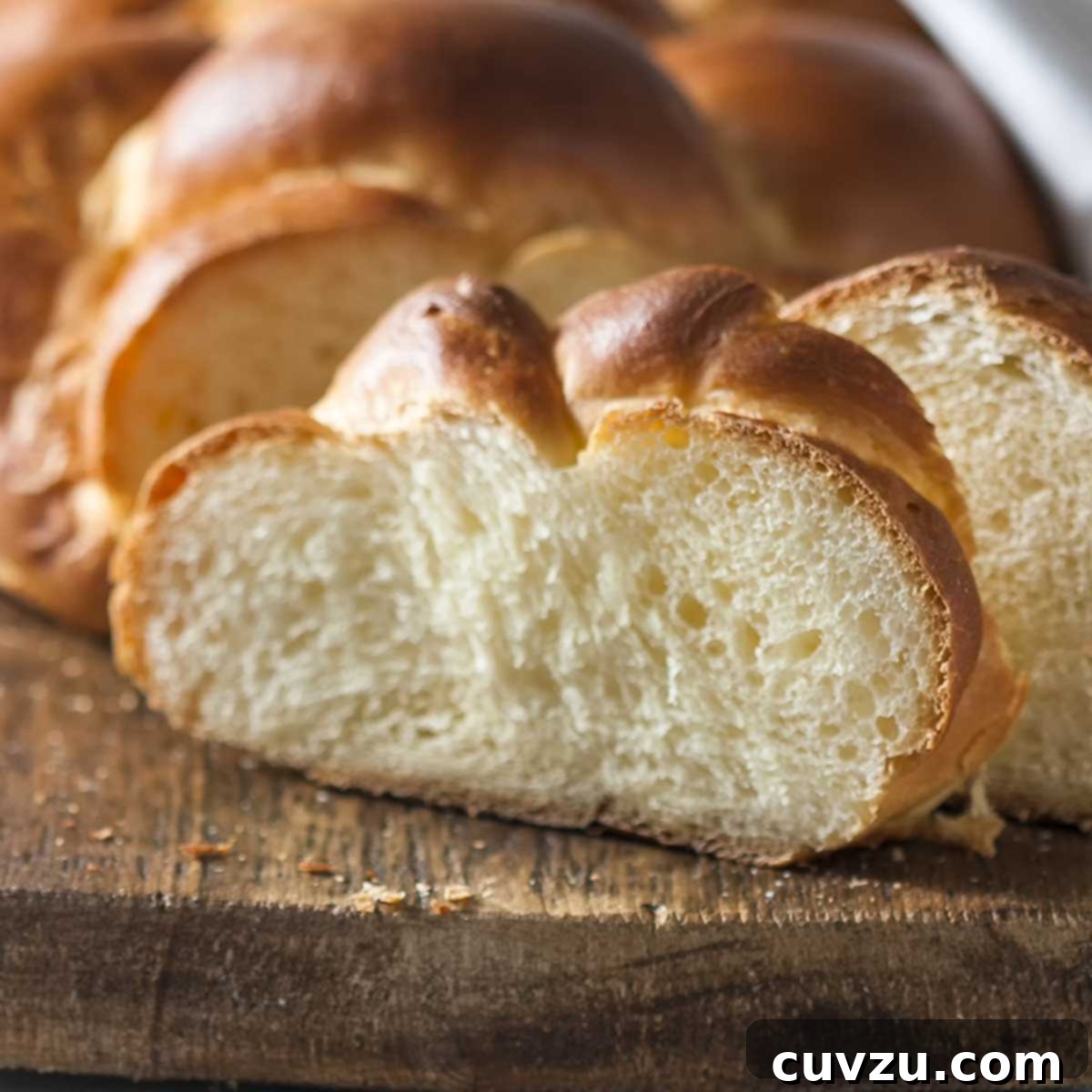
No Rosh Hashanah celebration is complete without the iconic, beautifully braided challah. This traditional Jewish bread, made with yeast, flour, water, eggs, and oil, is not just a staple for the Sabbath but particularly significant for Rosh Hashanah, where it’s often baked in a round shape to symbolize the cyclical nature of the year. This recipe yields a challah that is wonderfully soft, airy, and slightly sweet, perfect for dipping in honey or enjoying on its own. It’s a testament to tradition and a delicious addition to any holiday meal, representing continuity and blessings for the coming year.
This is the best challah recipe I’ve ever used. I’ve made A LOT of challah, but never have I achieved the springy, fluffy quality this one has!
I absolutely love it and will definitely be making it again. The outside had a nice firm texture–very pretty and dark–while the inside was light and soft. I loved it!!
achilles
Figs in Port
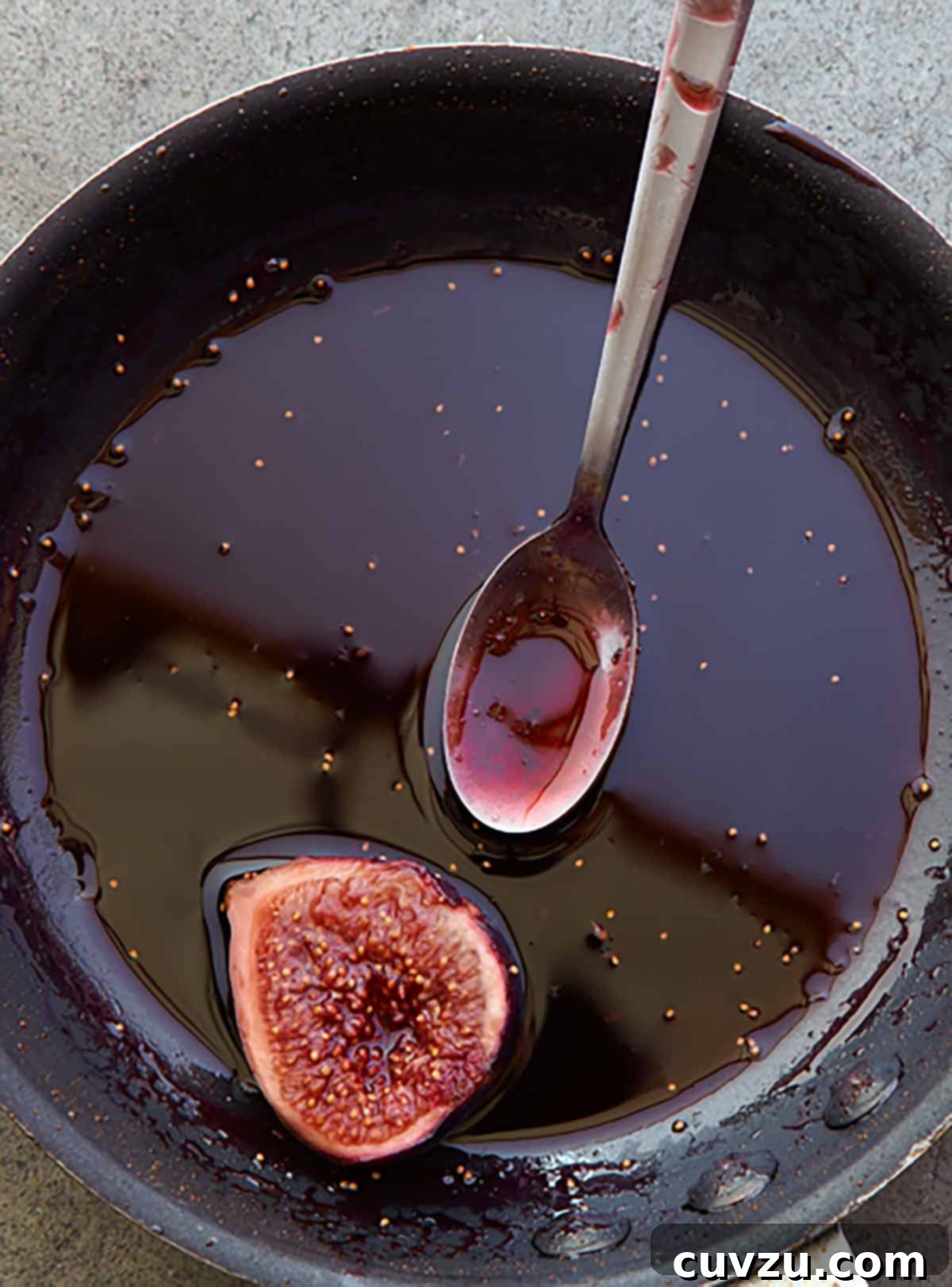
For a sophisticated and effortlessly elegant dessert, these figs in Port wine are an absolute delight. Made with fresh figs, rich tawny port, a touch of sugar, and a hint of black peppercorns for a subtle kick, this dish is surprisingly simple to prepare. It allows the natural sweetness of the figs to shine, complemented by the depth of the port. It’s a perfect light yet luxurious ending to a festive Rosh Hashanah meal, offering a fresh contrast to heavier main courses and symbolizing the hope for a rich and fruitful year. This dessert is a wonderful way to enjoy the seasonal bounty of figs.
Apple Cake

No Rosh Hashanah dessert spread would be complete without a delicious apple cake. This easy-to-make recipe features crisp, fresh apples baked into a tangy buttermilk cake batter, resulting in a wonderfully moist and flavorful cake. The natural sweetness of the apples, a key symbolic fruit for the holiday, takes center stage, making this a perfect representation of the desire for a sweet new year. Serve it warm with a dollop of whipped cream or a scoop of vanilla ice cream for a truly comforting treat that will be loved by all ages. It’s a classic for a reason, embodying the joyous spirit of the holiday.
My 6-year-old son requested this delicious apple cake for his birthday! A family favorite!!
katie
Honey-Ginger Apple Tarts
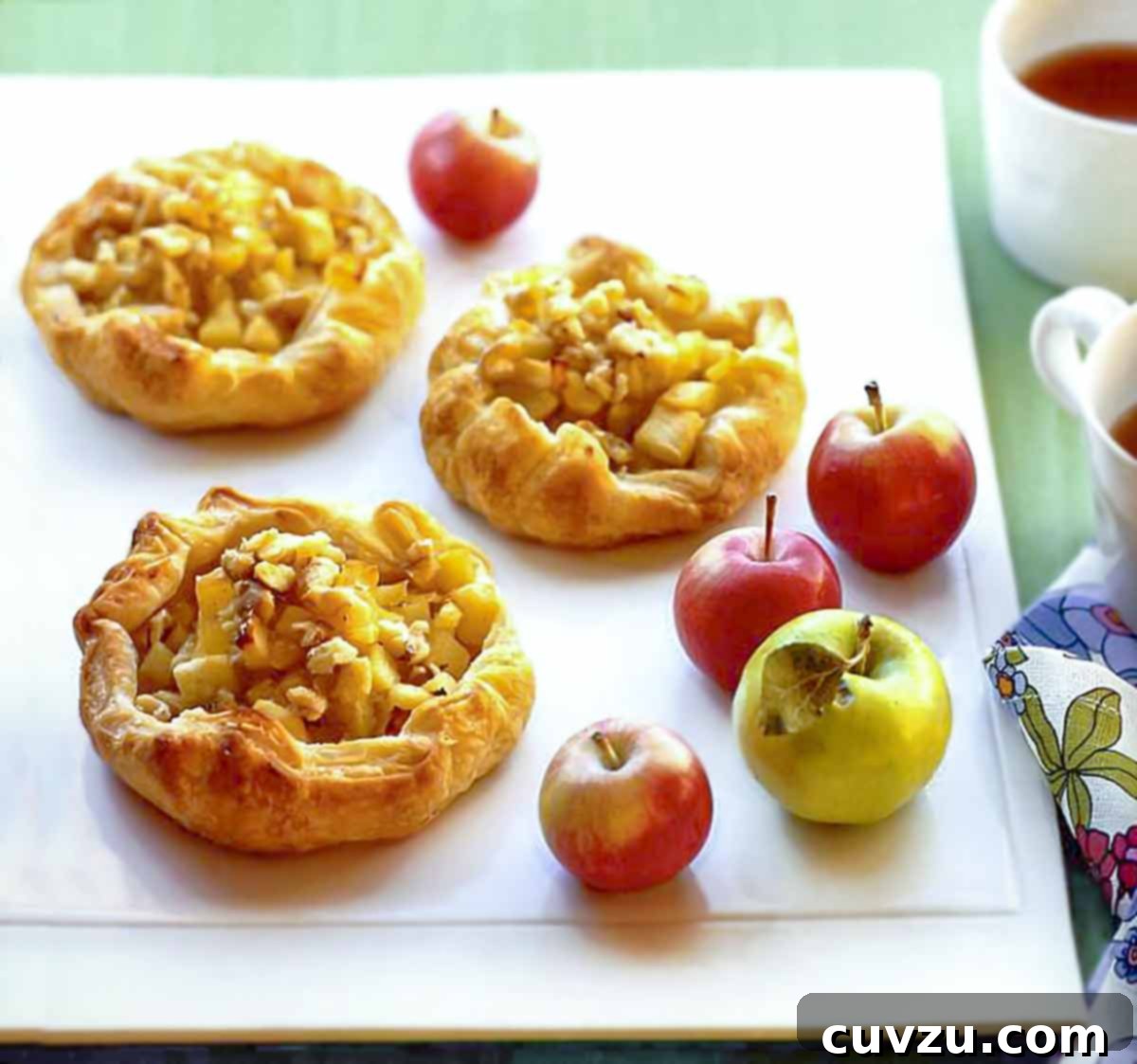
These honey-ginger apple tarts are the epitome of rustic perfection, bringing together classic Rosh Hashanah flavors in an irresistible individual dessert. Imagine a delicate, flaky pastry crust generously filled with a sweet-tart apple filling, perfectly spiced with ginger and sweetened with honey. Each tart is then sprinkled with crushed cinnamon-sugar walnuts, adding a delightful crunch and extra layer of flavor. They offer a sophisticated yet comforting end to your holiday meal, beautifully encapsulating the hope for a sweet and fruitful year ahead. These tarts are a testament to how simple ingredients can create extraordinary taste.
Rosh Hashanah FAQs: Understanding the Traditions
To help you better appreciate the significance behind these delicious dishes, here are answers to some frequently asked questions about Rosh Hashanah traditions and culinary customs. Understanding these customs enriches the holiday experience and connects us to generations of tradition.
What foods are traditionally eaten at Rosh Hashanah?
Rosh Hashanah is rich in culinary traditions, with many foods chosen for their symbolic meanings, heralding hopes for a sweet and prosperous year. Key ingredients often include:
- Apples and Honey: These are arguably the most iconic Rosh Hashanah foods. Slices of apple are dipped in honey to symbolize the wish for a sweet new year. They can also be incorporated into a variety of sweet and savory dishes, such as cakes, glazes for chicken or brisket, and more. This practice is central to conveying optimism for the future.
- Round Challah: Unlike the braided challah typically served on Shabbat, Rosh Hashanah challah is often baked in a round shape. This roundness symbolizes the cycle of the year, continuity, and completeness, as well as wishing for a full and unending good year. It’s frequently sweetened with honey or raisins, making it a delightful accompaniment to any meal.
- Pomegranates: Another sweet and symbolic fruit, pomegranates are often eaten as the “new fruit” – a fruit of the season that hasn’t been tasted yet that year, offering an opportunity to recite the Shehecheyanu blessing. The many seeds within the pomegranate symbolize the countless good deeds and merits that one hopes to perform and acquire in the upcoming year, inspiring acts of kindness and observance.
- Fish Head: While less common in modern celebrations, some traditions include eating the head of a fish (or ram) to symbolize “being the head, not the tail,” meaning to lead and succeed, not follow. This represents leadership and foresight in the new year.
- Carrots (Tzimmes): Carrots, often prepared as a sweet stew called tzimmes, are eaten because the Yiddish word for carrots, “mehren,” sounds similar to the Hebrew word “marbeh,” meaning “to increase.” This symbolizes a wish for increased blessings, prosperity, and spiritual merit. Often cooked with honey and other sweet fruits, tzimmes is a vibrant and flavorful side dish.
- Dates and other sweet fruits: Dates, symbolizing an end to bitterness and enemies, and other sweet fruits are often consumed, reinforcing the theme of a sweet and fruitful year.
These foods, among others, help create a meaningful and delicious holiday experience, reinforcing the themes of renewal, hope, and blessing for the year ahead.
Are there any foods to avoid during Rosh Hashanah?
While the focus of Rosh Hashanah is largely on celebratory and symbolic foods, there are a few traditional avoidance customs that some Jewish families observe. These practices are often rooted in interpretations of spiritual symbolism:
- Nuts: Some Jews avoid eating nuts during Rosh Hashanah. One reason is that the numerical value (gematria) of the Hebrew word for walnuts, “egozim” (אגוזים), is the same as the word for “sin” (חטא). Another belief suggests that eating nuts can increase phlegm production, which might interfere with the solemnity and clarity of prayers during the High Holy Days, making it difficult to concentrate.
- Sour or Bitter Foods: To symbolize the desire for a sweet and pleasant new year, many avoid vinegary, sour, or bitter foods. The predominant flavor profile of Rosh Hashanah cuisine leans towards sweetness, aiming to manifest a sweet future and avoiding anything that might suggest a bitter start.
- Legumes (Kitniyot): While more strictly observed during Passover, some Ashkenazi Jews also avoid legumes (kitniyot) during Rosh Hashanah, though this is less universally practiced than during Passover. This custom is often debated but is followed by some as a general practice during High Holy Days.
- Dairy and Meat: While not a strict avoidance, it’s customary within kosher dietary laws not to serve dairy and meat at the same meal. Since many Rosh Hashanah main courses feature meat (like brisket or chicken), desserts are typically pareve (neutral) or fruit-based rather than dairy-heavy to adhere to these dietary guidelines.
These customs are observed with varying degrees of strictness, reflecting diverse family traditions and interpretations of Jewish law, but all aim to enhance the spiritual focus of the holiday.
What does Rosh Hashanah celebrate?
Rosh Hashanah, meaning “Head of the Year” in Hebrew, marks the beginning of the Jewish New Year. It is one of the most significant holidays in the Jewish calendar, inaugurating a ten-day period known as the High Holy Days (Yamim Noraim) or Days of Awe, which culminates in Yom Kippur, the Day of Atonement. Rosh Hashanah is celebrated for two days, typically in September or early October, and commemorates several profound themes:
- Creation of the World: It is traditionally observed as the anniversary of the creation of Adam and Eve, symbolizing the birthday of the world and humanity’s place within it.
- Day of Judgment: It is believed to be the day when God judges all of humanity, opening the “Book of Life” and determining each individual’s fate for the coming year. This leads to a period of intense self-reflection, introspection, and repentance.
- Coronation of God: Rosh Hashanah also signifies the coronation of God as King of the Universe, reaffirming divine sovereignty and humanity’s submission to a higher power.
The holiday is celebrated by engaging in specific rituals and customs, including:
- Enjoying Symbolic Foods: As discussed, foods like apples and honey, round challah, and pomegranates are central to the celebration, each carrying wishes for a sweet, fruitful, and blessed year. These foods are not just sustenance but prayers in edible form.
- Prayer Services: Special extended synagogue services are held, focusing on themes of repentance, renewal, and God’s sovereignty. The liturgy is rich with pleas for forgiveness and blessings for the future.
- Blowing the Shofar: The most distinctive ritual of Rosh Hashanah is the blowing of the shofar horn (a ram’s horn). Its piercing sounds are a spiritual wake-up call, urging introspection, repentance, and a reconnection with God. It’s meant to stir the soul to spiritual awakening.
- Tashlich: A customary practice where Jews symbolically cast off their sins into a body of flowing water, such as a river or lake, on the first afternoon of Rosh Hashanah. This act symbolizes cleansing and starting anew.
Rosh Hashanah is a time for both solemn reflection and joyous celebration, a period for individuals to renew their commitment to their faith and community, and to begin the new year with optimism and hope for spiritual and material well-being.
We hope these essential Rosh Hashanah recipes inspire your holiday menu and help you create memorable moments with family and friends. For even more culinary inspiration, be sure to explore our extensive collection of Rosh Hashanah recipes, where you’ll find even more traditional dishes and modern delights designed to make your celebration truly special. Shanah Tovah Umetukah – May you have a good and sweet new year!