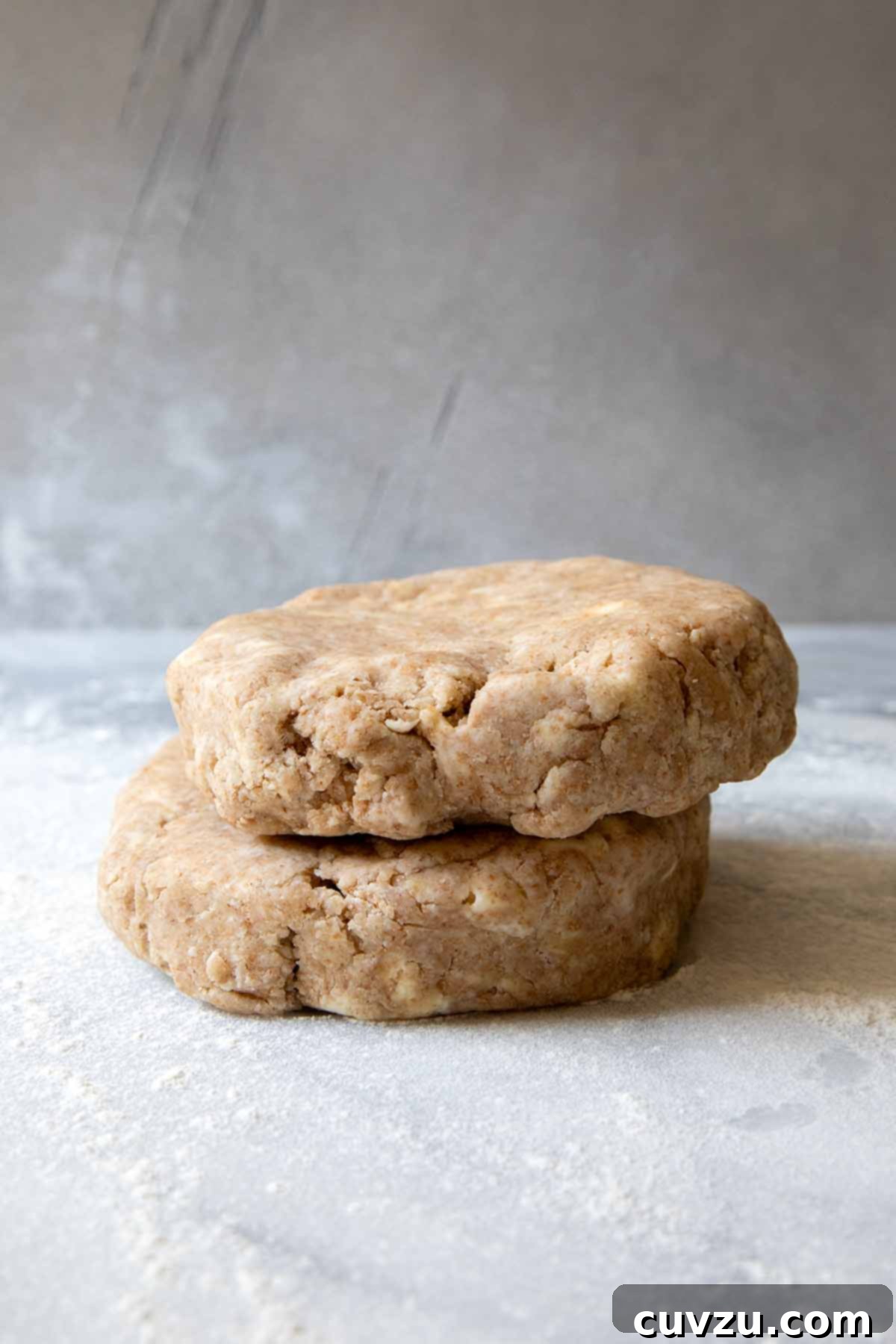
Unlock the secret to perfect homemade pies, both sweet and savory, with this extraordinary buttery whole-wheat pie crust. Crafted from a harmonious blend of whole wheat and all-purpose flours, this recipe offers a distinctly nutty flavor and an unparalleled flaky texture that truly elevates any pie filling. Say goodbye to store-bought crusts and embrace the satisfying experience of baking a pie from scratch, knowing your foundation is robust enough to cradle a mountain of apples and delicate enough to melt in your mouth.
In the vast world of pie crusts, countless options vie for attention, and as a dedicated culinary enthusiast, I’ve embarked on extensive research to explore nearly every one. From the wonderfully tender vinegar-infused pie crusts that promise an extra layer of flakiness to the sumptuously rich cream-cheese pie crusts, each offers a unique characteristic. We’ve even delved into the classic sweet French pâte sablée, known for its crumbly, cookie-like texture.
However, my quest was for a true soulmate – a pie crust that could perfectly complement a pie brimming with sweet, spiced apple filling and generous drizzles of deeply rich caramel. I sought something more than just flaky; I yearned for a crust with a distinctive buttery richness and subtle nutty undertones, capable of standing up to the bold flavors of such a decadent filling. This culinary journey ultimately led me to perfect this incredible whole wheat pie crust recipe.
What makes this whole wheat pie crust truly exceptional is its remarkable balance. It’s inherently sturdy, easily capable of holding a generous volume of fruit or savory ingredients without becoming soggy or crumbling under pressure. Yet, despite its strength, it remains astonishingly flaky, shattering delicately with each bite. The flavor profile is a revelation – distinctly nutty from the whole wheat, but never overpowering, ensuring it enhances rather than competes with your chosen filling. Perhaps best of all, this dough rolls out like a dream, making the pie-making process enjoyable and stress-free for bakers of all skill levels. Its forgiving nature means fewer frustrations and more delicious results.

Why Our Testers Adored This Whole Wheat Pie Crust
Our recipe testers were unanimous in their praise for this whole wheat pie crust. They particularly loved the effortless ease of rolling the dough, which made pie preparation a joy rather than a chore. Beyond the workability, the unique texture and profound nutty flavor that whole wheat flour imparts to the dough were highlighted as key reasons for their enthusiasm. This crust truly stands out for its perfect balance of simplicity, deliciousness, and satisfying bite, making it a new favorite for both sweet and savory applications.
Essential Ingredients for a Perfect Whole Wheat Pie Crust
Creating an exceptional pie crust begins with understanding the role each ingredient plays. Here’s a closer look at the components that make this whole wheat pie crust so irresistible:
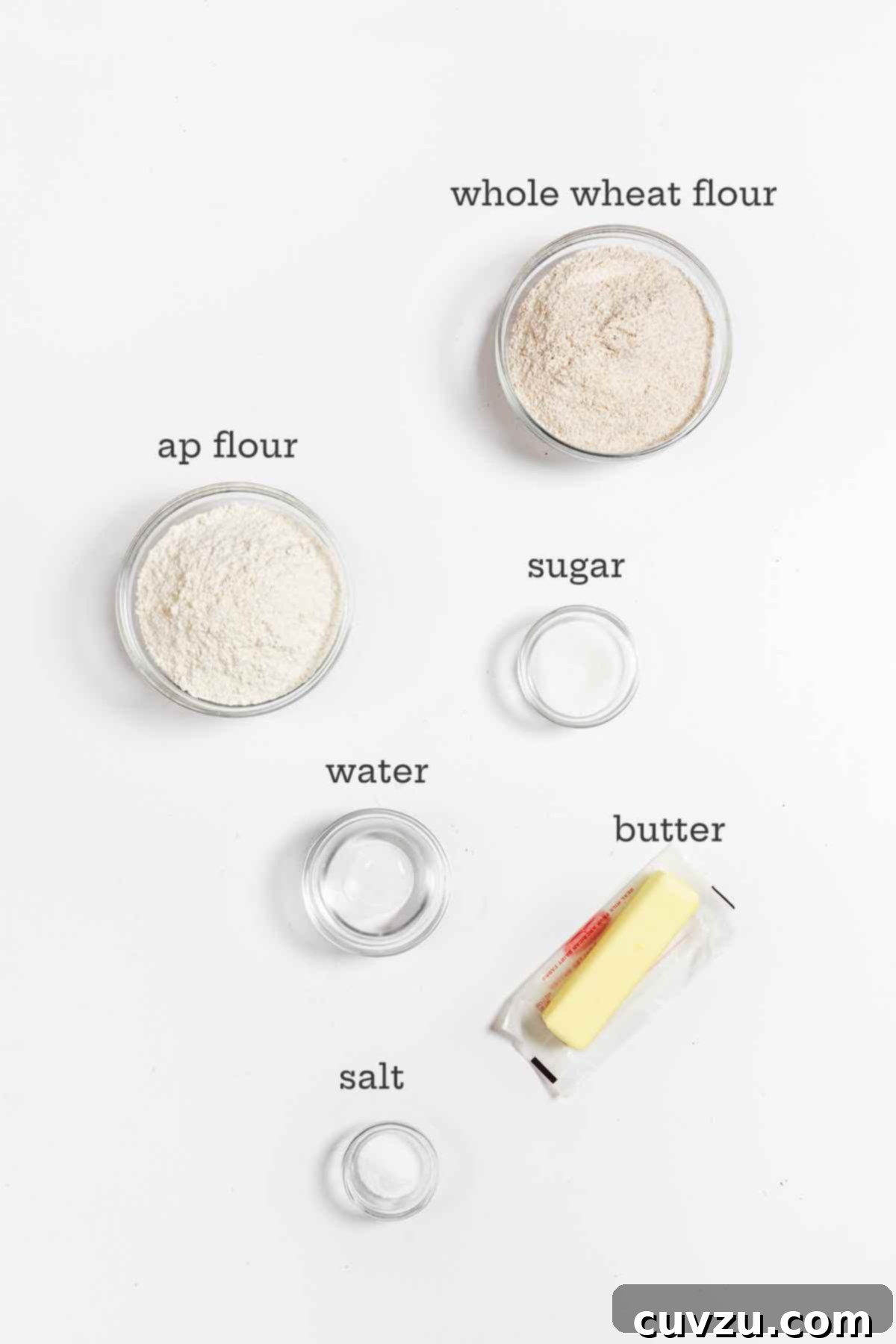
- Whole Wheat Flour: This is the star ingredient that truly sets our pie crust apart. Using whole grain flour introduces a delightful nuttiness and a more substantial, rustic texture that enhances the overall eating experience. It provides a depth of flavor that complements both sweet and savory fillings beautifully, moving beyond the simple neutrality of white flour.
- All-Purpose Flour: While whole wheat flour brings flavor and texture, all-purpose flour is crucial for achieving the perfect structural balance. Combining it with whole wheat flour helps to temper the more assertive flavor of the whole grain, creating a harmonious blend. More importantly, all-purpose flour adds strength and elasticity to the dough, making it easier to roll out and work with, preventing it from becoming too dense or brittle. This combination results in a crust that is both flavorful and forgiving.
- Butter: The foundation of any truly great pie crust, butter is responsible for that coveted crisp and flaky texture. As the butter melts during baking, it releases steam, creating tiny pockets of air within the dough layers. It also contributes an undeniable richness and golden hue to the finished crust. Always use cold butter, as this helps to prevent it from fully incorporating into the flour, preserving those essential pockets for flakiness. High-quality unsalted butter is recommended for the best flavor control.
- Granulated Sugar: A touch of sugar in the dough not only enhances the overall flavor of the crust, especially for sweet pies, but also aids in browning, giving your pie a beautiful golden finish. For savory pies, this can be omitted or reduced.
- Salt: Essential for balancing flavors and enhancing the taste of both the flours and the butter. Never skip the salt, as it makes all the difference in a well-seasoned crust.
- Ice Water: Keeping all ingredients cold is paramount for a flaky crust, and ice water is no exception. It helps to keep the butter firm, preventing the dough from becoming tough by limiting gluten development. Add it gradually, just enough to bring the dough together, to avoid an overly sticky or dry consistency.
Step-by-Step Guide to Crafting Your Whole Wheat Pie Crust
Follow these detailed instructions to create a perfectly flaky and flavorful whole wheat pie crust. Precision and cold ingredients are your best friends here!
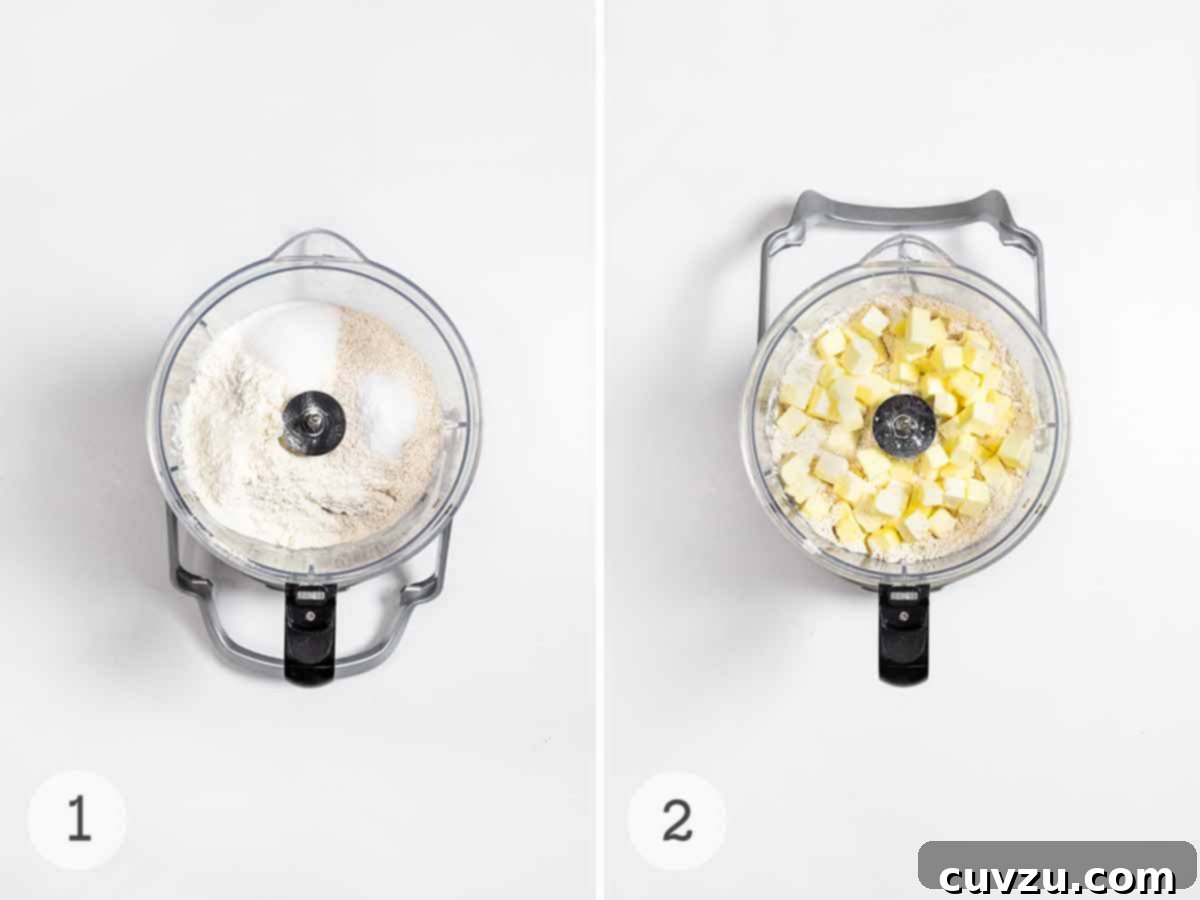
- Combine Dry Ingredients: In the bowl of a food processor, combine the whole wheat flour, all-purpose flour, granulated sugar, and salt. Pulse several times until these ingredients are well mixed. This ensures an even distribution of flavor and leavening throughout the dough.
- Incorporate Cold Butter: Add the very cold, cubed unsalted butter to the food processor. Scatter the pieces evenly over the dry mixture.
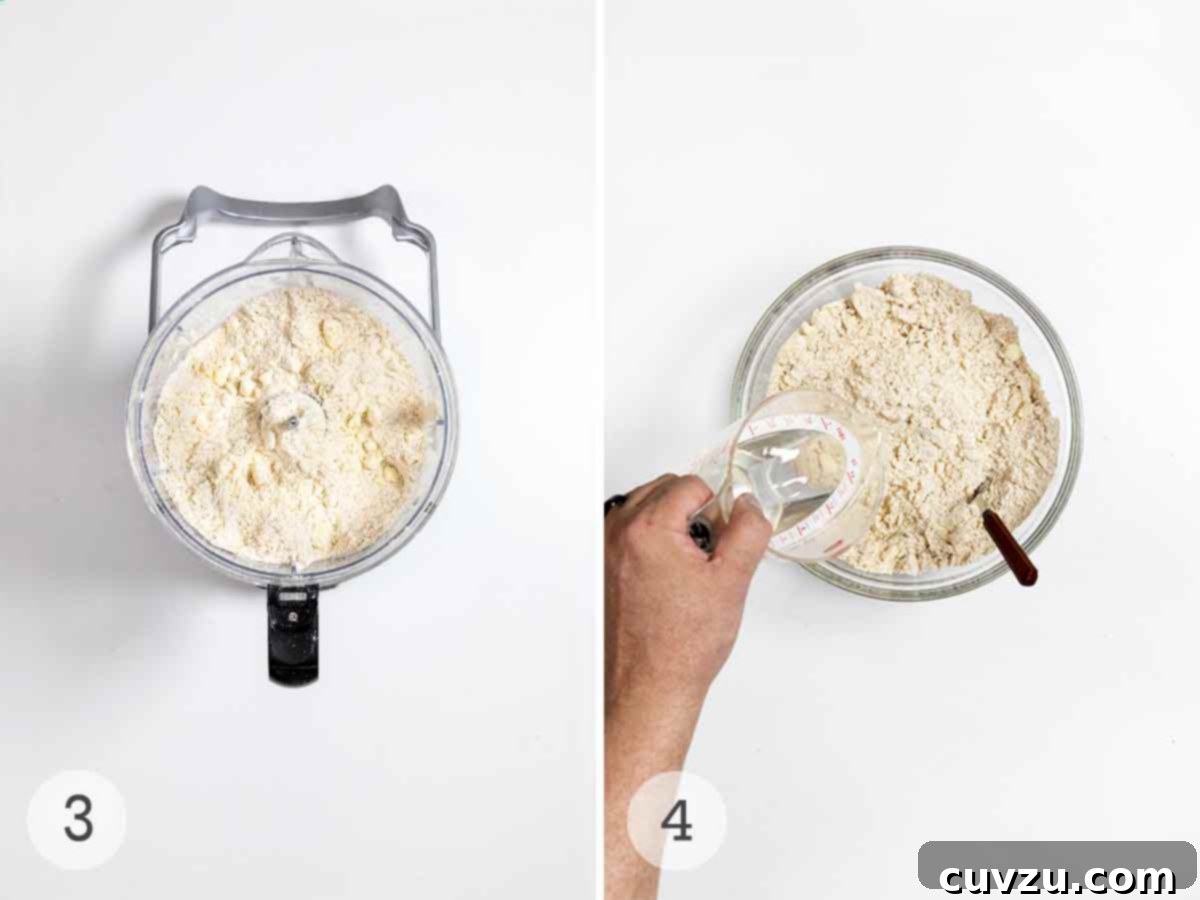
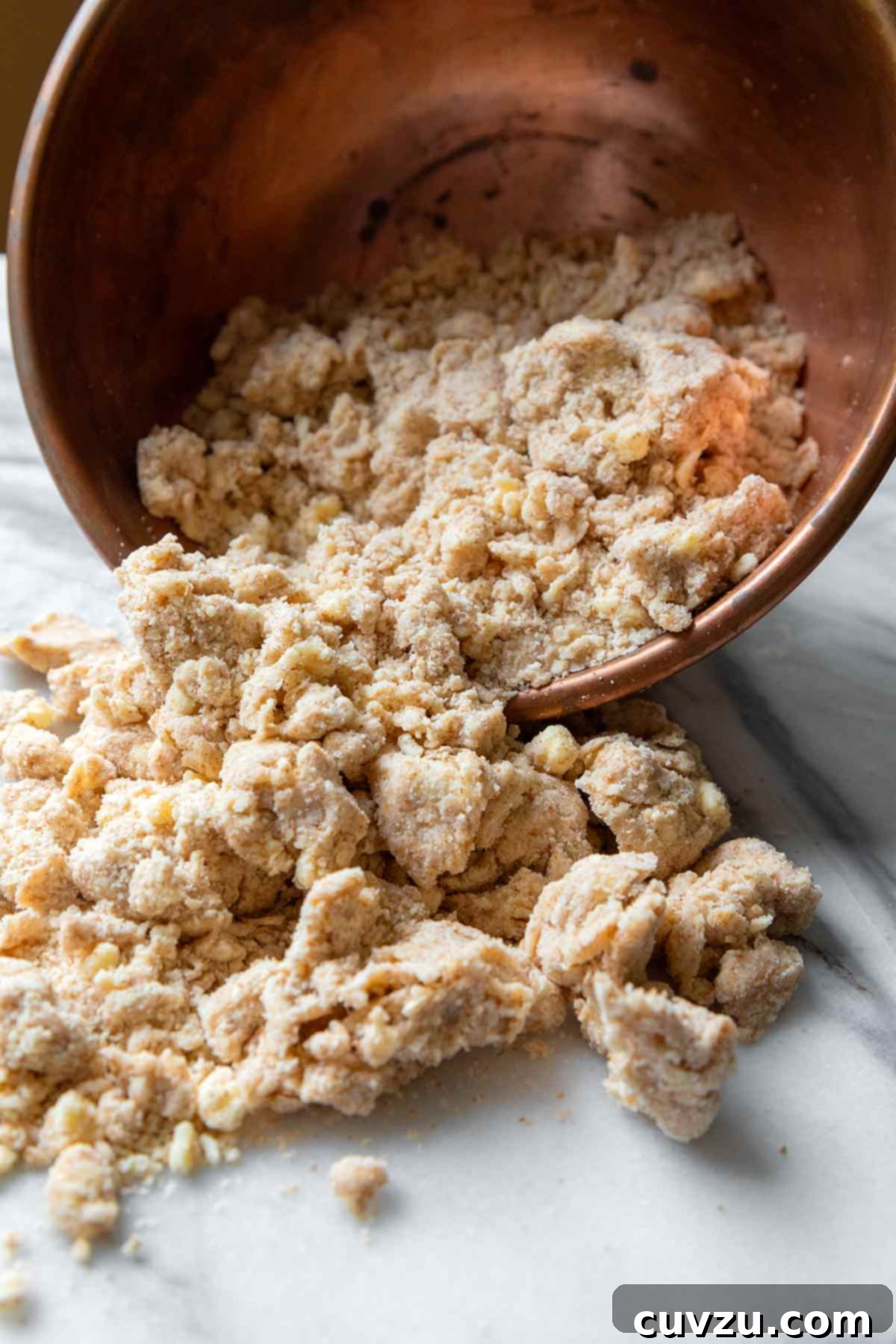
- Achieve Crumble Texture: Pulse the mixture in short bursts (about 1-second pulses) until it resembles coarse sand, with a few pea-sized lumps of butter still visible. This texture is crucial for flakiness; do not overprocess, as this will result in a tough crust.
- Transfer and Hydrate: Carefully dump the flour and butter mixture into a large mixing bowl. Drizzle 5 tablespoons of the ice water evenly over the mixture.
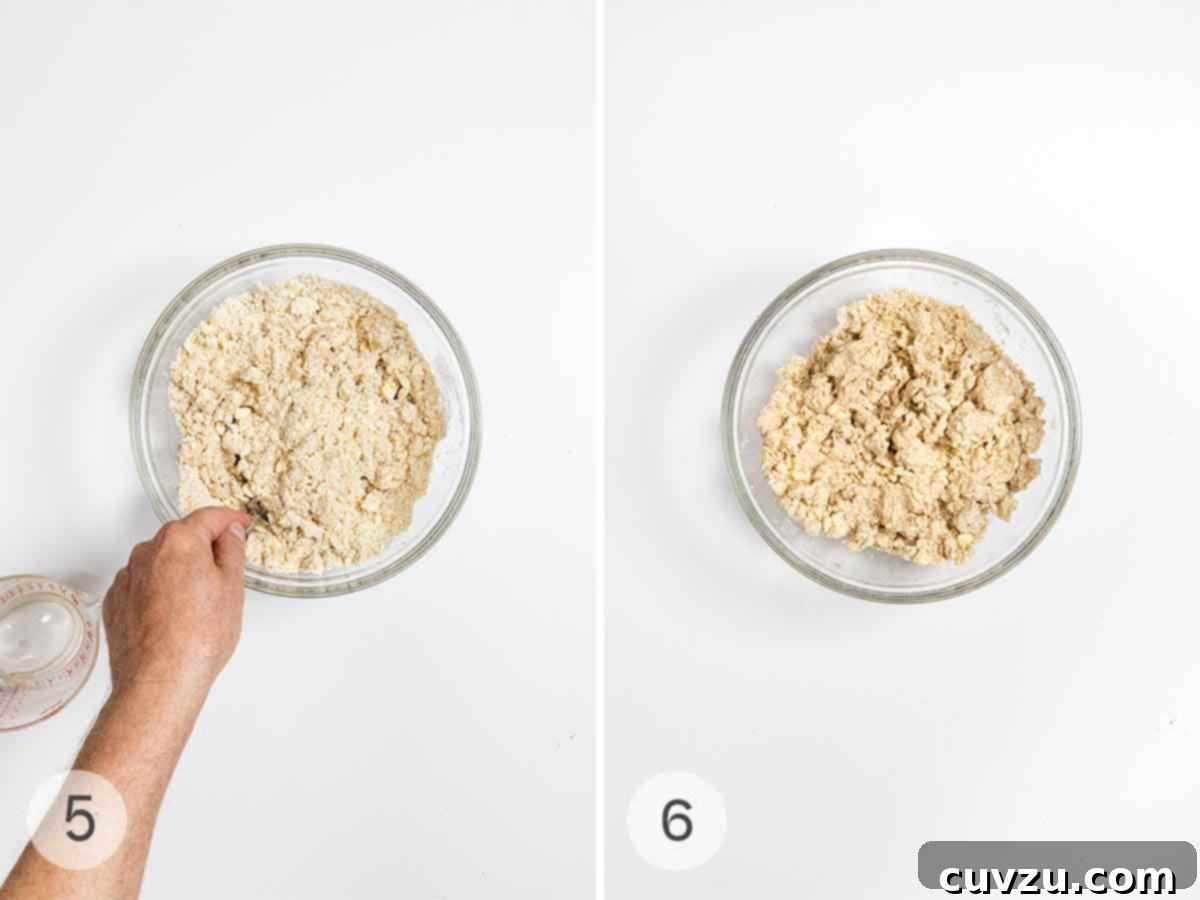
- Gentle Mixing: Use a fork or a rubber spatula to gently stir the dough, making sure to scrape from the bottom to thoroughly combine the dry and wet parts of the mixture. The goal is to hydrate the flour without developing too much gluten.
- Form Clumps: Continue working the dough gently until it just begins to form large, shaggy clumps. If the dough appears too dry and isn’t coming together, add the remaining 1 to 2 tablespoons of ice water, one tablespoon at a time, mixing just until it coalesces. Avoid overworking the dough, as this can lead to a tough crust.
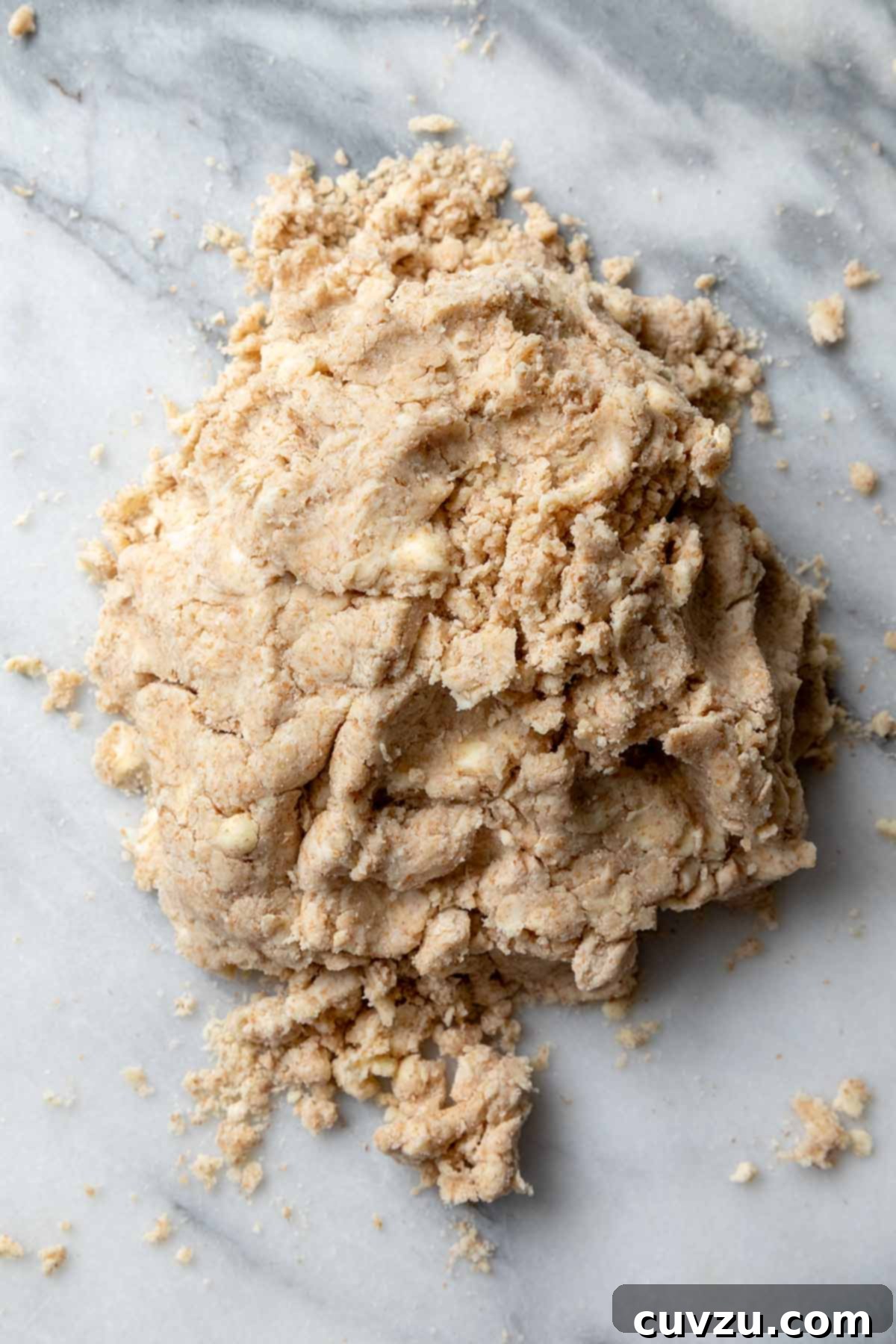
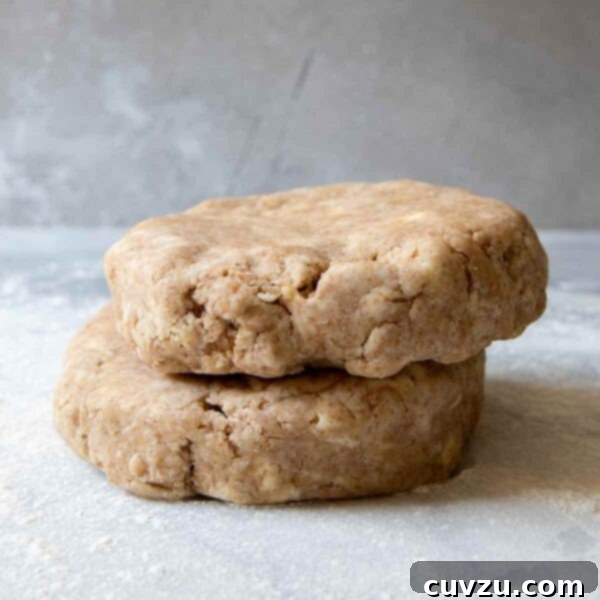
- Shape and Chill: Turn the dough out onto a clean work surface. Divide it into two piles (one can be slightly larger if you plan for a top crust that needs more dough for decorative elements). Gently shape each pile into a flat disk, about 1 inch thick. Wrap each disk tightly in plastic wrap, ensuring no air can reach the dough. Refrigerate for at least 1 hour, or preferably longer, to allow the butter to firm up and the gluten to relax. This chilling step is crucial for a tender, flaky crust that’s easy to roll out.
Crafting a Savory Whole Wheat Pie Crust
The versatility of this whole wheat pie crust extends beautifully to savory applications, offering a robust foundation that can stand up to rich, hearty fillings. Imagine it as the perfect casing for a comforting chicken pot pie, a rustic batch of Thanksgiving hand pies, or even an elegant beef-stew pie. The possibilities are truly endless, and the nutty notes of the whole wheat flour provide an extra layer of complexity that store-bought crusts can only dream of. To adapt this recipe for savory dishes, the adjustment is wonderfully simple: omit the granulated sugar entirely. Instead, consider adding one or two tablespoons of finely minced fresh herbs directly into the dry flour mixture. My personal favorite combination includes fresh thyme, rosemary, and parsley, which lend an aromatic, earthy depth. However, you can let your chosen savory filling dictate your herb selection. For a shepherd’s pie, consider sage; for a Mediterranean-inspired tart, oregano and basil would be exquisite. This simple modification transforms an already fantastic crust into a savory masterpiece.
Common Questions About Whole Wheat Pie Crust
Absolutely! This whole wheat pie dough is an excellent candidate for make-ahead baking. You can prepare the dough up to 2 days in advance and store it tightly wrapped in plastic in the refrigerator. For longer storage, the dough can be frozen for up to 2 months. Ensure it’s wrapped securely to prevent freezer burn. When ready to use frozen dough, simply transfer it to the refrigerator to thaw overnight before rolling it out.
Rolling out pie dough can sometimes be tricky, but a few simple techniques make it much easier. Firstly, ensure your dough is cool but not excessively cold. Letting it rest on the counter for about 10-15 minutes after refrigerating will allow it to soften slightly, making it more pliable without becoming sticky. Always roll from the center outward, applying even pressure. This technique helps to create an evenly thick crust. After each roll, give your dough a quarter turn. This prevents the dough from sticking to your work surface and helps maintain a perfectly round shape. For more comprehensive tips and detailed visual guidance on mastering the art of rolling pie dough, we recommend consulting our dedicated article on how to roll a pie crust.
Both whole wheat flour and white whole wheat flour are types of whole-grain flour, meaning they contain the entire wheat kernel (bran, germ, and endosperm). While they can often be used interchangeably in recipes, they do possess distinct flavors and characteristics. Traditional whole wheat flour is milled from red wheat, which has a more robust, assertive, and distinctly nutty flavor profile. It also tends to be slightly denser. White whole wheat flour, on the other hand, is milled from a lighter-colored white wheat grain. This results in a flour that is lighter in color and has a milder, sweeter flavor, more closely resembling the taste and texture of all-purpose white flour. If you prefer a less pronounced whole wheat flavor, white whole wheat flour can be a great alternative, offering the nutritional benefits of whole grains with a subtler taste. For this recipe, either will work, but traditional whole wheat flour will give you the pronounced nutty flavor we love.
Yes, absolutely! While a food processor makes quick work of cutting in the butter, you can certainly make this pie crust by hand. Use a pastry blender, two forks, or your fingertips to cut the cold butter into the dry ingredients. Work quickly to prevent the butter from warming too much. The goal is to achieve that coarse sand texture with pea-sized butter pieces. Once the butter is incorporated, proceed with adding the ice water as described in the recipe.
Shrinkage can be a common issue, but it’s easily avoidable with a few tricks. First, ensure you don’t overwork the dough. Excessive kneading develops gluten, which can cause the crust to pull back when baked. Second, and perhaps most crucially, ensure you chill the dough sufficiently – at least 1 hour, or even longer. This allows the gluten to relax and the butter to firm up. When placing the dough into the pie plate, gently press it into the corners without stretching. Over-stretching the dough will cause it to snap back during baking. Finally, after fitting the crust into the pie plate, chill it again for at least 30 minutes before baking to help it hold its shape.
Pro Tips & Troubleshooting for Perfect Pie Crust
- The Golden Rule: Keep Your Ingredients Cold. This is perhaps the most critical advice for a truly flaky pie crust. Cold butter and ice-cold water are essential. The cold butter creates steam pockets as it melts during baking, which results in those coveted flaky layers. If your butter gets too warm, those layers won’t form, leading to a tougher, less desirable crust. Consider chilling your flour and even your mixing bowl for 15-20 minutes before starting, especially on a warm day.
- Water Wisdom: Just Enough, Not Too Much. Adding the correct amount of water is crucial. Start with the minimum recommended amount of ice water and add more, one tablespoon at a time, only if absolutely necessary. The dough should just come together into shaggy clumps, not be uniformly wet. Too much water will create a sticky, hard-to-handle dough that results in a tough crust due to over-developed gluten. Conversely, too little water will leave you with a crumbly, dry dough that’s difficult to roll out and will likely fall apart. Aim for a texture that holds together when squeezed but isn’t overly wet.
- Smart Storage: Make Ahead for Convenience. This whole wheat pie dough is incredibly versatile for meal prep. The tightly wrapped dough disks can be stored in the refrigerator for up to 2 days, making it perfect for preparing a day or two before a big baking project. For even longer storage, freeze the dough for up to 2 months. Always wrap it tightly in multiple layers of plastic wrap to prevent freezer burn. When you’re ready to bake, remember to let the frozen dough thaw slowly in the fridge overnight. This gradual thawing prevents condensation and makes the dough easier to work with without compromising its texture.
- Don’t Overwork the Dough: Gentle handling is key. Overworking the dough develops the gluten too much, which can lead to a tough, chewy crust instead of a tender, flaky one. Mix just until the dough comes together, and then stop.
- Embrace the “Shaggy” Look: When you’re mixing in the water, the dough should look a bit shaggy and loose, not like a perfectly smooth ball. Those visible bits of butter are exactly what you want for flakiness.
Explore More Flaky Pie Crust Recipes
If you’ve enjoyed mastering this whole wheat pie crust, you might be interested in exploring other variations to suit different baking needs and flavor preferences. Each recipe offers a unique approach to achieving that perfect flaky base for your pies, tarts, and turnovers.
Share Your Baking Success! Write a Review
We love to hear about your culinary adventures! If you make this whole wheat pie crust recipe, or any other delicious dish from Leite’s Culinaria, please consider leaving a review. Share your thoughts, a star rating, and even your best photo in the comments section below. Your feedback and creations inspire us all!–David
Whole Wheat Pie Crust
David Leite
Dessert
American
1
double crust
2376
kcal
5
1
1
5
Ingredients
- 1 1/4 cups whole wheat flour
- 1 1/4 cups all-purpose flour
- 2 tablespoons granulated sugar
- 1/2 teaspoon salt
- 14 tablespoons (7 oz) cold unsalted butter, cut into 1/4-inch cubes
- 5 to 7 tablespoons ice water
Instructions
-
Pulse the flours, sugar, and salt in a food processor until just combined.
-
Scatter the cold butter cubes over the flour mixture and pulse until the mixture has the texture of coarse sand with a few pieces of butter the size of peas. Be careful not to overmix.
-
Dump the mixture into a large bowl and drizzle over 5 tablespoons of the ice water. Stir the mixture with a fork or spatula, making sure to scoop up from the bottom until the dough begins to form large, shaggy clumps. If the dough doesn’t quite come together, stir in the remaining water, 1 tablespoon at a time, until it just coheres.
-
Dump the dough onto a lightly floured work surface, divide it into two piles (one can be slightly larger for a top crust), and flatten each into a disk about 1 inch thick. Wrap each disk tightly in plastic wrap and refrigerate for at least 1 hour.
-
Before rolling, pull the dough disks from the fridge about 10-15 minutes in advance. This allows the dough to warm slightly, making it easier to roll out without cracking.
Notes
- Use Cold Ingredients: To achieve that desired flaky texture, it’s paramount to use very cold butter and ice water. This prevents the butter from fully incorporating into the flour, creating steam pockets during baking.
- Add Just Enough Water: Be conservative with your water. Only add enough to bring the dough together into shaggy clumps. Too much water will result in a sticky, tough dough, while too little will make it crumbly and difficult to roll out.
- Storage: The tightly wrapped dough can be stored in the fridge for up to 2 days or frozen for up to 2 months. If frozen, let the dough thaw in the fridge overnight before attempting to roll it out.

An LC Original
View More Original Recipes
Explore More with AI
Substitutions
Scale Recipe
Summarize Article
Nutrition Information (Approximate)
Calories: 2376 kcal
Carbohydrates: 251 g
Protein: 37 g
Fat: 142 g
Saturated Fat: 87 g
Monounsaturated Fat: 36 g
Trans Fat: 6 g
Cholesterol: 361 mg
Sodium: 1191 mg
Fiber: 20 g
Sugar: 25 g
Nutrition information is automatically calculated and should only be used as an approximation. Actual values may vary based on ingredients and preparation methods.
Tried this recipe?
Mention @leitesculinaria or tag #leitesculinaria!
Recipe Testers’ Reviews
Don’t just take our word for it! Hear directly from our dedicated recipe testers who put this whole wheat pie crust through its paces. Their insights and experiences are invaluable.
Jack V.
This pie crust is a revelation! What struck me most was how no single element overpowers another; you genuinely taste the nuanced difference in flavor and texture that the whole wheat flour contributes. It’s not just a healthy substitute; it’s an enhancement. Beyond its fantastic taste, the dough handles like a dream. It rolls and shapes with remarkable ease and forgivingness, making it an absolute pleasure to work with, whether it’s your very first pie or your hundredth. This is truly a crust that inspires confidence and delivers consistent deliciousness every time.