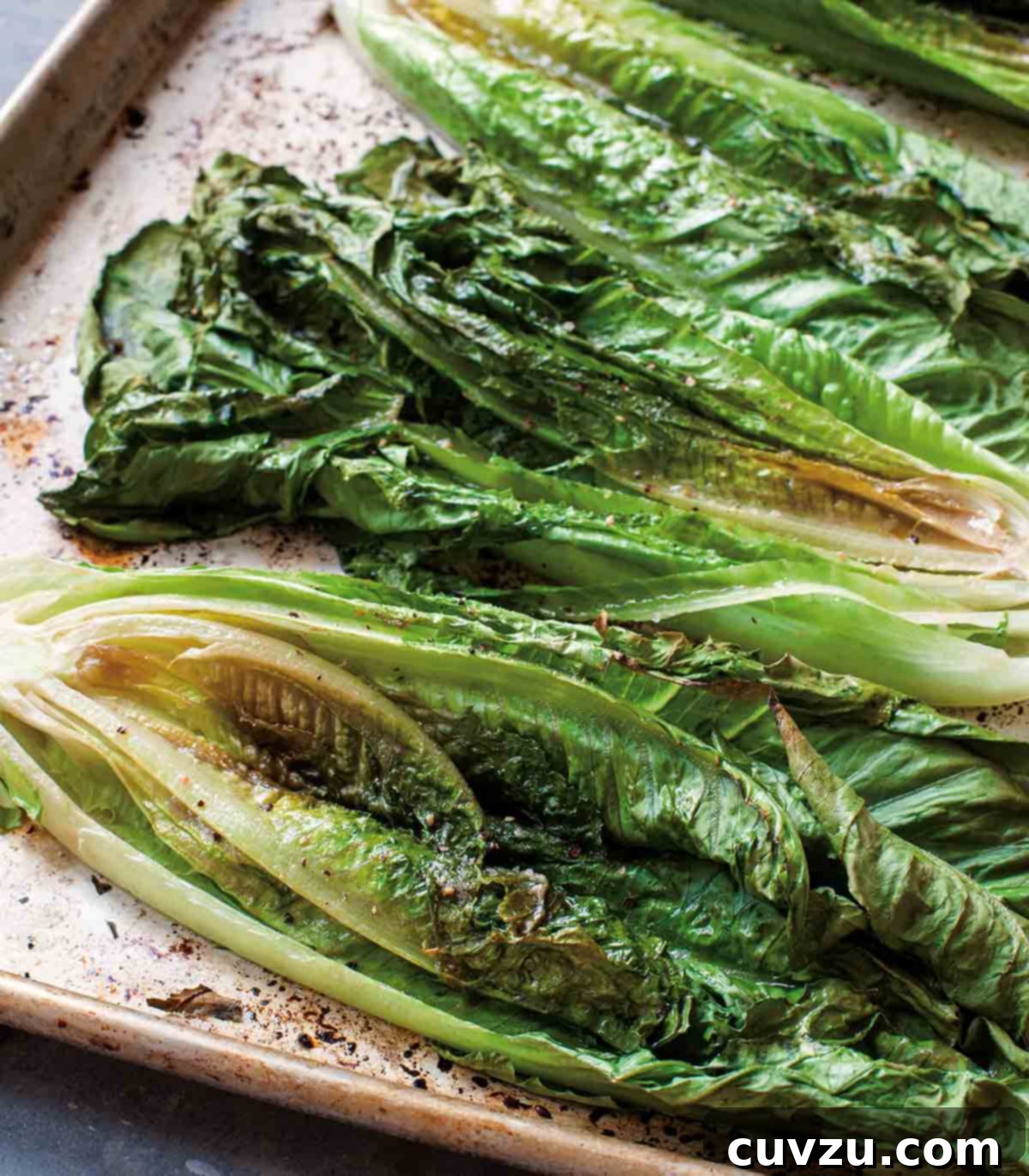
Discover a remarkably simple yet brilliant twist on a timeless favorite with this **roasted romaine Caesar salad**. Imagine crisp romaine hearts, brushed with a savory anchovy garlic sauce, then roasted until tender and perfectly wilted, their edges kissed with a hint of caramelization. This isn’t just a salad; it’s a culinary revelation that transforms the familiar into an unexpectedly elegant side dish or light main. Forget everything you thought you knew about Caesar salad, because this warm, umami-packed version is about to redefine your expectations.
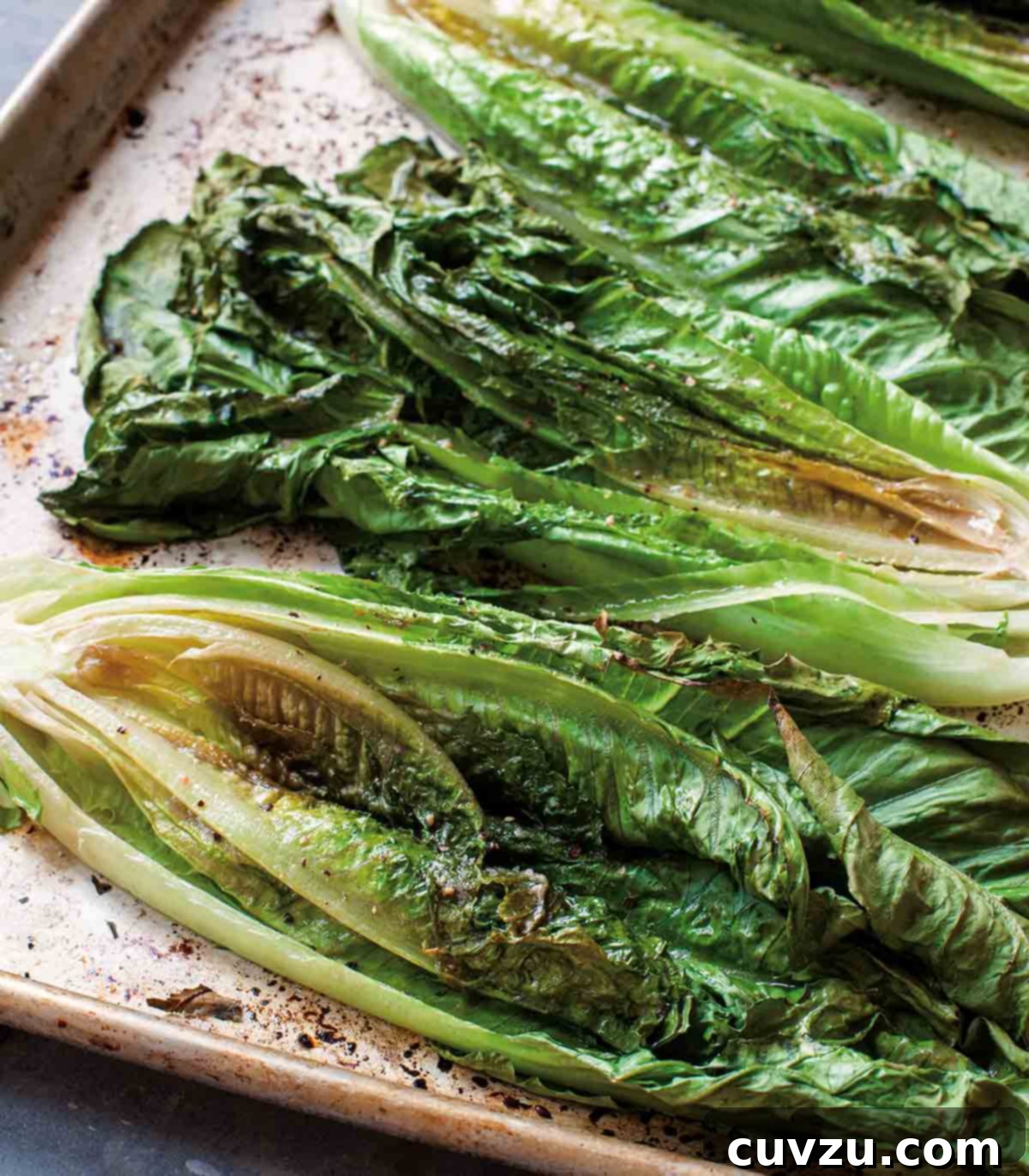
- What it is: A delightful reinterpretation of the classic Caesar salad, featuring fresh romaine lettuce halves roasted to tender perfection after being coated in a rich garlic-anchovy dressing.
- Why you’ll love it: This recipe offers an incredibly easy yet sophisticated side that delivers profound umami flavors with minimal preparation. It’s an exciting and surprising upgrade to your standard salad repertoire.
- How to make it: Simply halve romaine hearts, brush generously with a homemade anchovy-garlic olive oil, and roast in the oven for about 10 to 15 minutes until they are beautifully wilted and lightly browned at the edges.
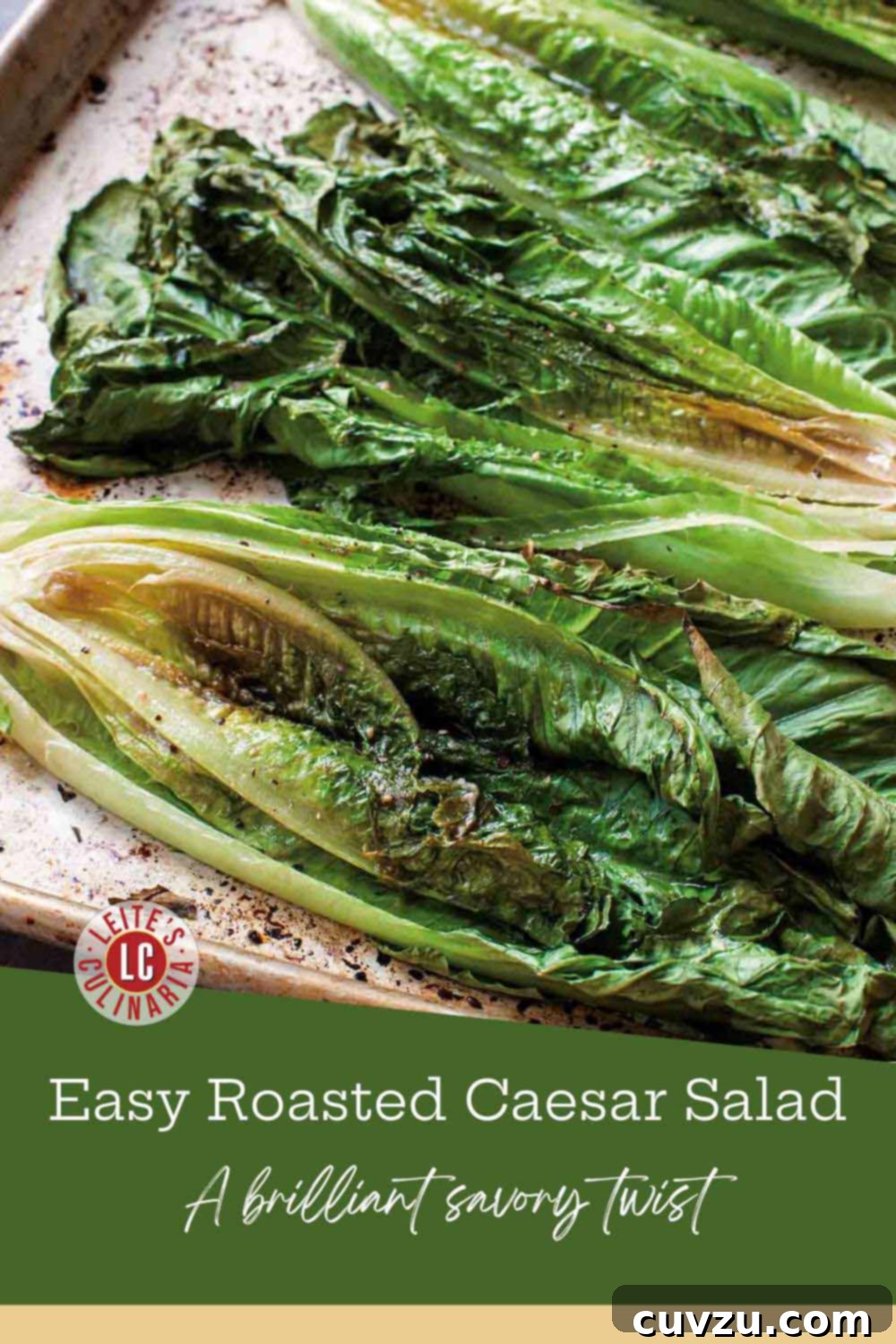
The Caesar salad stands as one of those iconic culinary creations, its very name conjuring grand images of Roman emperors and opulent banquets. Yet, here’s a fascinating morsel of food history that often surprises people: Julius Caesar, the formidable Roman leader, never once savored a Caesar salad. Indeed! This beloved dish is a far more recent innovation, conceived not in ancient Rome, but in 1920s Tijuana, Mexico. Its name originates from its ingenious creator, Caesar Cardini, an Italian-American restaurateur, not the legendary emperor. This historical tidbit makes one ponder, what did the Romans truly consume?
While the flavors and ingredients of ancient Roman cuisine might strike us as unconventional today, the essence of their cooking — particularly their affinity for potent, savory elements like garum, an ancient fish sauce that is a direct ancestor to anchovies — establishes a clear connection to the very flavors we adore in modern dishes. Just as the salad’s origin story is richer and more complex than commonly believed, the Caesar salad itself is ripe for delicious evolution. This contemporary rendition takes the familiar salty, savory, and garlicky foundations of the classic dressing and elevates them by introducing the transformative technique of roasting the greens.
If the idea of cooked lettuce is new to you, prepare for a truly delightful experience. Far from being a niche culinary secret, roasting romaine is a brilliant and accessible technique. It gently wilts the lettuce, rendering it wonderfully tender while simultaneously concentrating its natural flavors. This process results in a dish that is both deeply comforting and surprisingly elegant. It’s a quick, flavor-intensifying method that transforms a well-known classic into something fresh, exciting, and absolutely unforgettable.
What Did Caesar Actually Eat? The Surprising History of Your Salad
On the Ides of March, 44 B.C., Julius Caesar’s remarkable life came to an end. While his name is now inextricably linked to one of the world’s most celebrated salads, the culinary landscape of his era was vastly different from what we know today. Our most significant insights into ancient Roman haute cuisine largely stem from a seminal cookbook titled Apicius: De Re Coquinaria (On Cooking), a collection of recipes typically attributed to a gourmet named Apicius. This text reveals a sophisticated culinary tradition that prioritized exotic ingredients, complex flavor profiles, and often elaborate presentations, a far cry from the fresh greens and creamy dressing of a modern Caesar.
Ancient Romans possessed a profound appreciation for intricate dishes, frequently employing techniques to subtly disguise or enhance ingredients through complex preparations. A feast hosted by a wealthy Roman was not merely a meal but a grand spectacle, often featuring exotic and surprising items such as flamingo, sow’s udder, and even dormice, showcasing both their wealth and their adventurous palate. The prevailing flavors were a harmonious balance of bitter, sweet, sour, salty, and highly aromatic notes. For instance, a characteristic sauce designed for game meats might incorporate a robust blend of black pepper, fragrant rue (an evergreen herb valued for its culinary uses and infusions), lovage, juniper berries, fresh mint, and a distinctly bitter herb known as flea-bane, all expertly bound together with the rich sweetness of honey and the sharp tang of vinegar. This complex interplay of flavors speaks to a sophisticated and experimental approach to cooking that sought to stimulate every part of the palate.
A fundamental and omnipresent ingredient in almost every savory Roman dish was garum, often also referred to as liquamen. This remarkably potent and deeply savory sauce was meticulously crafted through the fermentation of fish innards and trimmings in a strong brine. While its preparation method might sound rather intense to contemporary ears, garum was prized for imparting a profound, intensely savory saltiness, much akin to the revered fish sauces prevalent in Southeast Asian cuisines (such as nam pla or nuoc mam) or the exquisite Italian colatura di alici. The anchovies so integral to our modern Caesar dressing are, in fact, a direct and flavorful culinary descendant of this indispensable Roman staple, demonstrating a continuous thread of umami appreciation throughout history.
Ancient recipes, unlike their modern counterparts, rarely bothered with precise measurements, as they were primarily intended for seasoned cooks who understood the nuances of ingredients and techniques by intuition. Nevertheless, they offer us a fascinating and invaluable window into the Roman palate. For those seeking a taste of something relatively simpler from Apicius’s extensive repertoire, he provides this straightforward recipe for boiled parsnips, reflecting a more rustic, everyday approach to vegetables:
Boil the parsnips in salt water [and season with] pure oil, chopped green coriander and whole pepper.
Why Roasted Romaine is a Game-Changer
Roasting romaine lettuce is a surprisingly simple technique that unlocks a whole new dimension of flavor and texture. Unlike raw lettuce, which provides a crisp, fresh bite, roasted romaine softens beautifully, becoming wonderfully tender and slightly caramelized at the edges. This process intensifies the natural sweetness of the lettuce, creating a deeper, more complex flavor profile. When coated in a rich, garlicky anchovy dressing, the roasting allows the flavors to meld and infuse into the leaves, transforming a humble head of lettuce into an elegant and satisfying side dish. It’s a quick and effortless way to elevate a classic ingredient, offering a warm and comforting alternative to traditional cold salads, perfect for any season.
Roasted Romaine Caesar Salad Recipe
Roasted Romaine Caesar Salad
David Leite
Ingredients
- 4 tablespoons olive oil, plus more for the baking sheet
- 2 heads (1 lb) romaine lettuce
- 2 inches anchovy pasteor 2 anchovy fillets, pressed through a garlic press
- 2 cloves garlic, pressed
- Freshly ground black pepper
- Shaved Parmesan cheese, to serve (optional)
Instructions
- Preheat the oven to 400°F (204°C). Lightly oil a rimmed baking sheet.
- Thoroughly rinse the romaine lettuce. Drain well and then pat it completely dry using paper towels. Slice each head in half lengthwise, keeping the root end intact to hold the leaves together. Place the halves on the prepared baking sheet, cut side up.
- In a small bowl, whisk together the anchovy paste (or pressed anchovy fillets), pressed garlic, and 4 tablespoons of olive oil until the mixture is smoothly blended. Divide this savory anchovy mixture evenly among the romaine halves and use a pastry brush to coat the lettuce thoroughly, ensuring the dressing gets into the layers. Finish by sprinkling generously with freshly ground black pepper.
- Bake in the preheated oven until the lettuce is visibly wilted and its edges have turned a delicate brown, typically taking 8 to 13 minutes. The exact time may vary based on the size and moisture content of your lettuce heads.
- Once roasted, remove the romaine from the oven. Immediately sprinkle with shaved Parmesan cheese, if desired, and serve straight away while warm. This dish is best enjoyed fresh from the oven.

Adapted From
Keto Cooking for Healing and Weight Loss
Buy On Amazon
Nutrition
Calories: 128 kcal
Carbohydrates: 1 g
Protein: 1 g
Fat: 14 g
Saturated Fat: 2 g
Monounsaturated Fat: 10 g
Cholesterol: 1 mg
Sodium: 2 mg
Fiber: 1 g
Sugar: 1 g
Nutrition information is automatically calculated, so should only be used as an approximation.
Tried this recipe?
Mention @leitesculinaria or tag #leitesculinaria!
Pro Tips for the Perfect Roasted Romaine Caesar Salad
- Dry Romaine is Key: Ensure your romaine is thoroughly dry after rinsing. Excess water will steam the lettuce instead of allowing it to roast and caramelize, leading to a less desirable soggy texture.
- Don’t Skimp on the Anchovy: Anchovy paste or fillets are the backbone of the classic Caesar flavor profile. They provide a deep umami richness, not an overwhelming fishy taste. If you’re hesitant, start with the recommended amount, but don’t be afraid to add a little more if you crave a bolder flavor.
- Garlic Press for Best Results: Using a garlic press for both the garlic cloves and anchovy fillets (or paste) ensures a smooth, evenly distributed dressing without chunky bits, allowing the flavors to meld beautifully.
- Brush Liberally: Use a pastry brush to generously coat every surface of the romaine halves. Getting the dressing into the crevices of the leaves ensures maximum flavor penetration.
- Monitor Roasting Time: Oven temperatures can vary, and lettuce sizes differ. Keep a close eye on your romaine. You want it tender and slightly browned at the edges, not burnt or overly soft.
- A Touch of Acidity: While not in the original recipe, a small squeeze of fresh lemon juice over the finished salad, as suggested by one of our testers, can brighten the flavors and add a refreshing zest.
Serving Suggestions & Pairing Ideas
This roasted romaine Caesar salad is incredibly versatile and can accompany a wide range of main courses, or even stand alone as a satisfying starter. Its warm, savory profile makes it an excellent match for:
- Grilled or Seared Meats: Pair it with a juicy seared skirt steak, grilled chicken, or lamb chops. The robust flavors of the meat complement the umami-rich salad beautifully.
- Fish and Seafood: The anchovy notes in the dressing make it a natural partner for seafood. Try it alongside classic shrimp scampi, baked salmon, or pan-seared halibut.
- Pasta Dishes: As one tester noted, it’s a fantastic accompaniment to pasta, especially creamy or tomato-based sauces. It provides a lighter, yet flavorful, contrast to rich pasta.
- Hearty Vegetarian Mains: Serve it with a lentil shepherd’s pie, a substantial mushroom risotto, or even a hearty bean burger for a well-rounded meal.
- As an Appetizer: Presented elegantly on individual plates, these roasted romaine halves make a sophisticated and unexpected appetizer for any dinner party.
More Great Roasted Vegetable Recipes
Roasted Cauliflower with Cilantro Sauce
45 mins
Roasted Sweet Potatoes with Sriracha and Lime
50 mins
Easy Roasted Carrots
55 mins
Balsamic Roasted Potatoes
1 hr 10 mins
Searching for more Italian favorites to complete your meal? We have you covered. Try our Roman-style chicken cacciatore with its rich anchovy-vinegar sauce for a hearty main. If you love robust vegetables, the classic Italian pairing of broccoli rabe and sausage always satisfies. For a spectacular holiday centerpiece, our Roast leg of lamb Tuscan Style is a showstopper, and for those who, like us, plan their meals backward (dessert first!), traditional Italian tiramisu is an absolute must.
Share Your Experience
If you make this roasted romaine Caesar salad, or any other recipe from Leite’s Culinaria, we’d love to hear from you! Please consider leaving a review, a star rating, and your best photo in the comments below. Your feedback and culinary creations inspire us all. –David
What Our Recipe Testers Say
R. Hunter
I was pleasantly surprised when I took the first bite of roasted romaine. It offered a subtle flavor with just a hint of salt and garlic, a milder profile than I initially anticipated. The coarser stems provided a delightful crunch, while the lettuce leaves themselves simply melted in my mouth. I opted to serve it as an appetizer, finding that its delicate flavors would be easily overpowered by a robust main course.
For the dressing, I used two anchovies packed in oil, rinsing them before pressing them through a garlic press. I then spooned the seasoned oil over the lettuce halves and gently massaged it in with gloved hands, finding there was ample dressing to evenly coat the romaine. A generous coating of coarse ground pepper finished the preparation. After 13 minutes in the oven, the lettuce was perfectly wilted, with beautifully browned edges.
Jane Daniels
I’ve always been a fan of Caesar Salad, and now I can confidently say I love roasted romaine just as much! This recipe offers a truly wonderful departure from raw romaine. It’s incredibly simple and remarkably fast to prepare.
The dressing achieved a perfect harmony of garlic and anchovies. After roasting, the romaine emerged beautifully wilted yet still retained a pleasant crispness. Initially, while brushing the dressing onto the romaine, I had concerns that it wouldn’t be enough, but after cooking, it proved to be the ideal quantity. The flavor was absolutely delicious.
I served this with leftover spaghetti instead of a meat or fish dish, and we both found it to be a fantastic combination. A sprinkle of Parmesan on top added another layer of enjoyment. I also believe this would pair exceptionally well with some grilled chicken and classic croutons.
Janie P.
This roasted romaine is a quick and easy side dish that offers a refreshing alternative to a traditional Italian green salad. It’s not overly fancy or complex, yet it’s incredibly tasty and incredibly fast to prepare, making it ideal to pop in the oven while you finalize the rest of your meal.
I found the flavor to be quite mild, so if you prefer a more pronounced Caesar profile, I would suggest increasing the amounts of garlic and/or anchovies. I used anchovy paste, though fillets might impart an even stronger flavor. It’s important to ensure the dressing gets thoroughly distributed down into the leaves of the romaine for maximum taste. A sprinkle of freshly grated Parmesan cheese would also be a wonderful addition. I served it with an iron skillet-seared skirt steak recipe and easy garlic mashed potatoes, and it complemented them perfectly.
Irene Seales
This recipe provides a minimalist yet effective trick for a quick side dish or even a fast dinner. Depending on what you serve it with—perhaps some grilled classic shrimp scampi, or a lovely fillet of salmon or halibut—it truly comes close to a full Caesar experience, achieved with remarkably few ingredients. Having grilled romaine before, I ensured the lettuce was thoroughly drained and patted dry to prevent steaming, allowing it to wilt beautifully and brown nicely while coated with the dressing.
Anchovy paste offers exceptional convenience, especially if you don’t typically keep a jar of anchovy fillets in your refrigerator, and it dissolves seamlessly into the dressing. I simply used a tablespoon to portion it, then brushed it over the lettuce, distributing any remaining dressing over the four romaine halves. If you accidentally separated all the leaves, you can easily reassemble them into four stacks, arranging from large to small leaves for a similar effect.
While the provided dressing was sufficient to coat all the lettuce, particularly once roasted, we would definitely consider adding a third anchovy or “inch” of paste next time for an even bolder flavor. At the table, I offered 1/8 lemon wedges and some grated Parmesan, allowing everyone to adjust the flavor to their personal preference. This dish actually served as a main course for two when accompanied by a light pasta side, but with a more substantial main, it would comfortably serve four and make a very elegant and unexpected presentation.
Lisa Amtower
This roasted romaine is a fantastic riff on my absolute favorite salad, the Caesar. For just the two of us, I used one head of romaine and made the full amount of dressing, which turned out to be precisely enough. As is my custom, I increased both the anchovy and garlic to create an incredible umami bomb. The lettuce looked perfectly done after just 9 minutes in the oven, so I removed it, freshly ground some pepper over the top, and couldn’t resist shaving a generous amount of Parmesan cheese. Yum! The dressing was superb, and even after roasting, the inner leaves retained a delightful bit of crunch. My husband thoroughly enjoyed it, and we had a delightful Sunday supper alongside skirt steak with a Brazilian vinaigrette.
Ilda Costa-Sarnicki
What a tremendous reward for such minimal effort! I must confess that anything featuring anchovies immediately grabs my attention. The recipe’s ingenious suggestion to use a garlic press to incorporate the anchovy paste completely won me over – simply brilliant!
Despite having grilled romaine many times before, I had never considered roasting it. Typically, I’d also prepare a full Caesar dressing, but this recipe skillfully skips a step, and the resulting flavor punch is surprisingly impactful. The freshness of the romaine still shines through beautifully, even with the assertive presence of garlic and anchovy; these flavors were robust yet never overpowering. However, I strongly feel that a hint of acidity would introduce the perfect balance to this dish. I added a quick spritz of fresh lemon juice just before serving, accompanying it with sautéed “Alheiras” (Portuguese chicken and bread sausages).
This roasted romaine is versatile enough to accompany almost any main course, or it can stand proudly on its own as an intriguing starter. I’m already envisioning my next creation: using it as a flavorful filling in a fresh romaine sandwich… how about those “anchobies”?