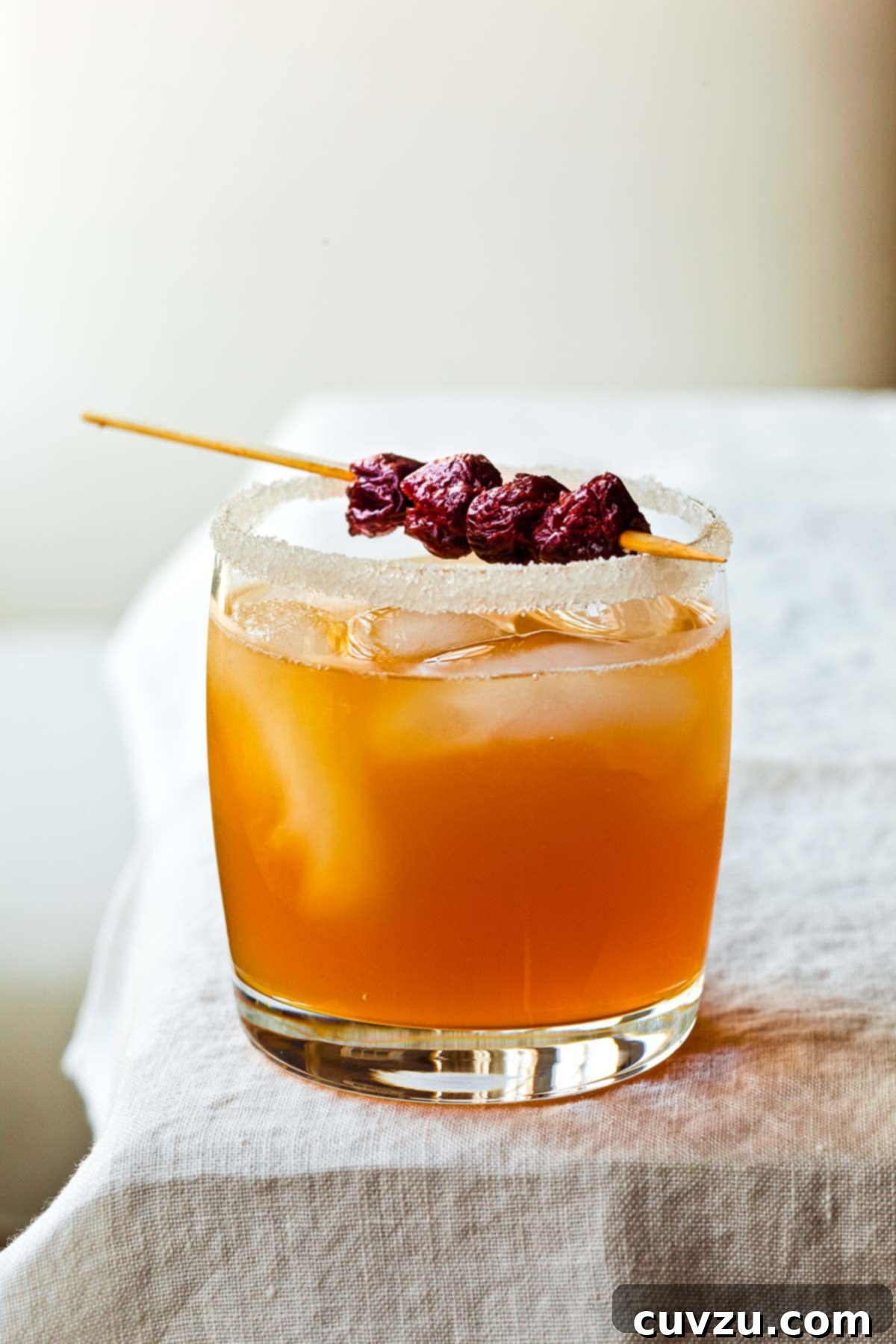
Welcome to the sophisticated world of the **Sidecar cocktail**, a timeless classic that perfectly balances the zesty brightness of lemon juice with the deep, nuanced warmth of Cognac and the sweet, aromatic embrace of orange liqueur. If you’ve ever felt life could use a touch more elegance or a moment of pure, unadulterated pleasure, then a sip—or three—of this exquisitely crafted, Cognac-centric rendition will surely transport you. This isn’t just a drink; it’s an experience, a liquid symphony designed to delight the senses and elevate any occasion.
Sidecar Cocktail Essentials: Quick Answers & Why You’ll Love It
The Sidecar is more than just a drink; it’s a statement of classic elegance and refined taste. Here’s what makes it an enduring favorite:
- What it is: A sophisticated, classic cocktail blending fine Cognac, a premium orange liqueur (such as Grand Marnier or Cointreau), and fresh lemon juice, typically served in a glass with a signature sugared rim. It’s a testament to the art of mixology, perfect for entertaining or a quiet moment of indulgence.
- Why you’ll love it: This perfectly balanced drink offers a delightful harmony of tart and sweet, complemented by the rich depth of Cognac. It’s surprisingly easy to prepare, requiring only about ten minutes, yet it delivers a timeless and elegant experience that stands apart from more common cocktails. It’s a drink that transcends trends, always in style.
- How to make it: Begin by preparing your glass with a sparkling sugared rim. Then, marinate dried cherries in Cognac for an exquisite garnish. Combine chilled Cognac, Grand Marnier (or your preferred orange liqueur), and fresh lemon juice in a shaker with ice. Shake vigorously until well-chilled, then strain into your prepared glass, garnishing with the cognac-soaked cherries for an extra touch of sophistication.
Featured Review
“This is an excellent recipe for a wonderful cocktail. If you’re in the throes of your own cocktail epiphany, the Sidecar is a great place to start: refreshing, not too sweet, simple to make, and somewhat sophisticated all at once.”
Joseph
My personal journey with the Sidecar cocktail has been a quest for perfection, much like many enthusiasts seeking that elusive balance. Over the years, I’ve sampled countless variations, each promising the definitive experience, only to find them falling short. Some were overly tart, dominated by an aggressive lemon presence; others leaned too sweet, with the orange liqueur overpowering the delicate nuances of the spirit. And then there were those made with subpar brandy, leaving a harsh impression that betrayed the cocktail’s inherent elegance. Despite these past disappointments, my fascination never waned, largely because the Sidecar always felt like a sophisticated sibling to my beloved whiskey sour, sharing a similar tart-sweet profile but with a distinct, more refined character. Determined to unlock its full potential, I embarked on crafting my own version, meticulously adjusting ratios and carefully selecting ingredients. The result, I believe, is a Sidecar that achieves that perfect harmony, a testament to what this classic cocktail is truly meant to be. I always advocate for using a good quality Cognac—something respectable like a VS (Very Special), but certainly not your finest, most expensive bottle, as its delicate notes can be lost in a mixed drink. It’s about finding that sweet spot where quality meets practicality, ensuring every sip is a pleasure.
Your Sidecar Cocktail Questions, Answered
Delving into the specifics of the Sidecar cocktail can raise a few questions, especially for those keen on mastering this elegant drink. Here, we address common queries to help you craft the perfect Sidecar.
While Cognac is a specific type of brandy, its origin and aging process give it a distinct flavor profile that sets it apart. Cognac is exclusively produced in the Cognac region of France and is renowned for its subtle elegance, complex aroma, and smooth finish. Brandy, on the other hand, can be made anywhere in the world from distilled fruit wine. For a truly authentic and superior Sidecar, Cognac is the traditional and recommended choice due to its refined characteristics. However, if you opt for brandy, choose a high-quality expression. The key is to select something good, but perhaps not your absolute finest, most aged bottle. A decent VS (Very Special) Cognac or a well-regarded brandy will suffice beautifully, as its flavors will be blended with other ingredients. Don’t “waste” your most exquisite, sipping-only spirits in a mixed drink, but do use something that befits a sophisticated cocktail.
Even if you generally shy away from overtly sweet drinks, we strongly recommend including the sugared rim for your Sidecar. The sugared rim isn’t just for aesthetics; it plays a crucial role in achieving the Sidecar’s signature balance. The initial sweetness on your lips provides a delightful counterpoint to the tartness of the lemon juice and the boldness of the Cognac, creating a harmonious flavor experience that is both refreshing and sophisticated. Our recipe testers, including those who typically prefer less sugar, found that the rim significantly enhanced the overall enjoyment and balance of the cocktail. If you’re concerned about excessive sweetness, simply go lightly when dipping the rim, ensuring a delicate crystalline coating rather than a thick band of sugar. However, we truly wouldn’t advise skipping it entirely, as it contributes immensely to the drink’s classic character.
The choice of orange liqueur definitely impacts the Sidecar’s final flavor profile. Ina Garten, from whom this recipe draws inspiration, often calls for Grand Marnier because its alcoholic volume (ABV) is quite similar to that of Cognac, ensuring a well-integrated and balanced blend of flavors. Grand Marnier is a blend of Cognac brandy and distilled essence of bitter orange, offering a rich, slightly bitter-sweet, and complex flavor. You can easily substitute Cointreau, which is a triple sec liqueur. Cointreau also has a 40% ABV, similar to Grand Marnier, and provides a good balance of sweet and bitter notes, often resulting in a slightly brighter, cleaner orange flavor. While you can use other triple secs, be aware that many have a lower ABV and can vary greatly in quality and sweetness. Using a lower-quality or less potent triple sec might result in a less robust and less well-rounded Sidecar, where the orange flavor isn’t as pronounced or as balanced with the Cognac. For the best results, stick to Grand Marnier or Cointreau to maintain the integrity and depth of this classic cocktail.
Crafting the Sidecar: A Step-by-Step Guide to Perfection
Creating a truly exceptional Sidecar cocktail involves attention to detail, from selecting the right ingredients to executing each step with precision. Here’s how to elevate your home bartending skills and make a Sidecar that will impress even the most discerning palates.
The Art of the Sugared Rim
The sugared rim is not merely a decorative element; it’s an integral part of the Sidecar experience. It provides the initial burst of sweetness that perfectly counteracts the tartness of the lemon and the warmth of the Cognac. To achieve a flawless rim, pour a small amount of fresh lemon juice into a shallow saucer and granulated sugar onto another. Dip the rim of your highball or martini glass first into the lemon juice to moisten it, then gently press it into the sugar, rotating to ensure an even, sparkling coat. Set the glasses aside to dry while you prepare the rest of the cocktail, allowing the sugar to adhere firmly.
Marinating the Cherries: An Inspired Garnish
Our recipe introduces a delightful twist with Cognac-marinated dried cherries, a garnish that elevates the Sidecar beyond the ordinary. In a small, microwave-safe bowl, combine dried cherries with a portion of your good Cognac. A quick minute in the microwave on high heat gently warms the Cognac, helping the cherries plump up and absorb the rich flavors of the spirit. Alternatively, for a more traditional approach, you can heat the Cognac in a small saucepan until it barely simmers, then remove it from the heat and add the cherries to steep and plump. This step not only creates a luxurious garnish but also infuses the cocktail with a subtle fruity depth through the leftover cherry-Cognac liquid.
The Perfect Shake: Chilling and Combining
The assembly of the cocktail is straightforward but requires proper technique for optimal results. In a cocktail shaker, combine the fresh lemon juice, the remaining Cognac, and Grand Marnier (or your chosen orange liqueur). Crucially, add about one teaspoon of the rich, cherry-infused liquid from your marinated cherries. Fill the shaker approximately three-quarters full with ice. Now, the moment of truth: shake vigorously for a full 30 seconds. This might feel longer than you anticipate, but a thorough shake is essential for properly chilling and diluting the cocktail, ensuring a smooth, well-integrated flavor and a wonderfully cold temperature. Once shaken, strain the mixture into your prepared, sugar-rimmed glasses. You can serve it “straight up” in a chilled martini glass or over fresh ice in a highball glass, depending on your preference.
The Final Touch: Cherry Skewers
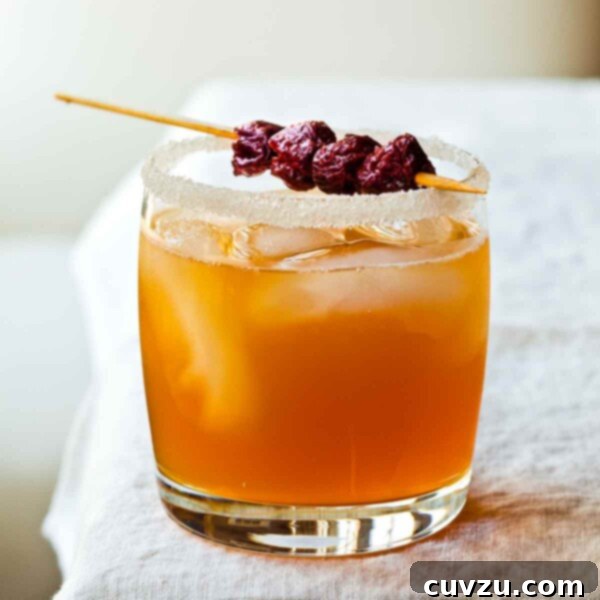
To complete your masterpiece, thread three or four of your plump, Cognac-marinated dried cherries onto each of two small skewers. Place a skewer in each drink, allowing the rich, boozy cherries to impart additional flavor as you sip, and providing a delicious bite between sips. This elegant garnish not only enhances the visual appeal of the Sidecar but also offers a delightful textural and flavor counterpoint to the liquid itself.
More Autumnal Cocktail Recipes to Explore
The Revolver Cocktail
🕒 5 mins
Boulevardier Cocktail
🕒 5 mins
Blood Orange and Prosecco Cocktail
🕒 15 mins
Maple Leaf Cocktail
🕒 5 mins
Share Your Sidecar Experience!
If you make this Sidecar recipe, or any other delicious dish from Leite’s Culinaria, we’d love to hear from you! Consider leaving a review, a star rating, and your best photo in the comments below. Your feedback and culinary adventures inspire us all.–David
Sidecar Cocktail
David Leite
Ingredients
- 3 ounces (1/3 cup) fresh lemon juice, plus the juice of 1 lemon for sugaring the glass rims
- 1/4 cup granulated sugar
- 1/4 cup dried cherries
- 6 ounces (3/4 cup) good Cognac, (VS but not VSOP)
- 3 ounces (1/3 cup) Grand Marnier or other orange liqueur
- Ice
Instructions
-
Prepare the Glasses: Pour the juice of 1 lemon into a shallow bowl and place the granulated sugar on a small plate. Dip the rim of 2 highball or martini glasses first in the lemon juice, then gently press into the sugar to create an even, sparkling rim. Set them aside to dry.
-
Marinate the Cherries: In a small, microwave-safe bowl, combine the dried cherries with 2 ounces (1/4 cup) of Cognac. Microwave on high for 60 seconds. Alternatively, you can heat the Cognac in a small saucepan until it reaches a bare simmer. Remove from heat, add the cherries, and set aside to plump and absorb the Cognac.
-
Mix and Shake: In a cocktail shaker, combine the 3 ounces of fresh lemon juice with the remaining 4 ounces of Cognac, the Grand Marnier, and 1 teaspoon of the liquid from the marinated cherries. Fill the shaker about 3/4 full with ice. Shake the mixer vigorously for a full 30 seconds to ensure proper chilling and dilution.
-
Serve and Garnish: Strain the chilled cocktail mixture into your prepared, sugar-rimmed glasses (either straight up or over fresh ice). Thread 3 or 4 of the plump, marinated cherries onto each of 2 skewers. Serve each drink with a skewer of cherries for an elegant and delicious garnish.

Adapted From
Barefoot Contessa Foolproof
Buy On Amazon
Nutrition Information
Nutrition information is automatically calculated, so should only be used as an approximation.
Recipe Testers’ Reviews: What Our Community Thinks
There’s nothing quite like hearing from fellow enthusiasts who have tried and loved a recipe. Our dedicated recipe testers put this Sidecar cocktail through its paces, and their feedback is overwhelmingly positive, highlighting the drink’s perfect balance and the delightful surprise of the marinated cherries.
Melissa Maedgen
“The sidecar is one of those cocktails that has the perfect balance of sweet, sour, and alcoholic punch. Personally, I like to skip the sugared rim, but I think most will find it to be a nice touch. Feel free to substitute any orange liqueur, such as Cointreau, for the Grand Marnier. The cherry garnish here isn’t traditional, as far as I know, but think about it…dried cherries are pretty darn good on their own, so heat them in brandy, then let them marinate in a sidecar, and you might find yourself making the drink for the cherries alone.”
Lila Ferrari
“I normally don’t drink a lot of hard liquor, but this drink was delicious. It was a perfect balance of sweet and sour and the dried cherries were a nice touch. I must’ve had really small dried cherries because there was a lot left over after I threaded 4 on each skewer and there was also a bit of liquid left over after I microwaved the cherries. But all in all, it was a yummy drink and more than enough for 2 people.”
Emily Fleak
“I’d never had a sidecar, but I love cocktails. And I loved the freshness of the lemon in this drink—and, surprisingly, I enjoyed the sugared rim (I normally don’t like “sugary” drinks). I’m not sure adding the marinated cherry juice really added anything to the drink, but munching on the cherries while sipping was pure pleasure!”
Kim M.
“Does anyone else remember when Rory Gilmore turned 21 and Emily Gilmore threw her a party complete with a signature cocktail named the Rory? If I had a signature cocktail at my next “long past 21″ birthday party, I think I’d request this sidecar. Good Cognac and Grand Marnier in the same glass! I did have cherry juice and Cognac left in the bowl after warming them, so my recommendation is to plan ahead and microwave the cherries and Cognac in the morning or the day before, then cover the bowl with plastic wrap and let the cherries soak up all that goodness until cocktail time!”
Denise Grace
“I love ALL Ina Garten’s recipes, and this one is no exception. I’d never made—or even tried—a sidecar cocktail before today. We ended up making these (and some old fashioneds) for a Prohibition party we hosted. This was the most popular drink by far. It was very easy to make. The cherry skewers were easy and made the drinks look extra fancy. These were perfect for our party.”
Vicki Lionberger
“I remember my parents used to make these and I thought they were so exotic! After reading about the dried cherries (instead of those artificial red things), I was determined to try this recipe. It was wonderful and worked for me as written. I had barely a teaspoon of marinated cherry liquid. I think if you had nice, fresh, plump dried cherries this wouldn’t be a problem. This drink was a hit at a small cocktail party for 6 of us. I did, however, catch one guest hoarding all the cherries. My advice is to marinate more. Great recipe!”
Elie Nassar
“I love coming home from work Friday afternoons and taking the time to make a nice cocktail—or, in this case, two of them. I’m not ashamed to admit that I enjoyed both sidecars myself…about an hour apart. This recipe makes a fine drink with a balanced flavor and a nice kick. Just make sure to sugar the rim of the glass as the recipe instructs. Since the recipe does not include any sweetener, the sugar on the rim is essential for the balance of the drink. The cherries add a nice depth and interesting texture and taste to the drink. They also make for a beautiful seasonal garnish this time of year. The recipe makes more cherries than you need, but that isn’t an issue—just nibble on them. After microwaving the cherries, you’re left with about 2 or 3 teaspoons of liquid. I served my drinks in a well-chilled cocktail glass straight up.”
Victoria Filippi
“Quite delicious. I loved the tartness the lemon juice adds, but quite honestly, the dried cherries (after absorbing the Cognac) are like a special treat. I think I could get used to making those all by themselves. That being said, there was some Cognac left after microwaving the cherries. They did absorb most of the booze, but the little that was left didn’t really add any “cherry” flavor. I’m not sure that was the intention, or if that method was just to make the cherries amazing. Last, but certainly not least, the sugared rim on the glass is a must! Really makes the drink special. I prefer this sidecar cocktail served on the rocks.”
The feedback from our testers consistently reinforces the Sidecar’s appeal: its balanced flavor profile, the essential role of the sugared rim in enhancing that balance, and the surprising popularity of the Cognac-marinated cherries. Many remarked on the ease of preparation despite its sophisticated presentation, making it a perfect choice for both casual enjoyment and special occasions. Whether served straight up or on the rocks, the Sidecar proves to be a versatile and consistently delightful cocktail. The consensus? This recipe delivers a truly excellent Sidecar experience.