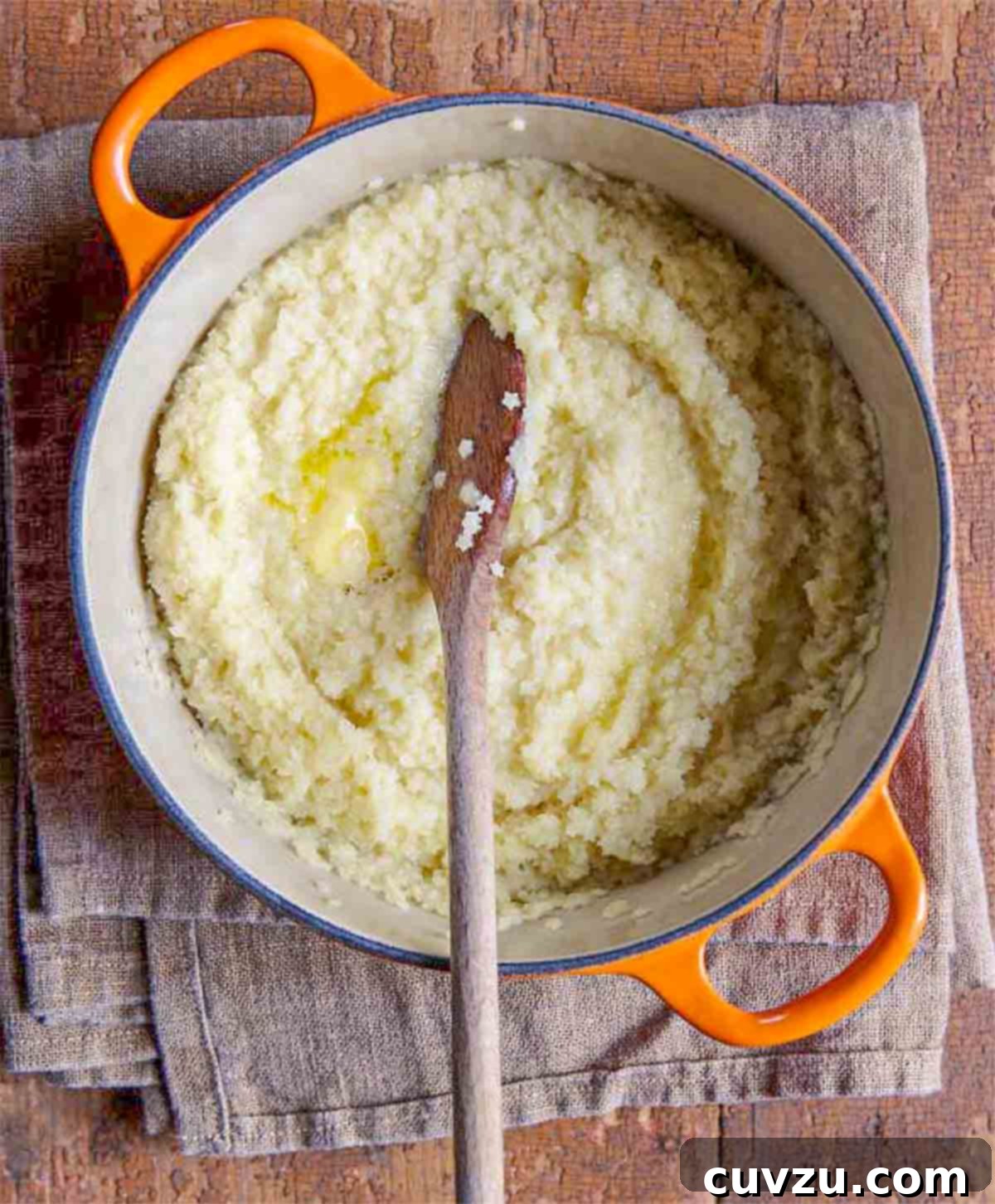
Pastina with butter and milk is more than just a dish; it’s a culinary hug, a timeless Italian comfort food that whispers tales of childhood and simpler times. Crafted from tiny, star-shaped pasta and a handful of pantry staples, this soothing concoction has the remarkable ability to calm and nourish individuals of all ages, from infants taking their first solid bites to adults seeking solace in a bowl of warmth.
As eloquently put by Julia della Croce, a revered author and culinary expert, “Nothing is more emblematic of an Italian childhood than pastina (literally, ‘little pasta’) with butter and milk. It’s baby’s first solid food, remembered in adulthood with great nostalgia.” This profound statement encapsulates the dish’s deep cultural resonance, making it an irreplaceable part of many Italian-American homes and beyond. It’s a dish that transcends generations, offering a consistent sense of security and tender care.
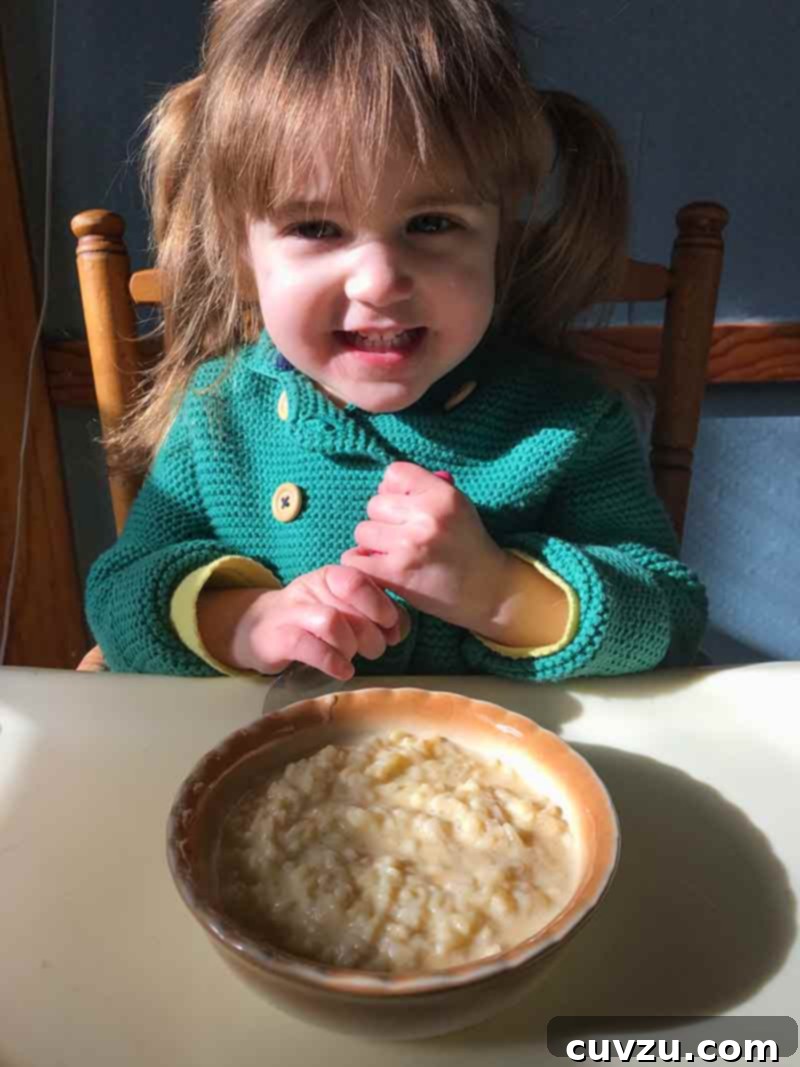
Isn’t it wonderfully charming? Yet, its undeniable cuteness doesn’t confine pastina solely to children’s meals. Indeed, it’s the perfect remedy after a long, challenging day—a dish where these minuscule stars magically make everything feel better in an instant. This simple yet profound meal serves as a gentle reminder that sometimes, the greatest comfort comes in the smallest packages.
So, the next time you find yourself yearning for a touch of uncomplicated bliss, remember the magic of pastina with butter and milk. It’s a dish that fulfills wishes for warmth, comfort, and culinary nostalgia, delivering a comforting embrace with every spoonful. Truly, when you wish upon a star, make sure it’s for a bowl of pastina.
UPDATE: The Ronzoni Pastina Saga – A Culinary Heartbreak
The culinary world, particularly fans of classic Italian comfort food, was sent into a veritable uproar when Ronzoni, a beloved pasta manufacturer, announced its decision to cease production of its iconic pastina. This unexpected news, delivered through social media, ignited a passionate firestorm among millions who grew up with the tiny star-shaped pasta as a childhood staple. The sudden departure of such a deeply cherished product left a void that resonated far beyond the dinner table, touching the very fabric of nostalgic memories for countless individuals.
View this post on Instagram
A post shared by Ronzoni Pasta (@ronzonipasta)
The feedback from consumers was swift, emotionally charged, and overwhelmingly negative. One particularly stinging reply highlighted the sentiment, stating, “At least Barilla still makes it and isn’t trying to murder my childhood 😤.” This comment perfectly encapsulated the sense of betrayal and profound disappointment felt by many. Another user, clearly distressed, expressed a desire to confront the decision-makers: “Who’s the long-term supplier? I just wanna talk.”
However, it was one bereft user who articulated the core of the widespread grief, summing it up with heartfelt precision: “Nothing feels like home, safety, warmth, and comfort like eating a bowl of pastina when you’re sad.” This statement underscores the powerful emotional connection people form with simple, comforting foods, especially those that evoke tender memories of childhood and family. For many, pastina was more than just pasta; it was a symbol of reassurance, a culinary embrace during times of illness or sorrow, and an essential component of growing up.
While other pasta companies do indeed produce various forms of pastina, Ronzoni held a supreme position in the American market for generations, particularly for those recalling their youth. Whether Ronzoni will ultimately stand by its controversial announcement or heed the collective plea to reverse its decision remains to be seen. In the interim, this situation has inadvertently created a sense of urgency for devoted fans to stockpile what might be the last batches of these beloved stars of the pasta world. It’s a testament to the enduring power of food to shape our memories and define our sense of home.

Why Our Testers Adored This Simple Pastina Recipe
Our dedicated recipe testers unanimously praised this Italian pastina recipe for the deep sense of nostalgia it evoked. Helen Doberstein, one of our most seasoned tasters, perfectly encapsulated the sentiment, calling it “good, simple comfort food, something every cook should have in their back pocket.” This dish isn’t just about taste; it’s about evoking fond memories, offering a culinary anchor in a fast-paced world. The sheer ease of preparation combined with its heartwarming nature makes it an essential addition to anyone’s repertoire, ready to deliver comfort whenever needed.
Essential Ingredients for Your Perfect Pastina
Creating the ultimate bowl of pastina with butter and milk relies on selecting the right ingredients. Each component plays a crucial role in achieving that comforting texture and flavor profile we all adore.
- Pasta: The heart of this dish. For truly authentic results, seek out the smallest pasta shapes available. These tiny forms, often star-shaped (stelline), ensure a delicate texture that melts in your mouth and a quick cooking time. Their diminutive size also contributes to the soothing, almost soup-like consistency that makes pastina so comforting.
- Butter: More than just a fat, butter imbues the pastina with a luscious richness and a depth of flavor that is irreplaceable. It’s what transforms simple boiled pasta into a creamy, satisfying meal. Opt for the highest quality unsalted butter you can find. Brands like Kerrygold are celebrated for their superior taste and texture, elevating the dish significantly. Unsalted butter allows you to control the seasoning precisely.
- Milk: The choice of milk greatly influences the creaminess of your pastina. Whole milk is often preferred for its inherent richness, contributing to a wonderfully smooth and velvety sauce that coats each tiny pasta piece beautifully. However, if you’re aiming for a lighter version, low-fat or even non-dairy alternatives like oat or almond milk can also work, though they might alter the classic creamy texture slightly. Always warm the milk slightly before adding it to prevent cooling down the pasta and ensure seamless blending.
- Salt: A fundamental ingredient often overlooked, salt is vital for seasoning the cooking water. It imparts flavor directly into the pasta as it cooks, ensuring the final dish isn’t bland. Use a good quality fine sea salt or kosher salt.
Crafting Your Comfort: Step-by-Step Pastina Instructions
This recipe is celebrated for its simplicity, allowing you to whip up a comforting bowl of pastina in mere minutes. Follow these straightforward steps to achieve perfect results every time.
- Boil and Cook the Pasta: Begin by bringing a generous pot of water (approximately 3 quarts or 12 cups) to a rolling boil. Add about 3 teaspoons of salt to the boiling water—this seasons the pasta from within, enhancing its overall flavor. Stir in your preferred small pasta shape, such as stelline or other tiny pastina. Cook according to the package directions, which is usually just a few minutes given the pasta’s small size. Be careful not to overcook; the pasta should be tender but not mushy.
- Drain and Combine: Once the pasta is cooked to al dente perfection, carefully drain it, making sure to reserve about a cup of the starchy cooking water. This reserved water can be a savior for adjusting consistency later. Immediately transfer the hot, drained pasta into a serving bowl or return it to the pot you used for boiling.
- Melt in the Butter and Milk: While the pasta is still piping hot, add the 3 tablespoons of unsalted butter directly into the pasta. Gently stir, allowing the residual heat to melt the butter, coating every tiny piece. Next, pour in the 1/2 cup of warm milk. Continue stirring until the butter and milk are fully incorporated, creating a creamy, luxurious sauce. If the pastina appears too thick or dries out quickly, add a splash of the reserved warm pasta water, a tablespoon at a time, until it reaches your desired consistency.
- Serve Immediately: Pastina is best enjoyed fresh off the stove. Serve at once to prevent the pasta from clumping together and drying out. Its warmth and delicate texture are truly at their peak when served promptly.
Common Questions About Pastina with Butter and Milk
Absolutely! While “little stars” (stelline) are iconic for pastina with butter and milk, the world of tiny pasta offers countless diminutive shapes that work wonderfully. Explore options like anellini (little rings), acini de pepe (peppercorns, resembling tiny grains), funghetti (little mushrooms), and alfabeti (alphabets), which are particularly fun for kids. Each shape offers a slightly different textural experience, but the key is their small size, which contributes to the dish’s signature comforting feel. However, we admit a certain fondness for the classic wee stars!
This recipe is a masterpiece of classic Italian comfort food, designed to be simple and soothing, especially ideal when you’re feeling under the weather. However, its versatility allows for delightful additions. For a boost of nutrition and texture, our testers enjoyed adding a scoop of frozen mixed vegetables during the last few minutes of cooking. For those craving more richness, a dollop of mascarpone cheese, as suggested by tester Jo Ann Brown, or a generous sprinkling of freshly grated Parmesan cheese at serving can elevate the dish. If you desire a protein kick, consider tossing in some finely diced ham, crispy bacon bits, or a mild Italian sausage. A touch of fresh parsley or a pinch of nutmeg can also add subtle layers of flavor.
The primary distinction between orzo and pastina lies in their size and traditional uses. Orzo, which translates to “barley” in Italian due to its rice-like shape, is a small pasta but significantly larger than most pastina varieties. While orzo is versatile and used in soups, salads, and as a side dish, pastina refers to a category of even tinier pasta shapes, typically reserved for broths, baby food, or very light, comforting meals like this butter and milk version. Think of pastina as the smallest of the small, designed for ultimate tenderness and digestibility.
Pro Tips & Troubleshooting for Perfect Pastina
Even the simplest recipes can benefit from a few expert tips to ensure consistent success and enjoyable results. Here are some pointers for mastering your pastina with butter and milk:
- Storage: Should you find yourself with leftovers (a rare occurrence with this delicious dish!), store them promptly in an airtight container in the refrigerator for up to 3 days. Ensure the pastina has cooled completely before sealing to prevent condensation and maintain quality.
- Reheating: To restore your leftover pastina to its comforting glory, gently warm it in a saucepan over low heat. Pastina tends to absorb liquid and thicken upon standing, so you will likely need to add a splash of milk (or even a little reserved cooking water, if you saved it) to loosen the pasta and bring back its creamy consistency. Stir constantly to prevent sticking.
- Dietary Considerations: This classic pastina recipe is inherently suitable for a vegetarian diet, relying on simple dairy ingredients. For those seeking vegan alternatives, plant-based butter and milk (such as oat or almond milk) can be substituted, though the flavor profile will subtly shift.
- Preventing Clumping: The key to non-clumpy pastina is serving it immediately and ensuring it remains moist. The reserved cooking water is your best friend here. If the pasta starts to dry out, a tablespoon or two of this starchy water can rehydrate it beautifully without diluting the flavor.
- Seasoning: Don’t underestimate the power of salt in the cooking water. It seasons the pasta from the inside out, making the final dish much more flavorful. A tiny pinch of black pepper or a grating of nutmeg can also enhance the butter and milk flavors.
Explore More Delicious Pasta Recipes
If you’ve fallen in love with the simplicity and comfort of pastina, you’ll surely appreciate these other delightful pasta dishes that promise to satisfy your cravings for hearty, flavorful meals. Each recipe offers a unique take on this versatile ingredient, perfect for any occasion.
Share Your Experience: Write a Review
We love hearing from our community! If you make this delightful pastina recipe, or any other dish featured on LC, please consider leaving a review, a star rating, and sharing your best photo in the comments below. Your feedback and culinary creations inspire us all. –David
This was so simple to make and tasted great. It will be a definite go-to recipe for our family.
Susan
Pastina with Butter and Milk: The Ultimate Comfort
David Leite
Mains
Italian
4 servings | ideal for 4 children or 2 adults
237 kcal
10 minutes
10 minutes
20 minutes
Ingredients
- 1 cup “little stars” pastina, or other tiny pastina shapes
- 3 teaspoons salt
- 3 tablespoons (1 1/2 oz) unsalted butter
- 1/2 cup warm milk, plus more if desired
Instructions
-
Bring 3 quarts (12 cups) of water to a vigorous boil in a medium pot. Stir in the pastina and salt, ensuring they are well distributed. Cook the pastina according to the package directions, typically for just a few minutes, until it’s tender.
-
Carefully drain the cooked pastina, making sure to reserve at least 1/2 cup of the starchy cooking water. Immediately transfer the hot pastina into a serving bowl or return it to the warm pot used for boiling.
-
While the pasta is still steaming hot, add the unsalted butter directly into the bowl with the pastina, burying it slightly within the pasta to encourage rapid melting. Stir vigorously until the butter has completely melted and coats all the pasta. Then, pour in the warm milk and continue stirring until a creamy, uniform sauce forms. If a looser consistency is desired, add a little more warm milk or a splash of the reserved cooking water.
-
Serve your comforting pastina with butter and milk immediately to prevent it from drying out or clumping together. For optimal texture and warmth, maintain its moisture by stirring in small amounts of the reserved cooking water as needed during serving.
Notes
- Storage: Any leftover pastina should be stored in an airtight container in the refrigerator for a maximum of 3 days. Ensure it has cooled before sealing.
- Reheating: To reheat, gently warm the pastina in a saucepan over low heat. You might need to add a splash of milk or reserved pasta water to restore its creamy consistency and prevent it from becoming too dry.
- Dietary: This recipe is naturally suitable for a vegetarian diet. For a vegan version, use plant-based butter and milk alternatives.
Adapted From
Italian Home Cooking
Buy On Amazon
Nutrition Facts
Serving: 1 portion
Calories: 237 kcal
Carbohydrates: 29 g
Protein: 6 g
Fat: 11 g
Saturated Fat: 6 g
Monounsaturated Fat: 3 g
Trans Fat: 0.4 g
Cholesterol: 28 mg
Sodium: 1759 mg
Fiber: 1 g
Sugar: 2 g
Nutrition information is automatically calculated and should be used as an approximation only.
Tried this recipe?
Mention @leitesculinaria or tag #leitesculinaria!
Insights from Our Recipe Testers’ Reviews
Our team of dedicated recipe testers put this pastina with butter and milk recipe through its paces, offering valuable feedback and personal insights. Their experiences highlight the dish’s universal appeal and adaptability.
Helen Doberstein
This recipe instantly transports me back to my own childhood. Pastina was my go-to dish when my children were very young, especially when they were feeling a bit fussy or under the weather. It was the one thing I could always count on to keep their spirits up and ensure they got some nourishment. I would often sprinkle a little cheese on top, as for them, cheese simply made everything better. This dish truly is nothing short of good, simple comfort food—a culinary secret weapon every cook should have readily available. I’ve also discovered a delightful variation: when it’s just my sweetie and I for dinner, I toss in a cup of frozen vegetables during cooking for an added layer of flavor and nutrition.
Jo Ann Brown
As an Italian-American, pastina has been a constant companion throughout various stages of my life. From being one of my very first solid foods as a child, to serving as an economical and satisfying meal during my college years, and even becoming a quick, effortless dinner after a long day at work—pastina has always been there. The bottom line is its inherent ease of preparation, its simple profile, and its comforting neutrality. This particular recipe for “stelline” (little stars) presents pastina in its purest, most classic form, a true homage to tradition.
Based on my experience, a key tip: The listed yield for this recipe is quite generous. I would recommend halving the recipe if you’re aiming to serve two adults or four bambinos. For those moments when you’re craving a touch more indulgence, try stirring in a tablespoon or two of luxurious mascarpone cheese or even a bit of tangy fromage blanc. It elevates the dish to pure heaven!
Bette Fraser
Living in a small town, I faced a delightful challenge: I couldn’t find traditional pastina or any of the specific smaller shapes suggested for this recipe. Undeterred, I opted for what was readily available at my local gourmet grocery store—a high-end brand of dried pasta imported from Italy, albeit in a slightly larger, yet still small, shape. My resourcefulness was richly rewarded with a wonderfully delicious-tasting pasta dish!
While I frequently prepare simple pasta with butter, the ingenious idea of incorporating a bit of warmed milk had never occurred to me. This addition introduced a surprising and delightful creaminess that significantly enhanced the dish. It’s a subtle yet impactful touch that truly transforms the meal, making it an enjoyable and comforting experience for both children and adults alike.