Easy Korean Steak: Your Ultimate Weeknight Korean BBQ Experience
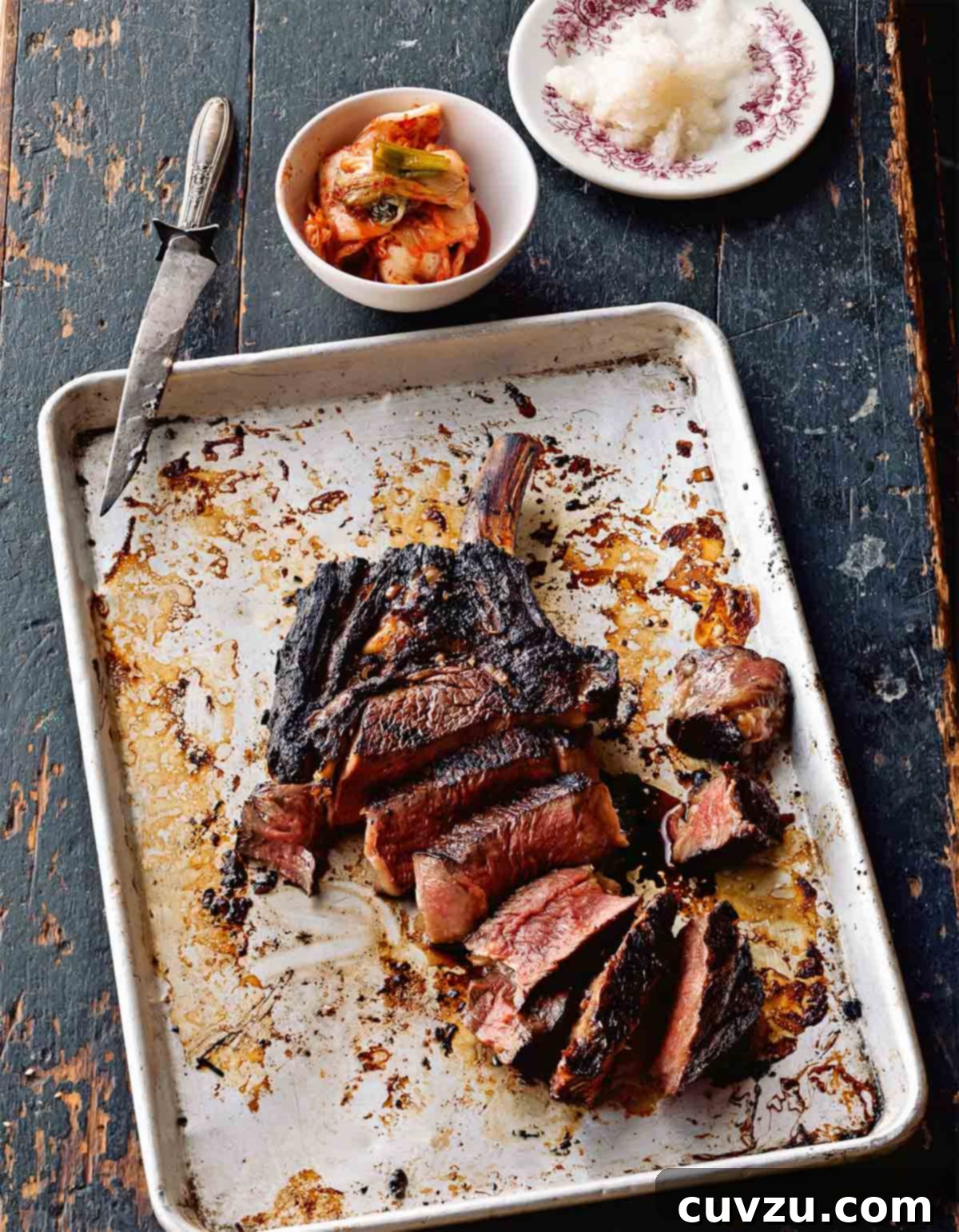
Yearning for the dynamic, savory-sweet essence of Korean barbecue but constrained by time? This remarkable Korean steak recipe brings those mouthwatering flavors directly to your kitchen with surprising ease. Imagine succulent rib eye steaks, expertly marinated in a distinctive blend of soy sauce, the unexpected sweetness of Coca-Cola, aromatic sesame oil, rich hoisin, pungent garlic, and fresh scallions. These marinated beauties are then swiftly grilled, pan-seared, or broiled to tender perfection, creating a dish that’s nothing short of a revelation for busy evenings.
While often compared to its traditional cousin, bulgogi, this recipe confidently carves its own path. Classic bulgogi typically calls for specific, thinly sliced cuts of meat and a more intricate marinade, often including grated pear and ginger, designed to achieve a characteristic melt-in-your-mouth tenderness and complex umami. Our rendition, however, offers a streamlined, yet equally captivating, experience. It delivers the same irresistible salty, sweet, and supremely tender qualities, making it a brilliant shortcut for a quick, enticing meal. The best part? Just 10 minutes of prep in the morning is all it takes to whip up the marinade, allowing your dinner to practically prepare itself while you go about your day. – Inspired by Renee Schettler
Korean Steak
A Fast & Flavorful Korean-Inspired Rib Eye Dinner
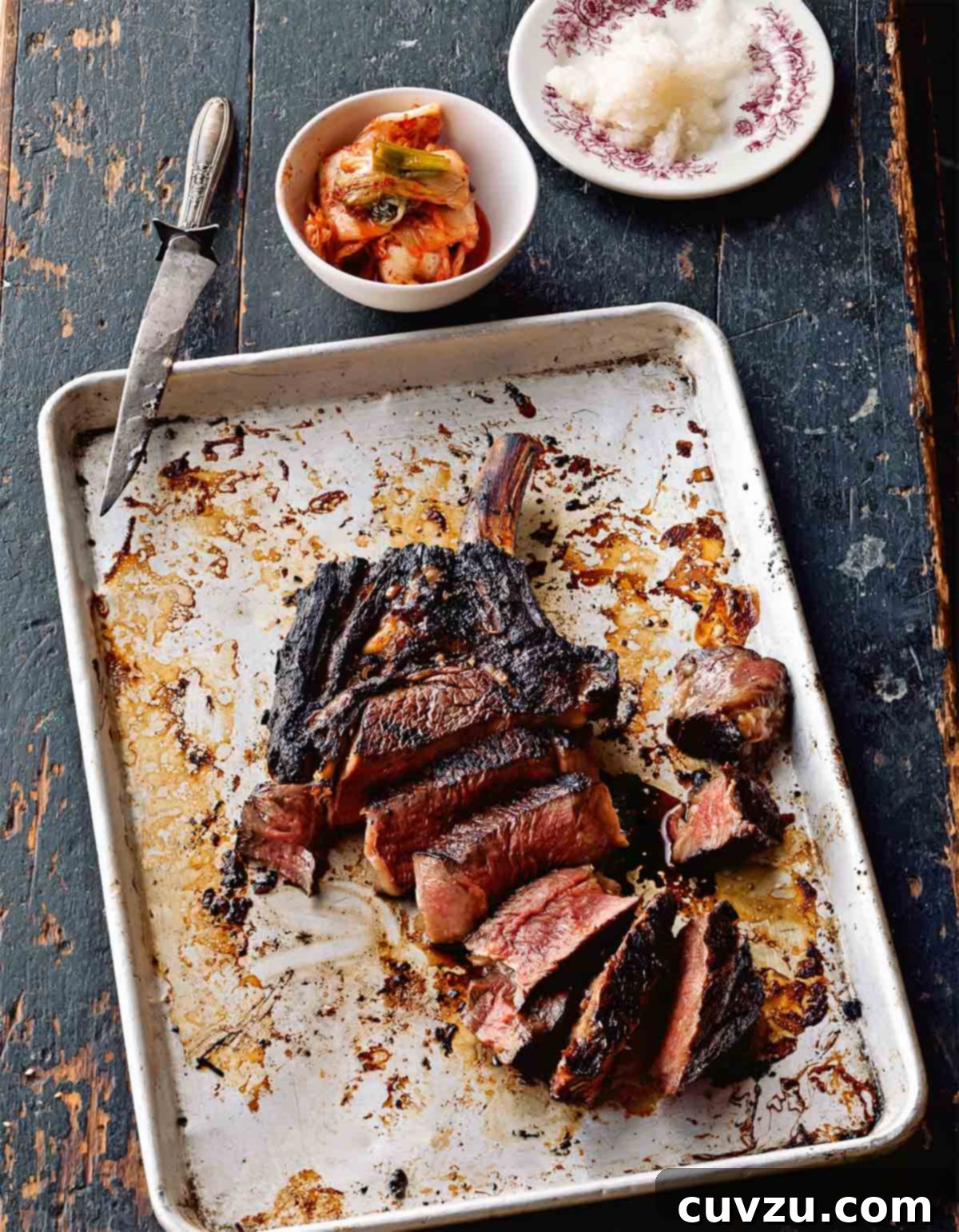
This Korean steak recipe utilizes succulent rib-eye steaks to create an incredibly easy yet deeply flavorful bulgogi-style dish perfect for weeknights. Marinated for optimal tenderness and grilled to a beautiful char, it promises a vibrant and satisfying dinner experience.
Recipe by: David Leite
Ingredients
- 1 cup soy sauce (preferably low-sodium, for better control over salinity)
- 1 cup Coca-Cola (the sugars and acidity act as tenderizers and flavor enhancers)
- 1/4 cup toasted sesame oil (adds a distinctive nutty aroma essential to Korean flavors)
- 1/4 cup hoisin sauce (provides sweet, salty, and umami depth)
- 4 cloves garlic, freshly chopped (for a pungent, aromatic kick)
- 4 scallions, finely minced (for a fresh, mild oniony flavor)
- 2 rib eye steaks (bone-in or boneless, about 1 1/2 inches thick for best results), or other quality steak cuts like sirloin or New York strip
Instructions
-
Step 1: Whisk the Marinade. In a medium-sized bowl, combine the soy sauce, Coca-Cola, toasted sesame oil, and hoisin sauce. Whisk vigorously until all ingredients are thoroughly incorporated and the mixture is smooth. Add the chopped garlic and minced scallions, then whisk again briefly to distribute them evenly throughout the marinade.
-
Step 2: Marinate the Steaks. Choose your preferred method for marinating: either place the rib eye steaks in a large, deep non-reactive dish and pour the marinade over them, ensuring full coverage, then seal tightly with plastic wrap; or, transfer the marinade to a large resealable plastic bag, add the steaks, remove excess air, seal the bag, and gently massage to coat the meat. Whichever method you choose, transfer the steaks to the refrigerator and allow them to marinate for a minimum of 6 hours, but no longer than 12 hours. Marinating for too long, especially with acidic ingredients, can alter the texture of the meat beyond desirable tenderness.
-
Step 3: Bring Steaks to Room Temperature. Approximately 20 to 30 minutes before you plan to begin cooking, remove the marinated steaks from the refrigerator. Place them on a clean plate or cutting board and allow them to rest at room temperature. This crucial step promotes more even cooking. Discard the used marinade to prevent any risk of cross-contamination.
-
Step 4: Cook to Perfection (Choose Your Method):
-
Outdoor Grill Method: Preheat your outdoor grill to a high heat setting. Lay the steaks directly onto the hot grill grates. Grill each side until a desirable char forms, which typically takes about 3 to 5 minutes per side, depending on steak thickness. The goal here is a beautiful sear and caramelization, not complete cooking. Once seared, move the steaks to a cooler, indirect heat zone of the grill and continue cooking until they reach your preferred doneness. For medium-rare, this usually requires an additional 4 minutes, but always check based on thickness. A simple touch test indicates doneness: medium-rare steaks will spring back lightly. For absolute precision, an internal temperature of 115°F (46°C) using a meat thermometer signals medium-rare before resting. This method allows you to avoid turning on your oven.
-
Cast-Iron Skillet or Grill Pan Method: Heat a heavy cast-iron skillet or a grill pan over medium-high heat until it’s piping hot but not smoking. Carefully place the steaks into the hot pan and sear each side for about 4 minutes to develop a rich, flavorful crust. If your steaks are particularly thick (over one pound) or if you prefer a doneness beyond medium-rare, transfer the skillet (with the steaks inside) to an oven preheated to 400°F (204°C) to finish cooking. The exact time in the oven will depend on the steak’s thickness. Aim for an internal temperature of 115°F (46°C) for medium-rare, or use the touch test for desired firmness.
-
Broiler Method: Position an oven rack in the middle or middle-high position and preheat your broiler. Place the steaks on a wire rack that’s set over a rimmed baking sheet. Broil the steaks, turning them once halfway through, until they achieve your desired level of doneness. Broilers cook very intensely, so watch them closely to prevent burning. For medium-well, the meat should feel firm yet springy to the touch. An instant-read meat thermometer reading of 115°F (46°C) is ideal for medium-rare.
-
-
Step 5: Rest and Slice. Once cooked, carefully transfer the steaks to a clean cutting board. Allow them to rest undisturbed for at least 5 minutes before slicing. This resting period is critical; it allows the muscle fibers to relax and reabsorb the flavorful juices, ensuring every slice is incredibly tender and moist. Always slice thinly against the grain for the best texture.
Adapted From

This tantalizing recipe draws inspiration from the critically acclaimed cookbook, American Flavor, offering a fresh and accessible approach to bold tastes.
Buy On Amazon
The Secret Behind the Sizzle: Why This Korean Steak Marinade Is a Game-Changer
At the heart of this extraordinary Korean steak lies its ingeniously simple yet profoundly effective marinade. The star, and perhaps most surprising ingredient, is Coca-Cola. Far from being a mere novelty, the Coca-Cola serves a dual purpose: its natural acidity gently tenderizes the meat, breaking down tough fibers, while its sugars contribute to a magnificent caramelization when cooked. This results in a beautifully charred exterior and an incredibly tender interior that rivals more complex preparations.
The Coca-Cola works in harmony with traditional Korean flavors. Soy sauce provides the fundamental savory, umami base, while hoisin sauce adds a layer of sweet and tangy complexity, along with a glossy finish. Toasted sesame oil infuses the steak with its distinctive nutty fragrance, a signature of Korean cuisine. Freshly chopped garlic and minced scallions contribute essential aromatic depth, balancing the sweetness and adding a vibrant freshness.
This careful combination creates a marinade that infuses the rib eye with a balanced profile – not overly salty, not excessively sweet – but perfectly seasoned, developing a remarkable depth of flavor that lingers on the palate. It’s this thoughtful blend that transforms a simple steak into a culinary highlight, making it a staple for anyone looking to bring exciting new flavors to their dinner rotation without extensive effort.
Selecting and Preparing Your Rib Eye for Best Results
While rib eye is the star of this recipe due to its marbling and tenderness, don’t hesitate to experiment with other cuts if preferred or if rib eye isn’t readily available. Sirloin or New York strip steaks also work beautifully, offering a slightly leaner but still flavorful alternative. When selecting your steak, look for good marbling – those tiny flecks of fat throughout the meat – which contributes significantly to both flavor and tenderness. Aim for steaks that are at least 1 1/2 inches thick; this thickness allows for a great sear on the outside while keeping the inside perfectly juicy and cooked to your desired doneness.
Proper preparation is key. Ensuring the steaks are patted dry before marinating helps the marinade adhere better and penetrate the meat more effectively. And remember the critical step of bringing your marinated steaks to room temperature before cooking. This ensures even heat distribution, preventing the exterior from overcooking while the interior remains underdone.
Mastering the Cook: Expert Techniques for a Perfect Korean Steak
Regardless of your chosen cooking method, a few professional tips will ensure your Korean steak reaches its full potential:
- Achieve the Perfect Char: High heat is essential for developing that coveted charred crust. This browning, known as the Maillard reaction, creates hundreds of new flavor compounds, adding incredible depth to your steak. Don’t be afraid of a smoking hot pan or grill.
- The Indispensable Rest: After cooking, resist the urge to slice immediately. Transfer the steaks to a cutting board and allow them to rest, uncovered, for 5 to 10 minutes. This allows the internal temperature to equalize and the juices, which concentrate in the center during cooking, to redistribute throughout the meat. The result is a uniformly juicy and tender steak.
- Slice Against the Grain: Once rested, slice your steak thinly against the grain of the meat. This technique shortens the muscle fibers, making each bite incredibly tender and much easier to chew. Identifying the grain is simple: look for the long, parallel lines of muscle fibers and slice perpendicularly to them.
- Precision with a Meat Thermometer: While experienced cooks can often judge doneness by touch, an instant-read meat thermometer offers undeniable accuracy. For medium-rare, aim for an internal temperature of 115-120°F (46-49°C) before resting; for medium, target 125-130°F (52-54°C). The temperature will rise a few degrees as the steak rests.
- Avoid Overcrowding: If using a skillet or grill pan, cook steaks in batches if necessary. Overcrowding the cooking surface lowers the temperature, leading to steamed rather than seared meat, which sacrifices the delicious crust and flavor.
Beyond the Plate: Perfect Pairings for Your Korean Steak
This Korean steak is incredibly versatile, making it easy to create a complete and satisfying meal. Here are some ideal accompaniments:
- Steamed Rice: The simplest and most classic pairing. A bowl of fluffy white or brown rice is perfect for soaking up all the savory marinade juices and complementing the rich flavor of the steak.
- Kimchi: The spicy, tangy, and fermented flavors of kimchi offer a refreshing contrast to the steak’s sweetness and richness, cleansing the palate with every bite.
- Quick Pickled Radishes or Cucumbers: Similar to kimchi, these add a delightful crunch and acidic brightness that cuts through the richness of the meat.
- Grilled Vegetables: Asparagus, bell peppers, zucchini, or even thick slices of onion grilled alongside the steak can enhance the smoky flavors and add healthy fiber.
- Green Salad with Sesame Dressing: A light, crisp salad dressed with a simple vinaigrette made with sesame oil, rice vinegar, and a touch of soy sauce provides a refreshing counterpoint.
- Lettuce Wraps: For an interactive dining experience, serve the sliced steak with fresh lettuce leaves (like red leaf or butter lettuce), alongside ssamjang (Korean spicy dipping sauce) or simply the extra marinade (only if it has been boiled after contact with raw meat, otherwise prepare a fresh batch) for a DIY wrap sensation.
Real Kitchens, Real Results: What Our Recipe Testers Discovered
Our dedicated team of recipe testers put this Korean steak recipe through rigorous testing, and their feedback was overwhelmingly enthusiastic, highlighting its ease, tenderness, and exceptional flavor. Here’s a summary of their valuable insights and shared experiences:
Across the board, testers praised the marinade’s effectiveness in delivering a wonderfully tender and juicy steak. Many noted the distinct, yet not overpowering, savory-sweet flavor profile, often marveling at how the Coca-Cola contributed to this unique balance without being overtly detectable. The caramelization and char achieved through various cooking methods (grilling, cast-iron, broiling) were consistently celebrated as a major highlight.
Several testers, like Helen Doberstein and Steve Dunn, found it to be a perfect contender for upcoming grilling seasons, even replicating outdoor BBQ results indoors. Lynne Brenner appreciated the balanced flavors, noting that no single ingredient, not even the potent sesame oil, dominated. Natalie Reebel and Valerie Curtiss highlighted its versatility, with Natalie successfully adapting to different steak cuts and Valerie emphasizing its deliciousness even when starting with frozen steak.
Lori Widmeyer found the marinade subtle but effective, and interestingly preferred it on smaller, more tender cuts like filet mignon, experiencing a more intense flavor. Beth Price’s husband, despite a playful reputation for culinary mishaps, achieved “perfection,” underscoring the recipe’s straightforward nature. Linda Pacchiano reinforced the ease of marinating in a zip-top bag and the benefits of indirect heat for finishing on the grill.
Melissa Maedgen, typically cautious about marinade-focused steak recipes, was genuinely impressed by the “slightly sweet and very aromatic crust,” offering crucial advice on steak thickness and grill temperature for optimal results. Joan Osborne’s family loved it so much it became a birthday request, while Sofia Reino’s daughter declared it “even better than amazing!” Finally, Brenda Carleton successfully made it gluten-free and lauded the “caramelization from the sugars that formed a lovely crust,” despite her traditional bulgogi preferences.
The collective consensus confirms this Korean steak as a highly recommended dish – easy enough for any home cook, adaptable to various cuts and cooking methods, and consistently delivering a flavorful, tender, and memorable dining experience.
Nutrition Facts
- Serving:
- 1 serving
- Calories:
- 460 kcal
- Carbohydrates:
- 19 g
- Protein:
- 30 g
- Fat:
- 30 g
- Saturated Fat:
- 9 g
- Monounsaturated Fat:
- 13 g
- Cholesterol:
- 69 mg
- Sodium:
- 2637 mg
- Fiber:
- 1 g
- Sugar:
- 11 g
Please note: Nutrition information is automatically calculated and should be considered an approximation. Values may vary based on exact ingredients, portion sizes, and preparation methods.