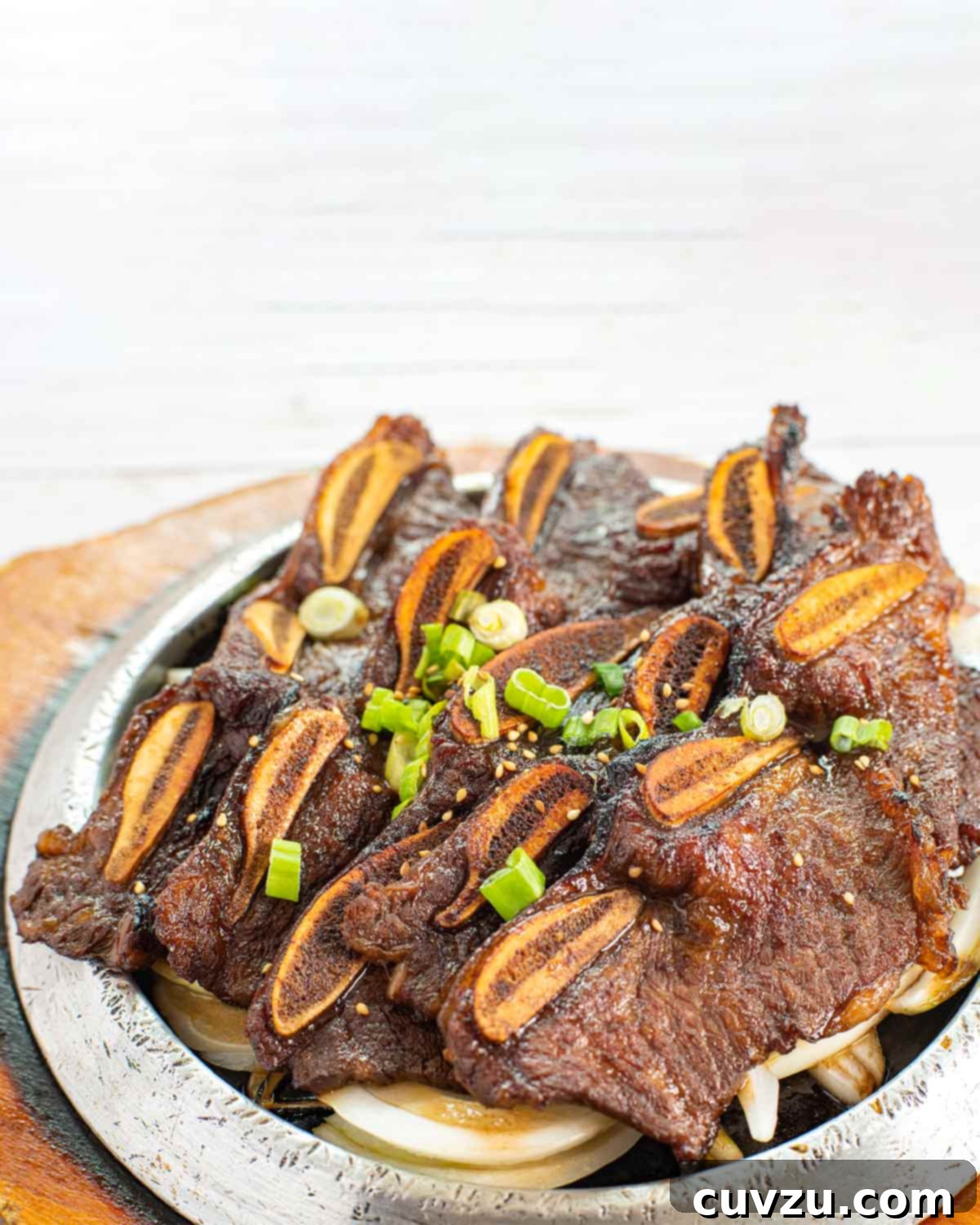
Mastering Authentic Korean Beef Barbecue (Galbi) at Home
Embark on a culinary journey to Korea right from your kitchen! This simple yet authentic recipe brings the beloved flavors of Korean Beef Barbecue, known as Galbi (or Kalbi), straight to your dinner table. Forget expensive restaurant visits; with a few key ingredients and easy steps, you can create succulent, melt-in-your-mouth beef ribs that will impress friends and family alike. The secret lies in a vibrant marinade, a symphony of savory, sweet, and tangy notes, featuring Asian pear, fresh scallions, pungent garlic, rich soy sauce, and a hint of rice vinegar for that irresistible tender texture and depth of flavor.
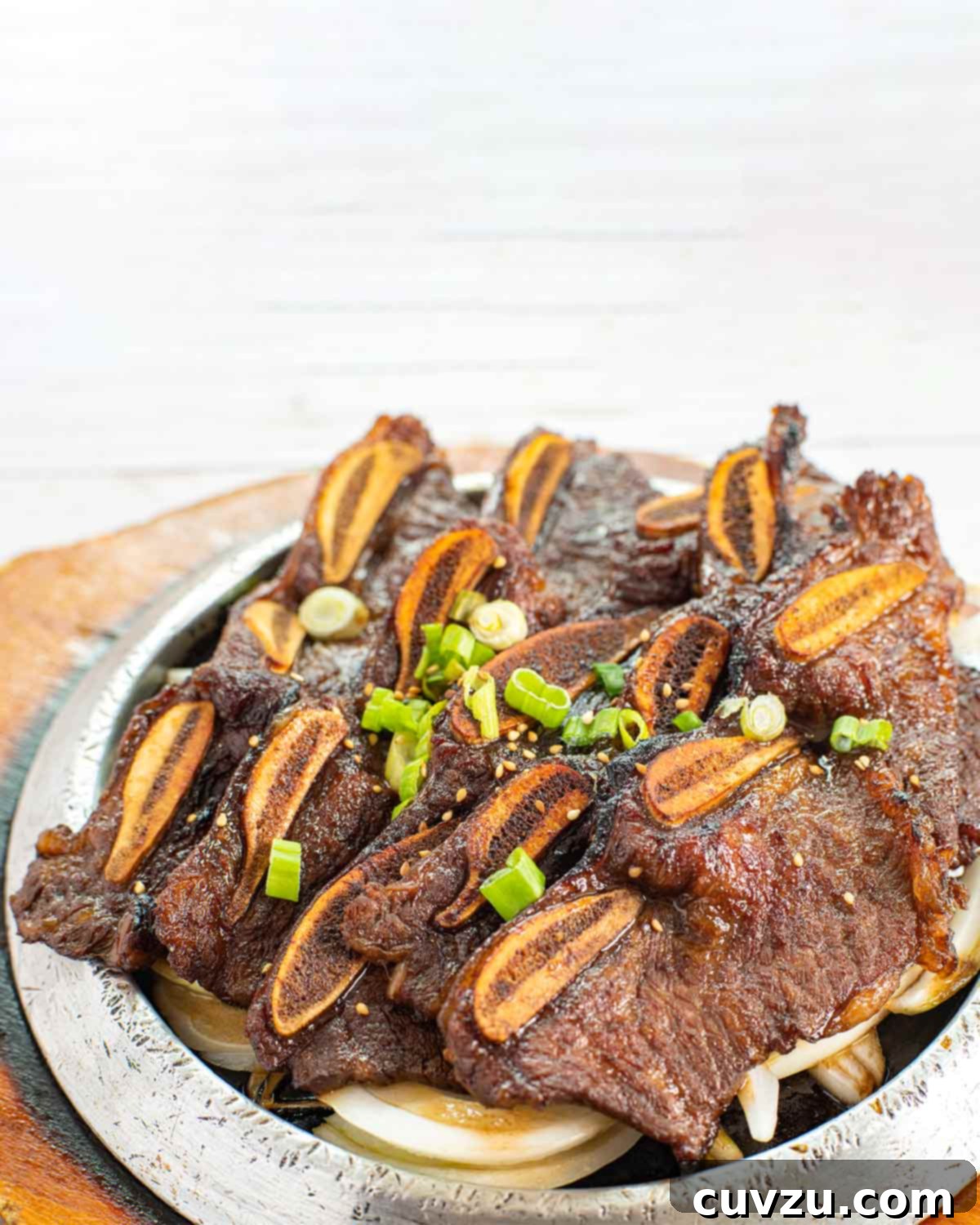
Galbi, meaning “rib” in Korean, is arguably one of the most iconic dishes in Korean cuisine, celebrated for its rich, umami-packed flavor and incredible tenderness. While often associated with grilling over open flames at a Korean BBQ restaurant, this recipe proves that you can achieve equally delicious results with a standard home grill. The preparation is straightforward, focusing on proper meat selection and a powerful marinade that does most of the work for you.
The Right Cut for Perfect Korean BBQ Ribs
The foundation of exceptional Galbi starts with the right cut of beef. For an authentic Korean barbecue experience, ask your butcher for **flanken-style ribs**. These are beef short ribs cut thinly across the bone, typically about 1/2 inch (12 mm) thick. This specific cut is ideal because its thinness allows the marinade to penetrate quickly and deeply, ensuring maximum flavor and tenderness without extensive preparation. Flanken-style ribs are designed for fast grilling, making them a convenient choice for home cooks.
If flanken-style ribs are unavailable, you might find **English-style short ribs**. These are thicker, meatier cuts, usually with a single bone in each piece. While delicious, they require a bit more prep work to achieve the tender results of Galbi. To prepare English-style short ribs for this recipe, you’ll need to butterfly them. Start by making a horizontal cut just above the bone of each rib, slicing almost all the way through the meat but stopping just before you cut it completely apart. Continue making horizontal cuts, unfolding the meat as you go, until it’s about 1/2 inch thick and lays flat. This process increases the surface area for the marinade and helps the meat cook evenly and tenderly. After butterflying, make several very shallow slits across the surface of the meat. These small incisions further aid the marinade in tenderizing the beef and infusing every fiber with flavor, ensuring a truly succulent outcome.
The Magic of the Galbi Marinade: Unveiling Korean BBQ Flavors
The marinade is the heart and soul of this Korean Beef Barbecue. It’s not just about flavor; it’s also about tenderizing the meat, a crucial element for authentic Galbi. This particular marinade boasts a unique blend of ingredients, each playing a vital role in creating the iconic sweet, savory, and umami-rich profile that Korean BBQ is famous for.
How Do I Buy Asian Pears?
The inclusion of Asian pear in this Korean marinade might surprise some, but it’s a traditional and essential ingredient. Asian pears are renowned for their natural tenderizing enzymes (proteases), which gently break down tough meat fibers, resulting in incredibly tender beef. Beyond tenderization, they contribute a subtle, refreshing sweetness that beautifully balances the salty soy sauce and robust garlic, adding a complex fruity note that is distinct to authentic Galbi. These rotund, golden pears are increasingly common in standard produce aisles. When selecting an Asian pear, remember that unlike other pear varieties, they do not soften when ripe. Instead, look for a pear that feels firm and heavy for its size. A ripe Asian pear should also emit a fragrant, slightly floral aroma—don’t hesitate to give it a sniff! Consider grabbing an extra pear to enjoy sliced on the side; it makes for a delightful snack while your ribs marinate. If Asian pears are elusive, a Bosc pear can serve as a suitable substitute. While softer and milder in flavor, its sweetness and slight tartness will still contribute nicely to the marinade, ensuring a delicious result in a pinch.
Beyond the tenderizing power of Asian pears, other ingredients contribute equally to the marinade’s depth:
- Soy Sauce: The cornerstone of the marinade, providing a deep umami flavor and essential saltiness. Choose a good quality, naturally brewed soy sauce for the best results.
- Scallions (Green Onions): Add a fresh, oniony brightness and a hint of pungent flavor that complements the richness of the beef.
- Garlic: A staple in Korean cuisine, garlic infuses the meat with its characteristic aromatic and bold flavor.
- Sugar: Granulated sugar adds the necessary sweetness that defines Galbi, caramelizing beautifully on the grill to create a delicious char.
- Rice Vinegar: Introduces a subtle tanginess that cuts through the richness of the beef and balances the sweetness, brightening the overall flavor profile.
- Water: Helps to thin the marinade, ensuring it evenly coats the ribs and penetrates the meat without being overly concentrated.
The combination of these ingredients creates a complex flavor profile that is both intensely savory and delicately sweet, with a hint of tang and aromatic freshness. Marinating the ribs for 2 to 4 hours is crucial, allowing the flavors to meld and the tenderizing enzymes to work their magic. For an even deeper infusion of flavor and tenderness, marinating for up to 6 hours or even overnight is also an excellent option, particularly if you’re using thicker cuts or desire an extra-tender result.
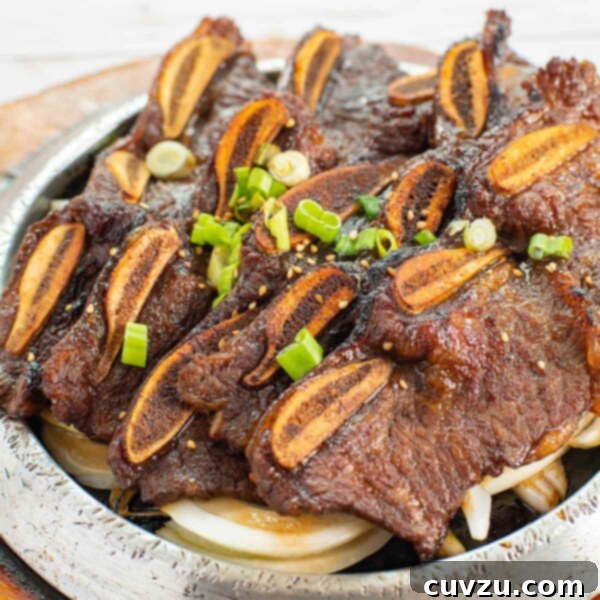
Korean Beef Barbecue
David Leite
6
servings
391
kcal
15
5
2
20
Ingredients
- 1 large Asian pear, peeled, cored, and roughly chopped
- 3 scallions, trimmed and roughly chopped
- 6 large garlic cloves
- 2 cups water
- 3/4 cup soy sauce
- 1/3 cup granulated sugar
- 1/4 cup rice vinegar
- 12 flanken-style beef ribs (4 lbs | 1.8 kg), 1/2 inch (12-mm) thick
- 2 tablespoons toasted sesame seeds, for garnish
Instructions
-
In the bowl of a food processor, finely chop the pear, scallions, and garlic. Add the water, soy sauce, sugar, and the rice vinegar. Process until well combined and smooth.
-
Place the ribs in a large, non-reactive bowl or a resealable plastic bag. Pour the prepared marinade over the ribs. Mix thoroughly to ensure each rib is evenly coated. Cover the bowl or seal the bag and refrigerate for 2 to 4 hours. For an even richer flavor and more tender meat, you can marinate them for up to 6 hours or overnight.
-
Prepare your grill for direct cooking over high heat, aiming for a temperature range of 450°F to 550°F (230°C to 290°C). Allow the grill grates to heat thoroughly.
-
Brush the cooking grates clean to prevent sticking. Carefully lift the ribs from the marinade one at a time, allowing any excess liquid and solid bits to drip back into the bowl. Discard the remaining marinade once all ribs are removed.
-
Grill the ribs directly over the high heat with the lid open. Cook until they develop a beautiful char on both sides and reach your desired doneness, typically medium or medium-rare. This usually takes 3 to 5 minutes total, turning them occasionally to ensure even cooking and charring. Remove the grilled ribs from the grill and immediately sprinkle generously with toasted sesame seeds before serving.

Adapted From
Weber’s Way to Grill
Buy On Amazon
Nutrition
Calories: 391 kcal
Carbohydrates: 21 g
Protein: 45 g
Fat: 15 g
Saturated Fat: 6 g
Trans Fat: 1 g
Cholesterol: 137 mg
Sodium: 1786 mg
Fiber: 2 g
Sugar: 16 g
Nutrition information is automatically calculated, so should only be used as an approximation.
Tried this recipe?
Mention @leitesculinaria or tag #leitesculinaria!
Grilling to Perfection: Techniques for Succulent Galbi
Grilling Galbi is a quick process, thanks to the thin cut of the ribs and the tenderizing marinade. The goal is to achieve a beautiful char on the outside while keeping the inside juicy and tender. High heat is essential for this. Whether you’re using a gas grill or a charcoal grill, preheat it thoroughly to 450°F to 550°F (230°C to 290°C). Direct cooking is preferred, meaning the ribs are placed directly over the heat source.
Before placing the marinated ribs on the grill, ensure your grates are clean and lightly oiled to prevent sticking. When grilling, work in batches if necessary to avoid overcrowding the grill, which can lower the temperature and lead to steaming rather than searing. Cook the ribs with the lid open, turning them every minute or so. This frequent turning helps achieve an even char and prevents them from burning too quickly on one side. Look for deeply caramelized edges and a rich brown crust. The cooking time is very short, typically 3 to 5 minutes total for medium-rare to medium doneness. Remember, thinly sliced beef cooks rapidly, so vigilance is key to avoid overcooking. Once cooked, transfer the ribs to a platter, sprinkle with toasted sesame seeds for an added nutty crunch and visual appeal, and serve immediately.
Serving Your Homemade Galbi
Authentic Korean Beef Barbecue is a communal experience, often served with an array of complementary side dishes known as *banchan*. To recreate this experience at home, serve your perfectly grilled Galbi with:
- Steamed White Rice: A staple that perfectly balances the rich flavors of the meat.
- Kimchi: Fermented spicy cabbage, offering a tangy, spicy, and refreshing contrast.
- Ssam (Lettuce Wraps): Offer crisp lettuce leaves (such as red leaf or green leaf lettuce) along with ssamjang (a spicy dipping sauce) for guests to wrap the meat, rice, and other condiments.
- Assorted Banchan: Consider adding other Korean side dishes like pickled radishes, seasoned spinach (sigeumchi namul), or bean sprouts (kongnamul muchim) for a truly authentic spread.
- Garnish: Fresh green onions (scallions) and additional toasted sesame seeds can be sprinkled over the cooked ribs just before serving for extra flavor and presentation.
The combination of savory, sweet, and spicy elements, along with varying textures, creates a harmonious and incredibly satisfying meal that epitomizes the joy of Korean dining.
Recipe Testers’ Reviews
Our dedicated team of recipe testers puts every dish through its paces to ensure optimal results. Here’s what Brenda Carleton had to say about this Korean Beef Barbecue:
Brenda Carleton
Oh, yum. The Asian pear in this recipe truly captured my attention from the start. Its subtle sweetness added a delightful complexity, elegantly complementing the fresh scallions, robust garlic, salty soy sauce, and tangy rice vinegar in the marinade. I shrewdly set aside about 1/2 cup of the marinade, which I then reduced down to a luscious 1/4 cup sauce to serve alongside the grilled ribs – a decision that proved absolutely delicious and enhanced every bite!
Due to a particularly busy day, I ended up marinating the ribs for five hours instead of the suggested two to four. This extended marinating time was definitely not too long; in fact, I felt a few more hours would have been just perfect for an even deeper flavor infusion and tenderness. Regardless, the results were incredibly tasty, especially when sprinkled with the toasted sesame seeds, which added that wonderful extra bit of nuttiness and a satisfying crunch. Had the recipe not called for sesame seeds, I might have been tempted to add crushed peanuts for a similar effect. While our flanken ribs were a tad gristly this time, I’d confidently opt for flank steak next time, marinating it longer and slicing it extremely thin to ensure an even more tender experience.
Conclusion: Your Korean BBQ Adventure Awaits
Bringing the vibrant and mouthwatering flavors of Korean Beef Barbecue into your home has never been easier. This recipe offers a clear path to creating tender, flavorful Galbi that rivals your favorite Korean restaurant. From selecting the perfect cut of beef to mastering the balance of flavors in the Asian pear marinade and achieving that ideal char on the grill, you’re now equipped with all the knowledge to impress. So fire up your grill, gather your ingredients, and prepare to delight in a culinary experience that is both authentic and incredibly rewarding. Enjoy the rich aromas and unforgettable taste of homemade Korean BBQ!