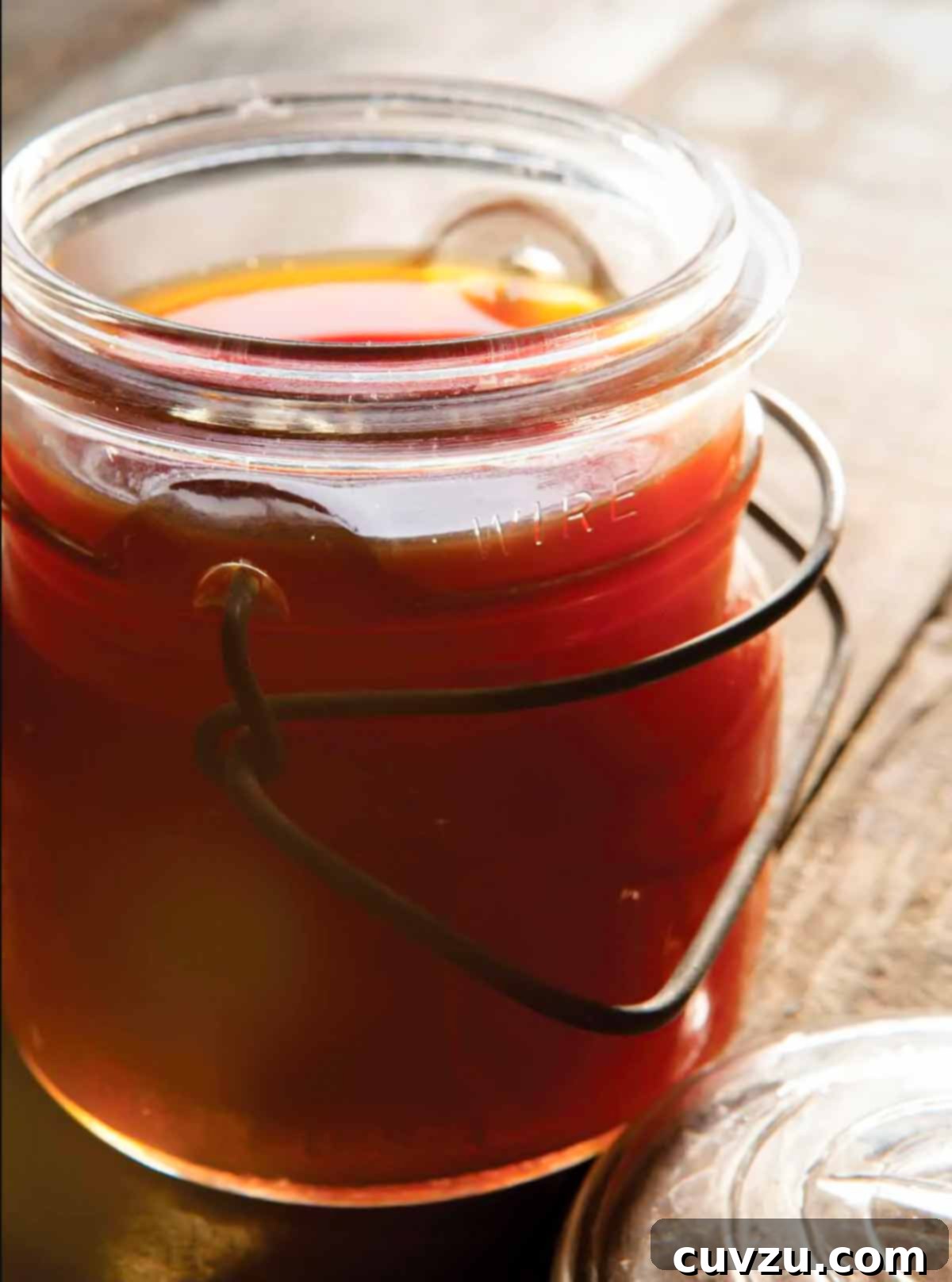
Homemade Beef Bone Broth: A Comprehensive Guide to Nourishment and Flavor
Discover the ancient secret to robust health and culinary depth with homemade beef bone broth. This comprehensive guide simplifies the process of making nutrient-rich bone broth from scratch, using just bones, vinegar, and water. Whether you’re a seasoned chef or a home cook looking to enhance your diet, this paleo-friendly elixir offers a versatile foundation for countless recipes and a wealth of health benefits. We’ll walk you through the preparation, offer expert advice on sourcing the best bones, and share tips for achieving the perfect batch every time.
The Timeless Elixir: Bone Broth vs. Beef Stock
In recent years, “bone broth” has surged in popularity, often presented as a new health revelation. However, for centuries, cultures worldwide have recognized the profound value of slow-simmered bone concoctions. What we now call “bone broth” was simply known as beef stock, a culinary staple valued for its flavor and restorative properties. While the name may have evolved, the essence remains the same: transforming humble beef bones into a deeply nourishing liquid.
This recipe embraces a minimalist philosophy, focusing on the fundamental richness of beef bones without the distraction of numerous aromatics. This approach allows the pure, robust flavor of the bones to shine through, creating a versatile base that can be customized to your taste. If you’re accustomed to adding carrots, celery, onions, or other vegetables to your stock, feel free to incorporate them into this version. The beauty of homemade broth is its adaptability.
You might wonder about the addition of vinegar, a common ingredient in many bone broth recipes. While some believe it helps draw more minerals from the bones and marrow, scientific research definitively proving this is still emerging. Regardless, its inclusion often contributes to a classic beef stock taste that we find undeniably appealing, making it a worthwhile addition for flavor and tradition.
Unlocking the Power of Bone Broth: Key Health Benefits
Beyond its culinary appeal, beef bone broth is celebrated for a range of impressive health benefits, making it a valuable addition to a balanced diet. Its nutrient-dense profile, derived from hours of slow simmering, concentrates vital compounds that can support various bodily functions.
Gut Health Support
Bone broth is rich in gelatin, which transforms into collagen in the body. Collagen contains amino acids like glutamine, proline, and glycine, known to support gut lining integrity. Many believe that regular consumption can help “seal and heal” the gut, potentially aiding in digestion, reducing inflammation, and supporting overall digestive wellness.
Joint Health and Mobility
The collagen and gelatin in bone broth are essential for healthy connective tissues, including those found in our joints. As we age, our natural collagen production declines, leading to joint stiffness and discomfort. Consuming bone broth provides the building blocks for collagen, along with glucosamine and chondroitin, which are vital components of cartilage and can contribute to improved joint flexibility and reduced pain.
Radiant Skin, Hair, and Nails
Collagen is the primary structural protein in our skin, hair, and nails. Regular intake of bone broth can supply the body with the amino acids needed to maintain skin elasticity, strength, and hydration, potentially reducing the appearance of wrinkles. It can also promote stronger, shinier hair and healthier nails.
Immune System Boost
A healthy gut is intrinsically linked to a strong immune system. The gut-supportive compounds in bone broth can indirectly enhance immune function. Additionally, the amino acids and minerals contribute to overall bodily resilience, helping your body ward off illness and recover more effectively.
Rich in Essential Minerals
Slow simmering bones releases a spectrum of beneficial minerals, including calcium, magnesium, phosphorus, and potassium. These minerals are crucial for bone density, nerve function, muscle contraction, and maintaining proper fluid balance. While the exact mineral content can vary, bone broth offers a bioavailable source of these vital nutrients.
Anti-Inflammatory Properties
Certain amino acids, like glycine and arginine, found in bone broth, possess anti-inflammatory properties. These compounds can help calm systemic inflammation, which is implicated in numerous chronic health conditions. Incorporating bone broth into your diet may contribute to a reduction in overall bodily inflammation.
Hydration and Electrolytes
During prolonged cooking, water soluble minerals are released into the broth, which can help replenish electrolytes, especially important during illness, intense physical activity, or simply for daily hydration. Sipping warm bone broth can be a comforting and effective way to stay hydrated.
Choosing the Best Bones for Superior Beef Bone Broth
The quality of your bone broth starts with the quality of your bones. To create a truly healthful and flavorful broth, prioritize sourcing high-quality beef bones. Here’s what to look for:
- Grass-Fed and Organic: Opt for bones from grass-fed and preferably organic beef. These animals are typically healthier, resulting in bones that contain higher amounts of beneficial compounds such as Conjugated Linoleic Acid (CLA), Alpha-Linolenic Acid (ALA), and Omega-3 fatty acids, all known for their strong anti-inflammatory properties. Furthermore, these bones are free from hormones, antibiotics, and other undesirable substances often found in conventionally raised beef.
- Variety of Bones: For a well-rounded broth, consider using a mix of different bone types:
- Marrow Bones: These are excellent for their rich flavor and the nutritious marrow they contain, which adds a creamy texture and beneficial fats to your broth.
- Knuckle Bones and Joint Bones: Rich in collagen and gelatin, these bones are key for a broth that gels when cooled, indicating a high concentration of beneficial proteins for joint and gut health.
- Oxtail: While pricier, oxtail adds incredible flavor and gelatin thanks to the cartilage and meat attached to the bones.
- Feet (optional): Beef feet are exceptionally high in gelatin and can contribute to a very thick, nutrient-dense broth.
- Sourcing Tips:
- Local Butcher: Your local butcher is often the best resource for high-quality bones. They can typically provide a good mix and may even have them at a lower cost than packaged alternatives.
- Health Food Stores: Check the butcher counter or the freezer section of natural and health food stores. They usually carry grass-fed and organic options.
- Farmers’ Markets: Local farmers’ markets can be a great place to find bones directly from sustainable farms.
- Online Retailers: Several online companies specialize in delivering grass-fed and organic bones directly to your door.
Classic Homemade Beef Bone Broth Recipe
This simple yet potent beef bone broth recipe is designed for maximum flavor and health benefits. It’s easy to prepare and adaptable to various cooking methods, yielding a versatile liquid that enriches any dish calling for beef stock.
Equipment
- Large stock pot, or a slow cooker, or a pressure cooker
Ingredients
- 5 pounds beef marrow bones (raw or cooked leftovers), rinsed and patted dry
- 5 quarts (20 cups) cold water
- 2 tablespoons cider vinegar
- 1 tablespoon salt, plus more to taste
- Two bay leaves, (optional)
- Vegetables and aromatics, such as onions, carrots, celery, garlic, parsnips, mushrooms, parsley, and so on, (optional)
Instructions
- Preheat Oven & Roast Bones: Preheat your oven to 400°F (204°C). Pat the beef bones thoroughly dry. Arrange them in a roasting pan and roast in the preheated oven for about 30 minutes, or until they are deeply aromatic and nicely browned. Roasting the bones adds a significant depth of flavor to your broth.
- Pro Tip for Scaling: If you wish to adjust the quantity of this recipe, remember a simple ratio: use 1 pound of bones for every 1 quart (4 cups) of water. For each pound of bones, add 1 teaspoon of salt and 1/2 tablespoon of cider vinegar.
- Simmering Methods: Choose your preferred cooking vessel for the next step:
- Stock Pot Method: Transfer the roasted bones to a large stock pot. Add the cold water, cider vinegar, salt, and bay leaves (if using). Cover the pot and bring the mixture to a rolling boil. Once boiling, reduce the heat to a very gentle simmer. Partially cover the pot and cook for 12 to 24 hours. Periodically skim any foam or impurities that rise to the surface to ensure a clear broth. If the bones begin to become exposed, add a little more water to keep them submerged.
- Slow Cooker Method: Place the roasted bones in your slow cooker. Add the cold water, cider vinegar, salt, and bay leaves (if using). Cover the slow cooker and cook on the low setting for 24 to 48 hours. As with the stock pot, skim any impurities that float to the surface. Ensure bones remain covered with water, adding more if necessary.
- Pressure Cooker Variation: For a faster method, combine the roasted bones, cold water, cider vinegar, salt, and bay leaves (if using) in a pressure cooker. Secure the lid and cook under pressure for 1 to 3 hours.
- Strain and Season: Once cooking is complete, carefully strain the bone broth through a fine-mesh sieve, discarding all solids. Taste the broth and adjust seasoning with additional salt if desired. Allow the broth to cool completely to room temperature. As it cools, a layer of fat will solidify on the surface. Skim this fat off prior to using or storing the broth.
- Eco-Friendly Fat Tip: The Genuine Food Company, a CSA in Maryland, offers a wonderful suggestion for the congealed fat: instead of discarding it, mix it with birdseed and place it in a net bag to hang from a tree in winter, or simply smear it into the crotch of a tree. Birds will appreciate this nutritious treat!
- Storage: Store the cooled and skimmed beef bone broth in an airtight container. It will keep fresh in the refrigerator for up to 3 days. For longer storage, freeze the broth for up to 3 months. Consider portioning the broth into 1-cup increments before freezing for convenient thawing of exact amounts as needed.
Adapted From
The Bone Broth Miracle
Nutrition
Calories: 109 kcal
Carbohydrates: 0.3 g
Protein: 1 g
Fat: 12 g
Saturated Fat: 0.01 g
Monounsaturated Fat: 0.01 g
Sodium: 1202 mg
Fiber: 0.1 g
Sugar: 0.02 g
Nutrition information is automatically calculated and should be used as an approximation.
Tried this recipe? Mention @leitesculinaria or tag #leitesculinaria!
Tips for Crafting the Perfect Beef Bone Broth
While the recipe above provides a solid foundation, a few extra tips can elevate your bone broth from good to truly exceptional:
- Always Start with Cold Water: Adding cold water to your bones allows the impurities to slowly rise to the surface, making them easier to skim off for a clearer broth.
- Don’t Forget the Vinegar: Even without definitive scientific proof, many chefs and home cooks swear by the vinegar’s ability to help extract more nutrients and give a brighter flavor. Don’t skip it!
- Low and Slow is the Way to Go: The long, gentle simmer is crucial. It allows the collagen and minerals to slowly dissolve into the liquid without boiling away delicate compounds or emulsifying fats, which can lead to a cloudy broth.
- Skim Regularly: During the first few hours of simmering, foam and impurities will rise. Skimming these off results in a cleaner, clearer broth with a purer flavor.
- Avoid Overfilling: If using a slow cooker or pressure cooker, ensure you leave enough headspace for proper functioning and to prevent boil-overs.
- Chill Before Skimming Fat: It’s much easier to remove solidified fat from chilled broth. This step also contributes to a cleaner taste and texture.
- Don’t Throw Out the Marrow: If you use marrow bones, don’t discard the roasted marrow! It’s delicious spread on toast or mixed into a savory dish.
Versatile Uses for Your Homemade Beef Bone Broth
Once you have a batch of homemade beef bone broth, its culinary applications are virtually endless. It’s more than just a soup base; it’s a fundamental building block for enhanced flavor and nutrition in your cooking.
- Sip It Straight: Many enjoy a warm mug of bone broth on its own, especially in the morning or as a comforting evening drink. It’s hydrating and provides a gentle warmth.
- Soups and Stews: This is its most obvious use. Bone broth adds a richness and depth that store-bought stocks simply cannot match. Use it as the base for beef stew, French onion soup, minestrone, or any hearty soup.
- Cooking Grains: Replace water with bone broth when cooking rice, quinoa, couscous, or pasta to infuse them with savory flavor and added nutrients.
- Sauces and Gravies: Use bone broth to deglaze pans or as the liquid component in gravies and pan sauces. It creates a richer, more complex flavor profile.
- Braising Meats: Braise tough cuts of meat in bone broth for hours until tender and flavorful. The broth will infuse the meat with its goodness and create a delectable sauce.
- Smoothies (Savory): For an unexpected nutritional boost, some add cooled bone broth to savory smoothies, often combined with vegetables and herbs.
- Hydration and Recovery: During illness, especially colds or flu, sipping warm bone broth can provide easily digestible nutrients, electrolytes, and soothing warmth.
Experiment with your homemade broth to discover new ways to integrate its incredible flavor and health benefits into your daily meals. The difference it makes in your cooking will be noticeable, and your body will thank you for the nourishment.
Recipe Testers’ Reviews
Kristen Kennedy
I make this basic beef bone broth recipe religiously every fall and freeze it so it’s on hand all winter. It’s wonderful added to any soup or stew and a tea cup-full when one has the flu can almost perform miracles. This is a great addition to anyone’s repertoire of classic beef, chicken, shellfish, and vegetable stocks. I browned the bones before adding them to the stock pot—I feel this is always an important step when adding layers of flavor.
Amelia Lundy
The flavor of this beef bone broth is simply the essence of marrow. There was no foam to skim. I used the slow cooker on low for 24 hours and kept it covered, because the broth did not come to vigorous enough simmer that would cause shaking and lead to cloudiness. There was not a ton of fat, as most of it was rendered during roasting. I got 1 3/4 quarts bone broth from 2 pounds bones. In terms of taste, it’s a very basic bone broth. It was very difficult to de-grease anything the broth touched—I had to wash my slow cooker 3 times to get it clean again!