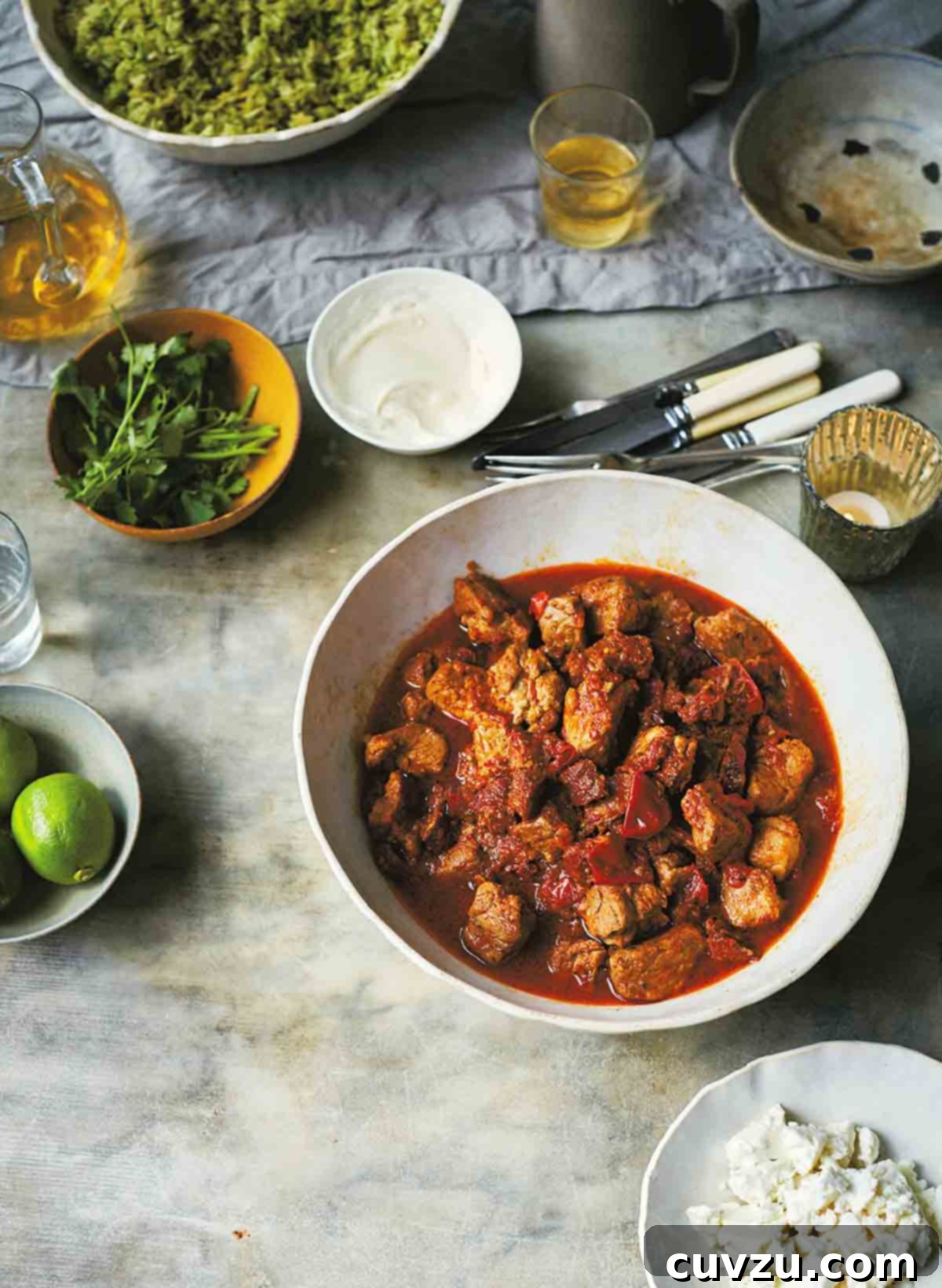
Authentic Pork Tinga Recipe: A Mexican Comfort Food Masterpiece
Dive into the rich, smoky, and deeply satisfying flavors of Pork Tinga, an authentic Mexican stew that promises to become a cherished favorite in your culinary repertoire. This slowly simmered pork dish, a celebrated classic known as Tinga Poblana, masterfully combines the vibrant essence of roasted tomatoes, the distinct smoky heat of chipotle chiles, the savory depth of chorizo, and the aromatic sweetness of onions. It’s a dish that embodies true Mexican comfort food, offering layers of robust flavor that are both complex and incredibly approachable.
Whether you’re tucking it into warm tortillas for hearty tacos, spooning it generously over fluffy rice, or simply enjoying it straight from the bowl, pork tinga is an experience in culinary delight. Adorned with fresh avocado slices, a dollop of cool sour cream, a sprinkle of bright cilantro, crumbled queso fresco, and a squeeze of zesty lime, it transcends a mere meal to become a true feast for the senses. As acclaimed food writer Angie Zoobkoff aptly describes, it’s “as complex, as robust, as rich, and as unbelievably satisfying as you’re imagining.”
What is Pork Tinga? Unveiling a Mexican Culinary Gem
Pork Tinga, or Tinga Poblana, hails from the vibrant state of Puebla in central Mexico. This traditional stew is characterized by its signature smoky, slightly spicy, and tangy tomato-based sauce, which lovingly coats tender shreds of pork. The magic of tinga lies in its slow cooking process, allowing the diverse flavors of its core ingredients – especially the roasted tomatoes and rehydrated chipotle chiles – to meld into a harmonious and deeply aromatic dish. While traditionally made with pork, variations using chicken are also popular, but it’s the rich texture and flavor of pork shoulder that truly makes this dish shine.
Why This Authentic Pork Tinga Recipe Will Be Your New Favorite
This Pork Tinga isn’t just another recipe; it’s an invitation to experience a culinary tradition that delights with every bite. Here’s why this dish is destined to become a staple in your kitchen:
- Unforgettable Flavor Profile: The genius combination of smoky chipotle chiles, sweet and savory roasted tomatoes, rich chorizo, and aromatic spices creates an unparalleled depth of flavor. Each ingredient plays a crucial role in building a complex and utterly delicious sauce that coats every tender piece of pork.
- Perfect for Meal Prep: Like many stews, Pork Tinga only gets better with time. The flavors deepen and meld beautifully overnight, making it an ideal dish for preparing ahead for easy weeknight dinners or flavorful lunches throughout the week.
- Versatile Serving Options: From classic tacos and tostadas to hearty rice bowls or even as a filling for burritos and enchiladas, the ways to enjoy Pork Tinga are endless. It adapts effortlessly to your preferred meal style.
- Impressive Yet Approachable: While the resulting dish is rich and sophisticated enough for entertaining, the cooking process itself is straightforward. Mostly involving simmering, it’s accessible for home cooks of all skill levels, requiring more patience than intricate technique.
- Ultimate Comfort Food: There’s a soulful satisfaction that comes from a slow-cooked stew. Pork Tinga delivers warmth, richness, and a comforting embrace with every spoonful, making it perfect for cozy evenings or family gatherings.
Pork Tinga
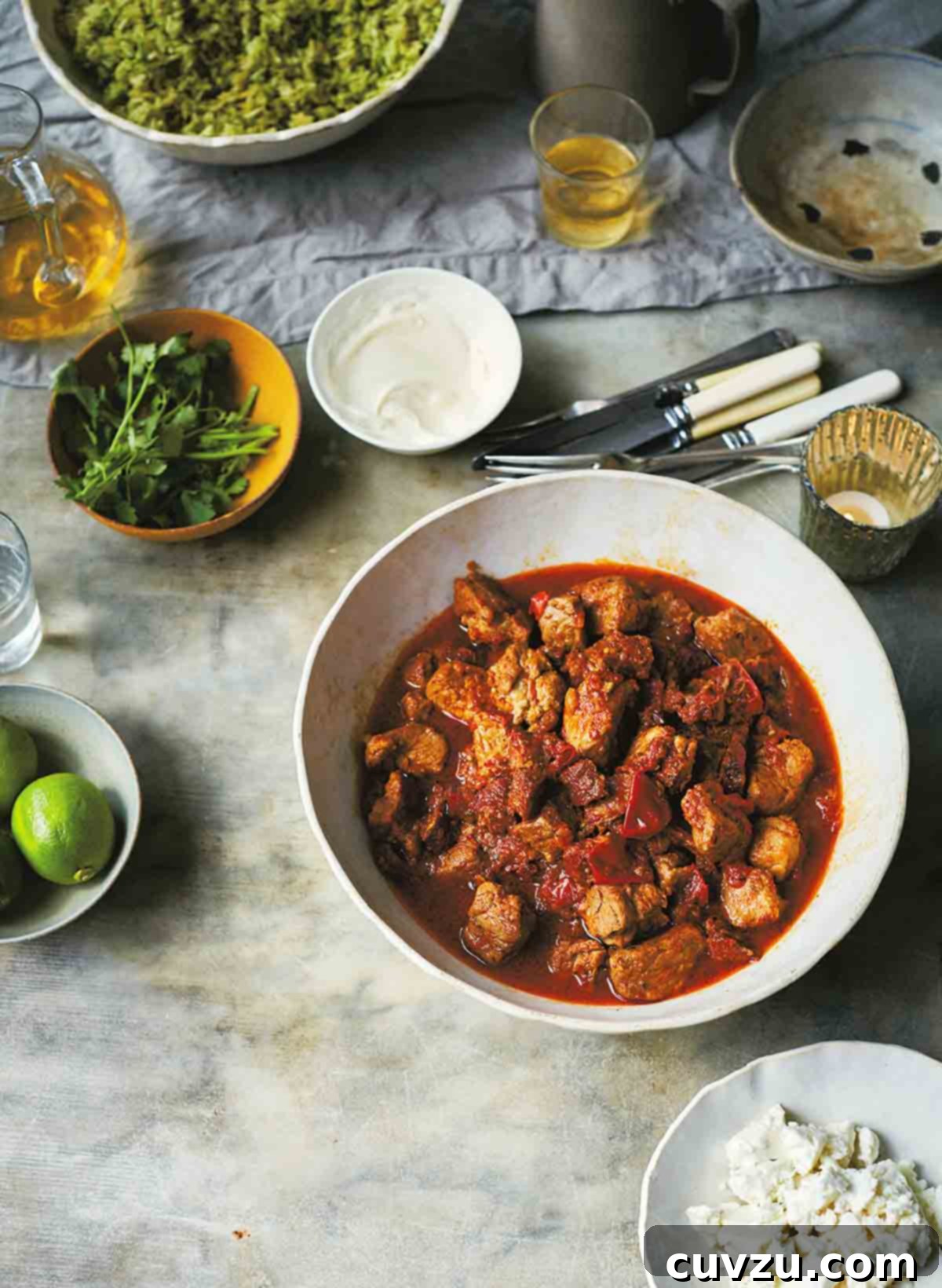
Pork tinga, an authentic Mexican dish, is a slowly simmered pork stew made with roasted tomatoes, chipotle chiles, chorizo, and onions. When topped with avocado, sour cream, cilantro, queso fresco, and lime, it’s comfort food at its finest.
David Leite
PIN
Ingredients
For the Tinga Stew
For Serving (Optional, but highly recommended)
Instructions
Part 1: Preparing the Flavor Base and Pork
- Step 1: Prep the Oven and Chiles. Begin by preheating your oven to 400°F (200°C). In a small heatproof bowl, place the dried chipotle chiles and cover them with just enough boiling water. Allow them to soak for approximately 30 minutes to rehydrate and soften, which is crucial for their texture and flavor.
- Step 2: Roast the Tomatoes. While the chiles are soaking, arrange the halved plum tomatoes, cut-side up, in a single layer on a large roasting pan or rimmed baking sheet. Lining the pan with aluminum foil will make cleanup significantly easier. Drizzle the tomatoes generously with olive oil, season them with sea salt and freshly ground black pepper, and sprinkle evenly with the light brown sugar. Roast in the preheated oven for about 1 hour, or until the tomatoes begin to collapse, shrink, and show desirable slight charring in places. This roasting step concentrates their sweetness and adds a crucial smoky depth to the sauce. Let them cool slightly after roasting.
- Step 3: Cook the Chorizo. While the tomatoes roast, remove the casing from the chorizo and crumble the meat. In a large, heavy-bottomed skillet (such as a cast-iron skillet or Dutch oven insert) set over medium heat, warm 1 tablespoon of olive or peanut oil. Add the crumbled chorizo and cook, stirring occasionally, for 4 to 5 minutes until it’s well browned and cooked through. The chorizo will render its vibrant orange fat into the pan, adding immense flavor. Using a slotted spoon, transfer the cooked chorizo to a large Dutch oven or heavy-bottomed pot, leaving the rendered fat and flavorful drippings in the skillet.
- Step 4: Sear the Pork. Increase the heat under the skillet to medium-high. Add a portion of the pork chunks to the skillet, taking care not to overcrowd the pan. Overcrowding will cause the pork to steam rather than sear, hindering the development of a rich, browned crust. Sear the pork on all sides until well browned, which should take about 5 minutes per batch. This browning is crucial for developing deep, savory flavor. Transfer each seared batch of pork to the Dutch oven with the chorizo, again leaving any rendered fat and drippings in the skillet. If needed, add the remaining 1 tablespoon of oil for subsequent batches of pork.
- Step 5: Sauté Aromatics. With the remaining drippings still in the skillet, reduce the heat to medium. Add the coarsely chopped onions, adding a couple of teaspoons of fresh oil if the skillet appears too dry. Cook the onions, stirring occasionally, for about 10 minutes until they become dark golden and tender. Stir in the crushed garlic and ground cumin and cook for another 2 minutes until fragrant. This step builds the aromatic base of the stew. Transfer this flavorful onion mixture to the Dutch oven with the pork and chorizo. Add the thyme sprigs, dried oregano, and additional salt and pepper to taste, ensuring a balanced seasoning.
- Step 6: Deglaze the Skillet. Pour a small amount (about 1/4 cup) of chicken stock or water into the hot skillet that still holds the flavorful fond (browned bits). Cook, stirring constantly and scraping up any browned bits from the bottom of the pan with a wooden spoon – this process, called deglazing, captures all the concentrated flavors and adds another layer of richness to your stew. Cook for 1 to 2 minutes until the liquid has reduced slightly. Pour this flavorful liquid into the Dutch oven, along with the remaining stock or water.
- Step 7: Prepare and Add Chipotles. Carefully separate the rehydrated chipotles from their soaking liquid, making sure to reserve the liquid. Remove and discard the stems from the chiles. For a milder heat, you can also remove some of the seeds; for more spice, leave them in. Coarsely chop the rehydrated chipotles. Add both the chopped chipotles and their reserved soaking liquid to the pork mixture in the Dutch oven.
- Step 8: Simmer the Tinga. Bring the contents of the Dutch oven to a gentle boil, then immediately reduce the heat to low. Partially cover the pot and allow the tinga to gently simmer for approximately 90 minutes. This long, slow cooking is essential for breaking down the pork shoulder and allowing the flavors to fully meld. Halfway through the simmering time, coarsely chop the cooled roasted tomatoes and add them, along with any accumulated juices from the baking sheet, to the pork stew. Continue simmering until the pork is incredibly tender and easily shreds with a fork, and the tinga sauce has thickened to a rich, luscious consistency. (Alternatively, for a more hands-off approach, you can transfer the covered Dutch oven to a 350°F [176°C] oven for about 90 minutes until the pork is tender.)
Part 2: Serving Your Authentic Pork Tinga
- Step 9: Prepare Garnish and Serve. To serve this magnificent stew, halve, pit, and slice the ripe avocados. Drizzle them with fresh lime juice and season lightly with salt and pepper to taste – this prevents browning and enhances flavor. Transfer the piping hot pork tinga to a large, warm, shallow serving bowl (or serve directly from the Dutch oven if it’s presentation-ready). Spoon a generous dollop of sour cream or Mexican crema over the top and scatter with fresh, coarsely chopped cilantro. Serve immediately, passing around bowls of the sliced avocado, crumbled queso fresco (or your chosen substitute like mild goat cheese or feta), and any remaining sour cream for guests to customize their servings. This dish is fantastic served with warm corn tortillas, fluffy rice, or crispy tostada shells.
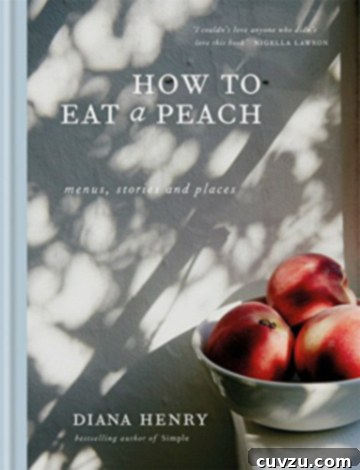
Adapted From
How to Eat a Peach
Buy On Amazon
Nutrition Facts
Calories: 759 kcal
Carbohydrates: 24 g
Protein: 68 g
Fat: 44 g
Saturated Fat: 16 g
Monounsaturated Fat: 16 g
Trans Fat: 1 g
Cholesterol: 199 mg
Sodium: 881 mg
Fiber: 9 g
Sugar: 12 g
Nutrition information is automatically calculated and should only be used as an approximation.
Tips for Crafting the Best Pork Tinga
Achieving a truly exceptional Pork Tinga is all about understanding the nuances of its ingredients and cooking process. Here are some expert tips to guide you:
- Choose the Right Pork Cut: Boneless pork shoulder, often labeled as “pork butt” in the U.S., is the absolute best cut for tinga. Its generous marbling and connective tissue break down beautifully during slow cooking, yielding incredibly tender, juicy, and flavorful results. Make sure to trim any excessive, large chunks of fat before cubing, as suggested by tester Greg Crawford, to avoid an overly greasy stew.
- Don’t Skimp on Browning: Searing the chorizo and pork chunks until well browned is not just for appearance; it’s a critical step for building a deep, rich flavor base through the Maillard reaction. Resist the urge to overcrowd your pan, as this will steam the meat instead of browning it. Work in batches if necessary to ensure even searing.
- Achieve Perfectly Roasted Tomatoes: Roasting the tomatoes concentrates their natural sweetness and adds a crucial smoky, charred note that is foundational to tinga’s flavor. As tester Hillary Hawkins astutely noted, some ovens might need a higher temperature (like 400°F or even 425°F) or a brief broil at the very end to achieve that desirable, slightly blackened char. Keep an eye on them to prevent burning.
- Control the Heat Level with Chipotles: Dried chipotle chiles provide a distinctive smoky heat. For a milder stew, remove more seeds from the rehydrated chiles. If you prefer a bolder kick, leave more seeds in. If dried chipotles are hard to find, tester Greg Crawford successfully substituted chipotles in adobo from a can; start with 1-2 peppers and adjust to taste, remembering they are often spicier and carry the distinct flavor of adobo sauce.
- Deglazing is Key for Flavor Depth: After browning the meats and sautéing the onions, deglazing the pan with a bit of chicken stock or water is essential. This process involves scraping up all the flavorful browned bits (fond) stuck to the bottom of the pan, incorporating them back into the stew and adding another layer of complex richness.
- Patience for the Simmer: The long, gentle simmer is where the magic truly happens. It’s essential for breaking down the tough connective tissues in the pork shoulder, transforming it into fork-tender morsels that melt in your mouth. Do not rush this step; allow the stew to bubble gently, uncovered or partially covered, until the pork reaches peak tenderness and the sauce has thickened beautifully.
- The “Make Ahead” Advantage: Like many hearty stews, Pork Tinga tastes even better the day after it’s made. The flavors have more time to meld, deepen, and harmonize, resulting in an even more satisfying dish. This makes it an excellent candidate for cooking in advance for gatherings or meal prepping.
Serving Suggestions: Beyond the Bowl
While a generous bowl of Pork Tinga topped with its suggested garnishes is a deeply satisfying meal in itself, its versatility allows for many creative and delicious serving ideas. Our testers highlighted its adaptability, making it a fantastic centerpiece for various occasions:
- Classic Tacos or Tostadas: Warm corn tortillas or crispy tostada shells are natural and beloved partners for tinga. You can set up a “build-your-own” taco bar, offering bowls of the rich tinga, sliced avocado, cool sour cream or Mexican crema, fresh cilantro, crumbled queso fresco, and perhaps some pickled red onions or a squeeze of extra lime for a vibrant, interactive meal. Linda McElroy particularly loved serving it this way, allowing everyone to customize their perfect taco.
- Hearty Rice Bowls: Spoon the rich stew generously over a bed of fluffy white or brown rice for a substantial and comforting meal. The rice soaks up the flavorful sauce beautifully.
- Burritos and Enchiladas: The tender pork tinga makes an incredibly flavorful filling for homemade burritos or enchiladas, topped with your favorite salsa and a sprinkle of melted cheese.
- Savory Breakfast or Brunch: Don’t limit tinga to dinner! Use leftover tinga alongside fried eggs and warm tortillas for a unique and savory breakfast or brunch dish, a delightful twist on morning meals.
- With Crusty Bread or Naan: The thick, saucy nature of tinga makes it ideal for sopping up with crusty bread, fresh tortillas, or even homemade naan, as tester Angie Zoobkoff deliciously suggested. This ensures no drop of that incredible sauce goes to waste!
- As a Standalone Stew: Sometimes, simplicity is key. A warm bowl of Pork Tinga, garnished generously, is a complete and comforting meal on its own, perfect for those chilly evenings.
Storage and Reheating
One of the many joys of Pork Tinga is how incredibly well it stores and reheats. In fact, many find it tastes even better the day after it’s made, as the flavors have more time to meld and deepen.
- Refrigerator Storage: Store any leftover pork tinga in an airtight container in the refrigerator for up to 3-4 days. Ensure it has cooled completely before transferring to the container.
- Freezer Storage: For longer preservation, transfer cooled tinga to freezer-safe containers or heavy-duty freezer bags. It can be frozen for up to 2-3 months. To use, thaw overnight in the refrigerator before proceeding to reheat.
- Reheating Instructions: Gently reheat pork tinga on the stovetop over medium-low heat, stirring occasionally, until it is warmed through. If the stew has thickened too much during storage, you may need to add a splash of chicken stock or water to achieve your desired consistency. Alternatively, individual portions can be reheated in the microwave in short intervals, stirring between each to ensure even heating.
What Our Recipe Testers Had to Say About This Pork Tinga
Our team of dedicated recipe testers rigorously put this Pork Tinga recipe through its paces, and the verdict is unanimously enthusiastic! Their authentic feedback offers invaluable insights, highlighting the dish’s incredible flavor, versatility, and comforting qualities, solidifying its place as a must-try Mexican classic.

Jenny Latreille
Jenny, a self-proclaimed fan of Tinga Poblana who usually opts for chicken, was thoroughly impressed and “really excited” by this pork version, which “didn’t disappoint.” She praised the “addition of the roasted tomatoes as they added an additional layer to this dish,” confirming she would “definitely make this again. Easy and so delicious.” Jenny also noted the generous yield, estimating “enough for at least 15 tacos or 6 servings.”

Hillary Hawkins
Hillary knew she had a winner when her husband “claims all leftovers for his lunches the rest of the week!” She highlighted how the “flavors continue to meld in the fridge,” making it “over-the-top delicious.” Her practical tip for future cooks is to consider turning the oven up to “400° or even 425° when roasting the tomatoes” or to broil them briefly, as her tomatoes at 375°F for an hour and 20 minutes didn’t blacken sufficiently, a valuable note for achieving that perfect char.

Angie Zoobkoff
Angie’s husband’s immediate request for next-day lunch leftovers echoes the sentiment of this dish’s irresistible nature. She lauded its “authentic flavor” and “unbelievably satisfying” finished result, calling it “easily the best thing I’ve eaten all month and one of the best pork butt recipes I’ve ever made.” Her inspired touch of serving it with “homemade naan on the grill for sopping up all the amazing sauce” is a testament to its rich and spoon-worthy sauce.

Camilla Maybee
For Camilla, who was craving Mexican and Latin American food, this Pork Tinga was an “AMAZING weeknight dinner that hit every note.” She appreciated that despite some initial prep, it’s mostly a “goes into the pot and simmers” recipe, noting its improvement when left to bubble longer – indeed, her batch that simmered for four hours was “definitely gotten better by then.” Her crucial advice for enjoyment: “Please, please make sure you serve it with avocado and sour cream. They provide such a nice creaminess and richness to cut the heat and acid of the dish.” She found it so perfect she “wouldn’t change even one little thing,” and confirmed it makes “6 very generous servings.”

Greg Crawford
Greg found this “a Mexican dish like none other I’ve ever had or made,” captivated by the “deep, rich aroma of roasting tomatoes” that filled his house. He emphasized the value of the “tender chunks of pork combined with the spiciness of the chorizo and the spicy-tart-sweet sauce from the tomatoes, chipotles, and onions,” making the recipe “worth all the time.” Facing a challenge with dried chipotles, he successfully used “chipotles in adobo,” proving the recipe’s adaptability. His key takeaway: “Pork shoulder is a fatty cut. The trick is to be sure you don’t have chunks with too much fat,” ensuring a perfectly balanced stew.

Linda Pacchiano
Linda noted that while the dish “requires an investment of time,” it’s “time well-spent.” She suggested its versatility, from being served plain with condiments to “with some simple steamed rice or more traditionally as a tostada or taco as you would chicken tinga.” She also highlighted the unique and complementary “earthiness of the [goat] cheese” (as a substitute for queso fresco) working wonderfully with the acidity of the tomatoes and spiciness of the chiles, offering a creative garnish idea.

Linda McElroy
Linda McElroy, a devoted pork shoulder enthusiast, declared this “a terrific tinga that will go into my regular rotation.” She provided insightful context, explaining “tinga means stew, and poblana means from Puebla,” and detailed the dish’s core ingredients and flavor profile. She described the spice level as “medium,” encouraging those worried about chipotles to “go for it!” Linda brilliantly suggested using “canned chipotle chiles in adobo” or “canned tomatoes for the fresh roasted plum tomatoes” for convenience without compromising much flavor. She also adopted the oven method for simmering, yielding “tender, juicy, morsels of pork.” Interestingly, she reversed the cooking order (pork first, then onions, then chorizo) to leverage pan drippings and clean the skillet, a clever technique worth considering for an even richer fond.
Tried this recipe?
Mention @leitesculinaria or tag #leitesculinaria!