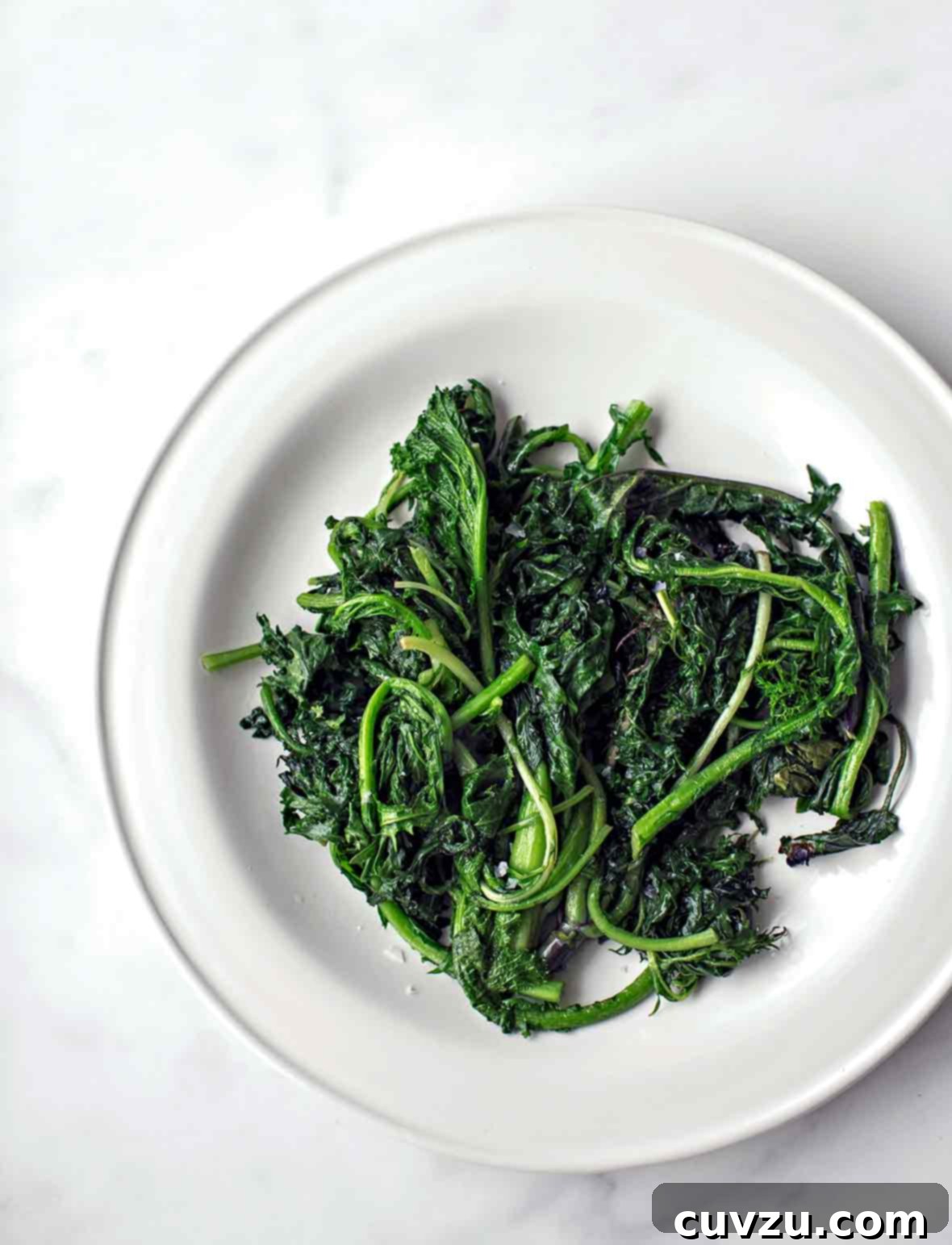
Skillet Charred Greens: The Ultimate Guide to Perfectly Crisped, Flavorful Vegetables
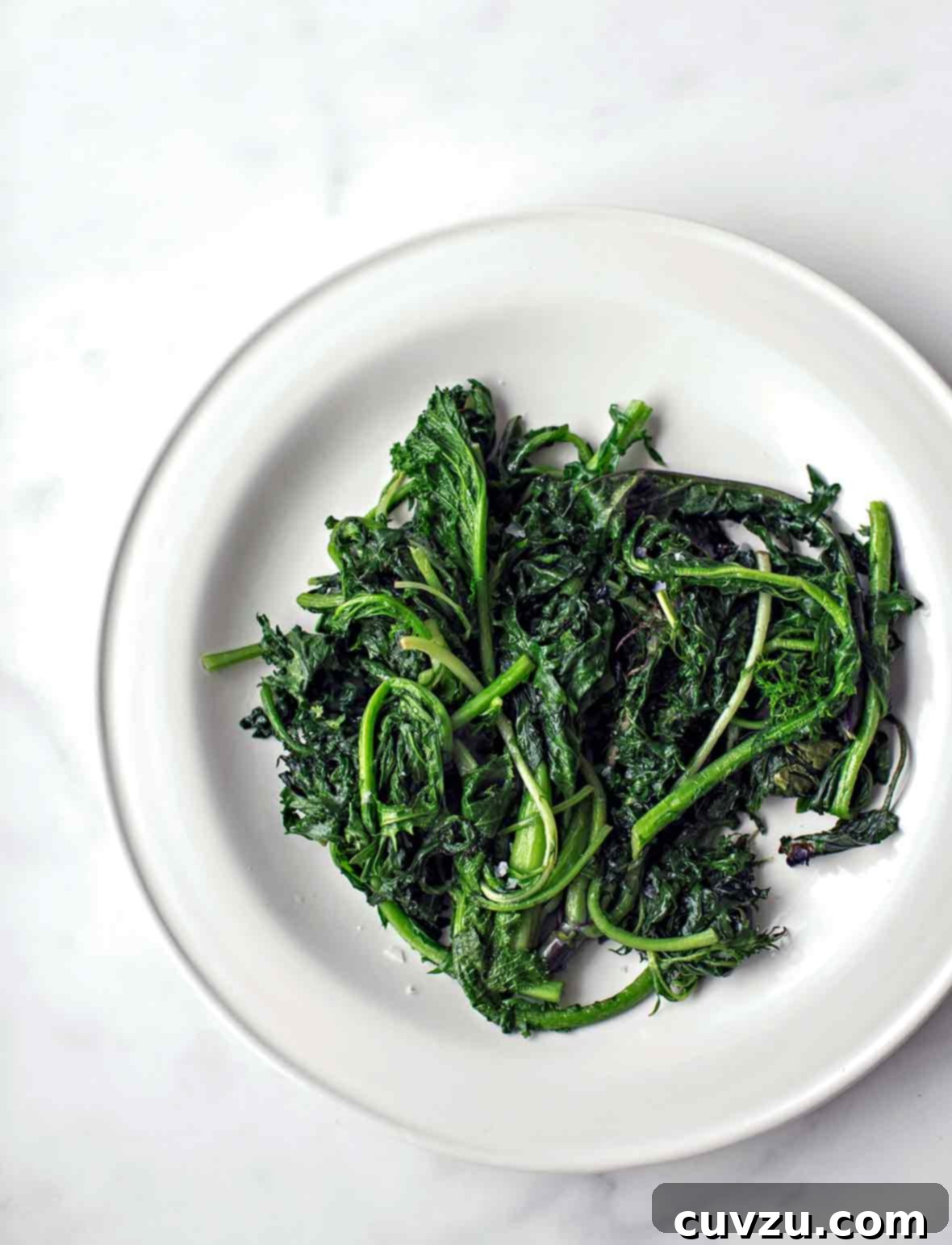
Imagine tender, earthy greens transformed into something extraordinary: leaves kissed by intense heat, yielding delightfully crisp edges and a smoky depth that elevates any meal. This is the magic of skillet charred greens – a deceptively simple yet remarkably impactful cooking technique that promises to revolutionize your perception of vegetables. It’s more than just cooking; it’s about coaxing out the best qualities of fresh produce, creating a side dish so flavorful and texturally appealing, it often steals the show. As Renee Schettler Rossi aptly notes, it’s a “compliment-garnering side dish,” a rare feat for greens.
This technique, often compared to searing, blanching, and crisping all in one go, is executed quickly and efficiently in a single skillet. The beauty of this method lies not only in its delicious results but also in its incredible ease and minimal cleanup – a win-win for any home cook seeking to add healthy, flavorful options to their table without fuss.
Why Skillet Charred Greens Deserve a Spot in Your Culinary Repertoire
In a world brimming with complex recipes, the humble skillet charred greens stand out for their elegant simplicity and profound flavor. This method isn’t just about cooking greens; it’s about intensifying their natural characteristics and introducing a smoky, slightly bitter note that is incredibly addictive. The high heat of a cast-iron skillet creates a beautiful contrast: tender, slightly wilted leaves at the center and wonderfully crisp, almost burnt edges that deliver a satisfying crunch and a rich, concentrated flavor.
Beyond taste, this cooking style offers numerous advantages. It’s incredibly fast, making it ideal for busy weeknights when you need a nutritious side dish in minutes. It’s also incredibly versatile, adaptable to nearly any type of leafy green, from robust collards and kale to delicate spinach and escarole. Furthermore, the quick cooking process helps preserve many of the vital nutrients found in these superfoods, ensuring you get both flavor and health benefits in every bite. Whether you’re a seasoned chef or a novice in the kitchen, mastering skillet charred greens will equip you with a powerful technique to transform everyday vegetables into culinary delights.
Selecting the Perfect Greens for Charring
The beauty of skillet charring lies in its adaptability to a wide array of leafy greens. While the recipe suggests “wild greens, collards, kale, escarole, or even fiddlehead ferns,” understanding the nuances of different greens can help you achieve your desired flavor and texture profile.
- Kale: A popular choice for its robust texture and slightly bitter flavor. When charred, kale becomes wonderfully crisp at the edges and retains a satisfying chewiness. Both curly kale and Lacinato (dinosaur) kale work exceptionally well.
- Collard Greens: Known for their sturdy leaves and deeper, earthier flavor. Collards benefit from a slightly longer steaming time before charring to ensure tenderness, resulting in a hearty and flavorful side.
- Escarole: Offers a pleasant balance of bitterness and tenderness. Its slightly frilly leaves absorb flavors beautifully and crisp up nicely.
- Spinach: While not as traditionally “charred” due to its delicate nature, baby spinach can be quickly seared for a softer, slightly wilted and tender result with subtle smoky notes. It cooks much faster, so watch it carefully.
- Swiss Chard: Similar to kale but with a milder flavor. Both red and rainbow chard add beautiful color to your dish. The stems can be thinly sliced and cooked alongside the leaves.
- Mustard Greens: For those who love a bit of a kick, mustard greens provide a peppery bite that mellows slightly with charring.
- Broccoli Rabe (Rapini): Though technically not a leafy green, broccoli rabe can be wonderfully charred, offering its characteristic bitterness and a slightly firmer texture.
When selecting your greens, always opt for fresh, vibrant bunches with no yellowing or wilting. Remember to wash them thoroughly and, for charring, leave a little water clinging to the leaves. This moisture is crucial for the initial steaming phase, which tenderizes the greens before the charring process begins, preventing them from becoming dry or tough.
Skillet Charred Greens Recipe
Recipe adapted from David Leite
Print Recipe
Sides
American
4 servings
115 kcal
25 minutes
5 minutes
30 minutes
Ingredients
- 2 bunches hearty greens (such as collards, kale, escarole, or a mix)
- 2 tablespoons Garlic Confit oil
- 3 or 4 Garlic Confit cloves
- 1/4 cup water
- 1 tablespoon olive oil
- Coarse sea salt, to taste
- 2 tablespoons shaved Parmesan cheese (optional)
- 1/2 lemon, for juice
Instructions
-
Thoroughly wash your chosen greens. After washing, gently shake off excess water, but allow a small amount to cling to the leaves. This residual moisture is essential for the initial steaming process.
-
Heat a large, heavy-bottomed cast-iron skillet over medium-high heat until it’s quite hot. Add the garlic confit oil and the confit cloves to the skillet. Allow the garlic to sizzle gently for about 1 minute, infusing the oil with its aromatic flavor. Be careful not to burn the garlic.
-
Carefully add the washed greens to the hot skillet. They will fill the pan, but will wilt down significantly. Immediately pour in the 1/4 cup of water. Be cautious as the water will instantly turn to steam and may splatter. Reduce the heat to medium, cover the skillet with a lid, and allow the greens to steam for 3 to 4 minutes. This step tenderizes the greens, making them palatable before charring. For tougher greens like collards, you might extend this by a minute or two.
-
Uncover the skillet and increase the heat back to medium-high. Add the additional 1 tablespoon of olive oil and season the greens generously with coarse sea salt. Using tongs, toss the greens once to distribute the oil and salt. Continue to cook, stirring occasionally, for another 3 to 4 minutes, or until the greens develop desirable charred edges and a smoky aroma. This is where the magic happens, so keep an eye on them to achieve your preferred level of crispness.
-
If using, sprinkle the shaved Parmesan cheese over the charred greens. Let it melt for 1 to 2 minutes, or until it reaches your desired gooey, slightly toasted texture. The cheese adds a wonderful salty, umami note.
-
Remove the skillet from the heat. Squeeze fresh lemon juice over the top of the greens. The acidity of the lemon brightens the flavors and balances the richness. Serve the skillet charred greens immediately as a vibrant and flavorful side dish.
Adapted From
Simple Fare: Spring and Summer
Buy On Amazon
Nutrition Facts
Serving: 1 portion
Calories: 115 kcal
Carbohydrates: 3 g
Protein: 1 g
Fat: 11 g
Saturated Fat: 2 g
Monounsaturated Fat: 8 g
Cholesterol: 2 mg
Sodium: 42 mg
Fiber: 1 g
Sugar: 1 g
Nutrition information is automatically calculated and should be used as an approximation.
Expert Tips for Perfectly Charred Greens Every Time
Achieving restaurant-quality charred greens is simple with a few key insights:
- The Power of Cast Iron: A heavy cast-iron skillet is your best friend for this recipe. Its ability to retain and distribute high heat evenly is crucial for developing that desirable smoky char without burning the greens to a crisp. If you don’t have one, any heavy-bottomed pan will work, but you might need to adjust heat and cooking times slightly.
- Garlic Confit is Gold: The recipe calls for garlic confit oil and cloves, and for good reason. Garlic confit is garlic slow-cooked in oil until incredibly tender and sweet. Using its infused oil and the soft cloves adds an unparalleled depth of flavor that raw garlic simply can’t match. If you don’t have confit, you can substitute with 2 tablespoons of good quality olive oil and 2-3 minced fresh garlic cloves. Add fresh garlic during the charring phase, after the greens have steamed, to prevent it from burning.
- Don’t Skimp on Moisture: The initial “wet” cooking phase is non-negotiable. Leaving some water on the greens and adding a splash to the pan creates steam, which tenderizes the leaves before they hit the high heat for charring. This prevents them from becoming tough or chewy.
- Heat Control is Key: Start with medium-high heat for the initial char and garlic sizzle, then reduce to medium for steaming, and finally back to medium-high for the final charring. This dynamic heat management ensures both tenderness and crispness.
- Embrace the Char: Don’t be afraid of the “charred” aspect. Those slightly darkened, almost black edges are where a significant portion of the flavor resides. They offer a delightful bitterness and smokiness that complements the freshness of the greens.
- Salt Liberally: Greens, especially bitter ones, benefit immensely from proper seasoning. Add coarse sea salt during the charring phase, and taste as you go.
- The Bright Finish: A squeeze of fresh lemon juice at the very end is essential. Its acidity cuts through the richness and bitterness, brightening the overall flavor profile and tying everything together.
Creative Variations and Perfect Pairings
While the basic recipe is fantastic on its own, skillet charred greens are incredibly adaptable. Feel free to experiment with these variations:
Flavor Boosters:
- Spicy Kick: Add a pinch of red pepper flakes with the garlic confit oil for a subtle heat, or finish with a drizzle of chili oil.
- Asian Inspired: Replace Parmesan with toasted sesame seeds and a dash of soy sauce or tamari, and a drizzle of sesame oil at the end.
- Herbal Infusion: Toss in fresh herbs like chopped parsley, chives, or a hint of thyme during the last minute of cooking.
- Citrus Zest: In addition to lemon juice, grate some lemon zest over the finished dish for an extra aromatic lift.
Add-ins for Heartiness:
- Crunchy Nuts & Seeds: Toasted slivered almonds, pine nuts, or sunflower seeds add wonderful texture. Add them just before serving.
- Savory Bacon or Pancetta: Cook diced bacon or pancetta in the skillet before adding the greens, then use the rendered fat to cook the greens and crumble the crispy meat over the top.
- Roasted Garlic: If you don’t have garlic confit, roasted garlic cloves can also provide a sweet, mellow garlic flavor.
- Cherry Tomatoes: Halved cherry tomatoes can be added during the last few minutes of charring for bursts of sweetness.
Serving Suggestions:
Skillet charred greens are a versatile side dish that pairs beautifully with a wide variety of main courses:
- Grilled Meats and Poultry: Their smoky flavor makes them a natural accompaniment to steaks, chicken, pork chops, or lamb.
- Fish and Seafood: The brightness of the lemon cuts through rich fish like salmon or complements delicate white fish and shrimp.
- Eggs: Serve alongside scrambled eggs, a frittata, or as a bed for a perfectly poached egg for a healthy breakfast or brunch.
- Grains and Legumes: Mix into quinoa, farro, or lentil salads for added nutrition and flavor.
- Pasta Dishes: Stir into light pasta dishes or serve as a vibrant side to a creamy risotto.
- Sandwiches and Wraps: Add a layer of charred greens to your sandwiches or wraps for extra texture and nutrients.
Insights from Our Recipe Testers

Joel Jenkins
Our recipe tester, Joel Jenkins, confirmed the ease and effectiveness of this technique:
“They were right. This skillet-charred greens is the simplest of recipes and easy to do for the beginning cook. I used kale the first time. I preheated the skillet to medium-high heat, added the garlic confit oil and cloves, and since the garlic is already cooked, immediately added the slightly damp kale. It did sizzle in the oil but didn’t burn the garlic at all.”
“My kale wasn’t done steaming in 3 to 4 minutes. I waited until it was closer to 6 minutes as I didn’t want it to be chewy. Once the kale was tender, it did char quickly once I turned the heat back up to high. I noticed that as soon as I added the lemon juice, the kale started to turn slightly brown but didn’t seem to affect the flavor at all.”
Joel’s experience highlights the importance of trusting your instincts and adjusting cooking times based on the specific greens you use. Tougher greens like kale or collards may indeed require a little extra steaming time to achieve optimal tenderness before charring, ensuring a delightful texture.
Embrace the Simplicity and Flavor of Skillet Charred Greens
Skillet charred greens offer a compelling blend of simplicity, speed, and exceptional flavor, making them an indispensable addition to any home cook’s repertoire. This technique elevates humble greens to a star-worthy side dish, proving that healthy eating can be incredibly delicious and utterly effortless. Whether you’re aiming for a quick weeknight meal or a sophisticated accompaniment to a special dinner, these greens deliver on all fronts.
From the initial sizzle of garlic confit in a hot cast-iron skillet to the final bright squeeze of lemon, every step in this process contributes to a symphony of textures and tastes. Dive into the world of charred vegetables and discover how easy it is to transform everyday ingredients into something truly extraordinary. Your taste buds, and your guests, will thank you.
Tried this recipe?
Mention @leitesculinaria or tag #leitesculinaria!