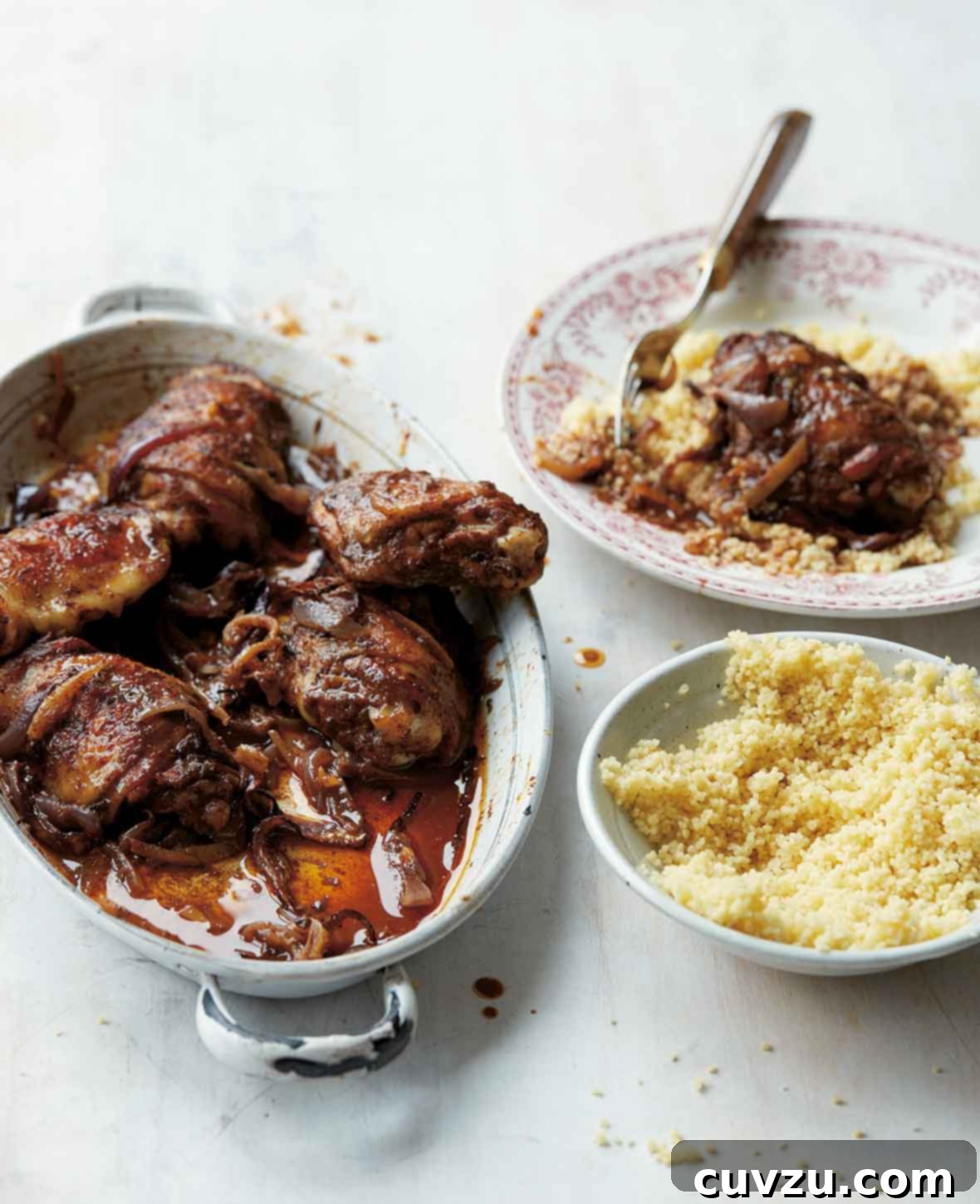
Flavorful Baharat Roast Chicken: An Easy Middle Eastern Delight
Embark on a culinary journey to the vibrant flavors of the Middle East with this remarkably simple yet utterly delicious Baharat Roast Chicken recipe. Drawing on a traditional aromatic spice rub, this dish effortlessly transforms everyday roast chicken into a spectacular feast. Whether you’re a seasoned home cook or just starting your gastronomic adventures, this recipe promises a meal that’s both exotic and comforting, proving that exceptional flavor doesn’t have to come with complicated steps. Get ready to impress your family and friends with minimal effort!
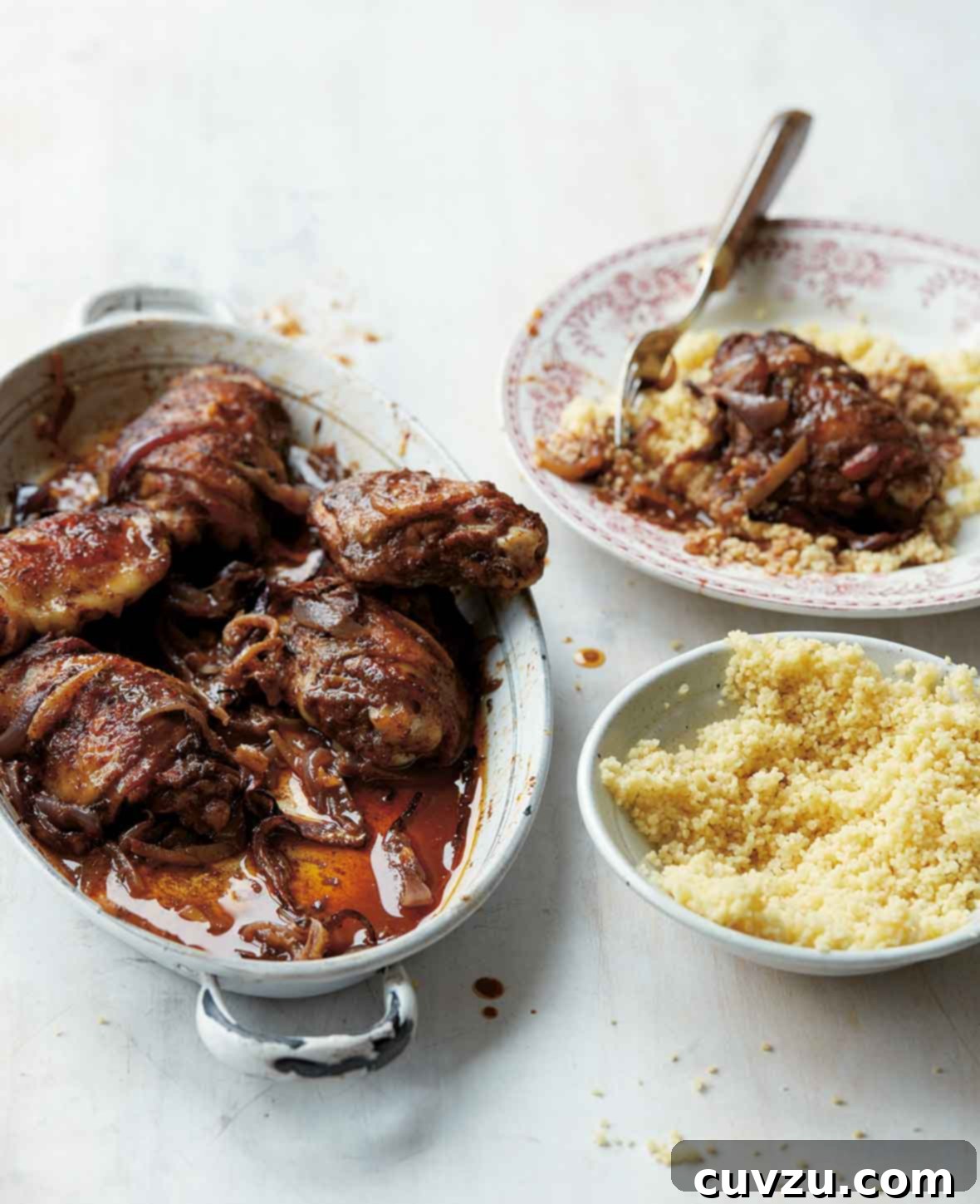
This Baharat roast chicken recipe, inspired by culinary expert Angie Zoobkoff, highlights the incredible versatility of Baharat, a popular Middle Eastern spice blend, to create spectacularly flavorful roasted chicken thighs. It’s more than just a meal; it’s an invitation to explore rich, warm spices and bright, tangy notes from preserved lemons, making it perhaps the easiest and most impressive chicken dish you’ve ever prepared.
Baharat Roast Chicken Recipe
Recipe by David Leite
Print Recipe
4 to 6 servings
1122 kcal
10 minutes
2 hours
2 hours 10 minutes
Ingredients (US Units)
- 2 tablespoons baharat spice blend
- 2 teaspoons ground sumac
- 1 teaspoon ground cumin
- 1 teaspoon ground coriander
- 4 store-bought or homemade preserved lemons, halved and flesh scooped out and discarded (use only the rind)
- 3 garlic cloves, crushed
- 1 3/4 cups store-bought or homemade chicken stock or vegetable stock
- 3 tablespoons olive oil
- 1 teaspoon sea salt
- A few grinds black pepper
- 12 bone-in, skin-on chicken thighs (about 3 pounds)
- 2 red onions, thinly sliced into half moons
- Cooked rice or couscous, for serving (optional)
- Fresh cilantro or parsley, chopped, for garnish (optional)
- Lemon wedges, for serving (optional)
Instructions
-
Prepare the Marinade: In a large resealable plastic bag, combine the Baharat spice blend, ground sumac, ground cumin, ground coriander, the rinds of the preserved lemons (flesh discarded), crushed garlic, chicken stock, olive oil, sea salt, and black pepper. Seal the bag securely and gently massage the contents to ensure all ingredients are well combined into a fragrant marinade.
-
Marinate the Chicken: Open the bag and add the chicken thighs and thinly sliced red onions. Reseal the bag, pressing out any excess air, and massage again thoroughly to fully coat the chicken and onions with the spice mixture. Place the bag in the refrigerator to marinate for at least 2 hours. For optimal flavor penetration and tenderness, it is highly recommended to marinate the chicken overnight, turning the bag once or twice to redistribute the marinade.
-
Preheat Oven & Roast: When ready to cook, preheat your oven to 400°F (200°C). Pour the entire contents of the resealable bag—chicken, onions, and marinade—into a large roasting pan. Arrange the chicken pieces skin-side up on top of the onions, ensuring they are not too crowded for even roasting.
-
Cook to Perfection: Roast the chicken in the preheated oven for 40 to 50 minutes, or until the chicken skin is beautifully golden brown and crispy, and the juices run clear when the thickest part of a thigh is pierced with a knife. For an extra crispy skin, you can briefly place the pan under the broiler for the last few minutes, keeping a close eye to prevent burning.
-
Serve: Ladle the succulent chicken, rich pan sauce, tender onions, and flavorful preserved lemon pieces over generous mounds of cooked rice or fluffy couscous. Garnish with fresh chopped cilantro or parsley and serve with lemon wedges for an added burst of freshness. Enjoy this Middle Eastern masterpiece!

Adapted From
This delightful recipe is adapted from “Fress,” a cookbook celebrated for its inspiring culinary creations.
Buy Fress On Amazon
Nutrition Information
Calories: 1122 kcal
Carbohydrates: 15 g
Protein: 75 g
Fat: 84 g
Saturated Fat: 21 g
Monounsaturated Fat: 38 g
Trans Fat: 1 g
Cholesterol: 425 mg
Sodium: 952 mg
Fiber: 7 g
Sugar: 4 g
Nutrition information is automatically calculated and should only be used as an approximation.
Tried this recipe?Mention @leitesculinaria or tag #leitesculinaria!
Unveiling Baharat: The Heart of Middle Eastern Cuisine
Baharat, meaning “spices” in Arabic, is not a single spice but a versatile, aromatic blend that forms the cornerstone of many Middle Eastern dishes. Just like Indian garam masala or French quatre épices, the exact composition of Baharat can vary significantly by region and even by family. However, common ingredients typically include black pepper, cumin, coriander, cinnamon, cloves, nutmeg, cardamom, and paprika. Some blends might also feature allspice, dried mint, or chiles for an extra kick. The beauty of Baharat lies in its balanced complexity: it’s warm, subtly sweet, savory, and mildly pungent, capable of transforming simple meats and vegetables into dishes brimming with exotic flavor.
For this Baharat Roast Chicken, the blend, combined with additional ground sumac, cumin, and coriander, creates a deep, earthy foundation with a bright, tart counterpoint from the sumac. This rich spice profile not only seasons the chicken but also contributes to the beautiful golden-brown crust and an intoxicating aroma that will fill your kitchen as it roasts.
The Indispensable Preserved Lemons
While Baharat brings the warmth, preserved lemons introduce a unique bright, salty, and tangy dimension that fresh lemons simply cannot replicate. Preserved lemons are whole lemons cured in salt and their own juices over several weeks, softening the rind and intensifying their citrusy, slightly fermented, and umami-rich flavor. In this recipe, only the rind is used, adding a profound depth of lemon essence without the bitterness of fresh pith or the excessive tartness of fresh juice.
If you haven’t cooked with preserved lemons before, prepare to be amazed by their transformative power. They soften beautifully during roasting, melding into the savory sauce and infusing the chicken with their distinctive zest. You can find store-bought preserved lemons in specialty food stores or online, or easily make them at home with just lemons and salt, though they require a few weeks to cure.
Choosing the Perfect Chicken Thighs for Roasting
This recipe specifically calls for bone-in, skin-on chicken thighs, and for good reason. Chicken thighs are incredibly forgiving, retaining moisture much better than leaner cuts like breast meat. The bone contributes to a richer flavor, while the skin, when roasted at a high temperature, crisps up beautifully, offering a delightful textural contrast to the tender meat beneath. Using bone-in, skin-on thighs ensures a juicy, flavorful result every time, making it an ideal choice for both novice and experienced cooks. If you prefer, boneless, skinless thighs can be used, but adjust cooking time downwards to prevent drying out and remember you’ll miss out on that crispy skin.
The Art of Marination: Why Time is Your Ally
Marination is the secret weapon in this Baharat Roast Chicken recipe. By allowing the chicken thighs and sliced red onions to soak in the vibrant Baharat blend, preserved lemon, garlic, and stock, you’re not just adding flavor to the surface; you’re allowing the spices to penetrate deep into the meat fibers. This process not only infuses every bite with a complex taste but also helps to tenderize the chicken, resulting in an exceptionally succulent outcome.
While a minimum of 2 hours of marination will yield good results, aspiring for an overnight soak—8 to 12 hours—is highly recommended. The extended time in the refrigerator allows the flavors to truly meld and intensify, transforming your chicken into a profoundly aromatic and juicy masterpiece. Don’t skip turning the bag occasionally to ensure even coating.
Roasting to Golden Perfection
The roasting process for this Baharat chicken is wonderfully straightforward. Once marinated, the chicken and onions are simply transferred to a roasting pan. Arranging the chicken skin-side up on a bed of thinly sliced red onions serves a dual purpose: the onions caramelize underneath, releasing their sweetness and creating a rich, savory base for the pan sauce, while the chicken skin achieves a glorious golden-brown crispness. The high oven temperature of 400°F (200°C) ensures that the chicken cooks relatively quickly while developing that irresistible crunchy exterior and remaining moist on the inside. Watch for clear juices when pierced and an internal temperature of at least 165°F (74°C) for doneness. A quick trip under the broiler at the very end can enhance that desirable crispy skin, as suggested by our recipe testers.
Serving Suggestions: Completing Your Middle Eastern Feast
This Baharat Roast Chicken is a complete meal in itself, but it truly shines when served with complementary side dishes that soak up its rich pan juices. Fluffy couscous or basmati rice are classic choices, providing a perfect canvas for the savory sauce, tender onions, and preserved lemon pieces. For a burst of freshness and color, a generous sprinkle of chopped fresh cilantro or parsley is highly recommended. The bright green herbs not only offer a visual contrast but also a refreshing counterpoint to the warm spices.
Consider serving alongside a simple green salad with a light vinaigrette, or perhaps some roasted vegetables like zucchini or bell peppers. A dollop of cool Greek yogurt or a side of creamy hummus would also beautifully complement the robust flavors of the chicken, adding another layer of traditional Middle Eastern indulgence. Don’t forget fresh lemon wedges on the side for those who enjoy an extra squeeze of citrus brightness.
Recipe Testers’ Reviews and Expert Tips
Our dedicated team of recipe testers consistently praises this Baharat Roast Chicken for its ease of preparation, incredible flavor, and aromatic qualities. Here’s a synthesis of their experiences and valuable tips to ensure your success:
- Ease and Convenience: Many testers, including Rosie Coelho and Vanessa McNiven, highlighted how effortlessly this dish comes together. The “throw all ingredients in a resealable bag the night before” approach makes it a life-saver for busy weeknights.
- Aromatic Experience: Jenny Latreille and Chiyo Ueyama both raved about the incredible aroma that fills the kitchen during cooking, setting a delightful expectation for the meal to come.
- Spice Blend Variations: Rosie Coelho noted the variety of Baharat mixtures available, suggesting that experimentation can lead to personalized flavor profiles. Sandy Hill, unfamiliar with Baharat, even made her own, describing it as “smoky and sweet smelling,” and now finds multiple uses for the blend.
- The Power of Preserved Lemons: Jenny Latreille found that the generous amount of preserved lemon rind, contrary to expectations, added a lovely, deep lemon flavor without bitterness. Vanessa McNiven appreciated the “lovely citrusy hit” when encountering a piece in the sauce, though suggested adding fresh lemon wedges for a more pronounced overall citrus presence. Chiyo Ueyama offered a helpful tip for preparing preserved lemons: either discard seeds for quick prep or meticulously quarter and remove pith if desired.
- Optimal Marination: While a 2-hour marinade works, the consensus, echoed by Jenny Latreille and Irene Seales, is that overnight marination (24 hours in Jenny’s case) significantly deepens the flavor and tenderness.
- Achieving Crispy Skin: Jenny Latreille found that a few minutes under the broiler after roasting helped achieve a “nice and crisp” chicken skin. Irene Seales also noted the skin turning a beautiful golden brown at 40 minutes, suggesting good visual cues for doneness.
- Managing Onions: Vanessa McNiven provided a crucial tip: “make sure the onions are mainly beneath the liquid as they catch and burn on top of the chicken.” This ensures tender, caramelized onions instead of charred ones. Irene Seales perfected onion slicing for even distribution.
- Serving and Presentation: Vanessa McNiven recommended adding chopped cilantro or parsley for a “color contrast,” as the dish can look “very brown and boring” despite its delicious taste. This simple garnish elevates the visual appeal. Our testers also loved spooning the flavorful pan juices, lemon, and onions over rice or couscous.
- Scaling the Recipe: Sandy Hill suggested that the recipe could be doubled for company but advised using two separate pans to prevent overcrowding and ensure proper roasting. Irene Seales, making a half recipe, found a half-sheet pan more suitable than a quarter sheet to avoid a “too wet” cook.
- Bone-in vs. Boneless: Vanessa McNiven used bone-in thighs and drumsticks successfully when boneless were unavailable, confirming the recipe’s flexibility with different chicken cuts. Irene Seales even considered removing the bone for an “even more elegant” final serving.
These insights from experienced home cooks underscore the adaptability and deliciousness of this Baharat Roast Chicken. By incorporating these tips, you can elevate your cooking experience and tailor the dish to your preferences, ensuring a memorable meal every time.
Tried this recipe?Mention @leitesculinaria or tag #leitesculinaria!
This Baharat Roast Chicken is more than just a meal; it’s an experience—simple to prepare, rich in flavor, and guaranteed to become a cherished recipe in your culinary repertoire. Happy cooking!