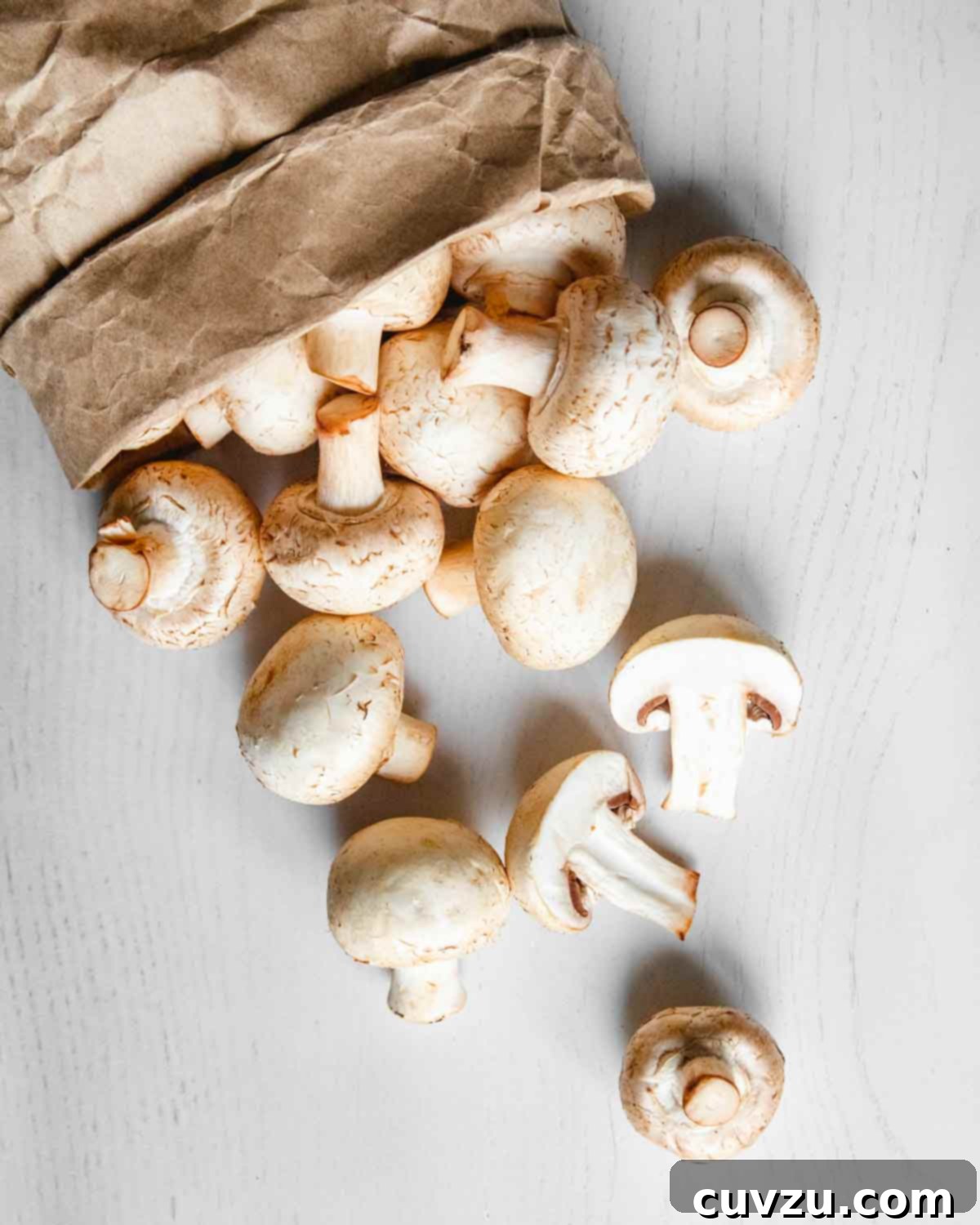
Mushrooms are truly unique culinary gems. Neither plant nor animal, these fascinating fungi bring a distinctive earthy flavor and meaty texture to countless dishes. From delicate button mushrooms to robust portobellos, their umami-rich profile enhances everything from savory pizzas and hearty soups to elegant stir-fries. However, like many fresh ingredients, mushrooms are perishable. The quest to keep them firm, flavorful, and free from that dreaded slimy texture is a common kitchen challenge. This comprehensive guide will equip you with all the knowledge you need to maximize the freshness and shelf life of your beloved fungi, ensuring they’re always ready to elevate your next meal.
Once harvested, mushrooms are on a ticking clock. Unlike some ingredients that improve with age, such as fine wines or fermented foods like sourdough starters and pickles, mushrooms are best enjoyed at their peak freshness. Their delicate nature means they are highly susceptible to moisture, which is their primary enemy when it comes to spoilage. Understanding the optimal storage conditions can make all the difference, preserving their delightful texture and intense flavor. Let’s delve into the dos and don’ts of mushroom storage, ensuring your culinary creations are always bursting with the best possible taste.
The Enemy: Moisture and Why It Matters for Mushroom Storage
Mushrooms are composed of nearly 90% water. While this contributes to their tender texture, it also makes them incredibly prone to absorbing additional moisture from their environment. This excess moisture creates a damp, humid microclimate that is an ideal breeding ground for mold and bacteria, accelerating the spoilage process. When mushrooms get too wet, their delicate cell walls break down, leading to that undesirable slimy texture and a rapid decline in flavor. Proper storage hinges on managing this moisture effectively, allowing mushrooms to breathe while preventing them from drying out completely.
How to Store Mushrooms: Best Practices for Freshness
The golden rule for storing mushrooms is to keep them cool and dry. Refrigeration is essential, but the method of containment is just as critical. Here are the most effective strategies to keep mushrooms fresh and prevent them from becoming slimy:
Method 1: The Original Packaging Approach (for Pre-Packaged Mushrooms)
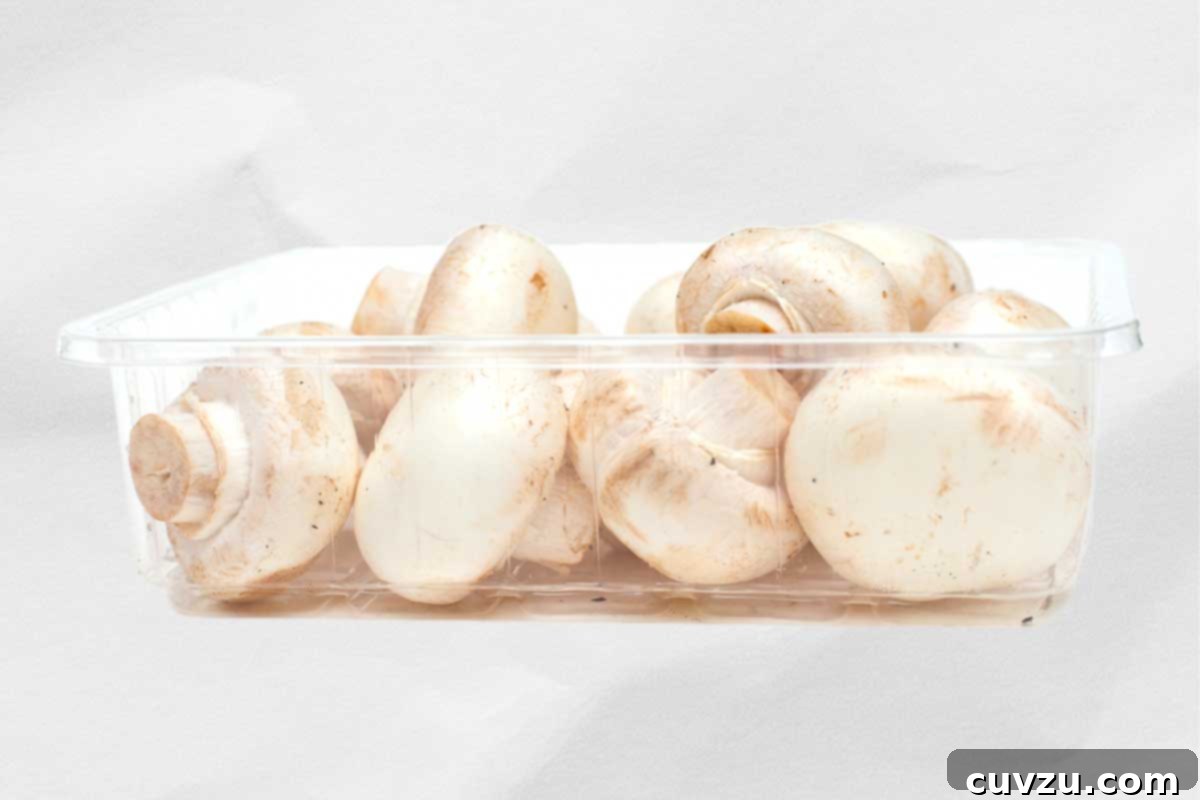
If you purchase mushrooms that come in their original, sealed containers – often a plastic-wrapped tray with ventilation holes – it’s often best to leave them as they are until you’re ready to use them. Manufacturers design this packaging with careful consideration to protect the mushrooms and maintain an optimal environment. The film typically has micro-perforations that allow for some air circulation while minimizing moisture buildup. Simply place the entire package directly into your refrigerator.
Method 2: The Paper Bag Method (for Loose or Handpicked Mushrooms)
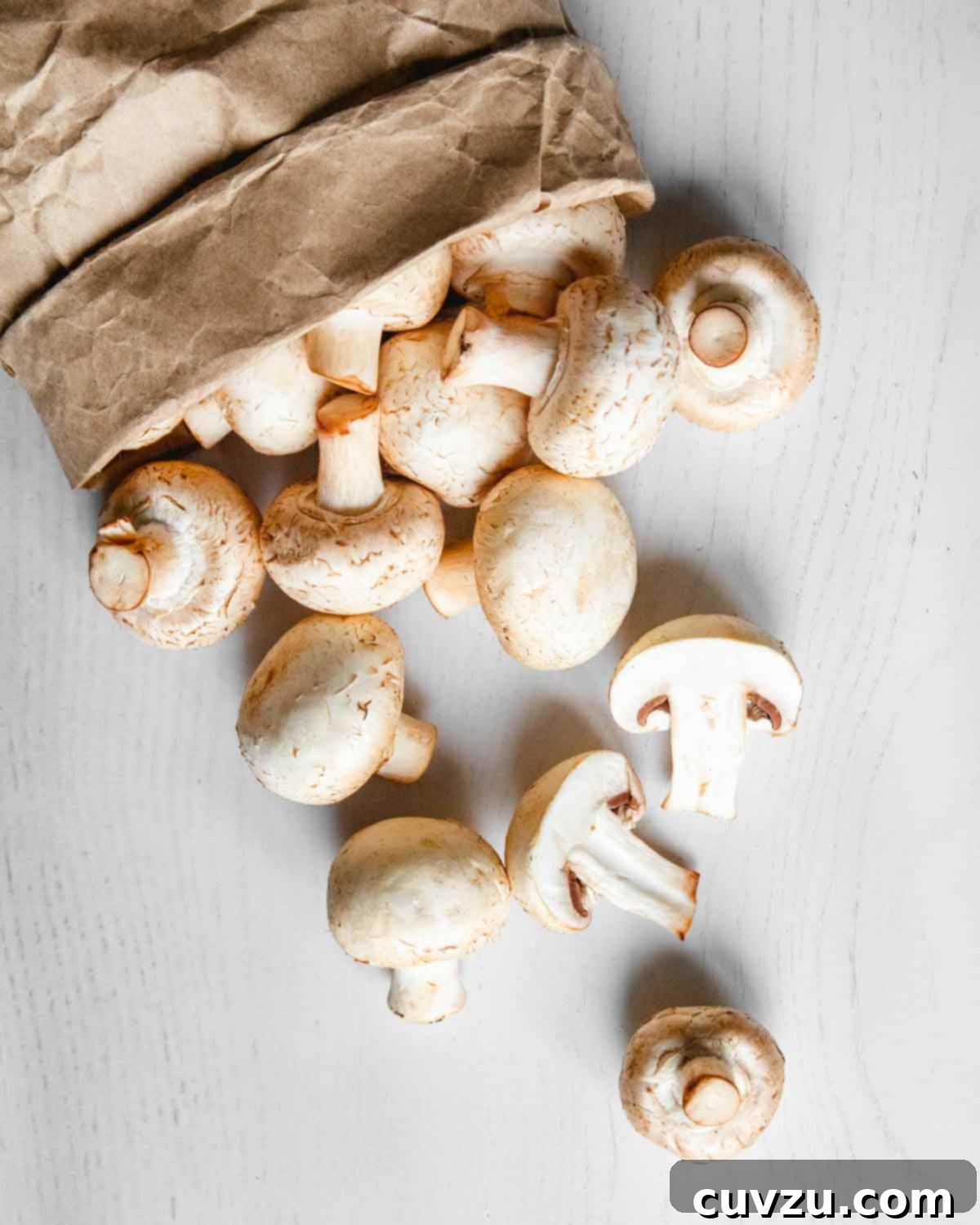
For mushrooms purchased loose from a farmers’ market or handpicked, a simple paper bag is often the superior choice. This method is highly recommended by chefs and culinary experts for its effectiveness in controlling moisture:
- Preparation: Gently place your mushrooms into a clean paper bag. Avoid overfilling the bag; give them some space to breathe.
- Enhance Absorption (Optional): For an extra layer of protection against moisture, you can line the paper bag with a clean, dry paper towel before adding the mushrooms. The paper towel will absorb any condensation or excess moisture that the mushrooms release.
- Sealing: Loosely fold over the top of the paper bag. Do not seal it tightly, as air circulation is key. The paper itself is porous and will help absorb ambient moisture while allowing the mushrooms to respire without suffocating.
- Placement: Store the loosely folded bag in the main compartment of your refrigerator.
The paper bag’s absorbent nature is crucial here. It wicks away excess moisture from the surface of the mushrooms, preventing them from becoming waterlogged and subsequently slimy. This breathability is what sets it apart from airtight plastic containers, making it one of the best ways to store mushrooms.
Method 3: Paper Towel and Partially Sealed Plastic Bag (Alternative)
If you don’t have paper bags readily available, a resealable plastic bag can work, but with a critical modification to ensure breathability and moisture control:
- Wrap Individually or in Small Batches: First, gently wrap the mushrooms in a clean, dry paper towel. This paper towel will act as the primary moisture absorber.
- Placement in Plastic Bag: Place the paper towel-wrapped mushrooms into a resealable plastic bag.
- Crucial Step: Do Not Seal Completely: Leave the top of the plastic bag unsealed, or slightly ajar. This vital step allows for air circulation and prevents the buildup of humidity, which would otherwise trap moisture and accelerate spoilage.
- Monitor: Check the paper towel periodically. If it becomes damp, replace it with a fresh, dry one.
This method replicates some of the benefits of the paper bag by providing an absorbent layer and allowing for air exchange, though it’s generally considered a slightly less optimal choice than the dedicated paper bag method for keeping mushrooms fresh.
Where to Store Mushrooms in Your Refrigerator
The placement of your mushrooms within the refrigerator also plays a significant role in their longevity. It’s not just about getting them into the cold; it’s about finding the right environment:
- Avoid the Crisper Drawer: While crisper drawers are designed for produce, they are often too humid for mushrooms. The enclosed environment is excellent for leafy greens that need moisture, but it’s detrimental to fungi, trapping the very moisture you’re trying to avoid and making them slimy.
- The Middle Shelf is Ideal: The main compartment, particularly the middle shelves, typically offers a consistently cool temperature and better air circulation compared to the crisper. This provides a more balanced environment—cool enough to slow spoilage but not overly humid, which is perfect for mushroom storage.
- Keep Away from Strong Odors: Mushrooms are incredibly porous and act like sponges, readily absorbing ambient smells. Storing them next to pungent foods like onions, garlic, certain cheeses (like a potent blue cheese or Stinking Bishop), or even open containers of leftovers can quickly transfer those aromas to your delicate fungi, altering their natural flavor profile. Always keep mushrooms away from strong-smelling items, ideally in their own dedicated space or well-sealed container if the other items cannot be contained.
- Prevent Crushing: Delicate mushrooms can bruise easily. Avoid stacking heavy items on top of them, as bruising can accelerate spoilage and lead to unsightly dark spots. Give them their own space to maintain their integrity and extend their freshness.
When to Clean Mushrooms: The Washing Dilemma
One of the most debated topics in mushroom care is whether and when to wash them. The advice can seem contradictory, but understanding the underlying principles helps clarify the best approach.
- The Argument for Washing: Organizations like the FDA and the Mushroom Council generally advise washing all produce thoroughly under running water before preparation and/or consumption. This is to remove any dirt, soil, potential pesticides, or bacteria that might be present.
- The Argument Against Washing (Before Storage): Given that mushrooms are up to 90% water, they will absorb additional moisture like a sponge if soaked or washed too early. This absorbed water can dilute their flavor, make them soggy, and most importantly, hasten their spoilage during storage by promoting mold and bacterial growth, leading to slimy mushrooms.
- The Best Practice: Wash Right Before Use: The consensus among culinary experts is to clean your mushrooms just before you intend to cook them, not before storing. A quick, gentle rinse under cool running water is usually sufficient. Avoid soaking them. For mushrooms that are visibly dirty, a soft brush or a damp paper towel can be used to gently wipe away any soil. Some chefs even prefer simply brushing them clean without any water at all to preserve their pristine flavor and texture.
Never expose mushrooms to water before storing them. Any residual moisture will create the perfect conditions for them to turn slimy and spoil rapidly.
How Long Do Mushrooms Last and When to Discard Them
Even with optimal storage, mushrooms have a limited shelf life. Knowing when to use them or lose them is crucial for food safety and culinary quality. The American Mushroom Institute advises that “The surfaces of the mushroom should be dry, but not dried out, and appear plump.”
Signs Your Mushrooms Have Gone Bad:
- Changes in Texture:
- Sliminess: This is perhaps the most common and definitive sign of spoilage. If your mushrooms feel slick, gooey, or slimy to the touch, they are past their prime and should be discarded. While not always immediately dangerous, the sliminess indicates bacterial growth, and it’s best not to risk it.
- Squishiness/Softness: Fresh mushrooms are firm. If they feel overly soft, squishy, or mushy, their internal structure has broken down.
- Shrinking/Wrinkling: While less common than sliminess, shriveled or deeply wrinkled mushrooms indicate they’ve lost too much moisture and are drying out, which also impacts their quality and can precede full spoilage.
- Changes in Color:
- Darkening: As mushrooms age, they tend to darken. While a slight discoloration might be acceptable if other signs are absent, widespread dark spots or a general browning/blackening indicates they are rapidly deteriorating.
- Mold Growth: Any fuzzy, discolored patches (green, blue, black, or white fuzz) are a clear indication of mold and mean the mushrooms must be thrown out immediately. Do not attempt to cut off moldy parts, as the mycelium (root structure) can extend invisibly into the rest of the mushroom.
- Changes in Smell:
- Earthy and Sweet vs. Foul: Fresh mushrooms have a pleasant, subtle earthy, and sometimes sweet aroma. If you detect any strong, unpleasant odors—such as a fishy smell, a sour aroma, an ammonia-like scent, or anything otherwise putrid—it’s a definitive sign that they are spoiled and unsafe to eat. Trust your nose.
Shelf Life by Mushroom Type:
The longevity of mushrooms can vary based on their variety and robustness:
- Delicate Varieties (e.g., Enoki, Oyster, Button, Cremini/Baby Bella, Trumpet): These tend to be more fragile and absorb moisture more readily. They typically last 3-7 days when stored properly in the refrigerator. Use them as soon as possible after purchase for the best quality.
- Sturdier Varieties (e.g., Portobello, Shiitake, Maitake, King Oyster): These larger, firmer mushrooms generally have a slightly longer shelf life, often lasting 7-10 days in ideal refrigerated conditions. Their more robust structure makes them a bit more forgiving.
- Wild Mushrooms (e.g., Chanterelles, Morels): These are often highly perishable due to their natural environment and delicate structure. They should be consumed within a few days of foraging or purchase.
Always aim to use your mushrooms within a few days of purchase for optimal flavor and texture, regardless of the variety. When in doubt, it’s always safest to discard them to ensure food safety.
Long-Term Storage Options: Freezing and Drying Mushrooms
While fresh is always best, if you find yourself with an abundance of mushrooms or want to preserve a seasonal harvest, freezing and drying are excellent long-term solutions that extend their usability significantly.
Freezing Mushrooms
Freezing raw mushrooms is not recommended as their high water content will make them turn mushy upon thawing. They need to be cooked first to break down cell walls and reduce moisture, which helps retain texture. This process also ensures better flavor preservation.
- Clean and Slice: Gently clean your mushrooms (brush off dirt, do not wash thoroughly) and slice them uniformly to ensure even cooking and freezing.
- Cook:
- Blanching: Boil or steam mushrooms for 2-3 minutes. Immediately plunge them into ice water to stop the cooking process and preserve color and texture, then drain thoroughly and pat very dry.
- Sautéing: Sauté mushrooms in a bit of butter or oil until they release their liquid and start to brown. This concentrates their flavor. Let them cool completely before proceeding.
- Portion and Freeze: Once cool and dry, spread the cooked mushrooms in a single layer on a baking sheet lined with parchment paper and flash freeze for 1-2 hours. This prevents them from clumping together, making it easier to use specific portions later.
- Transfer to Freezer Bags: Transfer the flash-frozen mushrooms to airtight freezer-safe bags or containers. Remove as much air as possible to prevent freezer burn. Label with the date.
Frozen cooked mushrooms can last for 6-12 months and are perfect for adding to soups, stews, sauces, or casseroles directly from the freezer, offering convenience and flavor.
Drying Mushrooms
Drying is another ancient and highly effective method for preserving mushrooms, concentrating their flavor and extending their shelf life almost indefinitely. Dried mushrooms must be rehydrated before use, which also enriches broths and sauces.
- Clean and Slice: Clean mushrooms thoroughly (again, brushing is preferred over washing to avoid introducing moisture) and slice them thinly and uniformly (about 1/4 inch thick). Uniform thickness ensures even drying.
- Drying Method:
- Dehydrator: Arrange slices in a single layer on dehydrator trays, ensuring no overlap, and dry at 110-120°F (43-49°C) until they are completely brittle.
- Oven: Place slices on cooling racks set over baking sheets and dry in a very low oven (lowest setting, often 140-150°F / 60-65°C) with the door slightly ajar to allow moisture to escape. This can take several hours, requiring careful monitoring.
- Air Drying (for warmer climates): String mushrooms with a needle and thread and hang them in a well-ventilated, warm, dry area away from direct sunlight. This method is best for areas with low humidity.
- Store: Once completely dry and brittle, store in airtight containers, such as glass jars, in a cool, dark place. This protects them from light and humidity, which can degrade quality.
Dried mushrooms can last for years and offer an intense umami boost to dishes once rehydrated, making them a valuable pantry staple.
The Benefits of Proper Mushroom Storage
Taking the time to store your mushrooms correctly yields significant rewards that impact both your culinary experience and your household budget:
- Enhanced Flavor: Fresh mushrooms offer the best, most vibrant umami flavor. Proper storage preserves this delicate taste profile, preventing it from turning stale or acquiring off-flavors, ensuring every bite is delicious.
- Optimal Texture: The firm, slightly chewy texture of fresh mushrooms is a culinary delight. Good storage practices prevent them from becoming slimy, rubbery, or dried out, ensuring they maintain their desirable bite and appeal in your dishes.
- Reduced Food Waste: By extending their shelf life, you significantly reduce the likelihood of having to throw out spoiled mushrooms, saving money and contributing to a more sustainable and efficient kitchen.
- Food Safety: Preventing rapid bacterial growth and mold formation through correct storage is paramount for food safety, protecting you and your family from potential illness caused by contaminated food.
- Versatility in Cooking: When your mushrooms are fresh and ready, they’re always an accessible ingredient, allowing for spontaneous culinary creativity without the worry of spoilage. This encourages more home cooking and diverse meals.
Mastering the art of mushroom storage is a small effort with a big payoff. By understanding the unique needs of these fascinating fungi – primarily their aversion to excess moisture and strong odors – you can ensure they remain fresh, flavorful, and ready to enhance your favorite meals for days to come. Happy cooking!