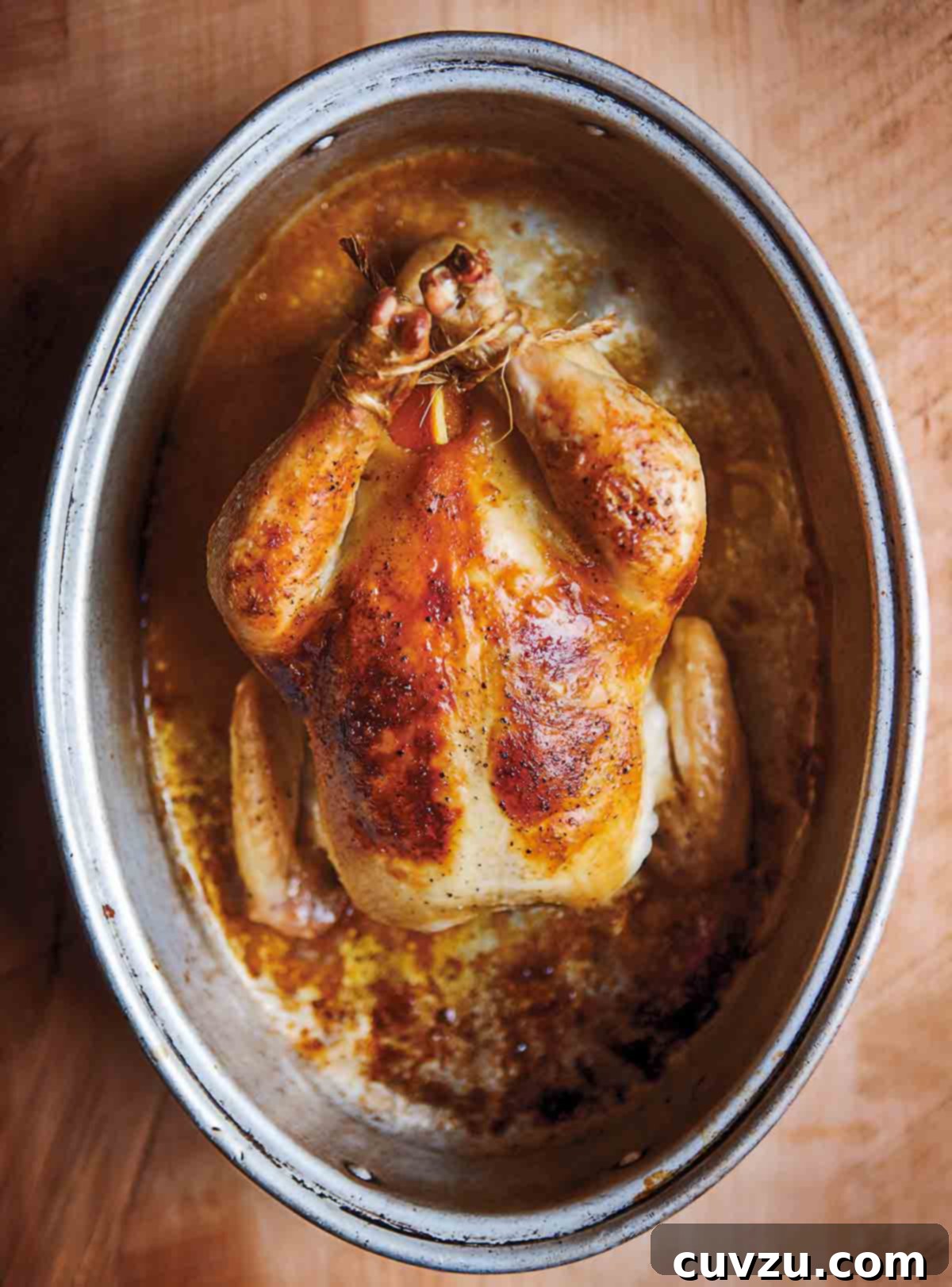
Mastering Wheat Beer Roasted Chicken: A One-Pot Culinary Delight
Embark on a culinary journey with this exceptional wheat beer roasted chicken recipe, a dish that masterfully blends the nuanced flavors of European-style beer, bright orange zest, and aromatic coriander. Designed for ultimate convenience, this is a true one-pot meal. It’s incredibly simple to prepare, requiring minimal fuss as it roasts to perfection in the oven, and perhaps best of all, makes for a delightfully easy cleanup afterward.
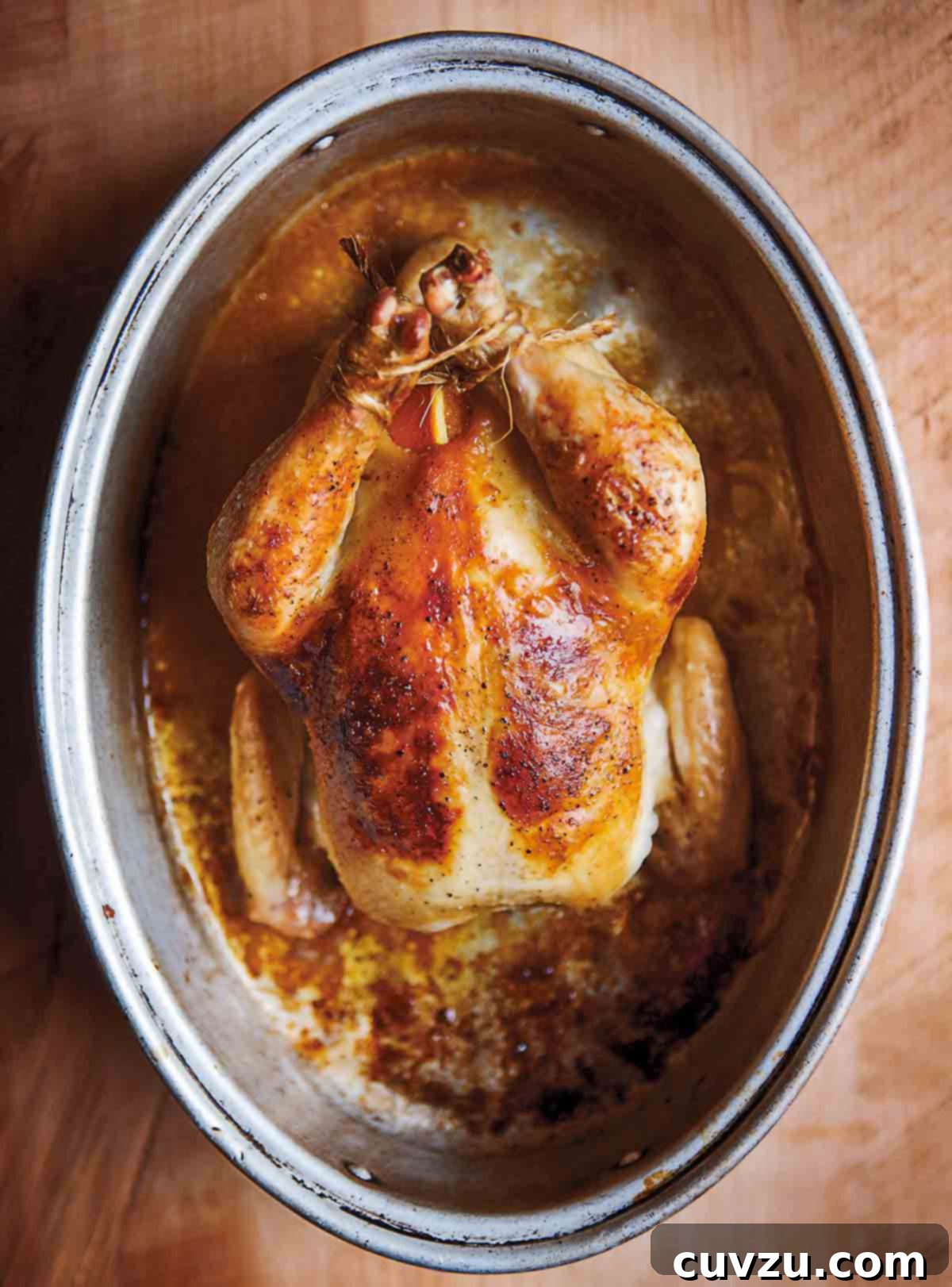
The distinctive character of this roasted chicken is deeply rooted in the traditions of classic European brewing, specifically drawing inspiration from Belgian witbier. This particular beer style, often crafted with delicate hints of orange peel and coriander seeds, imparts an unexpectedly wonderful depth of flavor to the final brew. These very same characteristics, as culinary expert Ian Knauer notes, happen to complement roast chicken beautifully, creating a harmonious and sophisticated palate experience. The interplay of the beer’s subtle spice and citrus notes with the savory chicken truly transforms a simple roast into something extraordinary.
Choosing the Perfect Beer for Your Roasted Chicken
The success of this beer-roasted chicken hinges significantly on your choice of brew. This recipe isn’t about using just any beer; it calls for a European-style beer with subtle yet impactful nuances that will build the foundation of your pan sauce and infuse the chicken with delicate flavor. We highly recommend seeking out a Belgian witbier, known for its light body, refreshing character, and signature notes of orange and coriander.
Brands like Blue Moon, Hefeweizen, and Shock Top are excellent and typically easy to find in most local stores. These varieties offer the ideal balance of complexity without being overwhelmingly heavy or dark, which is crucial for a chicken roast. A beer that is too dark or bitter can overpower the delicate chicken and result in an unbalanced sauce.
If these specific witbier styles aren’t available, don’t despair! You can still achieve fantastic results by opting for a lighter-style ale. Consider a crisp summer ale for its bright, refreshing qualities, or even a slightly more robust Belgian farmhouse ale. Farmhouse ales, or Saisons, often share similar spice and citrus characteristics with witbiers, making them suitable alternatives. The key is to select a beer that offers some aromatic complexity and a pleasant body, but remains bright and clear, allowing the chicken’s natural flavors to shine through while contributing its own unique aromatic notes to the rich pan drippings.
Experimentation can also be fun, but steer clear of heavily hopped IPAs, stouts, or porters, as their intense bitterness or dark, malty profiles would likely clash with the orange and coriander, creating an undesirable flavor combination for this delicate dish.

Wheat Beer Roasted Chicken
Rated 5 / 3 votes
David Leite
Mains
American
4
servings
381
kcal
15
1
15
1
30
Equipment
-
Kitchen string (optional)
Ingredients
-
2
tablespoons (1 oz)
unsalted butter,
at room temperature -
1
teaspoon
finely grated orange zest,
preferably organic -
1/2
teaspoon
ground coriander -
2
teaspoons
kosher salt -
One
(3 1/2-pound)
whole chicken -
1/2
teaspoon
black pepper -
1
large
garlic clove,
smashed and peeled -
1/2
orange,
preferably organic -
1
cup
wheat beer (witbier),
such as Blue Moon, Hefeweizen, or Shock Top -
1
teaspoon
cornstarch -
1
tablespoon
water
Instructions
-
Preheat your oven to a blazing 450°F (232°C). Position an oven rack in the middle of your oven to ensure even cooking and optimal browning.
☞ TESTER TIP: Before cranking up the heat, it’s wise to give your oven floor a quick scrub if there have been any recent spills. This high temperature can cause lingering drippings to smoke, making good ventilation essential.
-
In a small, separate bowl, combine the softened unsalted butter, finely grated orange zest, ground coriander, and 1/2 teaspoon of kosher salt. Use a fork or the back of a wooden spoon to thoroughly work these ingredients together until they form a fragrant, well-blended compound butter. This flavorful butter is key to both moisture and crispness.
-
Carefully rinse the whole chicken under cold water and then pat it thoroughly dry with paper towels. Achieving a very dry skin is paramount for maximum crispiness. Gently slide your fingers between the chicken skin and the breast meat, carefully loosening the skin without tearing it. Push the prepared compound butter under the skin, extending it as far over the thighs and drumsticks as your fingertips or the handle of a wooden spoon can reach. Once the butter is underneath, massage the chicken skin from the outside to ensure the butter is spread evenly across the bird.
-
Season the chicken generously, both inside and out, with the remaining 1 1/2 teaspoons of kosher salt and the black pepper. Place the smashed and peeled garlic clove and the half orange, cut into rough chunks, into the chicken’s cavity. If you desire a neater presentation and more even cooking, you can loosely tie the chicken legs together with kitchen string.
-
Carefully place the prepared chicken in a flameproof roasting pan that is just slightly larger than the chicken itself. A sturdy cast-iron skillet, for instance, works exceptionally well. Transfer the pan to the preheated oven. Roast the chicken, basting it generously with some of the wheat beer every 15 minutes. Continue roasting until the chicken skin turns a beautiful golden brown, begins to pull away from the base of the drumsticks, and the juices run clear when pierced. This usually takes approximately 50 minutes. For absolute certainty, the internal temperature in the thickest part of the thigh (without touching the bone) should reach 165°F (74°C).
-
Once cooked, carefully transfer the roasted chicken from the pan to a clean cutting board. Allow it to rest for a crucial 15 minutes before carving. This resting period allows the juices to redistribute throughout the meat, resulting in a more tender and flavorful chicken.
-
While the chicken rests, place the roasting pan (if it’s flameproof) over a burner on your stovetop. Add the remaining wheat beer to the pan. Bring the liquid to a gentle simmer, making sure to scrape up any browned bits (fond) from the bottom of the pan with a wooden spoon. These bits are packed with flavor! In a small bowl, whisk together the cornstarch and water to create a smooth slurry. Gradually stir this cornstarch slurry into the simmering pan juices. Continue to simmer the gravy, stirring constantly, for about 1 minute, or until it slightly thickens to your desired consistency. If you prefer a smoother gravy, you can strain it through a fine-mesh sieve.
☞ TESTER TIP: If you prefer a thinner consistency for your pan sauce rather than a thicker, glossy gravy, you can simply omit the cornstarch and water slurry. The natural pan juices and beer reduction will still create a delicious, flavorful sauce without additional thickening.
-
If you tied the chicken legs, remove the kitchen string. Carve the chicken into serving pieces. Arrange the carved chicken on a platter and generously spoon the rich, flavorful gravy over the chicken, or serve it on the side for individual drizzling.
Explore More with AI
Substitutions
Scale
Summarize
Nutrition
Serving:
1
portion
Calories:
381
kcal
Carbohydrates:
5
g
Protein:
26
g
Fat:
26
g
Saturated Fat:
9
g
Monounsaturated Fat:
10
g
Trans Fat:
0.4
g
Cholesterol:
117
mg
Sodium:
1262
mg
Fiber:
1
g
Sugar:
2
g
Nutrition information is automatically calculated, so should only be used as an approximation.
Tried this recipe?
Mention @leitesculinaria or tag #leitesculinaria!
Expert Tips for a Flawless Roast Chicken
Achieving the perfect roast chicken involves a few key techniques that can elevate your results from good to absolutely glorious. Firstly, ensuring your chicken is thoroughly dry before applying the compound butter is critical for crispy skin. Moisture on the skin will steam rather than crisp, preventing that desirable golden-brown exterior. Patting it dry with paper towels diligently will make a significant difference.
The compound butter, infused with orange zest and coriander, is not just for flavor; it’s a secret weapon for moisture. By gently loosening the skin and pushing the butter directly onto the meat, you create a protective, flavorful layer that bastes the chicken from within as it cooks. This also helps in achieving that incredibly juicy breast meat, which can often be a challenge with roasted chicken.
Don’t be shy with the basting! Regularly spooning the beer over the chicken throughout the roasting process contributes to both flavor and a beautifully caramelized skin. The beer’s sugars and aromatics will help create a rich, inviting crust. Using a roasting pan that is appropriately sized – not too large – is also important. A smaller pan minimizes the surface area where drippings can burn, focusing the heat and moisture around the chicken and contributing more flavorful fond for your pan sauce.
Lastly, always allow your chicken to rest after roasting. This 15-minute period is non-negotiable. It allows the internal juices, which have been vigorously pushed to the center by the heat, to redistribute throughout the meat. Carving too soon will result in juices running out, leaving you with drier chicken. Patience here is rewarded with unparalleled juiciness and tenderness.
Serving Suggestions: Completing Your Meal
This flavorful wheat beer roasted chicken pairs beautifully with a variety of side dishes, making it suitable for both weeknight dinners and special occasions. For a hearty and comforting meal, consider serving it alongside classic roasted potatoes, perhaps tossed with a sprinkle of rosemary and garlic, which will soak up the delicious pan gravy. Creamy mashed potatoes or a fluffy rice pilaf are also excellent choices, providing a perfect canvas for the savory sauce.
To add a touch of freshness and balance, a crisp green salad with a light vinaigrette would be wonderful. Steamed or roasted seasonal vegetables such as asparagus, green beans, or Brussels sprouts make for vibrant and healthy accompaniments. If you’re looking to enhance the European theme, consider serving some crusty artisan bread to sop up every last drop of the rich pan sauce. A glass of the same witbier used in the recipe would complete the dining experience, harmonizing perfectly with the flavors of the dish.
Recipe Testers’ Reviews: A Consensus of Culinary Success
Kristina R.
Kristina found this roast chicken to be “crazy-good” and remarkably easy to prepare, calling it a cinch. She raved about the resulting crisp, juicy chicken, describing it as “divine.” For her beer choice, Kristina opted for Sam Adams Summer Ale, a wheat beer that performed admirably. She roasted her chicken in a 12-inch cast-iron skillet, basting generously with beer straight from the bottle. After exactly 50 minutes, the chicken was perfectly golden brown and done, as confirmed by a digital thermometer. Instead of using the cornstarch slurry for the gravy, Kristina preferred a lighter finish, enriching the pan sauce with a tablespoon of butter, along with some salt and pepper, which added a luxurious touch to the drippings.
Helen Doberstein
Helen described this as a “lovely roasted chicken,” akin to a more refined version of beer-can chicken. She used Shock Top Belgian White, noting that the beer’s flavor was subtle in the chicken itself and on the skin, but became more pronounced and delightful in the accompanying pan sauce. The chicken turned out moist and flavorful, satisfying her diners who even requested more of the crisped skin. She particularly enjoyed how the cornstarch-thickened pan juices complemented the roasted potatoes she served alongside, confirming it as a recipe she would gladly make again.
Kara Vitek
Kara, a frequent roaster of chickens, enthusiastically added this recipe to her rotation, appreciating the novel approach. While she wasn’t entirely sure she could distinctly taste the wheat beer, she felt the orange notes were more prominent, and the overall flavor combination was simply perfect. The chicken was incredibly moist and imbued with a wonderful citrusy goodness. For the compound butter, she recommended a hands-on approach, akin to mixing meatloaf, finding it the best way to combine the ingredients. Kara advised using a small roasting pan, sized closely to the chicken, as a larger pan led to some drippings becoming overly dark. Interestingly, she felt neither the cornstarch slurry nor the gravy were strictly necessary, given the chicken’s incredible natural juiciness.
Natalie Reebel
Natalie declared this chicken recipe a “keeper.” Her chicken cooked perfectly within the 50-minute timeframe, yielding a moist, juicy interior and a crisp, deliciously seasoned skin. She found the beer “gravy” exceptionally easy and quick to prepare. To achieve her preferred consistency – one that would pour well without spreading like broth – she adjusted the slurry to 2 teaspoons of cornstarch mixed with 1 1/2 tablespoons of cold water. The gravy’s flavor was outstanding, proving wonderful not just on the chicken but also on her potatoes. Natalie utilized a hefeweizen, which she found worked very well, praising the recipe as an easy way to roast chicken with a unique twist on the gravy.
Linda Pacchiano
Linda chose a Belgian farmhouse ale for her rendition of this recipe, anticipating its wheat and spice notes (like orange zest, coriander, and ginger) would harmoniously blend with the chicken. Her intuition was spot on! The compound butter under the skin, along with the garlic and orange within the cavity, infused the chicken and the resulting gravy with a wonderfully rich orange flavor. She appreciated that the modest amount of cornstarch slurry gave the roasting liquids just the right body to beautifully coat the meat on the platter. Linda confidently stated that this is a recipe she would be making “again and again.”
Caroline Chang
Caroline praised the wheat beer reduction for imparting an “unexpected savory quality” to the moist roasted chicken. She found a cast-iron skillet to be the ideal “flameproof” roasting pan for this recipe, ensuring excellent heat distribution and browning. Like some other testers, Caroline chose to omit the cornstarch slurry, preferring instead to simply reduce the pan sauce to her desired consistency, highlighting the versatility of the gravy component.
Jackie Gorman
Jackie found the recipe directions exceptionally straightforward, resulting in a chicken with crisp, mahogany-colored skin and deliciously moist meat. She particularly appreciated the specific beer recommendations, which are helpful for those less familiar with beer styles. Using Blue Moon, one of the suggested options, she was initially concerned about the 450°F oven temperature, having experienced smoke detector alarms with high-heat roasting in the past. However, to her delight, the combination of the beer and a lean, organic, air-dried chicken prevented any smoke issues. Jackie also provided a useful tip regarding chicken placement, suggesting starting breast-side down and flipping halfway through cooking for optimal results. Like Kara, she didn’t find the cornstarch slurry necessary, stating the pan juices, enriched by the beer, were already wonderfully flavorful and visually appealing, making for “a feast for the eyes, as well as one for the stomach.”
Lisa O.
Lisa described this as a “really good recipe,” noting the moist, tender, and flavorful chicken meat, including the breast, and the crisp, delicious skin. The directions were clear, easy to understand, and accurate. She favors roasting chicken at 450°F for achieving excellent crispy skin and moist meat, and she loved the Blue Moon beer baste, which left fantastic “fond” (the browned bits at the bottom of the pan) that formed a terrific sauce. Lisa enhanced her baste by adding the juice from the remaining half orange, finding it incredibly tasty. She agreed that the cornstarch slurry wasn’t necessary, as the sauce was perfect without it, though she acknowledged it might be useful if a large amount of beer was added to the pan after roasting. She plans to make this recipe again and even offered a delightful tip: if you have extra beer, enjoy it cold with an orange slice.
Pat Francis
Pat affirmed that this recipe consistently yields a “wonderfully moist and flavorful chicken,” with a quite tasty pan gravy. Her only minor reservation was the significant amount of smoke produced by the hot oven, even with basting, advising readers to plan for good ventilation. Using a hefeweizen, she found that most of the cup of beer was used during basting, so she added a little more to create the gravy. Pat declared the recipe a “keeper” and, unlike some other testers, appreciated the cornstarch slurry, preferring the consistency it created for the gravy, which she felt was just “right” based on her upbringing with cornstarch-thickened gravies.
Anne D.
Anne found this to be a “fun recipe” and successfully adapted it for her slightly larger 4 1/2-pound chicken, requiring an extra 20 minutes of cooking time. She used Blue Moon, which imparted a “great flavor,” and suggested that any wheat beer or even Leinenkugel Honey Weiss would work well. She diligently basted the chicken with a 1/4 cup of beer every 15 to 20 minutes, which consumed all the beer, but found the gravy perfectly acceptable without it. Depending on individual preference for sauce thickness, Anne recommended doubling the cornstarch for those who prefer a more substantial gravy.