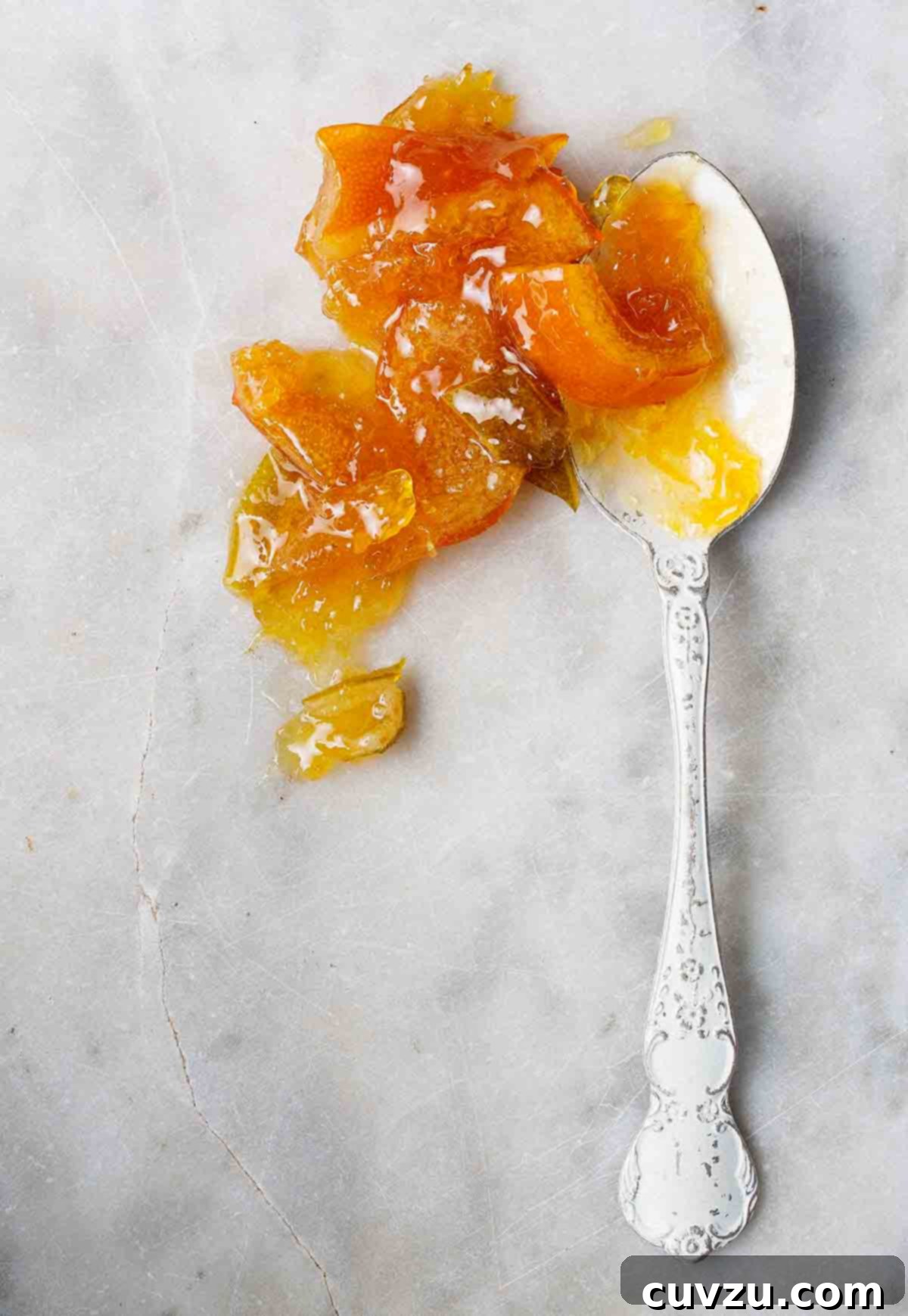
Prepare to elevate your breakfast and dessert game with this exceptional mixed citrus marmalade recipe. Crafted from the sun-kissed sweetness of oranges, the delicate tang of mandarins, and the bright zest of limes, this homemade preserve is a symphony of flavors. Far from a simple fruit spread, it offers a depth and complexity that store-bought versions can only dream of. Making it at home is a rewarding experience, transforming fresh citrus into a glistening, aromatic delight that will brighten any table.
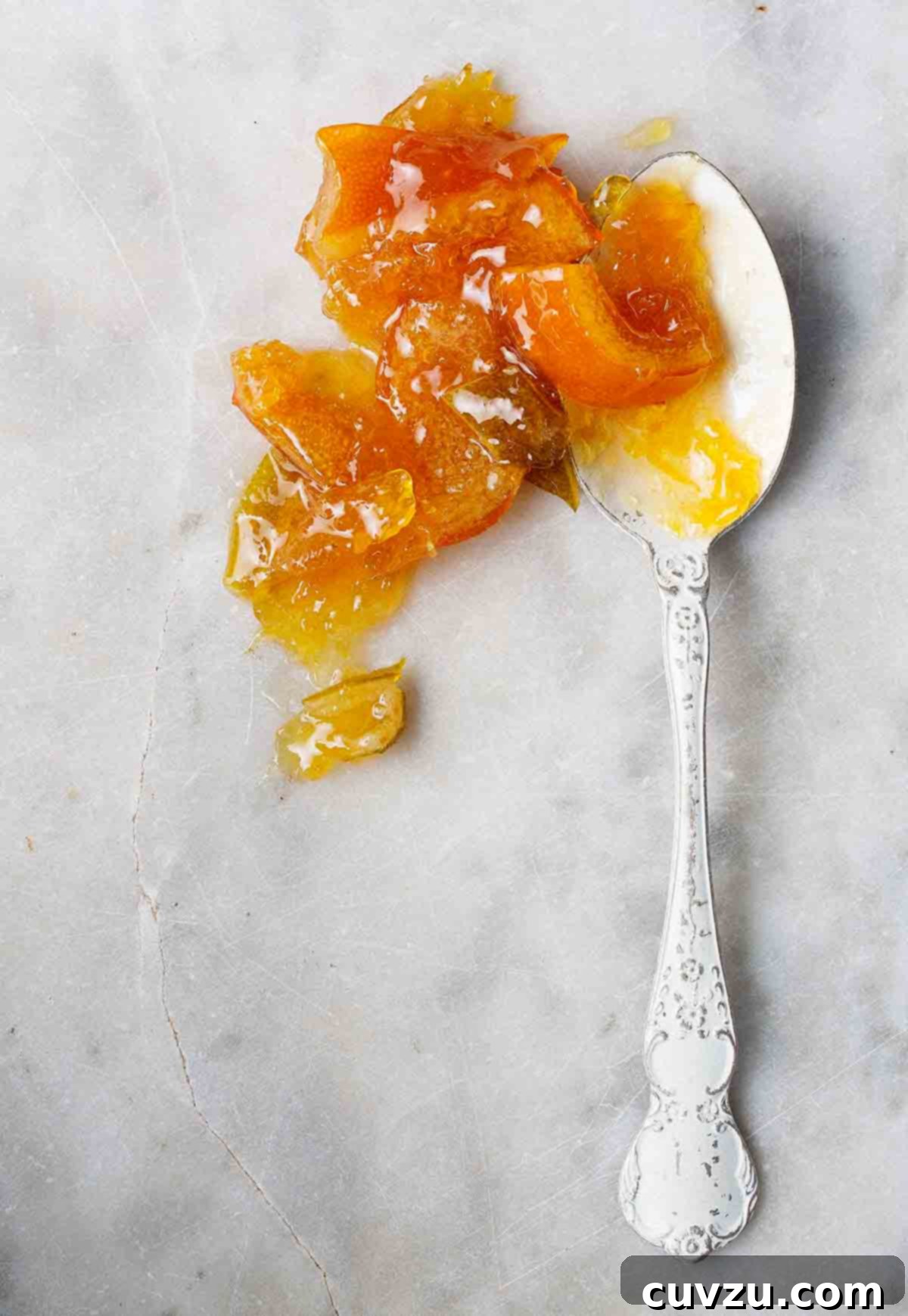
There are generally two types of people in the world: those who can’t imagine a morning without a dollop of exquisite marmalade on their toast, and those who believe they can live without it. Before you mentally place yourself in the latter category, we urge you to experience the unparalleled taste of this mixed citrus marmalade. Made with a harmonious blend of oranges, mandarins, and limes, it’s a revelation that far surpasses any fruit preserves you might find on a supermarket shelf. This isn’t just a spread; it’s a spoonful of pure, complex citrus bliss, surprisingly simple to craft in your own kitchen yet delivering an incredibly intricate flavor profile. It’s the kind of preserve that converts skeptics and delights connoisseurs alike.
Marmalade vs. Jam: Understanding the Delicious Distinction
While often grouped together as fruit preserves, marmalade and jam possess distinct characteristics that set them apart. Both are fruit-based spreads cooked with sugar, but the key difference lies in their ingredients and texture. Jam is typically made from crushed or chopped fruit, sugar, and sometimes pectin (a natural gelling agent), resulting in a smooth or fruit-chunky consistency without significant pieces of fruit peel.
Marmalade, on the other hand, is uniquely defined by its inclusion of citrus rind, traditionally derived from oranges, but also from lemons, limes, grapefruits, or a combination of these. This rind is finely sliced or chopped and suspended in a clear or translucent jelly-like base, lending marmalade its characteristic slightly bitter, tangy, and textural qualities. The presence of the rind contributes not only to the distinct flavor profile but also to the higher natural pectin content, which is crucial for achieving the perfect set. This textural component, along with the unique sweet-bitter balance, is what gives marmalade its sophisticated and often more complex taste compared to the straightforward sweetness of most jams.
The Allure of Mixed Citrus: A Flavor Symphony
This recipe truly shines by combining three distinct citrus fruits: oranges, mandarins, and limes. Each contributes a unique note to the overall symphony of flavors:
- Oranges: Provide the foundational sweetness and a rich, classic marmalade flavor. Their zest offers a robust citrus aroma and a pleasant bitterness.
- Mandarins (like clementines): Introduce a brighter, slightly sweeter, and less acidic counterpoint to the oranges. Their delicate zest and juicy flesh add a nuanced layer of fruitiness and a lovely, subtle sweetness.
- Limes: Inject a sharp, tangy zest and a vibrant acidity that cuts through the sweetness, balancing the flavors and preventing the marmalade from being overly cloying. The lime’s bright character elevates the entire preserve, adding a refreshing finish.
Together, these three fruits create a marmalade that is simultaneously sweet, tart, and elegantly bitter, with a beautiful aroma and an intriguing texture from the mixed rinds. This blend ensures a more dynamic and engaging flavor experience than a single-fruit marmalade.
Mixed Citrus Marmalade: The Ultimate Homemade Recipe
Recipe by David Leite
Save Recipe
Share on Pinterest
Print Recipe
Condiments, Breakfast
British, European
48
servings | Approx. 6 cups
173
kcal per serving
45 minutes
2 hours 40 minutes
3 hours 25 minutes
Equipment
- Jars with canning rings and lids (ensure they are sterilized)
- Large, heavy-bottomed pot or preserving pan
- Slotted spoon
- Fine-mesh sieve or cheesecloth
- Candy thermometer (optional, but recommended for accuracy)
- Small plates (chilled in the freezer for testing set)
- Ladle and funnel (for jarring)
Ingredients
-
1 pound 2 ounces thin-skinned seedless oranges, preferably organic (about 3 medium) -
1 pound 2 ounces thin-skinned mandarins, such as clementines, preferably organic (about 6-8 small) -
1 pound 2 ounces thin-skinned limes, preferably organic (about 6-8 small) -
8 cups cold water -
4 pounds 6 ounces superfine sugar (or simply pulse granulated sugar in a food processor or blender until finely ground but not powdery) -
Juice of 2 lemons (4 to 6 tablespoons), fresh squeezed
Instructions
-
Prepare the Fruit for Simmering:
Thoroughly wash all citrus fruits. For a classic, chunky marmalade, place the whole fruits into a large, heavy-bottomed pot along with the 8 cups of cold water. Cover the pot and bring to a gentle simmer. Continue to simmer for 1 to 2 hours, or until the fruits are exceptionally tender when pierced with a fork. Once tender, use a slotted spoon to carefully remove the fruits from the liquid and allow them to cool slightly. Once cool enough to handle, cut the fruits into slices or quarters, discarding any large pithy core. As you cut, meticulously pick out as many seeds as possible. Gather these seeds and any membranes you remove and tie them loosely in a piece of cheesecloth, then return this bundle to the cooking liquid. These seeds are rich in natural pectin, which is essential for your marmalade to set properly. Continue to simmer the liquid with the seed bundle for another 20 minutes to extract maximum pectin, then strain the liquid, discarding the seed bundle.
Alternatively, for a less chunky marmalade with a more jam-like consistency, coarsely chop the whole fruits before tossing them into the pot with the water. Cover and simmer for 1 to 2 hours until the fruit is tender. Again, use a slotted spoon to remove the fruit, allow it to cool, then pick out and collect the seeds. Return the seeds (tied in cheesecloth) to the liquid and simmer for 20 minutes before straining and discarding the seeds.
-
Combine Fruit, Liquid, and Sugar:
Measure the prepared fruit (sliced or chopped) in cups. Add enough of the strained cooking liquid back to the fruit to make a total of 6 cups (approximately 1.5 liters) of fruit and liquid combined. It’s crucial to measure accurately here. Return this fruit and liquid mixture to a clean, large preserving pot. Add the superfine sugar and fresh lemon juice. Stir the mixture gently over very low heat until the sugar has completely dissolved. This step is important to prevent sugar crystals from forming in the final marmalade and ensures a smooth consistency.
-
Boil to Setting Point:
Once the sugar is fully dissolved, increase the heat to high and bring the mixture to a rapid, rolling boil. Maintain a vigorous boil, stirring occasionally to prevent the marmalade from scorching on the bottom of the pot. As the marmalade boils, foam will likely rise to the surface; skim this off as necessary using a clean spoon. Continue boiling for approximately 30 to 35 minutes, or until the marmalade reaches its setting point. The ideal setting temperature is around 220°F (104°C) on a candy thermometer. To test for set without a thermometer, place a teaspoon of hot marmalade onto a chilled plate (pre-chilled in the freezer). Let it cool for a minute, then push it gently with your finger. If it wrinkles and forms a skin, it has reached its setting point. If not, continue boiling for a few more minutes and re-test.
-
Jar and Seal:
Once the marmalade has reached its setting point, remove it from the heat. Ladle the hot marmalade into warm, sterilized jars, leaving about 1/4 inch of headspace from the rim. Wipe the rims clean, then immediately apply sterilized canning lids and rings, tightening them to fingertip-tight. For long-term storage, process the sealed jars in a boiling water bath canner for 10 minutes (adjusting time for altitude if necessary). After processing, carefully remove the jars and let them cool undisturbed on a counter for 24 hours. You should hear the lids “ping” as they seal. Store properly sealed jars in a cool, dark place for up to 12 months. Once a jar is opened, refrigerate it and consume within 2-3 weeks.
Tips for Marmalade Perfection
- Fruit Quality: Always use fresh, unblemished, and preferably organic citrus. The skin will be a key part of your marmalade, so avoid fruits with thick or bruised rinds. Thin-skinned varieties are best.
- Pectin Power: Don’t discard the seeds and pith! These contain natural pectin, crucial for the marmalade to set. Using a cheesecloth bag for them allows you to extract the pectin without adding unwanted texture.
- Suprefine Sugar: Using superfine sugar helps it dissolve quickly and reduces the chance of crystallization. If you only have granulated sugar, a quick pulse in a food processor will do the trick.
- The Plate Test: The chilled plate test is a time-honored method for checking the set. Keep several plates in the freezer and check every few minutes once the marmalade starts to thicken. A distinct wrinkle indicates readiness.
- Sterilization is Key: Proper sterilization of jars and lids is essential for safe, long-term storage and to prevent spoilage. Boil jars and lids for at least 10 minutes, or use an oven method.
- Don’t Rush the Boil: A rapid, rolling boil is necessary to activate the pectin and achieve a good set. Don’t let it just simmer during the final cooking stage.
Serving Suggestions: Beyond the Toast
While mixed citrus marmalade is undeniably glorious on warm toast, crumpets, or scones, its vibrant flavor makes it incredibly versatile. Here are a few ways to enjoy your homemade preserve:
- Breakfast & Brunch: Spread generously on croissants, English muffins, or pancakes. Swirl into Greek yogurt or oatmeal for a burst of flavor.
- Cheese Boards: Pair with sharp cheddar, creamy brie, or tangy goat cheese. The sweet-tart notes complement savory cheeses beautifully.
- Desserts: Use as a filling for tarts, cakes, or thumbprint cookies. Drizzle over vanilla ice cream or panna cotta. It can also be incorporated into glazes for fruit tarts or used as a topping for cheesecakes.
- Savory Applications: Glaze roasted chicken, duck, or pork tenderloin for a sweet and tangy finish. Whisk into salad dressings for a unique citrus twist. It can even be used in marinades.
- Cocktails: A spoonful can add a sophisticated citrus kick to cocktails, especially gin-based drinks or whiskey sours.
- Gifts: Jarred in beautiful containers, homemade mixed citrus marmalade makes for a thoughtful and delicious gift for friends, family, and hosts.
Storage and Shelf Life
When properly sealed and stored in a cool, dark place (like a pantry), homemade mixed citrus marmalade can last for up to 12 months. Once a jar has been opened, it should be refrigerated and consumed within 2 to 3 weeks for the best flavor and quality. Always ensure your canning process is meticulous to prevent any risk of spoilage. A good seal is indicated by a concave lid that doesn’t flex when pressed. If a lid is bulging or doesn’t seal, refrigerate that jar immediately and consume within a week.
Adapted From
The Produce Companion
Buy On Amazon
Explore More with AI
Substitutions
Scale Recipe
Summarize Article
Nutrition Facts
Serving:
2 tablespoons
Calories:
173 kcal
Carbohydrates:
45 g
Protein:
0.3 g
Fat:
0.2 g
Saturated Fat:
0.005 g
Monounsaturated Fat:
0.004 g
Sodium:
3 mg
Fiber:
1 g
Sugar:
44 g
Nutrition information is automatically calculated and should be used as an approximation only. Individual results may vary.
Tried this delicious recipe?
Share your creation! Mention @leitesculinaria or tag #leitesculinaria on Instagram!
Recipe Testers’ Reviews
Our dedicated team of recipe testers rigorously evaluates each recipe to ensure clarity, accuracy, and delicious results. Here’s what one of our testers had to say about this Mixed Citrus Marmalade:
Helen Doberstein
This mixed citrus marmalade is truly in a league of its own, bearing no resemblance to the often bland and overly sweet store-bought versions. Its taste is profoundly superior, with a vibrant freshness that only homemade can achieve.
For my batch, I opted for a combination of 3 navel oranges, 4 clementines, and 6 limes. I chose to coarsely chop the fruit before simmering it in the water for a full 2 hours, which resulted in beautifully tender rind. After straining the liquid and carefully removing the seeds (which were then returned in a cheesecloth bag to extract more pectin), I was left with just under 6 cups of poached fruit. Adding back most of the pectin-rich liquid brought the total volume to precisely 6 cups, leaving me with a generous 500 ml of extra strained liquid—perfect for another batch or perhaps a citrus syrup!
I simmered the entire mixture with the sugar and lemon juice for a precise 45 minutes, constantly monitoring for the setting point. By this time, it had transformed into a gloriously thick, jammy consistency, requiring only minimal skimming of foam. There was a slight concern that the substantial amount of sugar might make it overly sweet, but the final product proved otherwise. It boasts that unmistakable, delightful sweet-tart marmalade flavor that is both familiar and exciting. Unlike the often-clear, somewhat artificial appearance of commercial marmalades, this homemade version has a more rustic, jam-like look, brimming with natural fruit. From this recipe, I filled one 500-ml jar, one 250-ml jar, and six charming 125-ml jars. While finding homes for this exquisite marmalade might be the only challenge, I’m confident its exceptional taste will win over even the most discerning palates.
Embarking on the journey of making mixed citrus marmalade is an experience that promises both culinary satisfaction and a delicious reward. The process, while requiring a bit of patience, is incredibly straightforward and results in a preserve that is profoundly flavorful and utterly unique. The harmonious blend of oranges, mandarins, and limes creates a taste that is bright, complex, and wonderfully balanced, a true testament to the beauty of simple ingredients transformed by care. Whether slathered on your morning toast, paired with fine cheeses, or incorporated into creative desserts, this homemade marmalade is sure to become a beloved staple in your pantry. We encourage you to try this recipe and discover the pure joy of crafting your own gourmet fruit preserves.