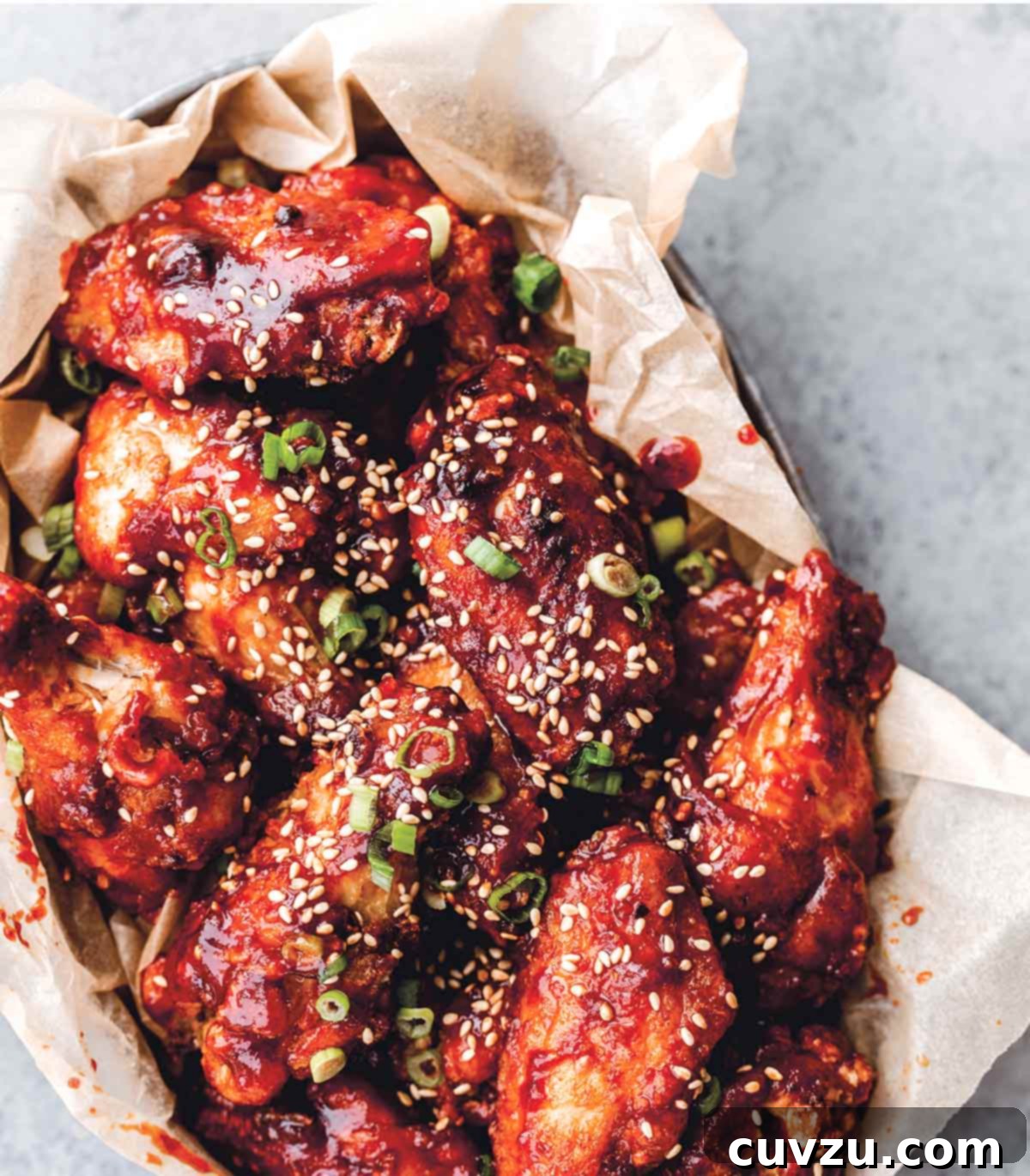
Sweet and spicy chicken wings are a culinary triumph, offering an unparalleled umami experience that tantalizes the taste buds. Elevate your appetizer game or transform your main course with these gorgeously glazed wings, featuring a harmonious blend of honey, rich brown sugar, aromatic garlic, concentrated tomato paste, and the star ingredient: authentic Korean gochujang sauce. These irresistible wings are more than just a dish; they’re a guaranteed crowd-pleaser, perfect for lively parties, intense game days, or simply a delightful weeknight treat that everyone will crave.
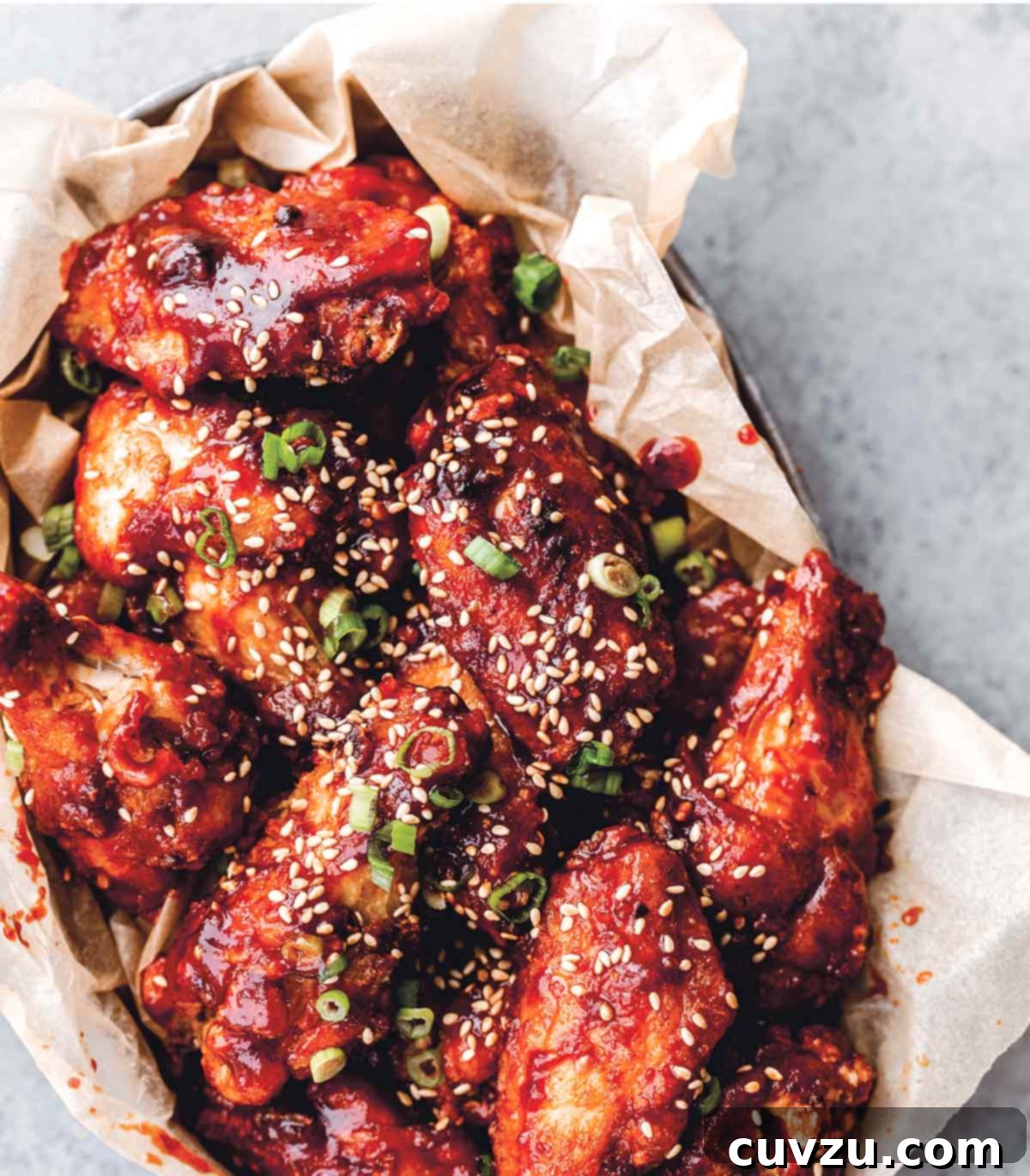
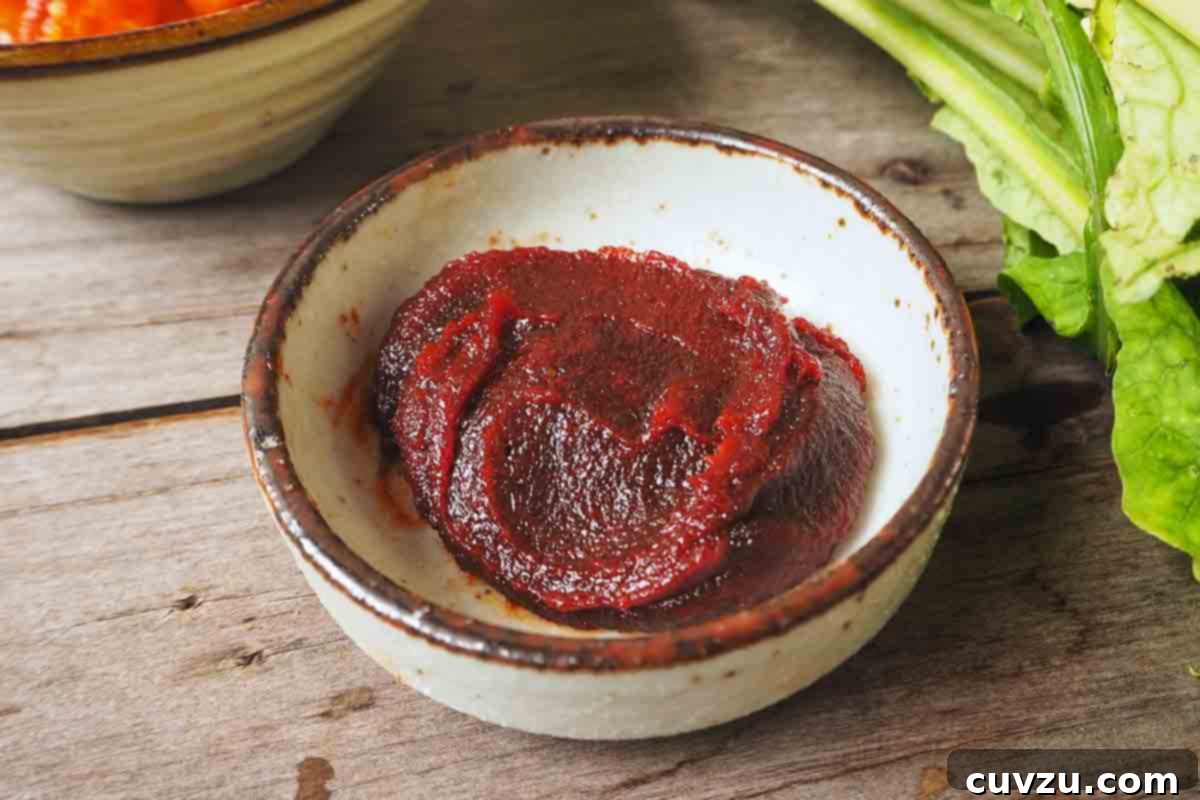
At the heart of our sweet and spicy sauce lies gochujang—a vibrant, complex, and deeply flavorful Korean chili paste. This unique fermented condiment delivers a balanced profile of savory, sweet, and spicy notes, making it an indispensable ingredient in authentic Korean cuisine. You’ll typically find gochujang in the international or Asian foods section of most well-stocked grocery stores, as well as in specialty Asian markets. While we highly recommend using gochujang for its distinctive taste, in a pinch, these versatile wings can be tossed in another favorite spicy-sweet sauce, or enjoyed simply with the rich flavors imparted by their initial garlic and ginger marinade. Either way, they promise a memorable culinary experience.
Chicken wings are an undisputed MVP of any game-day tailgate spread or casual gathering. This distinctive recipe offers a fresh and exciting twist on classic chicken wings, guaranteed to make your guests rave. The combination of crispy skin, juicy meat, and that incredible sticky sauce is truly addictive. Don’t forget to provide plenty of paper towels or napkins when serving these wonderfully messy delights – they’re finger-licking good! – Kylie Mazon-Chambers

Why Our Testers Loved This Recipe
Our dedicated recipe testers unanimously declared these gochujang chicken wings both “perfect” and “delicious.” They particularly praised the exceptional balance of sweet and spicy flavors, noting that the sauce achieved a nuanced depth rather than overwhelming heat. A key highlight for our testers was the ability to control the amount of sauce applied, allowing them to customize the spiciness to their personal preference without compromising the overall flavor profile. This adaptability makes the recipe a versatile choice for all palates.
Essential Ingredients for Perfect Gochujang Wings
Crafting the perfect sweet and spicy chicken wings begins with selecting high-quality ingredients and understanding their roles. Here’s a closer look at what you’ll need and why each component is crucial:
- Chicken Wings: For optimal results and even cooking, it’s essential to prepare your chicken wings correctly. If you purchase whole wings, take the time to cut through the joint, separating them into distinct drumettes and flat pieces. This ensures each piece cooks uniformly and provides a better surface area for maximum crispiness and sauce adherence. Remember to snip off and discard the small, bony wing tips, as they offer little meat and can easily burn.
- Cornstarch: This is your secret weapon for achieving truly crispy fried wings. Coating the marinated chicken in cornstarch creates a thin, delicate crust that crisps up beautifully in hot oil, locking in moisture and delivering that satisfying crunch. If you prefer to use an air fryer, substitute the cornstarch with 1 tablespoon of baking powder. Baking powder reacts with the chicken’s natural moisture and heat, creating tiny bubbles that expand and crisp the skin without the need for deep frying.
- Soy Sauce: A fundamental ingredient in the gochujang sauce, soy sauce contributes a crucial layer of umami and savory depth. It balances the sweetness of the honey and brown sugar, adding complexity to the overall flavor profile. For guests or personal dietary needs requiring a gluten-free option, simply substitute regular soy sauce with tamari. Tamari is a gluten-free alternative that offers a similar rich, savory taste, ensuring everyone can enjoy these delicious wings.
- Gochujang: The star of the show! This Korean fermented chili paste provides the signature sweet and spicy kick. Its unique fermented notes add an incredible depth of flavor that cannot be replicated by other chili pastes. Look for it in Korean markets or the international aisle of your supermarket.
- Honey and Brown Sugar: These sweeteners are vital for creating the perfect sticky glaze and balancing the heat from the gochujang. Honey offers a floral sweetness, while brown sugar provides a deeper, molasses-rich note.
- Garlic and Fresh Ginger: These aromatic powerhouses form the base of the chicken marinade, infusing the meat with fragrant, pungent flavors that complement the gochujang sauce beautifully. Fresh is always best for maximum impact.
- Tomato Paste: A small but mighty ingredient, tomato paste adds a concentrated umami richness and a subtle tang to the gochujang sauce, deepening its complexity and color.
- Toasted Sesame Oil: A few drops of toasted sesame oil at the end of the sauce preparation lend a wonderfully nutty aroma and flavor, enhancing the overall Asian-inspired profile of the wings.
- Lime Juice: Fresh lime juice brightens the rich, sweet, and spicy sauce with a touch of acidity, cutting through the richness and making the flavors pop.
Crafting Your Gochujang Chicken Wings: A Detailed Guide
Follow these precise steps to create perfectly crispy, juicy, and flavor-packed sweet and spicy gochujang chicken wings that will impress every time:
- Prepare and Marinate the Chicken Wings: Begin by ensuring your chicken wings are properly prepared. If you’ve purchased whole wings, carefully cut them through the joint to separate them into drumettes and flat pieces. Discard the wing tips. In a large bowl, combine the prepared chicken wings with the minced garlic, freshly minced ginger, kosher salt, and freshly ground black pepper. Toss vigorously to ensure every piece is thoroughly coated. Once seasoned, cover the bowl tightly and refrigerate for a minimum of 1 hour to allow the flavors to meld and penetrate the chicken. For an even deeper flavor, you can marinate them for up to 24 hours.
- Prepare the Gochujang Sauce: While your wings are marinating, prepare the star of the dish: the gochujang sauce. In a small saucepan, combine all the sauce ingredients: gochujang, tomato paste, honey, dark brown sugar, soy sauce (or tamari), toasted sesame oil, and fresh lime juice. Place the saucepan over medium heat and whisk continuously until all the ingredients are fully incorporated and the sugar has completely dissolved, which typically takes about 5 minutes. Remove the sauce from the heat and allow it to cool. This sauce can be made well in advance—up to a week—and stored in an airtight container in the refrigerator, making meal prep a breeze.
- Achieve Crispy Perfection: Fry the Chicken Wings: Approximately 30 minutes before you plan to fry, remove the marinated wings from the refrigerator and let them rest at room temperature. This helps them cook more evenly. While the wings are tempering, heat your frying oil. Pour enough mild vegetable oil into a large, deep cast-iron pan or heavy-bottomed pot to reach a depth of about 1 inch (2.5 cm). Heat the oil to precisely 350°F (177°C) using a kitchen thermometer for accuracy. Once the oil is at temperature, toss the room-temperature wings with the cornstarch, shaking off any excess. Fry the wings in batches, being careful not to overcrowd the pan, as this will lower the oil temperature and prevent even browning. Turn the wings occasionally to ensure all sides cook evenly, until they are beautifully golden brown and thoroughly cooked through, typically 6 to 10 minutes per batch. Transfer the fried wings to a plate lined with paper towels to drain any excess oil. Crucially, allow the oil to return to 350°F (177°C) before frying each subsequent batch.
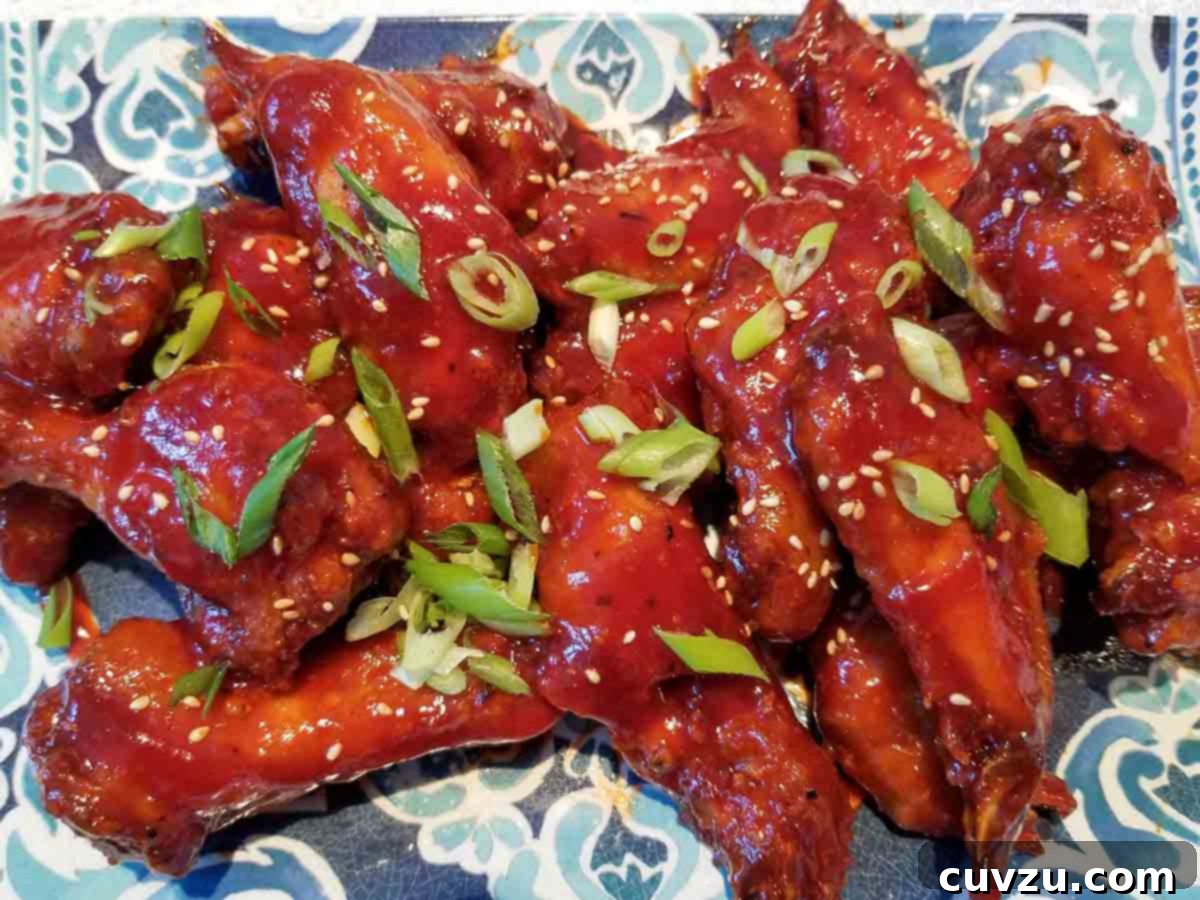
- Final Touches and Serving: Just before serving, gently reheat the gochujang sauce if it has cooled or thickened. In a large bowl, toss the freshly fried, crispy chicken wings with the warm, sticky gochujang sauce, ensuring each wing is generously coated. Transfer the sauced wings to a serving platter and finish with a generous sprinkle of toasted sesame seeds and thinly sliced scallions for both visual appeal and a fresh aromatic touch. Serve immediately and watch them disappear!
Common Questions About Sweet and Spicy Gochujang Wings
Absolutely! To adapt this sweet and spicy chicken wings recipe for your air fryer, make a small but crucial change to the coating. Instead of cornstarch, replace it with 1 tablespoon of baking powder and toss it thoroughly with the marinated wings until they are evenly coated. Preheat your air fryer to 400°F (200°C). Cook the wings in batches, ensuring they are in a single layer to allow for optimal air circulation and crisping. Flip the wings once halfway through cooking and lightly spray them with a little oil when flipping, if desired, to enhance crispiness. Each side should cook for approximately 10 minutes, for a total of 20 minutes per batch. You can serve them as they finish cooking, or keep the cooked batches warm in a low oven (around 200°F / 95°C) until all the wings are ready.
Gochujang, also known as Korean red chili paste, is a cornerstone of Korean cooking and a truly unique condiment. It’s a savory, sweet, and moderately spicy fermented paste, celebrated for its complex flavor profile and vibrant reddish-brown hue. Traditional gochujang is crafted from a blend of gochu-garu (Korean chili powder), glutinous rice, fermented soybean powder (meju), barley malt powder, and salt. This mixture undergoes a natural fermentation process, often in large earthenware pots called onggi, which develops its characteristic deep, piquant, and subtly sweet taste. Gochujang is incredibly versatile, commonly used to marinate meats (like in bulgogi or bibimbap), enrich stews and soups (such as kimchi jjigae), and as a flavorful base for dipping sauces and condiments. Its distinct umami notes add an unparalleled depth to any dish.
Coating chicken wings in plain cornstarch, often mixed with a little kosher salt, before frying is a culinary technique that yields exceptionally tasty and divinely crispy wings. The science behind it is quite simple yet effective: cornstarch possesses superior moisture-absorbing properties compared to other starches. When applied to the chicken, it effectively draws out surface moisture from the skin. Upon frying, this dry, starchy coating transforms into a rigid, crunchy shell. As the wings cook, the cornstarch develops a robust and better-structured coating that becomes incredibly crisp and golden, creating that highly sought-after, gorgeous texture without becoming greasy or soggy. It’s the key to achieving restaurant-quality crispness at home.
The spice level of these gochujang wings is easily adjustable to suit your preference. For a milder flavor, you can reduce the amount of gochujang in the sauce by half or even a third. Alternatively, you can add an extra tablespoon of honey or brown sugar to increase the sweetness and temper the heat. If you prefer a hotter kick, consider adding a pinch of Korean chili flakes (gochu-garu) or a dash of your favorite hot sauce to the gochujang mixture. Tasting the sauce before tossing the wings will allow you to fine-tune the heat to your liking.
These flavorful gochujang wings pair wonderfully with a variety of side dishes that complement their sweet and spicy profile. For a classic Korean-inspired meal, serve them alongside steamed white or brown rice, a refreshing cucumber salad, or traditional kimchi. Other excellent options include a crisp coleslaw, pickled daikon radish to cut through the richness, or even simple roasted vegetables. For an American twist, consider serving them with a side of crispy smashed potatoes, blue cheese dressing (for dipping if you enjoy the contrast), or a fresh green salad to balance the flavors.
Pro Tips & Troubleshooting for Perfect Wings
- Plan Ahead for Flavor: For maximum flavor development and convenience, you can marinate the chicken wings for an extended period, up to 24 hours in the refrigerator. This allows the garlic, ginger, salt, and pepper to deeply infuse into the meat. Similarly, the gochujang sauce is incredibly forgiving and can be prepared up to 1 week in advance, stored in an airtight container in the fridge. Having components ready beforehand significantly reduces day-of cooking stress.
- Dietary Considerations: This recipe is naturally suitable for dairy-free diets. For those following a gluten-free diet, it’s a simple swap: ensure you use tamari instead of traditional soy sauce in your gochujang sauce. Tamari offers the same rich umami flavor without any gluten. Always double-check ingredient labels, especially for gochujang, as some brands may contain wheat.
- Achieving Ultimate Crispiness: When deep frying, ensure your oil temperature remains consistent at 350°F (177°C). Fluctuations can lead to soggy or overly browned wings. Fry in small batches to maintain oil temperature and prevent overcrowding. If using an air fryer, don’t overload the basket; cook in layers if necessary, allowing sufficient space for air circulation around each wing.
- Sauce Consistency: If your gochujang sauce becomes too thick upon cooling, you can thin it slightly by adding a tablespoon of water or chicken broth while gently reheating it over low heat. If it’s too thin, simmer it a bit longer until it reduces to your desired sticky consistency.
- Serving Temperature: While the wings are best served immediately after saucing, ensure the sauce is warm when tossing. A warm sauce will coat the crispy wings more evenly and adhere better than a cold sauce.
Explore More Great Spicy Chicken Wing Recipes
If you’ve fallen in love with these sweet and spicy gochujang wings, you’re in for a treat! The world of spicy chicken wings is vast and delicious. Here are a few more fantastic recipes to satisfy your craving for heat and flavor, offering diverse profiles from classic Southern comfort to tangy balsamic twists:
Share Your Experience: Write a Review
We love hearing from you! If you make this sweet and spicy chicken wing recipe, or any other delightful dish from Leite’s Culinaria, please consider sharing your feedback. Leave a review, a star rating, and even your best photo in the comments section below. Your insights and culinary creations inspire us all! – David
Sweet and Spicy Chicken Wings
David Leite
Print Recipe
Mains, Appetizer
Korean-Inspired, Multicultural
4
servings
650
kcal
30 minutes
30 minutes
2 hours
30 minutes
Ingredients
For the Chicken Wings
- 3 pounds chicken wings (flats and drumettes)
- 6 cloves garlic, minced
- 1 tablespoon peeled and minced fresh ginger
- 1 teaspoon kosher salt
- 1 teaspoon freshly ground black pepper
- 1/2 cup cornstarch (or 1 tbsp baking powder for air fryer)
- Mild vegetable oil, for frying
For the Gochujang Sauce
- 1/4 cup store-bought or homemade gochujang
- 2 tablespoons store-bought or homemade tomato paste
- 5 tablespoons honey
- 2 tablespoons packed dark brown sugar
- 2 tablespoons soy sauce or tamari (for gluten-free)
- 1 tablespoon toasted sesame oil
- 2 tablespoons fresh lime juice
To Serve
- 2 teaspoons sesame seeds (toasted)
- 2 scallions, thinly sliced (green onions)
Instructions
Prepare the Chicken Wings
-
If starting with whole chicken wings, separate them into drumettes, wingettes (or flats), and the small wing tip. Discard the wing tips, as they contain little meat and can burn easily during cooking.
-
In a large bowl, combine the prepared chicken wings with the minced garlic, fresh ginger, kosher salt, and freshly ground black pepper. Toss well to ensure all the wings are evenly coated with the aromatics and seasoning. Cover the bowl and refrigerate for at least 1 hour, or ideally overnight (up to 24 hours) for deeper flavor infusion.
Make the Gochujang Sauce & Fry the Wings
-
While the wings are marinating, prepare the gochujang sauce. In a small saucepan over medium heat, whisk together the gochujang, tomato paste, honey, dark brown sugar, soy sauce (or tamari), toasted sesame oil, and fresh lime juice. Continue to whisk for about 5 minutes, or until all ingredients are fully incorporated and the sugar has completely dissolved, creating a smooth, cohesive sauce. Remove from heat and set aside to cool. This versatile sauce can be made up to a week in advance and stored in an airtight container in the refrigerator.
-
Allow the marinated wings to sit at room temperature for about 30 minutes before cooking. This ensures more even cooking. Meanwhile, prepare your frying setup: pour enough mild vegetable oil into a large, deep cast-iron pan or heavy-bottomed pot to reach approximately 1 inch (2.5 cm) up the side of the pan.
-
Heat the oil to a precise 350°F (177°C). While the oil heats, toss the room-temperature chicken wings with the cornstarch, ensuring each wing is lightly coated, then shake off any excess powder. Carefully fry the chicken wings in batches, ensuring not to overcrowd the pan. Turn them occasionally to ensure even cooking and browning. Fry for 6 to 10 minutes per batch, until they are beautifully golden brown and cooked through to an internal temperature of 165°F (74°C). Transfer the fried wings to a plate lined with paper towels to drain excess oil. It is crucial to allow the oil to return to 350°F (177°C) before adding the next batch to maintain optimal crispiness.
-
To serve, gently reheat the gochujang sauce if it has cooled. In a large mixing bowl, toss the freshly fried, hot chicken wings with the warm sauce, ensuring every piece is generously coated with the sticky, flavorful glaze. Arrange them on a serving platter and top with a sprinkle of toasted sesame seeds and thinly sliced scallions for a final flourish. Serve immediately and enjoy!
Recipe Notes & Tips
- Get Ahead for Stress-Free Cooking: Maximize convenience and flavor by preparing components in advance. The chicken wings can be marinated for up to 24 hours before cooking, allowing the garlic and ginger to deeply permeate the meat. Similarly, the gochujang sauce can be made up to 1 week ahead of time and stored in an airtight container in the refrigerator, making it perfect for entertaining or busy weeknights.
- Air Fryer Variation for Healthy Crispiness: For a lighter, yet equally crispy alternative, make these wings in your air fryer. Replace the 1/2 cup of cornstarch with just 1 tablespoon of baking powder and toss it thoroughly with the marinated wings until they are evenly coated. Cook the wings in a preheated air fryer at 400°F (200°C) in batches, ensuring a single layer in the basket. Flip them once halfway through and, if desired, lightly spray with oil for extra crispness. Each side typically requires about 10 minutes, for a total of approximately 20 minutes per batch. Serve immediately or keep warm in a low oven.
- Dietary Adjustments for All: This recipe is naturally suitable for dairy-free diets. For those following a gluten-free regimen, simply substitute traditional soy sauce with tamari in the gochujang sauce. Tamari provides a similar savory depth without the gluten, ensuring these delicious wings can be enjoyed by everyone. Always check the labels of your gochujang to ensure it is also gluten-free if strict adherence is necessary.
- Oil Temperature is Key for Frying: When deep frying, maintaining a consistent oil temperature of 350°F (177°C) is crucial for achieving truly crispy wings. Use a reliable kitchen thermometer and adjust heat as needed. Frying at too low a temperature results in greasy wings, while too high can burn the exterior before the interior is cooked.
- Don’t Overcrowd the Pan/Air Fryer: Whether deep frying or air frying, cook the wings in batches. Overcrowding lowers the oil temperature or restricts air circulation, leading to less crispy results. Patience is a virtue here!

Adapted From
Share + Savor
Buy On Amazon
Explore More with AI
Substitutions
Scale Recipe
Summarize Article
Nutrition Facts (Per Serving)
Calories: 650 kcal
Carbohydrates: 53 g
Protein: 36 g
Fat: 34 g
Saturated Fat: 9 g
Monounsaturated Fat: 13 g
Trans Fat: 1 g
Cholesterol: 141 mg
Sodium: 1055 mg
Fiber: 1 g
Sugar: 30 g
Nutrition information is automatically calculated and should only be used as an approximation. Individual results may vary based on specific ingredients and preparation methods.
Tried this recipe?
Mention @leitesculinaria or tag #leitesculinaria!
Insights from Our Recipe Testers
Our dedicated team of recipe testers tried this recipe and shared their valuable insights, helping home cooks achieve the best results:
Aryn Snell
Aryn raved about these sweet and spicy chicken wings, calling them fantastic! She particularly noted that the sauce achieved a perfect balance of sweetness with just the right amount of heat, making it incredibly enjoyable without being overpowering.
She opted to make her wings in an air fryer, achieving perfectly crisp exteriors while maintaining super juicy chicken that practically fell off the bone. Given her air fryer’s 3.6-quart capacity, Aryn had to cook the wings in batches. To keep them warm and perfectly cooked, she utilized her oven’s warming drawer until all batches were ready, confirming that the method worked flawlessly.
Aryn also shared a valuable tip regarding the air fryer method: “The first batch I made with cornstarch but found it was too much coating and didn’t crisp up as well. For the remaining wings, I tossed them in a bag with 1 tablespoon of baking powder, which helped crisp them up significantly. I can see how the cornstarch would work wonderfully for deep frying, but for an air fryer, baking powder truly makes a difference.”
Adrienne Lee
Adrienne noted an interesting observation regarding the sauce’s spiciness: “I gave a taste to one of my nieces, and she found that the gochujang sauce was a bit too spicy for her palate, but my brother-in-law described it as ‘sweet heat,’ which he loved! Personally, I found a slight spiciness that was pleasant, but it certainly wasn’t overwhelming, and the intricate flavors of the sauce still came through beautifully.” This highlights the customizable nature of the recipe and how different palates perceive heat.
To accommodate varying preferences, Adrienne cleverly served the wings in two ways: “When serving, I tossed part of the wings directly in the gochujang sauce and put the rest out on a separate platter with the sauce on the side, allowing people to add as much or as little sauce as they wanted.” She also added that while the gochujang sauce is fantastic, “I could definitely see serving these wings with another dipping sauce, or even enjoying them plain after their initial marinade, as they’re tasty all on their own.” They were served alongside black bean noodles and our favorite zucchini recipe as complementary side dishes, making for a well-rounded and delicious meal.