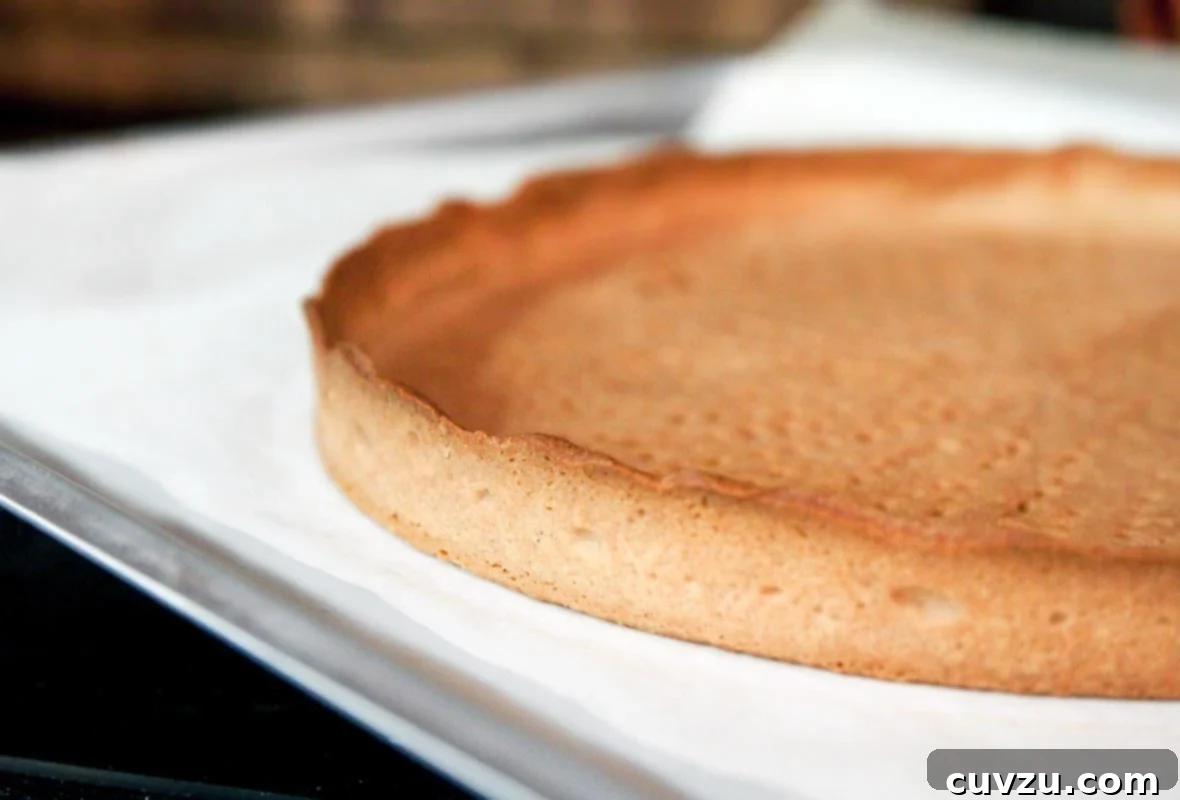
Mastering Pâte Sucrée: Joanne Chang’s Perfect French Tart Dough
For pastry enthusiasts and home bakers alike, the French art of tart making often begins with a fundamental ingredient: Pâte Sucrée. This classic sweet shortcrust pastry is renowned for its tender, slightly chewy texture that beautifully complements a myriad of fillings. Among the countless recipes available, Joanne Chang’s version stands out as a testament to perfection, offering a consistently delightful base that’s as sturdy as it is delicious. Forget flimsy crusts; this is the robust, yet refined foundation your tarts deserve, providing a satisfying “sugar cookie-like” bite with every forkful. Its versatility makes it the ideal choice for everything from vibrant fruit tarts to rich, creamy custards.
What is Pâte Sucrée and Why Is It Essential for Tarts?
The French, with their unparalleled culinary precision, developed specialized doughs for specific purposes, and pâte sucrée (pronounced “pat sue-KRAY”) is a prime example. Translating to “sweet pastry dough,” it’s engineered specifically for tarts. Unlike flakier pastry doughs such as pâte brisée (traditional pie crust) or puff pastry, pâte sucrée is characterized by its high butter and sugar content, along with the incorporation of egg yolks. This unique composition yields a dough that bakes into a firm yet tender crust, resisting sogginess and holding its shape flawlessly once removed from the tart tin.
Imagine attempting to lift a slice of a decadent Milky Way Tart or a fresh fruit tart, only for the crust to crumble beneath the weight of its luscious filling. This is precisely why pâte sucrée is indispensable. Its resilience is its superpower, providing the structural integrity needed to support even the heaviest custards or piles of fresh berries, transforming a simple dessert into a show-stopping masterpiece. The result is a pastry that is more tender and chewy than crispy and flaky, offering a delightful contrast to soft, creamy, or fruity fillings. It’s a culinary triumph that pastry chefs worldwide rely on, and with Joanne Chang’s guidance, it’s easily achievable in your home kitchen. Renee Schettler reminds us that this intentional design, achieved through the careful balance of ingredients, is what makes it so special.
Joanne Chang’s Pâte Sucrée: A Recipe for Success
Pâte Sucrée
David Leite
- PIN
Ingredients
- 1/2 cup (1 stick) unsalted butter, at room temperature, cut into 8 pieces. Using room temperature butter is crucial for proper creaming with sugar, creating air pockets that contribute to the dough’s tender texture.
- 1/4 cup granulated sugar. Sweetens the crust and aids in tenderness, contributing to the “sugar cookie” flavor.
- 1/2 teaspoon kosher salt. A small amount of salt enhances the sweetness and balances the overall flavor profile of the pastry.
- 1 cup unbleached all-purpose flour. The primary dry ingredient providing structure. Using unbleached flour can subtly improve texture.
- 1 egg yolk. Adds richness, helps bind the dough, and contributes to its characteristic tender, chewy consistency, reducing gluten development for a less tough crust.
Instructions
-
1. Cream Butter, Sugar, and Salt: Using a stand mixer fitted with the paddle attachment, combine the softened unsalted butter, granulated sugar, and kosher salt. Beat on medium speed for 2 to 3 minutes, or until the mixture becomes notably pale and light in texture. This essential creaming process incorporates air, which is vital for a tender, delicate crust. Remember to periodically scrape down the sides and bottom of the bowl with a rubber spatula to ensure all ingredients are thoroughly combined and no pockets of unmixed butter remain.
-
2. Incorporate Flour and Egg Yolk: Reduce the mixer speed to low. Gradually add the unbleached all-purpose flour to the creamed butter-sugar mixture. Mix for about 30 seconds, or just until the flour is evenly combined and the mixture resembles wet sand. Next, add the single egg yolk. Continue to mix on low speed for approximately another 30 seconds, or until the dough comes together to form a cohesive, soft ball. It’s crucial at this stage not to overmix, as excessive mixing can develop the gluten in the flour, resulting in a tough, less desirable crust.
-
3. Chill the Dough: Gently flatten the dough into a disk, then wrap it tightly in plastic wrap. Refrigerate for at least 1 hour. This crucial chilling period serves multiple purposes: it allows the butter to firm up, making the dough much easier to handle without sticking; it helps the flavors meld; and most importantly, it gives the gluten a chance to relax. This relaxation prevents the dough from shrinking excessively during baking, ensuring your tart crust maintains its intended size and shape. (For convenience, the dough can be stored in the refrigerator for up to 5 days or in the freezer for up to 2 weeks. If frozen, be sure to thaw it overnight in the refrigerator before proceeding with the next steps.)
-
4. Prepare and Roll the Dough: If you’re creating a pie shell, ensure a 9-inch pie pan is ready. For a tart shell, line a baking sheet with parchment paper and center a 10-inch tart ring on top. Remove the chilled dough from the refrigerator and allow it to soften at room temperature for about 30 minutes; this makes it pliable enough to roll without cracking. On a lightly floured work surface, use a rolling pin to gently bang and flatten the dough into a disk approximately 1/2 inch thick. Lightly flour the top of the dough and your rolling pin to prevent sticking. Roll out the dough from the center outwards, rotating the disk a quarter turn after each roll to ensure even thickness and a perfectly circular shape. Aim for a circle 10 to 11 inches in diameter and about 1/4 inch thick for a 9-inch pie shell, or approximately 12 inches in diameter and just under 1/4 inch thick for a 10-inch tart shell. Don’t be concerned if the dough tears slightly, especially at the edges; pâte sucrée is remarkably forgiving and easily patched.
-
5. Line the Pan or Ring: Carefully roll the dough circle around your rolling pin, then gently unfurl it over your prepared 9-inch pie pan or 10-inch tart ring. Press the dough firmly into the bottom and up the sides of the pan or ring, ensuring it fits snugly into all crevices. This firm pressing helps create a well-defined shape and prevents air bubbles. Utilize any leftover dough scraps or odd pieces to patch up any tears or gaps, pressing them firmly into the existing dough to create a seamless crust. Once the entire interior is well covered, press one last time all the way around the rim to ensure evenness and no hidden holes. Trim the excess dough so that its edge is even with the rim of your pan or ring for a neat, professional finish.
-
6. Second Chill & Bake: Refrigerate the formed pastry shell for at least 30 minutes. This second chilling step is vital, as it allows the gluten to relax completely before baking, significantly preventing the pastry from shrinking in the oven. (Similar to the raw dough, the formed pastry shell can be tightly wrapped in plastic wrap and refrigerated for up to 1 day or frozen for up to 2 weeks. It can be baked directly from the refrigerator or freezer, though frozen shells may require a few extra minutes of baking time.) Position a rack in the center of your oven and preheat the oven to 350°F (176°C). Bake the shell for 30 to 35 minutes, or until it achieves a beautiful, even golden brown color. Once baked, let it cool completely to room temperature on a wire rack before filling. If using a tart ring, gently remove it once the shell has cooled slightly. Your perfect pâte sucrée crust is now ready for your chosen luscious filling!

Adapted From
Flour by Joanne Chang
Buy On Amazon
Explore More with AI
Substitutions
Scale
Summarize
Nutrition
Calories: 194 kcal
Carbohydrates: 18 g
Protein: 2 g
Fat: 13 g
Saturated Fat: 8 g
Monounsaturated Fat: 3 g
Trans Fat: 0.5 g
Cholesterol: 56 mg
Sodium: 148 mg
Fiber: 0.4 g
Sugar: 6 g
Nutrition information is automatically calculated and provided for approximation only. Individual results may vary.
Tips for Pâte Sucrée Perfection
Achieving a flawless pâte sucrée is within reach for any home baker, especially when following Joanne Chang’s expert method. Here are some additional tips and insights to ensure your success and elevate your tart-making game:
- Don’t Overmix the Dough: This is arguably the most critical rule for tender pâte sucrée. The goal is to minimize gluten development, which occurs when flour and water (from butter and egg yolk) are worked together. Mix only until the ingredients are just combined and no streaks of flour remain. Overworking the dough will activate too much gluten, resulting in a tough, unpleasantly chewy crust that lacks the desired delicate texture.
- Proper Chilling is Non-Negotiable: Chilling serves multiple, equally important purposes. First, it firms up the butter, making the dough much easier to roll out without sticking to your work surface or tearing. Second, and crucially for baking, it allows the gluten strands, which may have developed during mixing, to relax. This relaxation prevents the dough from shrinking excessively in the oven, ensuring your tart crust maintains its size and shape, preventing dreaded “slumped” sides. Always follow the recommended chilling times.
- Patching Tears is Easy: Pâte sucrée can sometimes be a bit fragile, especially when rolling or transferring. If you encounter tears, cracks, or thin spots, don’t despair! Simply use small pieces of dough (from scraps) to patch them up. Gently press the new piece into the damaged area, smoothing it with your fingers. The dough is very forgiving, and once baked, these repairs will be virtually invisible, preserving the aesthetic appeal of your tart.
- Strive for Even Thickness: When rolling out the dough, make a conscious effort to achieve an even thickness throughout. An uneven crust will bake inconsistently; thinner areas may become over-baked and dry, while thicker spots might remain undercooked. Uniform thickness ensures uniform baking and a consistent, delightful texture in every bite.
- Understanding Blind Baking (Pre-Baking): While the recipe’s baking instructions for the shell indicate it’s intended to be fully baked before filling, for many wet fillings (such as custards, fresh fruit fillings that release a lot of liquid, or even quiches), blind baking (or pre-baking) the crust is highly recommended. This step helps to set the crust and prevents a soggy bottom, ensuring your tart remains crisp and structurally sound. If your tart recipe calls for a liquid filling, consider lining the chilled crust with parchment paper, filling it with pie weights or dried beans, and baking until lightly golden before adding your filling.
- Room Temperature Butter is Key: As emphasized in the recipe, ensuring your unsalted butter is at true room temperature (soft enough to indent with a finger but not greasy or melted) is vital for successful creaming. This allows the butter to incorporate air effectively with the sugar, leading to that desirable tender crumb.
Versatile Fillings for Your Pâte Sucrée Tart
One of the greatest joys and benefits of baking with pâte sucrée is its incredible versatility. Its slightly sweet, rich, and “sugar cookie-like” flavor acts as a perfect canvas for a wide array of fillings, allowing your creativity to shine. The robust nature of the crust ensures it can support both delicate and substantial fillings without compromising its structural integrity or texture. Consider these popular and delicious options to pair with your beautifully baked pâte sucrée shell:
- Classic Fruit Tarts: A pâte sucrée crust is the quintessential base for vibrant fruit tarts. Fill it with a smooth layer of pastry cream or crème pâtissière, then artfully arrange fresh seasonal berries, thinly sliced kiwi, luscious peaches, or glazed apples. The sturdy crust holds up beautifully to the moisture from the fruit, preventing any sogginess and providing a delightful textural contrast.
- Rich Custard Tarts: For those who appreciate creamy indulgence, this dough is ideal for various custard fillings. Imagine a tangy lemon curd tart, a decadent chocolate ganache tart, a silky vanilla bean crème brûlée tart, or even a rich coconut custard. The tender bite of the pâte sucrée provides a perfect counterpoint to the smooth, rich, and often intensely flavored fillings.
- Nut Tarts: Hearty and satisfying, nut-based fillings find their ideal home in a pâte sucrée shell. A classic pecan pie filling with its gooey texture and crunchy nuts, or a refined frangipane (almond cream) tart, offers a rich and deeply satisfying combination that highlights the sweet, buttery crust.
- Caramel or Toffee Tarts: For those with an undeniable sweet tooth, a sticky, golden caramel or rich toffee filling nestled in this sugar-cookie-like crust is pure indulgence. These tarts are often crowned with a sprinkle of sea salt or a layer of chocolate for an extra dimension of flavor.
- Other Creative Options: Don’t limit yourself! Consider fillings like salted caramel apple, pumpkin spice cream, or even a sophisticated coffee-flavored custard. The possibilities are truly endless, making Joanne Chang’s pâte sucrée recipe a fundamental and rewarding skill for any aspiring or seasoned baker.
Whether you’re crafting a simple dessert for a weeknight treat or an elaborate showstopper for a special occasion, this pâte sucrée will serve as your reliable foundation for culinary excellence.