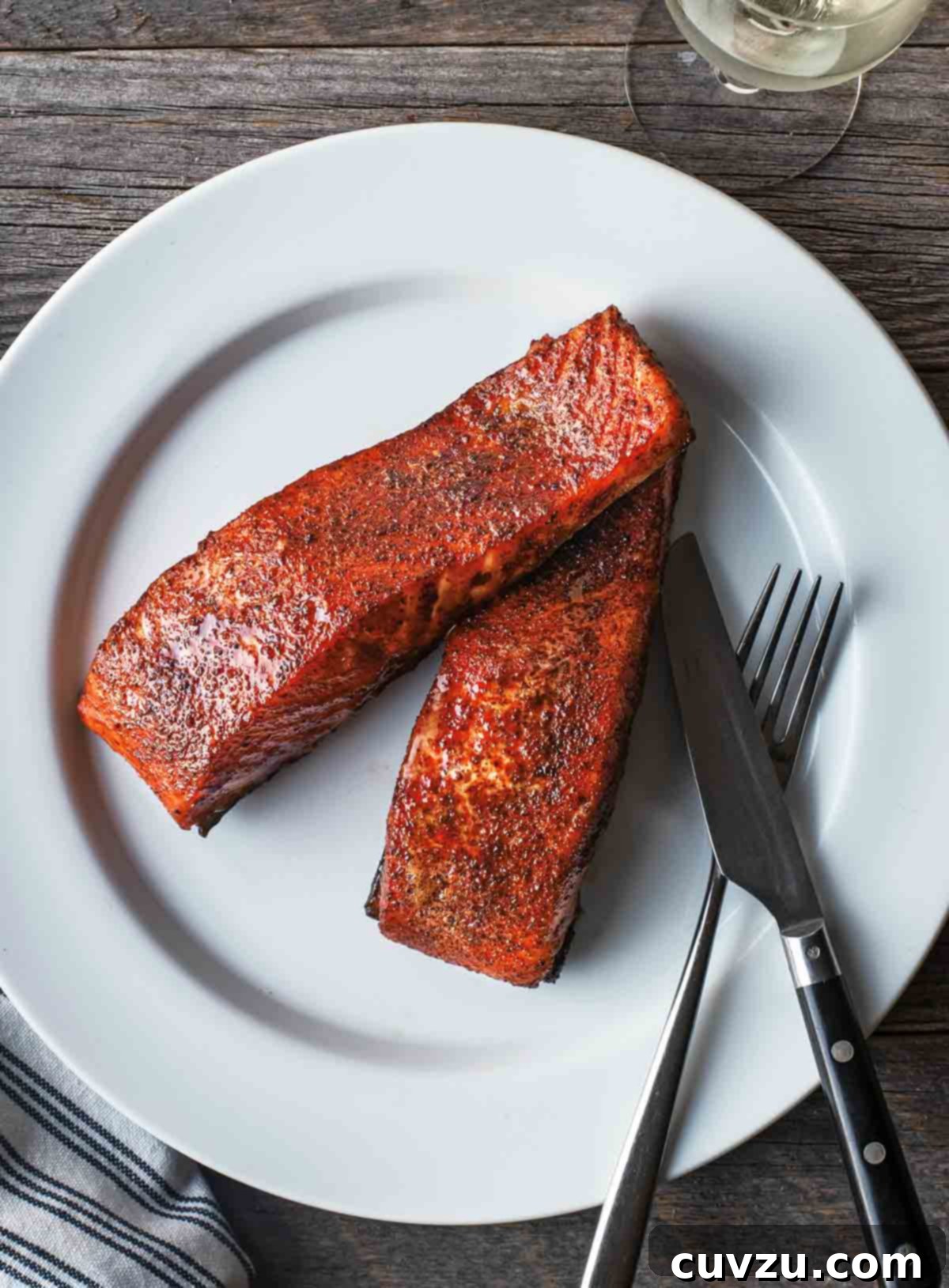
Transform your outdoor cooking experience with this incredible maple smoked grilled salmon recipe. Infused with a vibrant BBQ dry rub and a delicate kiss of pure maple syrup, this salmon is grilled to succulent perfection, offering all the rich, complex flavors of traditional hot-smoked salmon in a fraction of the time. Get ready to impress your family and friends with a dish that’s as easy to prepare as it is unforgettable.
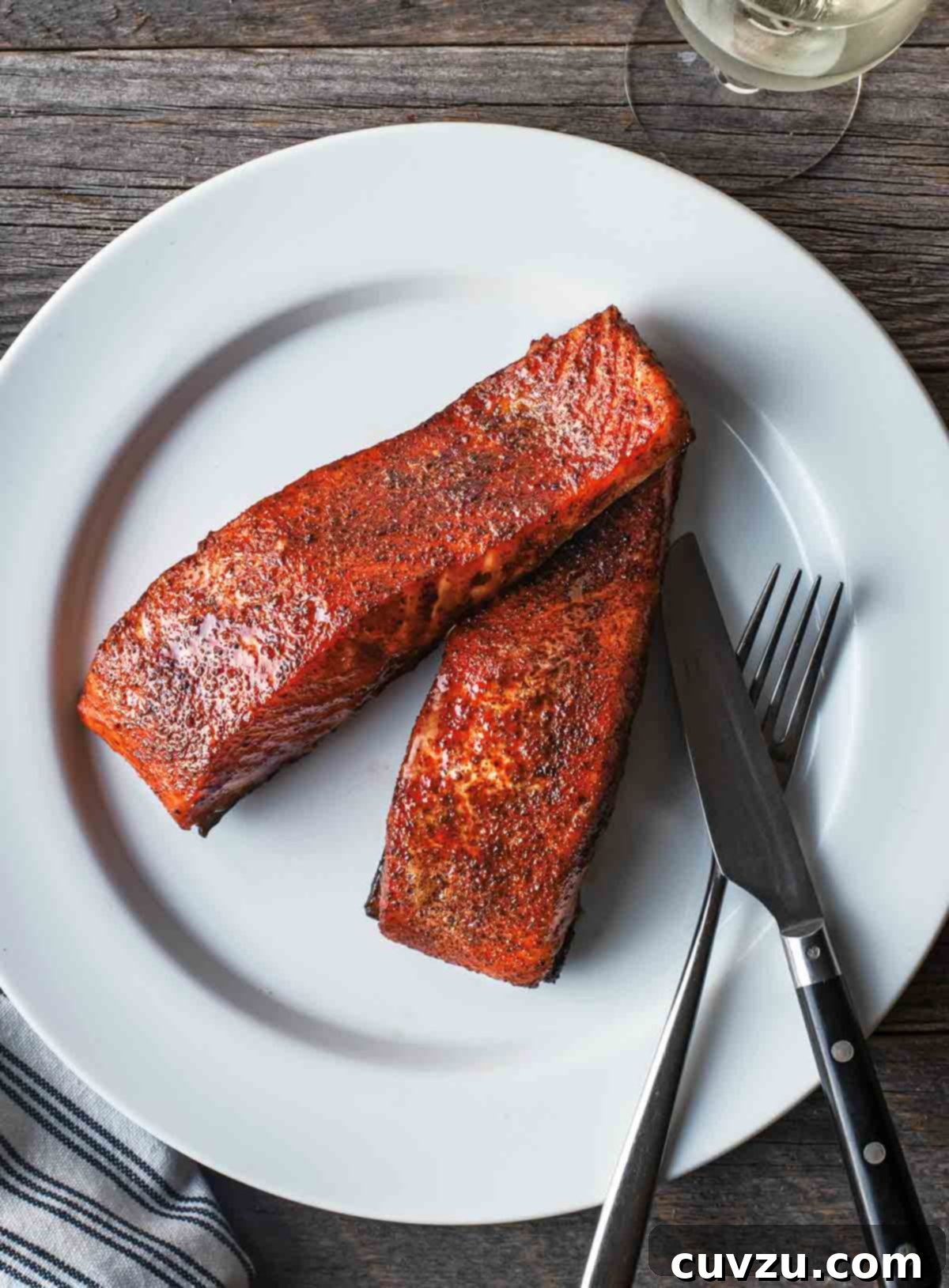
My journey into the world of competitive cooking began with salmon, surprisingly leading to my very first award. That fourth-place call for my grilled salmon recipe fifteen years ago sparked a lifelong passion for competition and perfecting culinary techniques, especially when it comes to fish. What I learned early on, and still hold true today, is that precision in cooking temperature is paramount for salmon. While the FDA generally advises cooking salmon to 145°F (63°C) internal temperature, I’ve found that this often leads to dry, overcooked fish that loses its delicate texture and flavor. To achieve truly tender, moist, and superbly flavorful salmon every time, I advocate for cooking it to a precise 130°F (54°C) and then allowing it to rest for a crucial 5 minutes. This resting period allows the heat to redistribute and gently finish the cooking process, locking in moisture and ensuring a flaky, rich result that will melt in your mouth.
This recipe, crafted by the masterful Bill Gillespie, exemplifies simplicity without compromising on flavor or perfect execution. It just might be the most perfectly cooked and delicious piece of salmon you’ve ever experienced, proving that exceptional results don’t require complex techniques. It’s about understanding the ingredients and the cooking process.
Mastering Maple Smoked Grilled Salmon: Tips & FAQs
Grilling salmon, especially with a sweet and smoky profile, is an art form that’s easier to master than you might think. Here are some frequently asked questions and expert tips to ensure your maple smoked grilled salmon turns out flawlessly every single time, from understanding common occurrences to choosing the best ingredients and equipment.
The white substance you sometimes observe oozing from your salmon during cooking is called albumin. It’s a naturally occurring protein that is liquid in raw fish but coagulates and becomes visible as it cooks. While completely harmless to consume, it’s not the most appealing sight. Its appearance is often a sign that your salmon is cooking at too high a temperature too quickly, causing the protein to express rapidly. To minimize albumin, try cooking your salmon at a slightly lower temperature, ensuring a more gradual and even cook. Our recommended grilling method and temperature management for this recipe are designed to prevent excessive albumin, resulting in a cleaner, more attractive finish.
A versatile BBQ dry rub typically forms a flavorful crust on your salmon, enhancing its natural taste. Common ingredients include a savory base of garlic powder, onion powder, salt, and black pepper. For a touch of warmth and color, paprika and chili powder are essential, often complemented by a pinch of cayenne for a gentle heat. Sometimes, a hint of brown sugar is added for sweetness. However, for this maple smoked grilled salmon recipe, we strongly advise against using rubs with a high sugar content. The pure maple syrup provides ample sweetness, and additional sugar can lead to an overly sweet flavor or even burning on the grill. Feel free to experiment with your dry rub by adding other spices like dry mustard for a tangy kick, rosemary for an aromatic note, or cumin for earthy depth. Maple sugar can also be a fantastic addition if you want to deepen the maple flavor. We highly recommend this Texas Dry Rub for its well-balanced, smoky profile, which pairs exquisitely with maple.
The difference between pure maple syrup and pancake syrup is significant, especially in a recipe where maple is a star flavor. Pure maple syrup is a natural product made by boiling down the sap collected from maple trees until it reaches a thick, syrupy consistency. It boasts a rich, complex flavor with earthy undertones and varying degrees of sweetness depending on its grade. When recipes specify “maple syrup,” this is always the ingredient they refer to. In contrast, pancake syrup is an artificial concoction, primarily made from corn syrup, high-fructose corn syrup, and artificial maple flavoring. While perfectly suitable for topping pancakes or waffles due to its consistent texture and sweetness, it lacks the depth, authenticity, and health benefits of pure maple syrup. For this maple smoked grilled salmon, using pure maple syrup is crucial for achieving that genuine, nuanced maple flavor that complements the smoke and dry rub beautifully.
Grilled salmon, especially with its rich and smoky maple flavor, pairs wonderfully with a variety of side dishes. For a refreshing contrast, a cool side salad is always a great choice. To echo the maple theme throughout your meal, consider a vibrant coleslaw with maple syrup dressing. Roasted vegetables are another fantastic option, adding both color and texture; think tender broccoli florets, earthy roasted beets, sweet butternut squash cubes, or caramelized Brussels sprouts. For a simpler yet equally satisfying accompaniment, classic grilled corn on the cob or a fluffy baked potato are excellent choices. Don’t be afraid to get creative with grains like quinoa salad or a wild rice pilaf. The versatility of this grilled salmon means you truly can’t go wrong, whether you opt for something light and fresh or hearty and comforting.
Beyond these FAQs, let’s delve deeper into the process of creating this sensational dish. From selecting the perfect salmon to understanding the nuances of grilling and smoking, every step contributes to the ultimate flavor.
Choosing Your Salmon: The Foundation of Flavor
The quality of your salmon is the first step to success. Look for fresh, vibrant fillets with firm, moist flesh. Wild-caught salmon often has a richer flavor and firmer texture, while farmed salmon tends to be fattier and milder. Both work well, so choose based on your preference and availability. Ensure the skin is intact, as it acts as a natural barrier on the grill, keeping the fish moist and preventing it from sticking. Opt for portions that are roughly 1-inch (25-mm) thick for even cooking.
The Power of Wood Smoke: Flavorful Aromatics
The “smoked” element in this recipe comes from wood chips or chunks added to your grill. Maple wood is specifically recommended for its sweet, mild, and distinctly aromatic smoke that perfectly complements the maple syrup and salmon. However, if maple isn’t available, other fruitwoods like apple or cherry can offer a similar sweet and mild smoke profile. Hickory provides a stronger, more classic BBQ smoke that can also work well if you prefer a bolder flavor. Remember to soak wood chips for at least 30 minutes before grilling to ensure they smolder slowly and produce consistent smoke rather than burning too quickly.
Maple Smoked Grilled Salmon
David Leite
Entree
American
4
servings
437
kcal
10
20
1
Ingredients
-
1/2
cup
pure maple syrup,
divided -
2
pounds
salmon,
cut into four 1/2-pound (227-g) portions, each about 1-inch (25-mm) thick -
2
tablespoons
of your favorite bbq dry rub -
1
chunk sugar maple wood or 1 cup maple wood chips
Instructions
-
Begin by preparing your salmon. Place the salmon fillets, skin side down, on a rimmed baking sheet. Take half of the pure maple syrup and brush it generously over the entire surface of each salmon piece. Then, evenly sprinkle your chosen BBQ dry rub all over the salmon. Once seasoned, transfer the baking sheet to the refrigerator and allow the salmon to chill and marinate for approximately 30 minutes. This chilling period helps the flavors meld and the rub adhere to the fish, setting the stage for a perfect grill.
-
While your salmon is chilling, prepare your grill. If using a charcoal grill, ignite one full chimney of charcoal. Once fully lit and glowing, carefully dump the hot charcoal into the center of your charcoal ring. Reassemble your grill, ensuring proper airflow, and allow it to come up to a steady temperature of 350°F (177°C). To help maintain moisture and catch drippings, place a foil-lined water pan beneath the grill surface, situated below where the salmon will cook. If you’re using a gas grill, preheat it to 350°F (177°C) and use a smoker box or smoke pouch filled with maple wood chips to introduce the smoky flavor. Adjust burners to create both direct and indirect heat zones if possible.
-
Carefully place the salmon fillets, skin side down, on the top grate of your grill. Add your chosen smoke wood (maple chunk or chips) to the charcoal or smoker box. Close the grill lid and cook the salmon until it reaches an internal temperature of 130°F (54°C) for a perfect medium doneness. This typically takes 15 to 20 minutes, though cooking time will vary based on the thickness of your salmon portions and grill temperature consistency. If you prefer your salmon slightly more done, aim for an internal temperature of 140°F (60°C), which will require 20 to 25 minutes. However, it’s generally best to avoid exceeding this temperature to prevent the salmon from becoming overcooked and dry. Always use an instant-read thermometer for accuracy.
-
Approximately 10 minutes into the grilling process, open the lid and gently brush the tops of each piece of salmon with the remaining 1/4 cup of pure maple syrup. This step adds another layer of sweet, sticky glaze and enhances the beautiful caramelization on the surface of the fish. Close the lid and continue cooking.
-
Once your desired internal temperature is achieved, carefully remove the salmon from the grill using a wide spatula. Transfer the cooked salmon to a clean plate or cutting board. It is crucial to let the salmon rest for at least 5 minutes before slicing or serving. This resting period allows the juices to redistribute throughout the fish, ensuring maximum tenderness and moisture in every bite. Serve immediately and enjoy the exquisite flavors of your maple smoked grilled salmon!
Adapted From
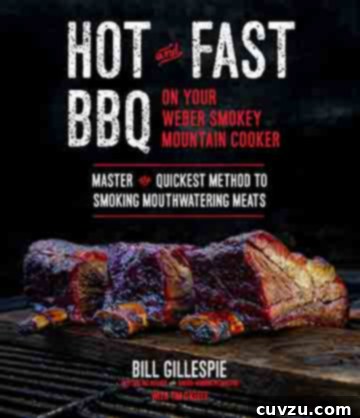
Hot and Fast BBQ on Your Weber Smokey Mountain Cooker by Bill Gillespie
Buy On Amazon
Explore More with AI
Substitutions
Scale
Summarize
Nutrition
Serving:
1
portion
Calories:
437
kcal
Carbohydrates:
28
g
Protein:
45
g
Fat:
15
g
Saturated Fat:
2
g
Monounsaturated Fat:
5
g
Cholesterol:
125
mg
Sodium:
104
mg
Fiber:
0.2
g
Sugar:
24
g
Nutrition information is automatically calculated, so should only be used as an approximation. Actual values may vary based on ingredients and preparation methods.
Tried this recipe?
Mention @leitesculinaria or tag #leitesculinaria! Share your delicious creations with our community!
Recipe Testers’ Reviews: Real Feedback for Real Cooks
Our dedicated team of recipe testers puts every dish through its paces, ensuring clarity, deliciousness, and ease of preparation. Here’s what they had to say about this maple smoked grilled salmon:
Shauna Hinchen-Joyal
This maple smoked grilled salmon is an effortlessly delicious recipe, truly poised to be the centerpiece of your next summer gathering! Its impressive flavor profile and ease of execution make it ideal for entertaining. To complete the meal, I suggest pairing it with a light orzo salad or a hearty crispy smashed potato salad, accompanied by some vibrant green beans. This combination creates a balanced and satisfying feast that’s sure to delight.
For our test, we opted for Trader Joe’s coffee garlic rub, and it proved to be an excellent choice. The robust, earthy notes of coffee and garlic beautifully complemented the inherent sweetness of the maple and the smoky nuances from the grill, creating a harmonious and layered flavor experience.
We served this exquisite salmon with classic baked sweet potatoes, tender peas, and a fresh garden salad, making for a well-rounded and deeply satisfying dinner.
Victoria Filippi
As someone who enjoys fish for lunch or dinner but often finds salmon’s strong flavor a bit overwhelming, I was pleasantly surprised by this recipe. The method, which thoughtfully combines the sweetness of pure maple syrup with my preferred dry rub, all cooked with a subtle hint of smoke, resulted in a truly delightful dish.
The strategic use of maple syrup, coupled with the warmth and spices from the dry rub, brilliantly balanced and subtly camouflaged the more intense salmon flavor that I typically shy away from. This approach created a harmonious taste profile that even I, a hesitant salmon eater, found incredibly appealing. I also firmly believe that utilizing a meat thermometer is the absolute best way to guarantee fish is cooked to its perfect doneness, ensuring it remains moist and tender. This versatile recipe, with its careful flavor balance, would undoubtedly be delicious with other types of fish as well, offering a wonderful way to introduce smoky-sweet notes to various seafood options.
Lisa Bennett
Allow me to state unequivocally: this was, without a doubt, the BEST salmon I have ever tasted. What made it even more remarkable was how incredibly simple, fuss-free, and mess-free it was to prepare. The recipe truly delivers on its promise of an exceptional dining experience with minimal effort.
To streamline my cooking process even further, I had my local fishmonger portion the salmon for me, which was a definite bonus. Following the recipe’s precise instructions, I let the salmon chill uncovered in the fridge for 30 minutes, then cooked it to a perfect internal temperature of 130°F, ensuring I allowed it the critical 5-minute rest. These meticulously followed steps resulted in salmon that was as “tender and moist” as promised, flaking beautifully and bursting with flavor.
Embracing the spirit of quick and easy preparation, I opted for a readily available Cajun spice blend for the dry rub, which performed its duty perfectly, adding a zesty and slightly fiery counterpoint to the maple’s sweetness.
To elevate this dish for a special occasion, I served this exquisite maple smoked grilled salmon alongside steamed vegetables prepared en papillote (in parchment paper). The presentation alone garnered rave reviews from my toughest food critics – my family. The ultimate testament to its success? There were absolutely no leftovers. Enough said!