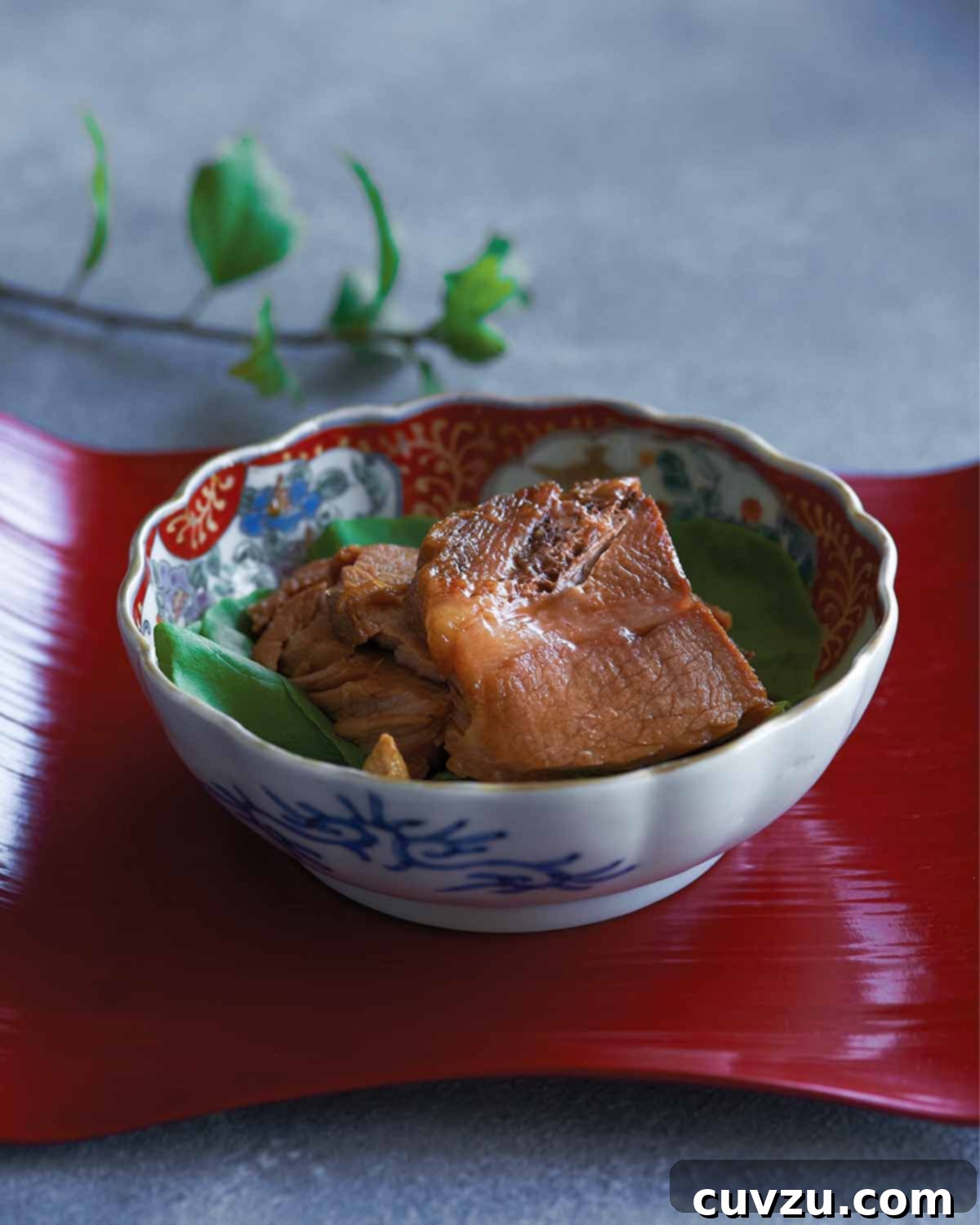
Prepare to elevate your culinary repertoire with this exquisite recipe for Braised Pork with Soy Sauce. A staple in Japanese cuisine, known as nibuta, this succulent pork dish transcends expectations, transforming humble ingredients into a symphony of savory and sweet flavors. Whether nestled atop a steaming bowl of ramen, tucked into a soft sandwich, or served simply over fluffy white rice, its tender texture and rich umami profile make it an undeniable crowd-pleaser. This dish is not just food; it’s an experience, a journey into the heart of comforting, slow-cooked perfection that promises to delight your palate and warm your soul.
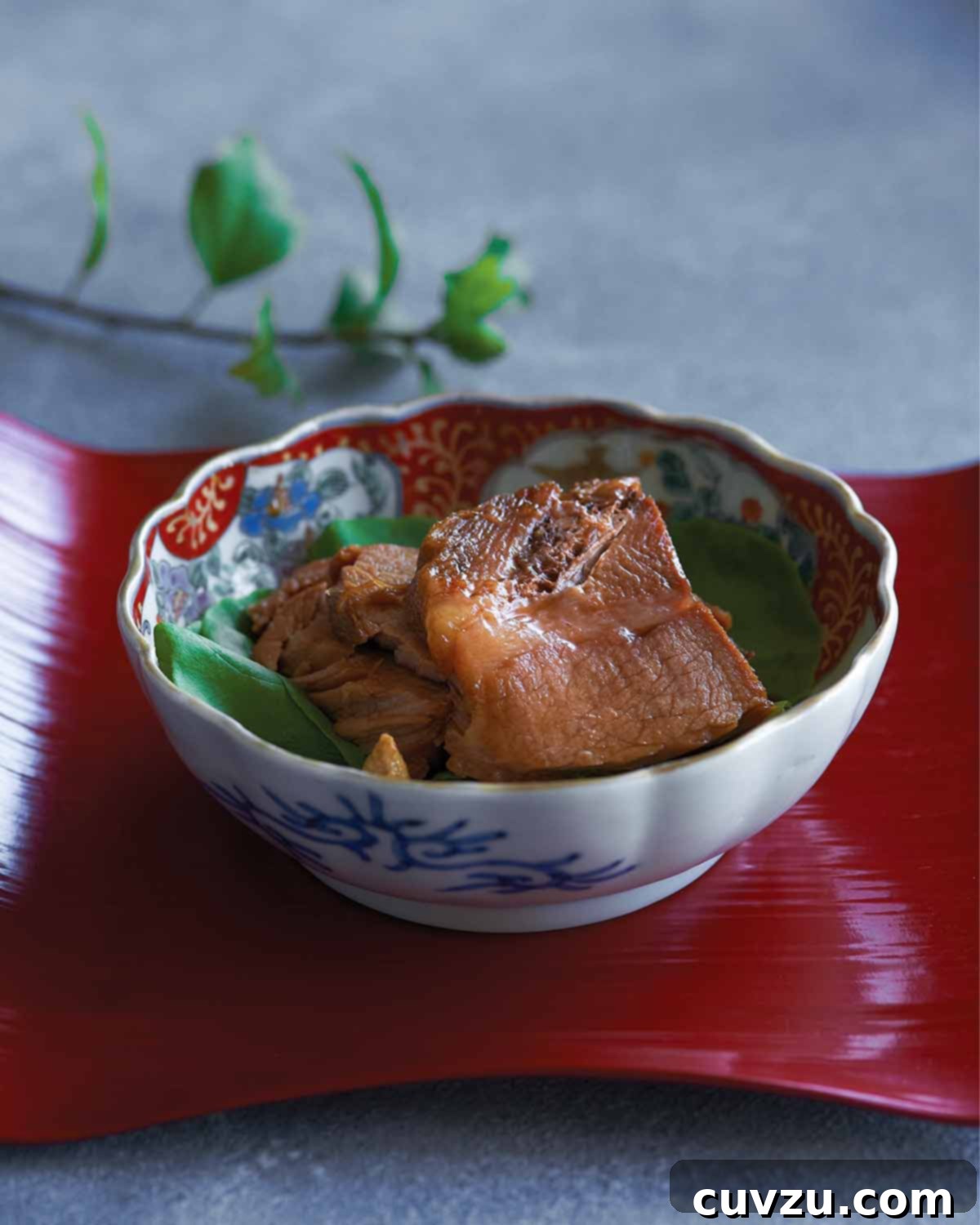
The culinary world often celebrates dishes that offer immense flavor with minimal hands-on effort, and Japanese nibuta is a prime example. This traditional preparation of pork braised in a soy sauce and sugar mixture is a testament to the power of slow cooking. It’s a dish that brings back fond memories for many, reminiscent of cozy rainy days spent indoors, with the gentle bubbling of a pot filling the home with an irresistibly savory aroma. The thinly sliced, melt-in-your-mouth pork, infused with a harmonious blend of sweet, salty, and umami notes, is incredibly versatile. It’s superb when piled generously over warm, pearly rice, creating a simple yet deeply satisfying meal. For a more unconventional twist, consider it as a gourmet filling for sandwiches, adding an unexpected depth of flavor. One of the many benefits of this recipe is that its flavor actually intensifies and matures as it rests, making it an excellent choice for advance preparation. For those seeking an exceptionally beautiful presentation, rolling the pork shoulder and securing it with kitchen twine before braising ensures perfectly even and attractive slices, elevating its visual appeal. —Rika Yukimasa
Understanding Nibuta: The Heart of Japanese Braised Pork
Nibuta (煮豚), literally meaning “simmered pork,” is a revered staple in Japanese cuisine, especially popular as a topping for ramen. This dish showcases the art of slow braising, where pork is gently cooked in a flavorful liquid until it reaches an incredible state of tenderness. The braising liquid typically consists of soy sauce, sake, mirin, and sugar, creating a rich, deeply savory, and slightly sweet glaze that permeates every fiber of the meat. The low and slow cooking process allows the connective tissues in the pork to break down, resulting in a buttery, fall-apart texture that is utterly irresistible.
Beyond ramen, nibuta is incredibly versatile. It’s often served thinly sliced over steamed rice with a drizzle of the savory braising liquid, making for a comforting and complete meal. It can also be incorporated into stir-fries, used as a filling for steamed buns or sandwiches, or simply enjoyed on its own as a main course with a side of steamed vegetables. Its rich flavor profile and tender consistency make it a go-to for meal prep, as it tastes even better the next day once the flavors have had more time to meld and deepen.
Selecting the Perfect Pork Cut for Braising
The success of any braised dish hinges significantly on the cut of meat chosen, and this Braised Pork with Soy Sauce recipe is no exception. It specifically calls for pork shoulder, and for very good reason. Braising is a cooking method designed to transform tougher, more economical cuts of meat into incredibly tender, succulent masterpieces through prolonged, moist heat cooking. For this purpose, the pork shoulder, often labeled as “pork butt” or “Boston butt” in many grocery stores, is unequivocally the best choice.
Despite its name, the Boston butt actually comes from the upper part of the pig’s front shoulder, situated above the shoulder blade. This particular cut is prized for its generous marbling of fat and abundant connective tissue. During the long, slow braising process, this intramuscular fat renders beautifully, basting the meat from within and contributing immense juiciness and flavor. Simultaneously, the tough collagen and other connective tissues slowly dissolve into gelatin, creating that signature melt-in-your-mouth texture that is the hallmark of perfectly braised pork. Unlike leaner cuts that would dry out under extended cooking, pork shoulder thrives in these conditions, becoming incredibly tender without losing its moisture. When selecting your pork shoulder, look for a cut with a good balance of lean meat and visible marbling, ensuring a deliciously rich and succulent end product.
Braised Pork with Soy Sauce: The Ultimate Comfort Food
Discover the art of slow cooking with this incredible Braised Pork with Soy Sauce recipe. Perfect for ramen, sandwiches, or simply over rice, its rich, tender, and deeply flavorful profile is sure to become a family favorite.
David Leite
Ingredients
- 6 cups water
- 1 cup cooking sake
- 1/2 cup soy sauce
- 1/2 cup granulated sugar
- 1/4 cup mirin
- 2 tablespoons honey
- 6 quarter-sized slices fresh ginger
- 3 pounds boneless pork shoulder
Instructions
-
In a large, heavy-bottomed pot, combine the water, cooking sake, soy sauce, granulated sugar, mirin, honey, and sliced ginger over medium heat. Stir gently until the sugar has completely dissolved, ensuring a perfectly integrated braising liquid. Once the sugar is dissolved, carefully add the pork shoulder to the pot, making sure it is submerged as much as possible in the liquid.
-
Bring the liquid in the pot to a gentle boil. As soon as it reaches a boil, reduce the heat to its lowest setting to maintain a very gentle simmer. Cover the pot with a tight-fitting lid to trap the steam and moisture, which is crucial for tenderizing the meat. Allow the pork to braise undisturbed for a full 2 hours. This slow, steady cooking process will break down the tough connective tissues, yielding incredibly tender pork.
-
After 2 hours, turn off the heat but keep the pot covered. It is essential to let the meat cool down gradually in its braising liquid for at least 1 hour. This step allows the pork to reabsorb some of the flavorful liquid, intensifying its taste and ensuring maximum juiciness. For even better results and easier slicing, consider refrigerating the pork in its liquid overnight.
-
Once cooled (and chilled, if desired), carefully remove the pork from the liquid. Slice the braised pork into thin, even pieces. Arrange the slices attractively on a large serving plate. Strain the remaining braising liquid and serve it on the side as a delicious sauce or broth to drizzle over the pork and accompanying dishes.
Tester Tip: For perfectly clean and uniform slices, refrigerate the cooked and cooled pork overnight. The chilled meat will firm up, making it much easier to slice thinly without tearing.

Adapted From
Rika’s Modern Japanese Home Cooking
Buy On Amazon
Nutrition Information
Nutrition information provided is an approximation, automatically calculated, and should be used as a general guide. For precise dietary needs, consulting a professional is recommended.
Insights from Our Recipe Testers: The Braised Pork Experience
Our team of dedicated recipe testers put this Braised Pork with Soy Sauce recipe through its paces, and their feedback provides invaluable insights into what makes this dish truly special. Their experiences highlight not only the delicious outcomes but also offer practical tips for home cooks.

Henry Tsai
Henry Tsai, one of our seasoned recipe testers, raves about how this braised pork can revolutionize your ramen experience. He noted that incorporating slices of this tender, flavor-packed pork can instantly elevate ordinary packaged ramen, bringing it significantly closer to the authentic restaurant quality. Henry enthusiastically recommends this recipe due to its exceptionally high “outcome to effort” ratio – yielding magnificent results for relatively little active work. While the two-hour braising time requires patience, Henry assures that the incredible aroma filling your home serves as a delightful compensation, making the wait entirely worthwhile. He also advises investing in the specialized ingredients like cooking sake and mirin, as their unique contributions to the flavor profile are indispensable and will inspire you to prepare this dish repeatedly.

Naomi S.
Naomi S. shared her profound love for braising, and this recipe certainly did not disappoint her. She found the braised pork to be “meltingly tender,” praising the delightful sweet and salty interplay of flavors. Like many braised dishes, Naomi confirmed that the pork tasted even better on subsequent days, a quality she cherishes for its convenience and enhanced flavor depth. She experimented with several serving methods, ensuring she didn’t tire of the versatile dish. On the first night, it was served with coconut rice, a modest drizzle of the braising liquid (noting it was quite salty with regular sodium soy sauce), and sautéed bok choy. The following evening, it made a delicious pairing with egg noodles and wilted spinach. By the third day, Naomi thoroughly enjoyed the thinly sliced pork as a flavorful sandwich filling. Her only suggestion for future attempts was to increase the amount of fresh ginger, highlighting a potential area for personal customization. Overall, she deemed it a “winning recipe,” appreciating its easy preparation despite the longer cooking time, and even considered adapting it for an Instant Pot for even quicker results. Naomi’s experience truly underscores the recipe’s versatility and delicious appeal.

Debbie Gigliotti
Debbie Gigliotti championed this recipe as one of the most versatile ways to prepare pork shoulder. She enthusiastically made it when pork shoulder was on sale, allowing her to braise a large portion and freeze some for later, making it an economical and delicious “win-win.” Debbie also opted to use more ginger, roughly 80 grams instead of the suggested 50 grams (6 quarter-sized slices), indicating her preference for a stronger ginger presence. She offered a crucial practical tip regarding pot size: ensuring a tall pot with a tight-fitting lid is essential, especially when dealing with the generous volume of liquid required, to prevent overflow and messy stovetops. Debbie used specific ingredients she had on hand – Aloha Soy Sauce and lychee sake – and reported that the broth was wonderfully fragrant as it simmered. After cooking, she pulled the meat off the bone and left it in the broth to cool, initially planning to chill it overnight to remove excess fat. However, the irresistible aroma prompted immediate consumption! She prepared several servings, pairing the tender braised pork with a sweet cabbage coleslaw and serving it on buttered, toasted hot dog buns lightly smeared with BBQ sauce. This improvisation created a deeply satisfying, total comfort food experience. Debbie noted that the pork’s inherent flavor was so rich that it didn’t need to be drowned in sauce, emphasizing that the meat’s taste truly shined. She highly recommends this recipe for serving groups, especially for DIY pork sandwiches with BBQ sauce on the side, and praises its ability to deliver flavorful pulled pork without solely relying on barbecue sauce for taste. Recognizing the generous yield, she planned to freeze individual portions for quick and convenient future meals, further testifying to its utility and deliciousness.
Tips for Achieving Braised Pork Perfection
- Choosing Your Cut Wisely: While pork shoulder (Boston butt) is recommended for its ideal fat-to-meat ratio and collagen content, ensure it’s boneless for easier slicing after braising. If you choose a bone-in cut, the cooking time might need a slight adjustment, and you’ll need to debone it once cooked.
- The Power of Tying: For aesthetically pleasing, uniform slices, consider tying your pork shoulder with kitchen twine before braising. This method helps the meat maintain its shape during the long cooking process, resulting in neat, round slices perfect for presentation.
- Browning for Depth (Optional but Recommended): Although this recipe jumps straight to braising, searing the pork shoulder on all sides until golden brown before adding the liquid can add an extra layer of deep, caramelized flavor. This step creates a rich fond at the bottom of the pot, which deglazes into the braising liquid, enhancing the overall taste.
- Low and Slow is Key: Resist the urge to rush the braising process. The magic of braising happens over low heat for an extended period. A gentle simmer, not a rolling boil, is crucial for breaking down connective tissues without drying out the meat.
- Cooling in Liquid: As highlighted in the instructions, allowing the pork to cool completely, preferably overnight in its braising liquid, is vital. This allows the meat to reabsorb the flavors and juices, resulting in a more succulent and flavorful final product. It also makes slicing much easier and cleaner.
- Skimming the Fat: After chilling the braised pork and liquid, a layer of solidified fat will form on top. This can be easily removed, resulting in a cleaner, less greasy braising liquid that can be used as a sauce.
Creative Serving Suggestions & Pairings
The beauty of this Braised Pork with Soy Sauce lies in its incredible versatility. While delicious on its own, here are numerous ways to enjoy it:
- Classic Japanese Style: Serve thinly sliced over a bed of steamed white or brown rice, drizzled with some strained braising liquid and garnished with chopped green onions or a sprinkle of toasted sesame seeds.
- Ramen Elevation: As the testers mentioned, it’s an unparalleled ramen topping. Add a few slices to your homemade or instant ramen bowl along with a soft-boiled egg, nori, and fresh scallions for an authentic experience.
- Gourmet Sandwiches & Buns: Shred or thinly slice the pork and pile it high on toasted buns, baguette, or soft rolls. You can add a crunchy coleslaw, quick-pickled vegetables, or a touch of mayonnaise for extra texture and flavor. It also makes an amazing filling for bao buns.
- Noodle Dishes: Pair with udon, soba, or egg noodles. Toss the noodles with some of the braising liquid and vegetables like bok choy or spinach for a quick and satisfying meal.
- Tacos or Wraps: Use the shredded pork as a filling for soft tacos or lettuce wraps, adding your favorite toppings like cilantro, lime, and a spicy mayo.
- Salad Topping: For a lighter option, add cooled, sliced pork to a vibrant green salad with an Asian-inspired dressing.
- Appetizer Skewers: Cut the pork into thicker cubes, thread onto skewers, and briefly grill or broil until slightly caramelized, then serve with a side of the warmed braising liquid for dipping.
Storage and Reheating
One of the best attributes of braised pork is its make-ahead potential. The flavors deepen and meld beautifully overnight, making it an ideal dish for entertaining or meal prepping.
- Refrigeration: Store any leftover braised pork and its liquid in an airtight container in the refrigerator for up to 3-4 days. Ensure the pork is fully submerged in the liquid for optimal moisture retention and flavor.
- Freezing: For longer storage, freeze the pork and liquid separately or together in freezer-safe containers for up to 2-3 months. Thaw overnight in the refrigerator before reheating.
- Reheating: Gently reheat the pork and liquid in a saucepan over low heat until warmed through. You can also microwave individual portions. If the liquid has thickened too much, add a splash of water or chicken broth to achieve your desired consistency. Avoid overheating, which can dry out the pork.
Variations to Explore
While the classic Braised Pork with Soy Sauce is fantastic on its own, don’t hesitate to customize it to your preference:
- Spice it Up: Add a pinch of red pepper flakes or a few dried chilies to the braising liquid for a subtle kick. A dash of Sriracha or chili oil can also be added when serving.
- Aromatic Enhancements: Incorporate other aromatics like star anise, a cinnamon stick, a few cloves of garlic, or whole scallions (white parts) into the braising liquid for added complexity.
- Sweetness Adjustment: Depending on your preference and the sweetness of your chosen sake or mirin, you can slightly adjust the amount of sugar or honey. Some prefer a sweeter profile, others a more savory one.
- Citrus Notes: A slice of orange peel or a squeeze of fresh orange juice can add a bright, unexpected dimension to the rich braising liquid.
- Vegetable Additions: In the last 30 minutes of braising, you could add hearty vegetables like daikon radish or carrots, allowing them to soften and absorb the delicious flavors of the broth.
- Different Meats: While pork shoulder is ideal, this braising liquid and technique can be adapted for other cuts or even other proteins. Beef short ribs or chicken thighs could also be successfully braised, though cooking times will vary.
This Braised Pork with Soy Sauce recipe is more than just a dish; it’s an invitation to explore the comforting depths of Japanese home cooking. Its ability to transform simple ingredients into something profoundly delicious, coupled with its versatility and make-ahead convenience, makes it a truly essential addition to any cook’s repertoire. Embrace the process, savor the aroma, and enjoy the incredibly tender results. Happy cooking!